Tom Hardy makes a hungry, whispering double for Picard and Jerry Goldsmith writes the crew a proper farewell; between them Stuart Baird stages a car chase, some corridor shootouts and a shaking bridge, and a generation’s last voyage ends as an action film nobody needed.
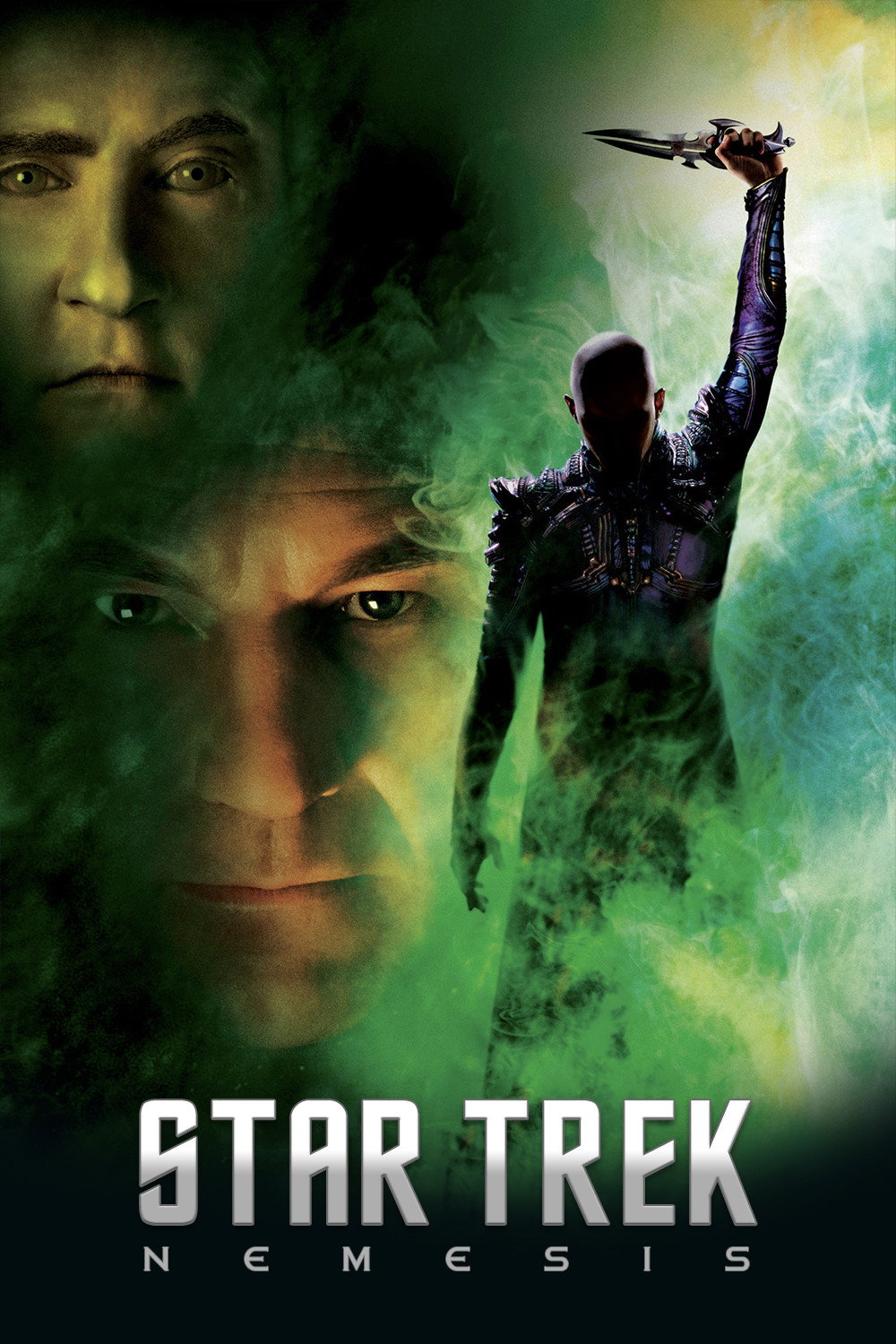
Star Trek: Nemesis is the tenth film in the series and the fourth with the crew of The Next Generation, and its tagline calls it a generation’s final journey. John Logan’s script opens on Romulus, where the whole Senate is killed in a minute by a weapon that leaves them grey and crumbling in their chairs. A new Praetor, Shinzon (Tom Hardy), takes power and invites Captain Jean-Luc Picard (Patrick Stewart) to talk peace. Before he gets there the Enterprise stops on Earth for the wedding of Riker (Jonathan Frakes) and Troi (Marina Sirtis), and on a desert planet to dig up an android with Data’s face. Then Picard sits down to dinner with Shinzon and finds out what he is, and the film has its one good idea.
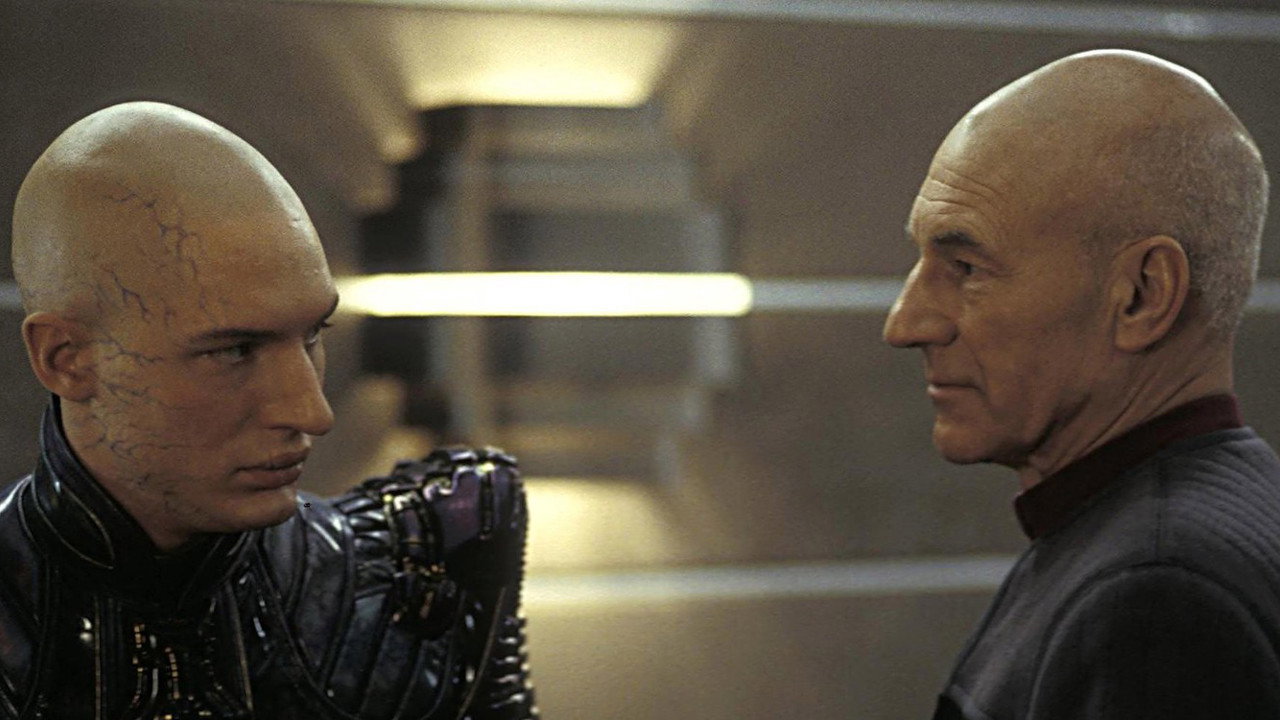
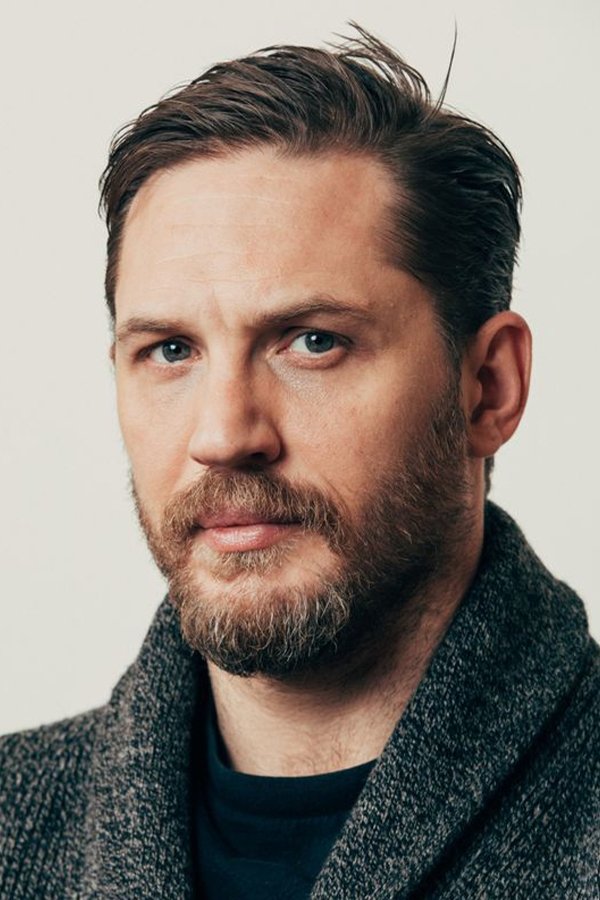
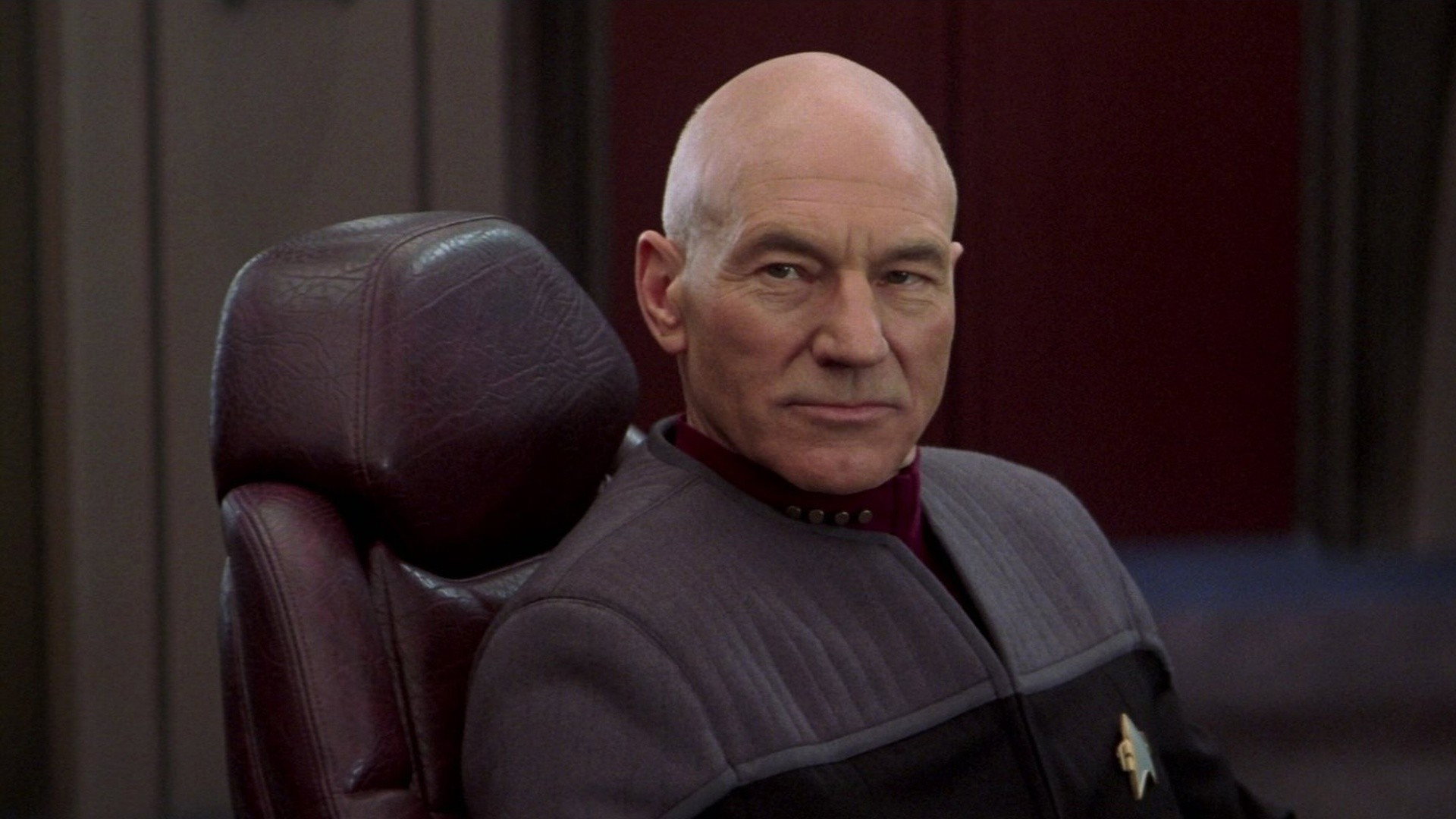
Hardy is the reason to watch. Bald, whispering, leaning across the table as if he means to take a bite out of his host, he plays Shinzon as a young man who wants Picard’s approval and Picard’s life in roughly equal measure. Jeffrey L. Kimball lights the dinner low and amber and holds on the two faces, and Stewart plays a man being flattered who knows exactly what flattery is for. For ten minutes the film is a two-hander about a person and the accident of who he is. We would have taken two hours of it.
What we get instead is Stuart Baird’s idea of an action film, and it is a poor one. The desert planet becomes a dune buggy chase, shot flat and cut by Dallas Puett into short pieces we could not follow, with Picard at the wheel grinning like a man on a stag weekend. We were bored by it, and then we were annoyed, because we knew this was meant to be goodbye and the film was spending it on a car chase. Later there are corridor shootouts, a bridge that shakes on cue, and a fist fight between Riker and Ron Perlman’s Viceroy Vkruk that gets more screen time than Riker’s departure for his own command.
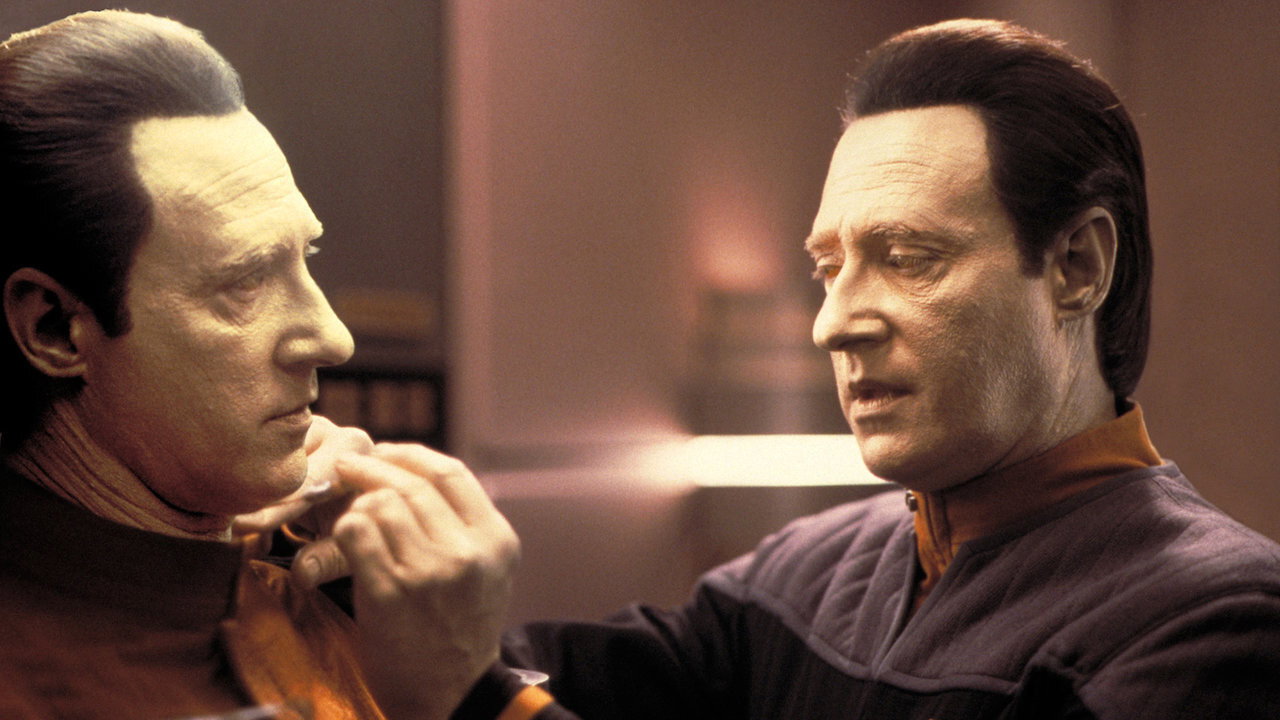
The rest of the crew are onlookers. LeVar Burton’s La Forge reports on things. Michael Dorn’s Worf gets two jokes. Gates McFadden’s Crusher stands behind Picard. Sirtis is given one queasy scene the film plainly thinks is daring, then a console to sit at. Brent Spiner has a story credit and, not by coincidence, the second-biggest part, playing both Data and the simpler android from the sand; the doubling is meant to rhyme with Picard and Shinzon, and Logan’s dialogue says so out loud in case we missed it. At 116 minutes the film feels trimmed, and what was trimmed was these people.
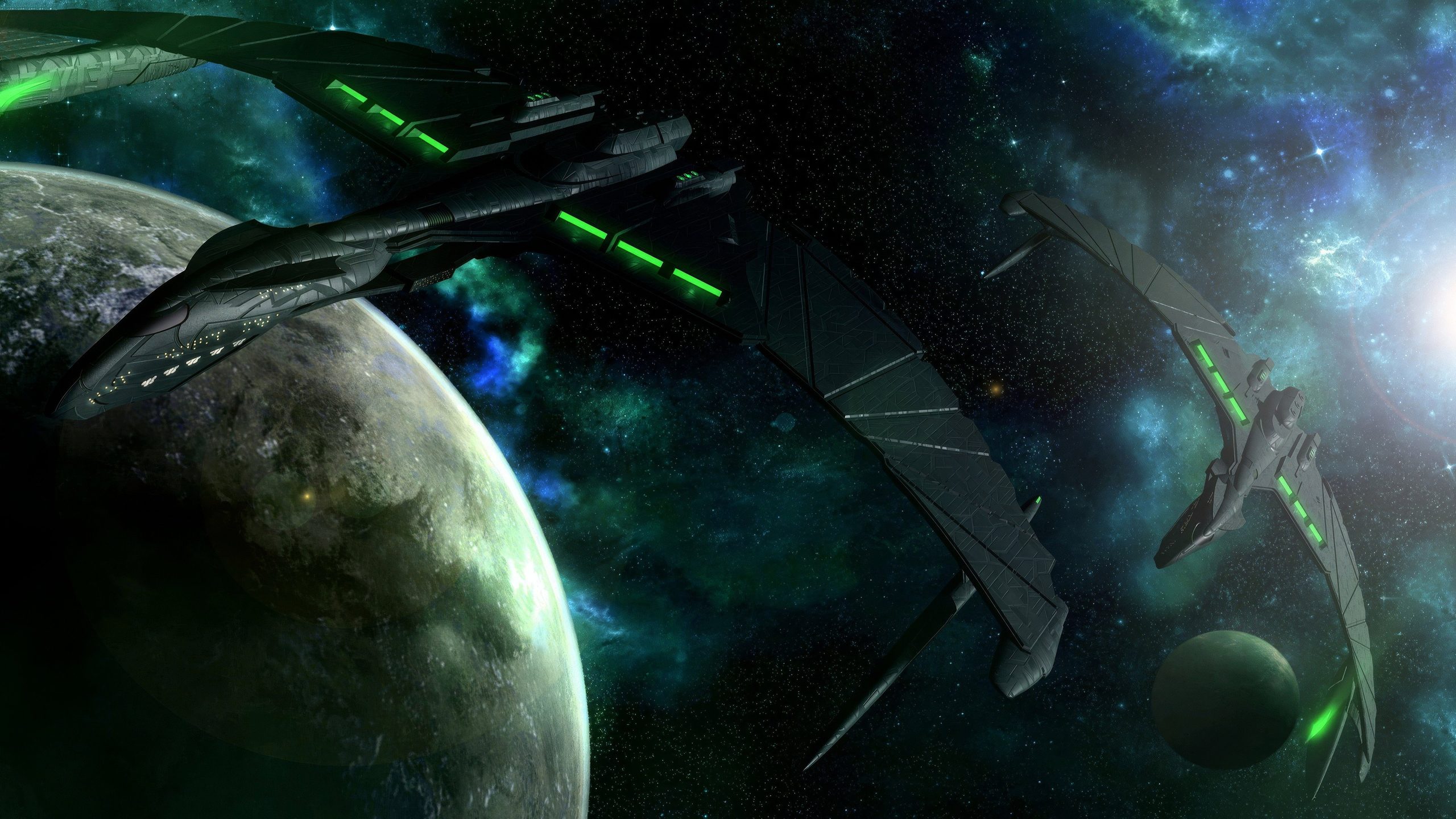
Herman F. Zimmerman’s production design gives Shinzon a warship shaped like a black bat and a throne room in green shadow, and Robert Blackman and Bob Ringwood dress his soldiers in ridged leather and cowls. It is handsome and looks a good deal like every other dark ship in the series. The Enterprise sets are the television sets with the lights turned down. Jerry Goldsmith’s score is the other thing that works. The horn theme from the series comes back at the right moments, and the last cue does more grieving than the script has earned. It moved us in the closing minutes more than anything the actors were allowed to do, and we resented the film slightly for making its composer carry it.
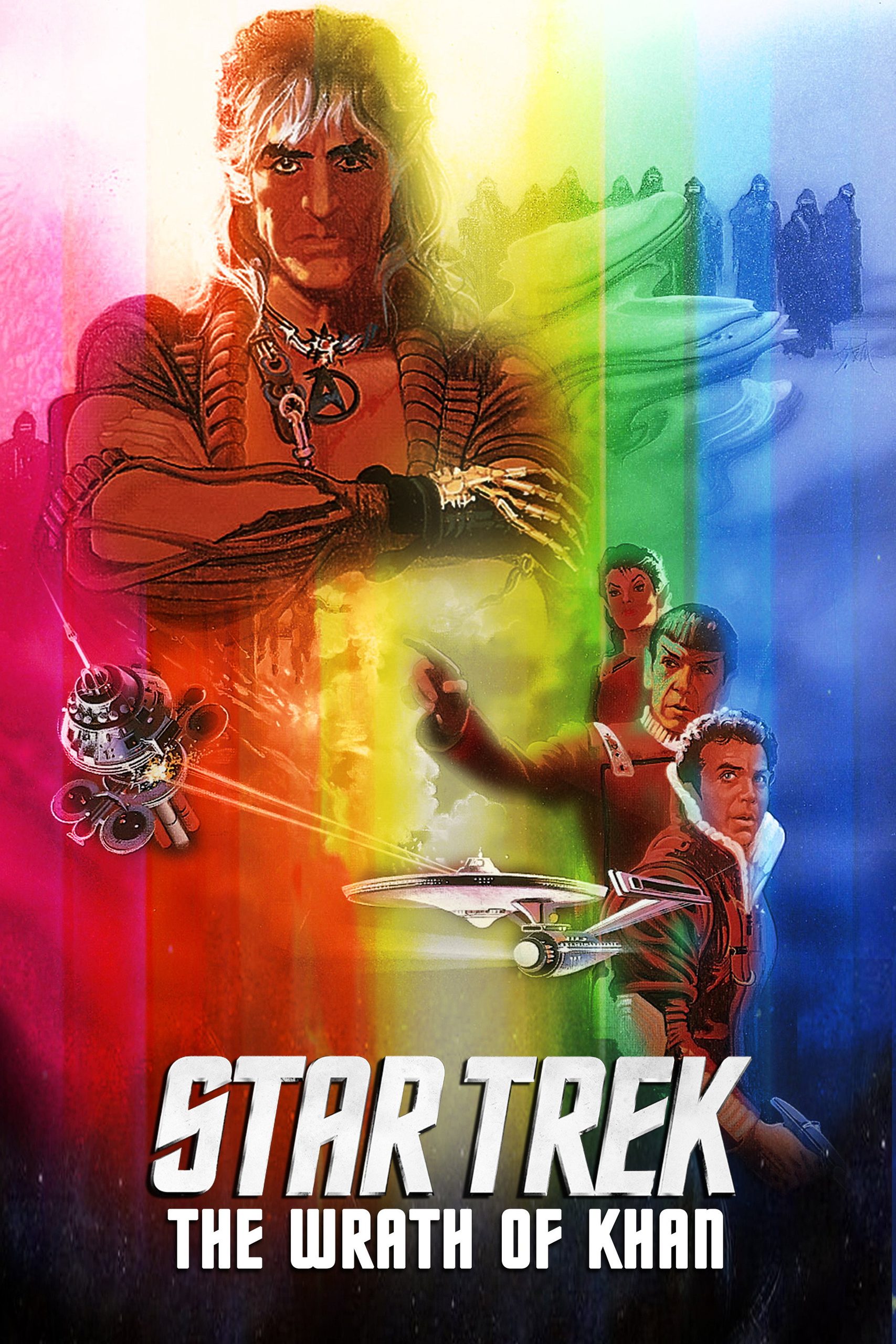
The model is plainly The Wrath of Khan from 1982, the captain and the enemy who is his reflection, and Logan borrows its shape down to the closing gesture. The earlier film knew its people and let them grieve on camera. First Contact, which Frakes directed in 1996, was rougher but gave the whole crew something to do. Baird gives them lines and no scenes.
Most critics landed in the middle, as we have, though a few have since argued the film deserves a second look as a send-off that ties things up. It ties them up the way a landlord ends a tenancy. If you have watched these people for years, the last ten minutes will get you, and you may be cross about how little of the preceding hundred earned them. If you have not, start with the television programme, which knew what it had.