Critics’ reviews

Star Trek: Nemesis (2002)

14 reviews from 14 publications. Critics’ score 54: 5 positive, 5 mixed, 4 negative.

Back to our review of Star Trek: Nemesis

54
Positive
5
Mixed
5
Negative
4

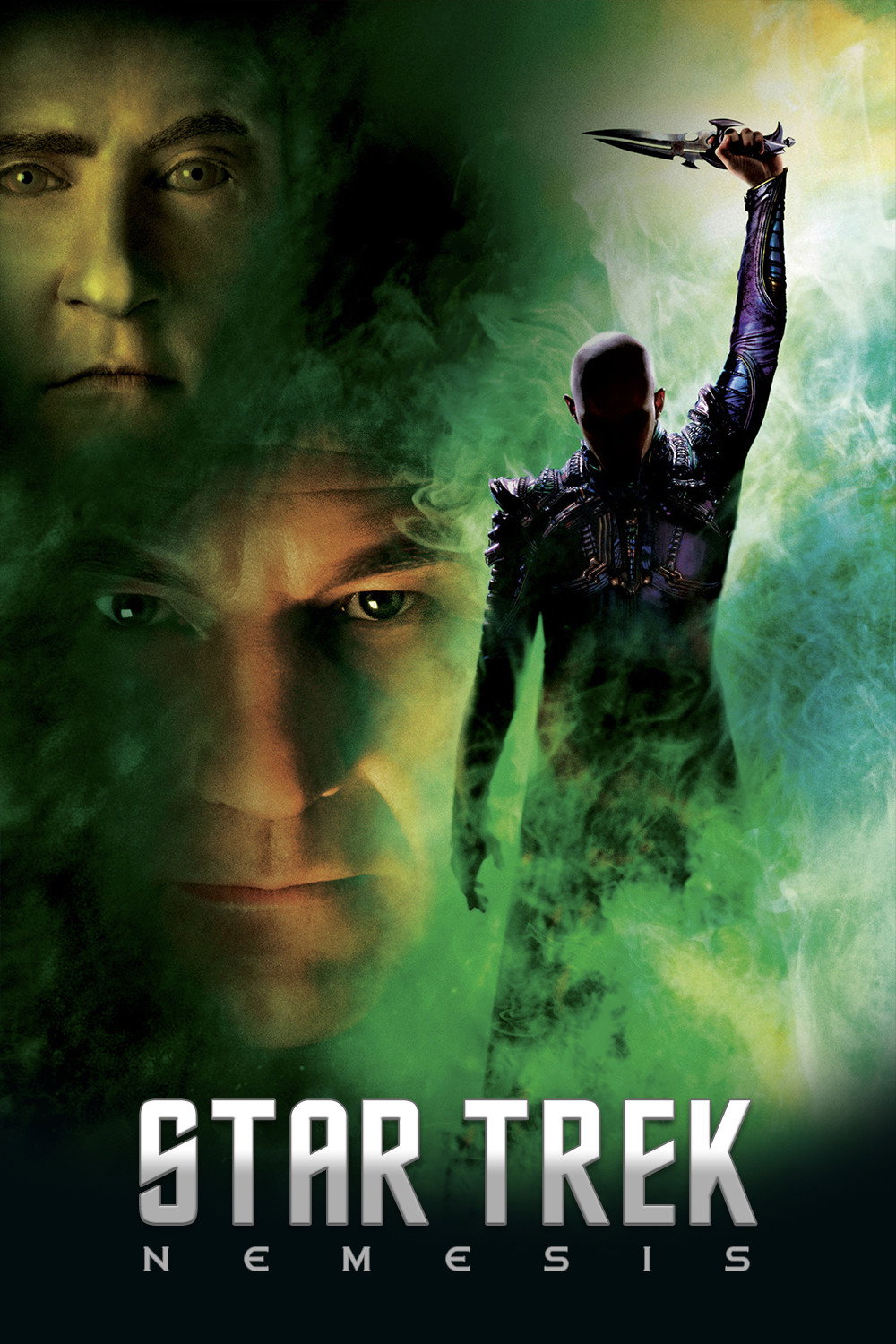
Most critics settle on the same word for Nemesis: solid. It is judged a competent tenth entry that resolves the Romulan thread and a few crew storylines, and the praise clusters on Patrick Stewart, whose Picard is said to carry the film, and on Tom Hardy as his young clone Shinzon. The long dinner between the two is the scene most often singled out, and several reviews find the action brisker and the effects more efficient than in earlier instalments.

The complaints are about familiarity. Shaking bridges, corridor shootouts, shield-by-shield battles and a shock ending that echoes an older film are cited as signs of a series running on habit. The spread is wide, with positive, mixed and negative verdicts in near-equal number. The Independent finds it slow and is unconvinced by Hardy’s resemblance to Stewart, Collider calls it a failed send-off for the crew, while Polygon argues it deserves reappraisal for balancing ensemble and action better than most Trek films.

Screen Daily
20 December 2002
70*

The review calls the film a solidly entertaining tenth instalment that blends adventure with crew interplay but notes its disappointing US box office and questions the series' future. It praises muscular action sequences and the intriguing Picard-Shinzon confrontation along with some affecting character moments.

Read the full review →
Sight and Sound
· Kim Newman
70*

The review positions the film as a solid but familiar tenth entry that resolves Romulan tensions and some crew storylines while feeling like the franchise is reaching its end. It praises the central Picard-Shinzon dynamic and Tom Hardy's villain but notes it falls short of earlier highlights like The Wrath of Khan.

Read the full review →
Slant Magazine
11 December 2002 · Roxanne Blanford
70*

The critic finds the film genuinely intriguing with a compelling plot that weaves together subtext on themes like good vs. evil and identity. Special effects, space vehicles, and set pieces are singled out for praise, along with respect for audience intelligence.

Read the full review →
The Times
10 August 2003 · David Eimer
70*

It is better paced than many predecessors despite familiar technobabble and idealism; Patrick Stewart dominates as Picard while the effects are efficient and Whoopi Goldberg makes an unbilled cameo.

Read the full review →
Variety
7 December 2002
65*

Trekkers will get their fill but others need not apply; the film is a respectable venture maintaining the even-numbered Trek superiority while lacking broader vision to cross over to mainstream audiences. Director Stuart Baird brings autumnal grandeur to key scenes like the Picard-Shinzon dinner, elevated by Patrick Stewart's regal performance.

Read the full review →
The New York Times
13 December 2002 · Stephen Holden
60*

The film is an amiably klutzy affair that remains comfortingly Earth-centric and addresses cloning with psychotherapeutic earnestness through Picard confronting his evil clone Shinzon. It keeps the franchise chugging along in its nostalgic time warp with a warm fuzzy heart.

Read the full review →
Empire
· Adam Smith
50*

The film is described as a resolutely middling entry that is overly talky and slow in the first half but improves later with a sure if uninspired directorial hand and a familiar shock ending. It singles out the lack of innovation in the plot devices for complaint while noting it will appeal to fans as a bittersweet return.

Read the full review →
RogerEbert.com
13 December 2002 · ★★/4 · Roger Ebert
50

The critic finds the Star Trek franchise out of gas after a lifetime of viewing, with repetitive shield battles and uninspired dialogue that even Patrick Stewart cannot elevate. The plot involving a Romulan peace feeler and a Data clone feels redundant and scaled back to a TV episode level.

Read the full review →
Time Out
11 September 2012 · TJ
40*

The critic singles out a ludicrous moment of crew being sucked into space through shattered bridge windows as emblematic of the film's tired, old-fashioned laziness. While acknowledging professional craftsmanship from the writer and director, it criticizes the material as rote and overly familiar with echoes of prior entries.

Read the full review →
The Guardian
3 January 2003 · Peter Bradshaw
30*

The film tests fan loyalty with familiar Trek tropes like shaky bridge scenes and corridor shootouts, and it could mark the end of the series or allow it to limp on with limited support. Patrick Stewart gives his usual conviction as Picard facing a bio-engineered replica villain.

Read the full review →
The Independent
3 January 2003
20*

The critic finds the film uninteresting and slow-moving, dismissing it as liberal-humanist sci-fi slop that fails to engage even with its clone twist and climactic battle. The review singles out the lack of conviction in Tom Hardy's resemblance to Patrick Stewart as a key flaw.

Read the full review →
Polygon
3 March 2020 · Josh Bell
70*

Nemesis deserves reappraisal as it balances ensemble moments and action better than many Trek films and provides a satisfying ending for several characters while feeding into later stories like Picard.

Read the full review →
Den of Geek
3 August 2016 · Alex Carter
65*

The critic finds the film an entertaining but compromised action movie that succeeds at modest aims despite production troubles and heavy editing. Data's storyline and the focus on action over deeper character or world-building are singled out as major flaws that prevent it from being more.

Read the full review →
Collider
13 December 2022 · Collier Jennings
25*

The film is a glaring failure as a send-off for the Next Generation crew, hampered by a director unfamiliar with the franchise and poor handling of character arcs and lore.

Read the full review →

Ordered by the weight we give each publication, then by score. Scores are normalised to 100; * means inferred from an unrated review. Summaries are ours, not quotations; follow the links for the reviews themselves. How we rate