Film review

Star Trek V: The Final Frontier

1989 · Directed by William Shatner · 1h 46m · MPA PG

In a sentenceThree old friends, a campfire, a hijacking and a search for God; the marshmallows are the high point

Science FictionActionAdventureThriller

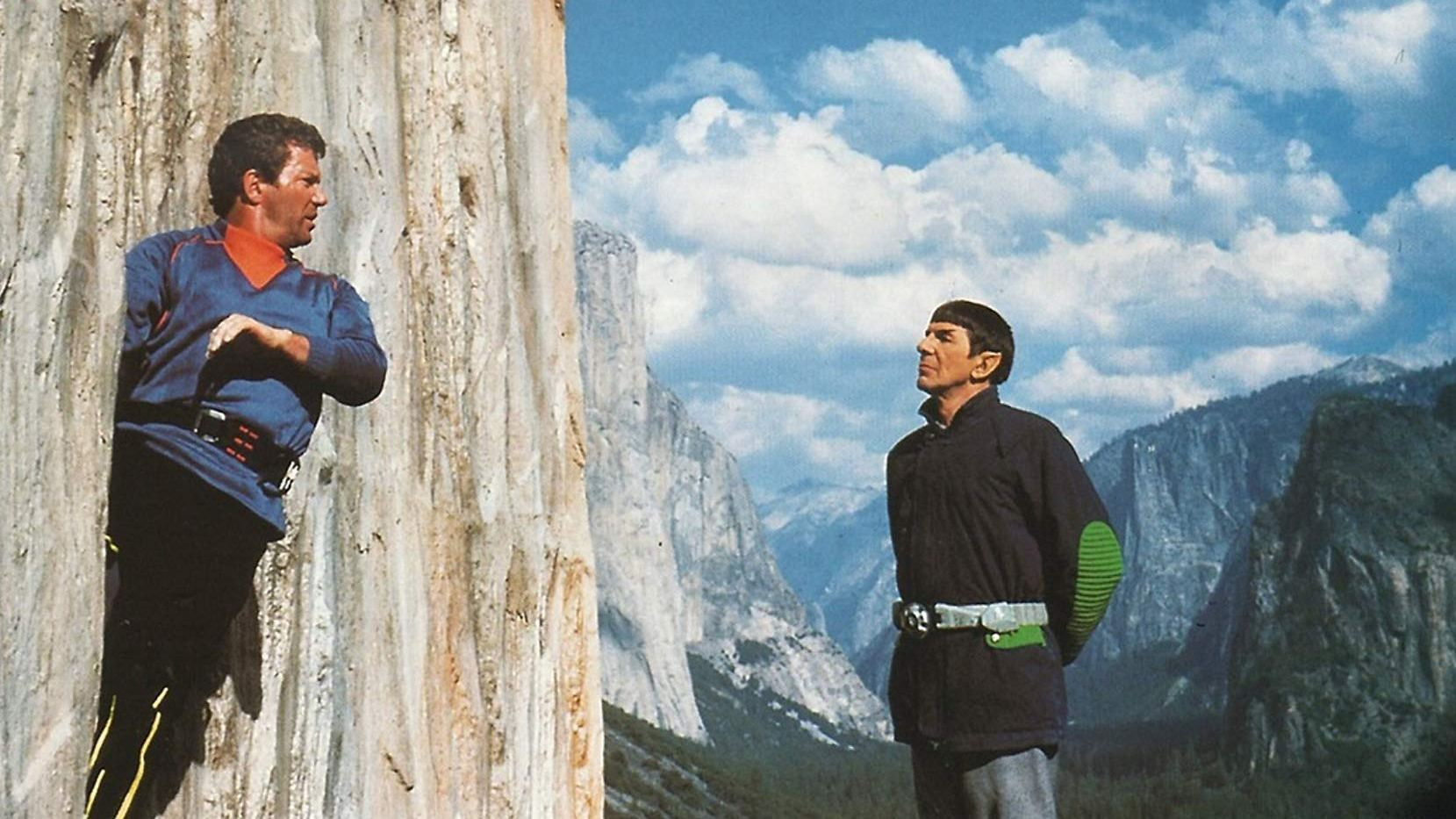
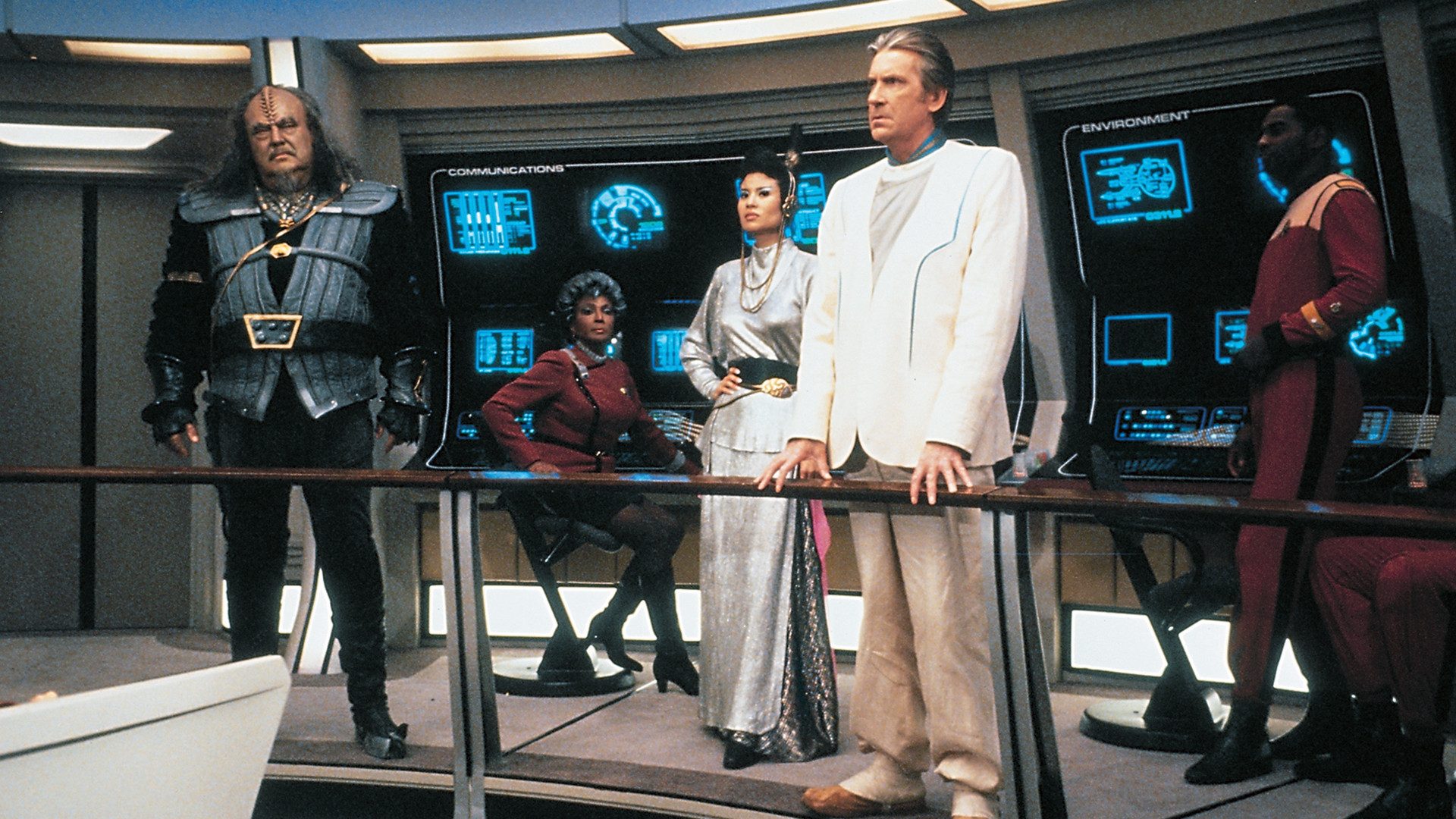
Nimbus III, the Planet of Galactic Peace, is a dust-bowl settlement in the Neutral Zone where three ambassadors, the Federation’s St. John Talbot (David Warner), the Klingon General Korrd (Charles Cooper) and the Romulan Caithlin Dar (Cynthia Gouw), sit drinking in a saloon. Sybok (Laurence Luckinbill), a Vulcan who has renounced logic and can lift the pain from anyone who lets him, rides in with a ragged army and takes them hostage. Captain Kirk (William Shatner), Spock (Leonard Nimoy) and Dr McCoy (DeForest Kelley) are on shore leave in Yosemite, Kirk climbing El Capitan without a rope, when Starfleet recalls them to a new Enterprise that Scotty (James Doohan) has not finished fixing. They are sent to get the hostages back. Sybok wants a starship, and a Klingon captain, Klaa (Todd Bryant), wants Kirk.

Plays from YouTube when you press play; nothing loads from them until then.

Fi1m review

William Shatner’s first film as director has Kirk, Spock and McCoy sitting round a fire talking about death, and that scene is worth keeping. The rest is a hijack plot that does not hold, poor effects and jokes that do not land.

Star Trek V: The Final Frontier opens with Captain Kirk (William Shatner) climbing El Capitan in Yosemite without a rope, falling off it, and being caught a few feet from the ground by Spock (Leonard Nimoy) in rocket boots. That is the film in miniature. Shatner, directing for the first time, wrote the story with Harve Bennett and David Loughery, and what they wanted was a film about three men who have stopped pretending to be young and a Vulcan who thinks he knows where God lives. They got that film for about half an hour. After that it is a hijack picture with poor effects and worse jokes.

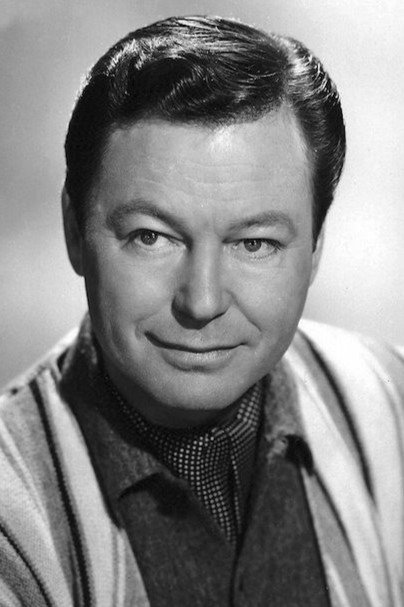
The campfire is the reason anyone defends this film, and they are right to. Kirk, Spock and McCoy (DeForest Kelley) sit by a fire in the dark, McCoy tries to teach Spock about marshmallows, they attempt “Row, Row, Row Your Boat” as a round, and Kirk admits he has always known he will die alone. Andrew Laszlo lights it from the fire, low and orange, and keeps the three of them in one loose frame; Jerry Goldsmith stays quiet. It got to us more than we expected. Kelley in particular has a way of being cross that reads as love. This is the one thing Shatner had to say, and he says it plainly and well.

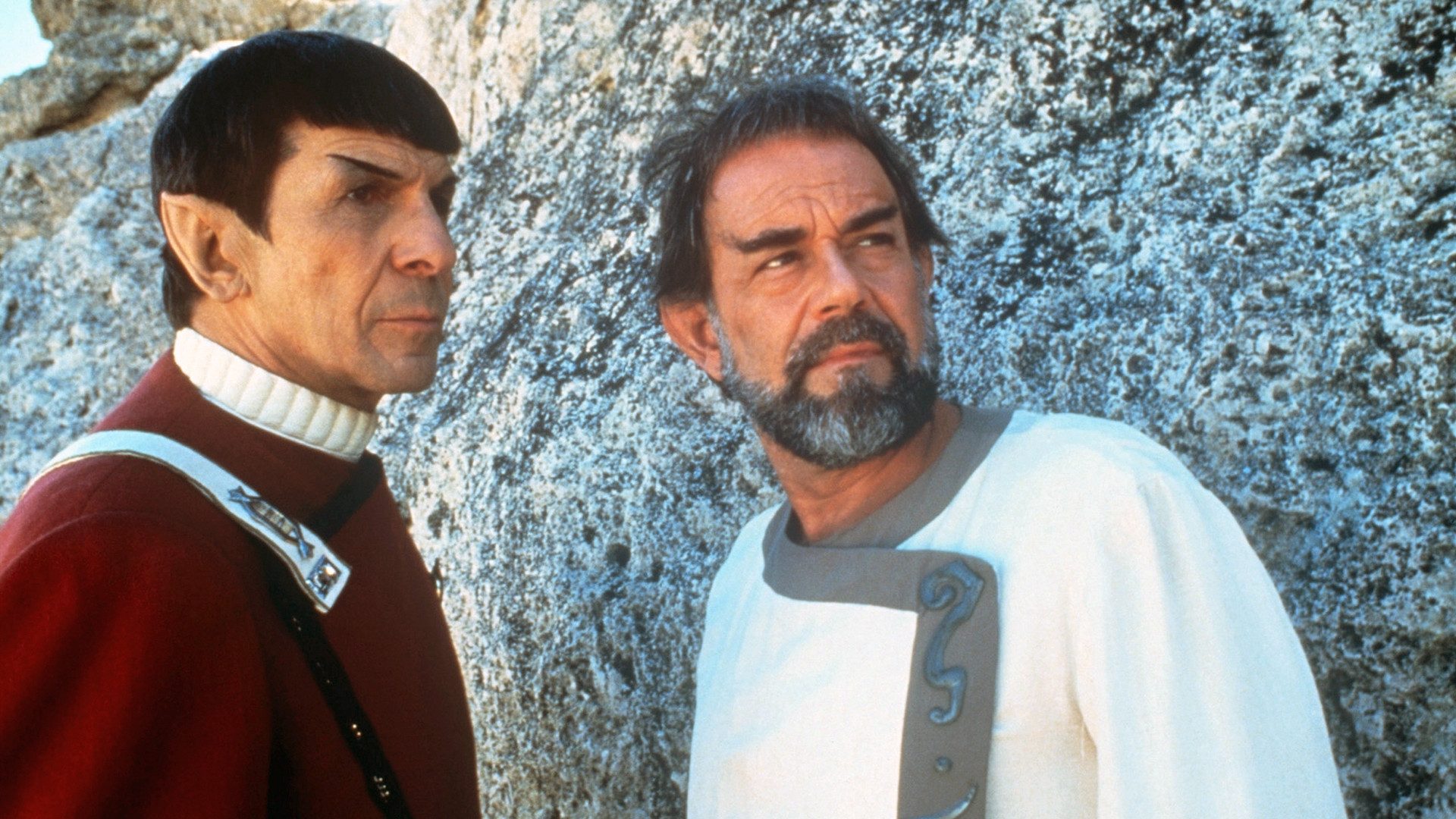
Nimbus III is nearly as good to look at, a desert town that Herman F. Zimmerman and Laszlo treat as a western, all dust and orange light. Three ambassadors drink in its saloon: St. John Talbot (David Warner), General Korrd (Charles Cooper) and Caithlin Dar (Cynthia Gouw). Then Sybok (Laurence Luckinbill) rides in and takes them hostage. Luckinbill is the best thing in the film after the fire, a zealot who is delighted to meet you, and Nilo Rodis-Jamero puts him in a plain robe and lets the actor do the work. His trick is to find a person’s worst memory and talk them through it, and those scenes have more feeling than the plot around them deserves.

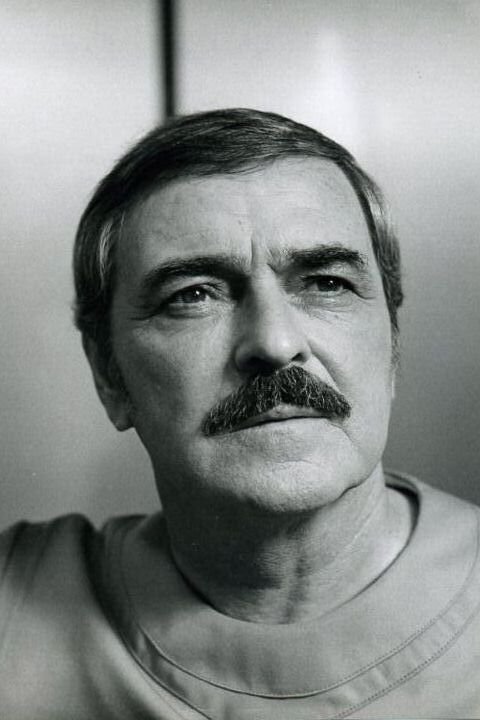
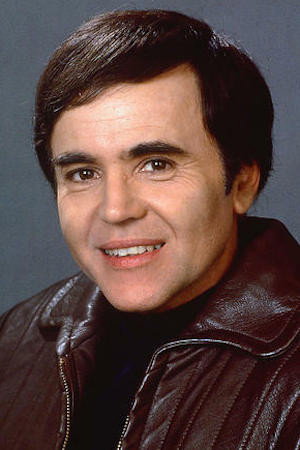
The trouble is everything joining those pieces together. Loughery’s screenplay needs Sybok to get hold of a starship, and getting him one takes forty of the film’s 106 minutes, business that Peter E. Berger cannot cut into a shape: a fight in a stable, a rescue on horseback, a run of comic bits that land on the supporting cast like bad weather. Scotty (James Doohan) announces he knows the ship like the back of his hand and walks into a bulkhead. Sulu (George Takei) and Chekov (Walter Koenig) get lost in the woods. Uhura (Nichelle Nichols) is handed the worst of it, and we winced for her; the script asks less of an actress who has done more for this series than most. Captain Klaa (Todd Bryant) turns up every twenty minutes to remind us he is coming.

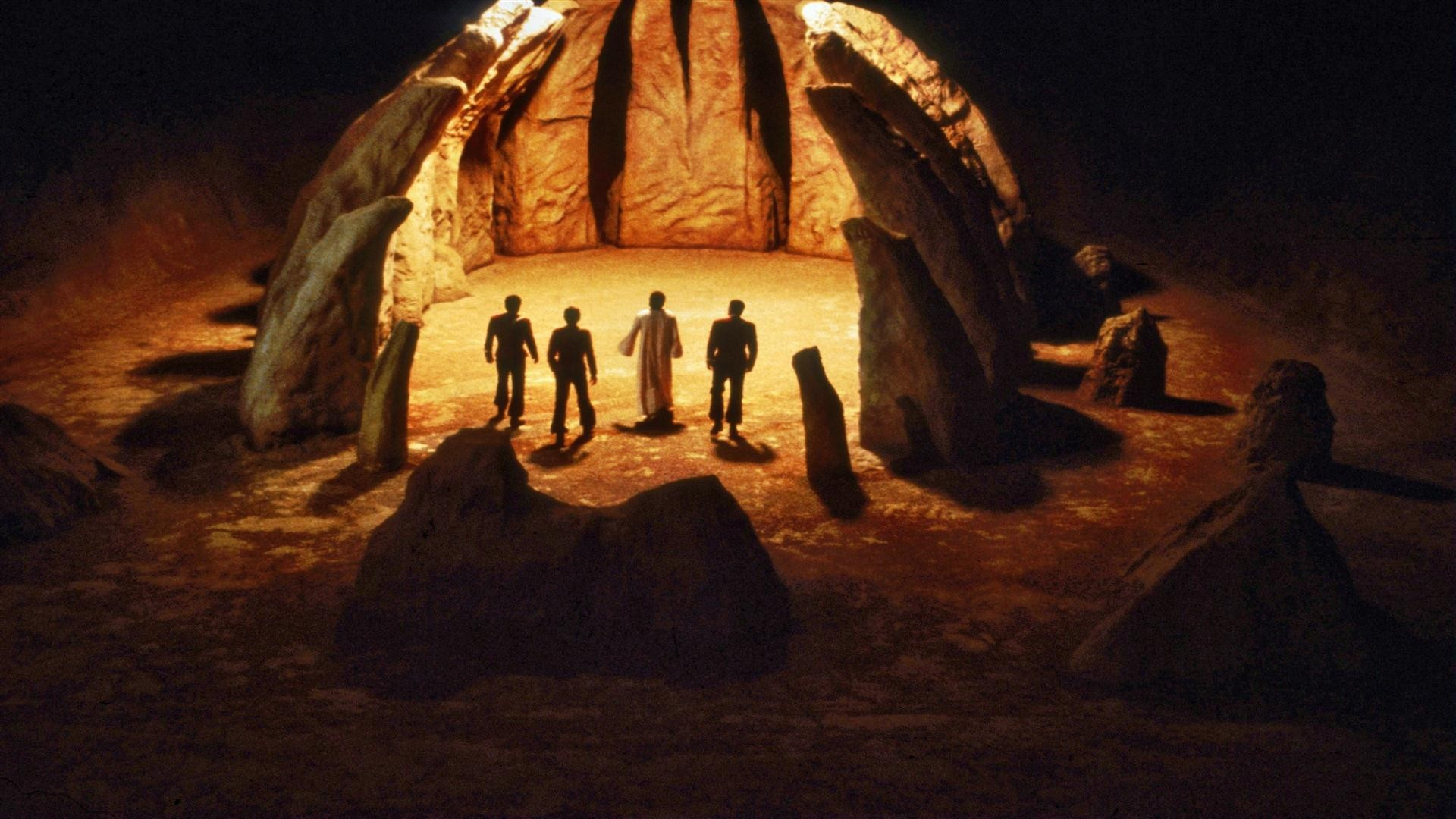
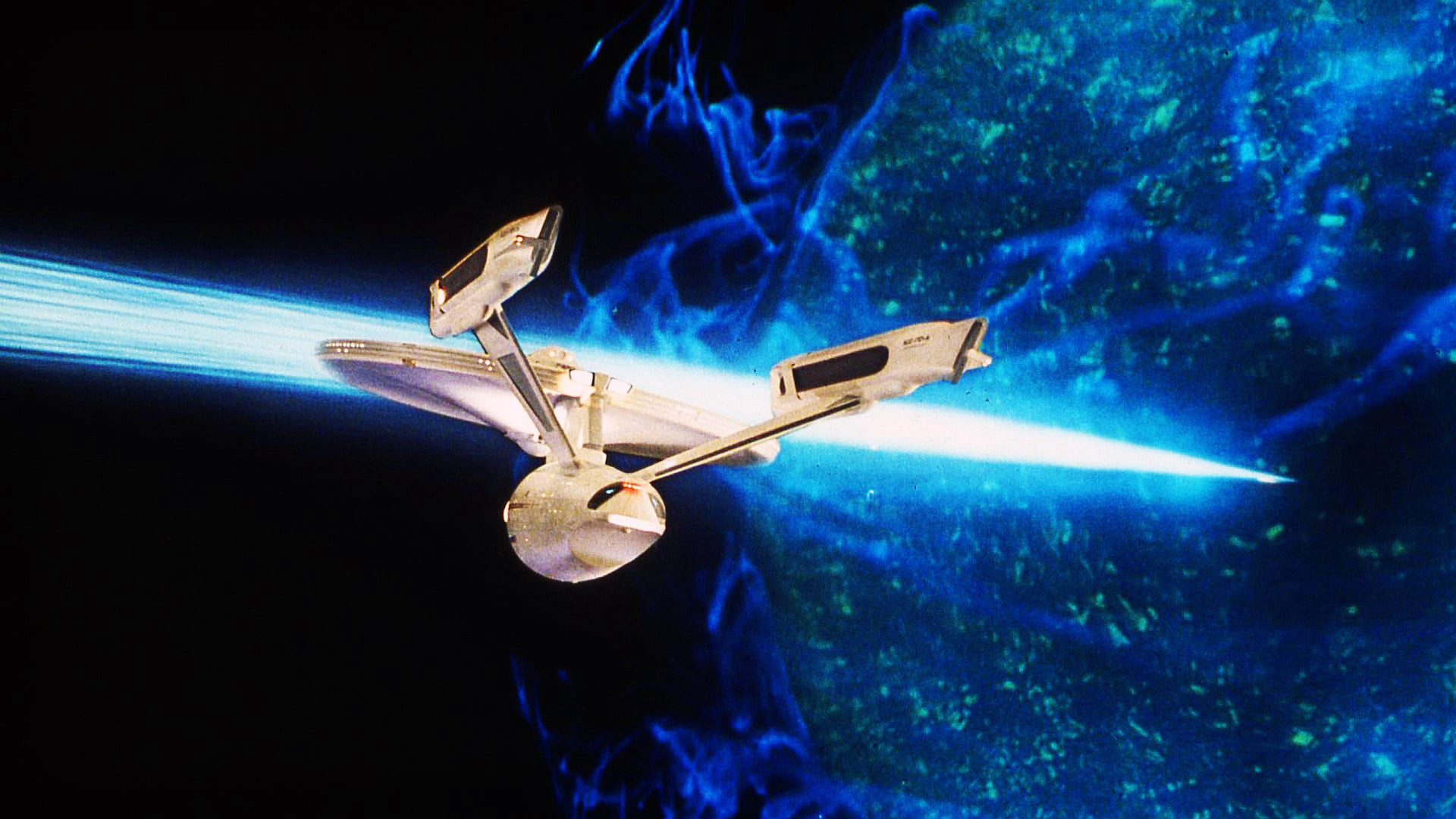
Then there are the effects, which are poor in a way that matters. The film has been promising awe for an hour, and there is a minute, as the ship nears what the film calls the Great Barrier and Goldsmith’s music promises something on the other side of it, when we sat forward and thought it might arrive. It does not. What is on the screen cannot carry what the music is asking of it, and the picture goes flat at the moment it most needs to open up.

Against its own series the film comes off badly. Star Trek II: The Wrath of Khan (1982) and Star Trek IV: The Voyage Home (1986) knew exactly how long a joke could run and what these people were for. Shatner knows what these people are for; he has no idea how long a joke should run. Goldsmith, back for the first time since the 1979 film, brings his old theme with him and writes a new one for the mountain, and the score does a good deal of the work the pictures should have done.

Most critics have written the film off, and we cannot quarrel with their number, only with the tone. This is not a lazy film. It was made by people who meant every word of it, which is rarer than it sounds and not the same as making it well. Watch the first half hour, in which nothing much happens and three old friends talk, and decide then whether you have the patience for what they do once they are given the ship.

Critical consensus AI synthesised

41
Positive
2
Mixed
2
Negative
8

Most critics do not like it, and several call it the weakest film in the series. What praise there is clusters around the cast rather than anything Shatner does behind the camera: the affection between Kirk, Spock and McCoy, the campfire scene, the quieter character moments that come from a crew visibly in middle age. A few reviews also find something to admire in the score and the location shooting, and several concede the film is more sincere than its reputation allows.

The reservations are far more consistent. Shatner’s direction is the usual first complaint, followed by a muddled story built around a quest for God, forced humour and special effects that more than one review calls dreadful. The spread is wide, from a warm notice to outright ridicule. The Los Angeles Times is the dissenter, reading the film as a mellow spiritual odyssey that gains from its ageing crew, while Slant argues its virtues outweigh its failings.

Los Angeles Times
9 June 1989 · Kevin Thomas
80*

The film is a mellow spiritual odyssey as much as a space adventure, richer for embracing the crew's middle age and perspective on life. Shatner effectively uses the cast's maturity for resonance, humor, and wisdom alongside adventure and effects.

Read the full review →
Slant Magazine
10 June 2014 · Tony Dayoub
70*

The critic argues that despite its failings the film has many virtues, including its score, location shooting, and fulfillment of the franchise's exploratory ethos. He singles out the emphasis on the core characters' camaraderie and bravery for praise while noting production compromises and tough competition at release.

Read the full review →
The Hollywood Reporter
9 June 2019 · Phil Pirrello
50*

The critic views the film as an underwhelming messy execution of good intentions that nearly killed the franchise but is not the disaster pop culture makes it out to be. He singles out the strong focus on the central trio's relationships and emotional introspection for praise, alongside some ambitious action sequences.

Read the full review →
The New York Times
9 June 1989 · Caryn James
50*

The baroque plot borrows from too many sources and tries too hard for grandeur, diluting the series' familiar charm. The actors remain tireless and sincere, providing some appealing moments amid the unwieldy story.

Read the full review →
The AV Club
12 March 2010 · D+ · Zack Handlen
43

The critic admits to enjoying the film despite its many flaws, calling it a not very good movie with a clumsy story, corny jokes, and simplistic themes. He singles out its personal, energetically awful sincerity and handful of decent ideas for note, while criticizing the bad humor and inconsistent characters.

Read the full review →
Empire
1 January 2000 · William Thomas
30*

The critic deems the film the biggest disappointment in the series, faulting Shatner's direction and the story's quest for God as poorly executed with bad jokes and tonal issues. Some positives are noted in the scenery and Spock retaining dignity amid the buffoonery.

Read the full review →

Cast

Awards

Golden Raspberry Award for Worst Actor, 1990

Won
Golden Raspberry Award for Worst Actor

Golden Raspberry Award for Worst Director, 1990

Won
Golden Raspberry Award for Worst Director

Golden Raspberry Award for Worst Picture, 1990

Won
Golden Raspberry Award for Worst Picture

Golden Raspberry Award for Worst Screenplay, 1990

Nominated
Golden Raspberry Award for Worst Screenplay

Golden Raspberry Award for Worst Supporting Actor - Razzie Award, 1990

Nominated
Golden Raspberry Award for Worst Supporting Actor - Razzie Award

If you liked this, try…

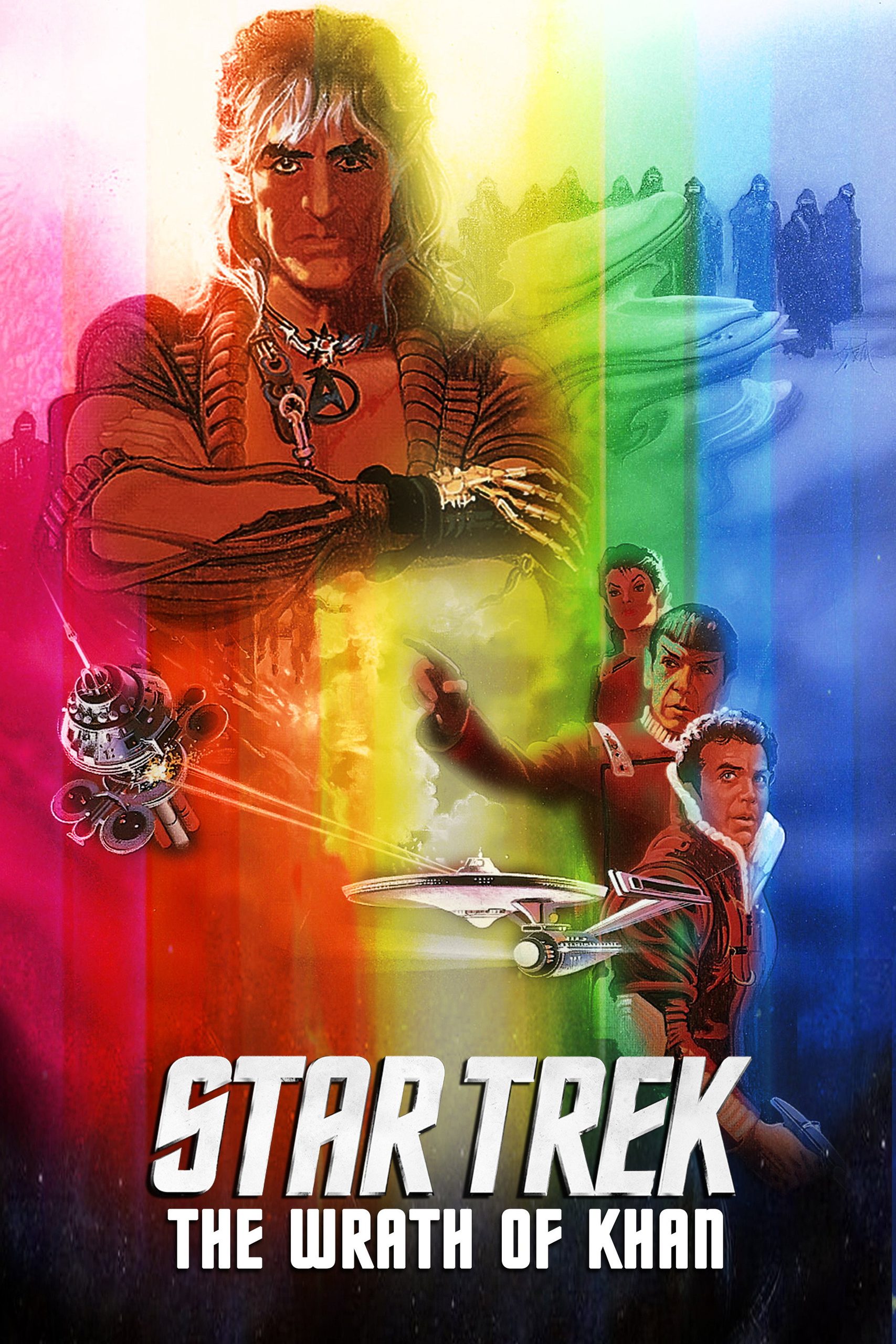
Star Trek II: The Wrath of Khan poster85

Star Trek II: The Wrath of Khan

1982 · The same three men, older, with a script that knows what to do with them.

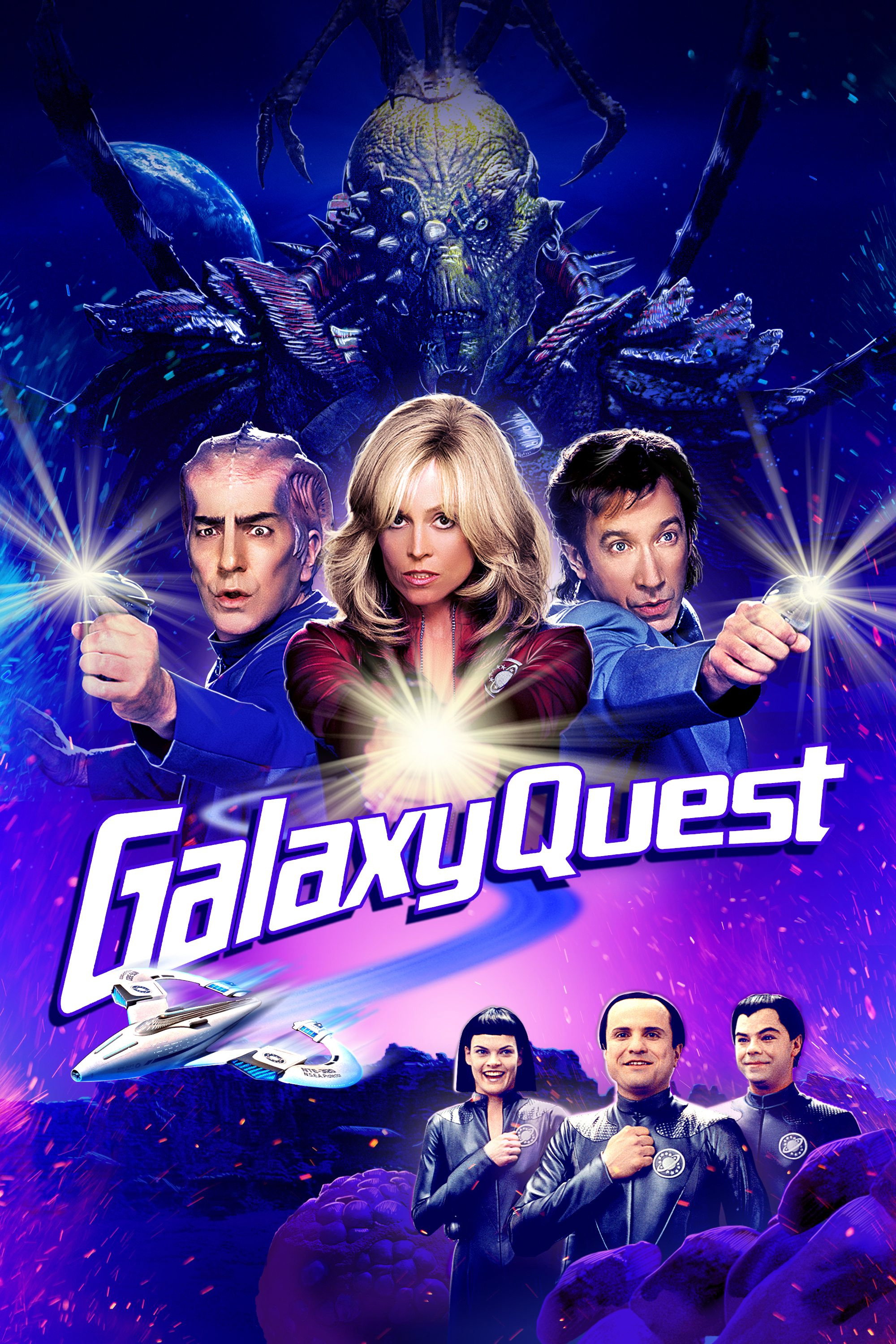
Galaxy Quest poster

Galaxy Quest

1999 · An ageing crew, a silly ship and real affection; everything this film wanted, done on purpose.

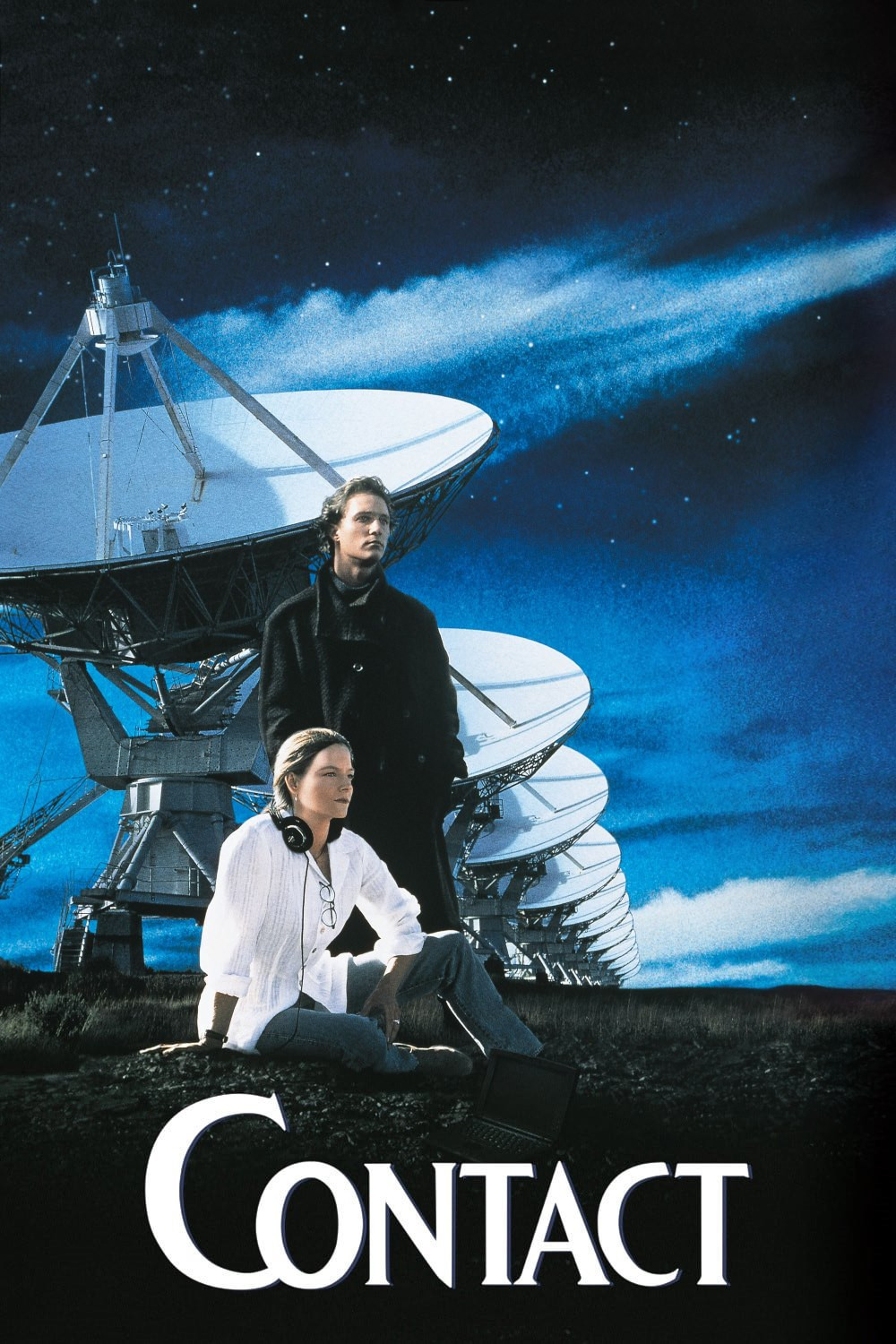
Contact poster76

Contact

1997 · A patient film about travelling to the edge of space to ask God a question.

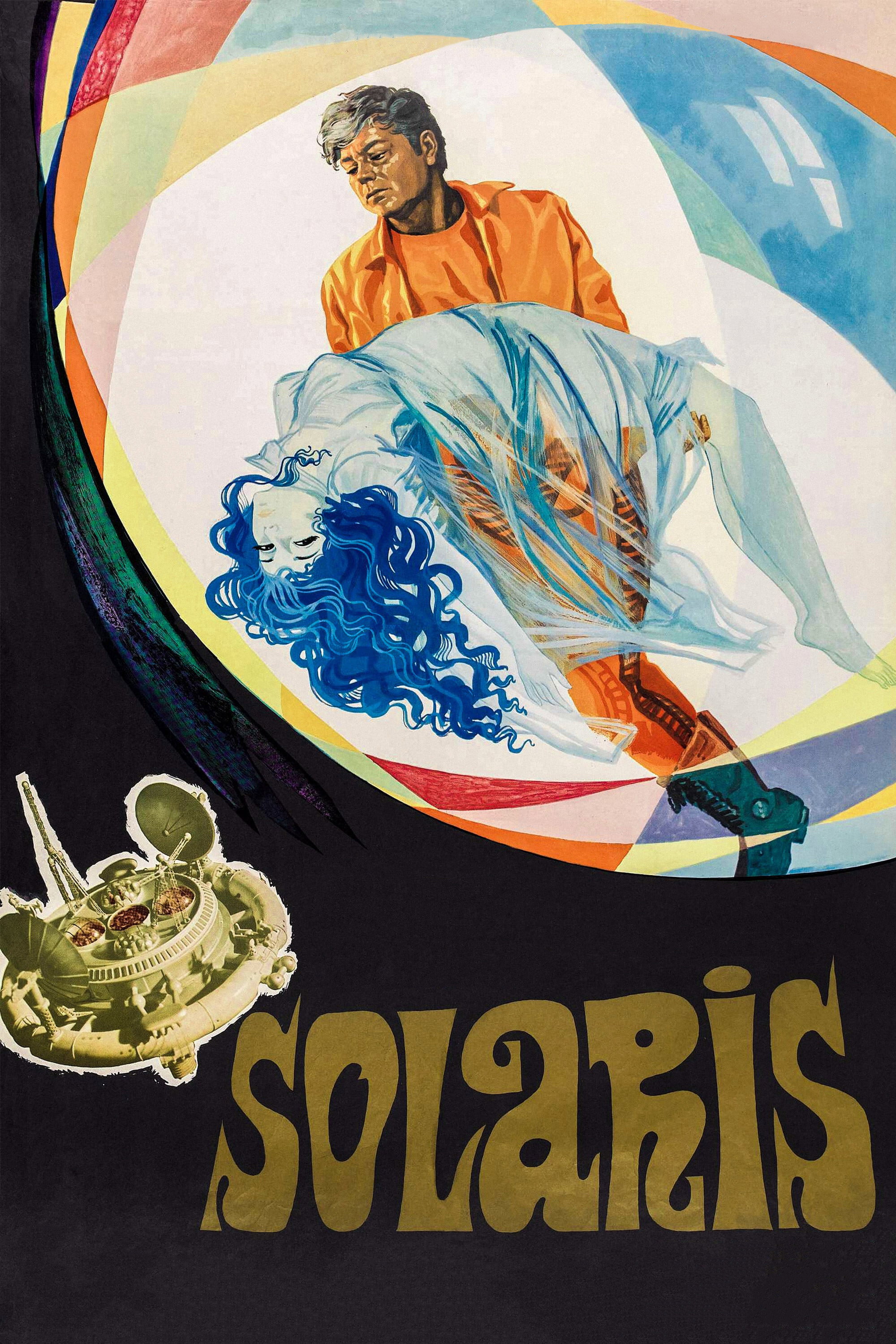
Solaris poster

Solaris

1972 · Tarkovsky’s cosmonauts also meet something out there that knows their worst memories.

Ad Astra poster78

Ad Astra

2019 · A son crosses the solar system to find his father; quieter, sadder, better lit.