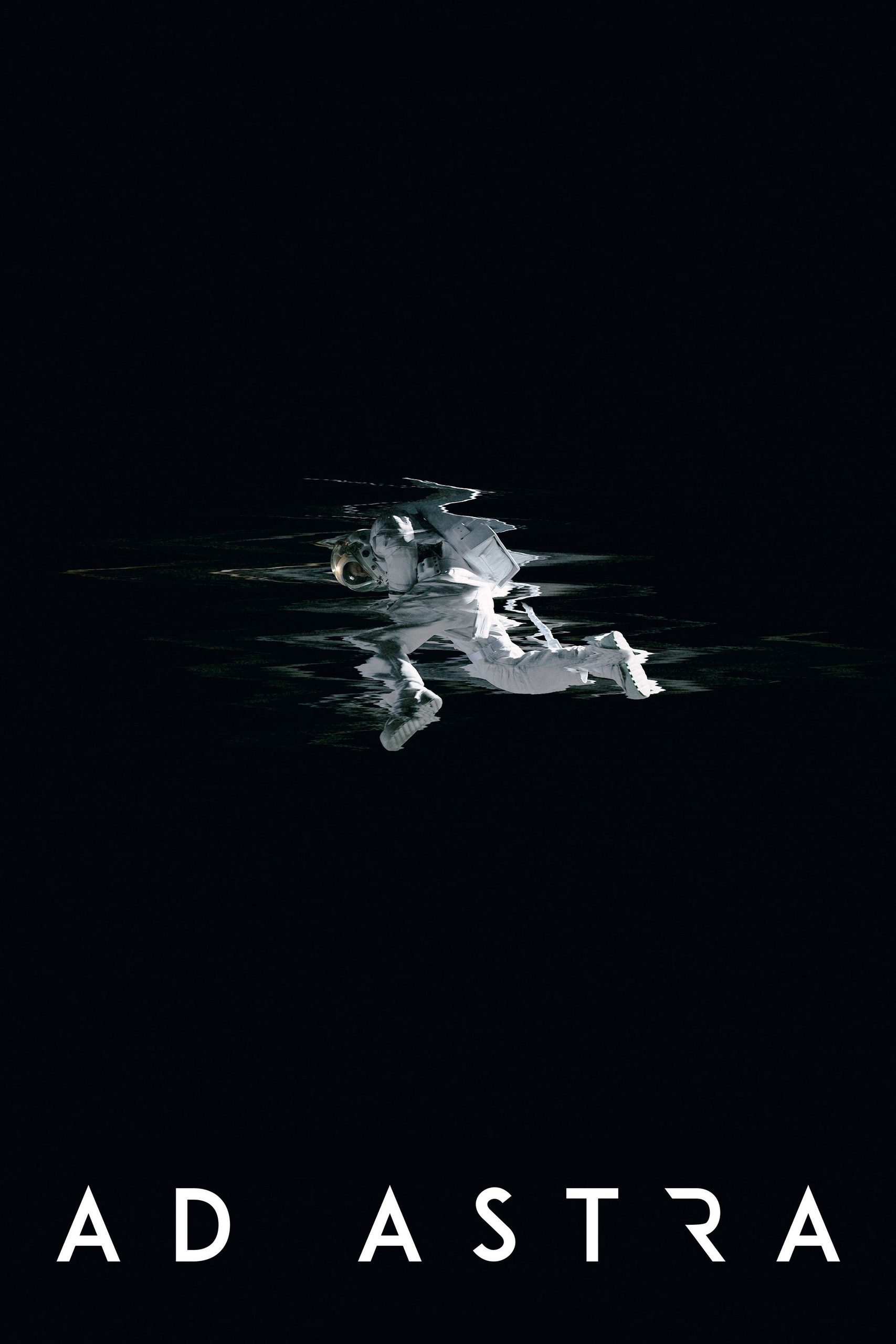
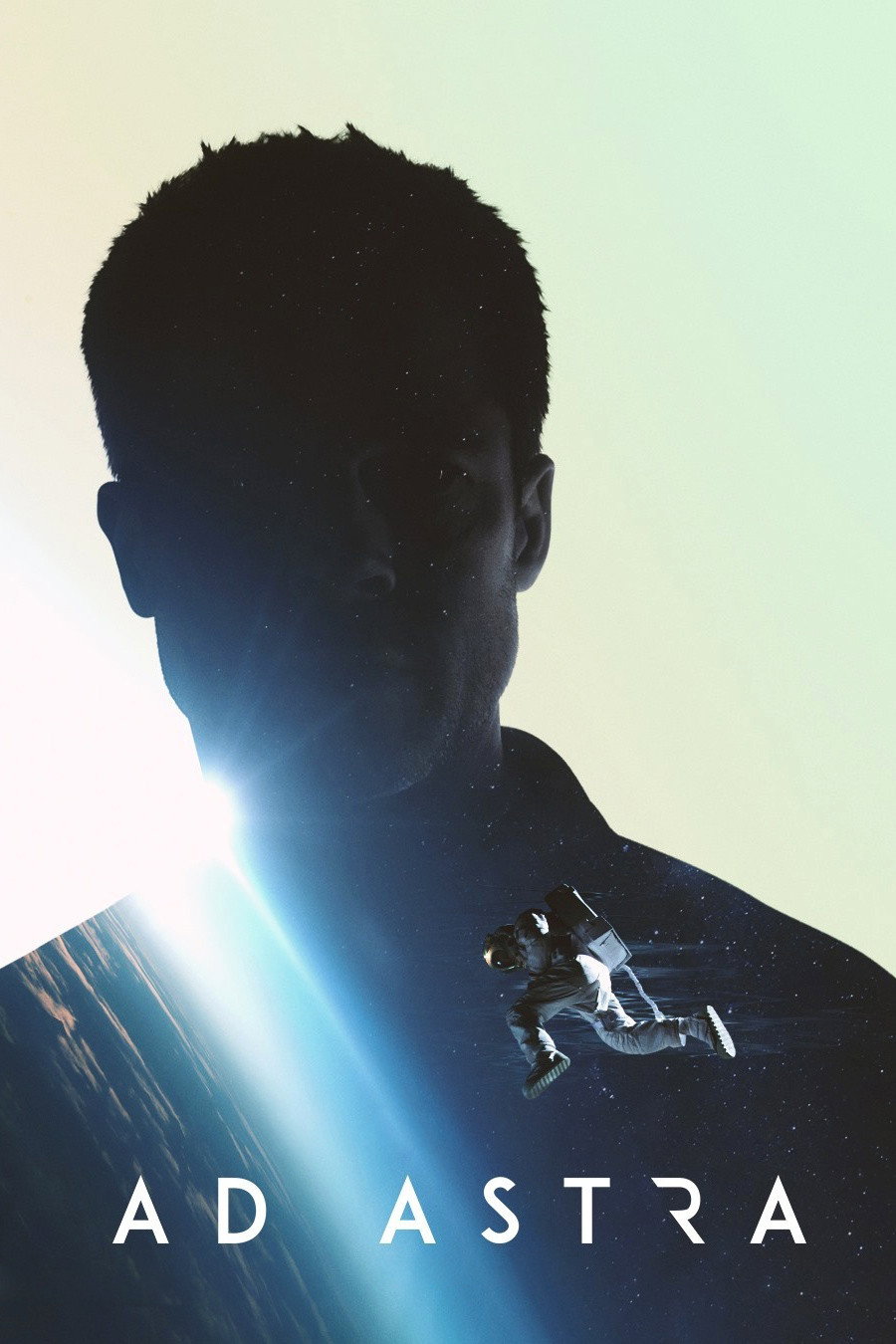
James Gray’s space drama is worth the journey for Brad Pitt’s restrained, affecting performance and its convincing sense of danger. The voiceover explains too much, but the loneliness gets through.
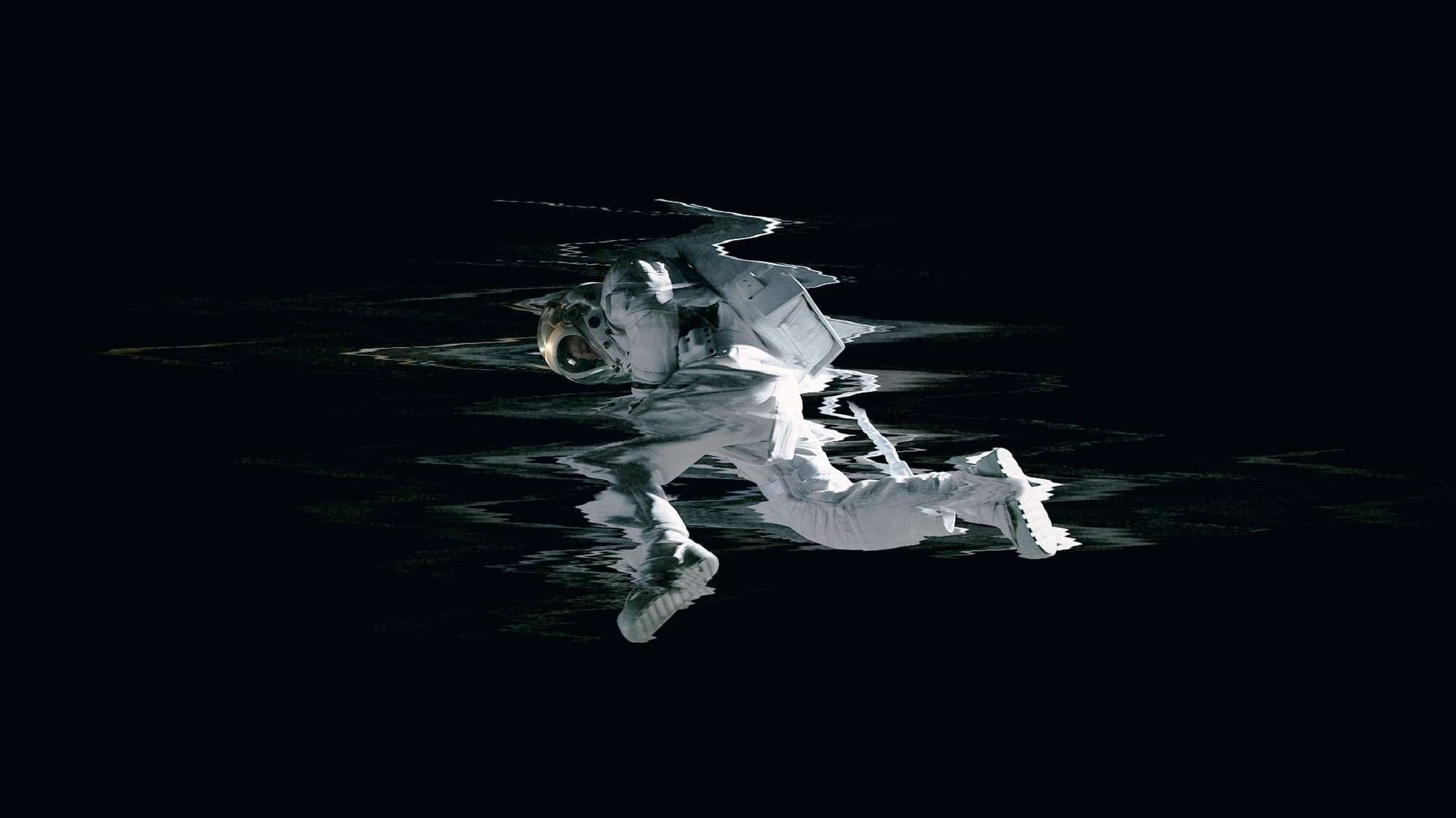
Ad Astra sends an astronaut towards Neptune to look for his missing father, then spends much of the journey watching him struggle to admit what that means to him. James Gray has made a good, sometimes moving space drama whose principal asset is Brad Pitt’s ability to keep a feeling almost out of sight. The trouble is that the film keeps supplying words for feelings we can already see.
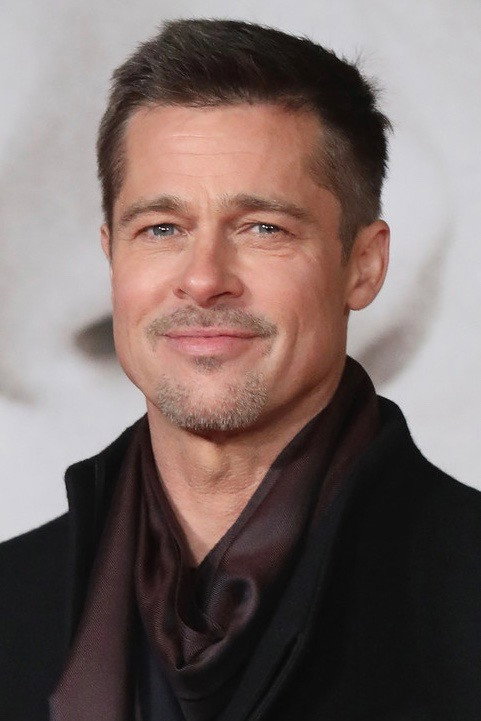
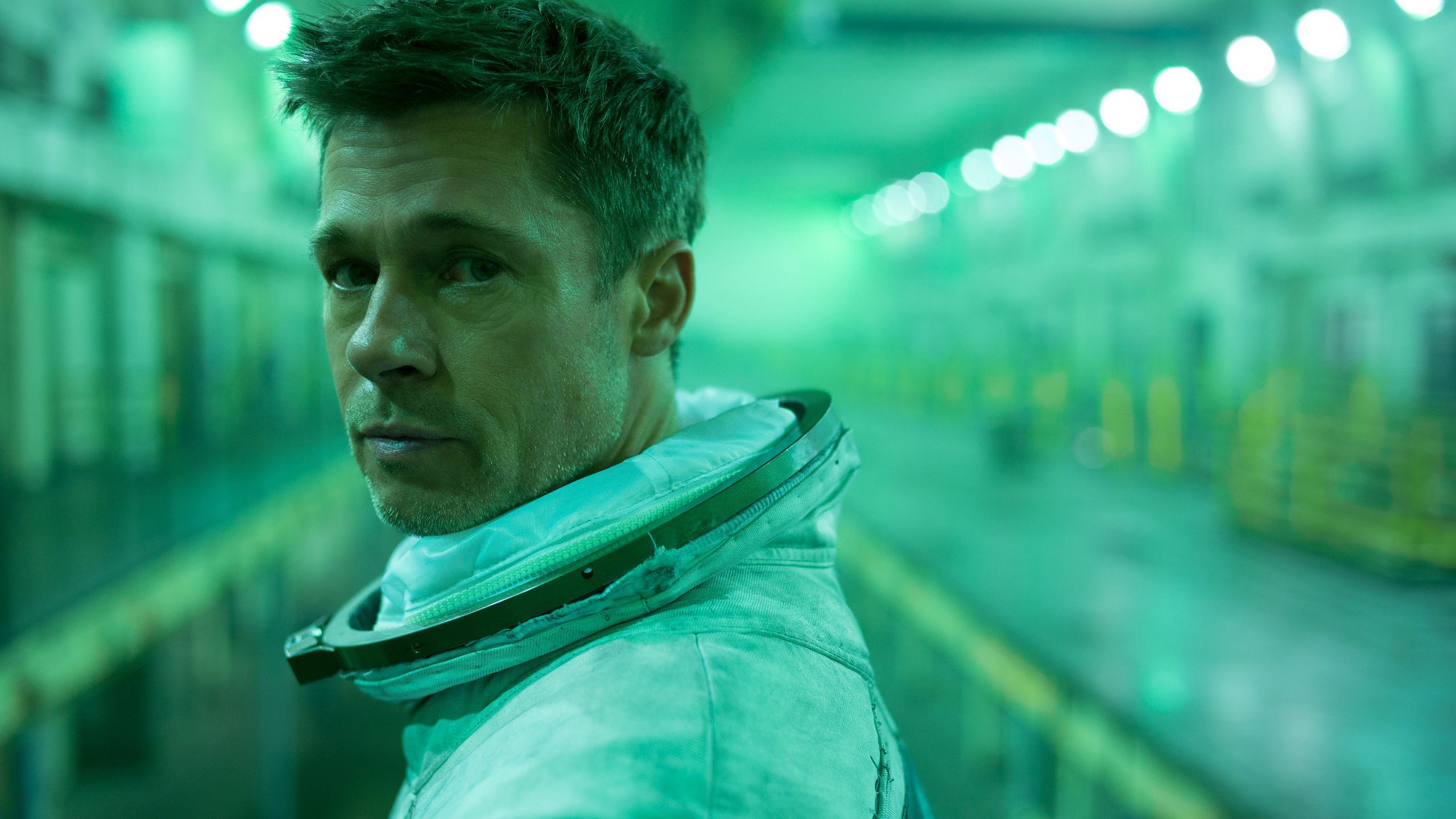
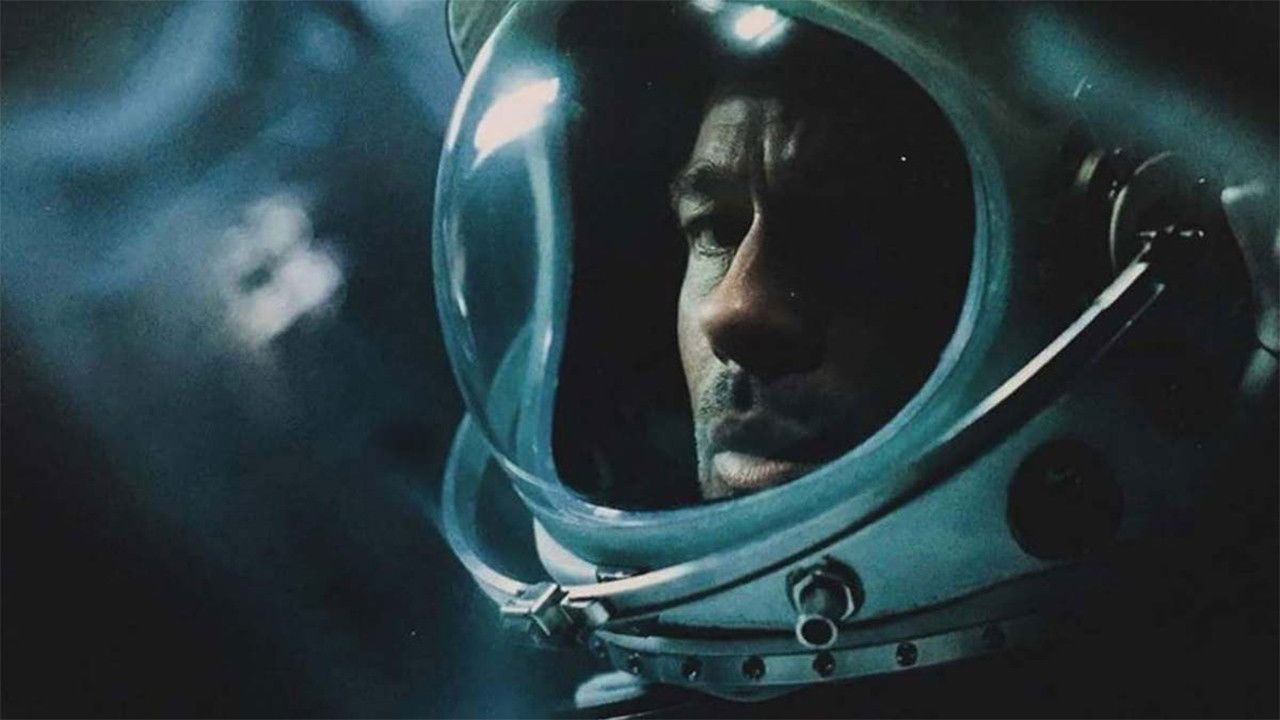
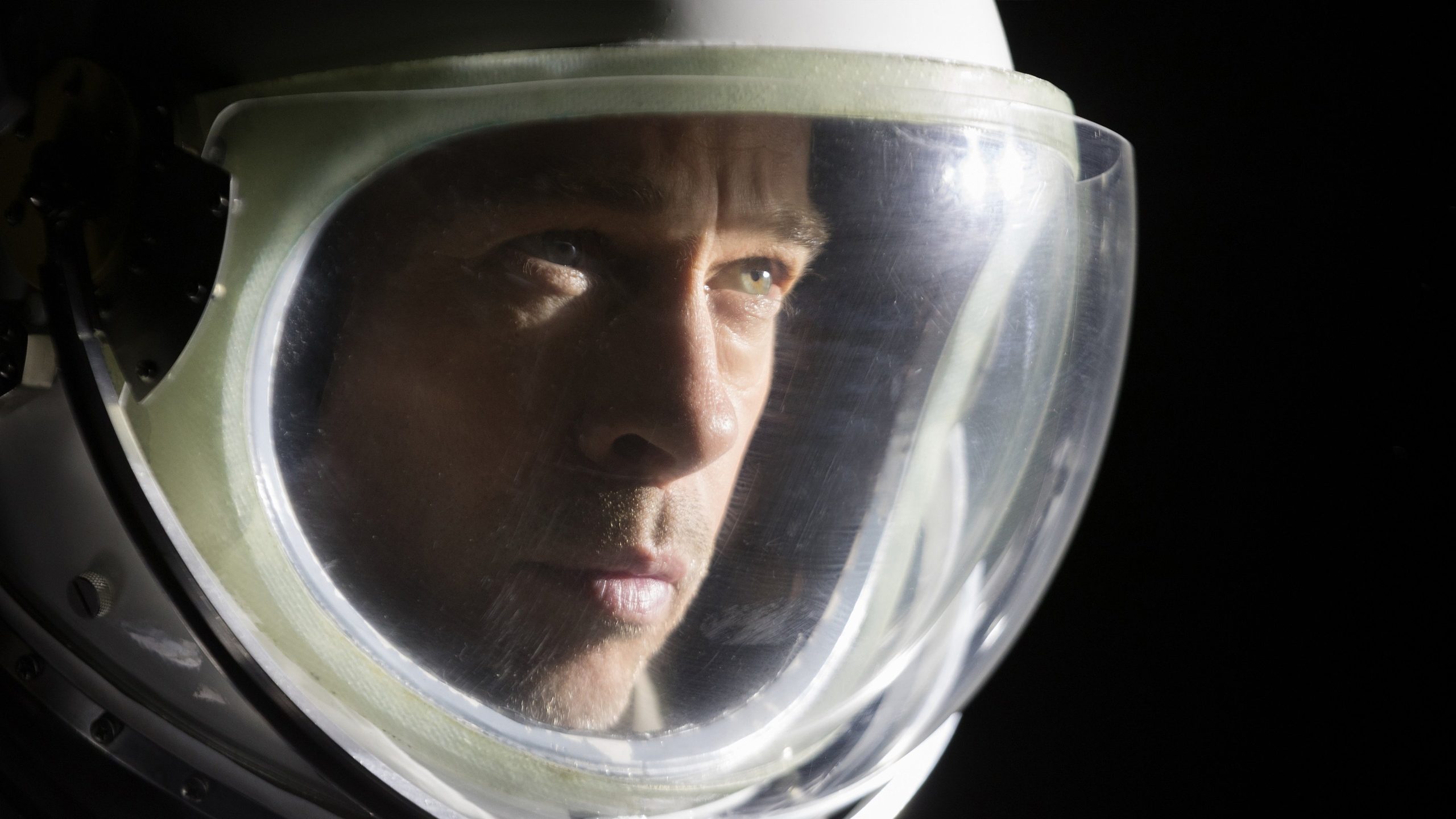
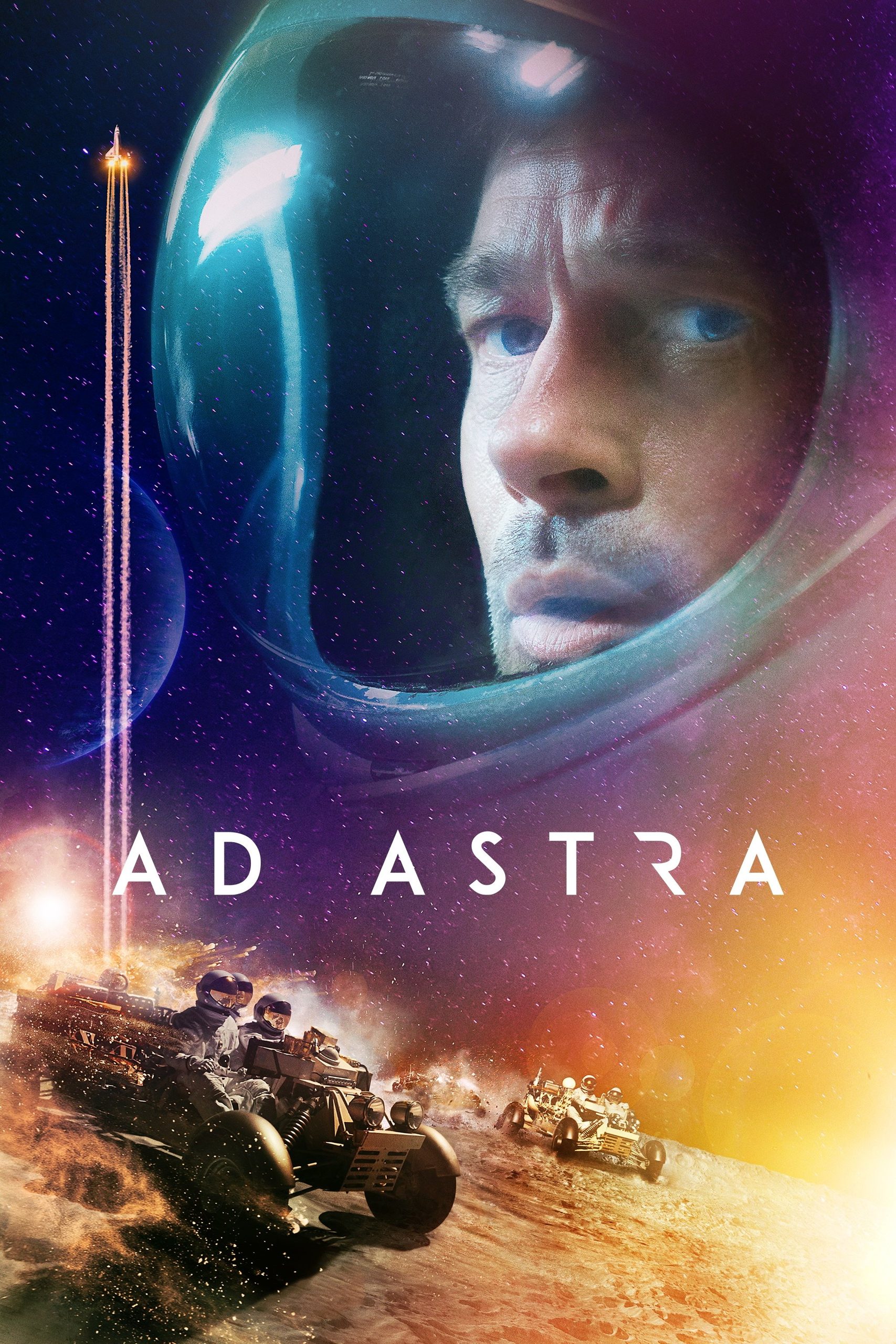
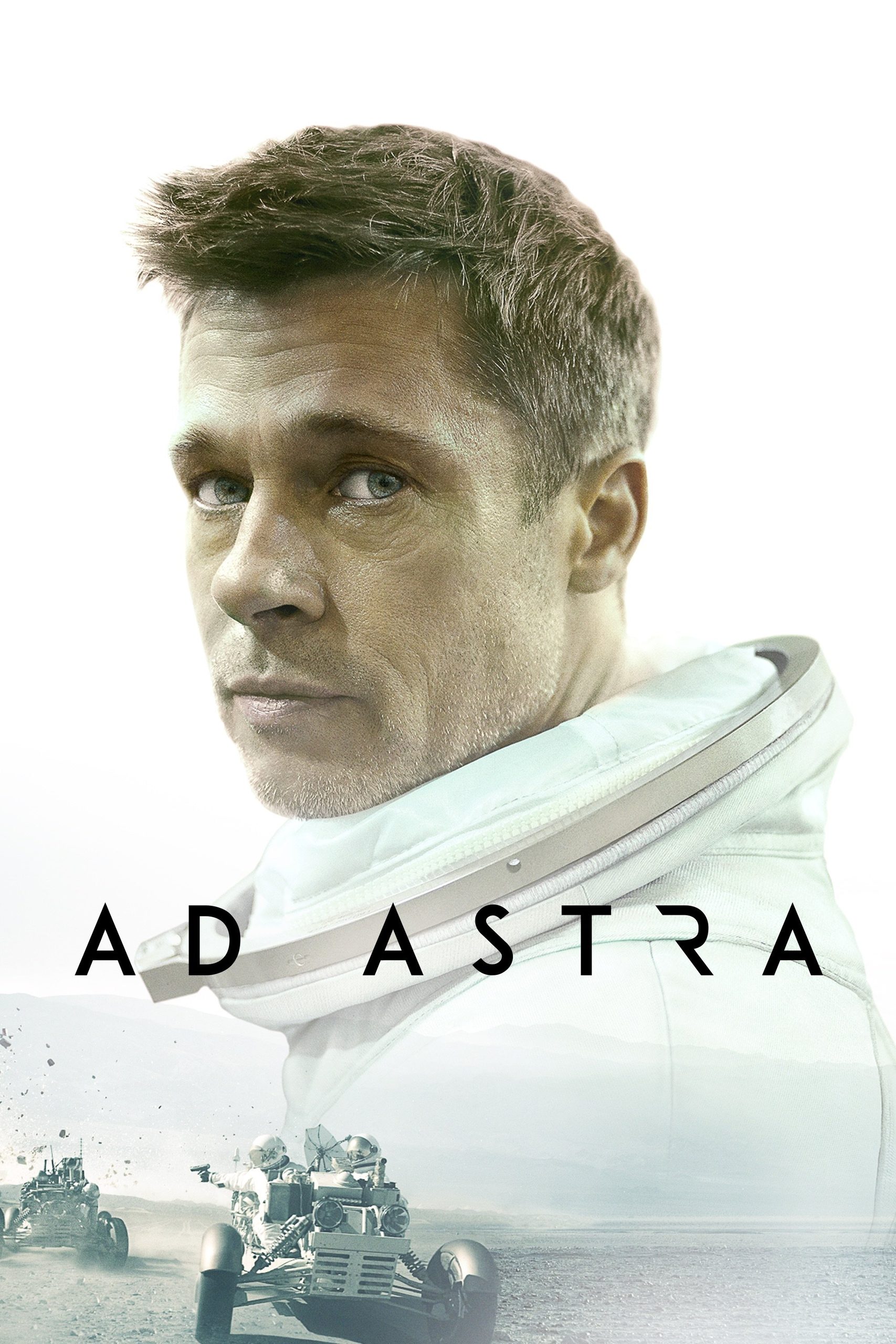
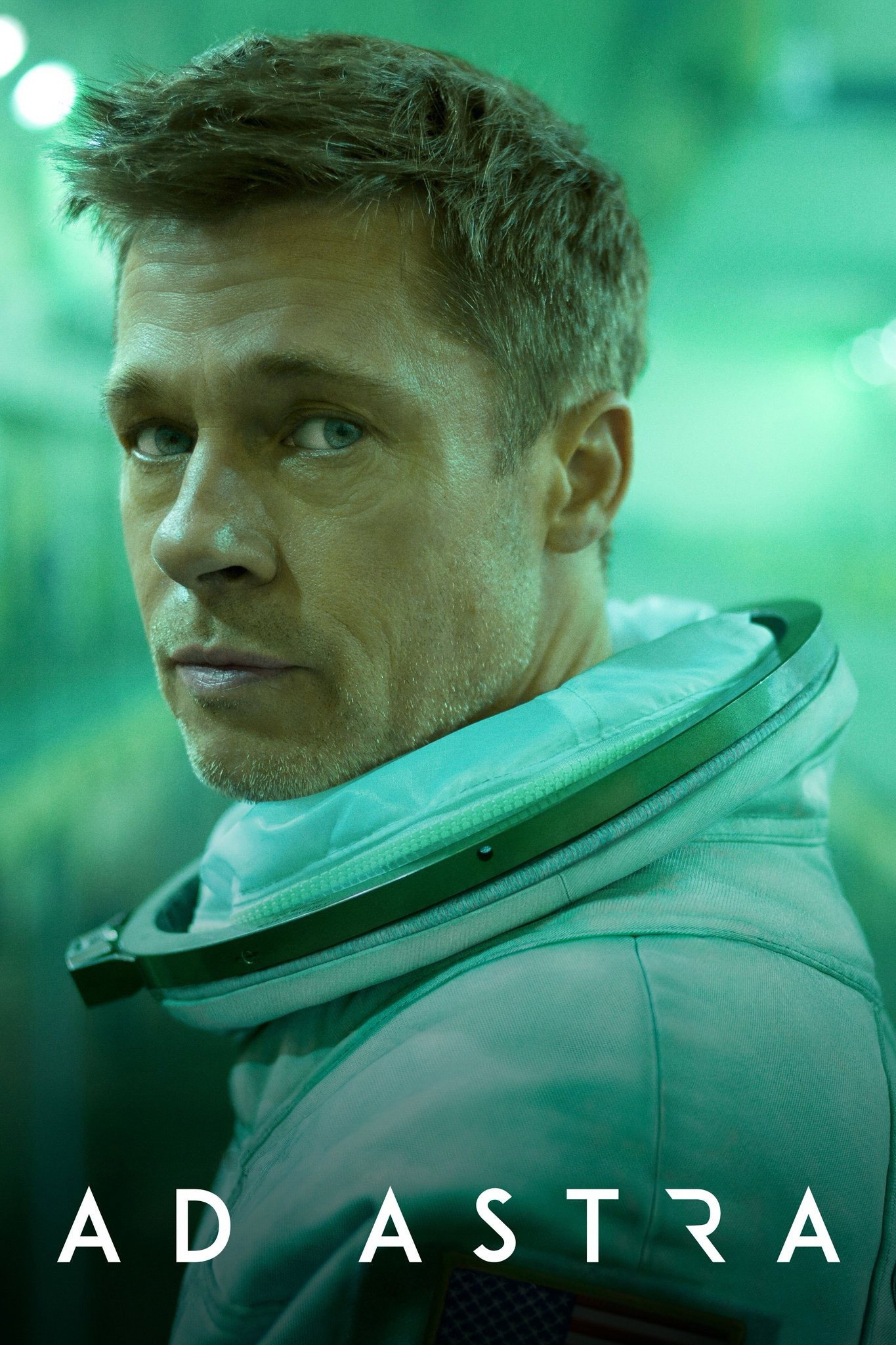
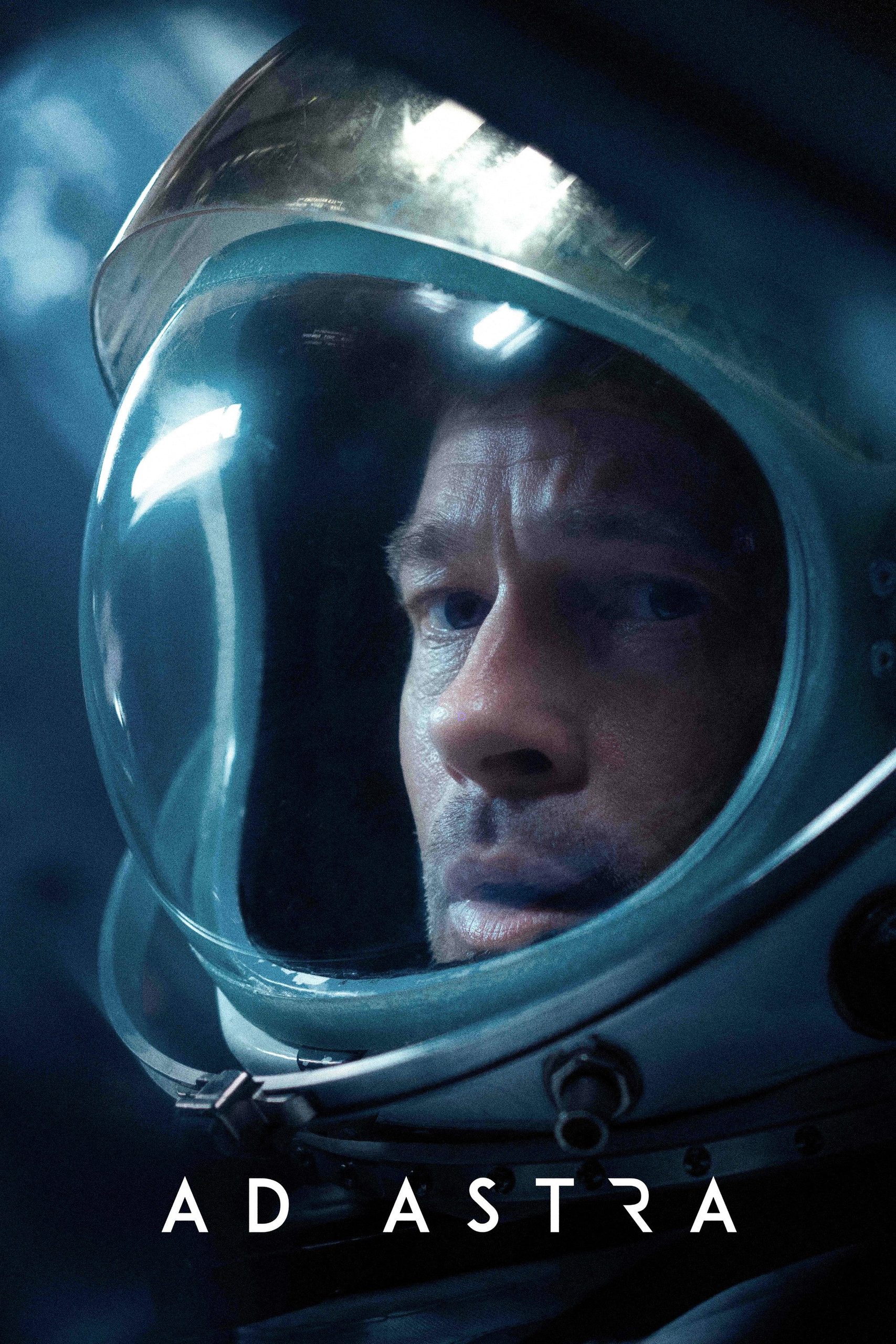
Roy McBride is a useful role for Brad Pitt because it makes his composure something to examine. His stillness can look professional, then lonely, without a large change of expression, and the close-ups give us time to notice the difference. We were moved by the effort it takes him to keep that face under control. The prospect of finding his father troubles the calm he brings to his work, and the performance makes that disturbance clear even when the script is labouring the point.
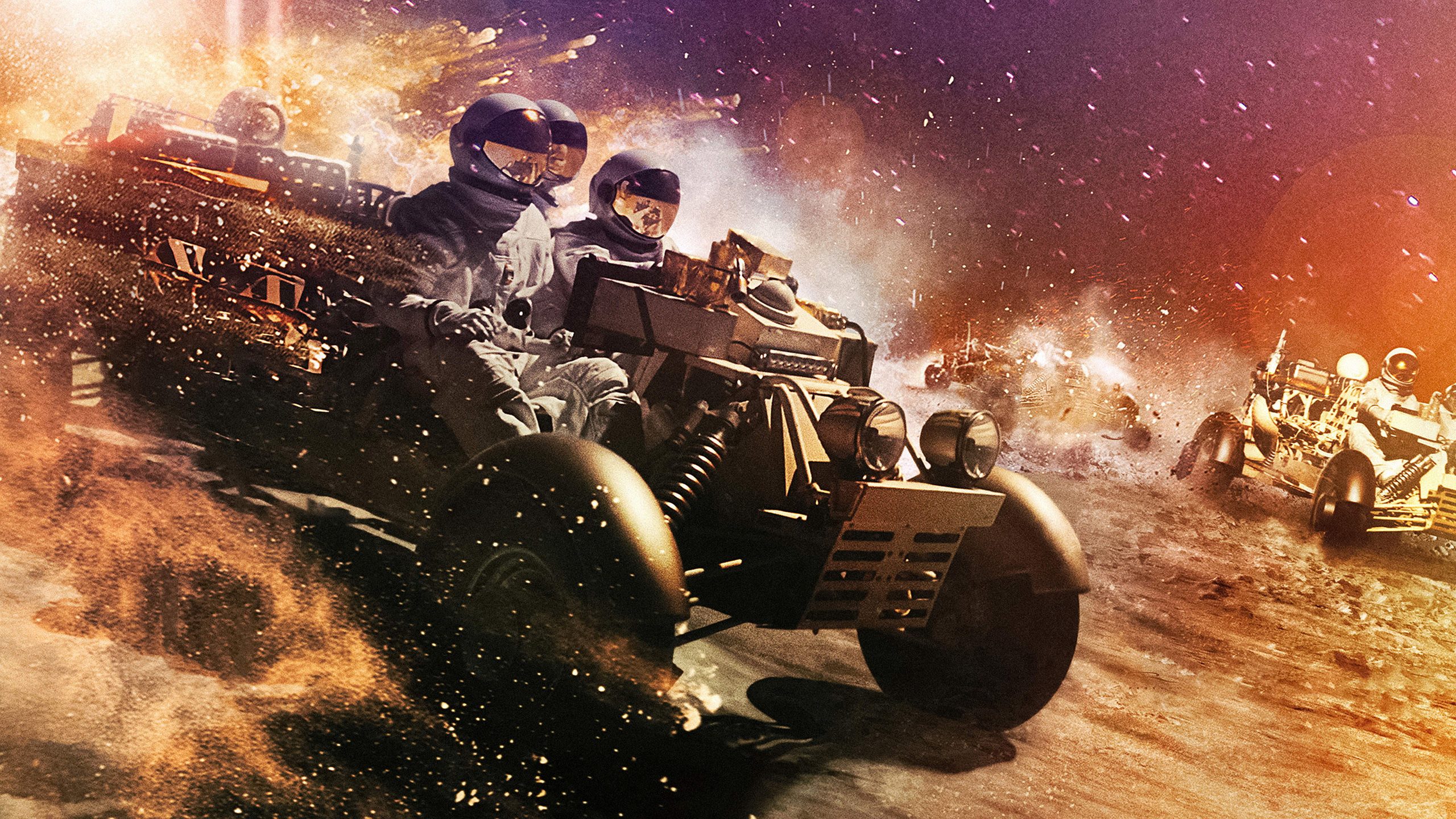
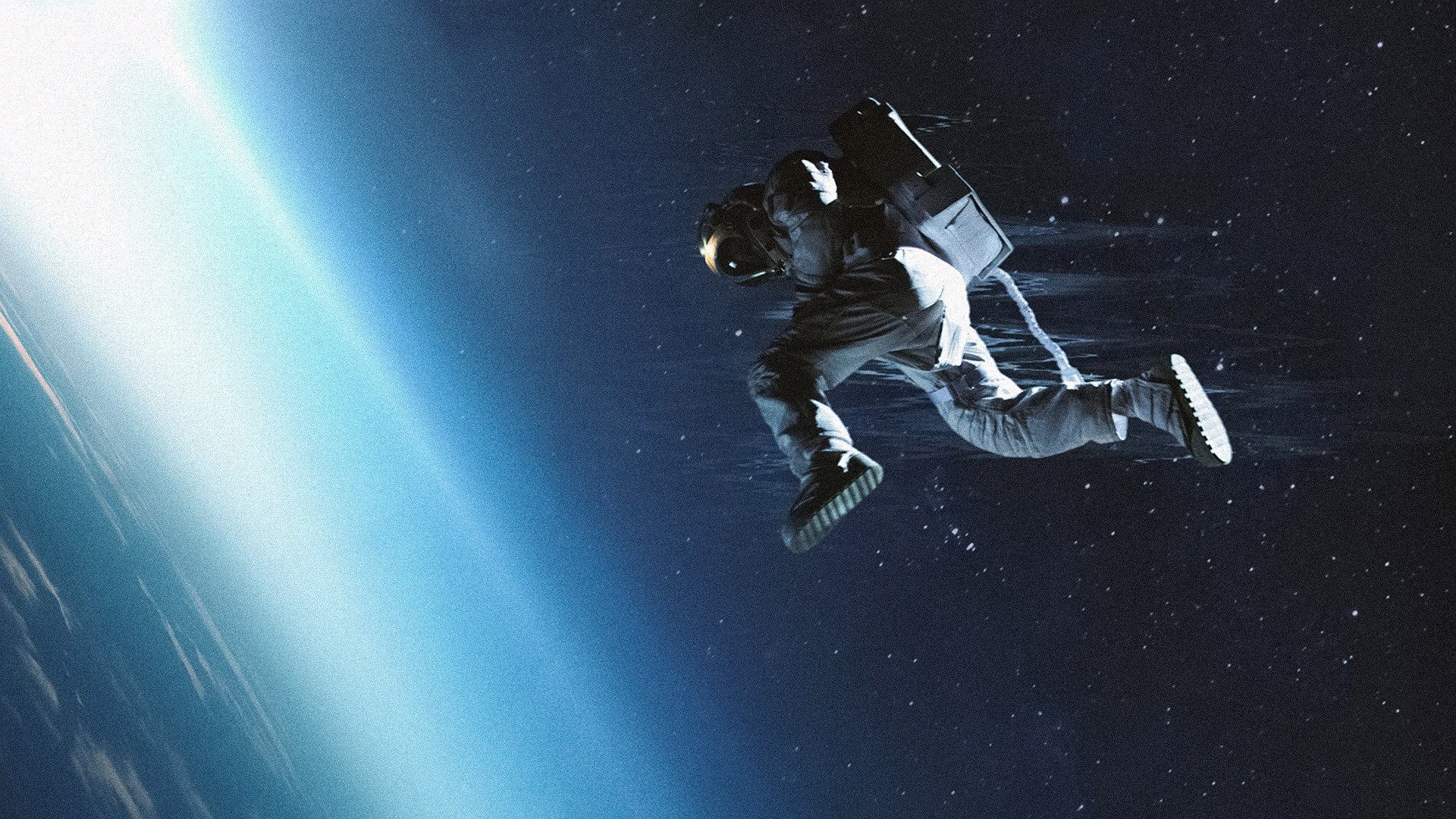
Hoyte van Hoytema’s cinematography gives those close-ups a clarity that makes small changes of expression worth watching. Space still feels large, but the attention paid to a face keeps us interested in the person making the journey. Kevin Thompson’s production design is especially effective in the lunar car chase, where the vehicles feel solid and vulnerable against the surrounding terrain. That practical sense of danger gives the sequence a tension that the film’s more solemn passages sometimes lack.
Editors John Axelrad and Lee Haugen keep that action legible, but the film’s rhythm is less secure between its bursts of danger. The suspense episodes are individually effective, though they do not always fit comfortably beside Roy’s long stretches of introspection. There is pleasure in their staging, yet the return to his private troubles can feel like starting again. Across 123 minutes, the repeated changes of pace leave the middle section feeling longer than it needs to be.
The more persistent problem is the screenplay by James Gray and Ethan Gross. Its voiceover explains Roy’s isolation so frequently that we start attending to the wording instead of the man, and the wording is not always equal to the attention. Brad Pitt has already shown how much Roy is keeping to himself, so being told again becomes tiring. Max Richter’s score gives these passages a tenderness that the heavy dialogue can lack, allowing the sadness to linger without another account of its causes.
As a space adventure, the film is unusually willing to sit with someone who offers little reassurance or easy charm. That can be absorbing, though anyone expecting the lunar chase to establish the pace for the rest should adjust their expectations. The long stretches spent studying Roy are central to what James Gray is attempting, and hurrying through them would sacrifice much of what makes the performance affecting. Give it a quiet evening, and accept that the voiceover will occasionally explain something you already understood.