Film review

Alien

1979 · Directed by Ridley Scott · 1h 57m · 18

In a sentenceA spaceship ought to feel bigger than this

HorrorScience Fiction

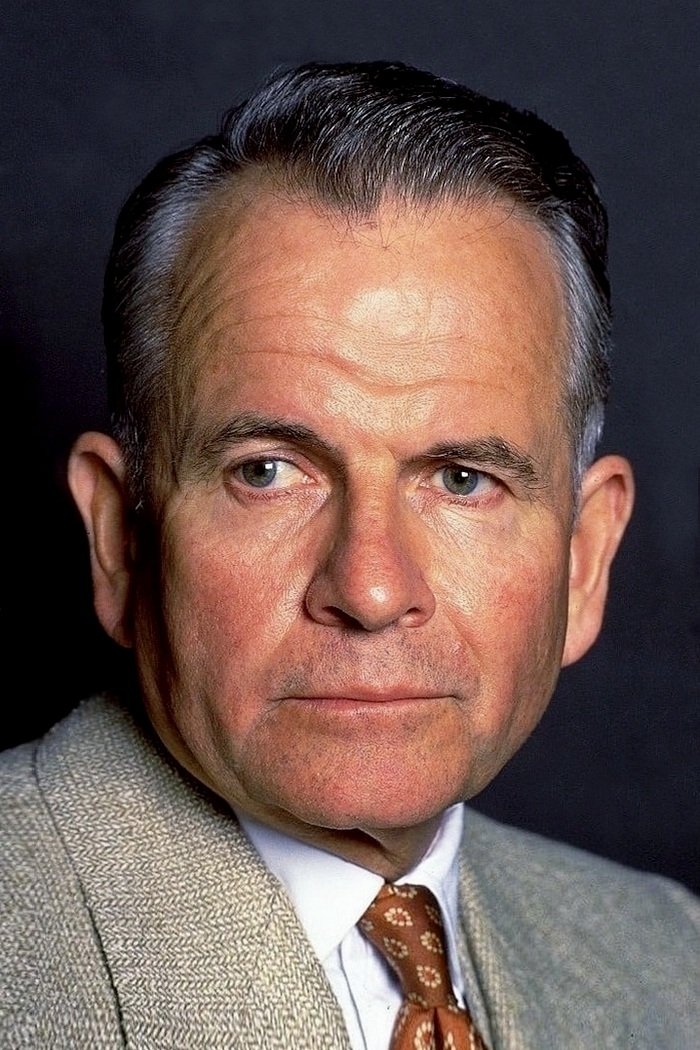
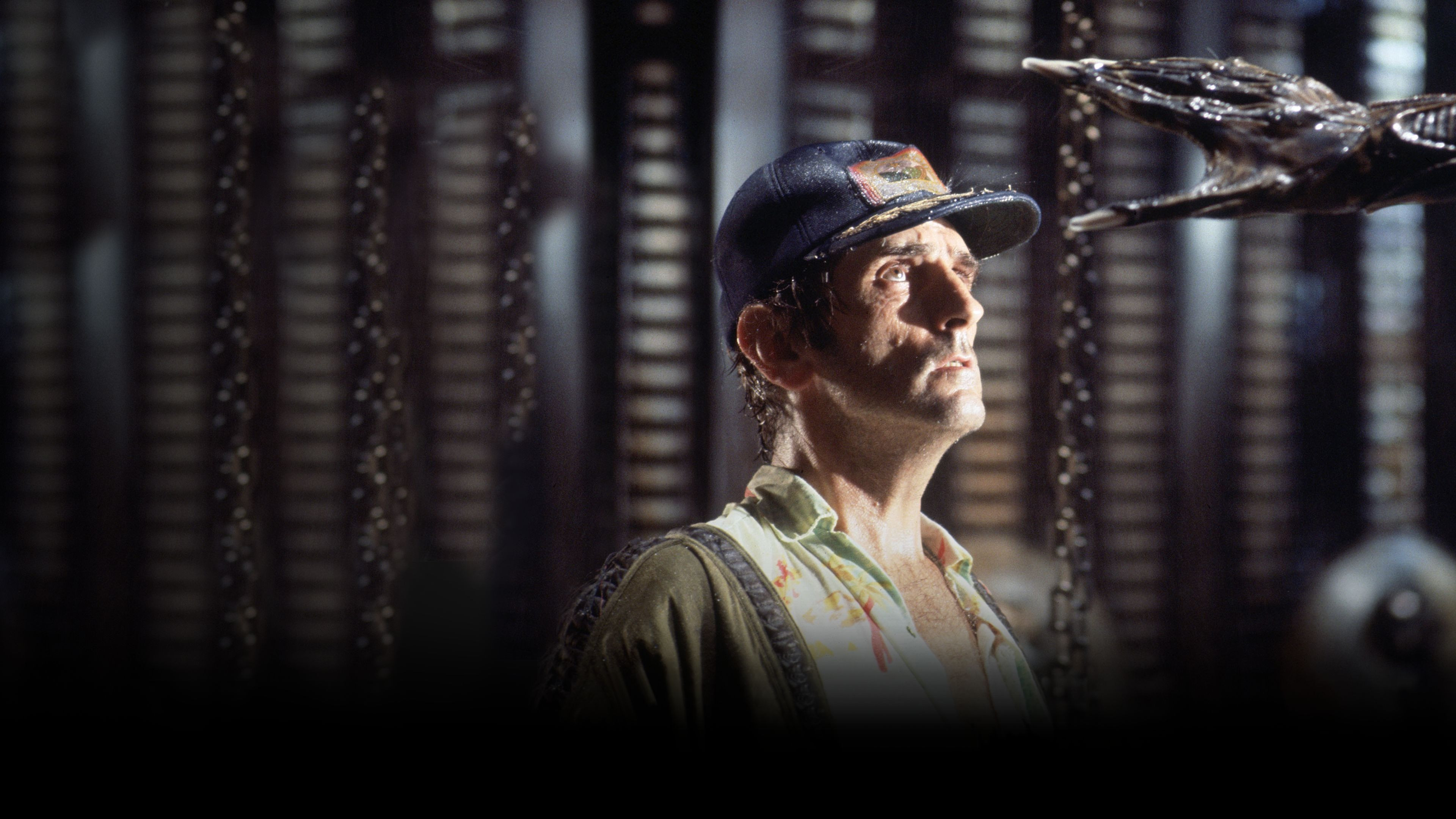
Aboard the spaceship Nostromo, a crew encounters an alien life form. Dallas (Tom Skerritt), Ripley (Sigourney Weaver) and Lambert (Veronica Cartwright) face an unknown creature in surroundings that offer little room for escape. Their fellow crew members include Brett (Harry Dean Stanton), Kane (John Hurt), Ash (Ian Holm) and Parker (Yaphet Kotto). Directed by Ridley Scott from Dan O’Bannon’s screenplay, Alien places these people in a shared working environment where an encounter with another life form becomes a threat to everyone aboard.

Plays from YouTube when you press play; nothing loads from them until then.

Fi1m review

Ridley Scott’s Alien makes confinement frightening long before the shocks arrive. Its crew could be more fully written, but the acting, the ship and the patient build-up make this a horror film we recommend without hesitation.

Ridley Scott’s Alien is a frightening, patient horror film that earns almost every minute of its 117-minute running time. Dan O’Bannon’s screenplay gives the crew a simple problem, and Scott spends his time making us feel how difficult it will be to survive it. The science-fiction setting never puts the danger at a comfortable distance. These people seem to have jobs, habits and reasons to irritate one another, which makes their predicament much easier to believe.

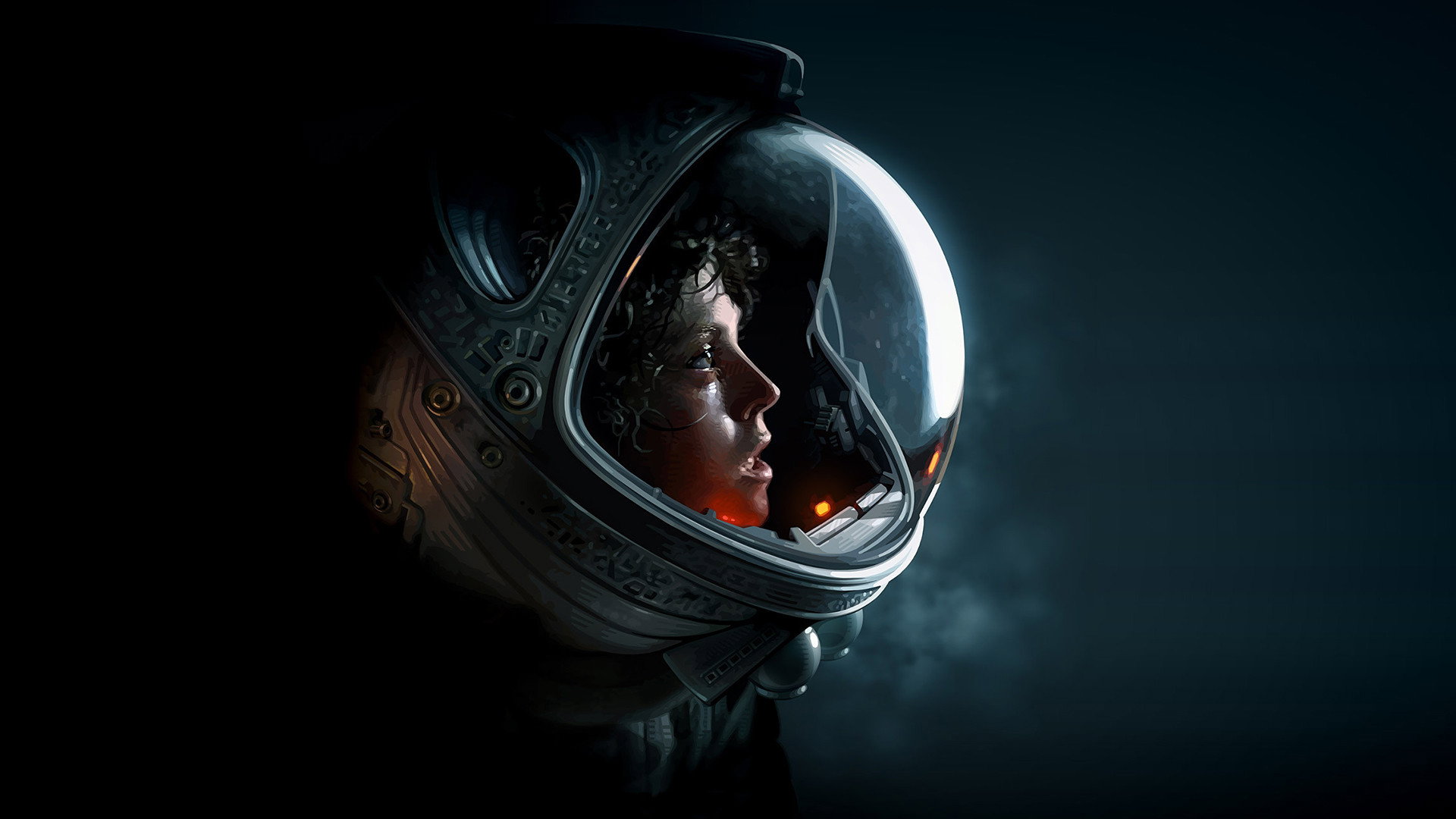
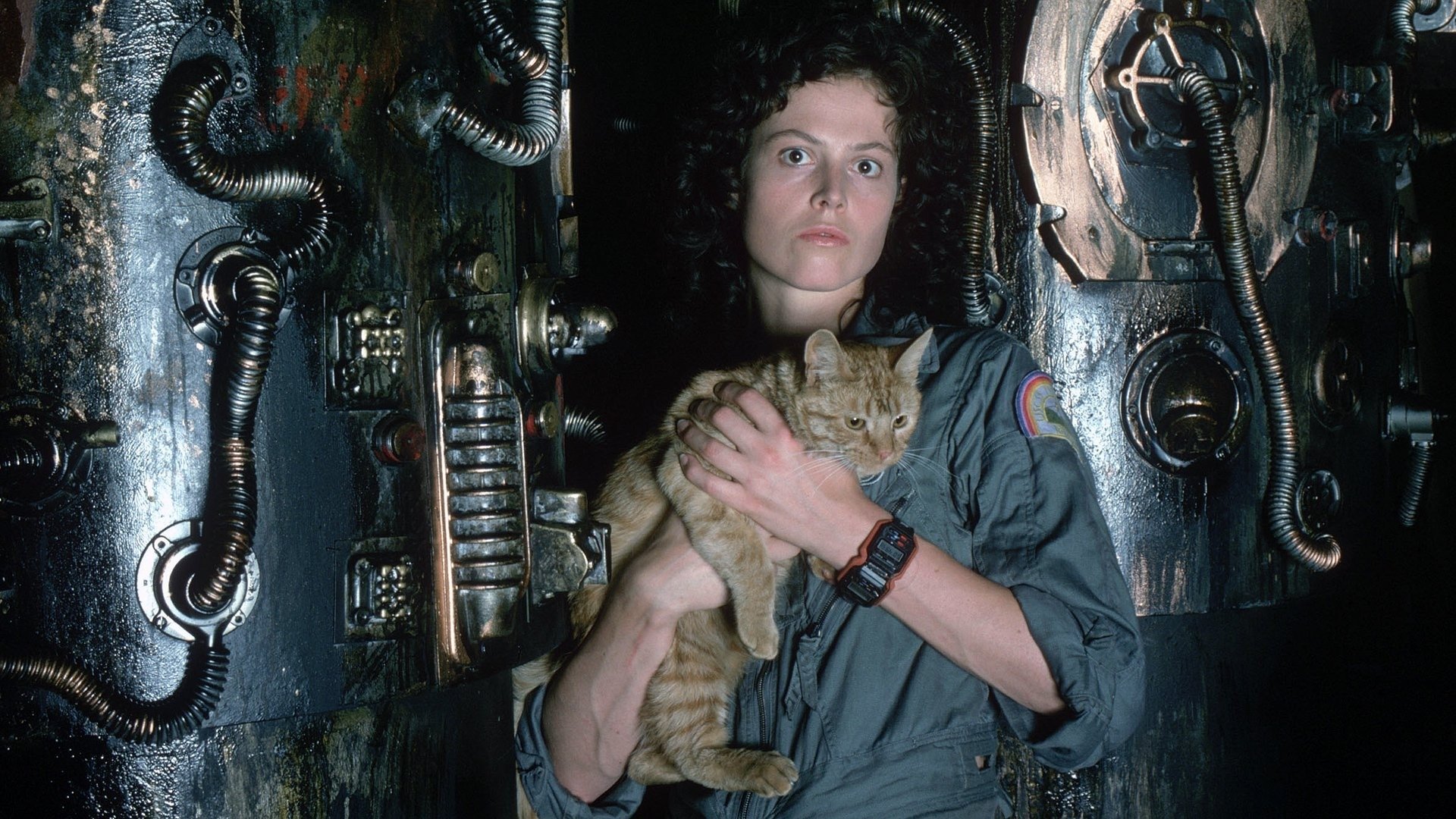
Michael Seymour’s production design makes the Nostromo feel occupied, used and difficult to get out of. There is a physical weight to the place that matters more than its plausibility as a vehicle: we believe people have to live and work inside it. Derek Vanlint’s luminous photography gives those enclosed spaces enough presence to become frightening before anything happens in them. We felt trapped by these interiors, and caught ourselves watching the space around the actors as anxiously as their faces.

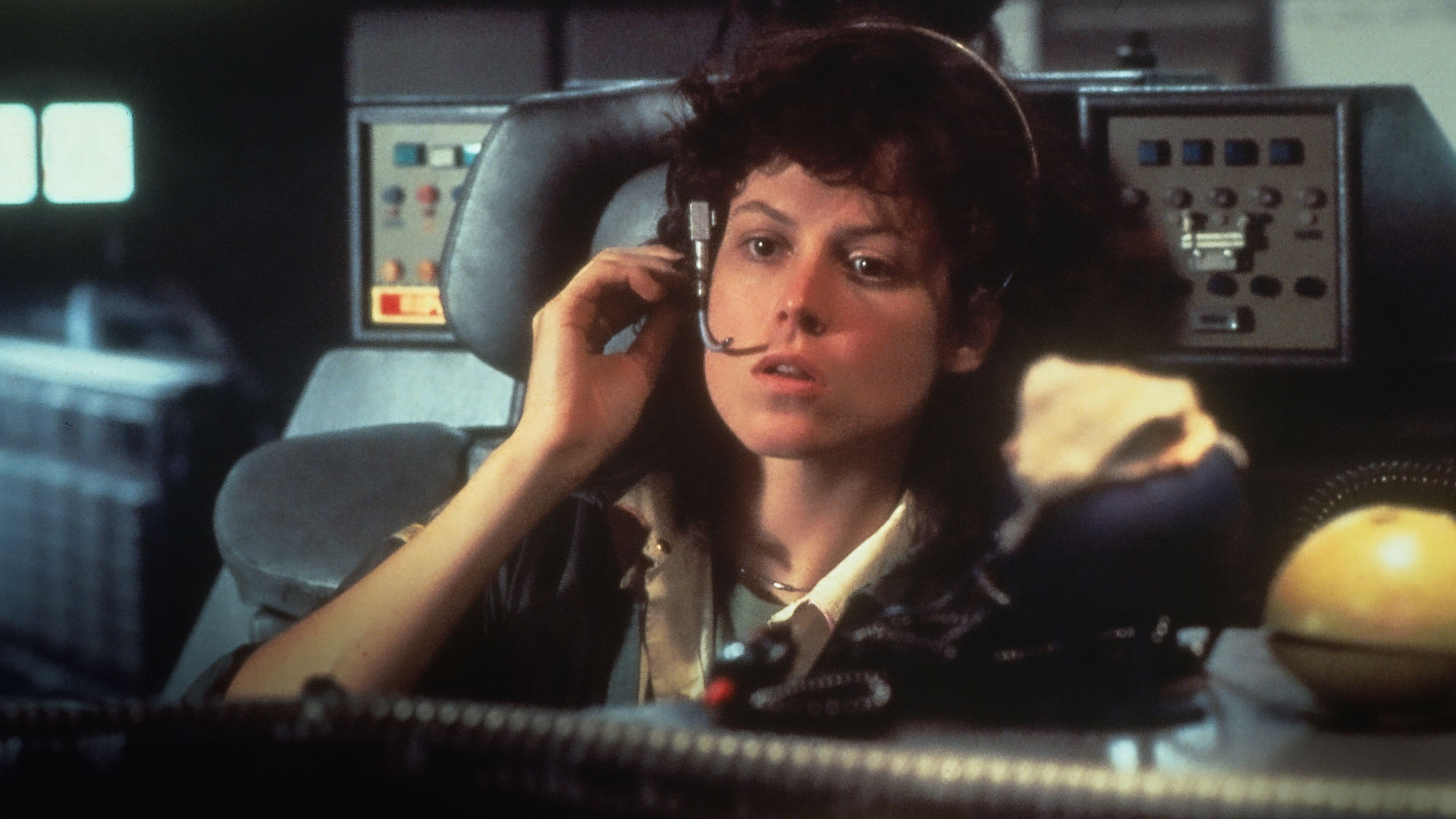
Tom Skerritt, Harry Dean Stanton and Yaphet Kotto help establish that this is a crew, with the unpolished ease of people who spend too much time together. Their ordinariness is useful: the danger is more disturbing when it interrupts people we can recognise. Sigourney Weaver’s Ripley is particularly good because her concentration makes the danger feel like something requiring an immediate, practical response. Weaver never asks us to stand back and admire her, and the film benefits from letting that performance remain so direct.

Editors Terry Rawlings and Peter Weatherley understand how much suspense depends on waiting. The pauses give us time to notice the ship and think about what could be sharing it; the shocks then arrive with an unpleasant physical force. Jerry Goldsmith’s score helps sustain that discomfort during the waiting, so a quieter passage never feels like a guarantee of safety. The cutting and music make Scott’s patience productive, although anyone expecting constant action will have a long wait.

There are limits to O’Bannon’s script, and the film does not always conceal them. Several of the crew remain lightly sketched, and Veronica Cartwright’s Lambert deserves more room to develop. Once the basic danger is established, some of the suspense repeats a pattern we have already learnt. We would gladly trade a little of that repetition for more time with the crew.

The confined setting puts Alien firmly in the haunted-house tradition, with its crew facing something dangerous at close quarters. Scott makes that familiar situation work through the sheer physical presence of the ship and its unwelcome occupant. The distrust of corporate authority adds a further worry, since being at work carries some expectation that somebody is responsible for your safety.

Familiarity with the premise is no reason to expect an easy evening. Scott makes the waiting uncomfortable enough that knowing the broad shape of the story offers surprisingly little protection, and 117 minutes is a long time to spend wishing a place had another exit. See it with the lights down, and resist the temptation to talk through the quiet stretches.

Critical consensus AI synthesised

81
Positive
5
Mixed
0
Negative
1

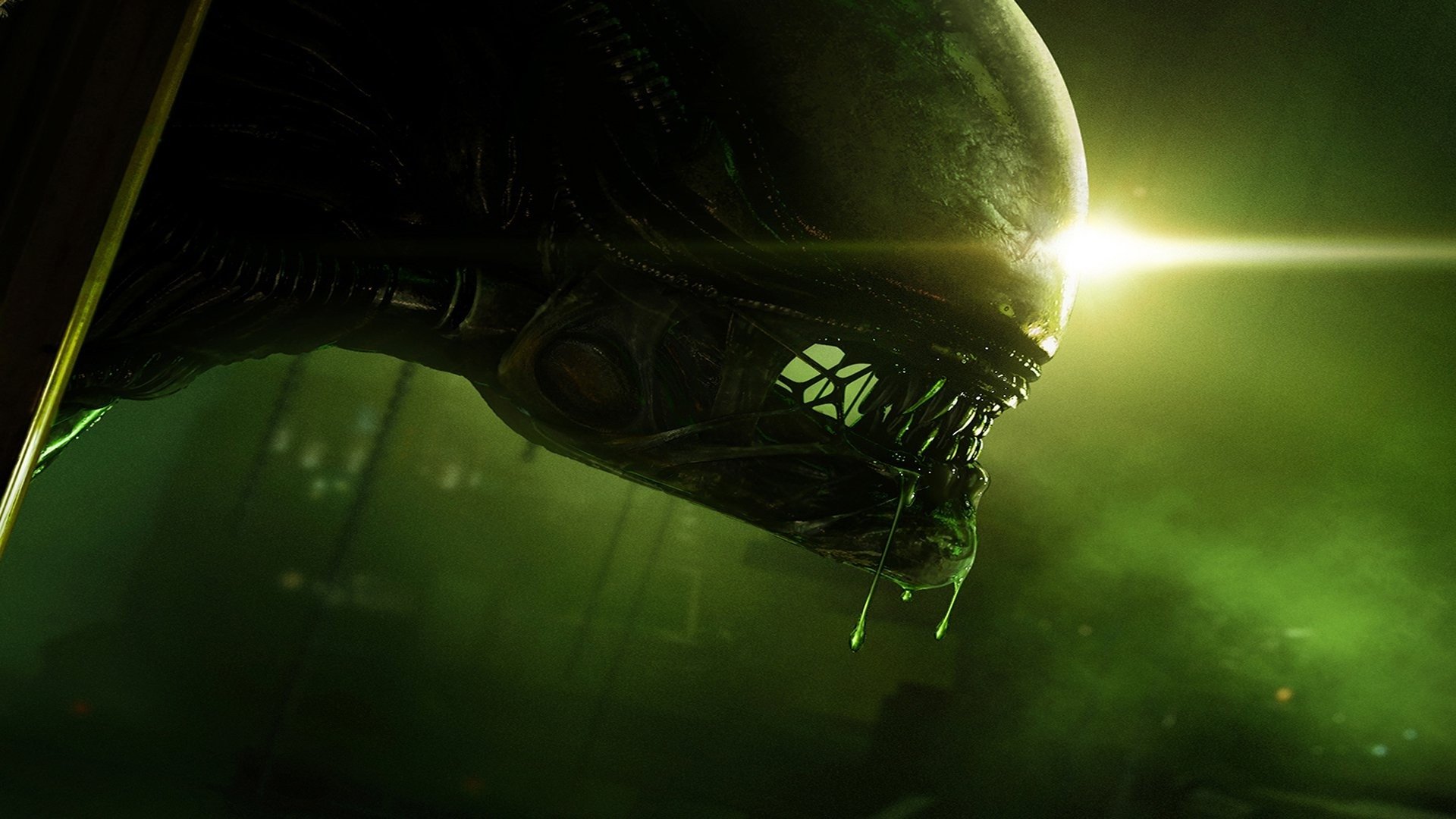
Most critics praise Alien for the patience of its suspense and the conviction of its physical world. The strongest agreement concerns the production design, H.R. Giger’s creature and Ridley Scott’s ability to make a confined spaceship sustain an atmosphere of dread. The performances also draw praise, with Radio Times singling out Sigourney Weaver. Across the favourable reviews, the combination of gothic horror and science fiction remains effective despite the familiarity of the monster-story ingredients.

The disagreement concerns how much those ingredients can support. The Guardian admires the technical control and shocks while finding little plot development or characterisation. The New Yorker is the sharp dissenter, finding the crew uninteresting and the plotting repetitive, with impressive effects insufficient to relieve the boredom. The spread is therefore wide, though heavily positive: most critics find the atmosphere persuasive enough to outweigh reservations about familiarity and dated elements.

Radio Times
★★★★★ · Alan Jones
100

The critic calls it a bona fide classic and a seamless blend of gothic horror and science fiction. They single out the top-notch acting, especially Sigourney Weaver, and the imaginative bio-mechanical production design with HR Giger's alien.

Read the full review →
Empire
1 January 1979 · Andrew Collins
90*

The critic praises the film's groundbreaking visual design by H.R. Giger and Ridley Scott's direction, highlighting its tactile world and influence on sci-fi horror.

Read the full review →
Total Film
31 October 2003
90*

The review celebrates the opportunity to see the original Alien on the big screen, emphasizing its masterful build-up of tension and timeless quality.

Read the full review →
Slant Magazine
24 September 2003 · Jeremiah Kipp
80*

The critic praises the film's enduring atmosphere of dread created through production design and H.R. Giger's creature, calling it one of the most artfully directed and well-acted slasher movies. They note it remains effective despite some dated elements and single out the late-1970s distrust of corporate authority as a welcome thematic edge.

Read the full review →
The New Yorker
11 June 1979 · Brendan Gill
30*

The critic dismisses the film as boring and unconvincing, criticizing the crew as uninteresting slobs and the alien as not worth serious attention beyond a few scares. He notes the special effects are impressive but ultimately fails to engage due to repetitive plotting and dated elements.

Read the full review →
Sight and Sound
6 September 1979 · Philip Strick

The critic sees the film as expressing a British xenophobia through its invasion nightmare theme. They single out the luminous photography, production design and Giger creature for particular praise.

Read the full review →

Cast

Stills

Awards

Academy Awards, 1980

Nominated
Best Production Design
Won
Best Visual Effects

BAFTA Film Awards, 1980

Nominated
Best Actor in a Supporting Role
Nominated
Best Editing
Nominated
Best Original Music
Nominated
Most Promising Newcomer to Leading Film Roles
Won
Best Sound

Hugo Awards, 1980

Won
Best Dramatic Presentation

Saturn Awards, 1980

Won
Best Director
Won
Best Science Fiction Film

Golden Globes, 1979

Nominated
Best Original Score

Saturn Awards, 1979

Won
Best Supporting Actress

If you liked this, try…

The Thing poster

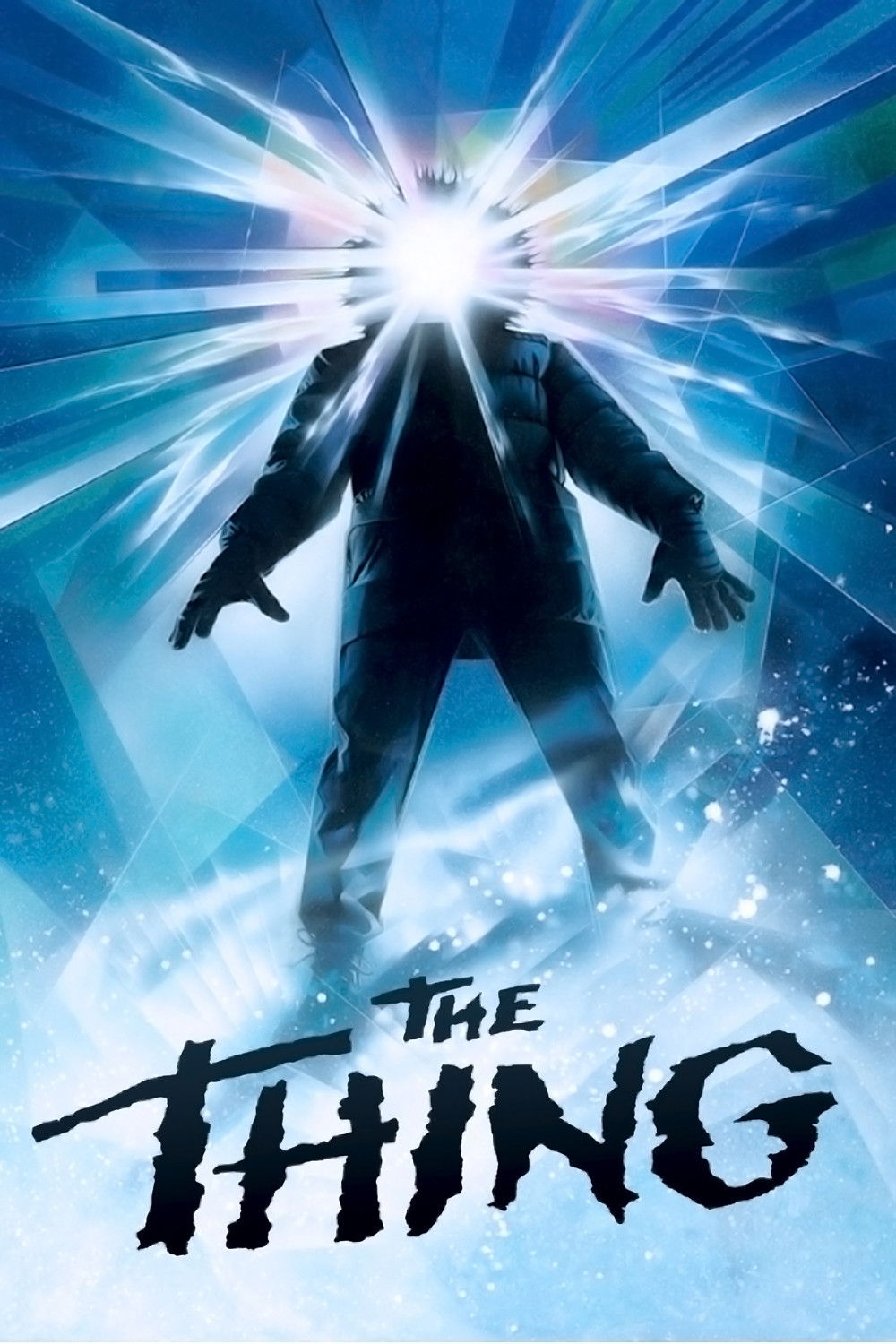
The Thing

1982 · Another isolated workforce discovers how quickly a creature can make colleagues look suspicious.

The Haunting poster

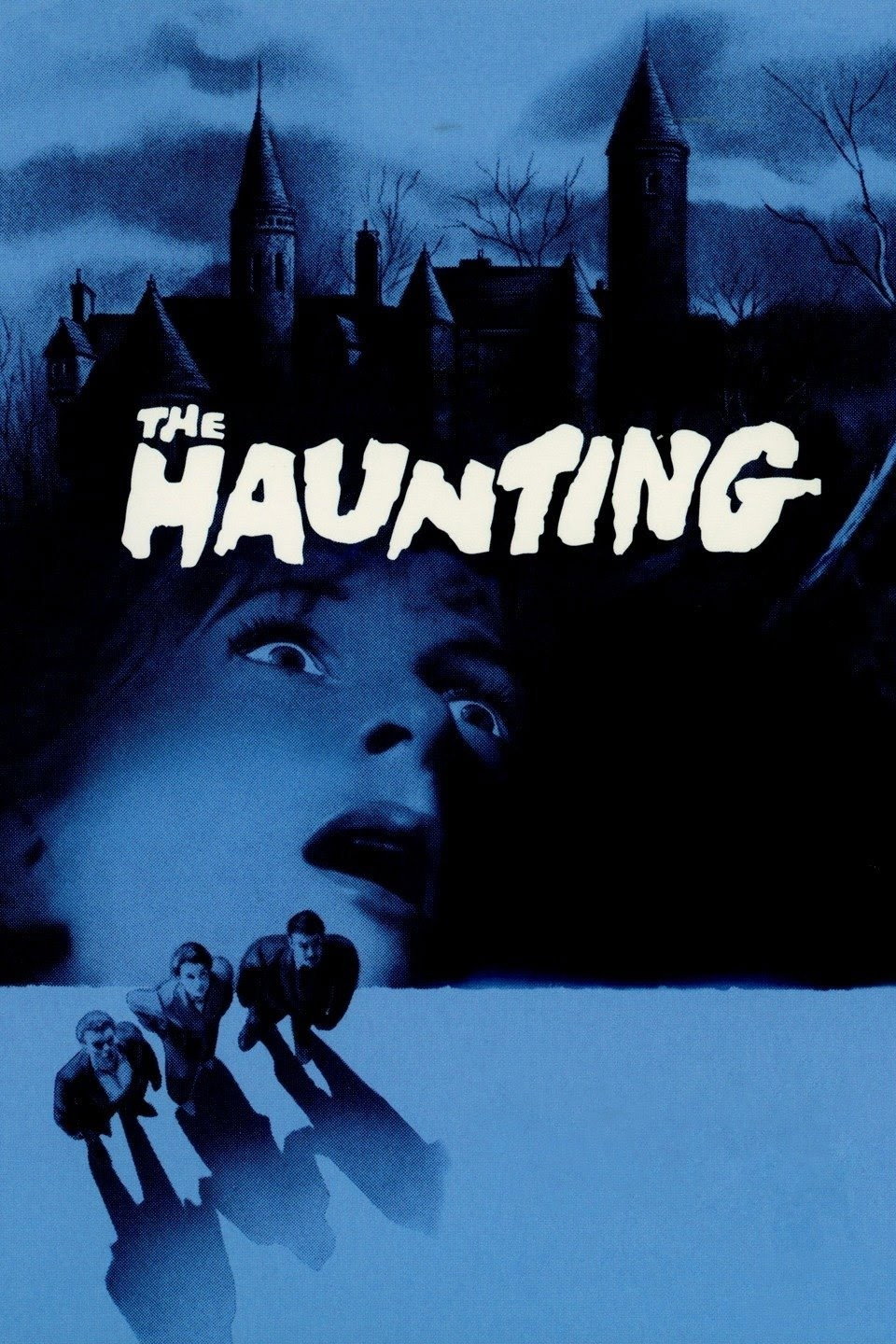
The Haunting

1963 · For frightening rooms, patient direction and the considerable usefulness of keeping things unseen.

Onibaba poster

Onibaba

1964 · Tall reeds replace steel corridors, with bodies and survival still driving the horror.

The Descent poster

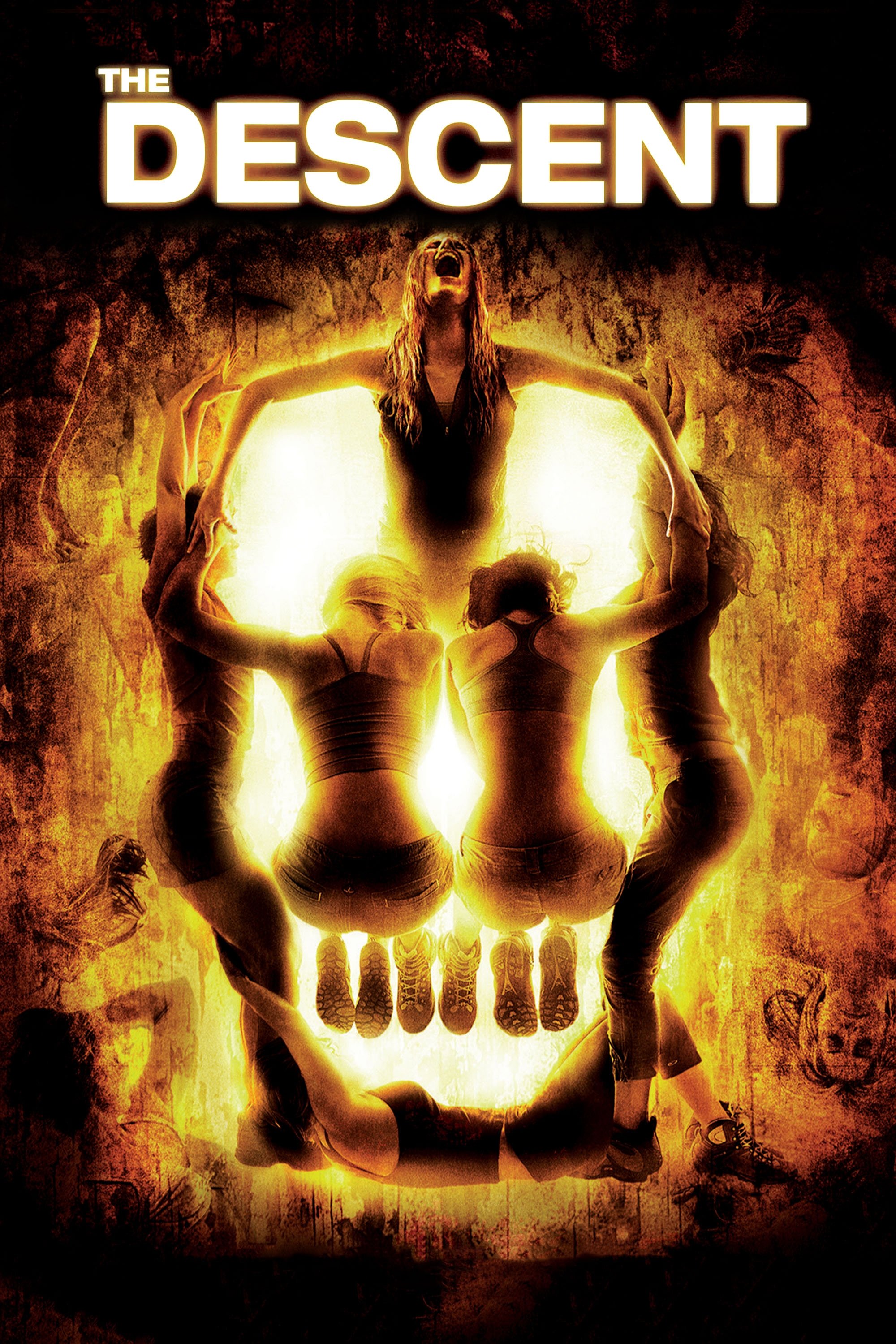
The Descent

2005 · The enclosed spaces are frightening enough before anything else enters the calculation.

High Life poster

High Life

2018 · Space travel stripped of comfort, with human bodies treated as expendable equipment.