Film review

The Descent

2005 · Directed by Neil Marshall · 1h 40m · MPA R

In a sentenceA horror film that makes a low ceiling feel like a personal threat

AdventureHorror

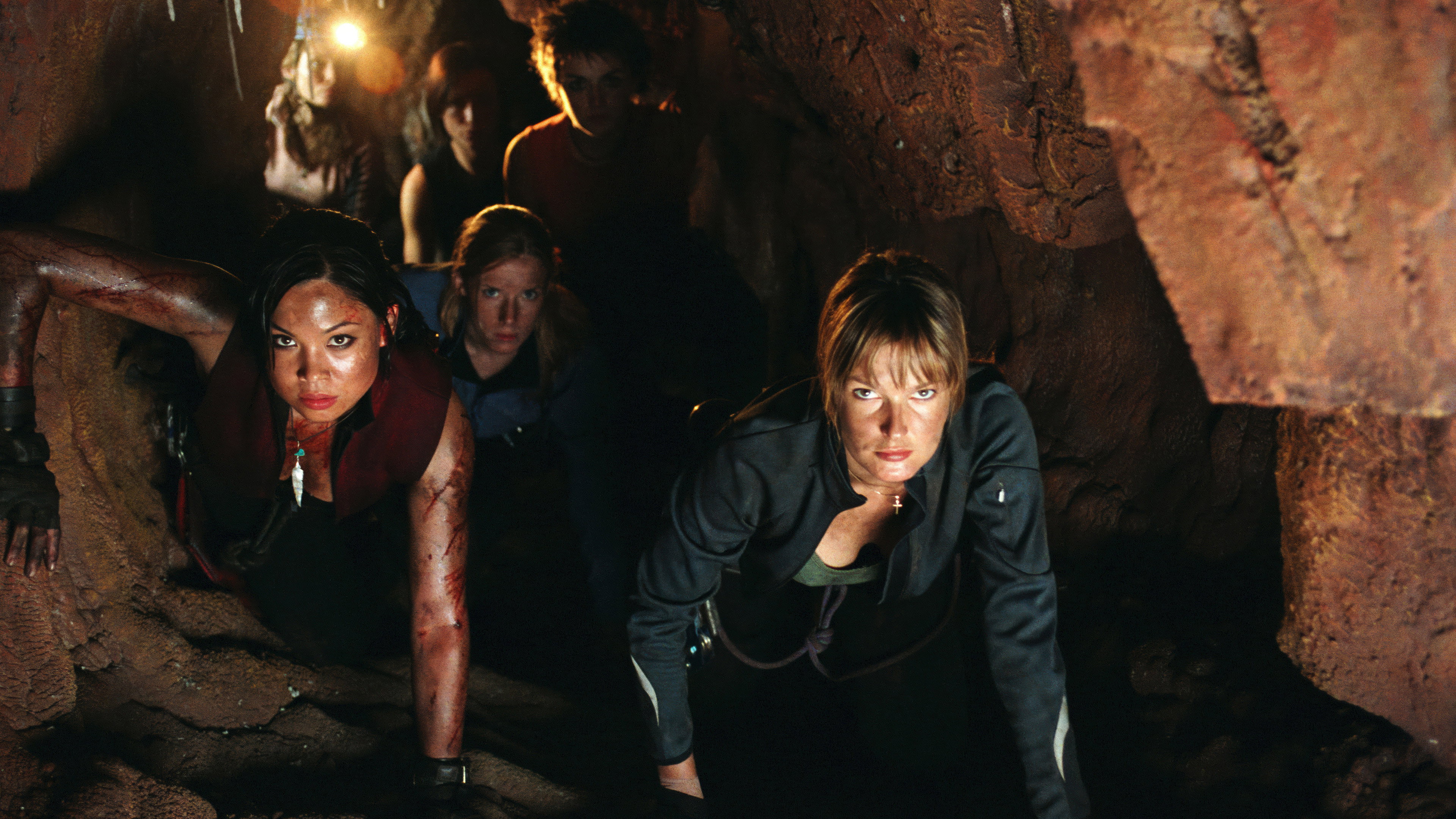
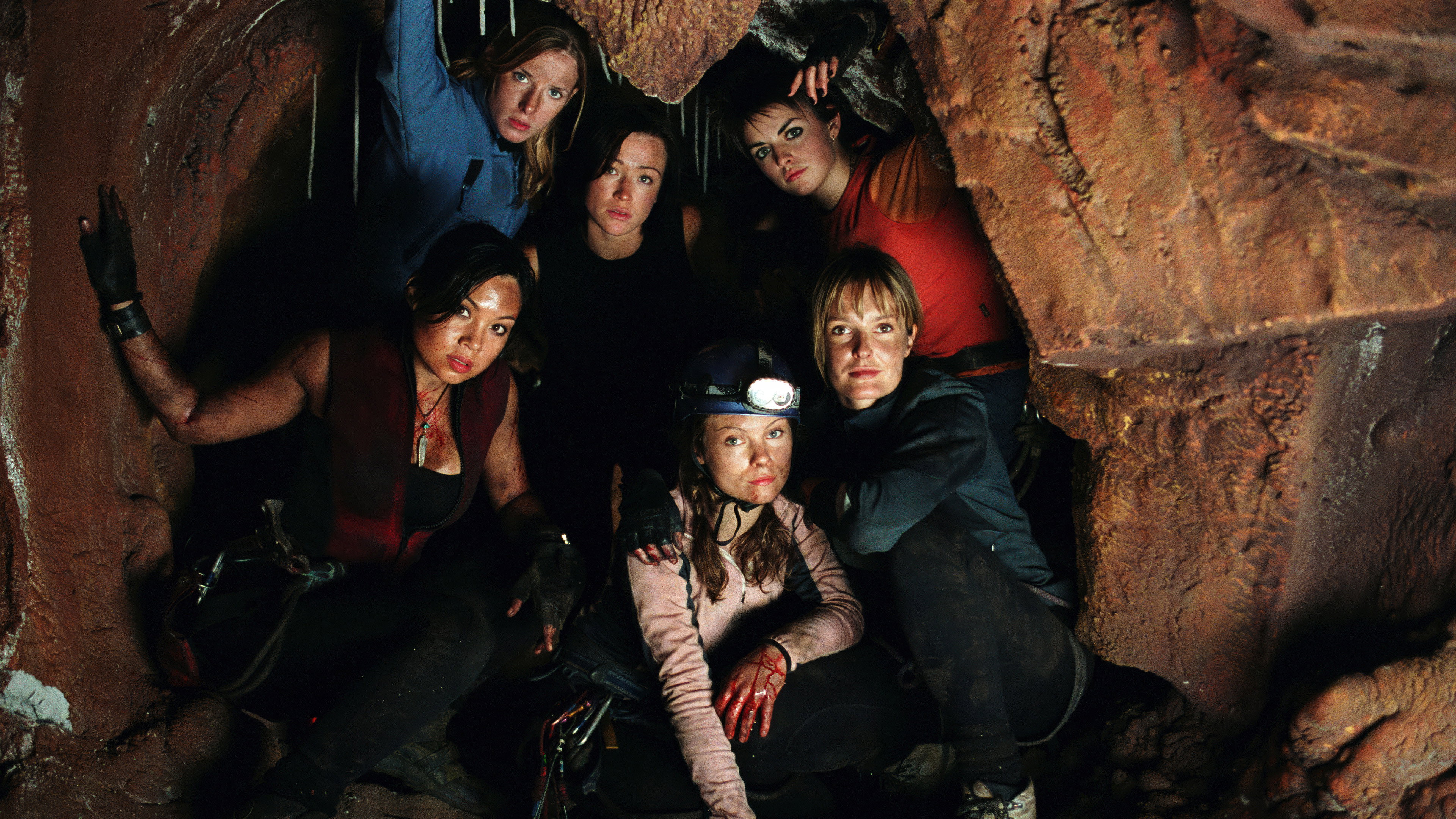
Six women set out to explore a cave, where darkness and confined passages put their expedition under strain. Sarah (Shauna Macdonald) joins Juno (Natalie Mendoza) and Beth (Alex Reid) on the trip. Rebecca (Saskia Mulder), Sam (MyAnna Buring) and Holly (Nora-Jane Noone) complete the group. As danger mounts underground, the women have to contend with fear, the cave itself and tensions within their group. Neil Marshall writes and directs a horror film in which the climbers’ relationships become part of their struggle to survive.

Plays from YouTube when you press play; nothing loads from them until then.

Fi1m review

Neil Marshall’s cave horror makes its confined spaces frightening before the violence begins. A few women need sharper characterisation, but the control of light and tension earns a firm recommendation for those who can stomach the brutality.

The Descent is a frightening, tightly made horror film that understands how much a cave can do before the plot needs to help. Writer-director Neil Marshall sends six women underground and makes their surroundings steadily harder to bear. The threat begins with restricted space and the limits of what they can see. Not every member of the group gets enough attention, but that flaw hardly eases the tension once the expedition is under way.

Shauna Macdonald’s Sarah and Natalie Mendoza’s Juno are the strongest presences in a cast that has to compete with its surroundings. Macdonald makes Sarah easy to care about, and Mendoza keeps us wondering how far Juno can be trusted. Alex Reid’s Beth helps the group feel like people who know one another. These performances give us reasons to worry about particular women, even when Marshall has not given everyone equally useful material.

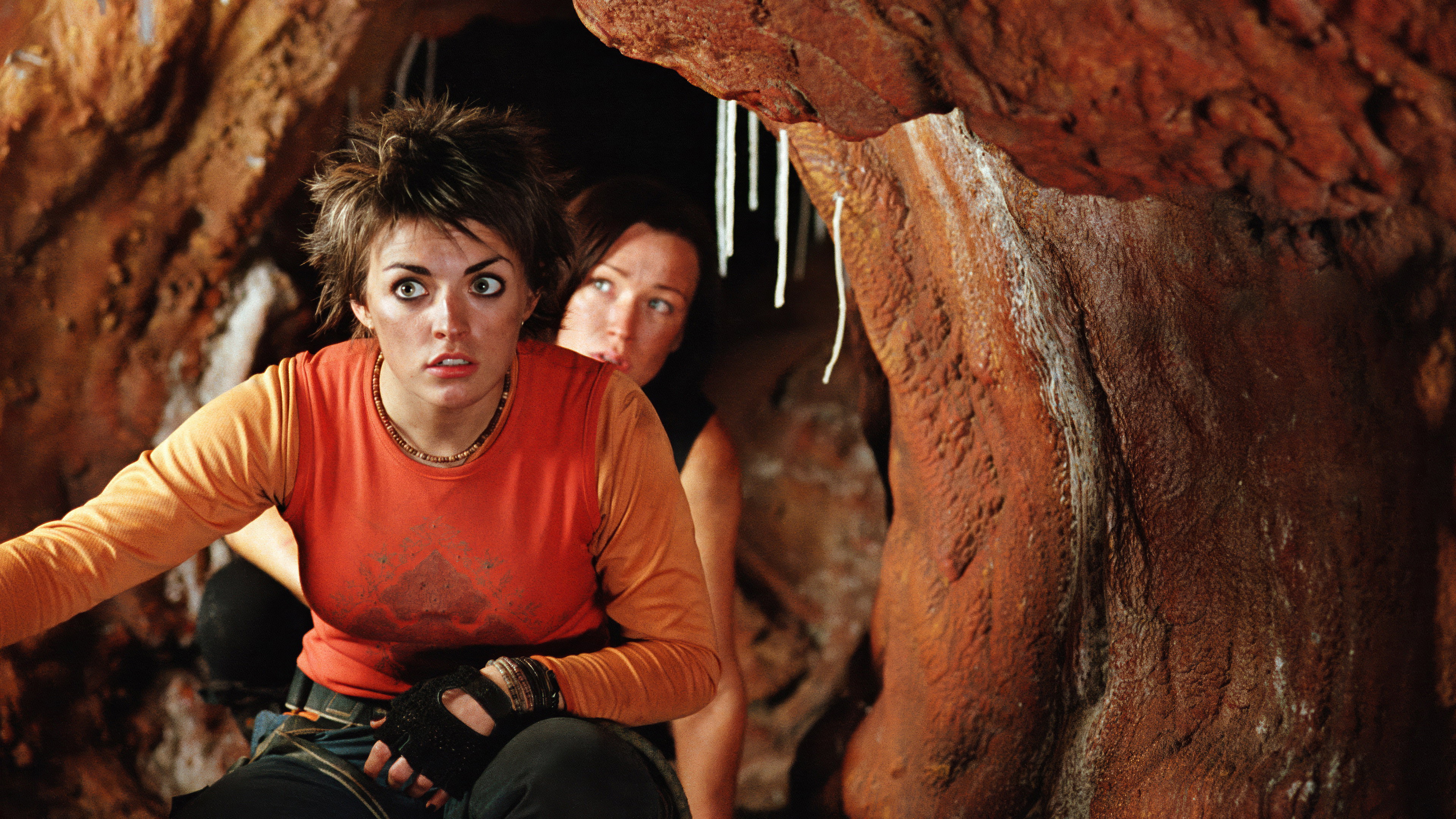
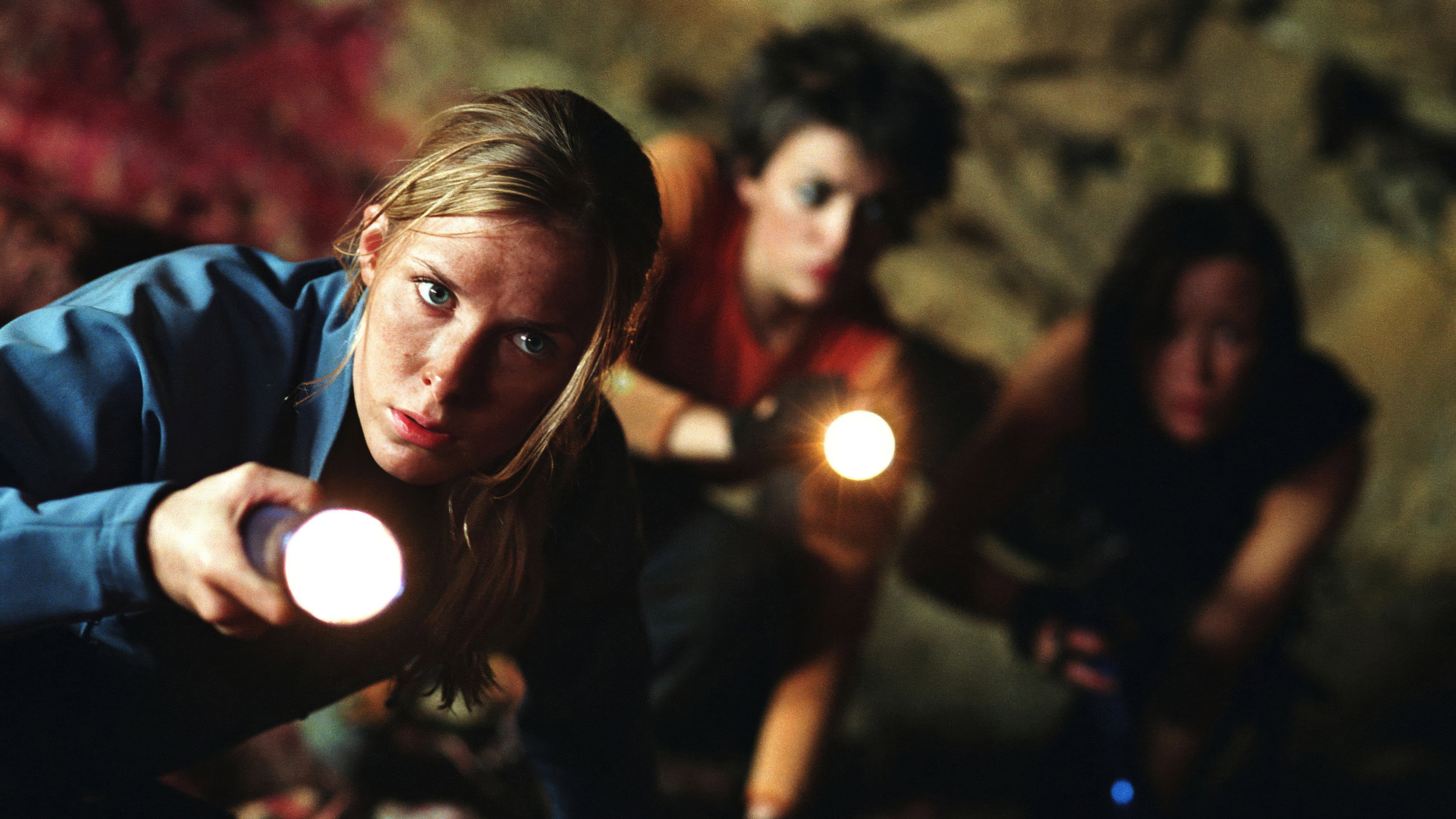
Cinematographer Sam McCurdy makes the limited light useful in two ways: it lets us follow the women, and it keeps us anxious about what they cannot see. Darkness makes looking for a way through the cave feel tiring and uncertain. We find ourselves inspecting the image rather than simply waiting for the next shock. Simon Bowles’s production design supports that fear with spaces that seem to offer too little room for the people in them.

We were frightened before the overt horror had properly begun. The women negotiating confined spaces, with so little visible room around them, made each further movement uncomfortable to watch. Jon Harris’s editing is most effective during this build-up, allowing the confinement time to register. Some of the later action becomes difficult to untangle, but the early tension depends on our understanding just enough of the surroundings to know how exposed the group is.

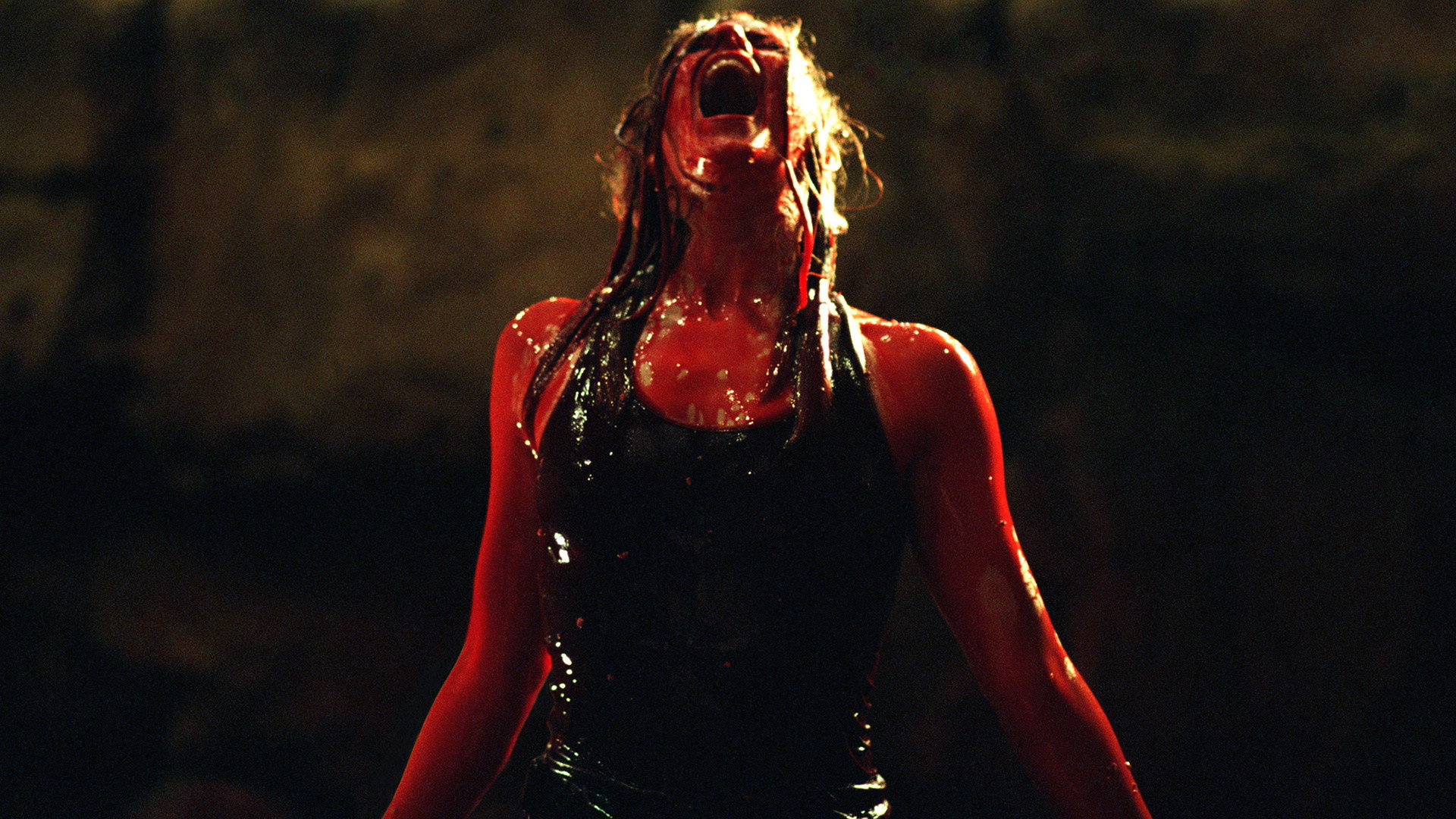
David Julyan’s music adds pressure, although the sound design does more of the frightening work for us. It makes us attend to the space outside the picture, where being unable to see offers little reassurance. Marshall also knows when to stop waiting and let the violence be unpleasant. The gore has force because he has already made us anxious about the bodies at risk; it would be less effective if the film were only testing how much blood we could tolerate.

The reservation is in the writing. Rebecca, Sam and Holly, played by Saskia Mulder, MyAnna Buring and Nora-Jane Noone, do not emerge as clearly as Sarah and Juno, and the darkness sometimes compounds that problem. The tension within the group is persuasive enough to sustain a scene, but some relationships need more detail to justify the attention Marshall gives them. A little more time spent distinguishing these women would have helped once the action becomes frantic.

As survival horror, it works because the cave stays frightening even when nothing is happening. There is too little room, too little light and no reason to assume that going further will improve matters. Marshall takes those ordinary physical fears seriously enough for the film to survive its thinner character writing. Choose it when being properly frightened is the point, with fair warning that the violence makes this unsuitable for a casual evening’s entertainment.

Critical consensus AI synthesised

72
Positive
5
Mixed
1
Negative
1

Most critics find The Descent a forceful, carefully constructed horror film, with praise concentrated on Neil Marshall’s control of tension and the claustrophobic cave setting. The reviews repeatedly single out lighting, sound and the use of cramped space for creating dread before the violence escalates. Several also value the all-female cast’s chemistry and strained relationships, finding enough character interest to make the gore matter rather than treating it as the sole attraction.

The spread is wide, with characterisation the clearest point of disagreement. The New York Times admires the craft but finds the women sometimes blur together, while The Guardian accepts silliness and plot holes as the price of the film’s energy and scares. Slant Magazine dissents more sharply, arguing that the slick technique conceals poorly distinguished characters and unconvincing emotional appeals; for most critics, those weaknesses do not cancel out the suspense.

Time Out
4 July 2005 · NF
85*

The critic calls it a smarter, nastier and more grown-up follow-up to Dog Soldiers, with visceral horror, complex group dynamics among the all-female cast and psychological depth alongside the scares. Some character relationships could have been sharper, but the film remains fiercely entertaining with blood, guts and brains.

Read the full review →
The AV Club
2 August 2006 · B+ · Scott Tobias
83

The critic praises the film's masterful use of light, space, and tension in the cave setting, which creates dread even before the monsters appear. It sustains intense horror through clever manipulation of the environment and escalating peril.

Read the full review →
Screen Daily
5 July 2005
80*

The review describes it as superior British genre fare that is unashamedly gory yet handsomely crafted and inventive, with gallows humour and strong characterisation that avoids relying only on shock tactics. It stands out among low-budget British horror for its energy, inventiveness and appeal beyond core horror fans.

Read the full review →
The Guardian
8 July 2005 · ★★★ · Peter Bradshaw
60

A scary and lairy little British horror film about six women climbers who find something very nasty in a cave. It has silly moments and plot-holes but carries off with punky flair and keeps the yeecch factor high, focusing on the claustrophobic tension and Juno's ambiguous motives.

Read the full review →
Slant Magazine
5 May 2006
30*

The critic calls the film slick but reductive, faulting its failure to create distinguishable or compelling female characters amid the darkness and chaos of the cave setting. The story is seen as a hopeless exercise interrupted by unnecessary emotional bids.

Read the full review →
Empire
· Dan Jolin

The critic praises Neil Marshall's mastery of horror, noting the film's relentless tension, claustrophobic setting, and effective scares that build on his earlier work like Dog Soldiers. The economical concept of six women in a cave and the inventive use of lighting and sound design are singled out for making it terrifying and accomplished.

Read the full review →

Cast

Stills

If you liked this, try…

Alien poster92

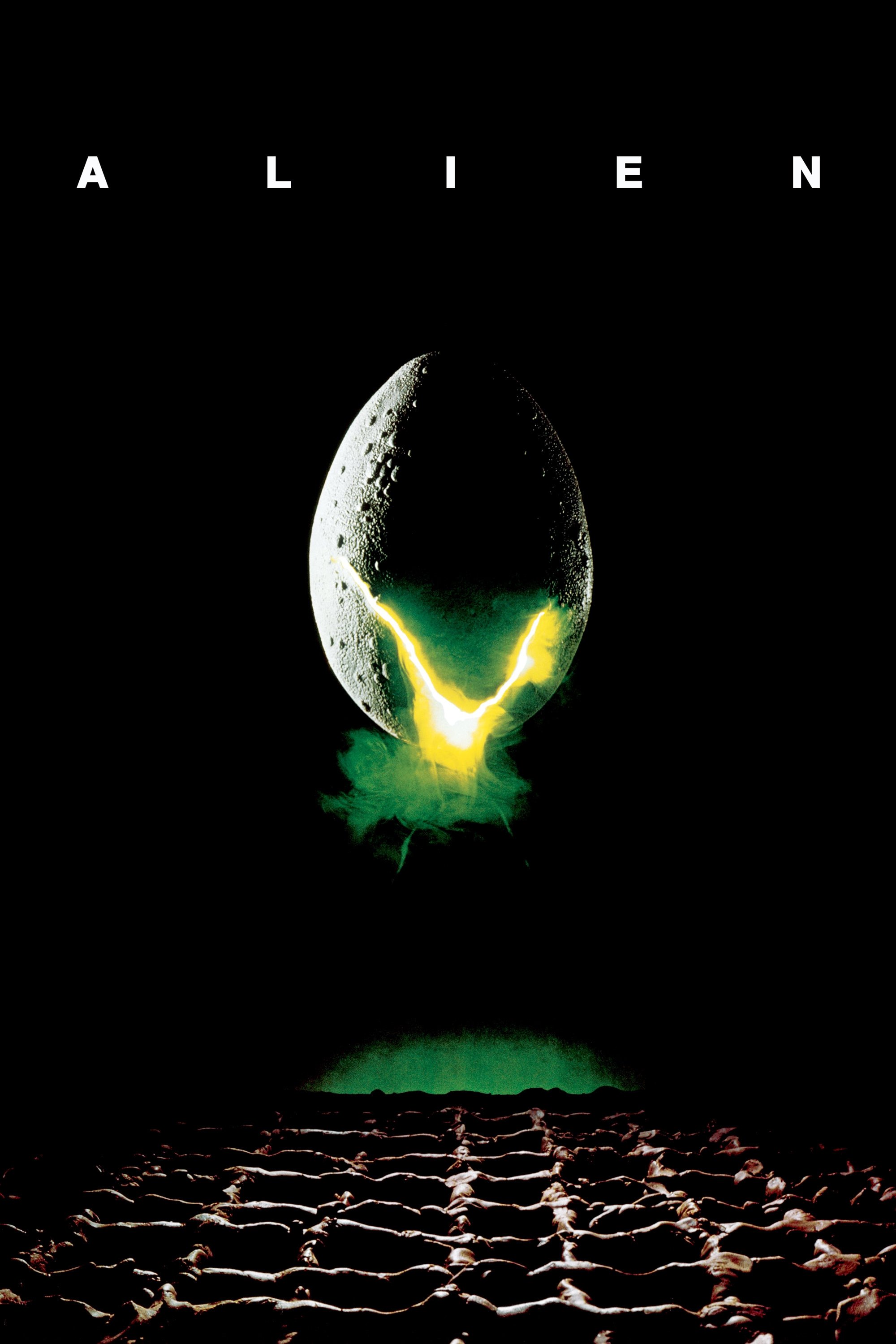
Alien

1979 · Another hostile enclosure, with patient suspense and people whose work suddenly becomes impossible.

The Wages of Fear poster

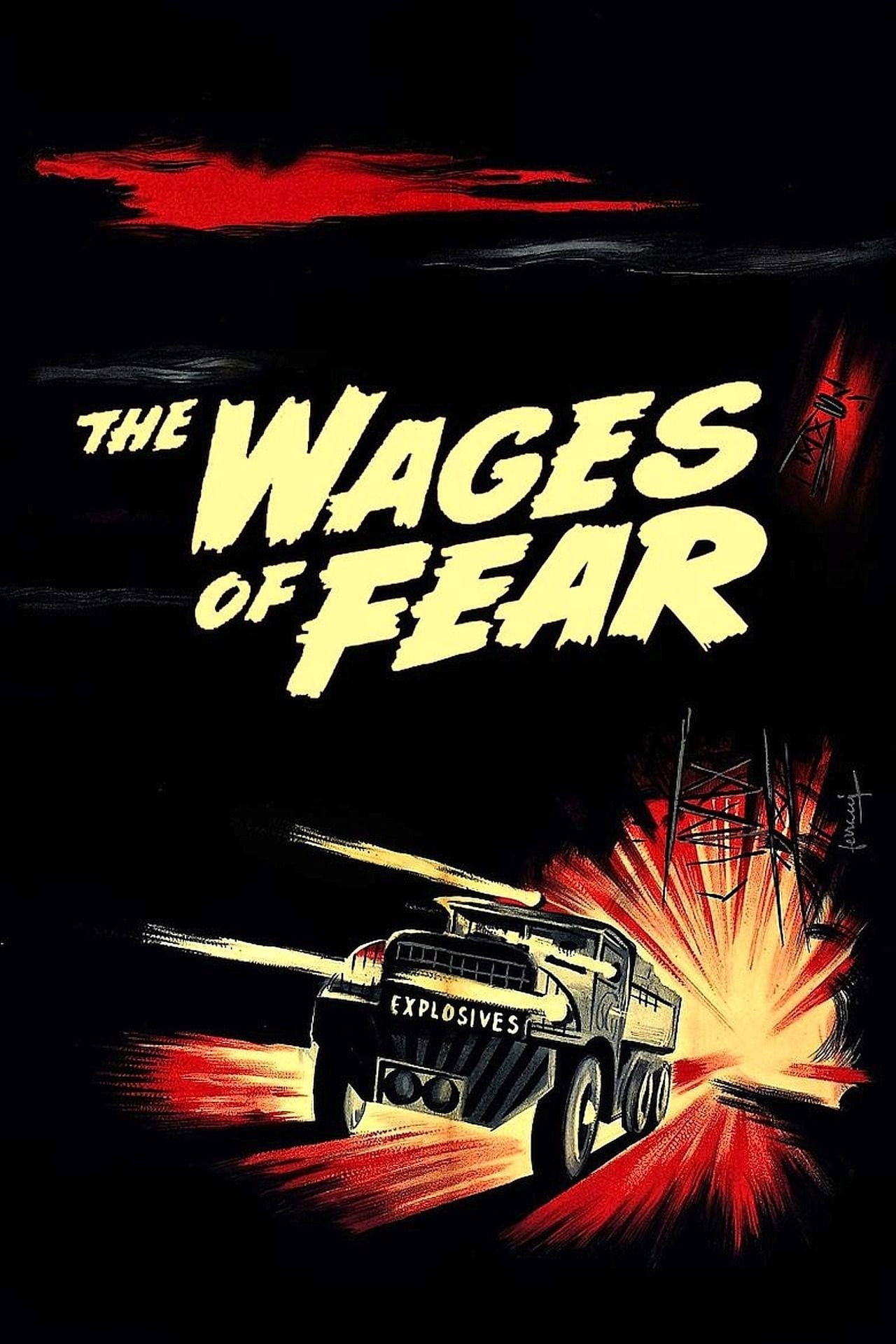
The Wages of Fear

1953 · For physical danger made unbearable through careful timing and strained relationships.

[REC] poster

[REC]

2007 · Confined spaces and mounting panic, with even less time to gather your thoughts.

The Vanishing poster

The Vanishing

1988 · A quieter ordeal for anyone who finds uncertainty harder to bear than blood.

The Ritual poster

The Ritual

2017 · Another outdoor expedition where strained friendships make the surrounding darkness harder to face.