Critics’ reviews

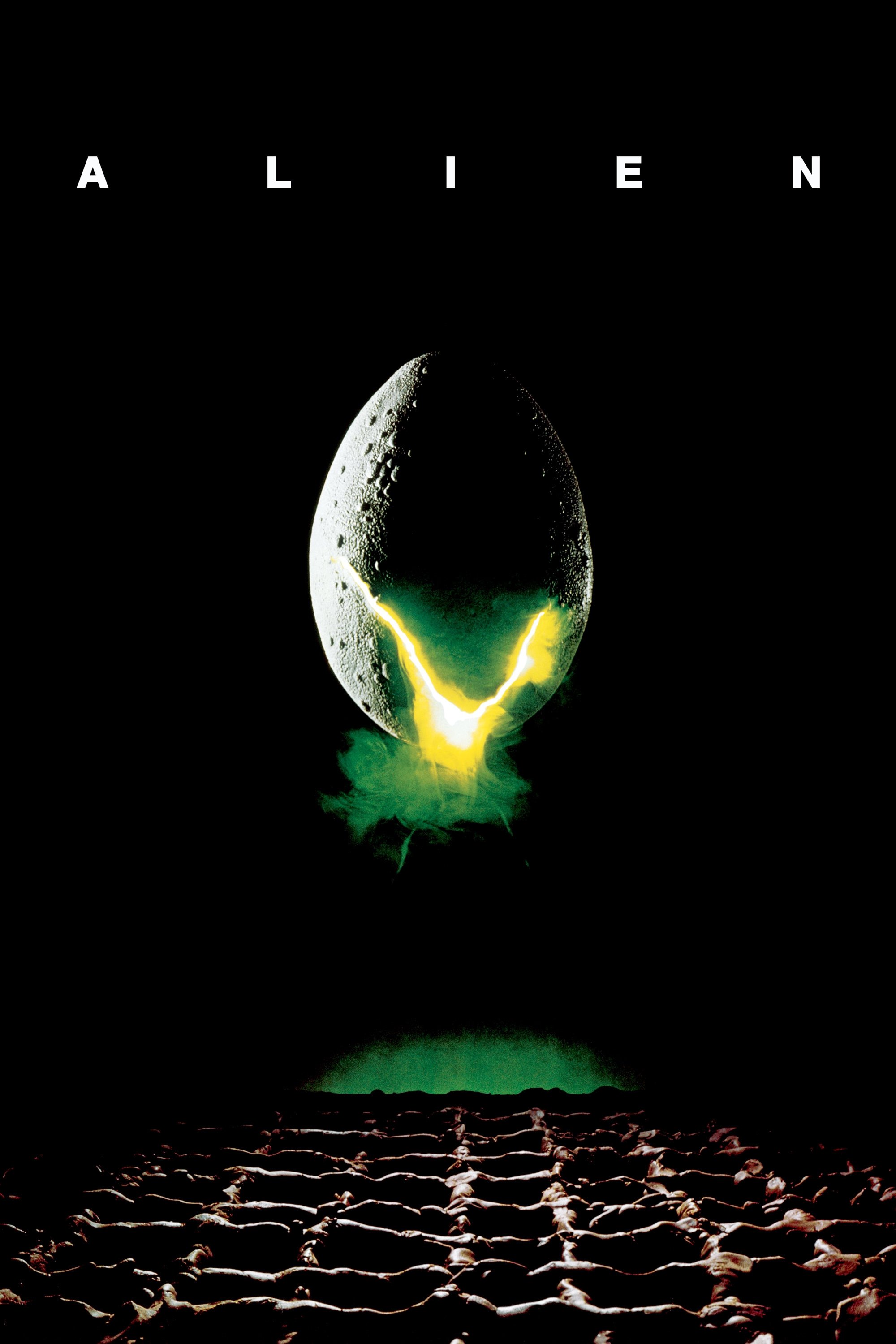
Alien (1979)

9 reviews from 9 publications. Critics’ score 81: 5 positive, 0 mixed, 1 negative.

Back to our review of Alien

81
Positive
5
Mixed
0
Negative
1

Most critics praise Alien for the patience of its suspense and the conviction of its physical world. The strongest agreement concerns the production design, H.R. Giger’s creature and Ridley Scott’s ability to make a confined spaceship sustain an atmosphere of dread. The performances also draw praise, with Radio Times singling out Sigourney Weaver. Across the favourable reviews, the combination of gothic horror and science fiction remains effective despite the familiarity of the monster-story ingredients.

The disagreement concerns how much those ingredients can support. The Guardian admires the technical control and shocks while finding little plot development or characterisation. The New Yorker is the sharp dissenter, finding the crew uninteresting and the plotting repetitive, with impressive effects insufficient to relieve the boredom. The spread is therefore wide, though heavily positive: most critics find the atmosphere persuasive enough to outweigh reservations about familiarity and dated elements.

Radio Times
★★★★★ · Alan Jones
100

The critic calls it a bona fide classic and a seamless blend of gothic horror and science fiction. They single out the top-notch acting, especially Sigourney Weaver, and the imaginative bio-mechanical production design with HR Giger's alien.

Read the full review →
Empire
1 January 1979 · Andrew Collins
90*

The critic praises the film's groundbreaking visual design by H.R. Giger and Ridley Scott's direction, highlighting its tactile world and influence on sci-fi horror.

Read the full review →
Total Film
31 October 2003
90*

The review celebrates the opportunity to see the original Alien on the big screen, emphasizing its masterful build-up of tension and timeless quality.

Read the full review →
Slant Magazine
24 September 2003 · Jeremiah Kipp
80*

The critic praises the film's enduring atmosphere of dread created through production design and H.R. Giger's creature, calling it one of the most artfully directed and well-acted slasher movies. They note it remains effective despite some dated elements and single out the late-1970s distrust of corporate authority as a welcome thematic edge.

Read the full review →
The New Yorker
11 June 1979 · Brendan Gill
30*

The critic dismisses the film as boring and unconvincing, criticizing the crew as uninteresting slobs and the alien as not worth serious attention beyond a few scares. He notes the special effects are impressive but ultimately fails to engage due to repetitive plotting and dated elements.

Read the full review →
Sight and Sound
6 September 1979 · Philip Strick

The critic sees the film as expressing a British xenophobia through its invasion nightmare theme. They single out the luminous photography, production design and Giger creature for particular praise.

Read the full review →
The Guardian
13 October 2009 · Derek Malcolm

Ridley Scott's Alien delivers profuse cinematic shocks and masterful technical artifice in a confined spaceship setting, but its story is a familiar mix of older monster films with little plot development or characterization. It deserves its success for expertly manipulating a cynical audience through sheer theatricality and atmosphere, even if it falls short of great art.

Read the full review →
The New York Times
25 May 1979 · Vincent Canby

The critic finds the film an effectively eerie Gothic tale set in space, with strong buildup of tension aboard the Nostromo as the crew encounters an alien life form. Praise is given to the elaborate production and the cast's performances in building suspense.

Read the full review →
The Playlist
14 May 2010 · A+ · Rodrigo Perez
100

The critic calls it still Scott’s greatest film, an exercise in minimalistic terror with the most unknowable, terrifying extraterrestrial creature ever seen on screen. It retains its power to terrify even after years of homages, rip-offs and sequels.

Read the full review →

Ordered by the weight we give each publication, then by score. Scores are normalised to 100; * means inferred from an unrated review. Summaries are ours, not quotations; follow the links for the reviews themselves. How we rate