James Cameron’s Aliens is an exceptional action thriller, with Sigourney Weaver giving the military spectacle a human centre. Some marines are little more than types, but Ripley gives us reason to care who survives.
James Cameron understands that a sequel needs a reason to exist beyond another encounter with the same creatures. Aliens supplies one by sending Ripley back into danger with space marines and making a war film out of the confrontation. The increase in firepower changes the expectations: trained soldiers with serious equipment ought to have a better chance, which gives Cameron something useful to work against. We recommend it without much hesitation, though its appetite for action sometimes leaves the supporting characters with little to do beyond announce their personalities.
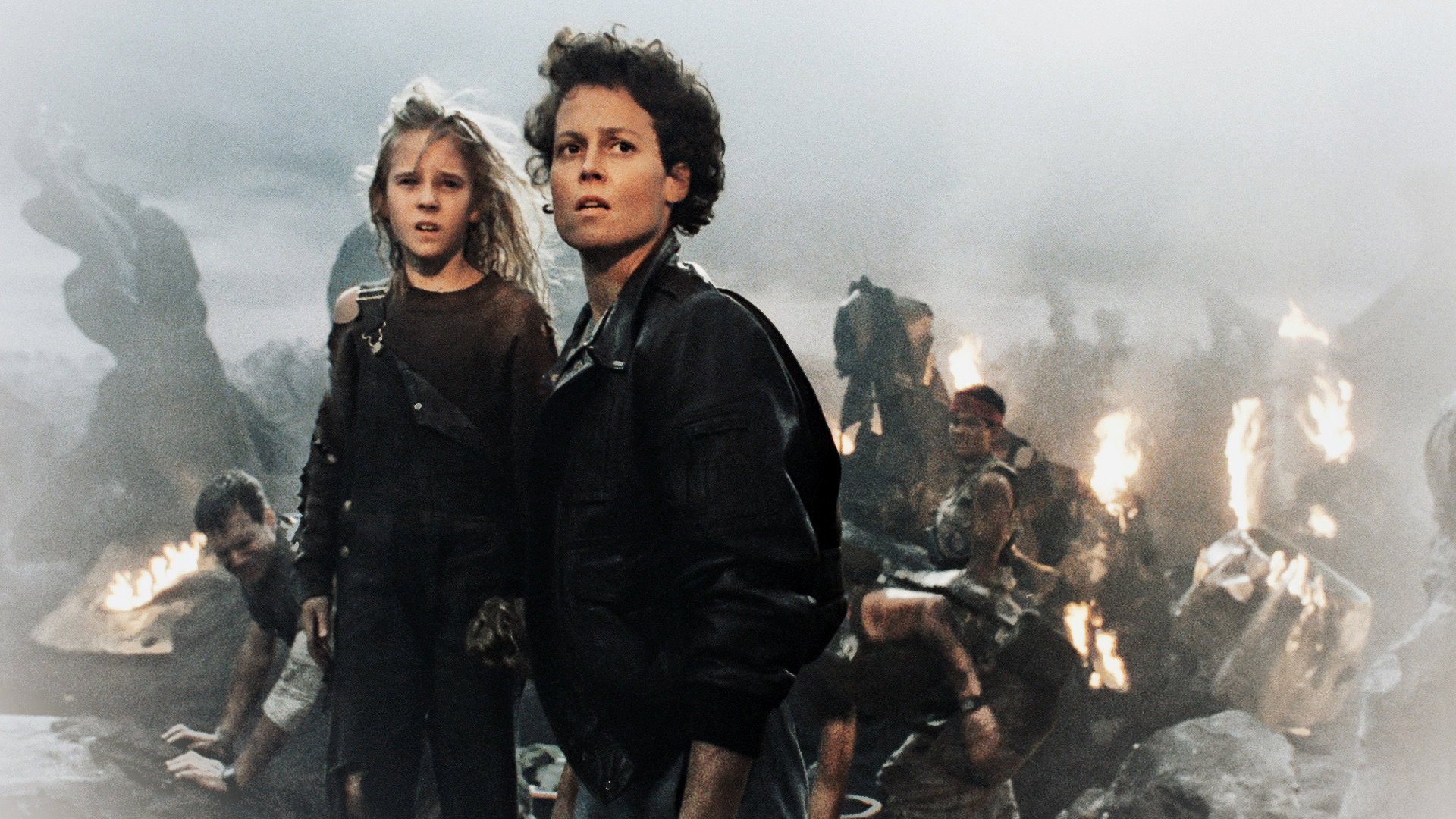
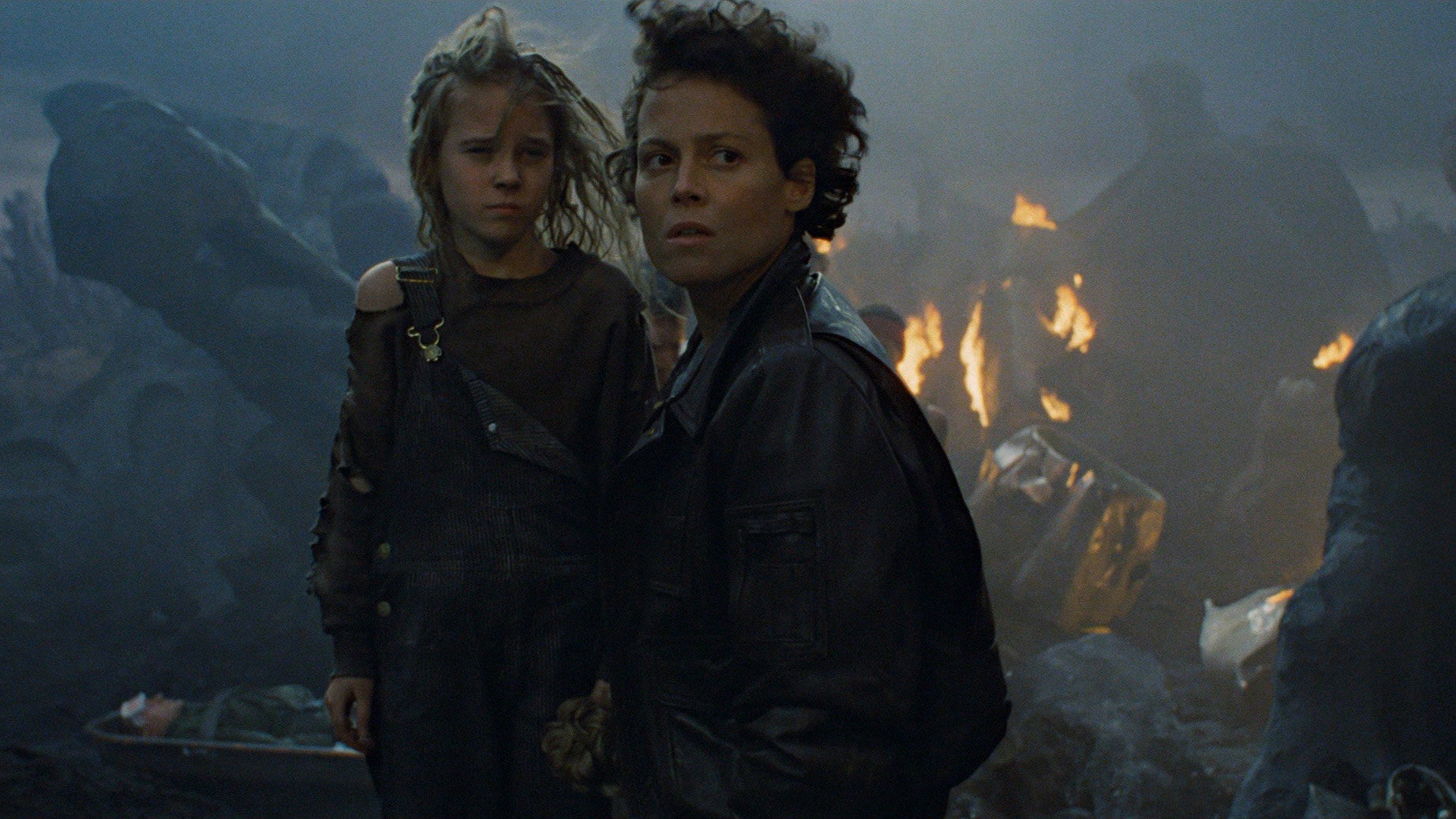
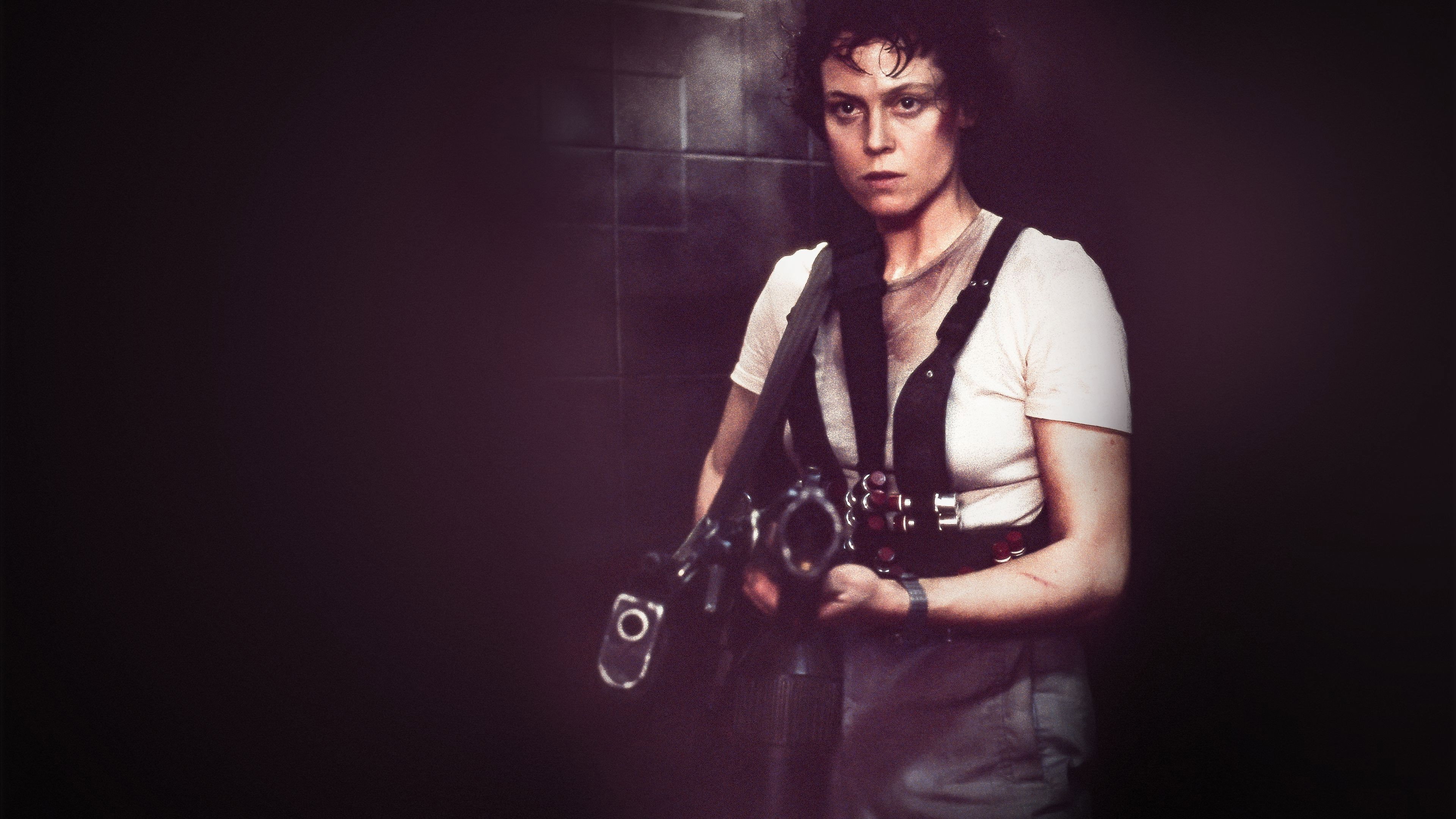
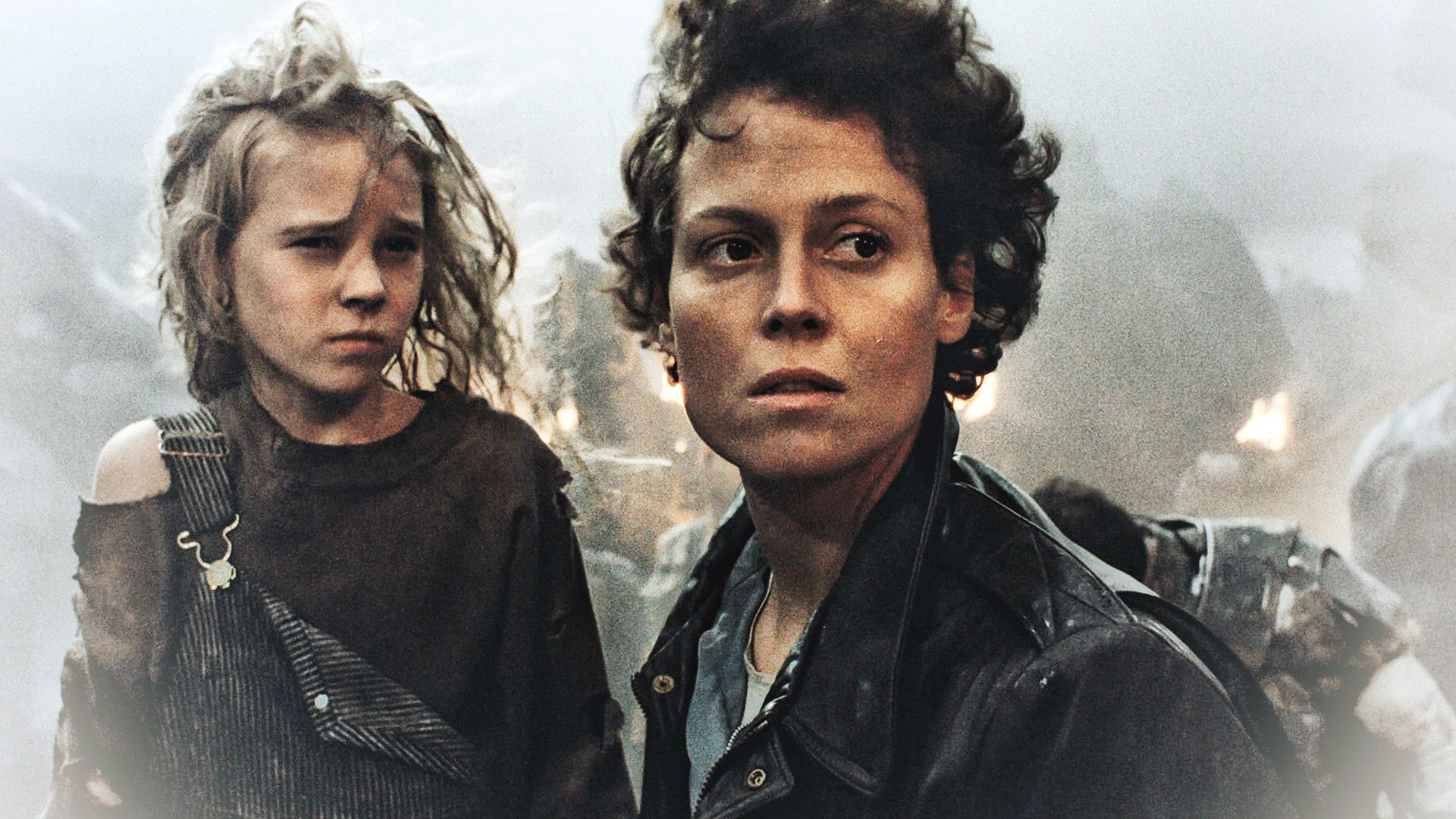
Sigourney Weaver is the reason that escalation does not become tiring in the wrong way. Her Ripley has the resourcefulness an action lead needs, but Weaver allows fear to remain visible inside the competence. The relationship with Carrie Henn’s Newt gives that fear a particular focus, and Cameron’s screenplay is at its most persuasive when protection means practical work rather than declarations. The maternal emphasis can feel a little heavily insisted upon, but Weaver makes Ripley’s concern for the child convincing without turning her into a different person.
Adrian Biddle’s cinematography makes the encounters with the creatures readable without making them feel safely contained. That is essential here: the action needs enough clarity for us to understand the danger, rather than merely accept that something noisy is happening. Peter Lamont’s production design gives the high-tech environment and military hardware a solidity that helps explain the marines’ confidence. We can believe that these people expect their equipment to deal with whatever they find.
Ray Lovejoy’s editing gives the early build-up room to establish Ripley before the action starts demanding so much attention. At 137 minutes, the film is long enough to make impatience a risk, but the preparation is doing useful work. Once the encounters begin, the pace leaves little space to recover, and James Horner’s score keeps the anxiety present between them. We were frightened by how little comfort all that military hardware provided when the marines faced the creatures.
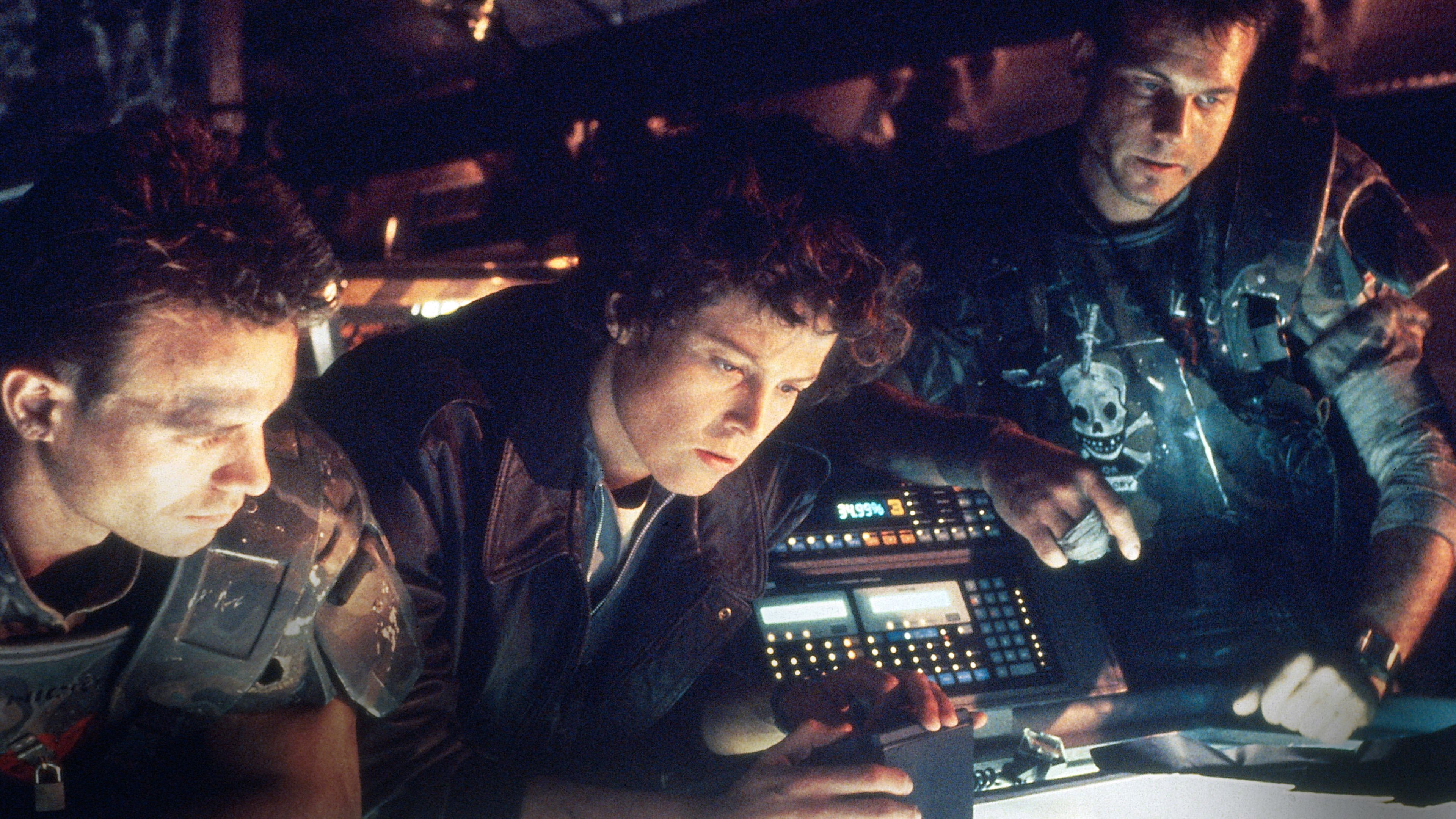
The marines are less carefully written than Ripley, and Cameron’s screenplay sometimes settles for rowdiness where another distinguishing detail would help. Bill Paxton’s Private Hudson and Jenette Goldstein’s Private Vasquez belong to an ensemble whose broad outlines are easy to grasp, but that speed comes at a cost. There are people here we understand chiefly through their place in the unit. A few quieter exchanges would have helped us care about more of them.
Turning horror into a war film does make the creatures more familiar, and anyone hoping chiefly for mystery may find the repeated confrontations too explicit. Cameron accepts that loss and uses the practical effects to make proximity unpleasant instead. The creatures have a physical presence that remains troubling even when we know a confrontation is coming. That is a sound choice for action-horror, though it means the film’s quieter dread must compete with a great deal of weaponry.
Give Aliens the full evening rather than treating it as a succession of action scenes to dip into. The slow opening needs attention because Ripley is the reason the later pressure works. We would not choose it to unwind.