Ron Underwood’s Tremors is a funny, resourceful creature feature held together by Kevin Bacon and Fred Ward’s easy rapport. The closing stretch labours a little, but the townspeople give us good reason to worry.
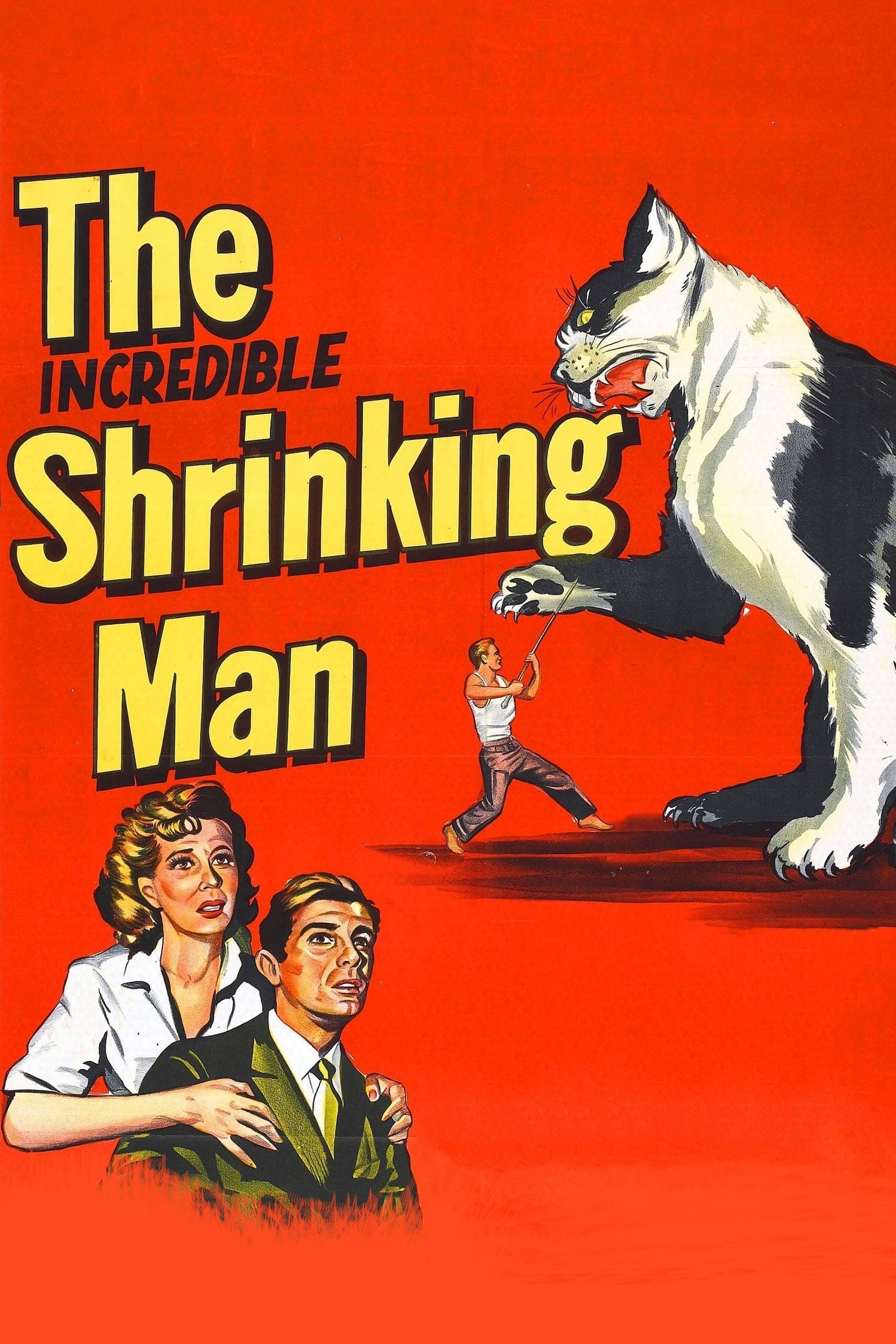
Tremors works because Ron Underwood takes the practical business of surviving giant worms seriously enough to make the comedy matter. It is a brisk, funny creature feature, with a slightly overextended finish and an unusually companionable pair of leads. The debt to 1950s monster films is plain, but there is no need to have seen any of them to understand the attraction. A small town has acquired a problem that its residents cannot sensibly ignore. They have to deal with it, in one another’s company.
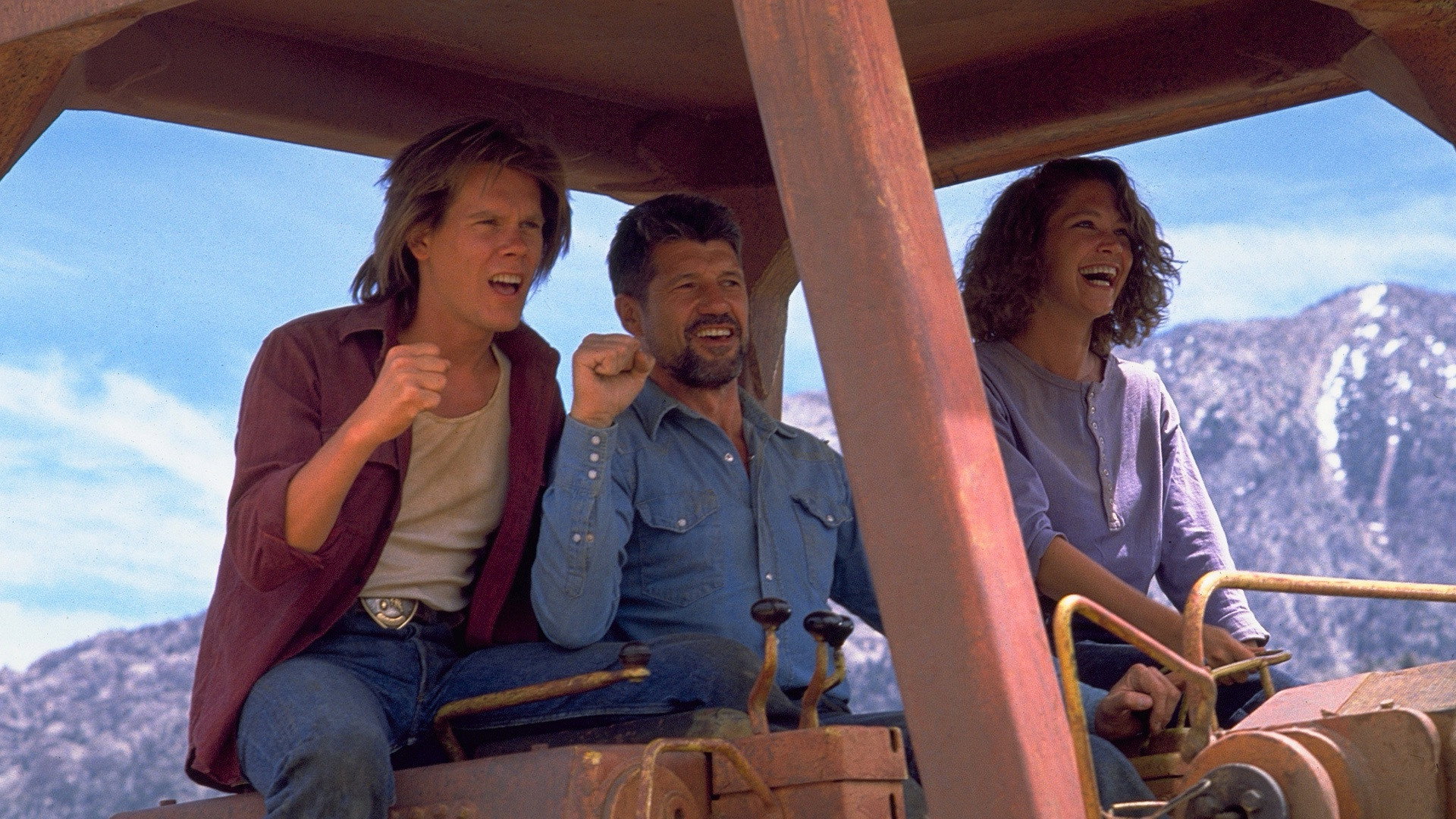
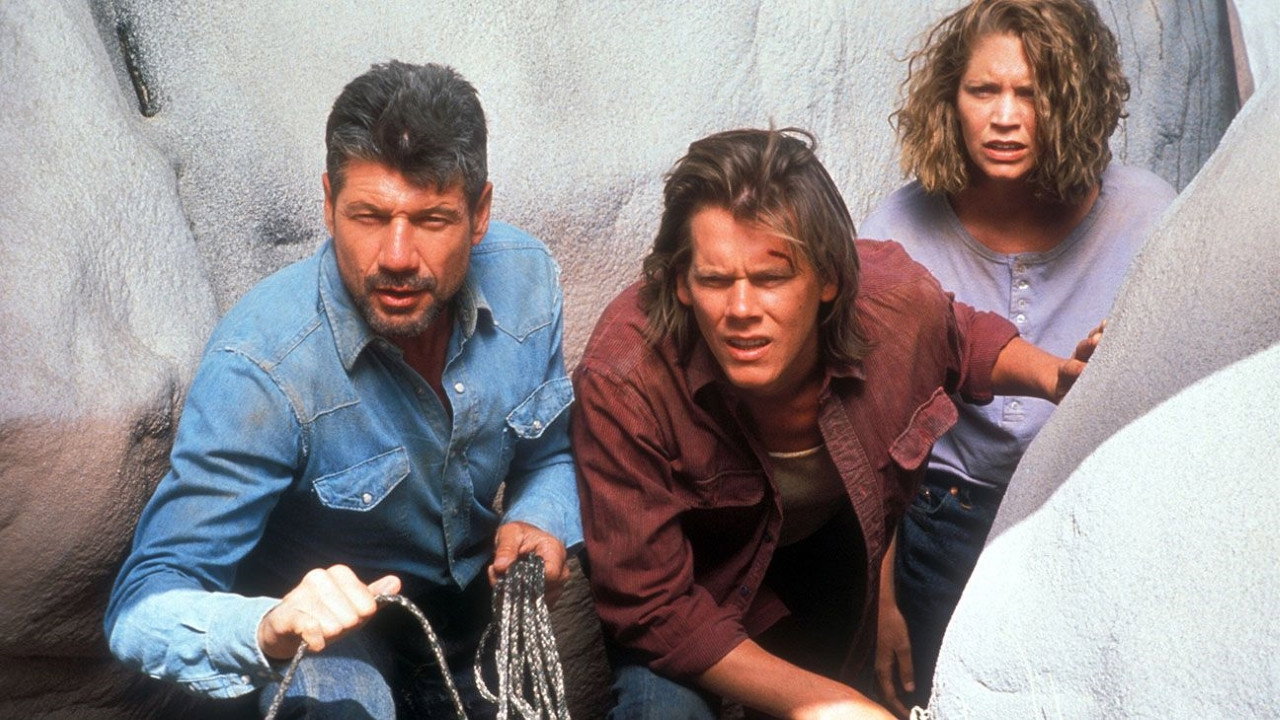
Kevin Bacon, as Valentine McKee, and Fred Ward, as Earl Bassett, give that company its appeal. Bacon supplies the impatience; Ward’s dry responses suggest a man who has heard most of this before and expects to hear it again. We laughed at the friction between them, then found ourselves worrying about both of them. Their familiarity makes the danger feel personal without requiring the screenplay, by S.S. Wilson and Brent Maddock, to stop and deliver a speech about friendship.
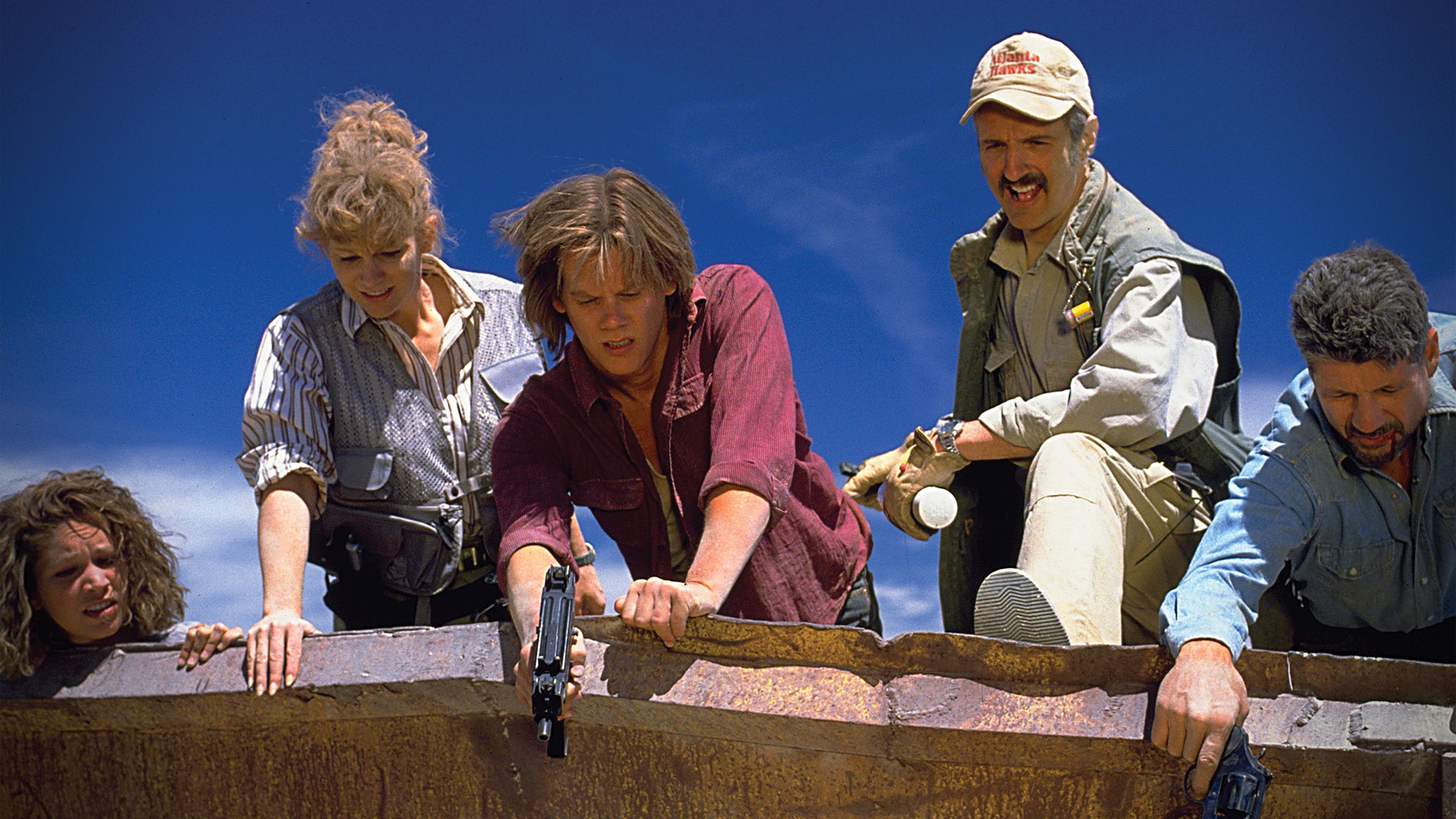
The monsters are good opponents: fast, unpleasant and sufficiently cunning to demand something more interesting than repeated running and screaming. Wilson and Maddock build the suspense around the business of finding a workable response, then having to think again. Underwood gives these predicaments enough room for the audience to consider them, which is part of the pleasure. We can follow the problem and enjoy the ingenuity without having to pretend that anybody is behaving like a fool.
Alexander Gruszynski’s cinematography lets us judge the space around the characters without making it feel safe. With danger coming from below, an apparently empty stretch of ground is enough to make us uneasy. Ivo Cristante’s production design keeps the town plain enough for its eccentric inhabitants to look at home, which helps their encounters feel like interruptions to ordinary lives. The setting has enough character to support the jokes without demanding that every corner supply another one.
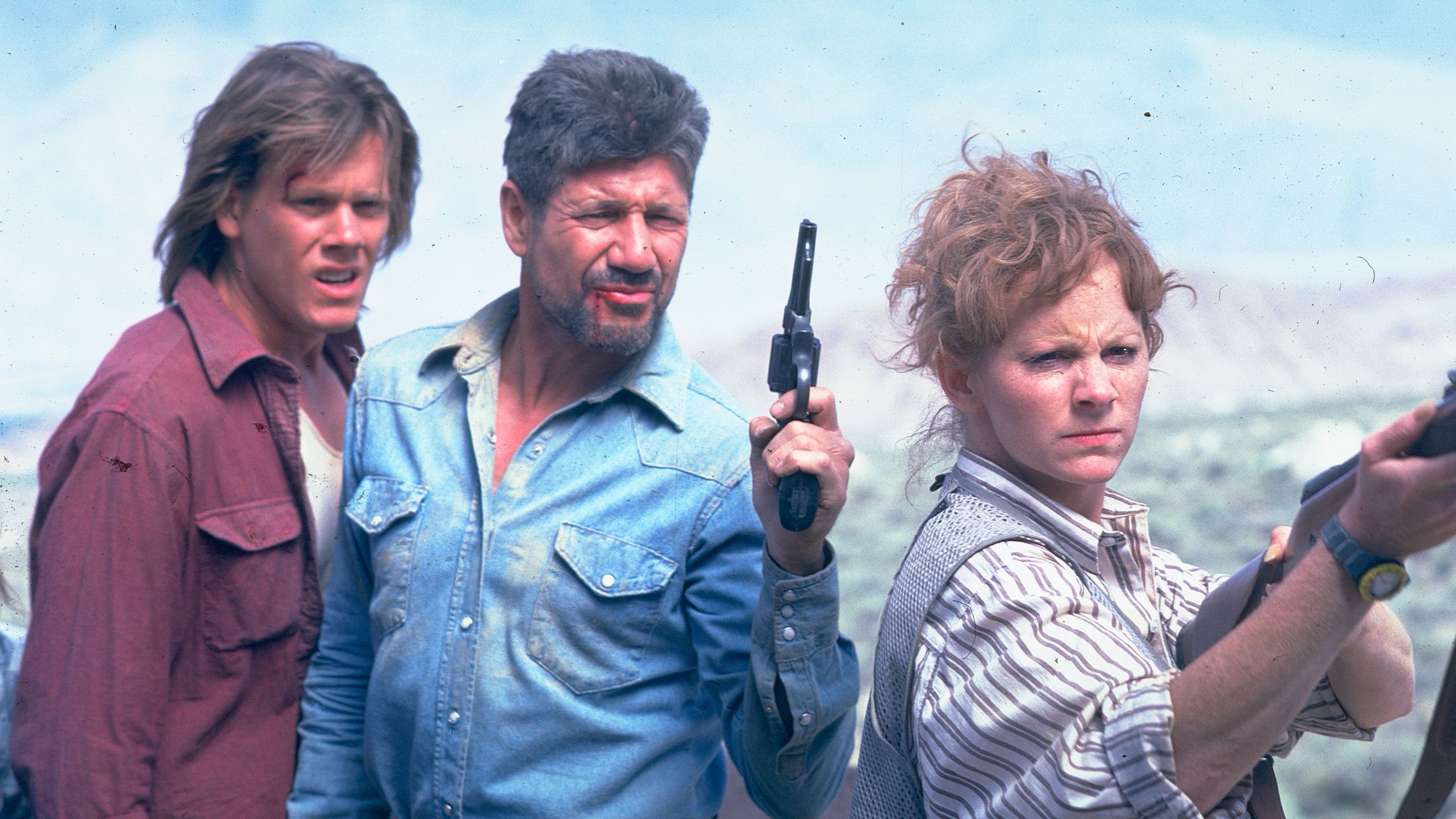
O. Nicholas Brown’s editing is alert to the difference between keeping the action moving and hurrying a comic exchange. The pauses between Bacon and Ward matter, and the film generally has the sense to allow them. Ernest Troost’s music helps sustain the cheerful mood, though that cheerfulness also puts a limit on how frightening the creatures become. Finn Carter’s Rhonda LeBeck adds a welcome steadiness to the ensemble. Michael Gross’s Burt Gummer and Reba McEntire’s Heather Gummer have a comic confidence that suits the increasingly unreasonable circumstances.
The limitation is that the film finds its comfortable balance early and does not vary it quite enough. The closing stretch starts to make invention feel like repetition, even at 96 minutes. Brown and Underwood could have been less indulgent there; once we understand how the comedy and danger work together, another complication needs to earn its place. Anyone hoping for sustained horror may also find the friendliness a little too protective. Choose it for an evening when you want a monster film and still expect to like the people doing the shouting.