James Cameron’s pursuit thriller is frightening, fast and worth an evening even for those with little patience for time travel. Arnold Schwarzenegger supplies the menace; Linda Hamilton makes it matter, despite some numbing stretches of violence.
James Cameron’s The Terminator gives its time-travel story the urgency of a chase. It is a frightening, tightly controlled thriller, with a few rough effects and enough excess violence to keep our praise qualified. The premise sends a machine from the future after a waitress, Sarah Connor, played by Linda Hamilton. Cameron treats the difficulty of surviving that encounter as a sufficient subject for a film. It uses most of its 108 minutes well.
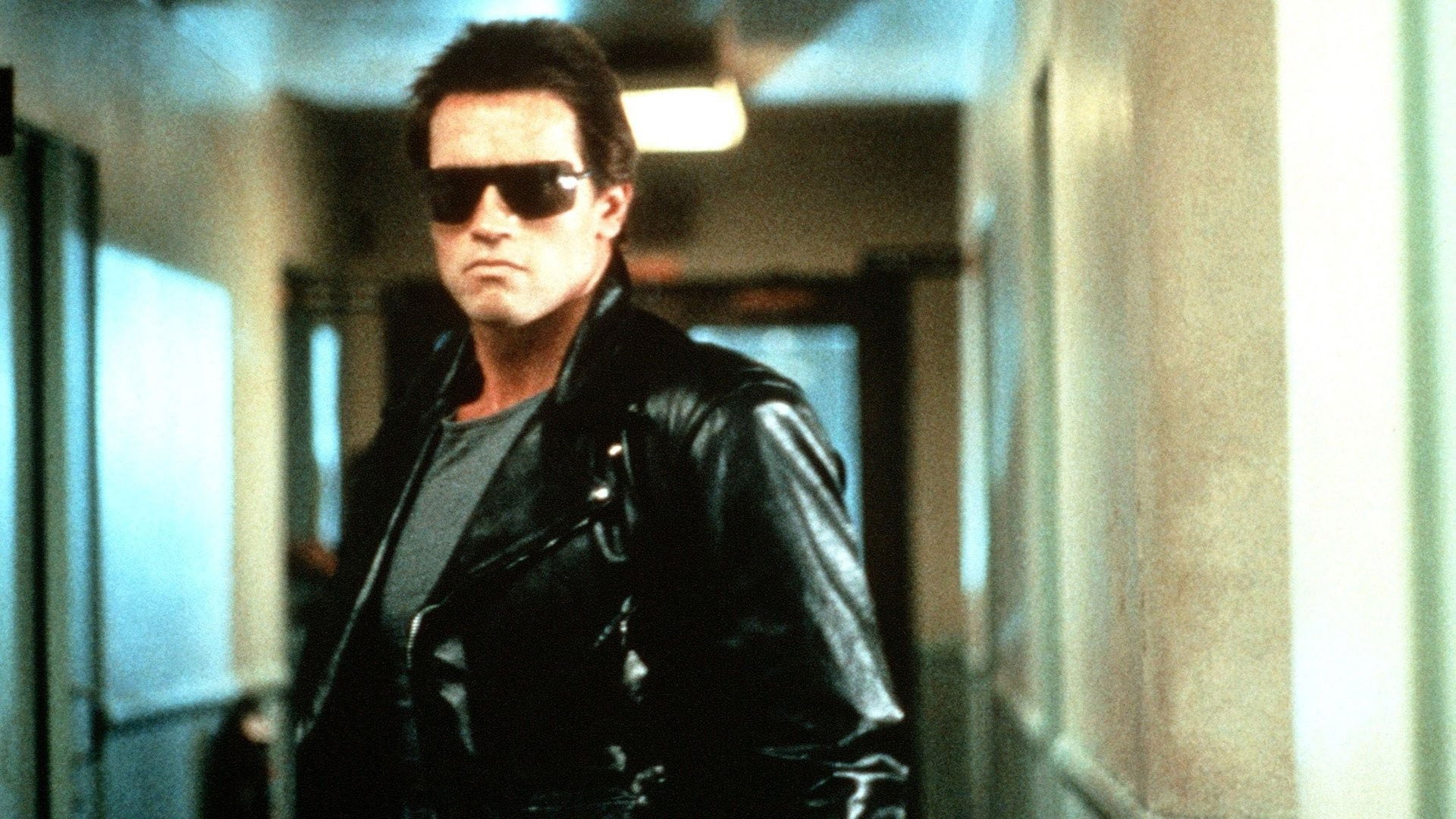
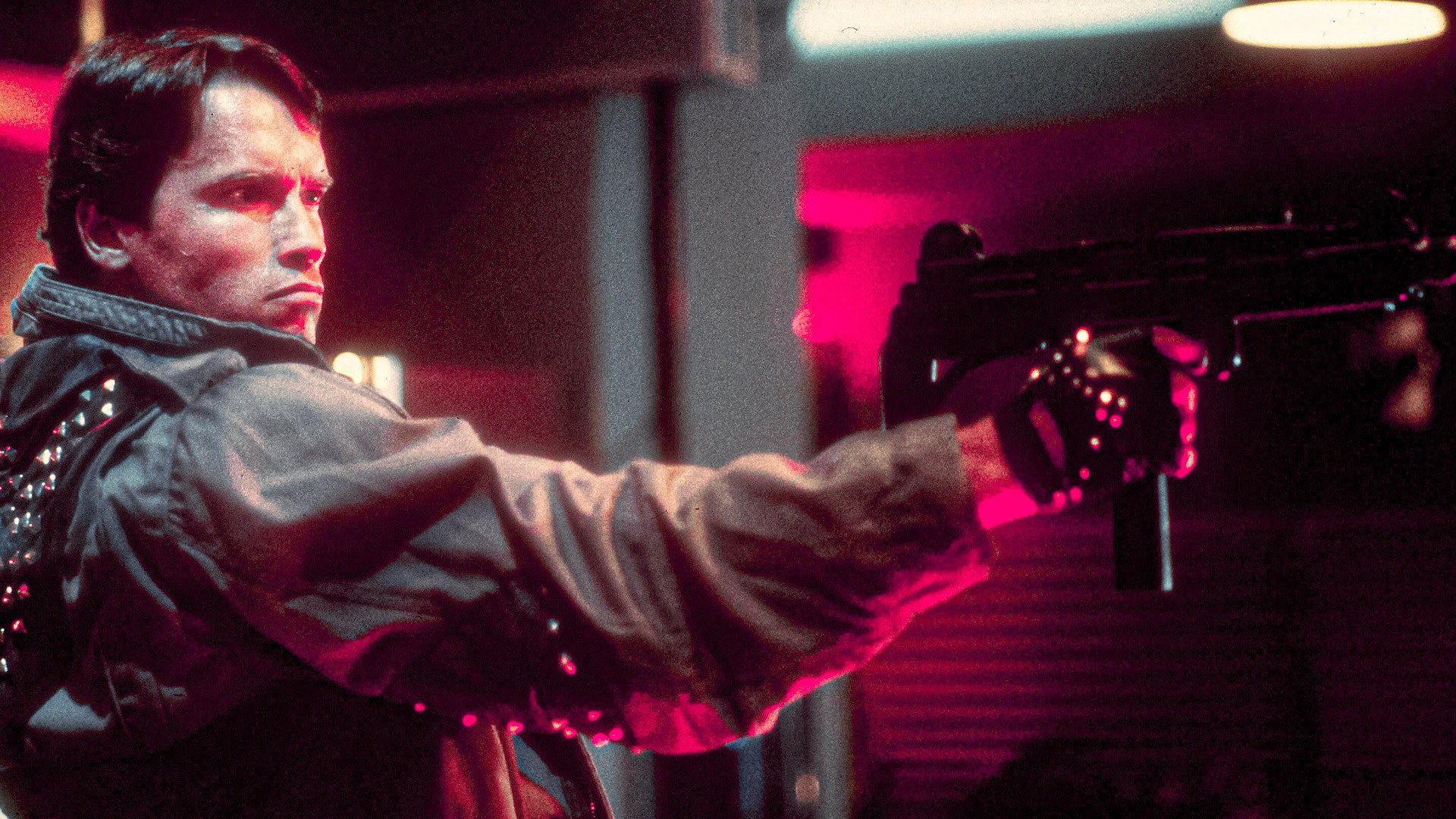
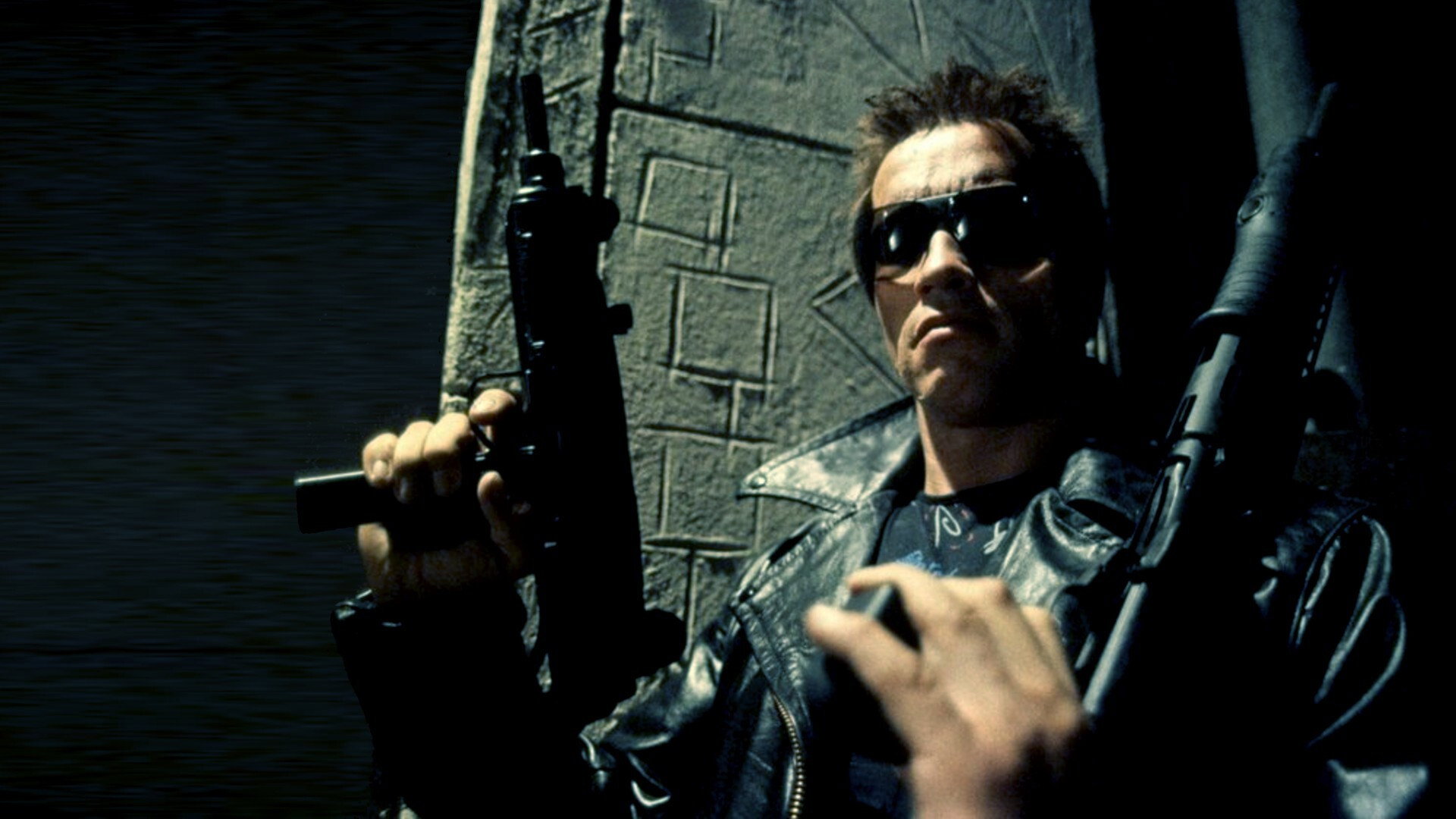
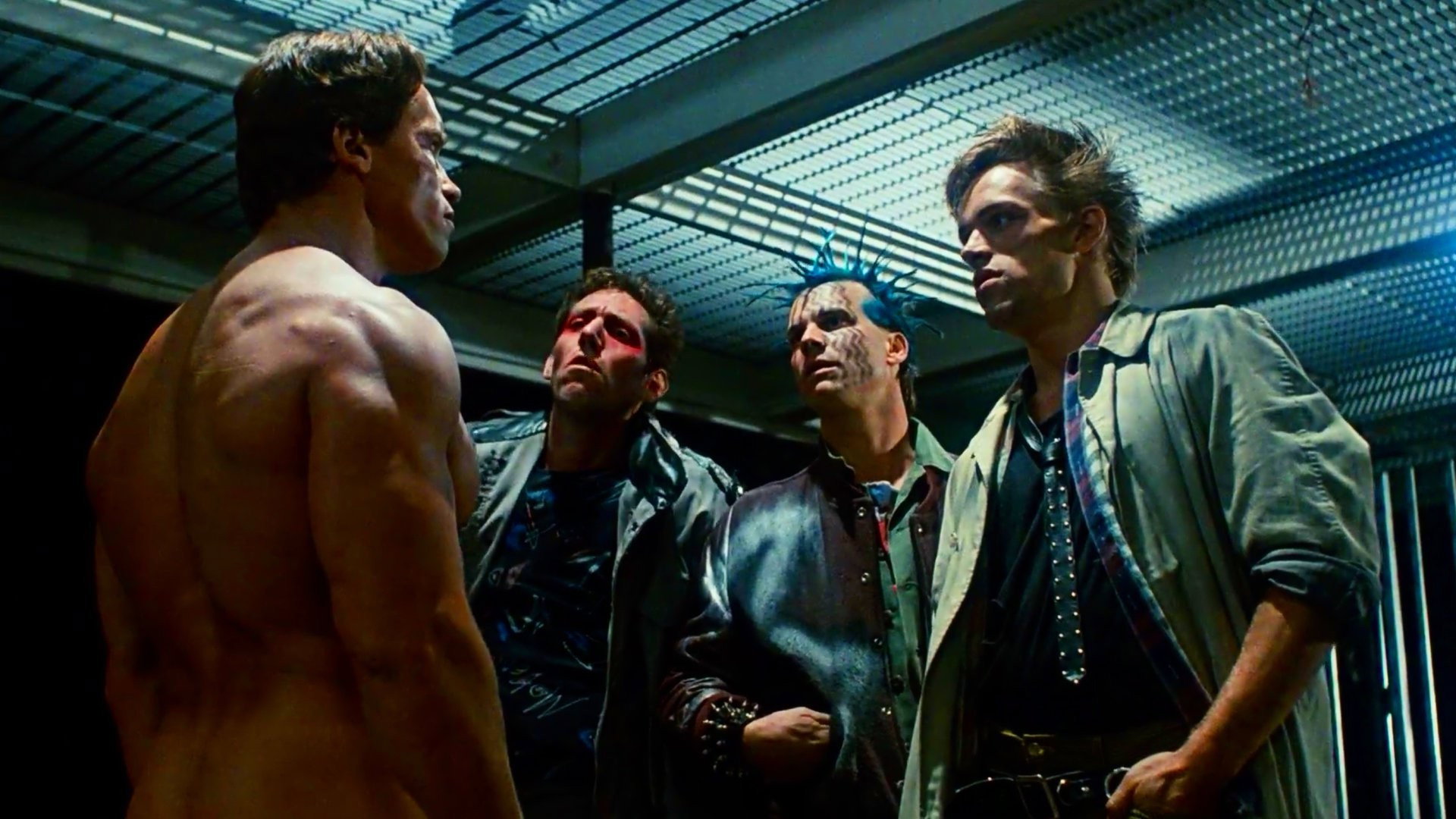
Arnold Schwarzenegger is the reason the threat works before the story has explained much of anything. His size is useful, but the more unsettling choice is to withhold the little signs of satisfaction or irritation that would make this killer easier to read. We were frightened by that lack of response: Sarah’s growing alarm appears to make no difference to the thing pursuing her. Schwarzenegger gives us no reassuring sense that anger might exhaust it.
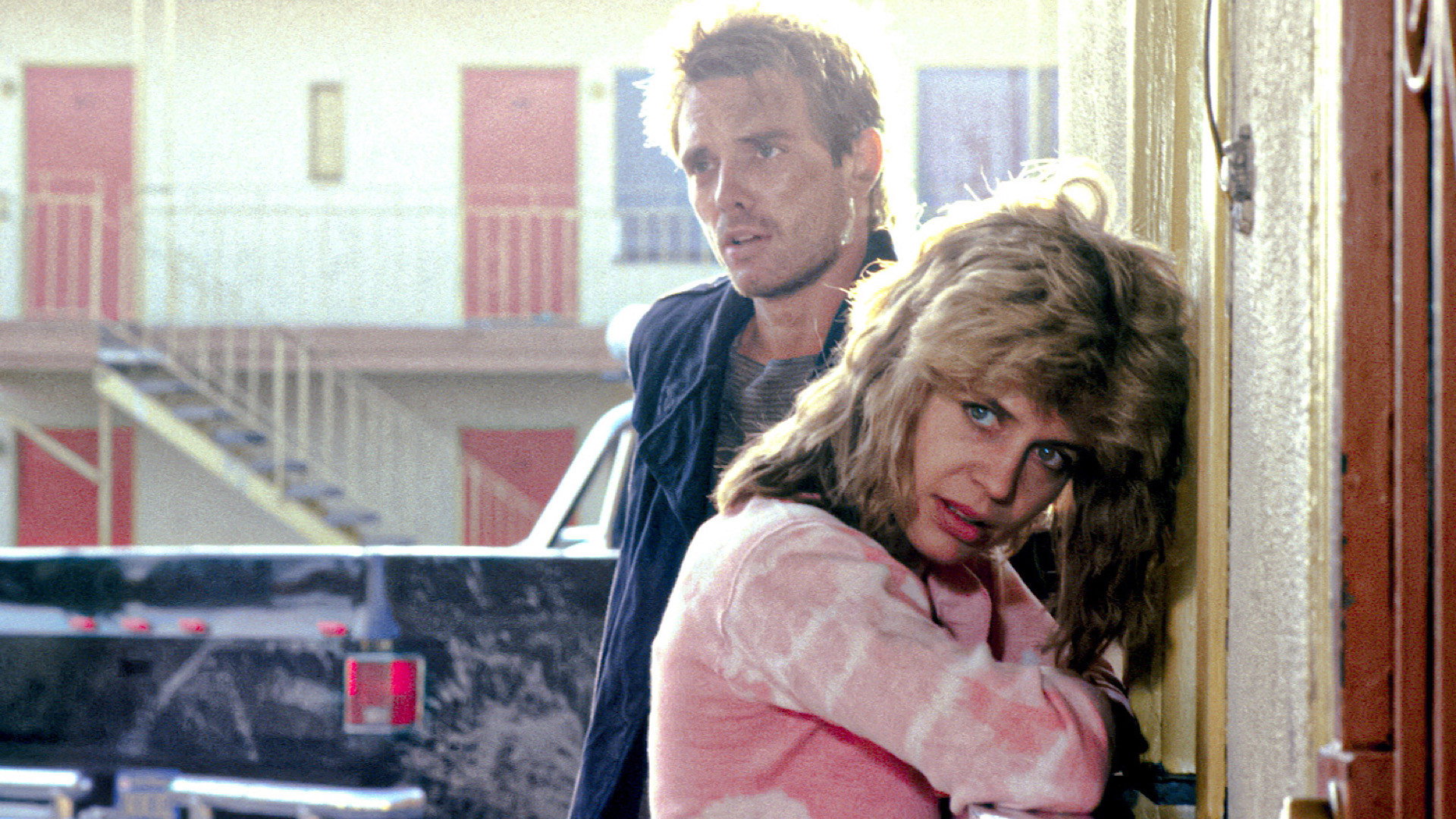
Hamilton has the less conspicuous task of making a bewildered waitress worth following through all this violence. She succeeds because the fear feels proportionate; Sarah is not instantly equipped to deal with the film she has found herself in. Michael Biehn, as Kyle Reese, helps keep the human exchanges urgent enough to belong in the same picture as the pursuit. There is feeling here, and it does not seem to have been inserted merely to interrupt the action. We care what happens to Sarah.
Adam Greenberg’s cinematography makes Schwarzenegger’s bulk oppressive without inviting us to admire it. That matters in a film whose central casting could so easily become a running joke about an enormous man. Mark Goldblatt’s editing gives the pursuit a speed that feels dangerous while leaving us able to follow the immediate threat. The cuts keep our attention on how much time Sarah has to react, rather than letting the action become a succession of unrelated impacts.
Brad Fiedel’s synthesiser score keeps pressing forward, and its insistence makes the pursuit feel exhausting even when the picture gives us a moment to recover. The music works because it sustains the pressure without needing to announce a fresh crisis at every opportunity. Cameron and co-writer Gale Anne Hurd also find room for wit without asking us to stop taking the danger seriously. The humour briefly eases the tension, and Cameron is sensible enough not to linger over it.
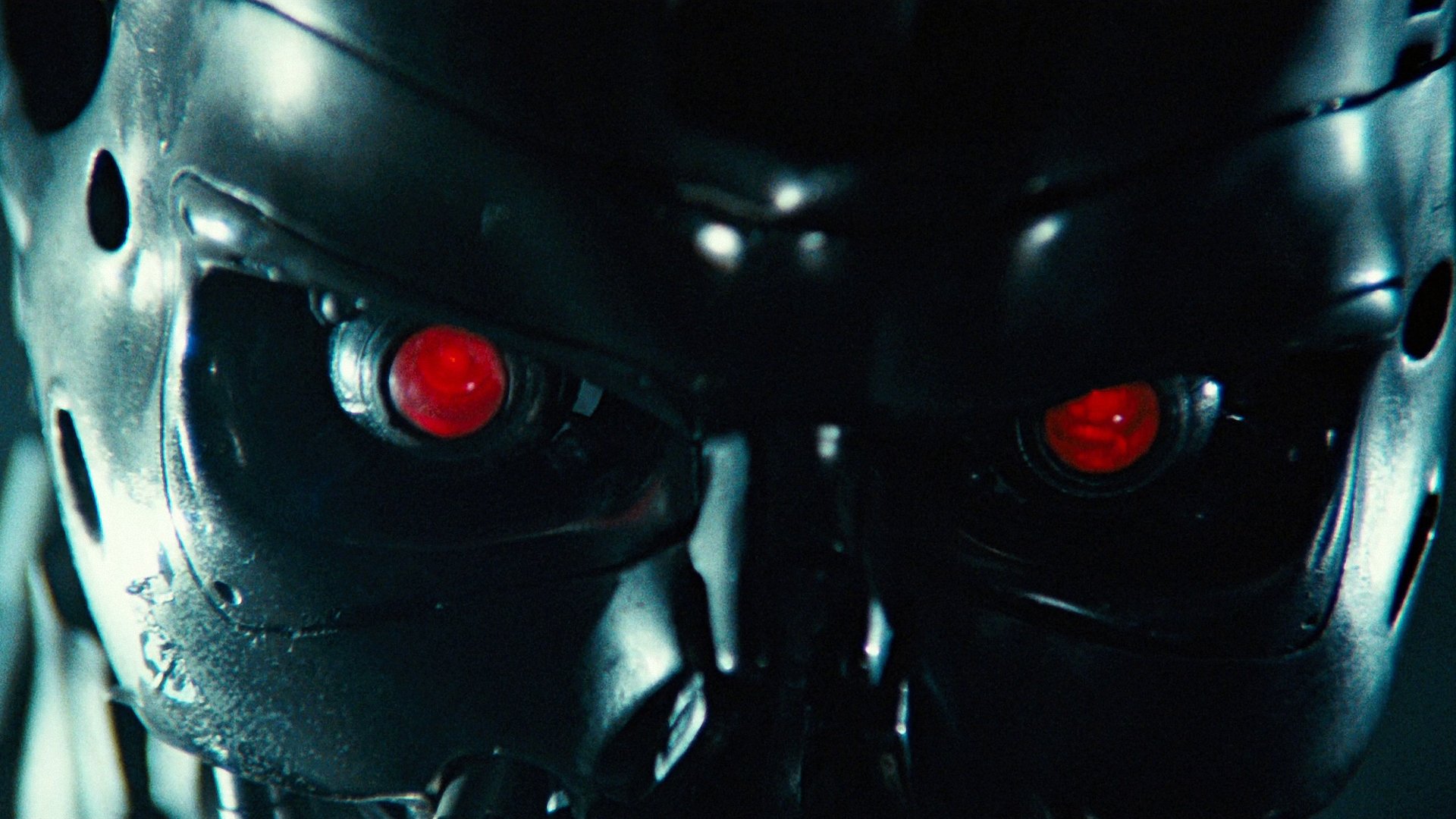
The faults are small but visible. Some of the make-up draws attention to how the illusion has been achieved, which is unfortunate when the film depends so heavily on believing in its machine. The violence also becomes numbing in places: we are waiting for the danger to change, and getting more noise instead. Cameron is better when he makes us anticipate violence than when he simply increases its quantity. Those passages do not undo the suspense, but they are less effective.
The film is often closer to a horror picture than its science-fiction premise might suggest. The important horror-film question is how long an ordinary person can stay alive, and Cameron keeps that question in front of us. We would recommend it even to anyone normally put off by time travel. If the machinery puts you off, Hamilton is reason enough to give it a chance.