Film review

Halloween

1978 · Directed by John Carpenter · 1h 31m · MPA R

In a sentenceNinety-one minutes of checking the empty bit of the screen and wishing it would stay empty

HorrorThriller

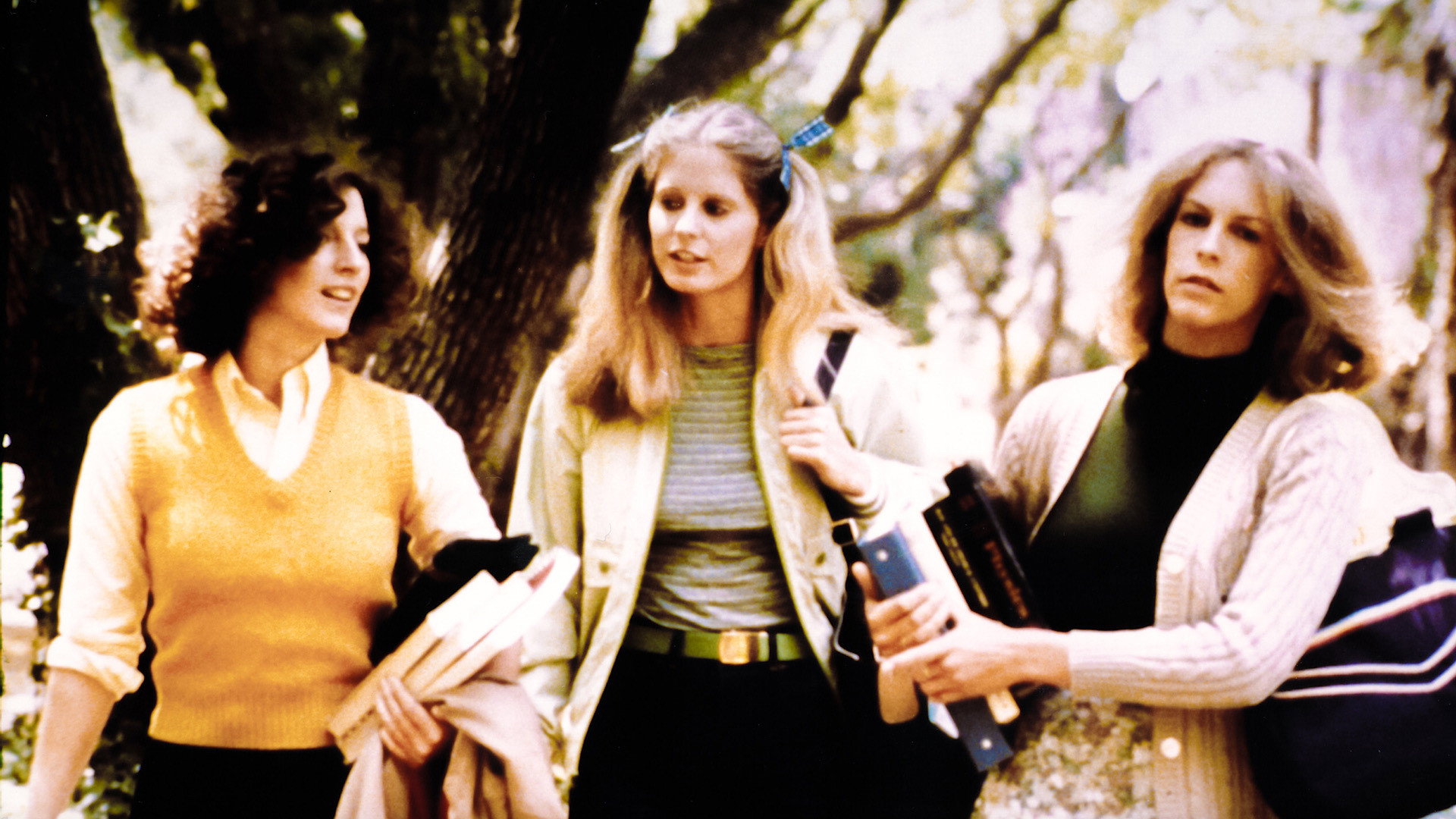
A maniac is loose in a suburban neighbourhood. Laurie (Jamie Lee Curtis), Annie (Nancy Kyes) and Lynda (P. J. Soles) go about their lives while Michael Myers stalks people through the streets and around ordinary houses. Daylight offers little protection from being watched, and darkness is approaching. The film follows both the people under threat and the pursuer’s point of view as he moves through domestic surroundings. The distance between him and the people he watches begins to shrink, bringing danger into places that give little warning of it.

Plays from YouTube when you press play; nothing loads from them until then.

Fi1m review

John Carpenter’s Halloween earns its scares through patient framing, ordinary houses and a score that makes waiting uncomfortable. The dialogue is less assured, but Jamie Lee Curtis gives this carefully made horror film someone worth worrying about.

John Carpenter’s Halloween is frightening because he gives us time to look, then makes us worry about where we have been looking. It is an excellent horror film, with a weakness for solemn dialogue that the pictures do not need. The suburban setting supplies places we recognise without having to learn our way around them. Across 91 minutes, the director builds from daylight towards darkness, making us increasingly suspicious of surroundings that initially seem quite unremarkable.

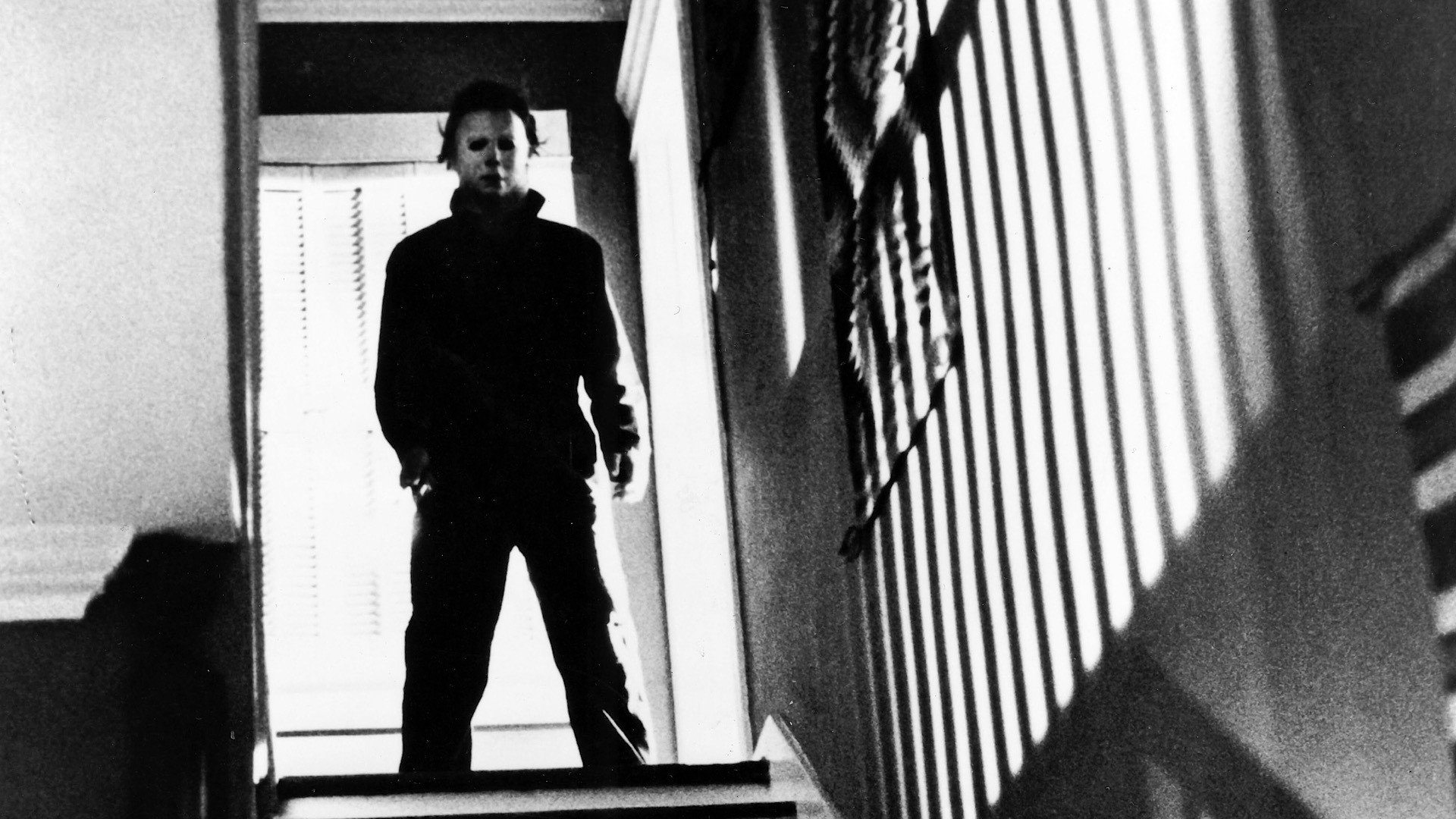
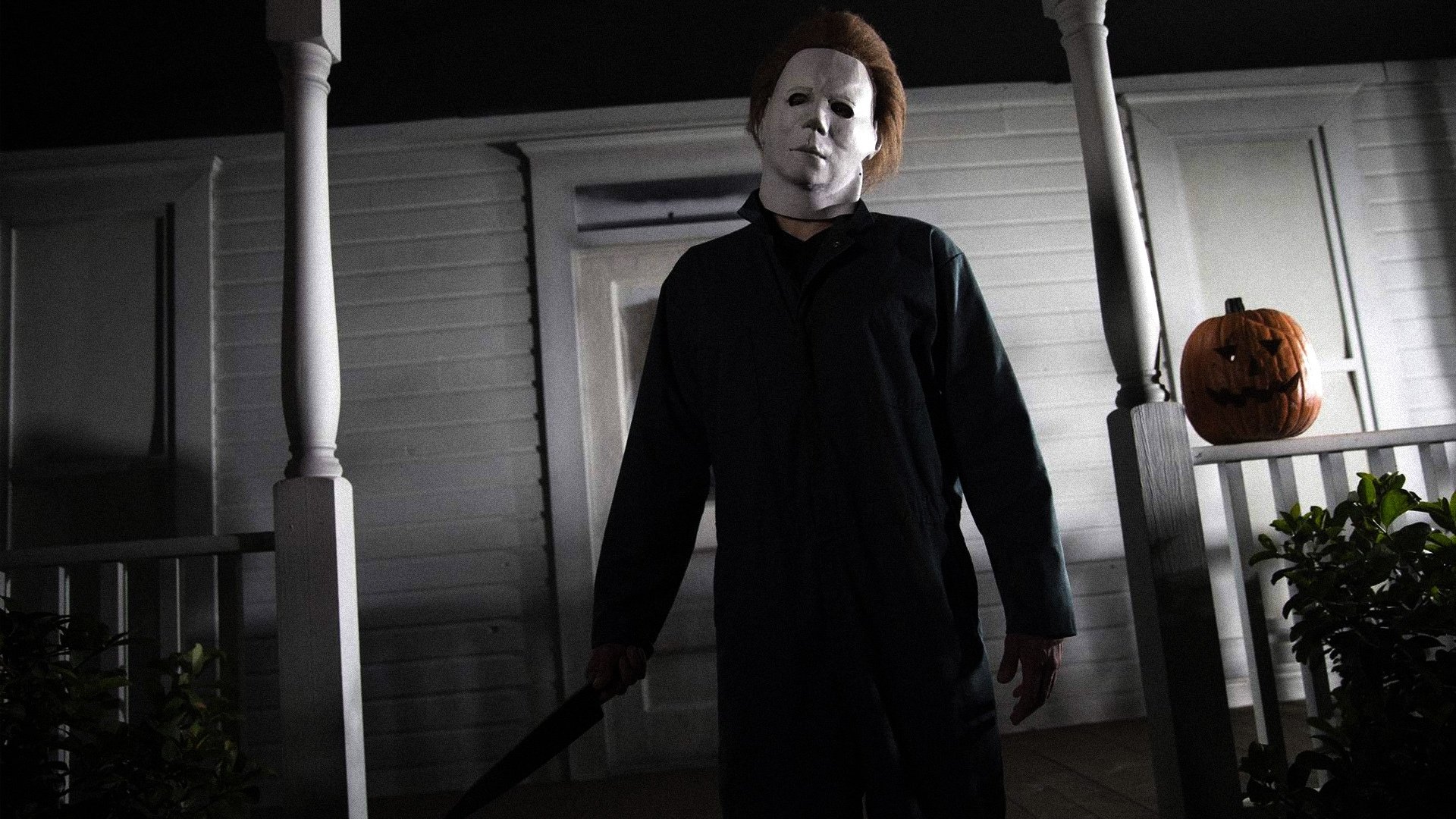
Dean Cundey’s widescreen cinematography makes the space around a person worth watching closely. The prolonged point-of-view tracking shots carry us through familiar surroundings without the relief of frequently cutting to somebody else’s reaction. We were frightened by the opening’s moving point of view: the camera kept taking us forward when we wanted it to stop. The shot makes us feel implicated in what we are watching, and the unease comes from the movement itself, before there is much need for explanation.

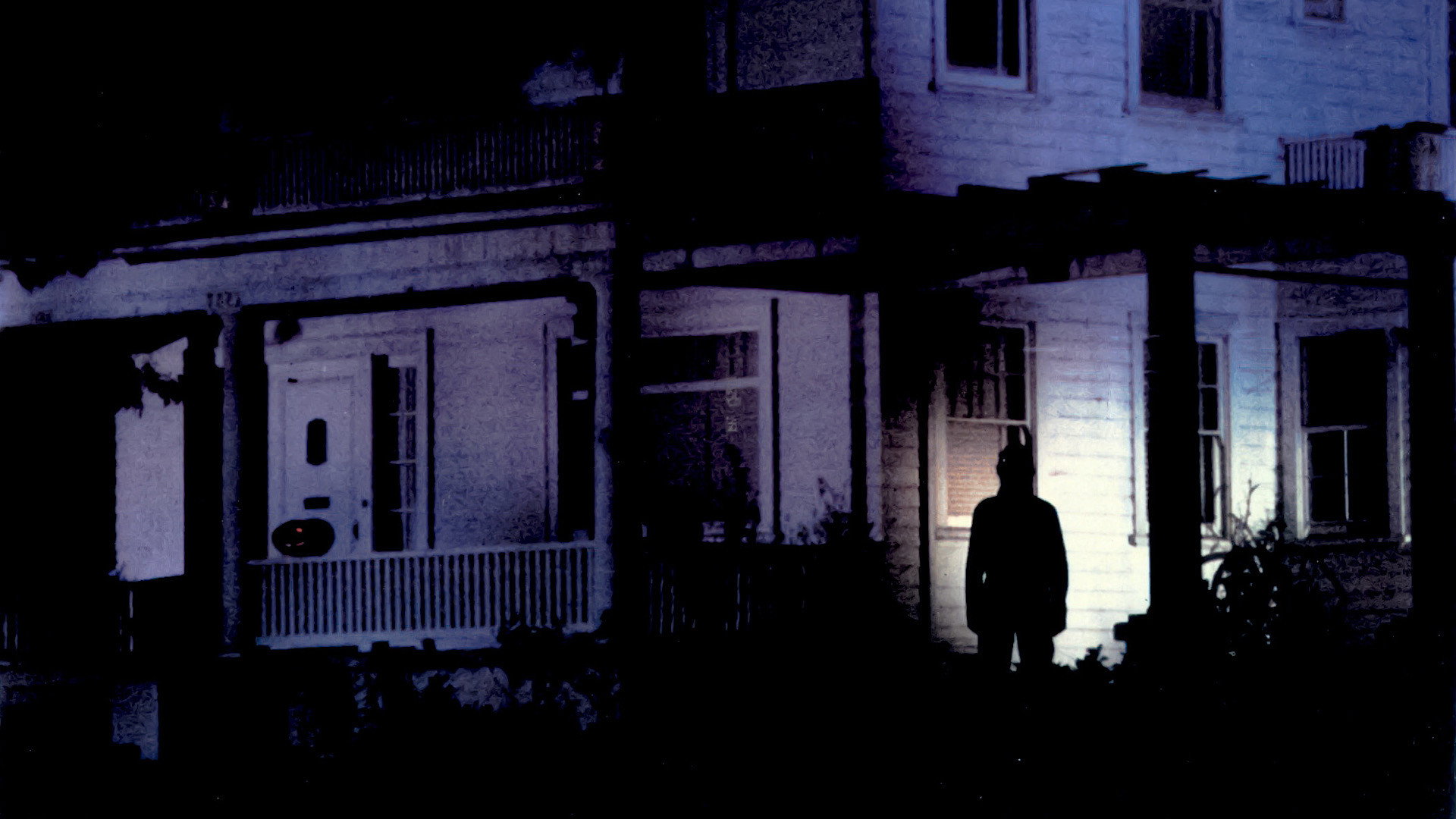
Tommy Lee Wallace’s production design helps by keeping the domestic setting ordinary. The houses do not have to announce themselves as frightening places for the camera to find something troubling in them. That restraint works well with the widescreen photography, since a recognisable room needs little introduction and leaves us free to inspect the space around its occupants. The effect depends on these places remaining believable as somewhere people live.

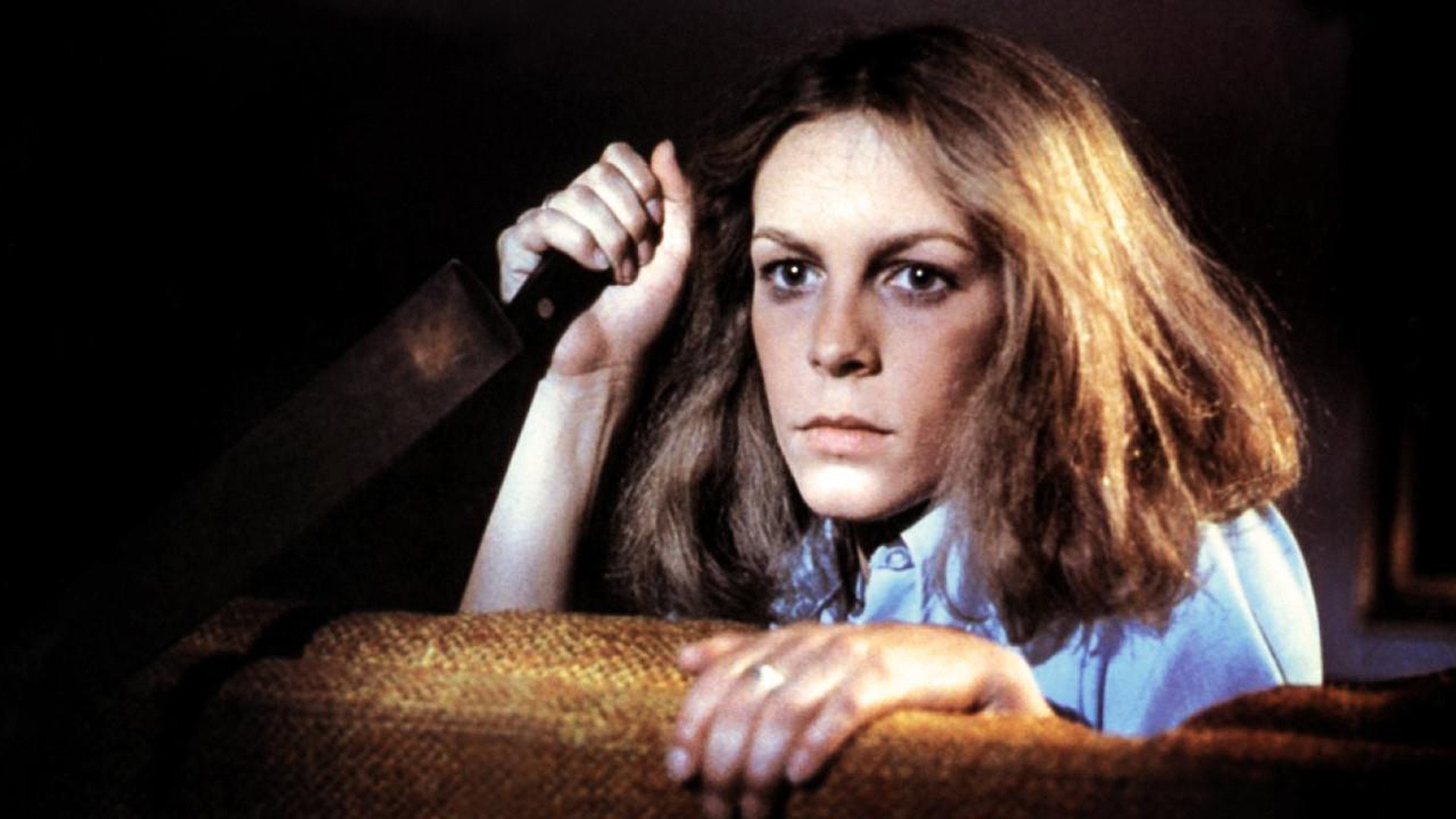
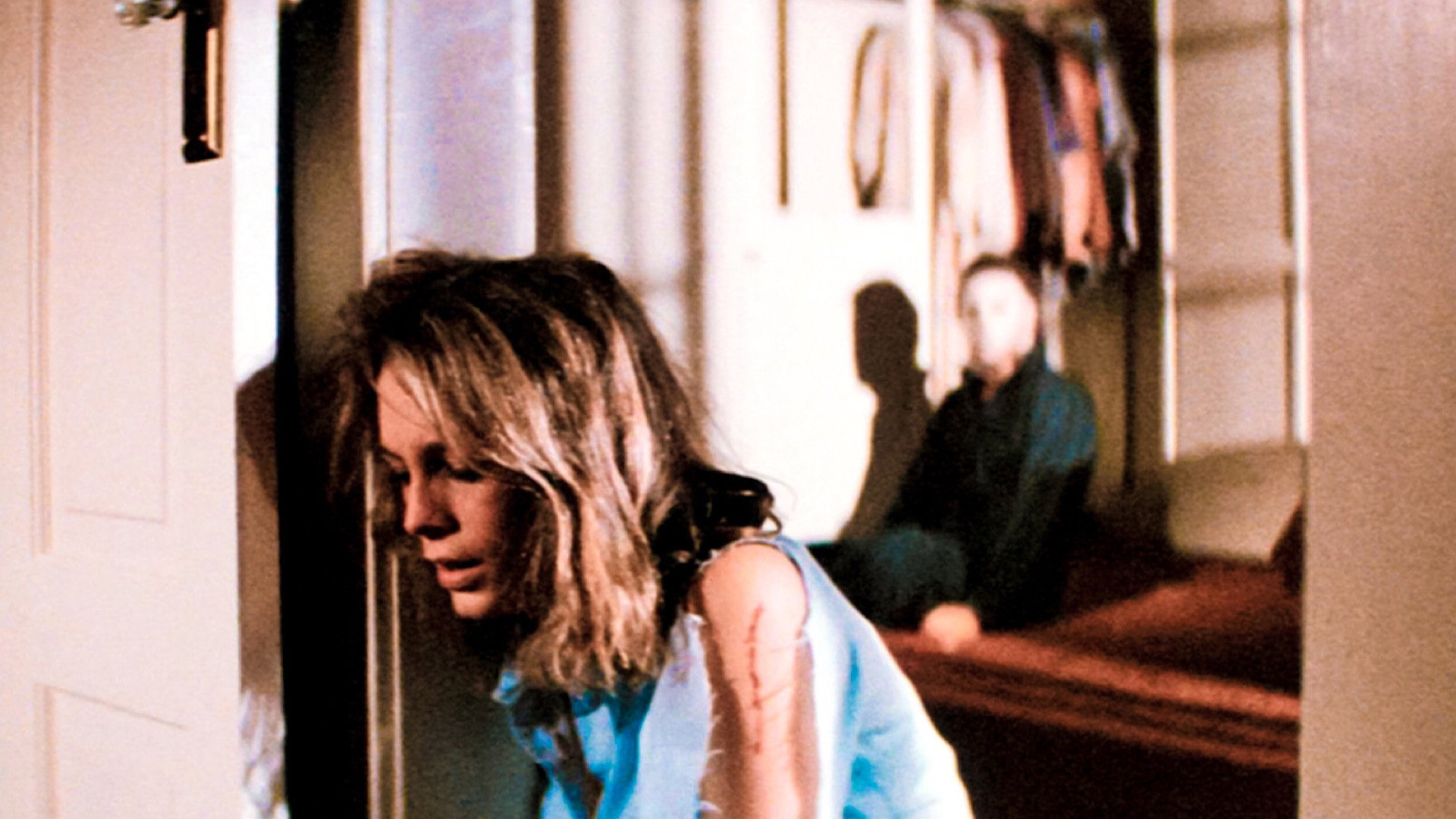
Jamie Lee Curtis gives Laurie enough personality to make us care about her beyond the immediate business of being frightened. Her performance has a directness that keeps the carefully arranged suspense from feeling like a demonstration. We can register what the camera is doing and still worry about the person in front of it. That is a considerable contribution to a film so dependent on the placement and timing of its scares.

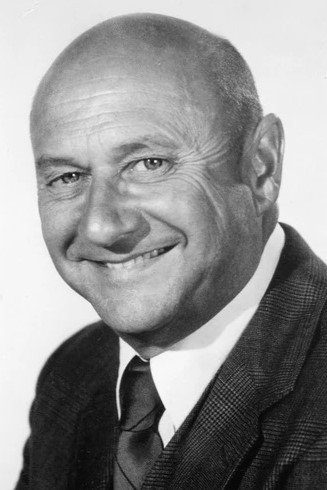
Donald Pleasence brings conviction to Loomis, but the screenplay by John Carpenter and Debra Hill is less convincing when it tries to explain the threat in grand terms. The talk of evil adds little to what the stalking has already made frightening. These passages are stiff, and they interrupt a film otherwise so good at allowing us to draw our own conclusions. We do not need a fuller account of the killer’s motives, but fewer solemn declarations would have helped.

Editors Tommy Lee Wallace and Charles Bornstein judge the long waits well, keeping the move towards night from feeling like a queue for the violent scenes. The earlier patience helps the chases frighten because there has been time to worry about the people being pursued. John Carpenter’s score supplies a repeating pulse that makes us expect trouble without requiring the camera to show it. Its spare synthesiser sound gives the images room, although much of the anticipation depends on hearing it return.

Within the slasher genre, Halloween remains unusually willing to wait for its effects. Its influence can make the basic situation feel familiar, and viewers seeking elaborate motives or constant incident will find little encouragement here. The restraint around blood still matters: so much of the running time goes into making us dread violence that the amount shown becomes secondary. Watch it when there is nobody likely to talk over the quiet stretches.
Critical consensus AI synthesised

80
Positive
13
Mixed
2
Negative
1

Most critics regard Halloween as a highly effective horror film whose influence rests on precise, economical filmmaking. Praise centres on John Carpenter’s control of suspense, particularly the point-of-view shots, widescreen framing and patient stalking sequences that make ordinary domestic spaces threatening. His minimalist score is another consistent source of admiration, while several reviews credit implication rather than gore with sustaining the dread. Jamie Lee Curtis’s performance also earns praise, though the direction attracts the strongest agreement.

The spread is wide despite the strongly positive majority. Reservations concern the familiar maniac-on-the-loose story, limited characterisation and whether familiarity with the film’s methods has reduced their power to frighten. Collider finds the reputation disproportionate to the experience, citing slow pacing and unconvincing performances while acknowledging effective suspense. The Times offers the sharpest dissent, arguing that Carpenter sometimes loses control of chilling situations and produces horror-comic effects instead of shocks.

Radio Times
★★★★★ · Alan Jones
100

The critic calls it a simple but horribly effective low-budget suburban horror that practically patented the slasher genre and launched Jamie Lee Curtis as a scream queen. It singles out the expertly plotted structure that builds from broad daylight to bloody crescendos, along with Carpenter’s own pulsating score that keeps the power to grip and jolt undiminished.

Read the full review →
Time Out
21 September 2024 · ★★★★★ · Tom Huddleston
100

The review celebrates the film as the genre-spawning slasher that remains a harrowing ride and the blueprint for the entire subgenre. It singles out Carpenter’s taut direction, economical storytelling, innovative use of the frame and Steadicam POV shots, and the ordinary domestic setting that makes the terror intimate and effective.

Read the full review →
Empire
1 January 2000 · Adam Smith
90*

The critic hails the film as a ruthless, elegant thrill machine that changed horror cinema and ranks it among the most important entries in the genre after Frankenstein. They single out the innovative use of point-of-view shots, widescreen compositions, and Carpenter's synth score for particular praise.

Read the full review →
Sight and Sound
23 October 2024 · Richard Combs
90*

The critic hails the film as one of cinema’s most perfectly engineered devices for delivering scares, an emotional rather than intellectual experience that illustrates Carpenter’s philosophy of audience involvement. It singles out the director’s virtuoso, self-conscious style of manipulation, particularly the prolonged subjective tracking shots and elegant compositions that heighten anticipation without psychological or sociological pretensions.

Read the full review →
The Guardian
28 October 2012
90*

John Carpenter's 1978 film is the ultimate refined slasher movie, spawned by Hitchcock's Psycho. The director highlights its virtuoso opening shot, low-budget ingenuity, eerie score by Carpenter himself, and striking cinematography by Dean Cundey.

Read the full review →
The New York Times
17 October 2018 · Critic’s Pick · Jason Zinoman
90*

The review positions the original Halloween as a relentlessly terrifying masterpiece and experimental art film that has aged exceptionally well due to its bare-bones approach. It singles out the precision and timing of the chilling chase scenes as evidence of Carpenter's understanding of resonant scariness.

Read the full review →

Cast

Stills

If you liked this, try…

Black Christmas poster

Black Christmas

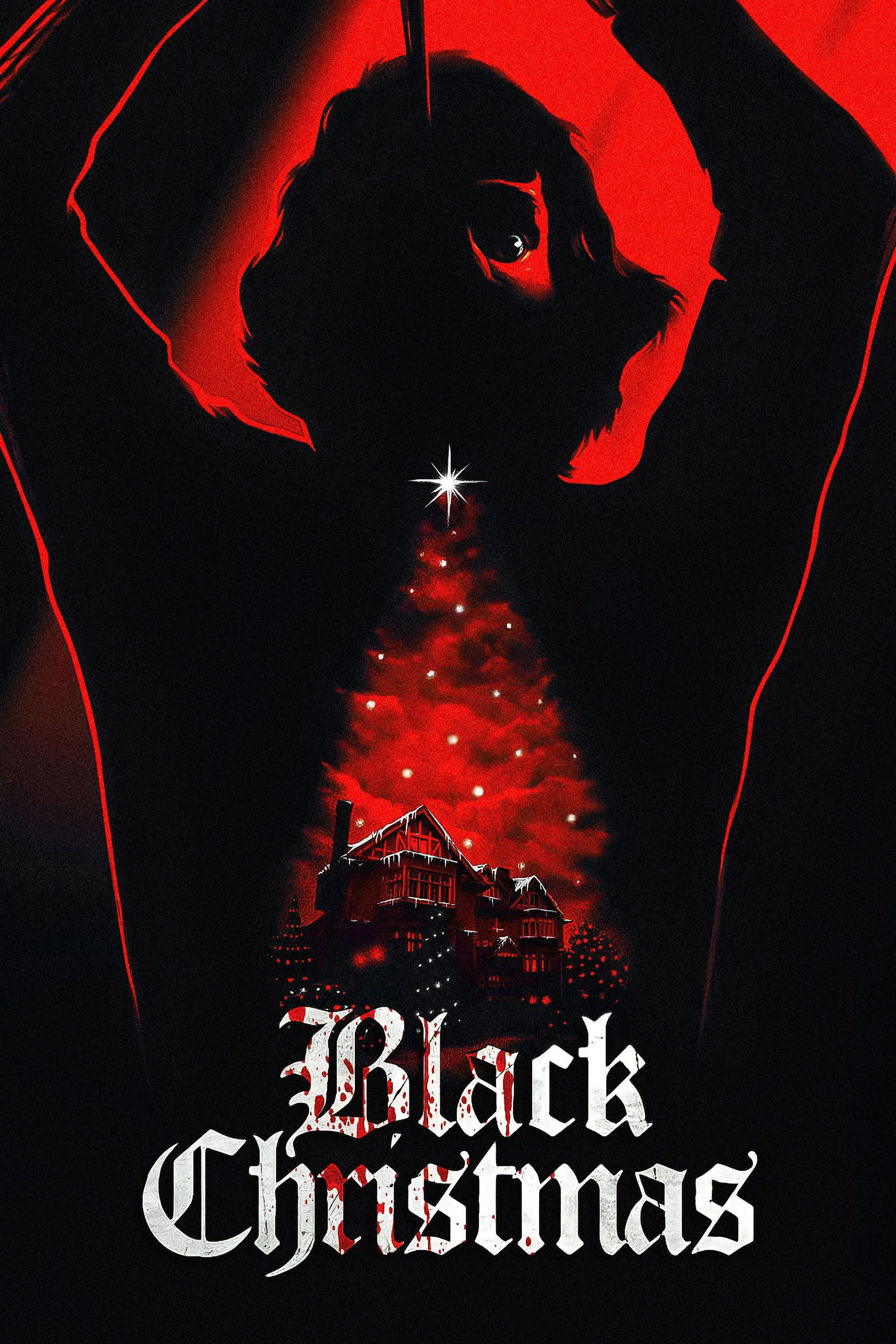
1974 · Another patient stalker film that makes shared domestic space feel dangerously exposed.

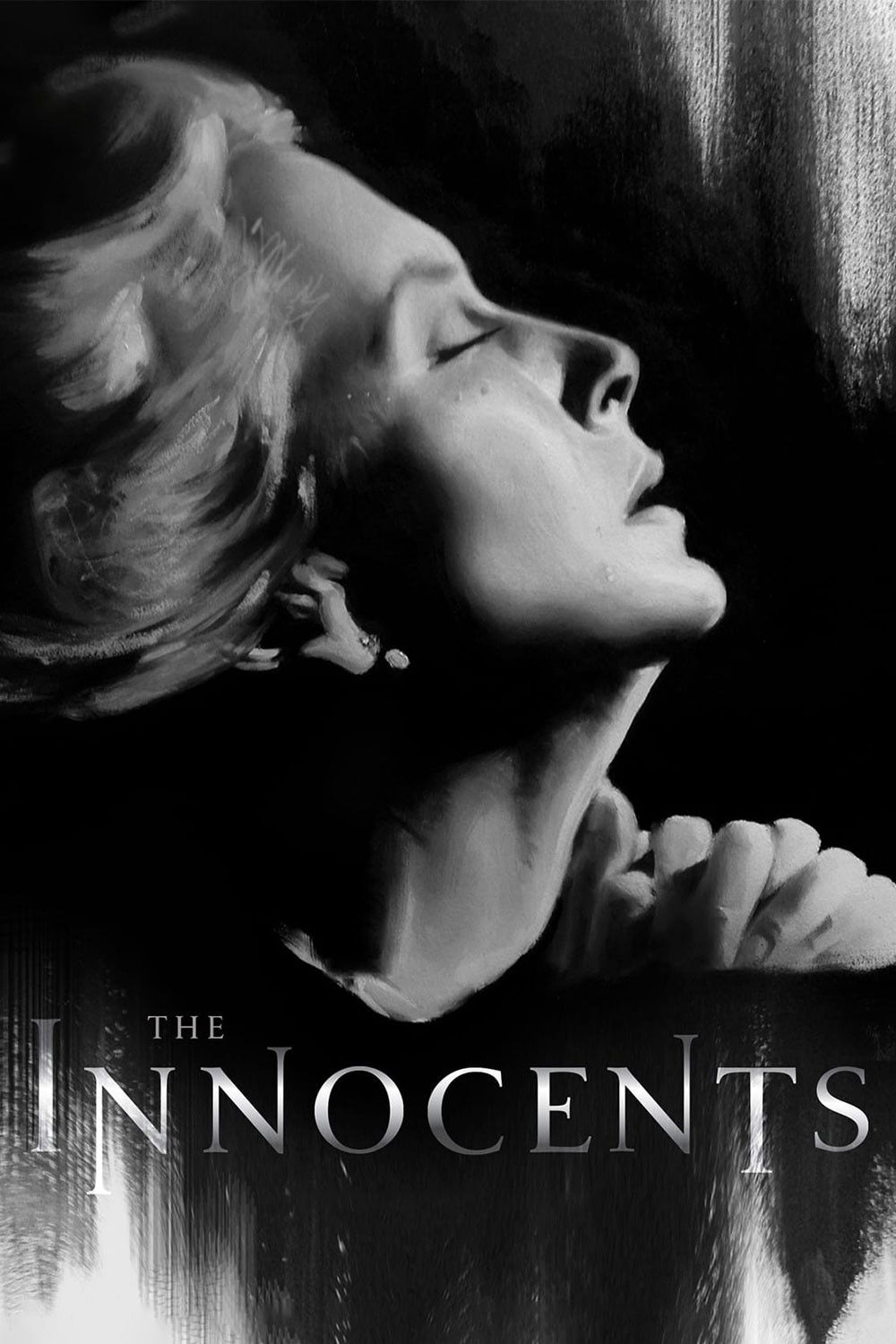
The Innocents poster

The Innocents

1961 · Careful compositions make quiet rooms threatening, with uncertainty doing much of the frightening.

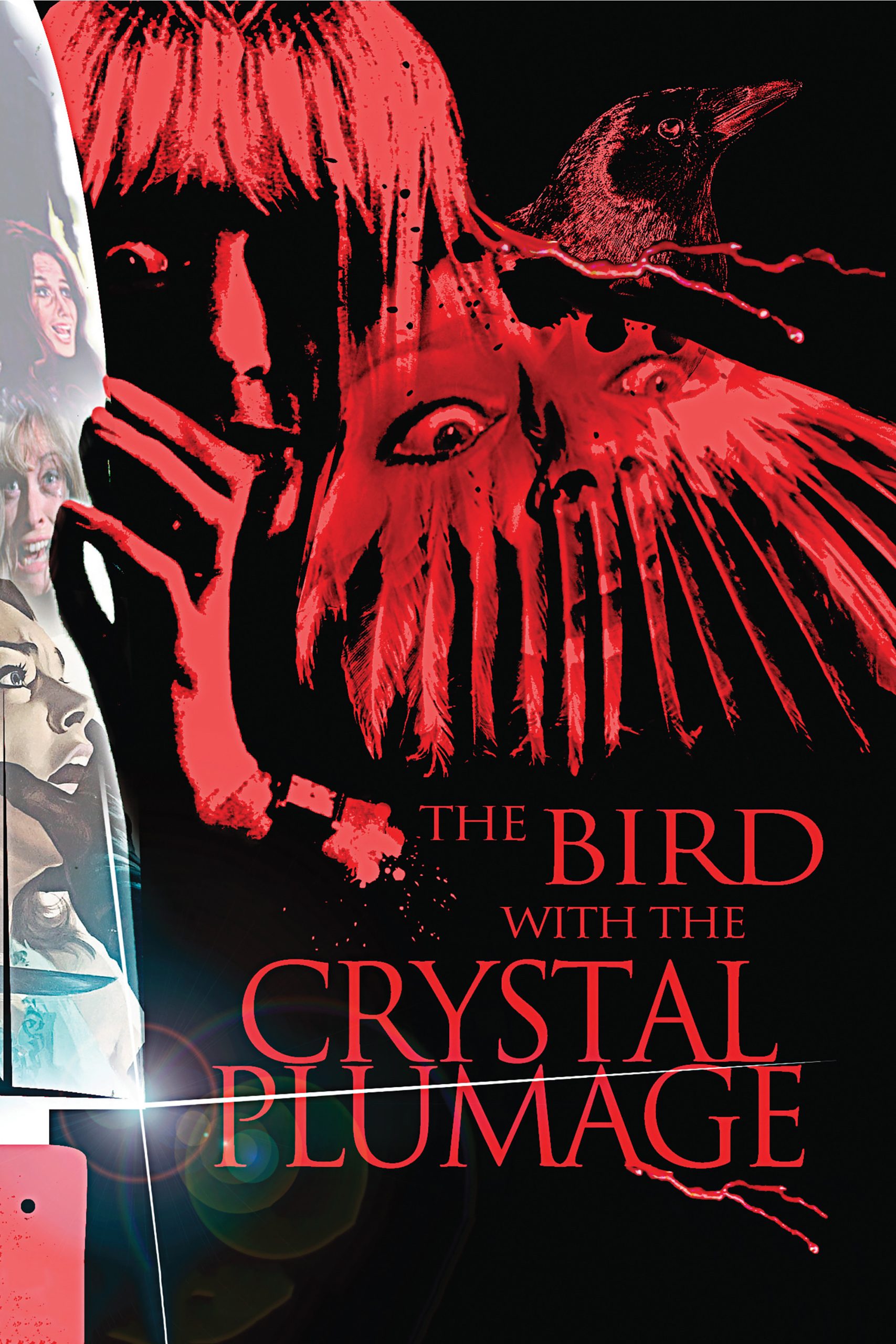
The Bird with the Crystal Plumage poster

The Bird with the Crystal Plumage

1970 · For more suspense built around watching closely and doubting what was seen.

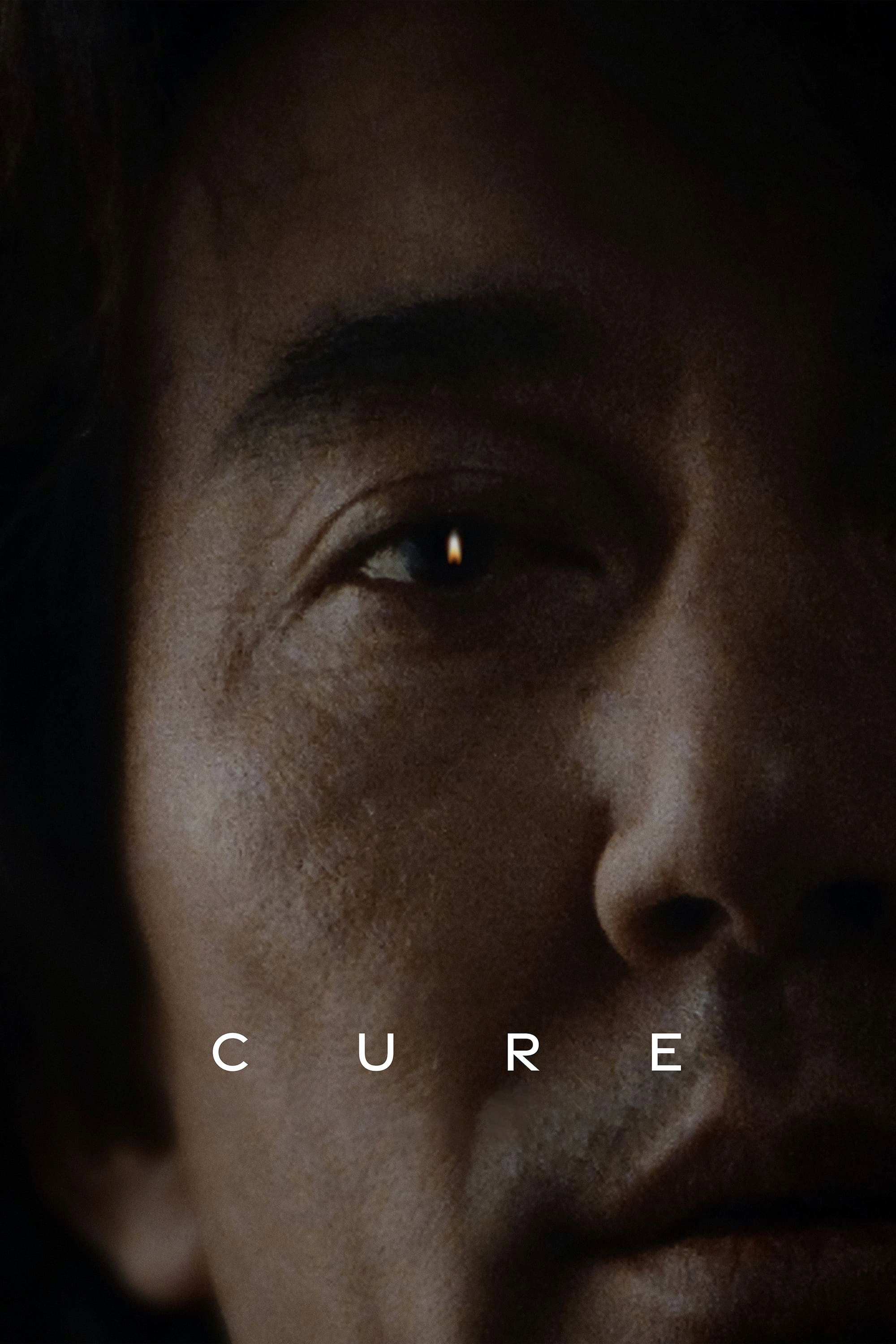
Cure poster

Cure

1997 · Quiet encounters and inexplicable violence, with even less comfort in the explanations.

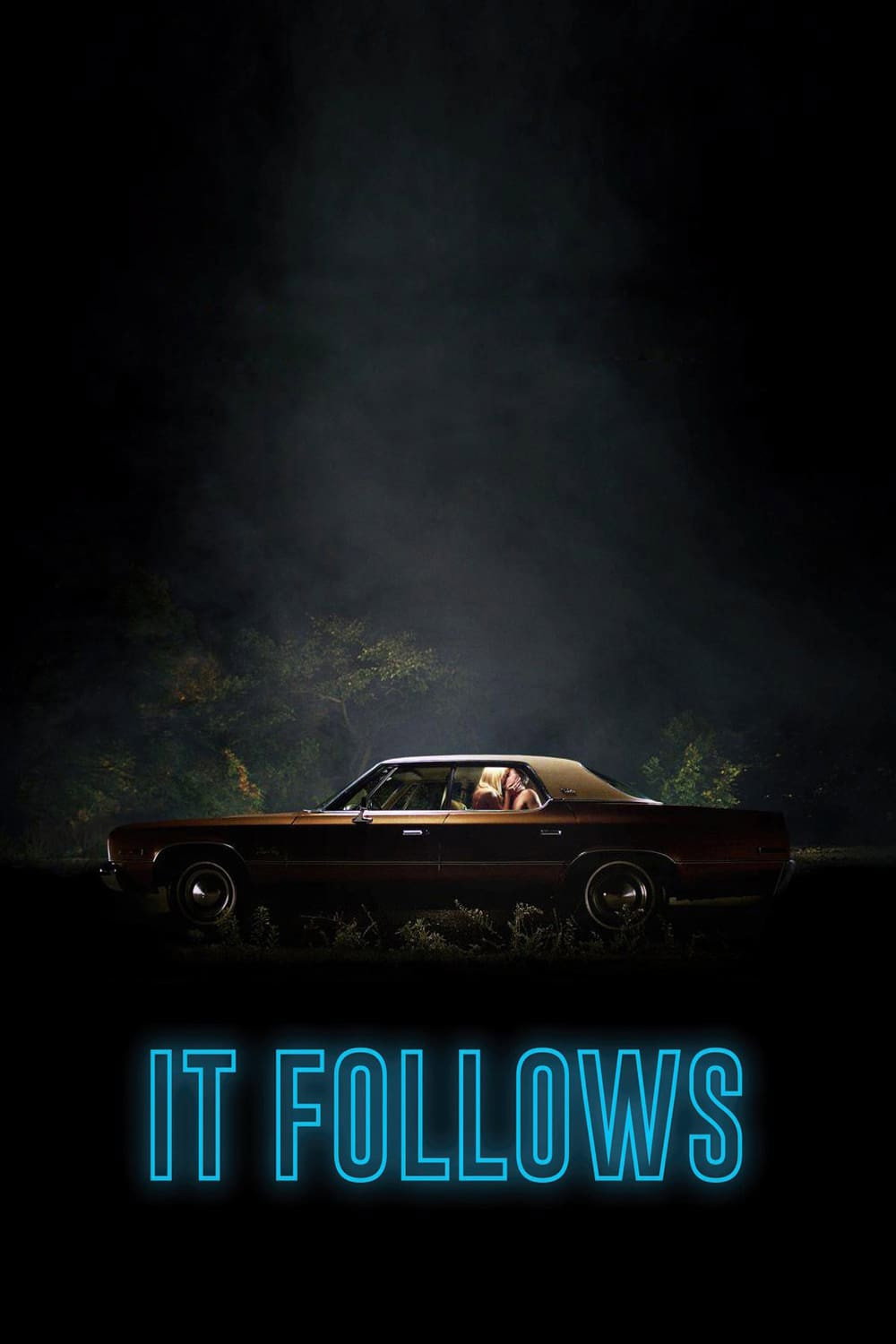
It Follows poster84

It Follows

2014 · Suburban streets demand constant scrutiny again, though the danger obeys different rules.