David Robert Mitchell makes a slow walk frightening, with Maika Monroe giving the fear a person worth caring about. It Follows is an unusually effective horror film, though its hazy rules occasionally weaken the suspense.
The good idea in It Follows is that the pursuer has no need to run. David Robert Mitchell, who writes and directs, makes its steady approach difficult to stop watching. This is a frightening, carefully made horror film, with a sympathetic lead and rules that sound firmer than they prove to be. The presence moves slowly and changes its appearance; the curse passes between people through sex.
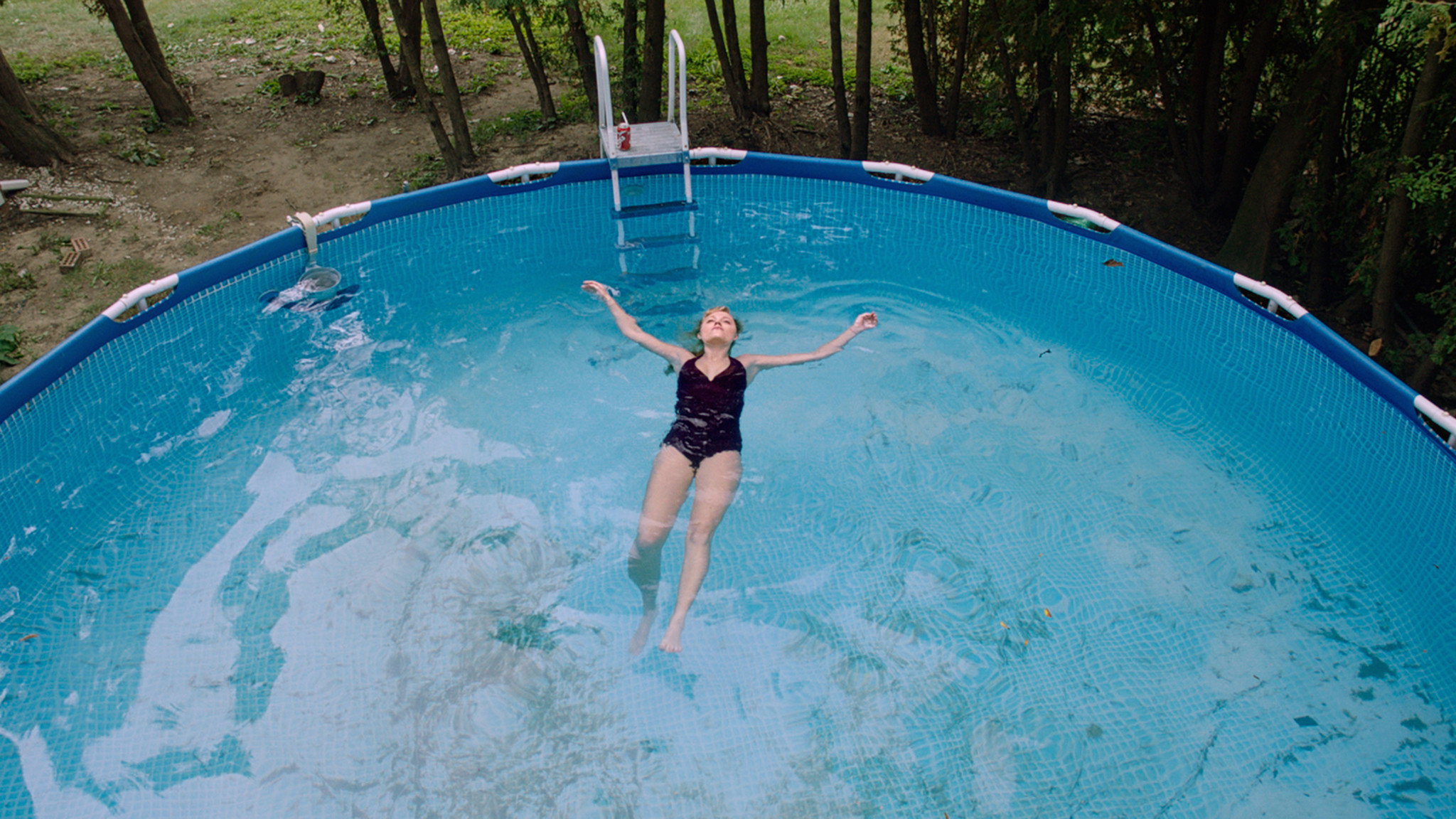
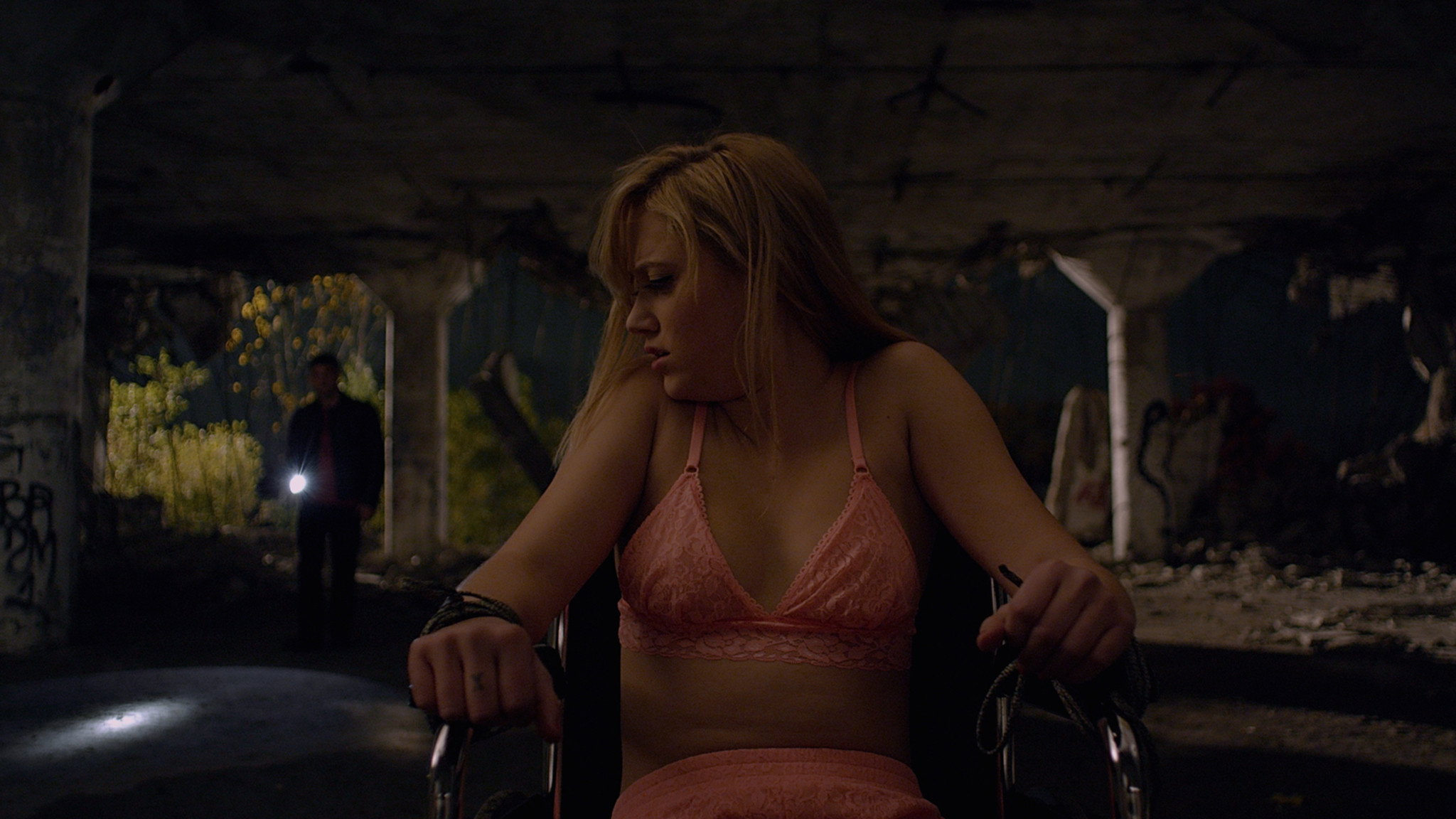
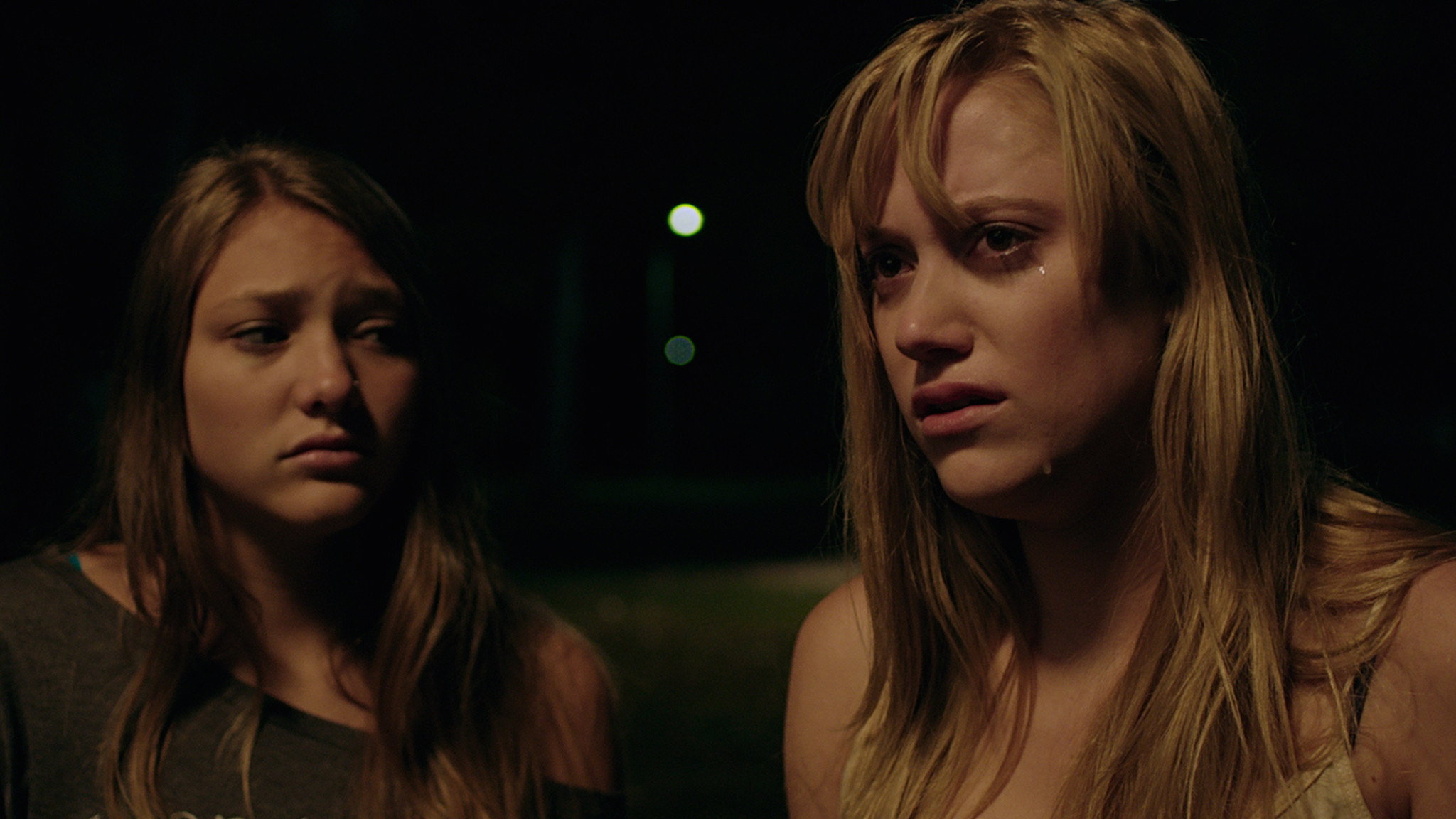
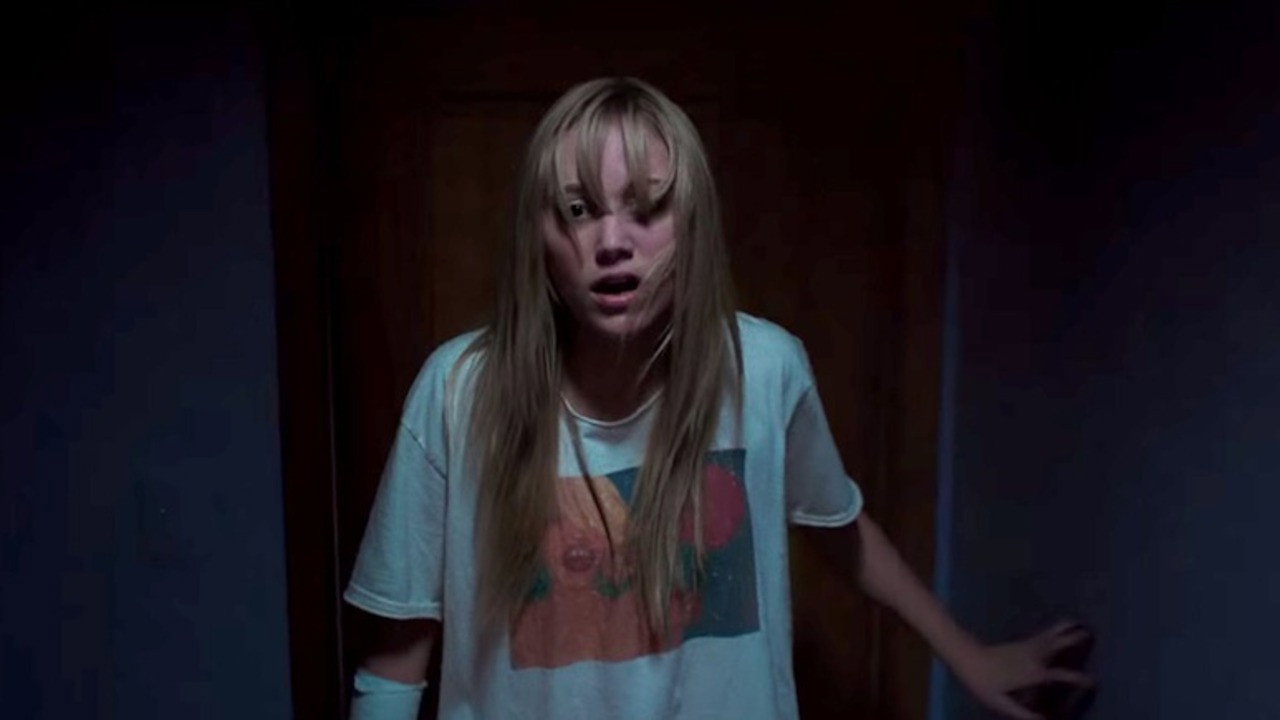
Maika Monroe plays Jay Height with a fear that never makes her seem foolish. After a sexual encounter leaves Jay being followed, Monroe gives us someone whose distress matters beyond the question of how the next scare will arrive. Keir Gilchrist’s Paul is an admirer, and the tenderness between them gives the film something to lose even during its quieter stretches. Mitchell lets these young people care about each other; their willingness to help keeps the film from becoming an exercise in waiting for somebody to be caught.
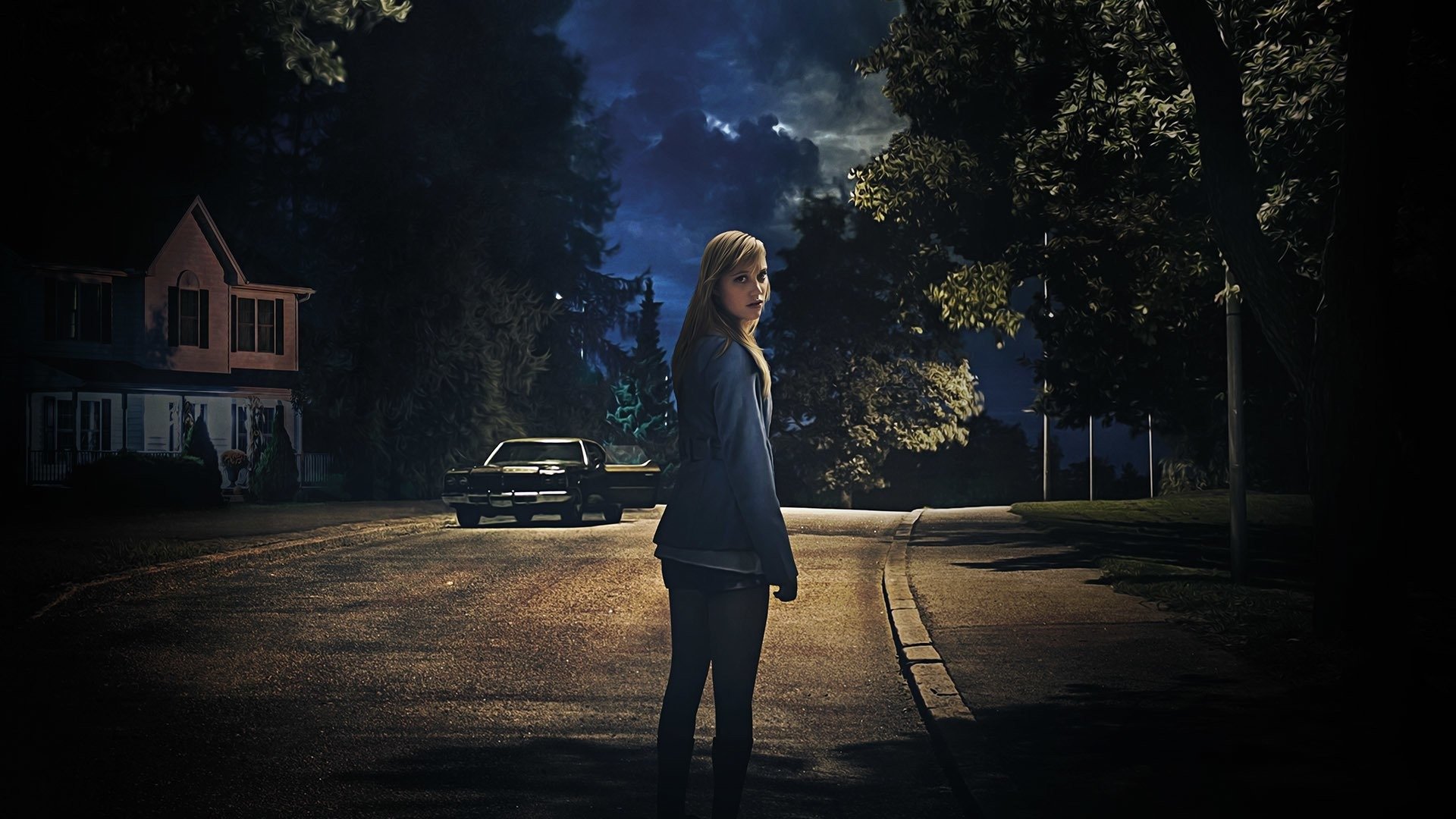
Mike Gioulakis’s wide shots give us too much room to search, deliberately. We were frightened by the sight of someone walking in the distance, because the frame gives us time to notice an approach without immediately settling whether it is dangerous. A person at the edge of an image can take our attention away from the people we are supposed to be watching. Gioulakis makes that distraction part of the suspense, and ordinary open space becomes difficult to look at comfortably.
Michael Perry’s production design gives the suburban Detroit setting the everyday appearance this premise needs. The surroundings must look like somewhere people can safely spend an uneventful afternoon, or the approaching figure will have little to disturb. Editor Julio Perez IV lets the wider views last long enough for us to inspect them and then doubt our inspection. That patience works because the creature’s slow movement makes the time spent looking part of the danger.
Richard Vreeland’s electronic score makes the waiting feel physically unpleasant, which we mean as praise. The sound is insistently threatening even when nothing seems to be happening. Sometimes it insists too much; the long shots already have us searching for trouble, and we would prefer less encouragement. For most of the film, though, the music sustains the tension without making every moment of uncertainty sound like an imminent attack.
The difficulty comes when Mitchell asks us to think harder about how the curse works. Its rules are vague enough that puzzling them out can take us away from Jay’s immediate fear, and the sexual premise invites questions the screenplay does not quite answer. We need a steadier sense of what these people can reasonably do about it. That uncertainty occasionally feels convenient rather than frightening.
The familiar teen-horror ingredients are here, but Mitchell is unusually interested in the friends who want to help Jay. Their support gives the film a warmth that makes the danger harder to shrug off. At 101 minutes, it allows time for those relationships without forgetting what is coming towards them. Choose it for an evening of sustained unease, provided a little uncertainty about the curse will not spoil the pleasure.