James Cameron makes the chases exhilarating and gives Arnold Schwarzenegger room to be funny, without quite disguising the overlong middle. Linda Hamilton keeps the sentiment from becoming too comfortable.
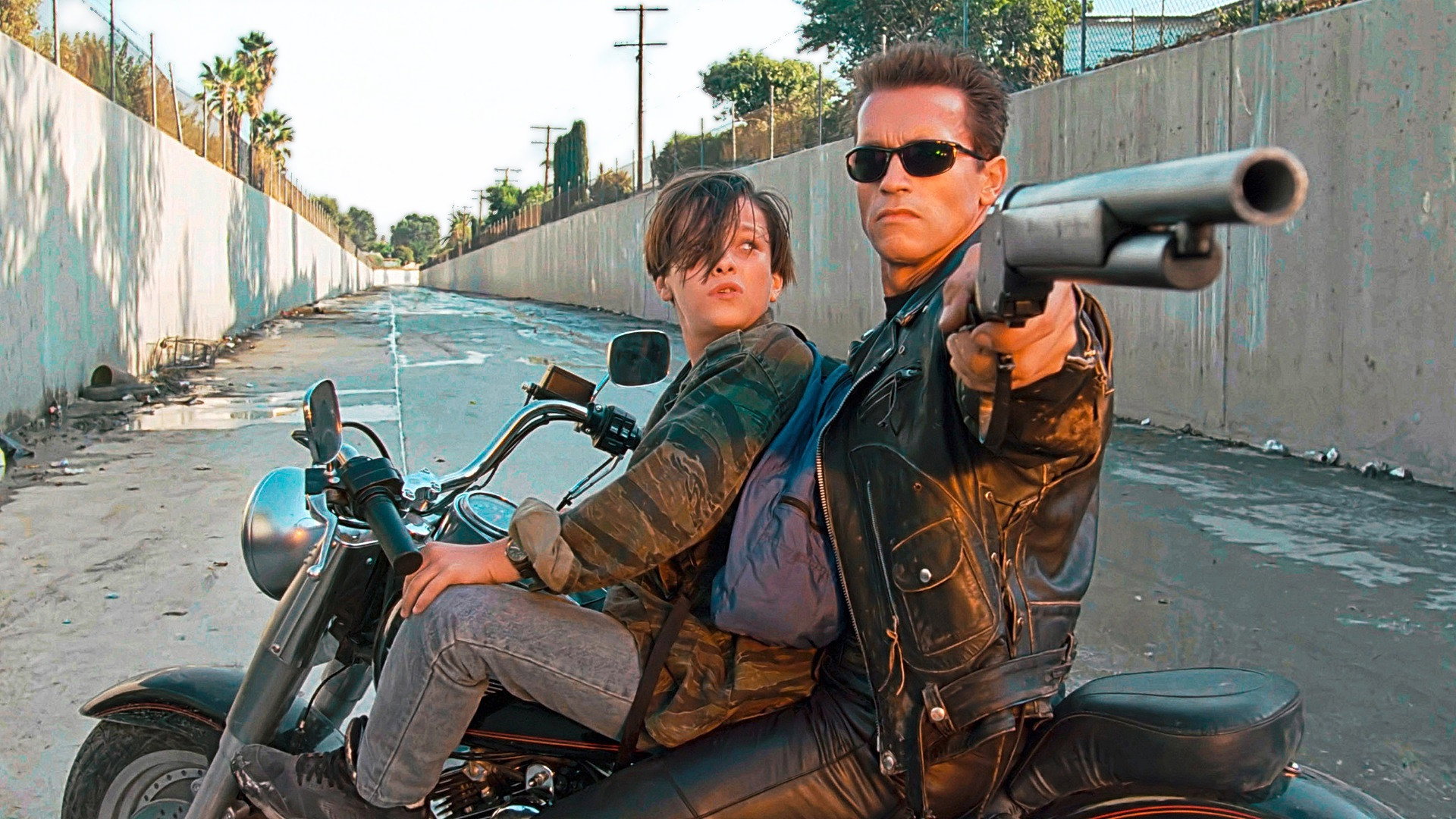
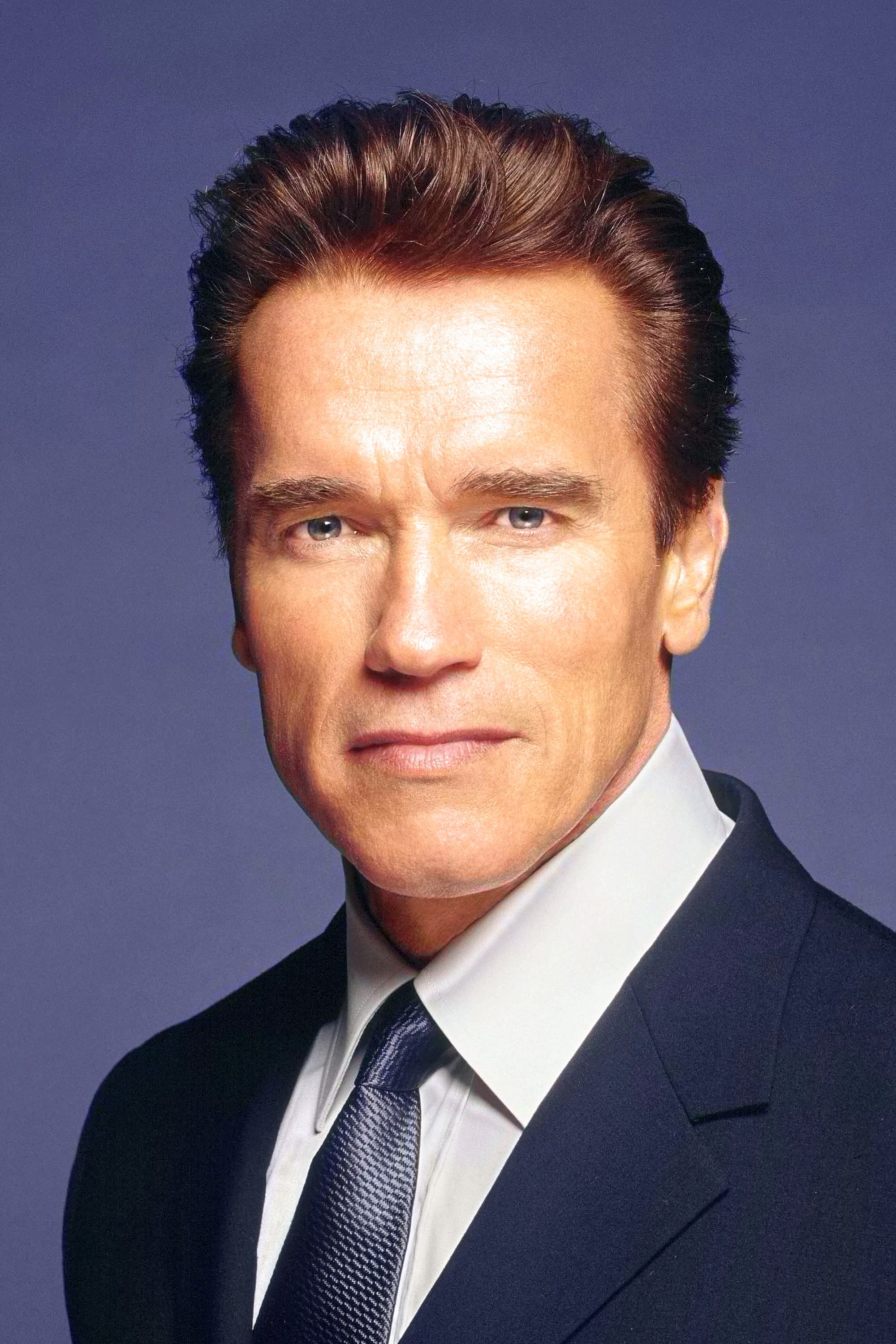
Terminator 2: Judgment Day takes a risk that action sequels usually avoid: it changes what we are meant to want from its most recognisable character. James Cameron makes Arnold Schwarzenegger’s Terminator a protector, then asks us to enjoy his growing capacity for care alongside the destruction. It works remarkably well, helped by Schwarzenegger’s dry comic timing and Cameron’s ability to make a chase feel urgent. We recommend it warmly, with a warning about the middle stretch, where the explanations last longer than they need to.
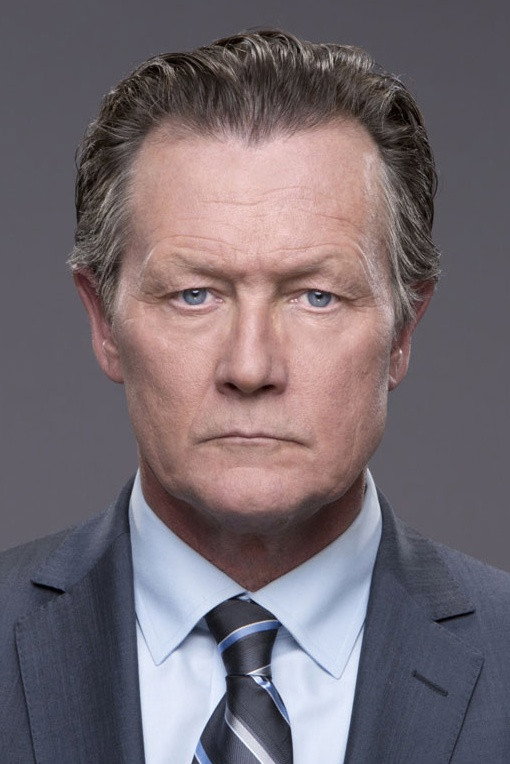
Robert Patrick’s T-1000 is a large part of the reason the gentler Terminator remains interesting. The liquid-metal effects give Cameron an opponent whose body is itself a source of suspense, and Patrick’s controlled performance keeps the spectacle from becoming a demonstration. We were unsettled by that shifting metal. It makes the familiar action-film reassurance of a solid, hittable enemy difficult to hold on to. Patrick is frightening without competing with Schwarzenegger for size or comic attention.
Adam Greenberg’s cinematography helps by keeping the effects readable within the action; we can take in the changing metal without losing the sense of pursuit. Editors Conrad Buff IV, Richard A. Harris and Mark Goldblatt give the chases enough continuity for danger to build from one movement to the next. The excitement depends on understanding what might happen, rather than simply registering another impact. That sounds elementary, but action films regularly spend whole sequences preventing us from getting our bearings, and Cameron has the confidence to let us look.
Joseph C. Nemec III’s production design helps the physical destruction compete for our attention with the liquid-metal effects. Brad Fiedel’s score maintains pressure through the pauses, so the action does not have to start building its tension from nothing each time. Both contributions matter to how sustained the excitement feels. Cameron can be excessive, but the confrontations remain involving well beyond the novelty of the effects.
Linda Hamilton gives Sarah Connor enough anger to complicate the film’s softer impulses. Her performance makes the danger feel personal, even when the writing is busy explaining how much is at stake. Edward Furlong, as John Connor, brings a less forbidding presence, and the contrast helps Schwarzenegger’s new role settle into something more than a joke. Schwarzenegger is funny because he allows the concern to remain awkward; he does not suddenly become an easy, reassuring companion. These performances give Cameron room to be sentimental, and for much of the film the feeling seems earned.
James Cameron and co-writer William Wisher are less persuasive when they insist on explaining the film’s opposition to nuclear destruction. The narration presses points that the action and performances have already made, while the middle loses the briskness that makes the chases so satisfying. At 137 minutes, the film has time for character, but it also has time to repeat itself. The wish to make all this violence mean something is welcome; a little less explanation would have given the actors more room.
As a sequel, it gets away with softening its central menace because it has found a formidable replacement in Patrick. Changing the Terminator gives Schwarzenegger something to play through the quieter scenes, where another round of destruction would become exhausting. We can forgive the occasional lecture when the action is this clear and the people remain worth worrying about. Give it the largest screen available, and a little patience when Cameron starts explaining himself.