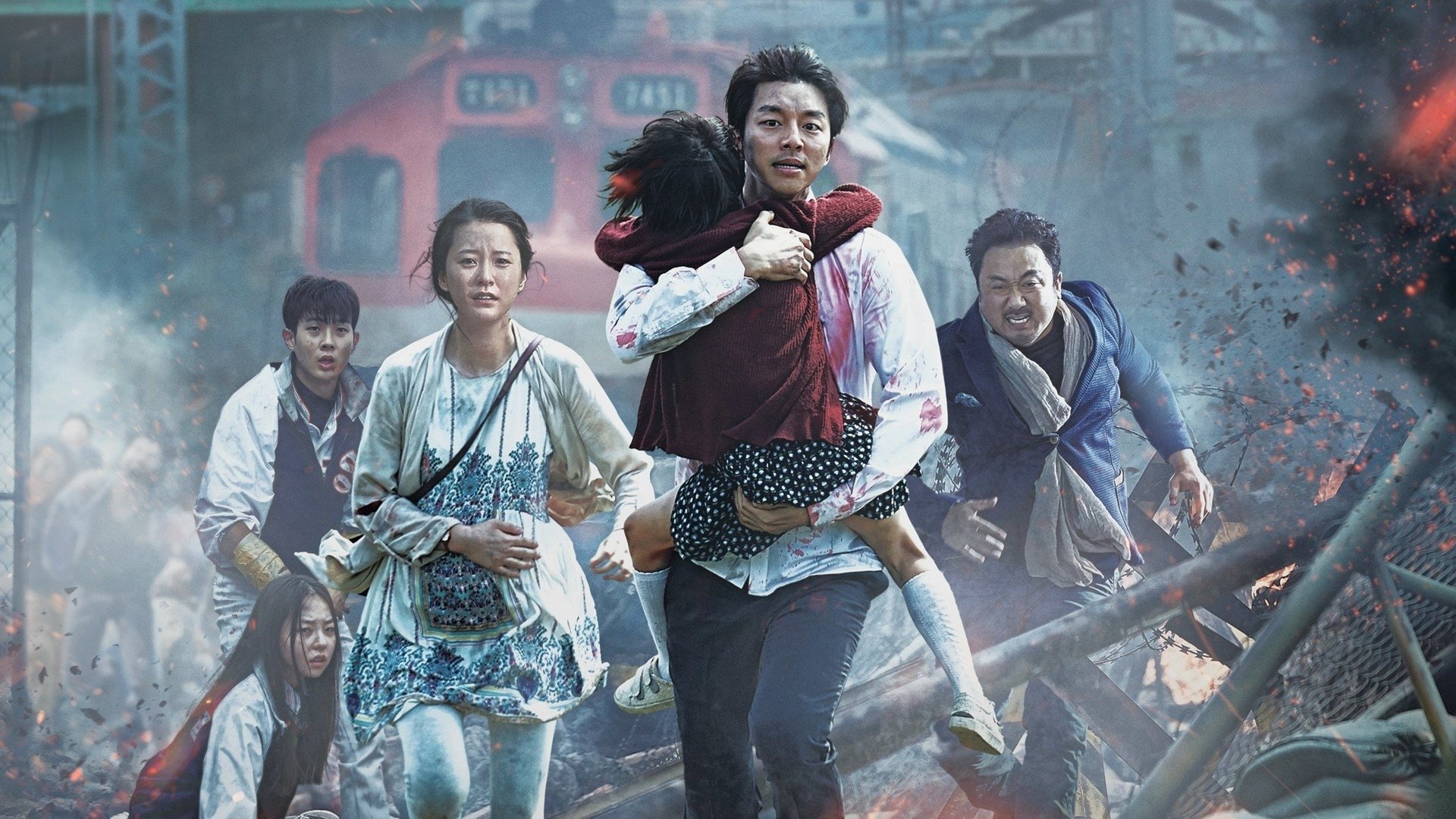
Yeon Sang-ho’s Train to Busan is a tense, affecting zombie thriller that makes its passengers worth worrying about. The class commentary is blunt, but the close-quarters action and the father-daughter relationship are handled with considerably more care.
Train to Busan has the good sense to make its train matter. Yeon Sang-ho takes the limited space seriously, staging a zombie outbreak as a problem of frightened people having to move around one another. The result is an exciting, affecting horror film, even when Park Joo-suk’s script insists on explaining the difference between decent behaviour and selfishness. We can follow the action, understand the choices and worry about the passengers without needing quite so much help with the moral.
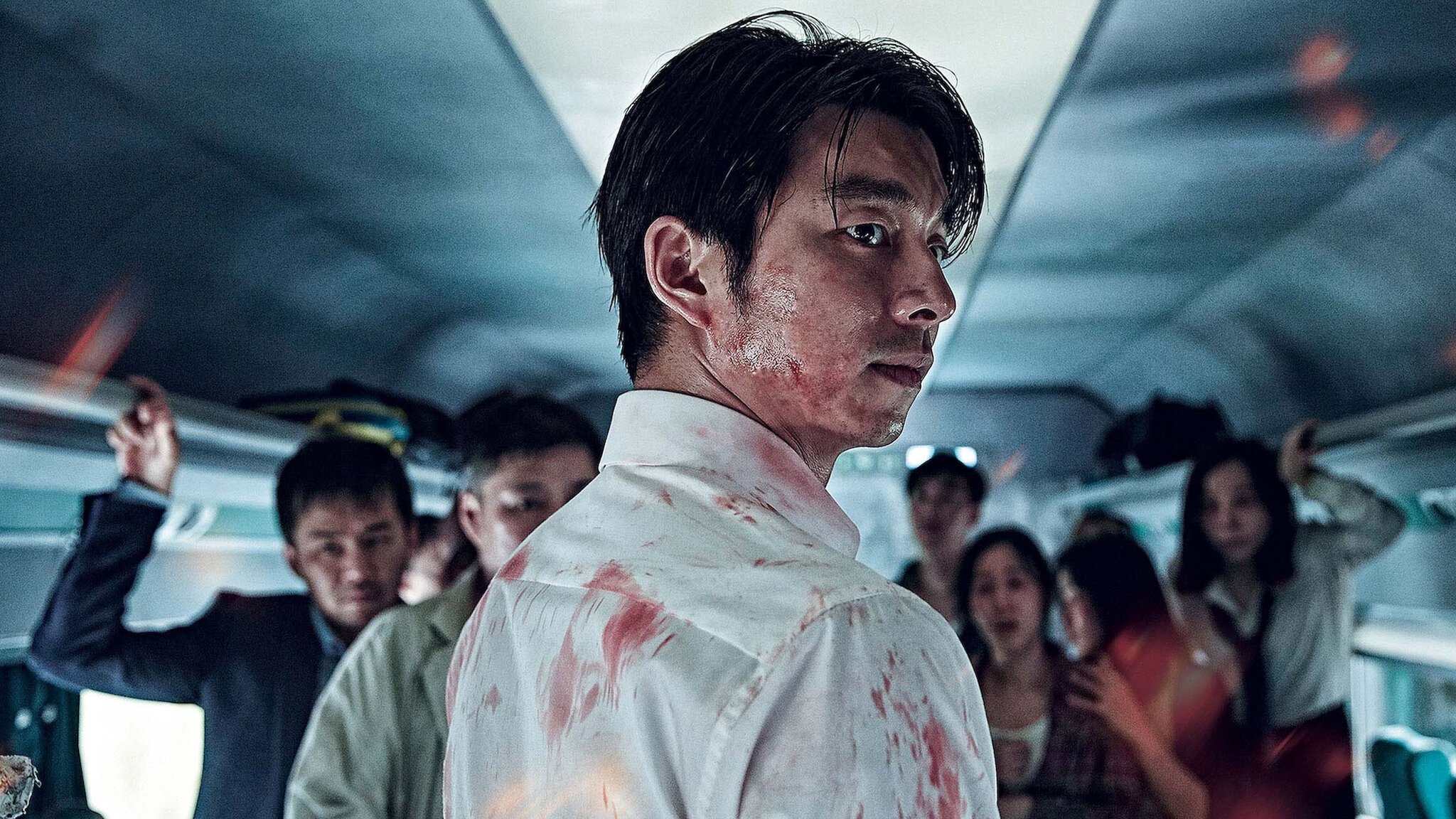
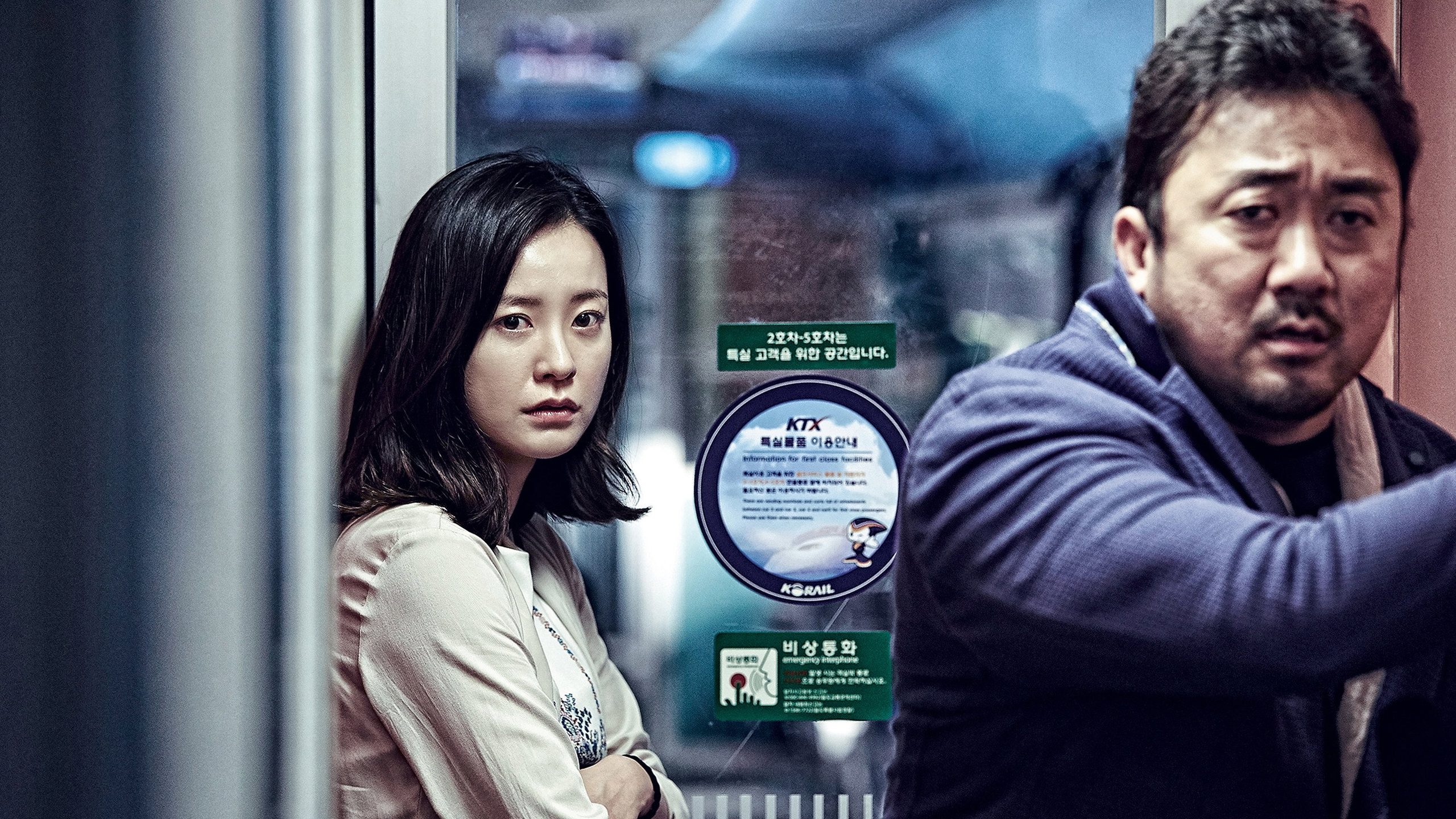
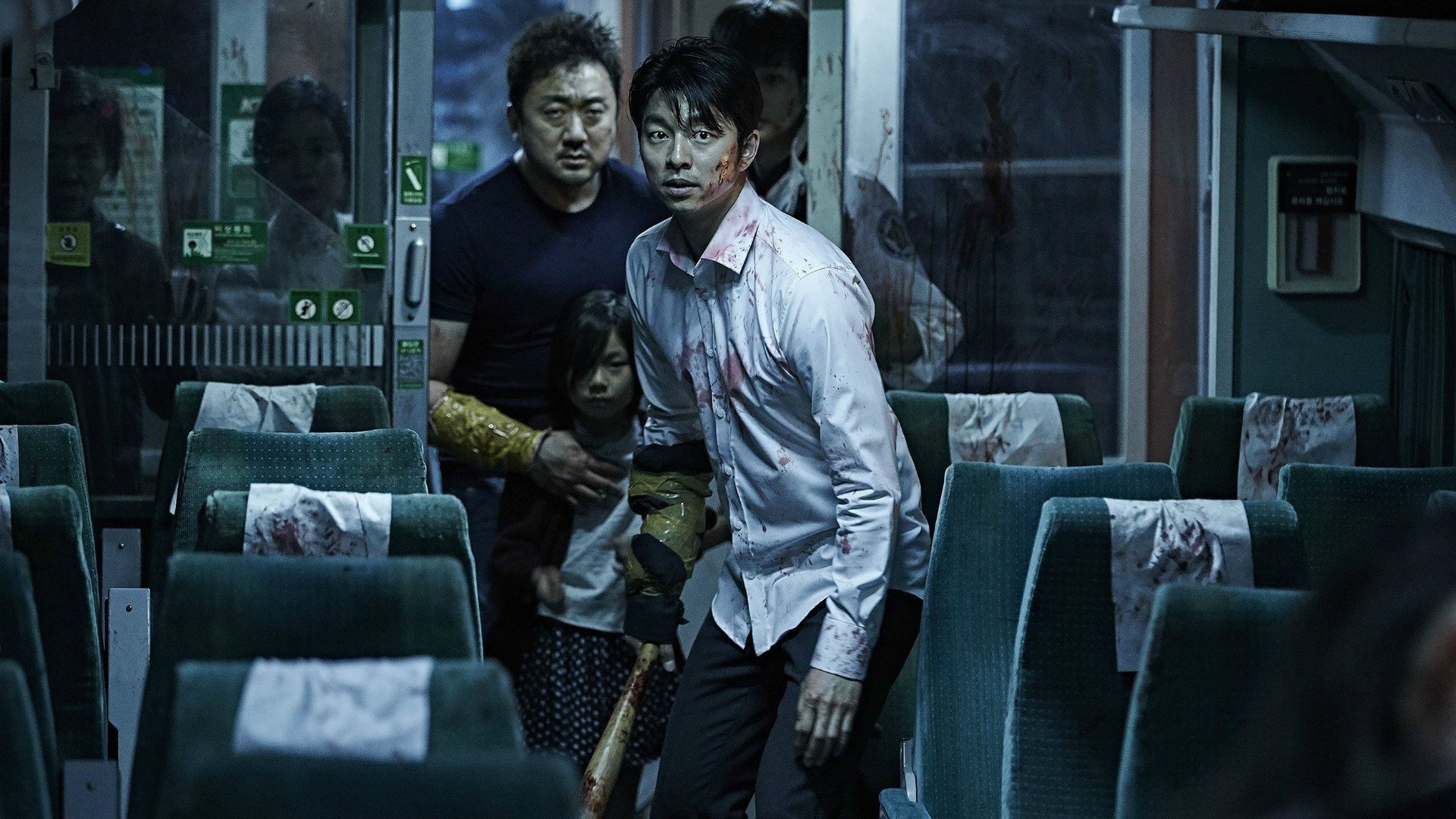
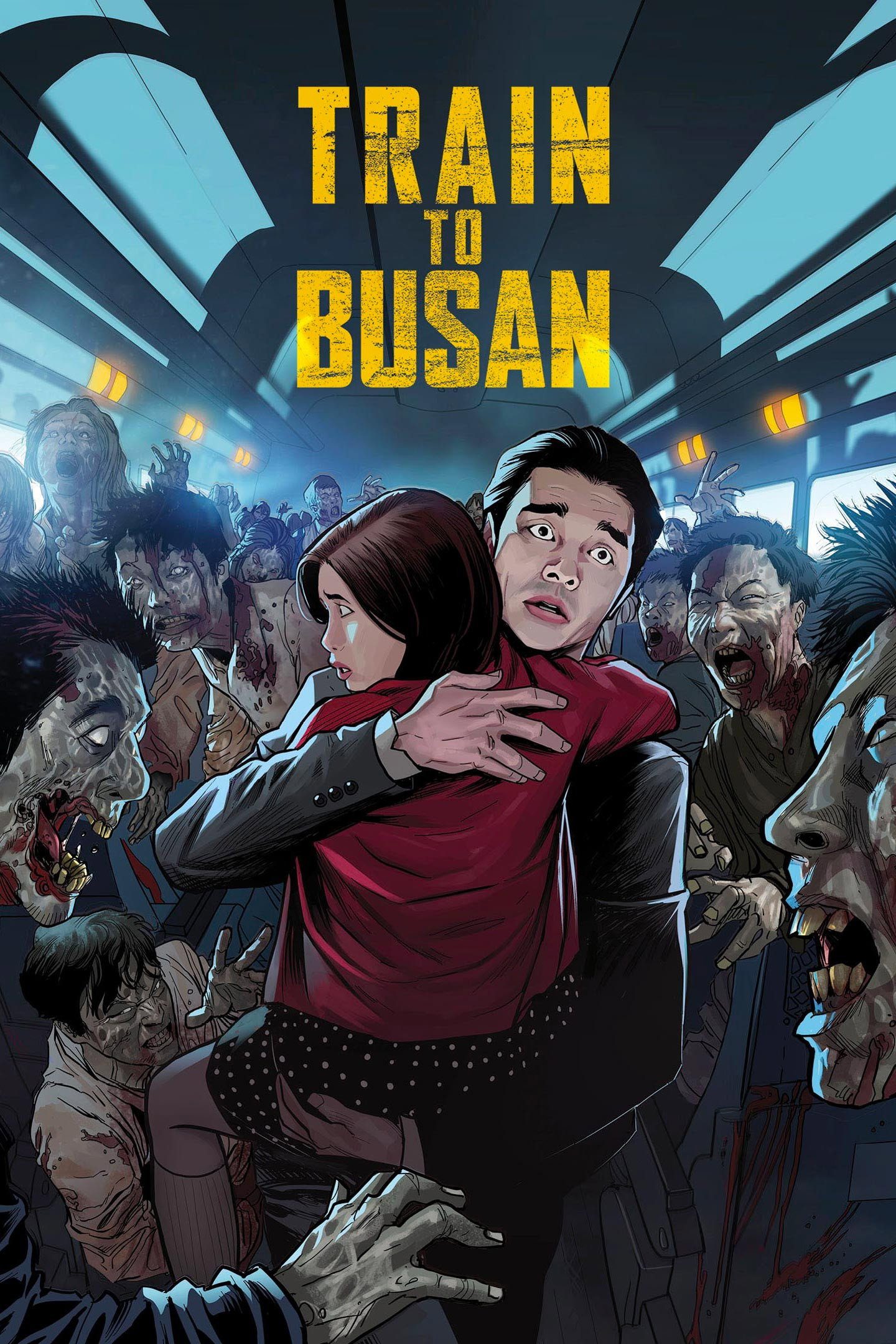
Lee Hyung-deok’s cinematography keeps the carriage space readable as bodies crowd it, and Lee Mok-won’s production design gives the action firm physical limits. Inside the carriages, a confrontation cannot become conveniently spacious. Yang Jin-mo cuts with urgency while preserving the information we need about who can reach whom. That clarity makes the close-quarters attacks more alarming: we understand how little room the passengers have to correct a mistake.
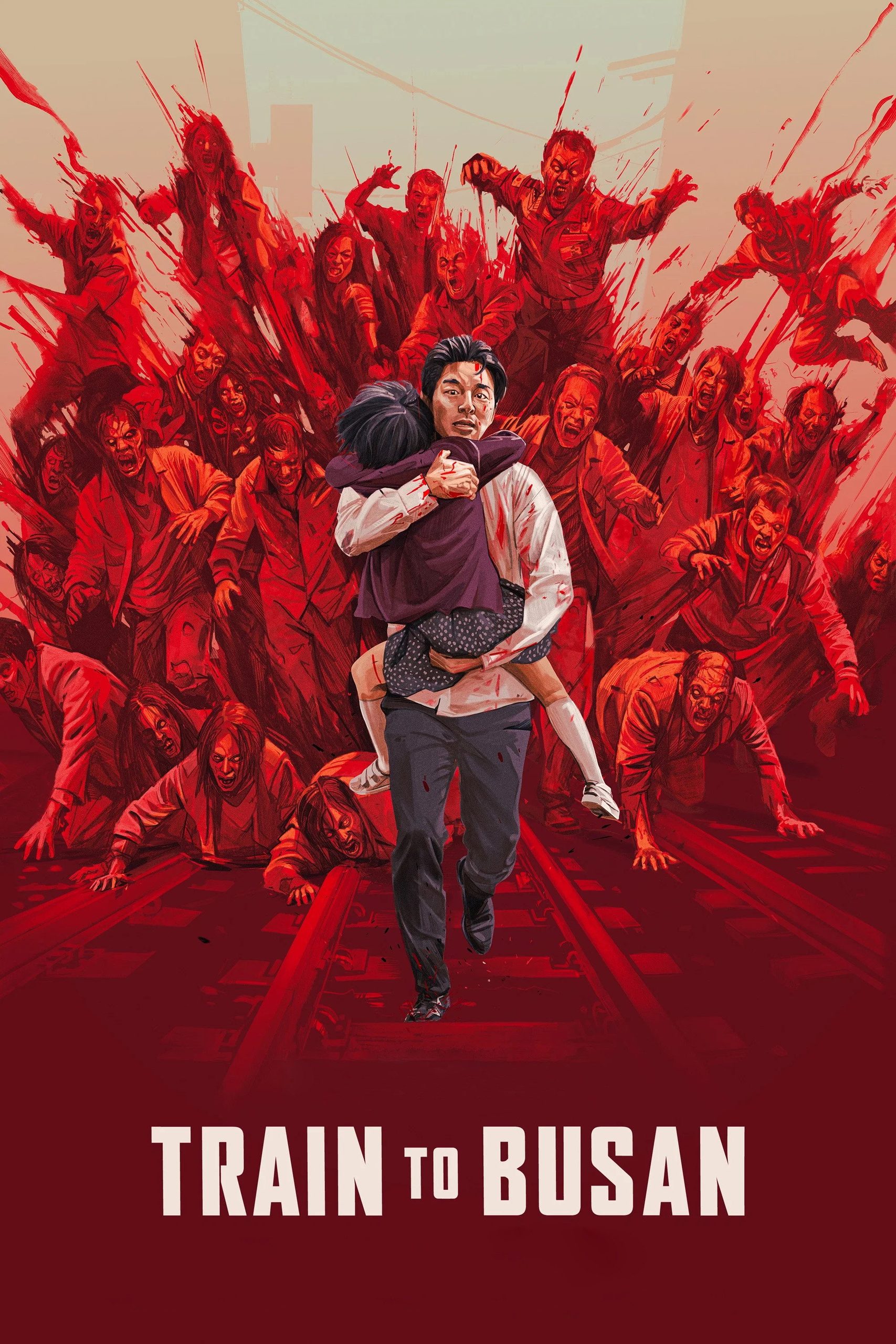
The infected twist and jerk rather than merely running at their victims. Their contortions are horrible to watch, and Yeon Sang-ho gets frightening force from their speed and the rapid spread of infection. We were properly rattled by those cramped attacks, because the film lets us see the danger approaching without making escape look straightforward. Yeon Sang-ho varies the pressure within that narrow space, so the premise does not wear out once we have understood it.
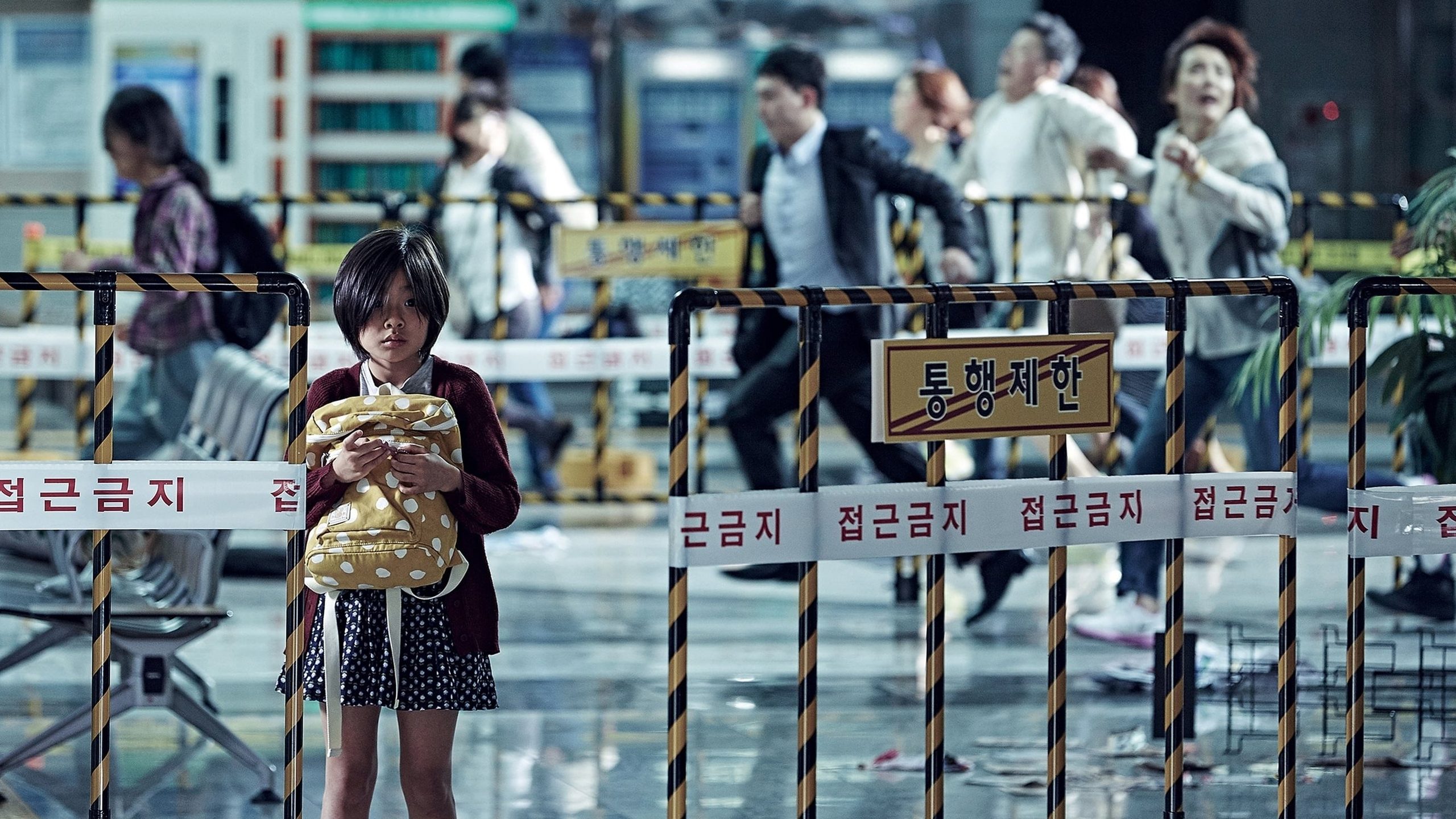
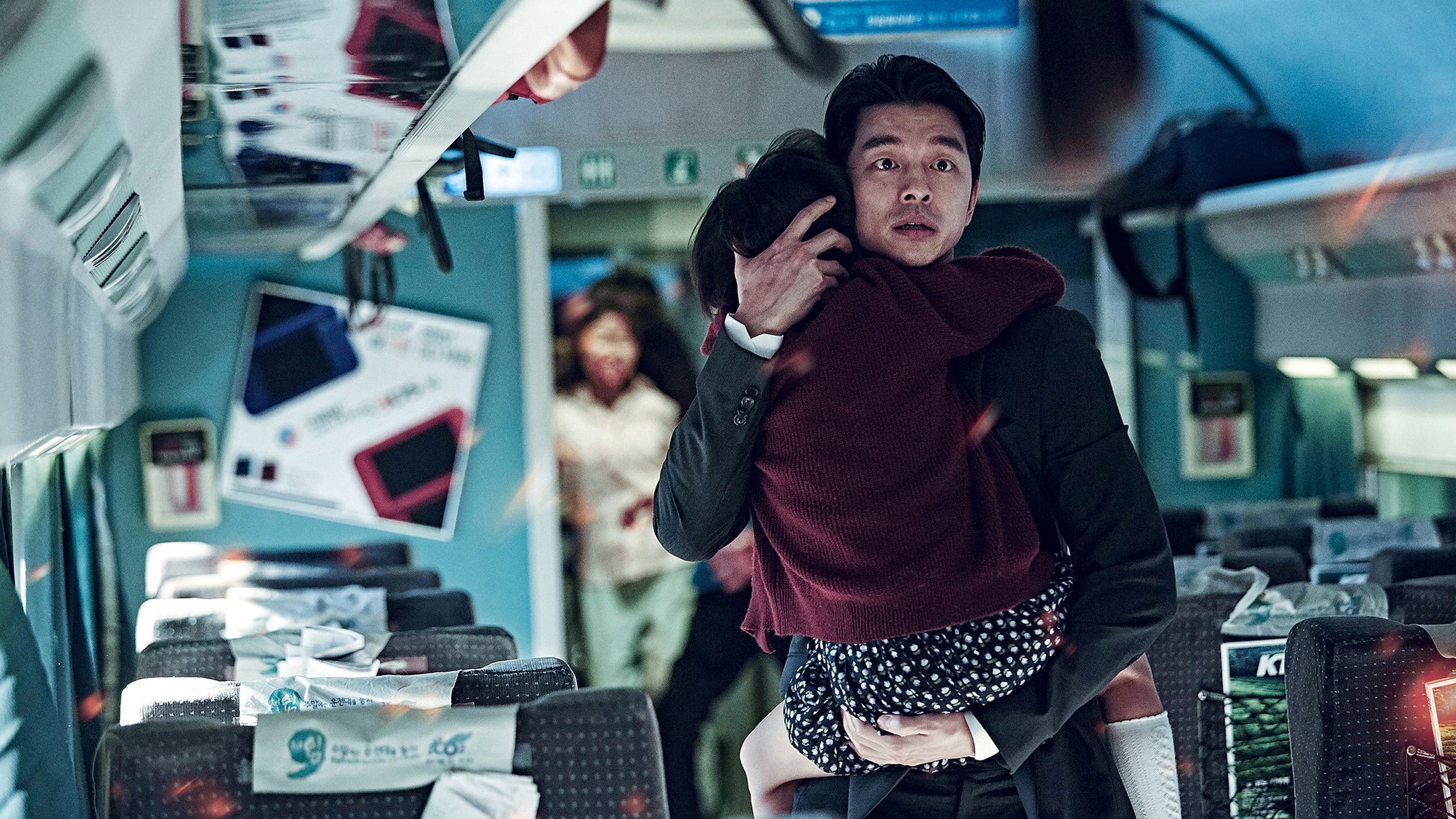
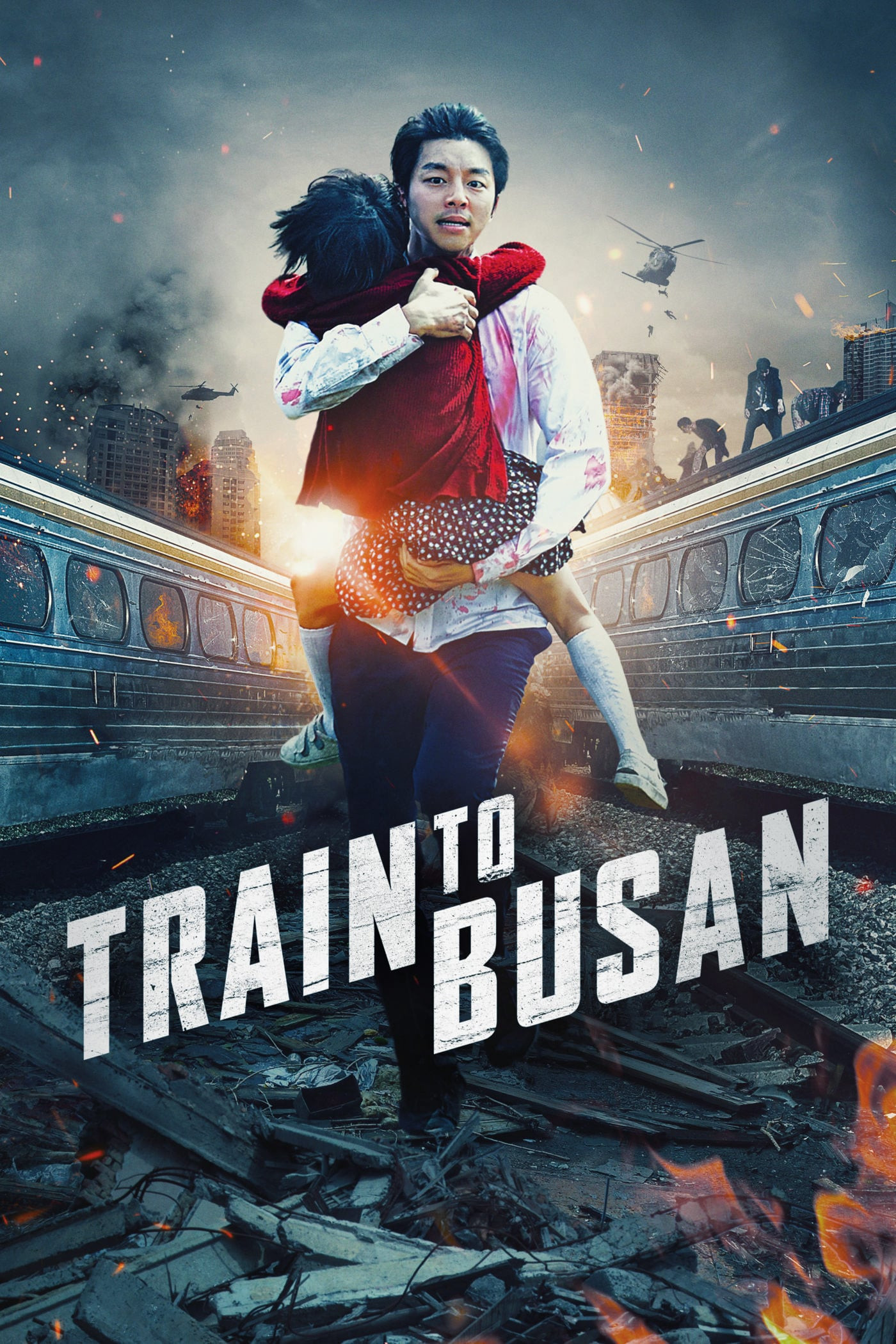
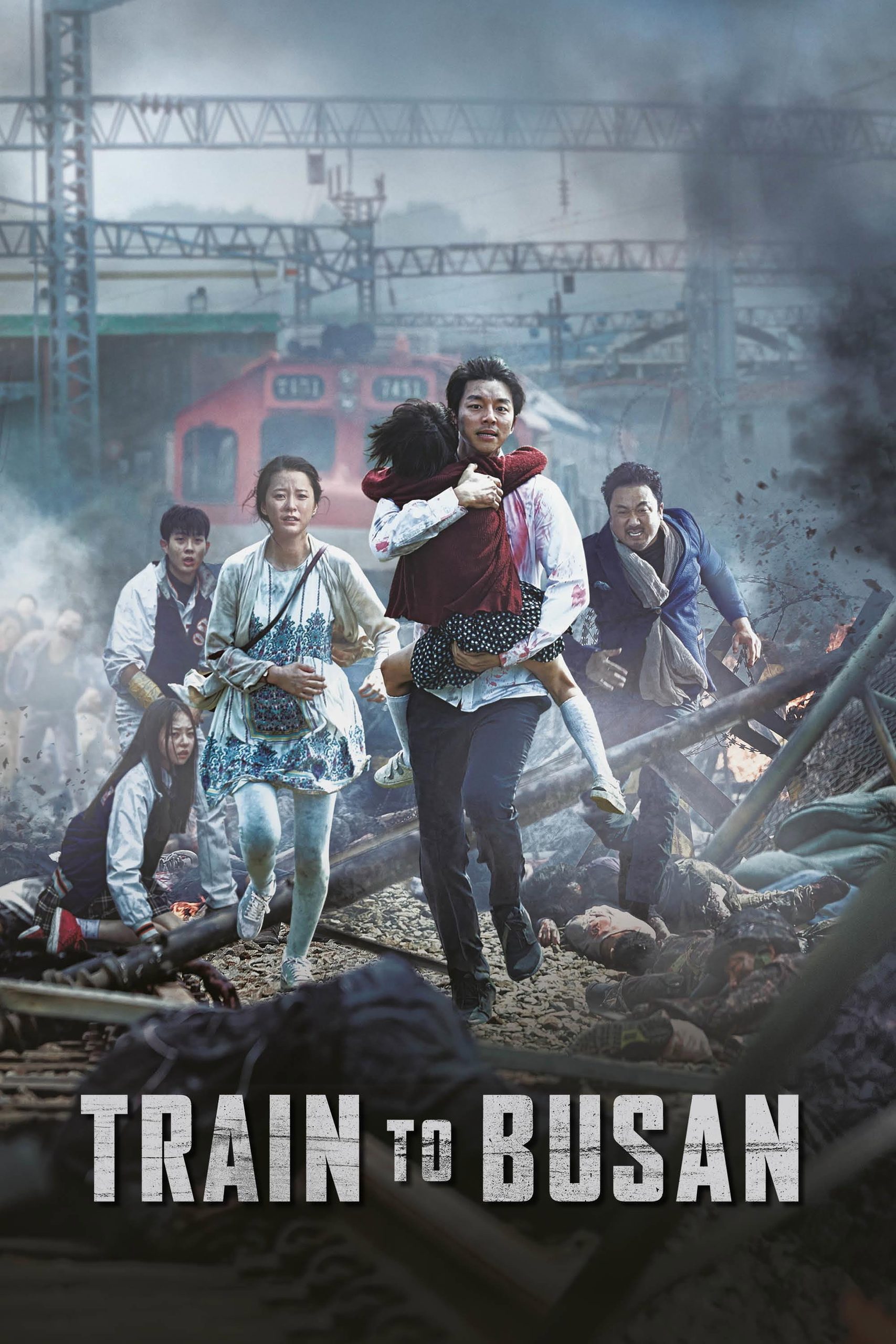
Gong Yoo makes Seok-woo look as though keeping himself together takes effort, which helps us believe his fear for Soo-ahn. Kim Su-an gives the daughter’s distress enough force that it never seems to exist merely to make her father more interesting. We were moved more than we expected by their struggle to stay together amid the panic. Both performances keep that relationship recognisable while the surrounding action grows frantic, and the family scenes have enough patience to let us care.
Park Joo-suk is less sure of when to stop making a point. The divisions between selfish passengers and those willing to help are drawn so firmly that the class commentary sometimes feels settled before a scene has had time to develop. We are left waiting for people to demonstrate attitudes the writing has already assigned them. The bluntness does give the confrontations force, but it also narrows the range of behaviour in a film otherwise alert to how panic complicates a shared space.
Jang Young-gyu’s score occasionally presses the emotion harder than the performances need. The family relationship already gives us a reason to care, so the musical insistence can feel like someone checking that we have noticed. This is a smaller problem than the moral instruction, and neither spoils the film’s command of fear. Still, we would have liked more room to respond to the actors without that additional encouragement.
Anyone hoping for detached, pitiless horror should know that sentiment is part of the bargain here. We would rather a zombie film risk looking soft than spend its running time being pleased with how little it cares. Yeon Sang-ho allows family affection time that could have gone to another attack, and that choice suits the performances. Choose it for an evening when a bit of emotional upset is welcome alongside the violence.








![[REC] poster](https://cdn.film.one/media/title/1931/poster-0c2635acbe7c.jpg?width=360&format=auto&quality=45)