Russell Crowe and Paul Bettany give Peter Weir’s naval adventure warmth and intelligence to match its force. The middle needs tightening, but we recommend it warmly.
Peter Weir understands that a naval adventure needs people worth spending the voyage with, especially when the voyage lasts 138 minutes. Master and Commander: The Far Side of the World is an absorbing adventure, although the middle needs firmer handling. Weir and John Collee’s adaptation of Patrick O’Brian gives the pursuit at sea room for work, conversation and conflicting ideas about duty. The battles matter because we have been allowed to take an interest in the men.
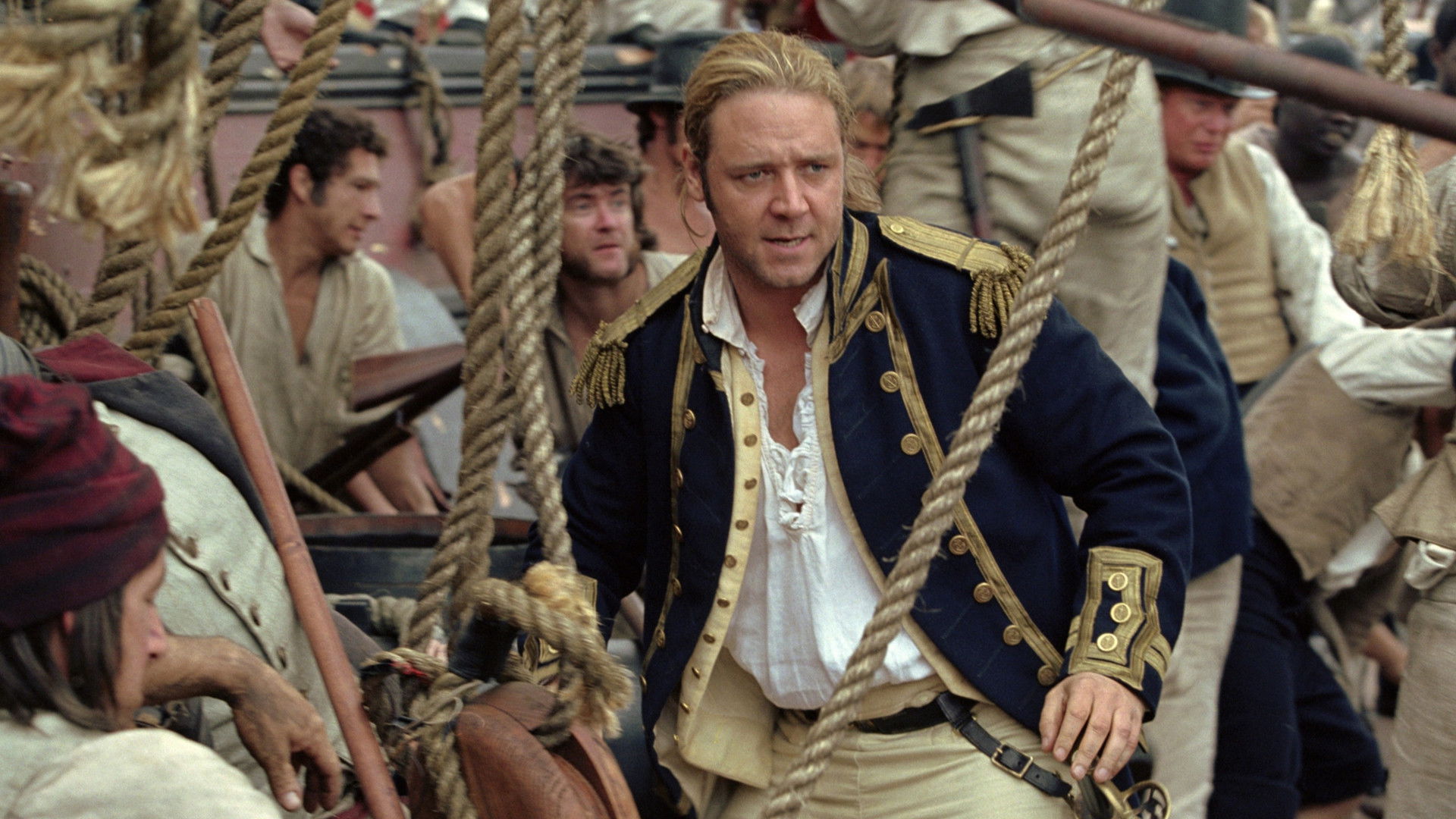
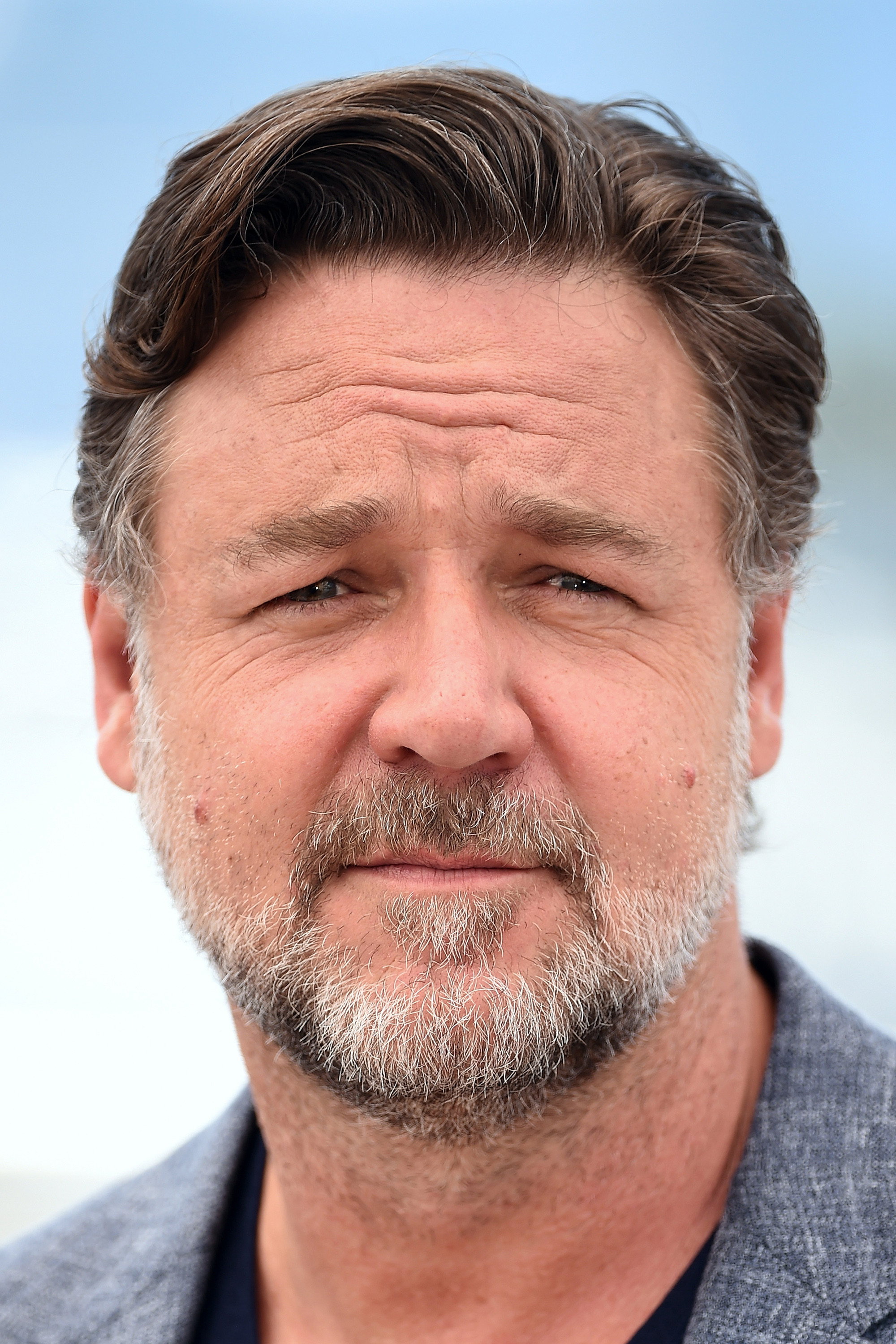
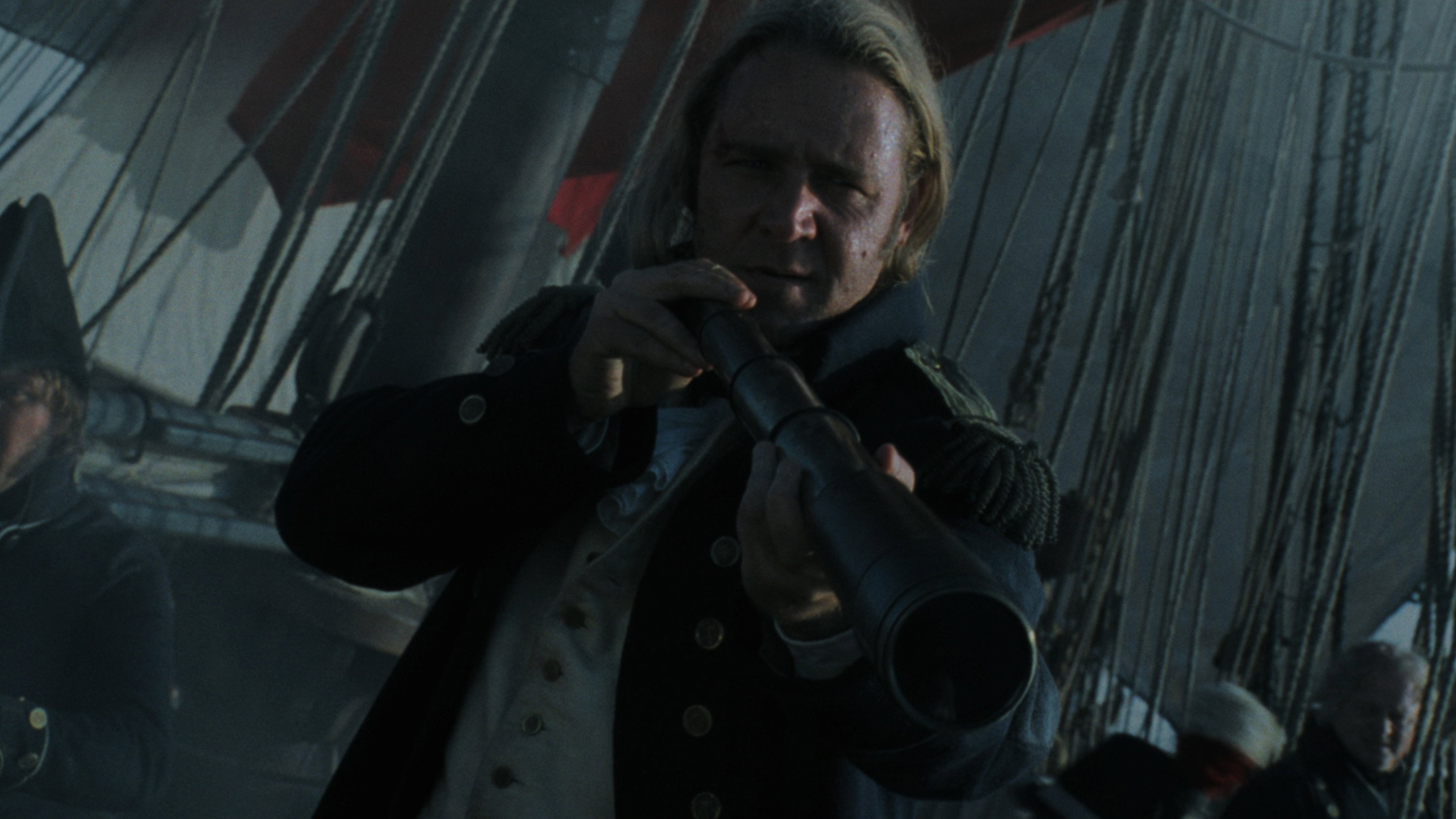
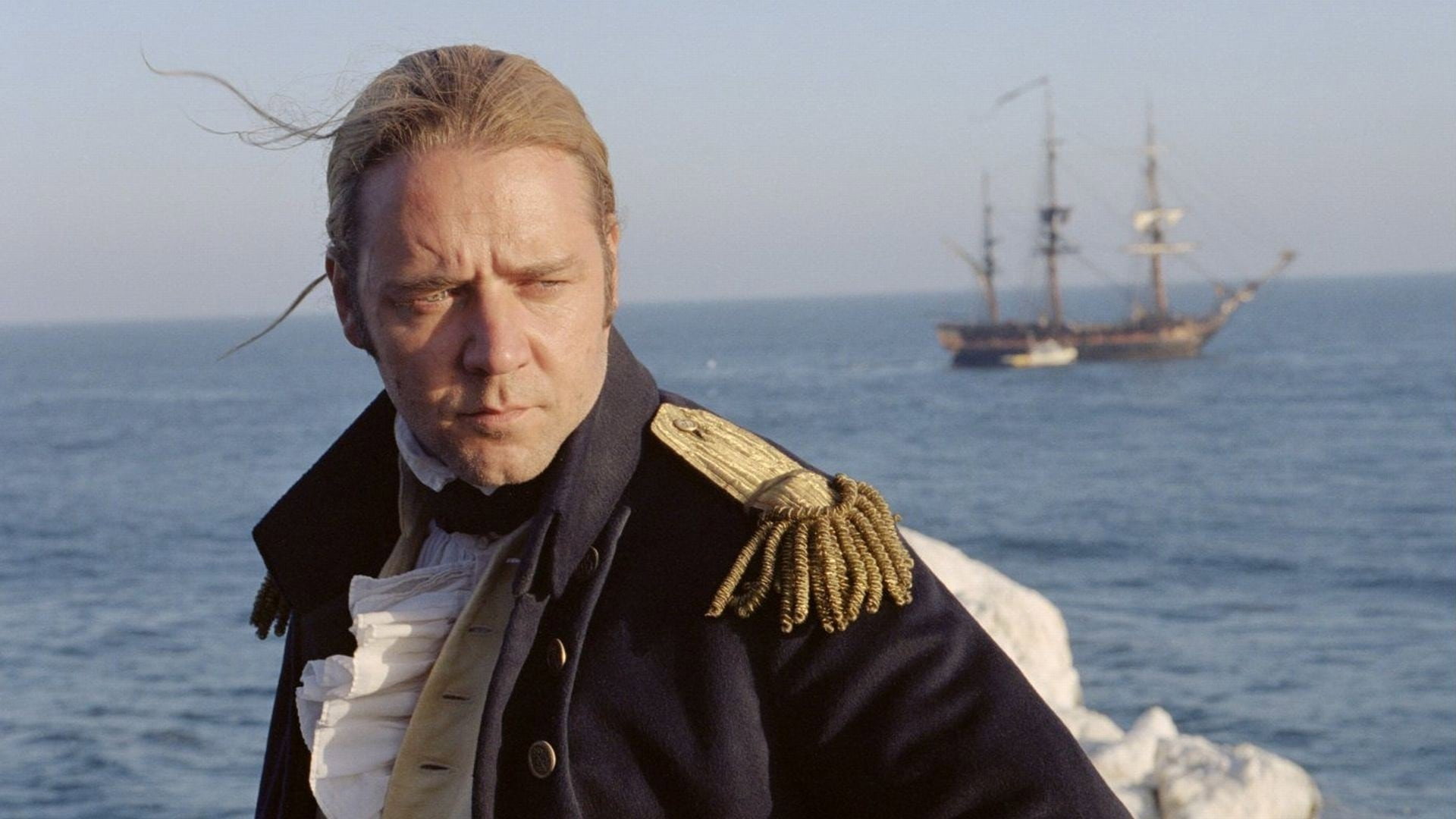
Russell Crowe’s Captain Jack Aubrey supplies much of that interest without having to announce every quality that makes him fit to lead. Crowe makes command look practised: we believe that these men would follow him, and that their belief might encourage him to push further than he should. There is pleasure in his authority, alongside enough self-regard to stop the performance becoming a lesson in leadership. He makes the captain enjoyable company without asking us to approve of every decision.
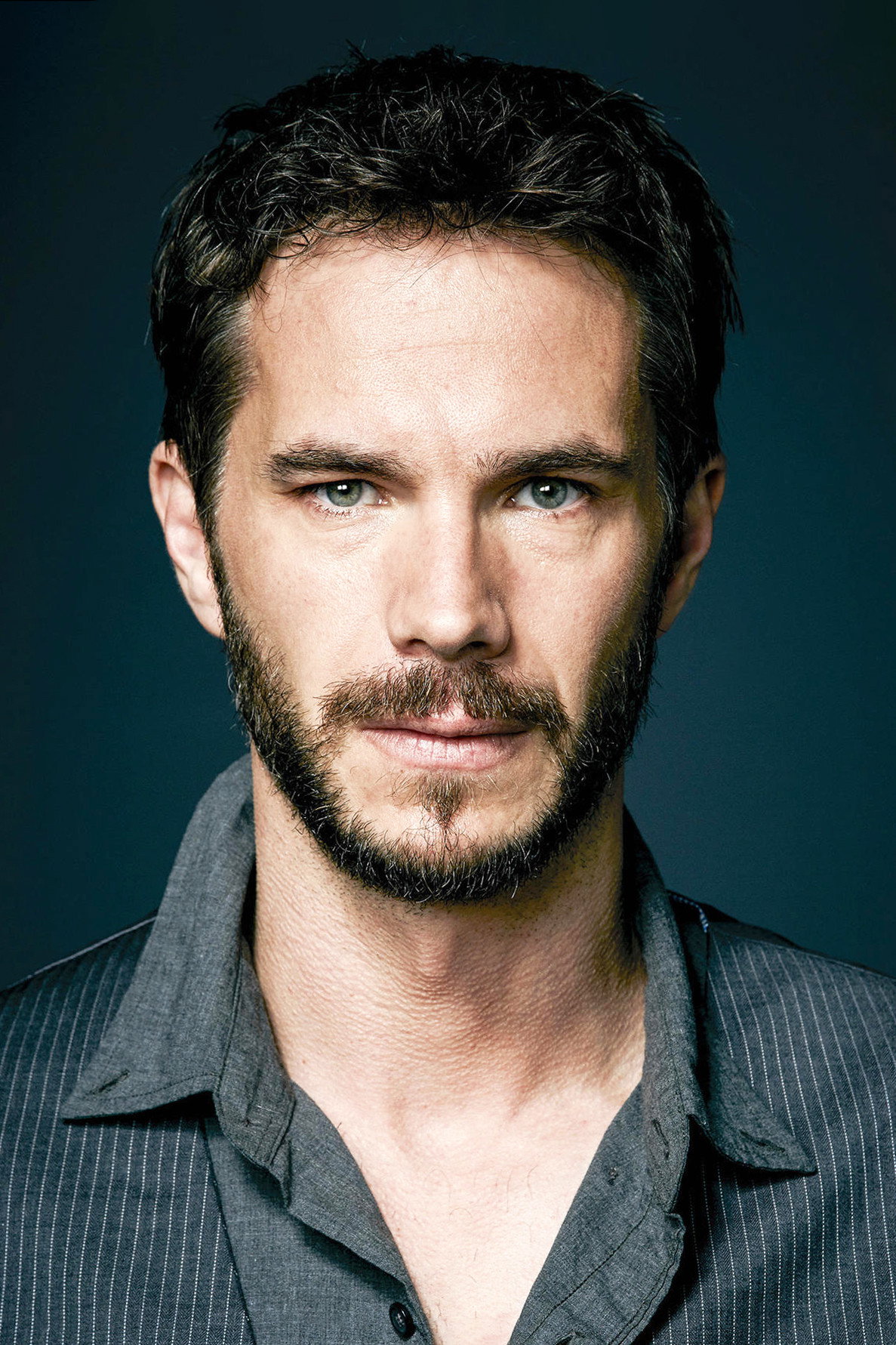
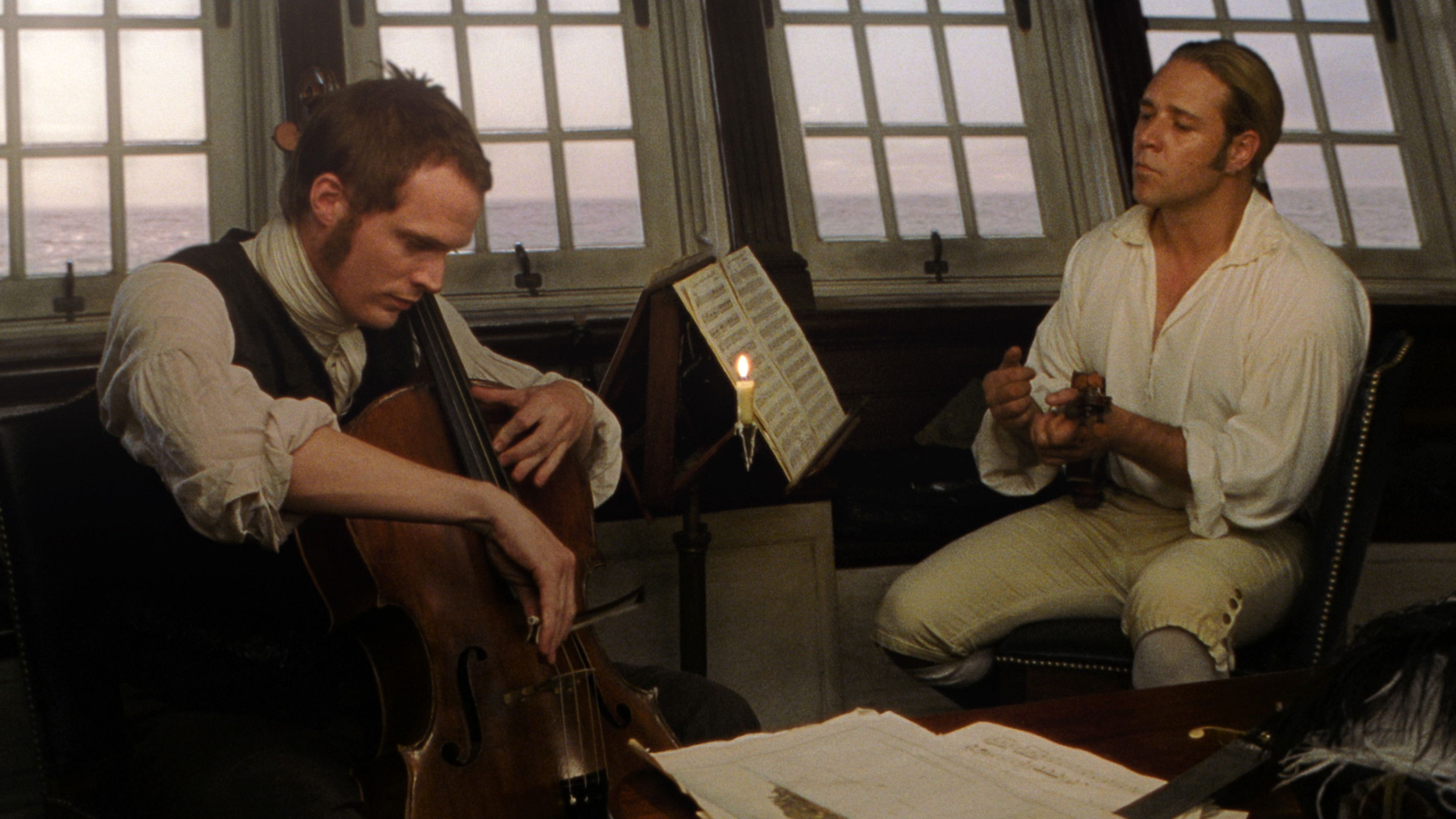
Paul Bettany’s Dr Stephen Maturin is essential to keeping that self-regard in check. The friendship allows Weir to question Aubrey without interrupting the adventure for an outsider to explain what is wrong with naval life. Bettany gives the doctor’s objections the firmness of someone who expects to be heard, even when he cannot expect agreement. We warmed to the two men because their differences do not make their affection look implausible; the pleasure comes from watching intelligent friends remain interested in each other’s company.
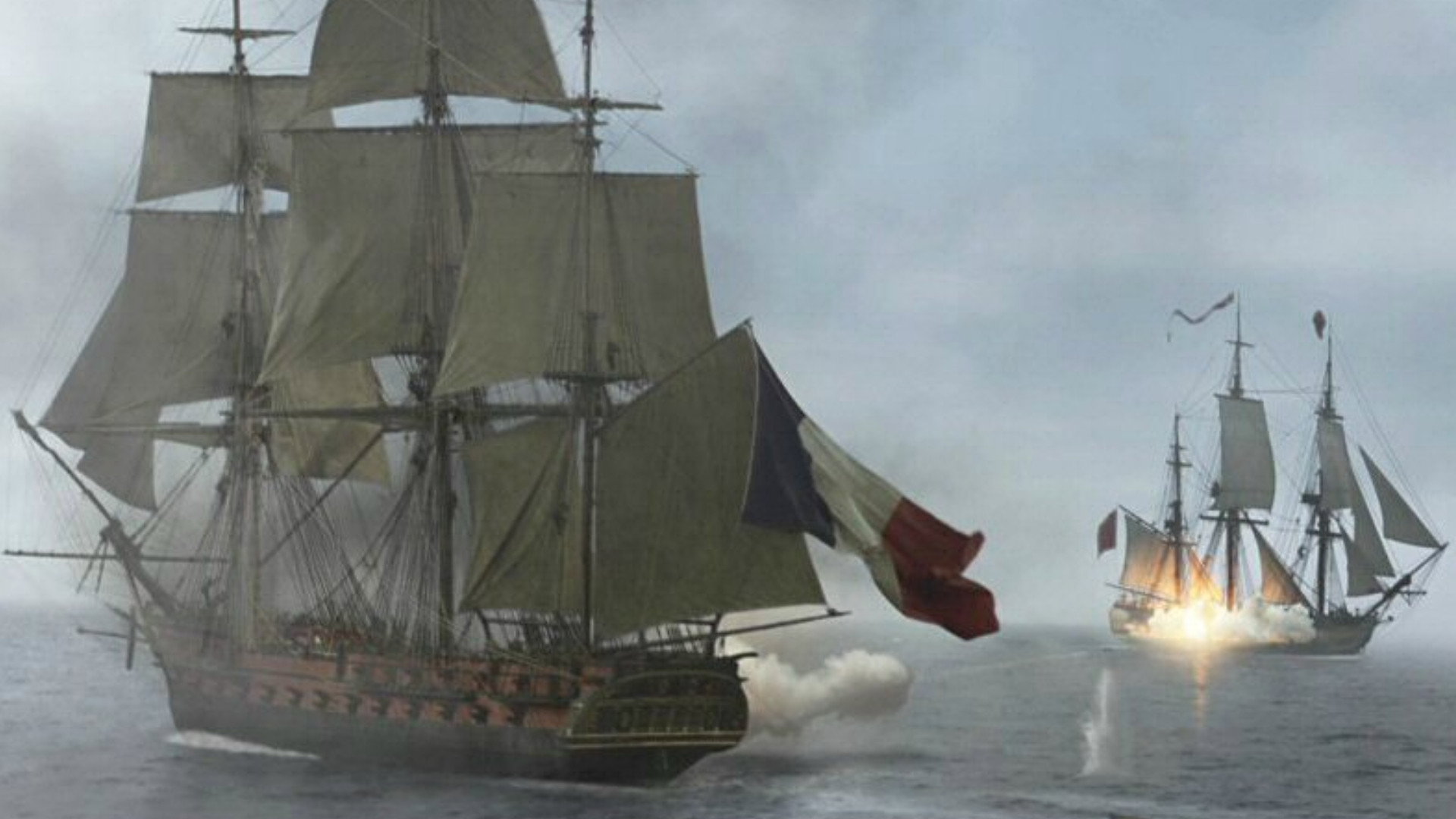
William Sandell’s production design makes the ship convincing as somewhere people work, eat and live together. The detail rewards attention without making the film feel like a guided tour, and Russell Boyd’s cinematography allows us to take it in. We get a strong sense of how difficult it would be to keep ordinary life going here, let alone fight a battle. That makes the naval routine interesting even before the pursuit demands another burst of activity.
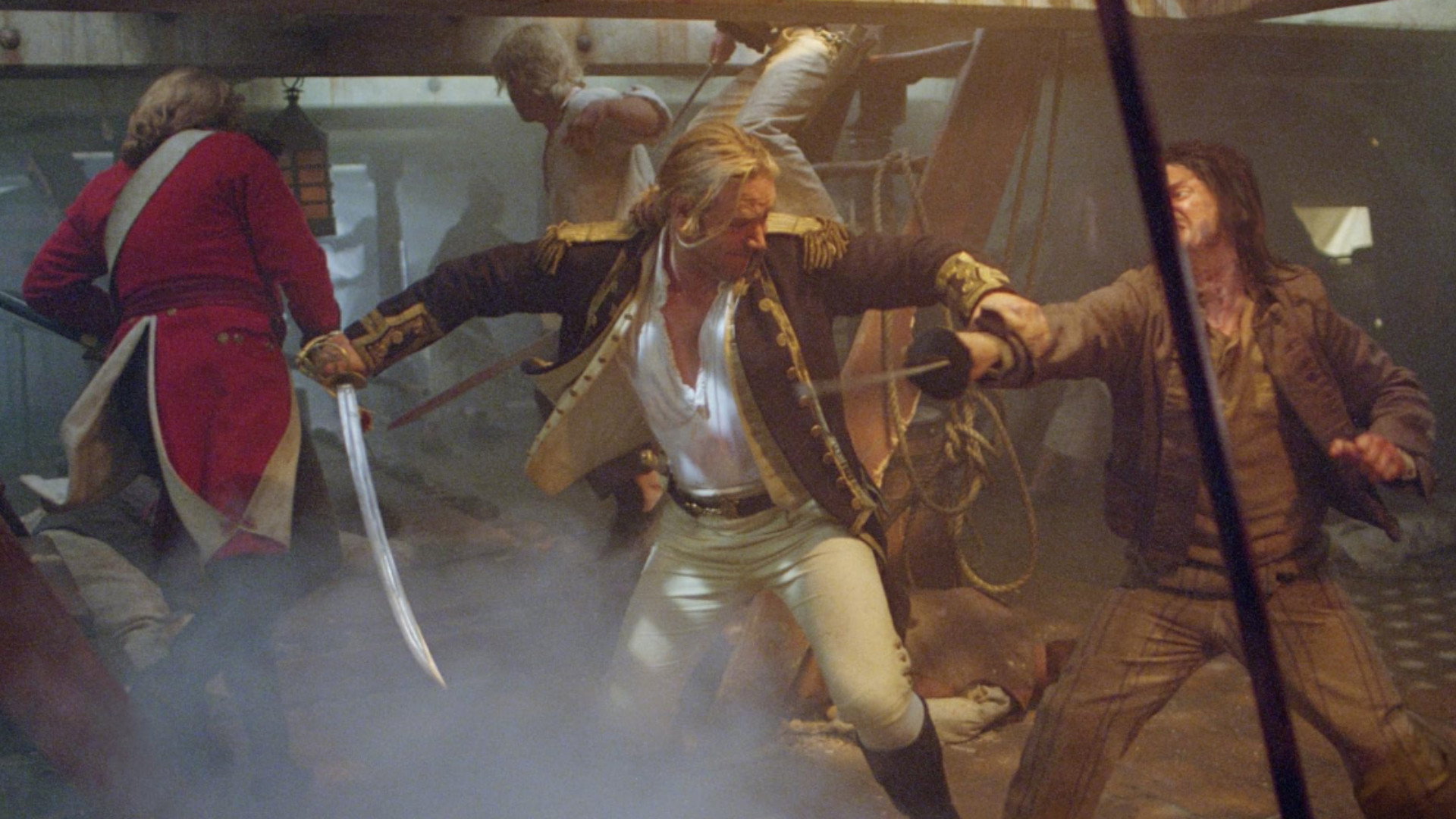
We flinched at the opening sea battle. The abrupt, confused violence makes it difficult to treat the fighting as an agreeable break from life aboard ship. Lee Smith’s cutting is forceful, although the busiest fighting sometimes becomes harder to follow than it needs to be. The music by Richard Tognetti, Christopher Gordon and Iva Davies is stirring without smothering the friendship’s quieter pleasures. Weir gives action sufficient weight that the conversations do not feel like delays before the next useful bit.
The middle is slower than it needs to be. Weir and Collee’s episodic screenplay lets the pursuit lose urgency, and Smith does not always make the length of a pause feel earned. There are passages when the film seems too satisfied with having recreated this life to ask what should happen next. The detail remains persuasive, but the film could spare some time between its stronger encounters.
Weir gets the familiar pleasures of a seafaring adventure right, especially the appeal of a captain who knows what to do. He is interested in how that certainty looks to someone who has to live alongside it, which gives Bettany more to play than loyal support. Crowe provides much of the film’s energy, but the friendship keeps the admiration for Aubrey from becoming tiresome. Set aside an evening when there is time for the talk as well as the cannon.