George Lucas’s space adventure is funny, exciting and easy to follow, with creatures and machinery worth a closer look. A few stiff exchanges are a small price for such well-managed fun.
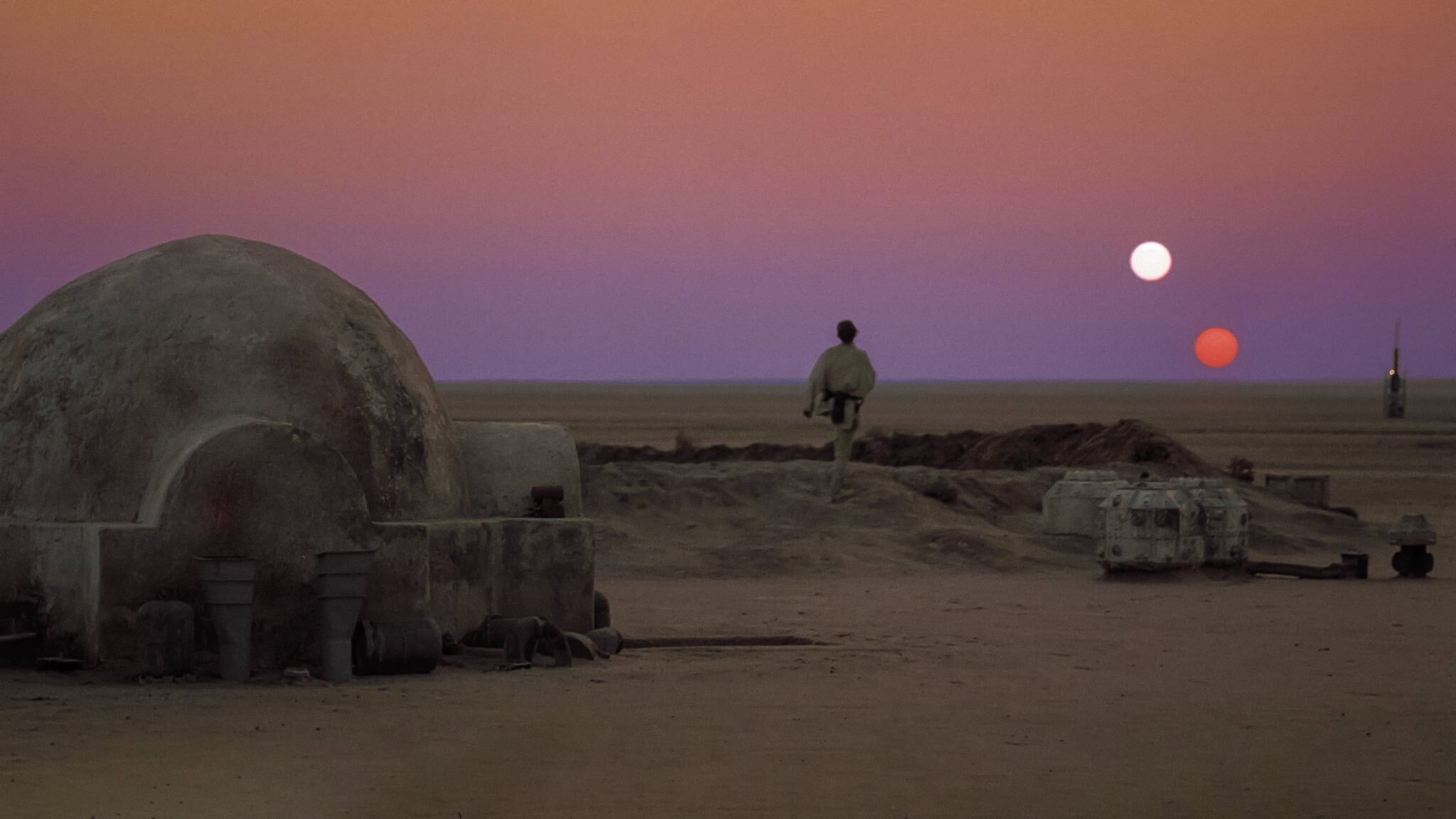
Star Wars is a thoroughly enjoyable adventure, and George Lucas is sensible enough to give its pleasures room to work. He writes and directs a film of western and serial ingredients: plainly defined characters, strange creatures, spacecraft and a story that keeps moving. At 121 minutes, it could have become a long introduction to an elaborate fictional history. Instead, there is usually something funny to watch, something unfamiliar to inspect or a piece of action with an intelligible purpose.
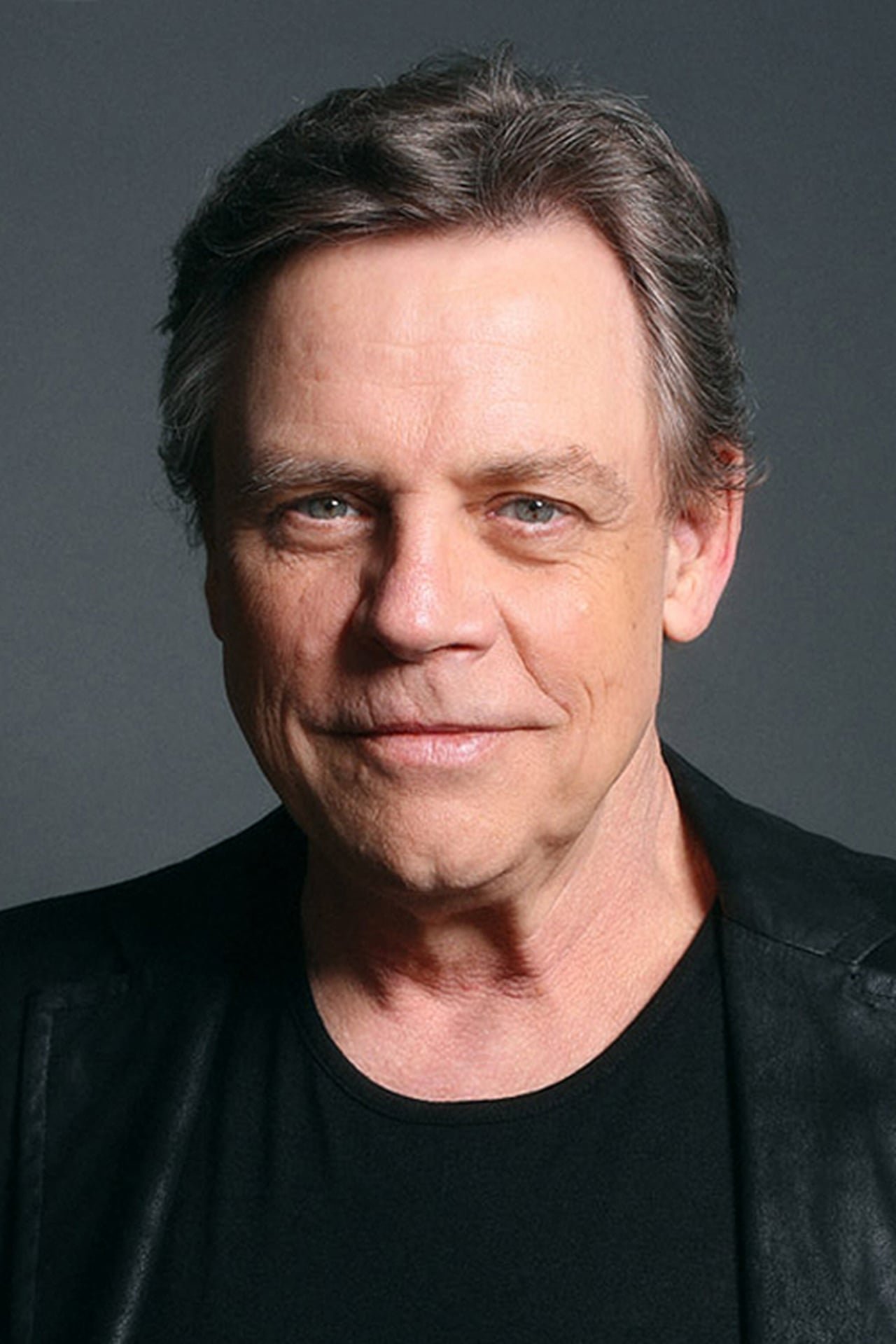
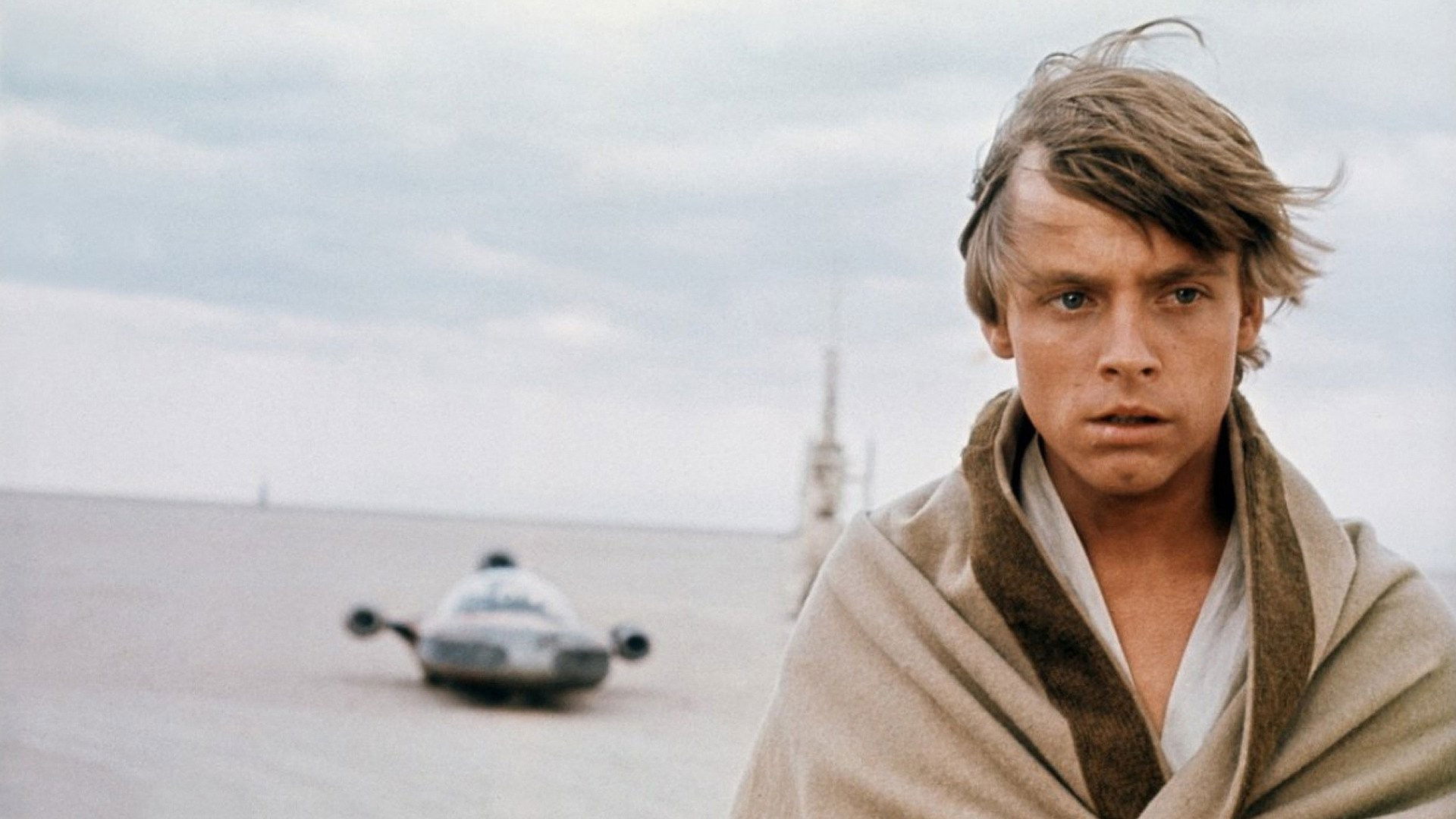
The early business with Luke Skywalker receiving his father’s lightsaber from Obi-Wan Kenobi gives the adventure an immediate personal connection. Mark Hamill makes Luke’s eagerness likeable, even when the writing leaves him little beyond it to play. Alec Guinness gives Obi-Wan an authority that helps the film get away with some solemn dialogue. Lucas does not develop these people much beyond their readily understood roles, and the exchanges can occasionally sound like actors explaining the story to one another.
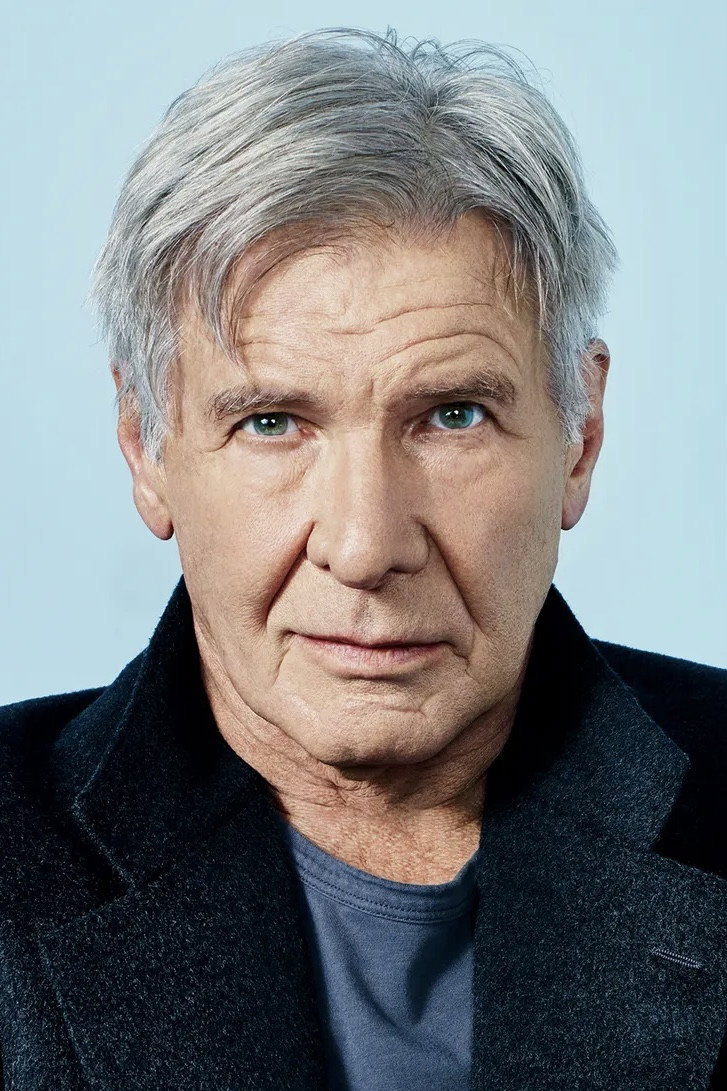
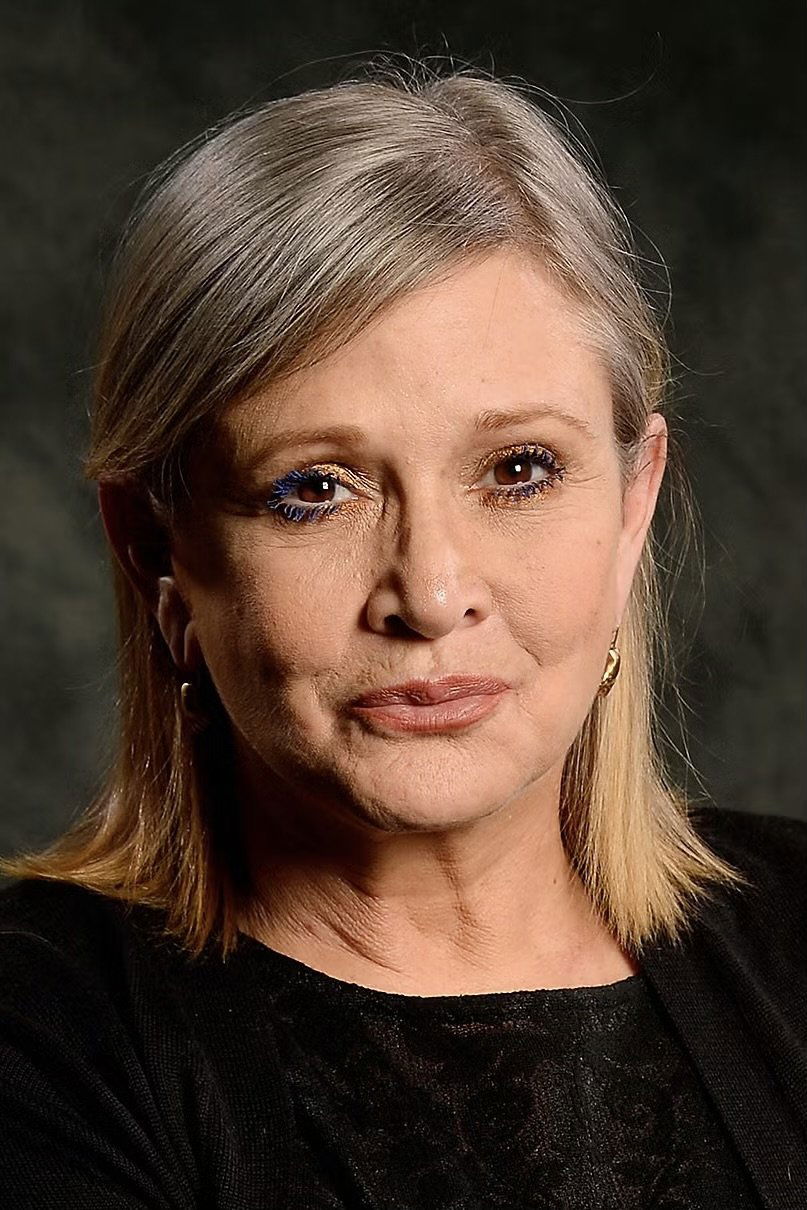
The comic life is stronger, particularly in C-3PO and R2-D2, played by Anthony Daniels and Kenny Baker. We laughed at the robots more than we expected; the pleasure comes from treating such unlikely figures as an ordinary double act, with time allowed for their contrasting responses. Their company makes the galaxy feel inhabited without another explanation. Harrison Ford’s Han Solo and Carrie Fisher’s Princess Leia also help keep the human side lively, rather than merely dutiful.
John Barry’s production design is a substantial part of that appeal, giving the spacecraft and the wider galaxy enough detail to reward attention. The Mos Eisley cantina is a place worth looking around even before Luke has done anything in it. Gilbert Taylor photographs the creatures and machinery with enough clarity for their oddness to register. The effects and strange creatures belong in the same film as the actors; there is a welcome confidence in letting them share our attention.
Richard Chew, Paul Hirsch and Marcia Lucas give the action a pace that feels brisk without becoming exhausting. Their editing preserves the simple question of what each character is trying to do, a useful discipline when spacecraft and effects threaten to take over. John Williams’s score supplies the emotional conviction that Lucas’s dialogue sometimes struggles to find. It can be insistent, but its directness suits a film whose pleasures depend on being caught up in events.
The scored consensus disagrees with us, though it rests on two hostile reviews and the other notices are largely enthusiastic. The complaint about thin characters is fair; the suggestion that the adventure does not work is harder to accept. We think that verdict undervalues the robots’ comedy and the clarity of the action, which do much of the work the character writing leaves undone.
The western and serial traditions give Lucas a workable shape for a galaxy that could otherwise take hours to explain. Science fiction can ask more difficult questions than this, and anyone looking for that should make another choice. Watch it for the adventure, and do not feel obliged to take the solemn dialogue as seriously as the characters do.