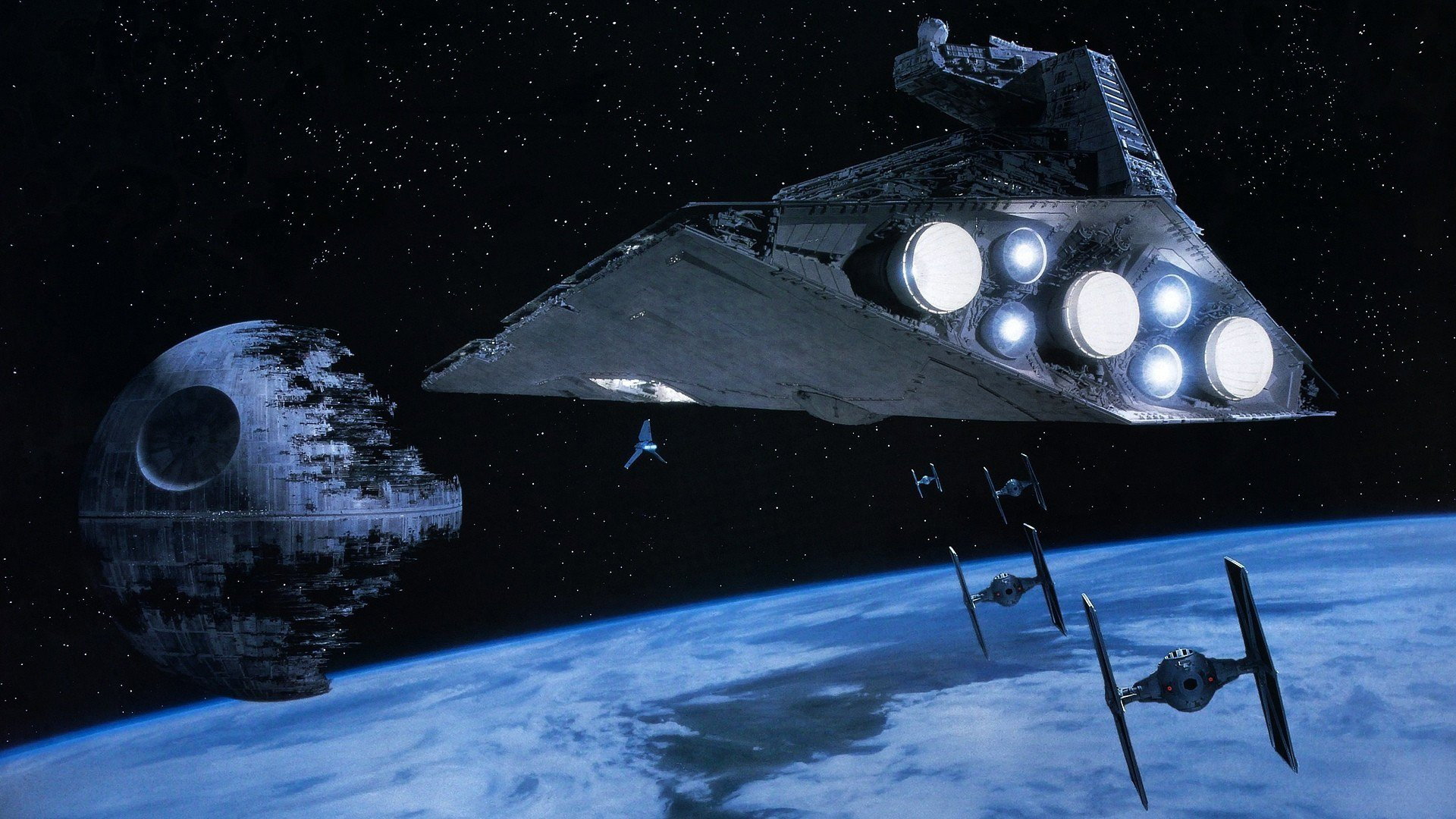
Richard Marquand’s space adventure is good fun when it gives its creatures and chases room. Mark Hamill supplies the conviction, but the thin romance and overindulged Ewoks make this a less brisk evening than it should be.
Return of the Jedi is good adventure filmmaking with some awkward stretches between the adventures. Richard Marquand is trying to bring a trilogy to a satisfying close while keeping its appetite for creatures, chases and jokes, and the competing demands sometimes show. George Lucas and Lawrence Kasdan’s screenplay has more confidence in immediate danger than in getting everyone from one episode to the next. At 132 minutes, it can feel leisurely in places where a little impatience would have helped.
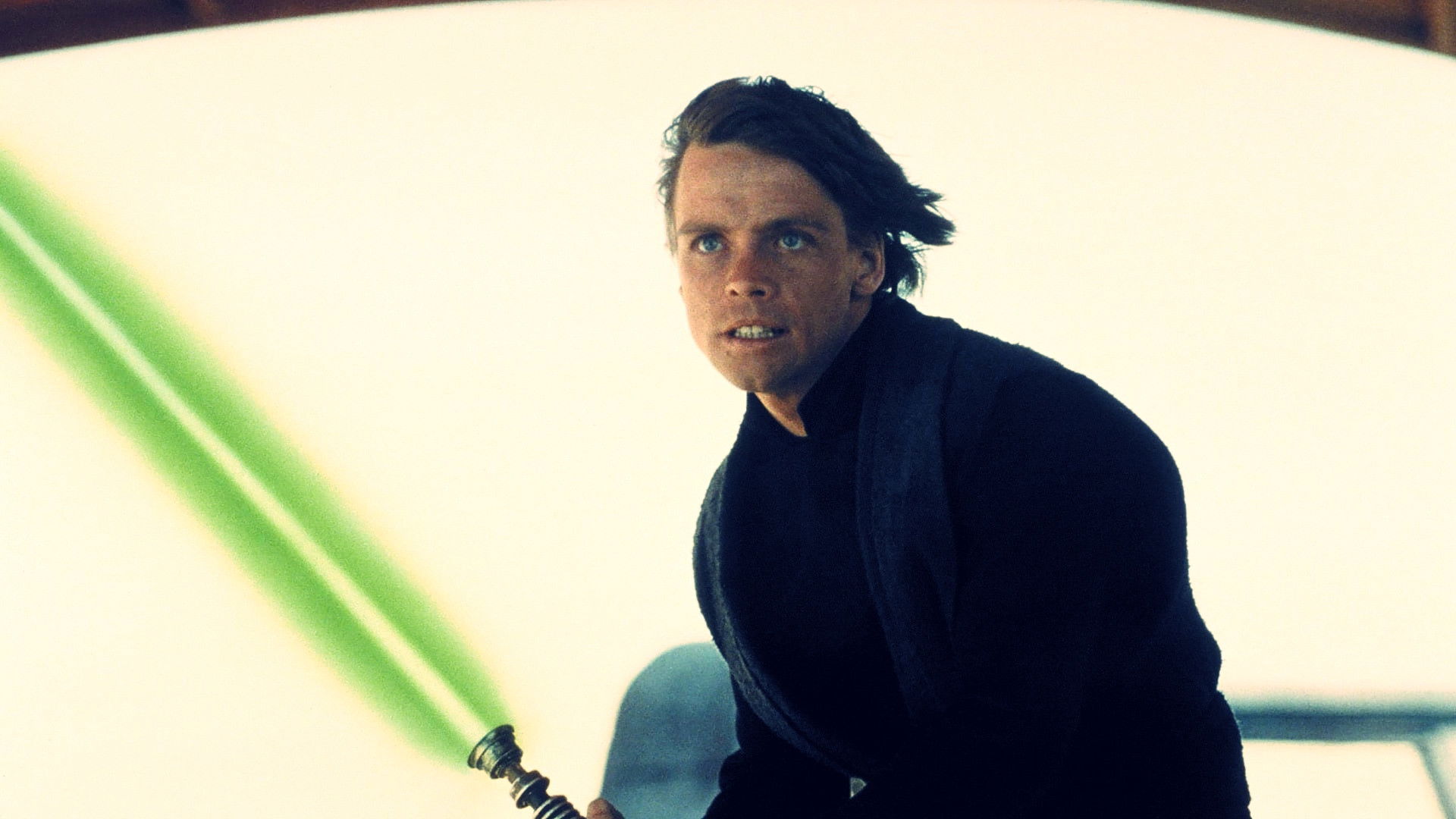
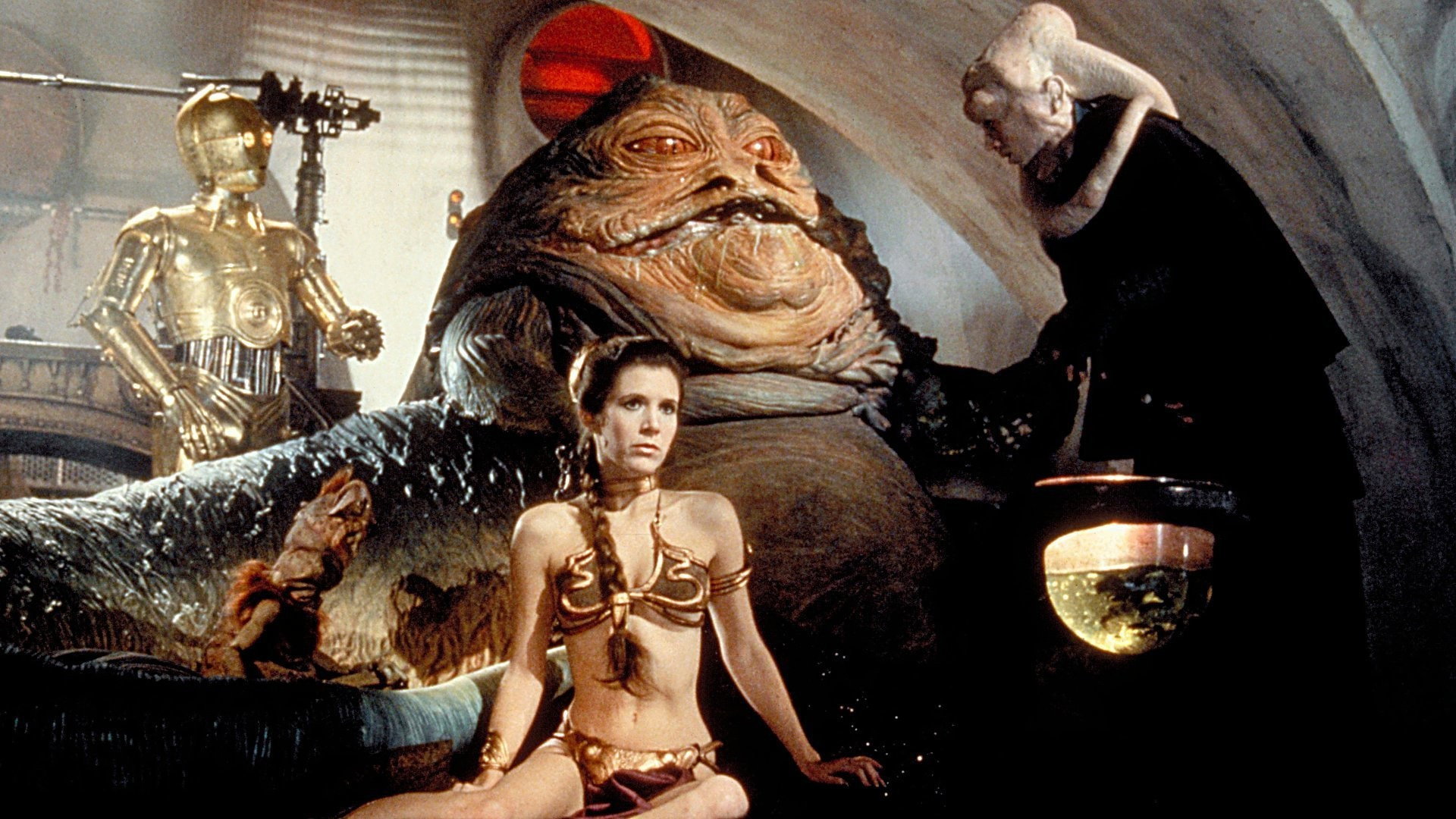
The opening encounter with Jabba gives the film something worth lingering over. Fred Hole, Norman Reynolds and James L. Schoppe’s production design makes these surroundings worth inspecting, and the creatures reward the attention even when the story pauses. We were tense when Luke faced the rancor; having one creature to worry about made the danger immediate. Hamill’s seriousness helps the encounter hold our attention without making the adventure feel solemn.
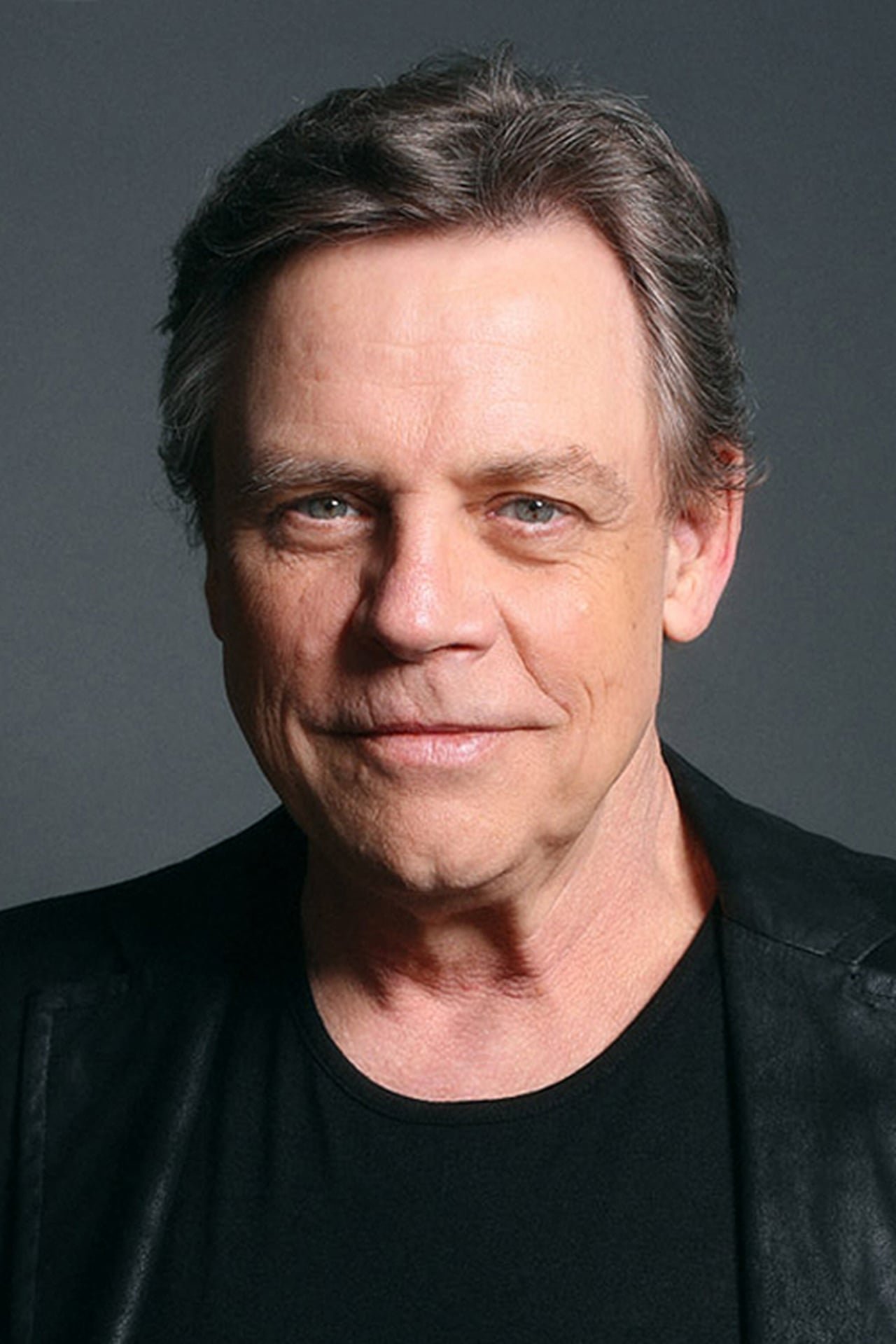
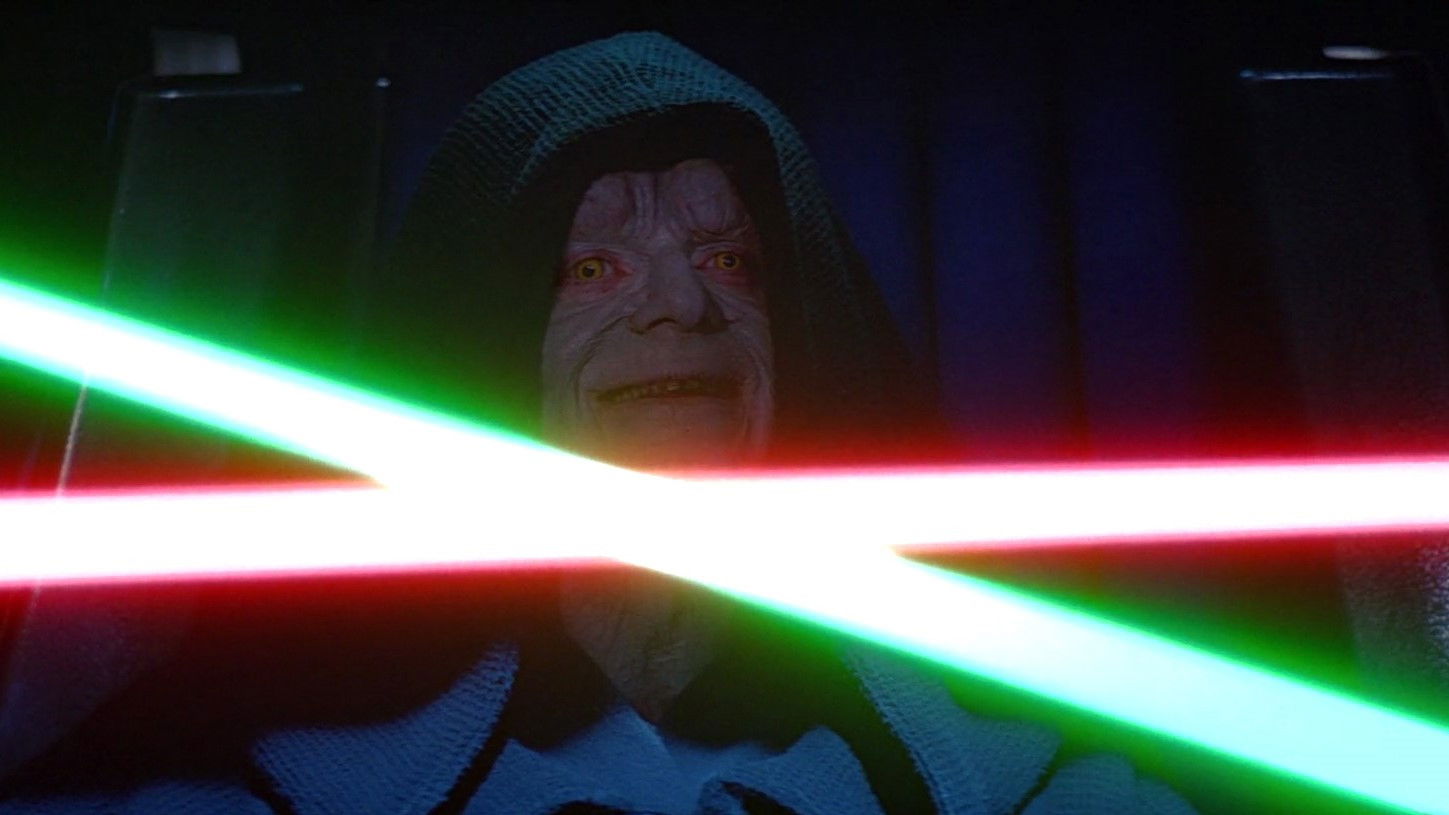
Hamill is a considerable asset throughout, giving Luke enough conviction to keep us interested when the writing becomes ordinary. John Williams’s score supports that performance by giving Luke’s danger emotional weight as well as excitement. The music encourages us to care about what happens to him, rather than simply wait for the next action sequence. Ian McDiarmid’s Emperor and Darth Vader, played by David Prowse and voiced by James Earl Jones, give the film a stronger dramatic focus than its romance.
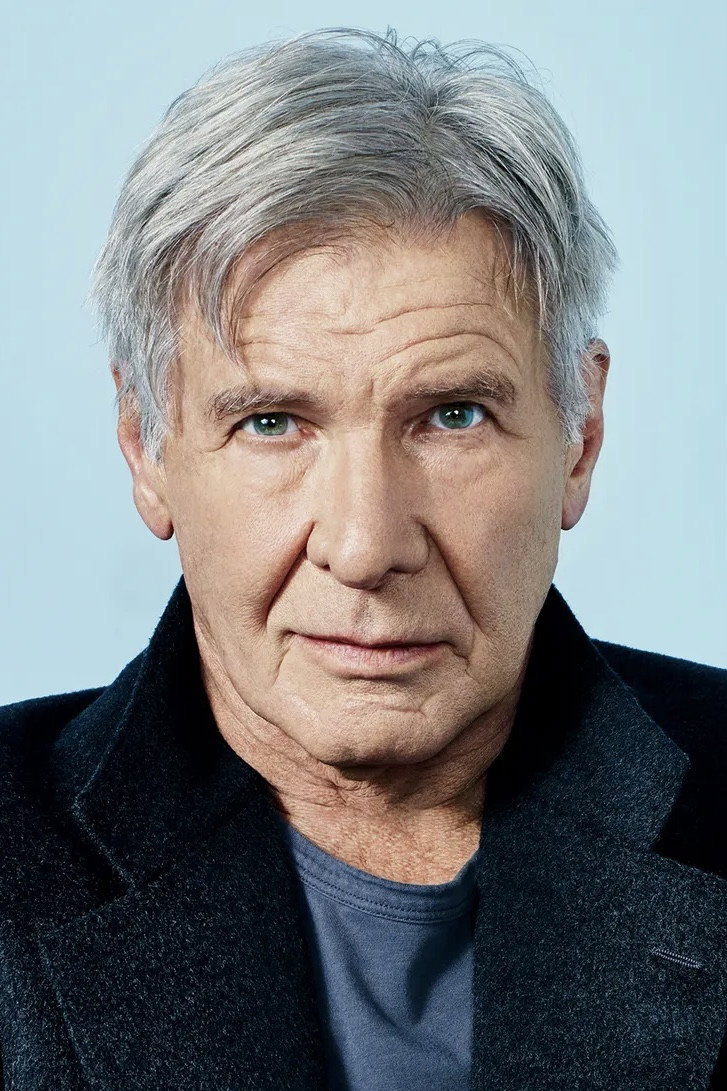
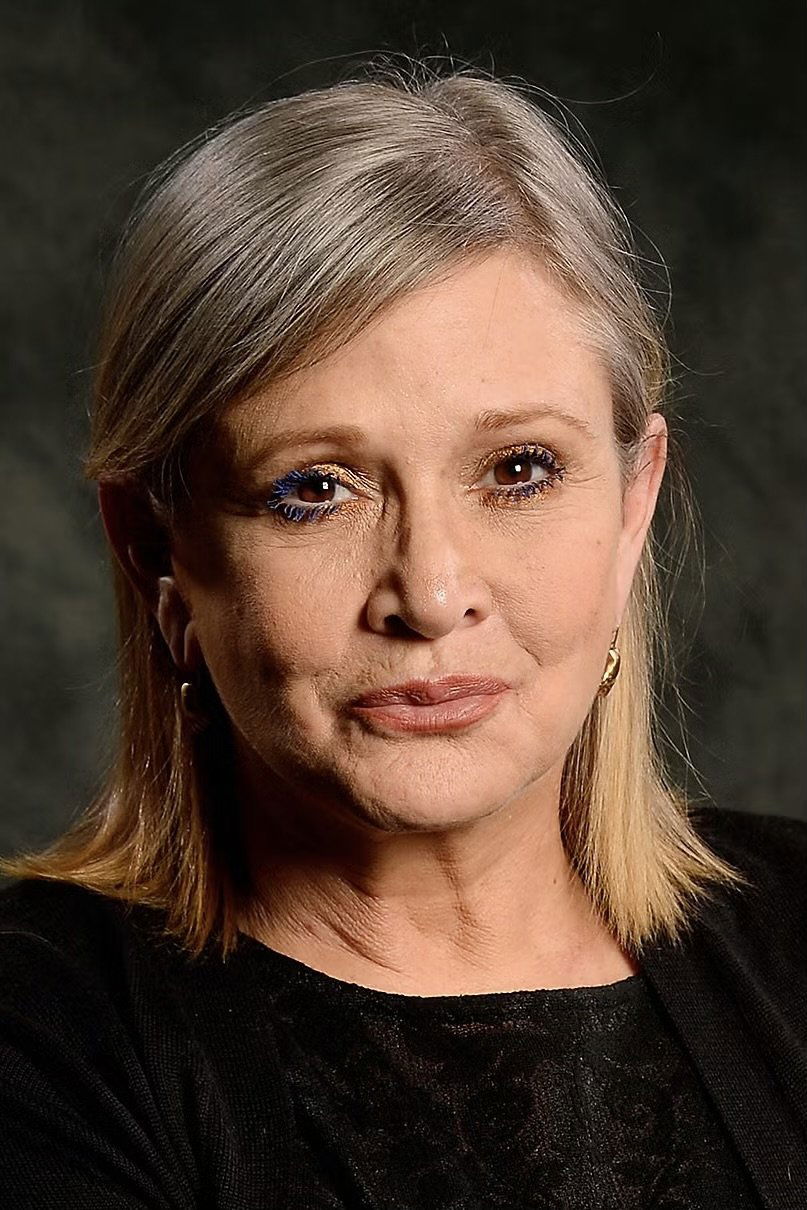
That romance is a disappointment, chiefly because Harrison Ford and Carrie Fisher have so little convincing writing to work with as Han and Leia. Lucas and Kasdan ask us to care about the relationship without making its exchanges especially interesting. The performances cannot quite disguise how slight those scenes are, though Ford and Fisher remain welcome company. Those conversations are among the stretches we would happily shorten, especially when the film has already demonstrated how much it can do with a creature and a predicament.
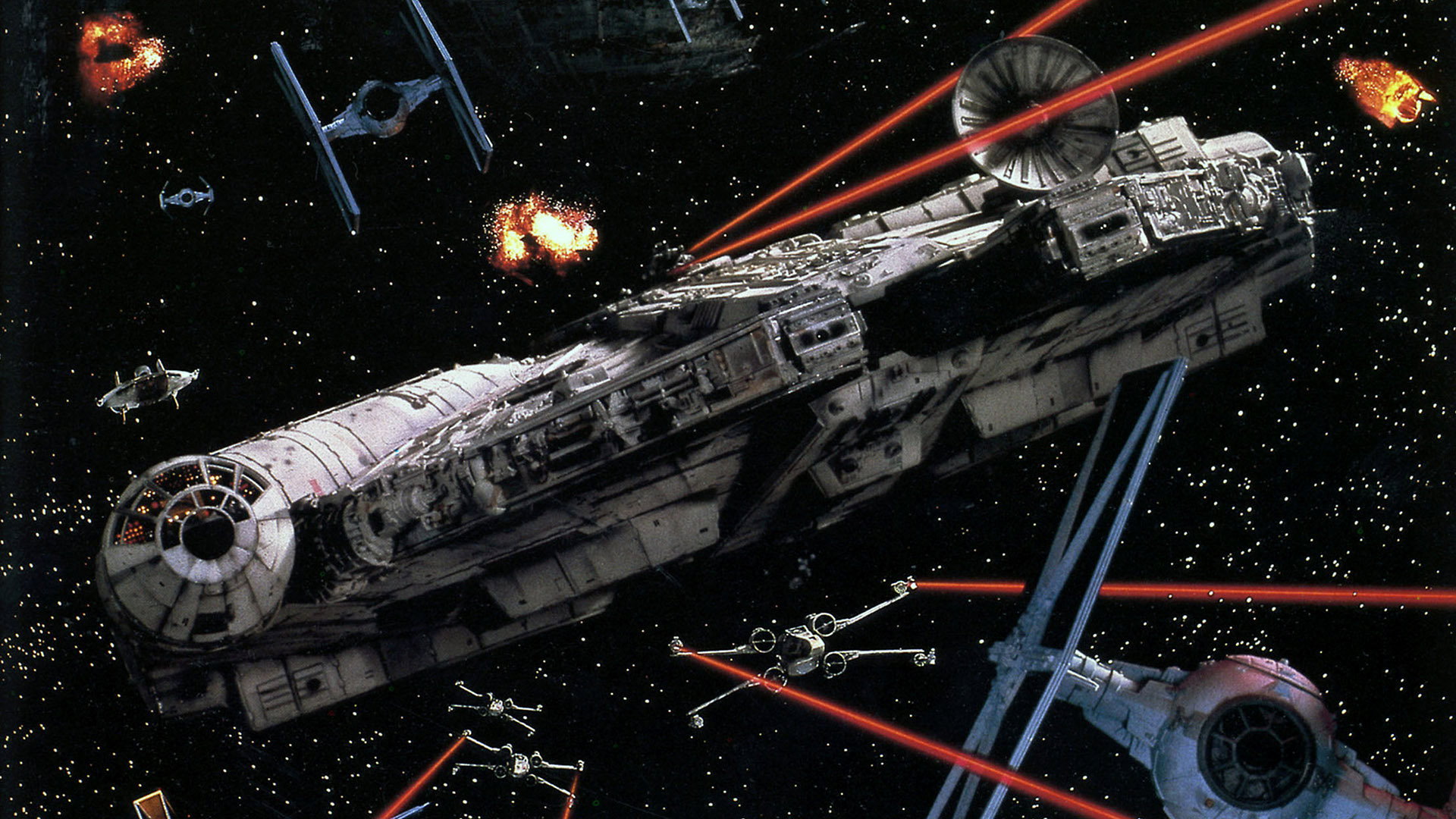
The action offers better reasons to stay. Alan Hume and Alec Mills’s cinematography helps give the speeder-bike chase a convincing sense of danger, and the effects make its speed exciting without requiring much explanation. Editors Duwayne Dunham, Sean Barton and Marcia Lucas keep individual passages lively, but their work cannot make the jumps between episodes feel natural. The Ewoks are the clearest test of patience: their appeal to children is easy to understand, yet the time spent with them repeatedly slows the adventure.
As a space adventure, this has enough strange creatures and exciting action to be worth its slower stretches. Most critics disagree with us, finding the story thin and the action tiring; we think they undervalue the suspense of the rancor encounter and the invention around Jabba. The uneven storytelling matters, but it does not make those sequences any less enjoyable. Give it an evening if creatures and chases are your sort of thing, with some patience reserved for the dialogue.