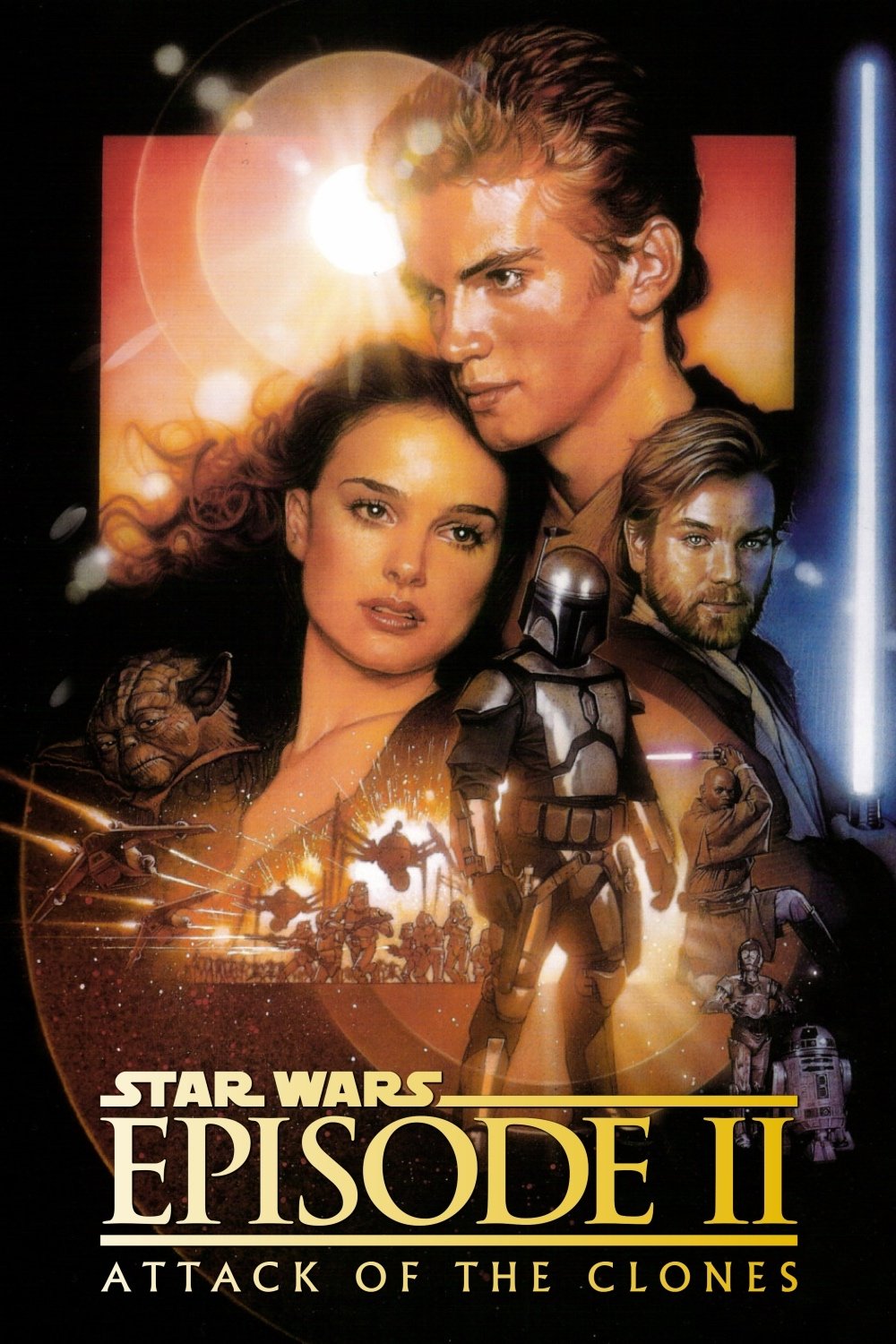
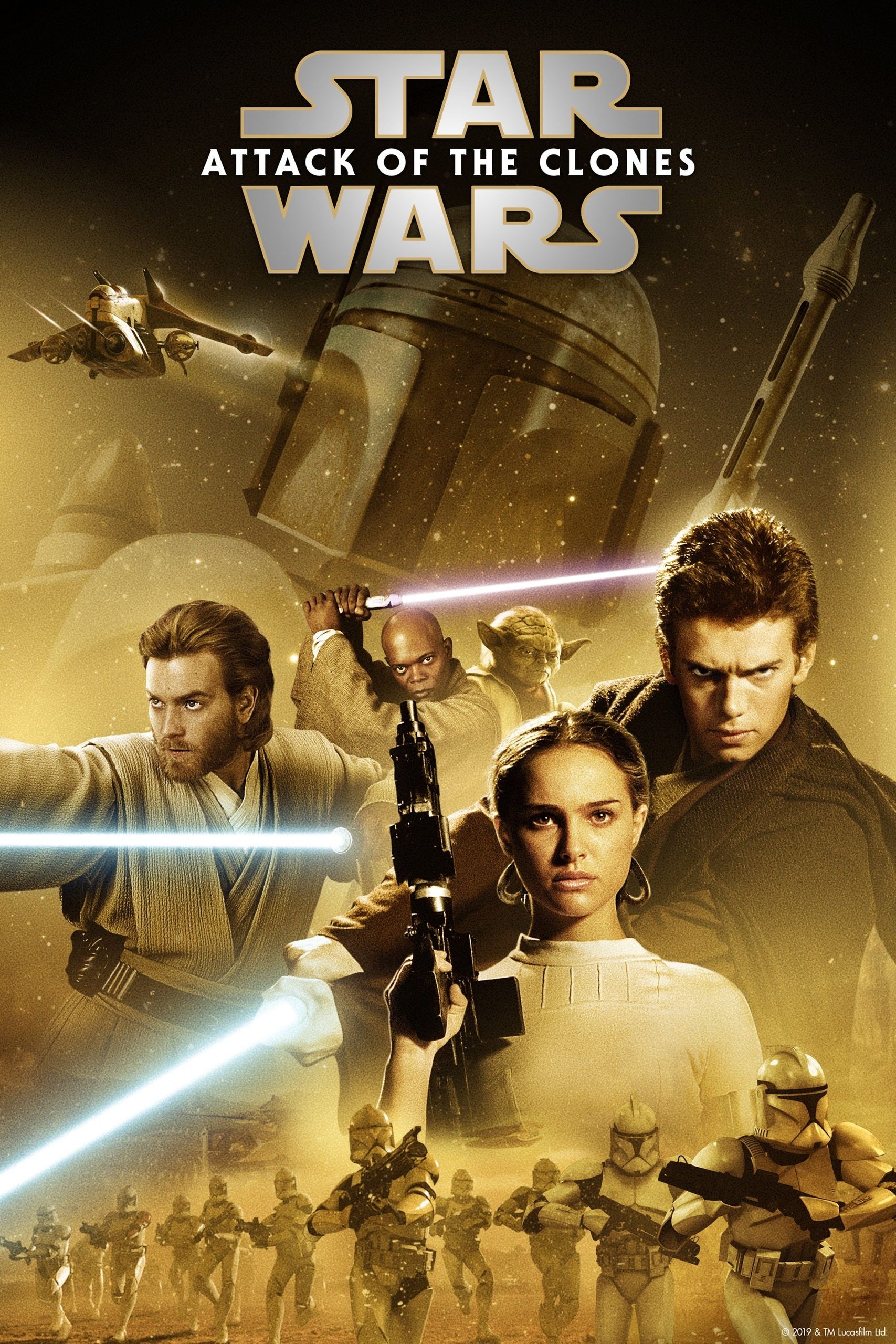
A clear improvement on The Phantom Menace: the Coruscant chase is a proper set piece, Ewan McGregor and Christopher Lee know exactly what they are doing, and the last act delivers. Between them sits a romance so stiff it stalls the film for an hour.
George Lucas’s second prequel picks up a decade after The Phantom Menace, with the Republic fraying and a senate arguing about whether to raise an army. It is a better film than its predecessor in almost every part that can be measured: the plot can be followed, the jokes are quieter, Jar Jar Binks has been reduced to a walk-on. It also stops dead for the better part of an hour to stage a courtship that would embarrass a school play. Both things are true for all of its 142 minutes.
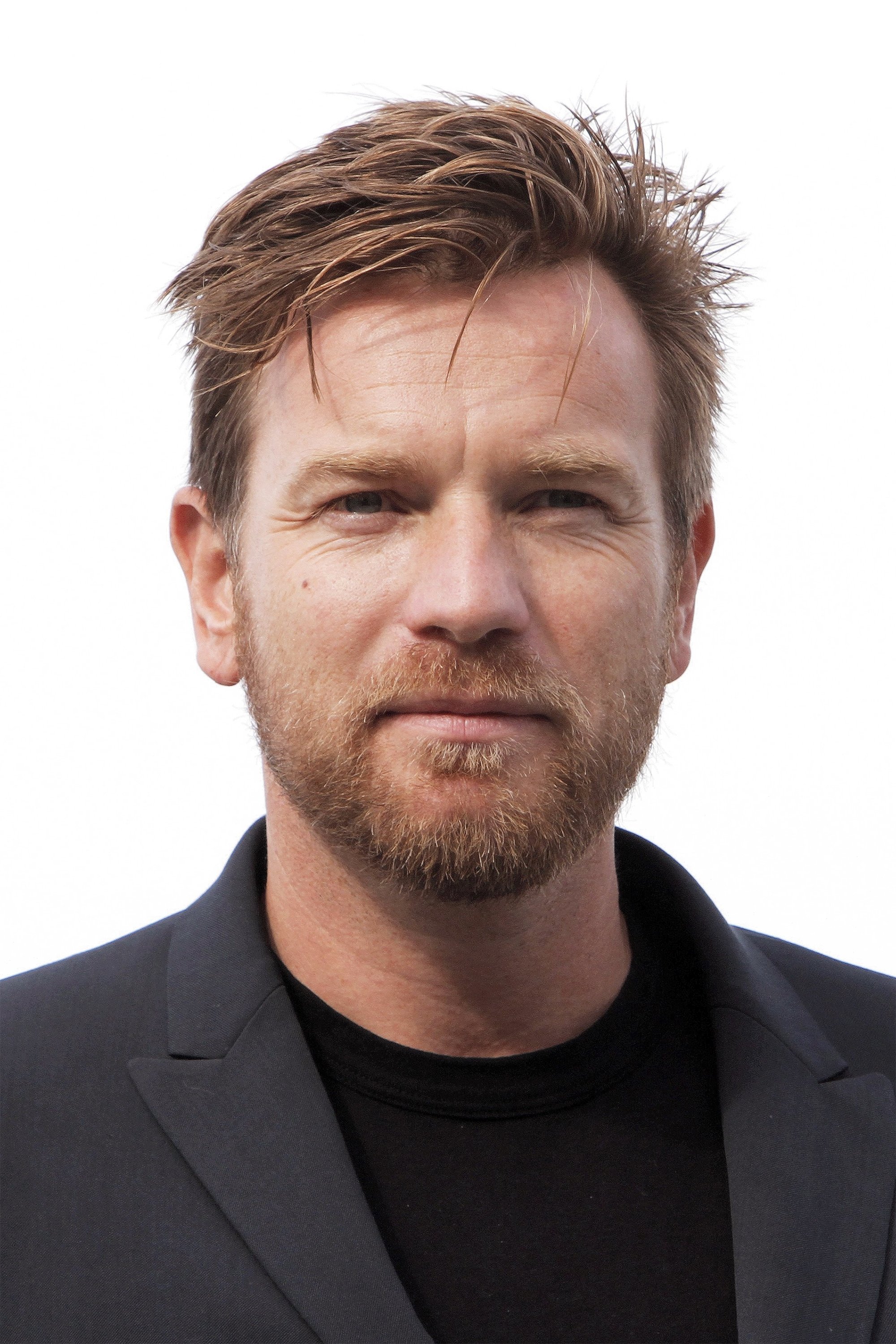
Senator Padmé Amidala (Natalie Portman) lands on Coruscant and her ship is blown apart on the pad; a second attempt comes through a bedroom window; Obi-Wan Kenobi (Ewan McGregor) and Anakin Skywalker (Hayden Christensen) go out of that window after the assassin, Zam Wesell (Leeanna Walsman). Gavin Bocquet’s Coruscant is a city of stacked motorways and neon canyons, and Ben Burtt cuts the chase as a run of near misses rather than a blur, so we always know which speeder is which. McGregor is the film’s steadiest presence, dry, faintly exasperated, sounding more like Alec Guinness with every scene, and he carries the detective plot that follows: a poisoned dart, a missing planet, a world of rain and white corridors called Kamino where an army has been grown to order. Temuera Morrison’s Jango Fett, the man it was grown from, is watchful, unhurried and the best new character here.
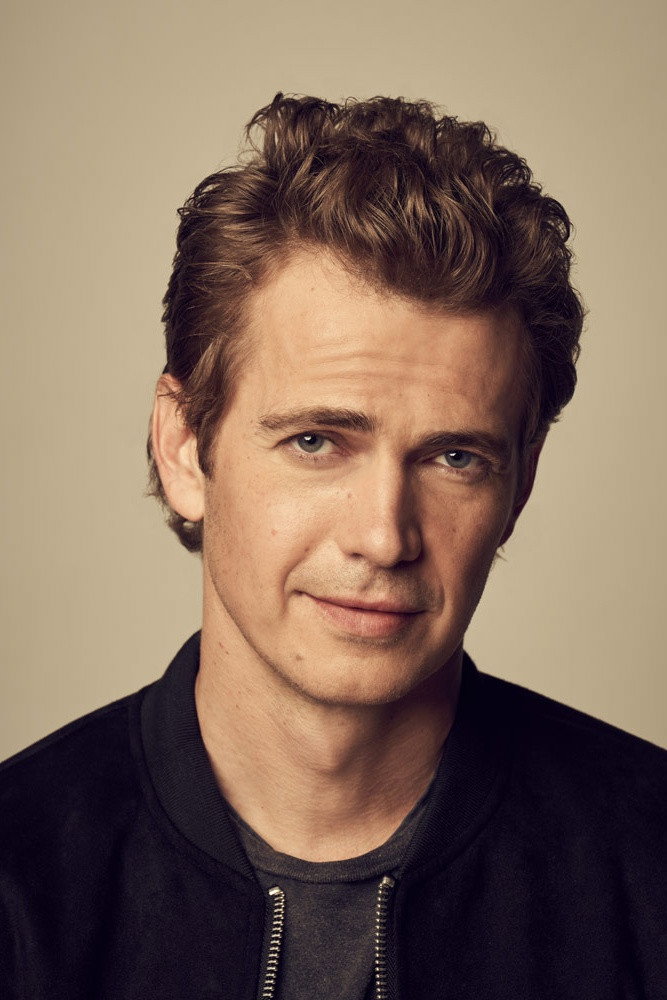
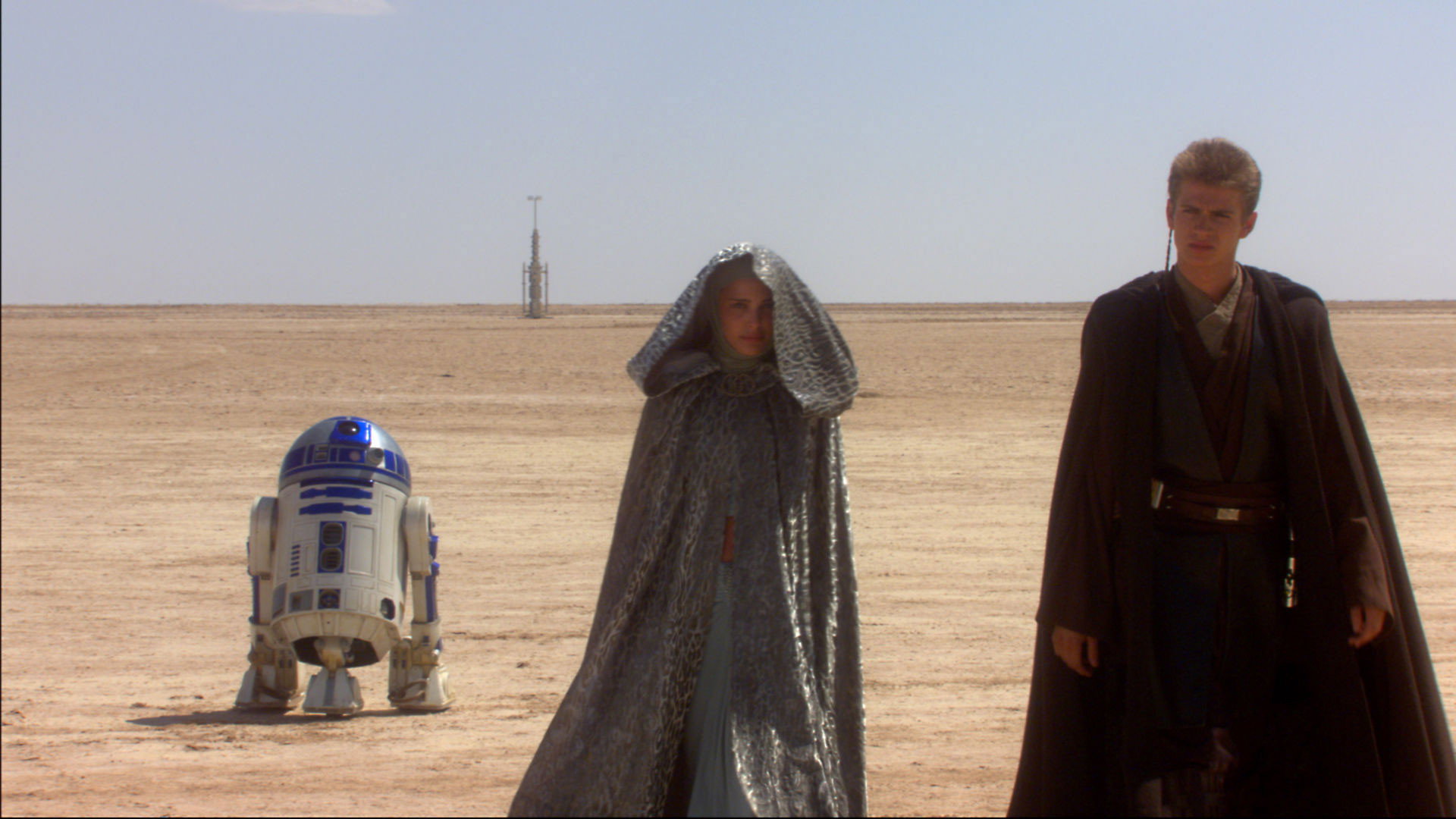
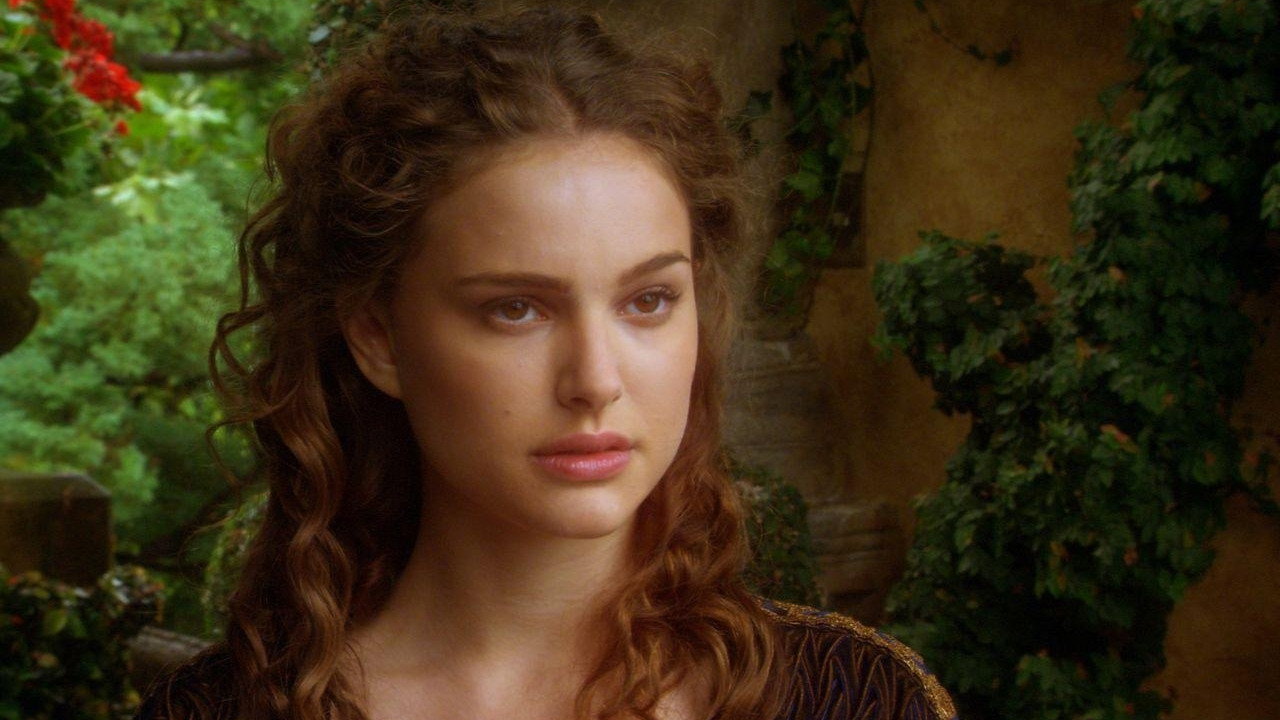
Then the story splits, and half of it goes to Naboo. Anakin is sent to guard Padmé at a lakeside retreat, and the screenplay by Lucas and Jonathan Hales gives them a meadow, a fireside and a pear that floats. What it does not give them is a single line a person could say. Christensen is playing a young man meant to be gifted, arrogant and frightened of himself, and what comes across is sulk. Portman is wooed with a speech about sand, and she visibly does not know where to look. We squirmed, and then we felt sorry for both of them, because the failure is on the page.
Part of the trouble is that nobody is anywhere. Lucas shot this on high-definition digital cameras, and David Tattersall lights it cleanly and evenly, which is what the compositing needs and the opposite of what a love scene needs. Bocquet’s designs are handsome, the Kamino cloning halls above all, and Trisha Biggar’s costumes, all embroidery and structured collars, are often the only solid thing in the frame. But you can see the actors deciding where the wall is.
For ten minutes on Tatooine, the film finds something. Anakin goes looking for his mother, Shmi (Pernilla August), and instead finds Cliegg Lars (Jack Thompson), a moisture farmer with news. We will not say what happens next. What we will say is that Christensen, given a scene with no speeches in it, is good; that John Williams, who has spent much of the film at full volume, goes quiet; and that we were more affected than we expected to be by a film that had spent the previous hour losing us.
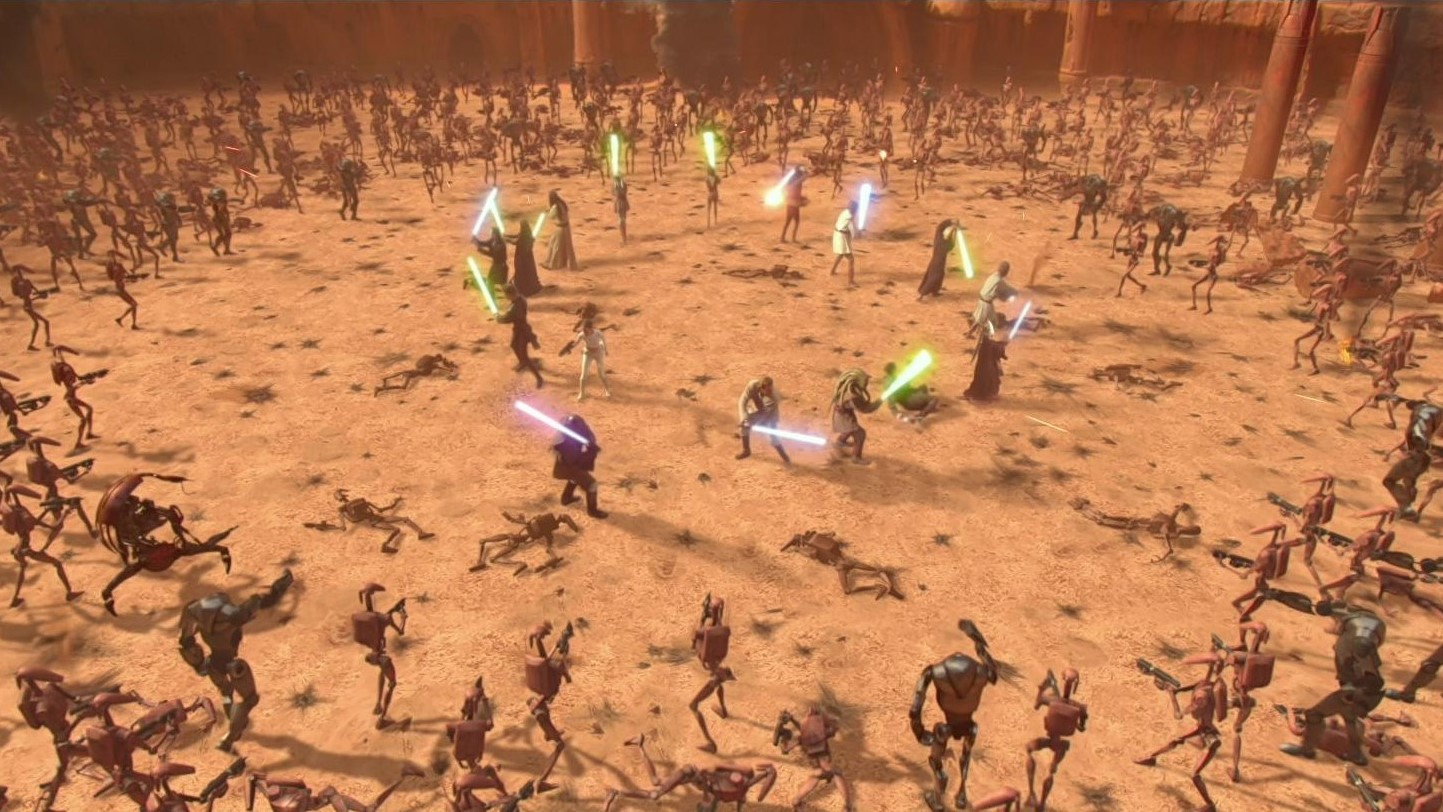
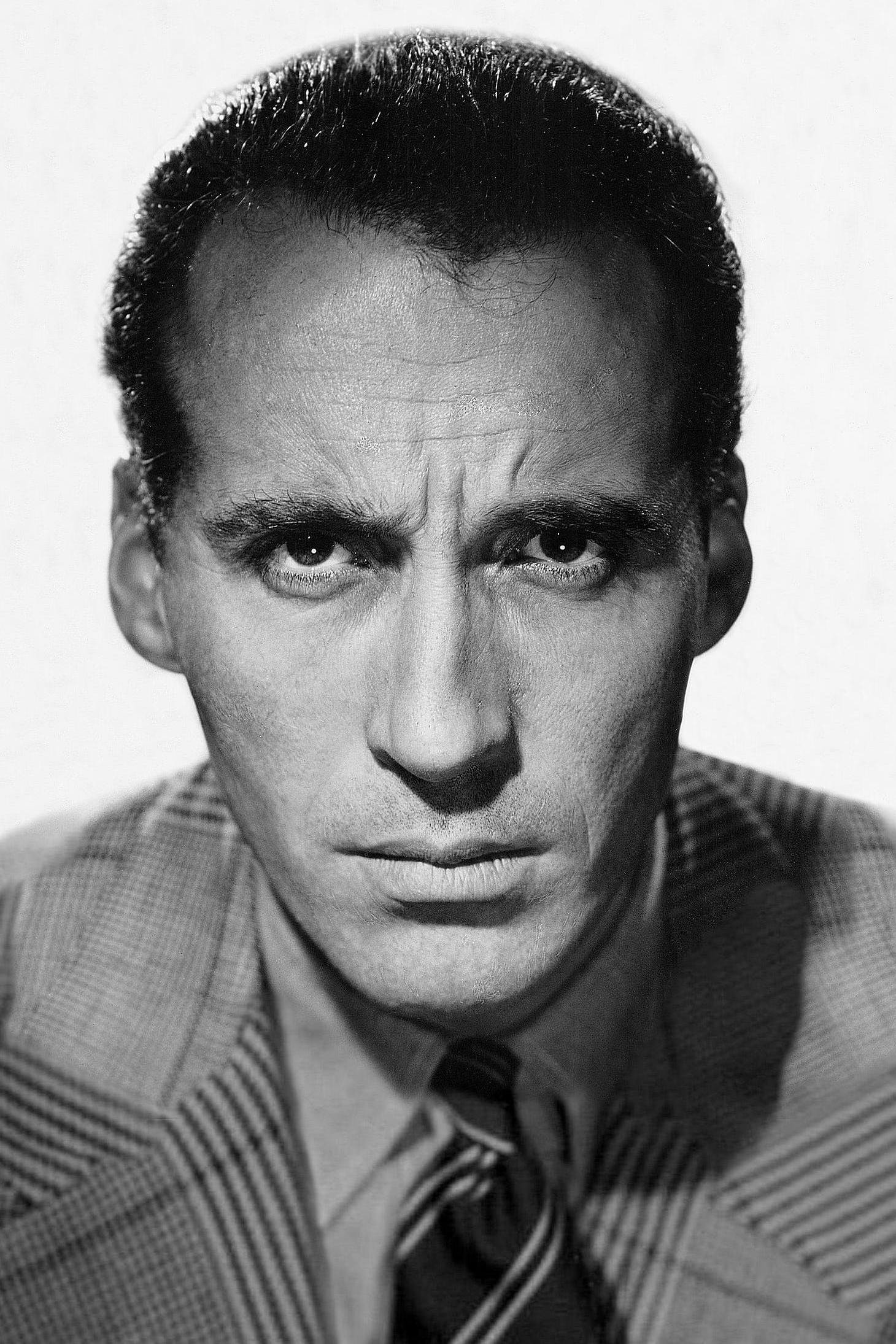
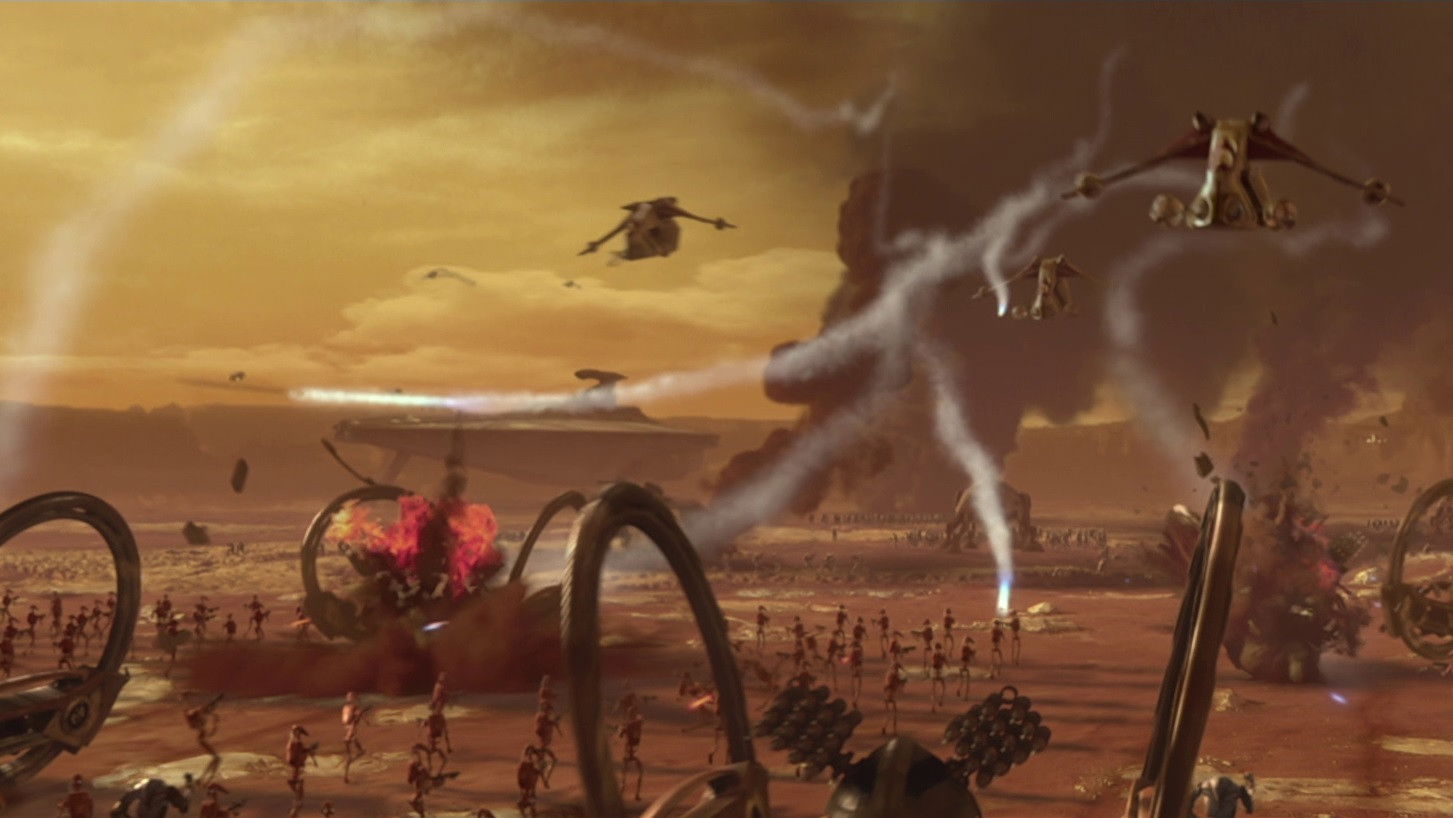
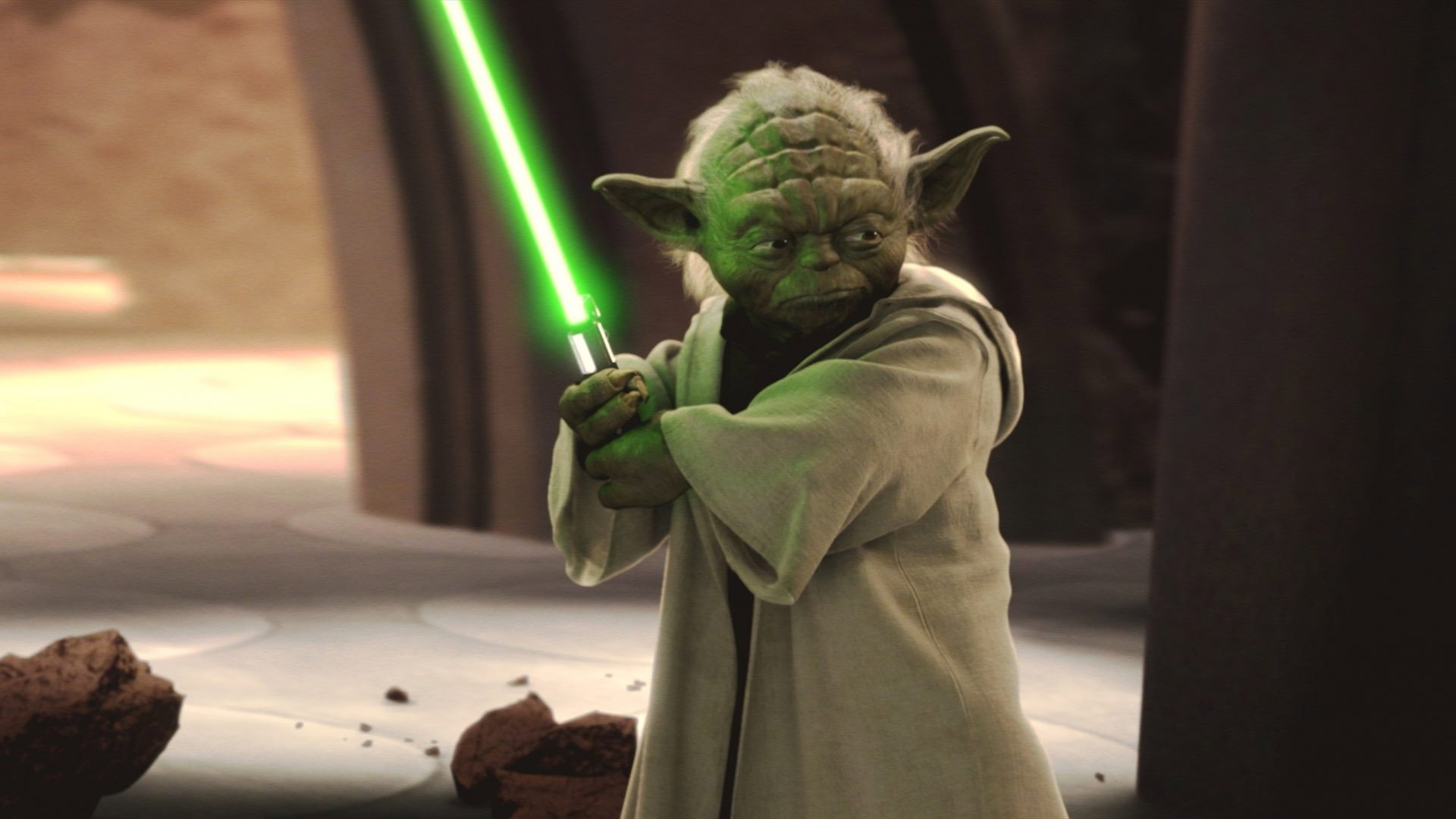
The last act moves to a desert world, an arena and a hangar, and it is where most critics who forgave this film found their reasons. Christopher Lee’s Count Dooku arrives late and is the one villain in the series who sounds as though he has read a book; he addresses Obi-Wan as one gentleman to another. Samuel L. Jackson’s Mace Windu finally gets to stand up. Ian McDiarmid’s Palpatine watches from the senate and enjoys himself. There is a duel we will leave for you. Williams gives the battle a proper march, Burtt cuts it like a war film, and for half an hour it is the adventure serial the series was always meant to be.
The original three films had a scoundrel on hand to puncture the mythology; these have none, and it shows. See this one for the chase, the rain planet, McGregor, Lee and the final act. The hour on Naboo is where you make the tea. It carries a PG.