Denis Villeneuve’s Dune is rewarding science fiction for the patient, with imposing spacecraft and a persuasive mother-son relationship. Its solemnity can become wearing, and the first-part structure leaves too much unresolved.
Denis Villeneuve’s Dune takes its alien world seriously enough to risk making an evening there feel like work. We think the visit is worthwhile, provided science fiction is your thing and you can tolerate a story that is only partly told. Adapting Frank Herbert’s novel, Villeneuve gives the struggle between aristocratic powers room to unfold at a stately pace. He wants the place to feel enormous and unfamiliar, and he is in no hurry to move us through it.
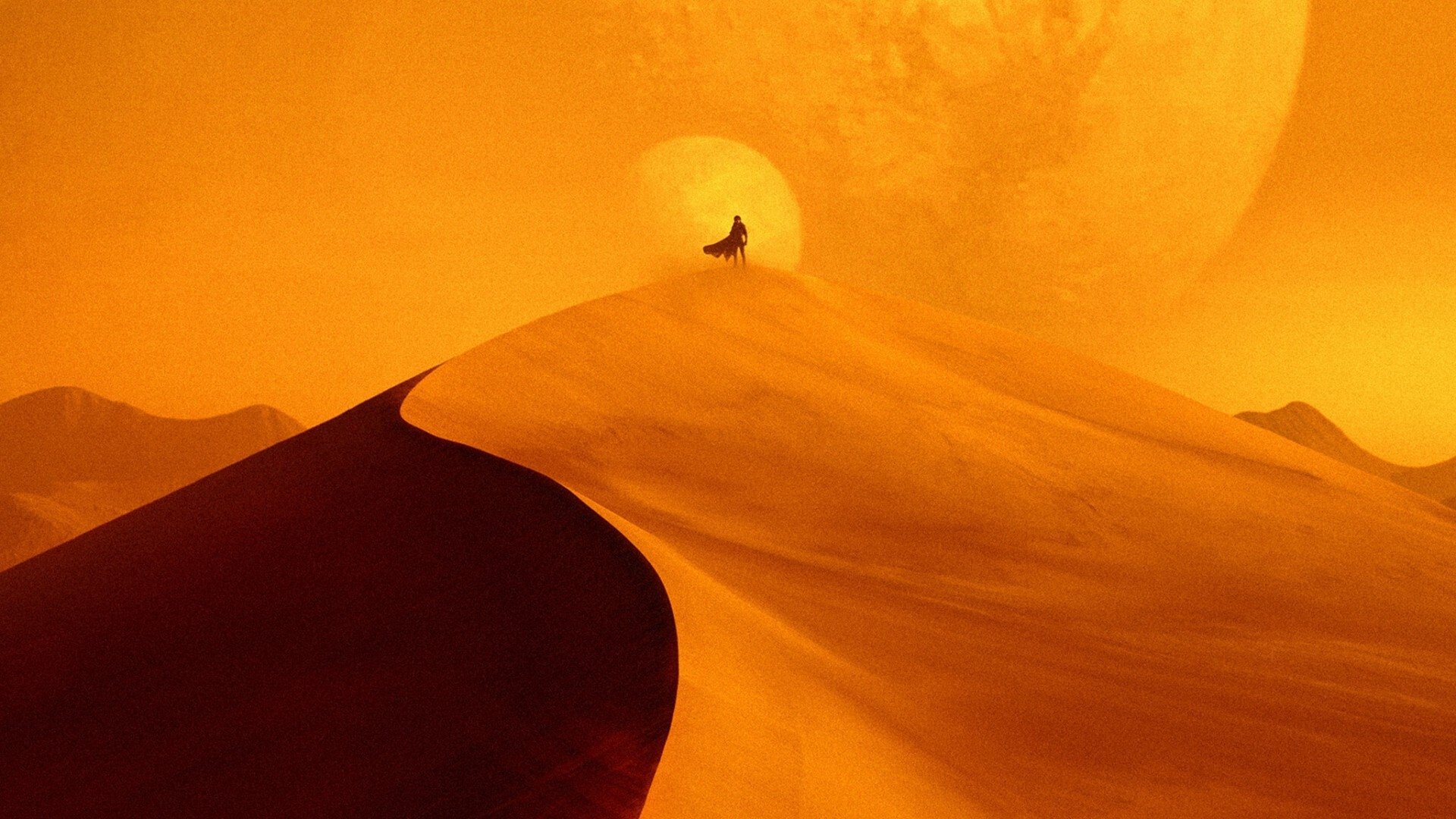
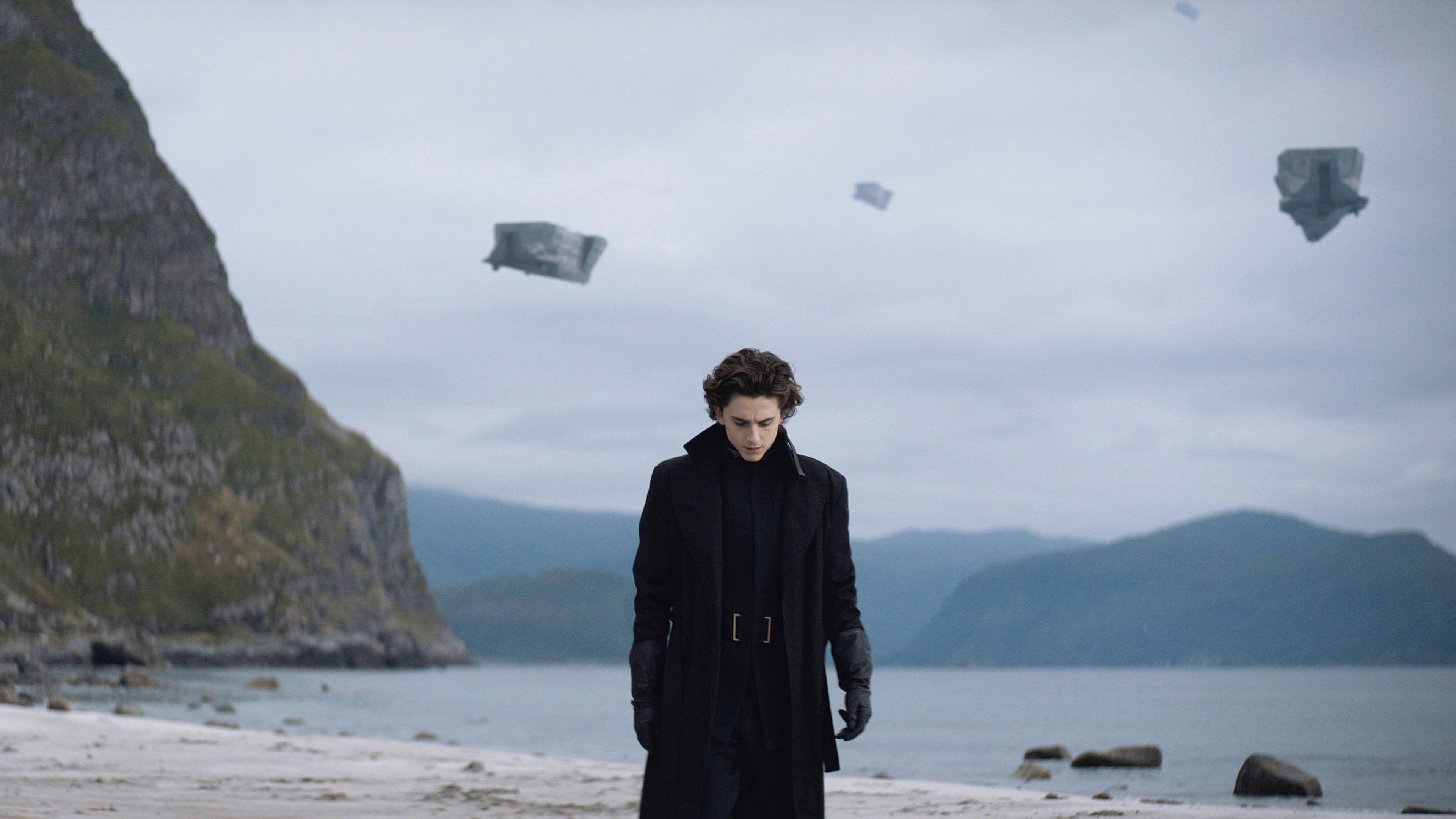
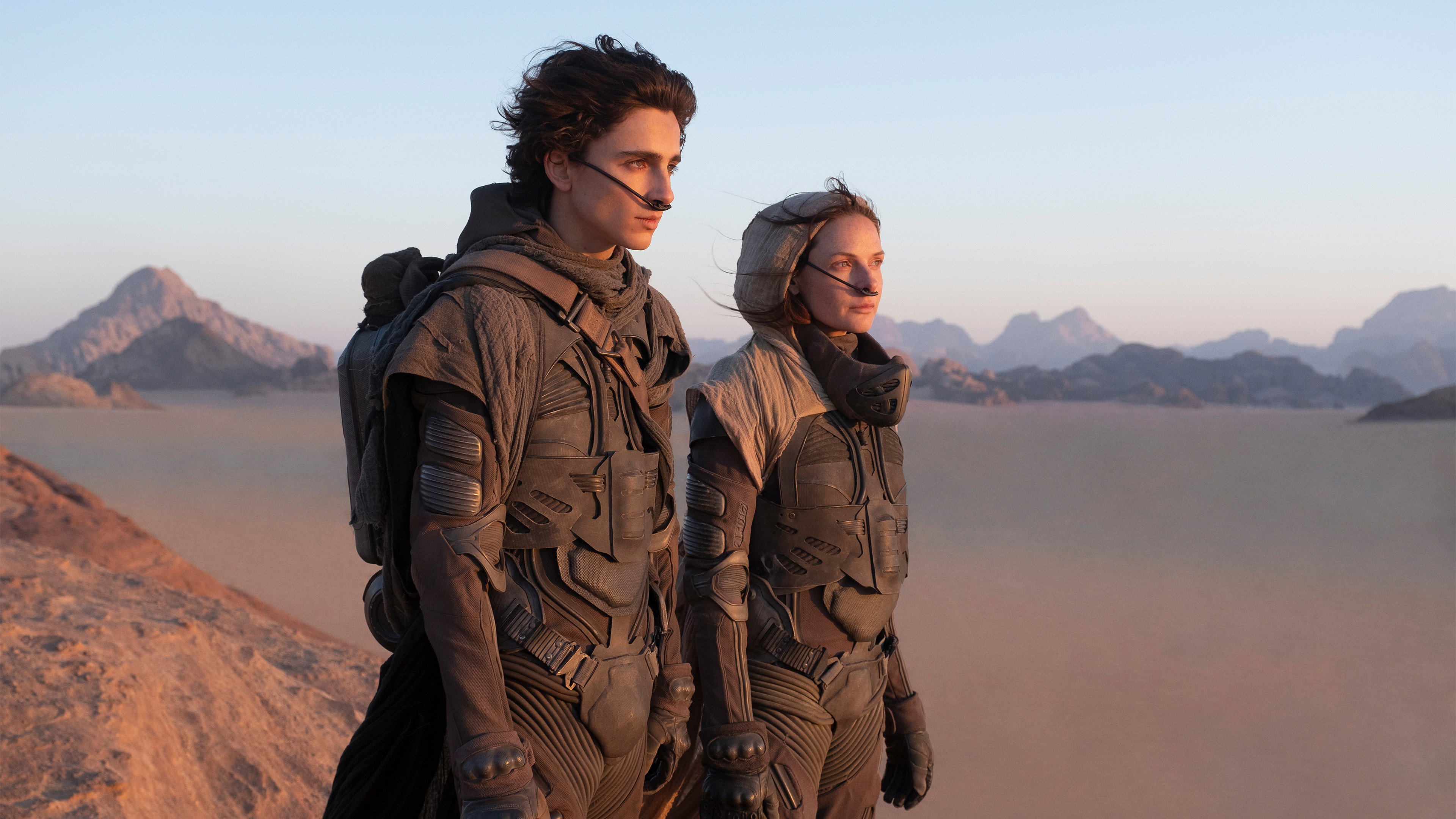
Greig Fraser’s cinematography gives the landscapes and spacecraft enough room for their size to register without constant activity. The ships can hang almost motionless and still hold our attention, which is an achievement in a film with so much hardware to display. We felt properly awed by those still ships; their bulk made us conscious of how little a person would matter underneath one. Patrice Vermette’s production design supports that feeling with architecture that looks built to outlast whoever happens to occupy it.
Hans Zimmer supplies a booming score, and there are stretches when its weight is exactly what these vast images need. The music helps make the unfamiliar world feel physically oppressive, although its insistence can turn a quiet moment into another announcement of significance. Editor Joe Walker allows the spectacle to settle rather than hurrying past it, giving us time to take in the spaces. That patience is less helpful when the film is explaining its world, and the pace starts to feel dutiful.
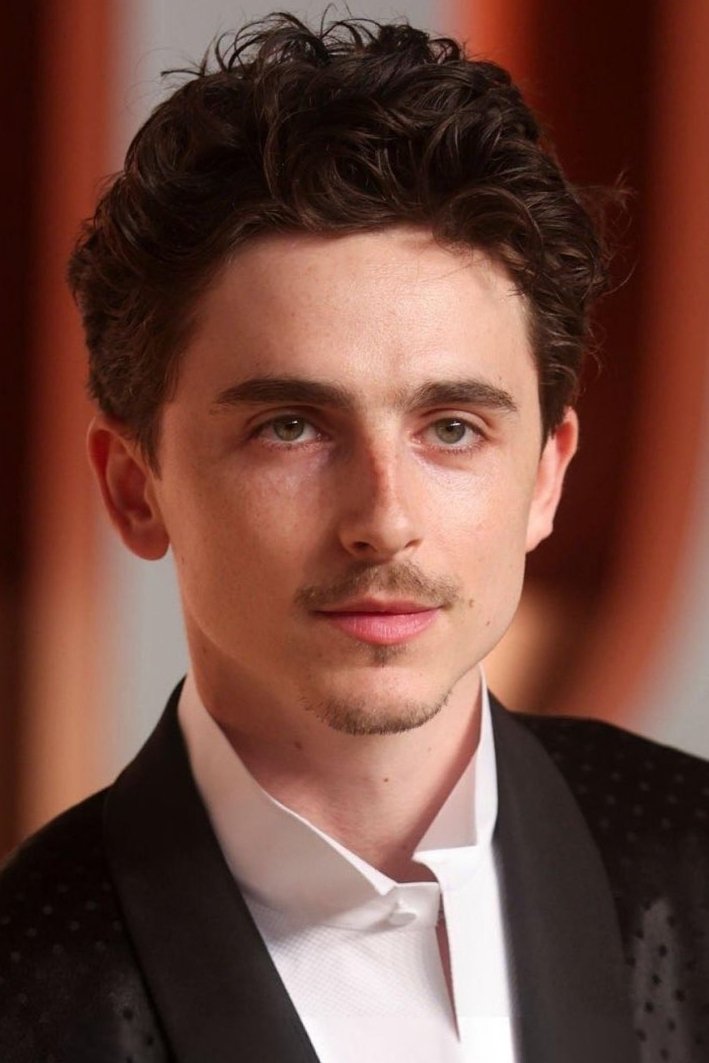
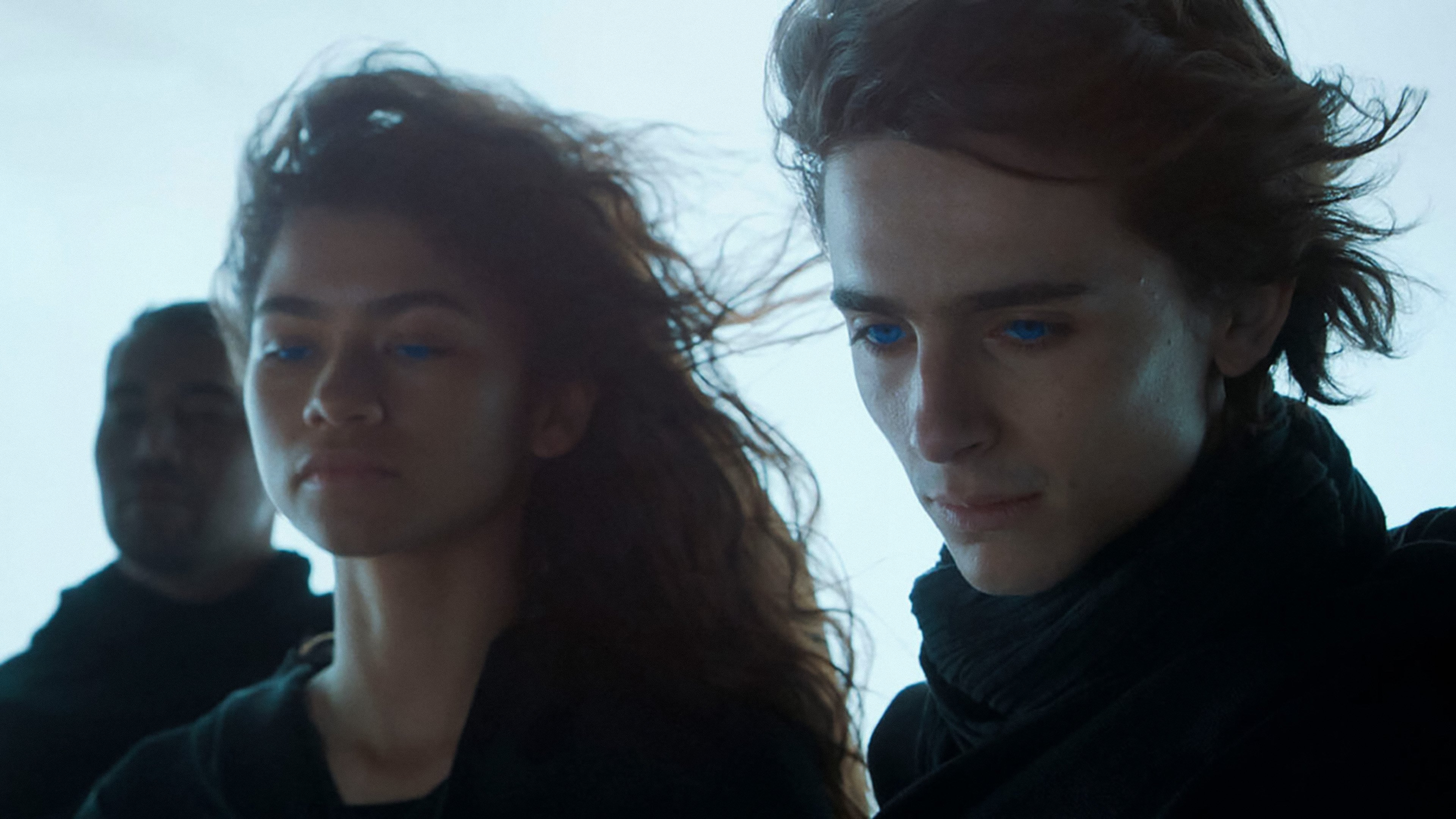
Timothée Chalamet’s Paul Atreides benefits from looking young enough to be troubled by all this responsibility. His reserve sometimes makes him difficult to know, but the coming-of-age story needs that uncertainty more than it needs an immediately commanding hero. Rebecca Ferguson, as his mother Lady Jessica, gives the film its most persuasive relationship. Her concern for Paul makes his youth matter, and their connection kept us interested when the surrounding explanations threatened to reduce him to another name to remember.
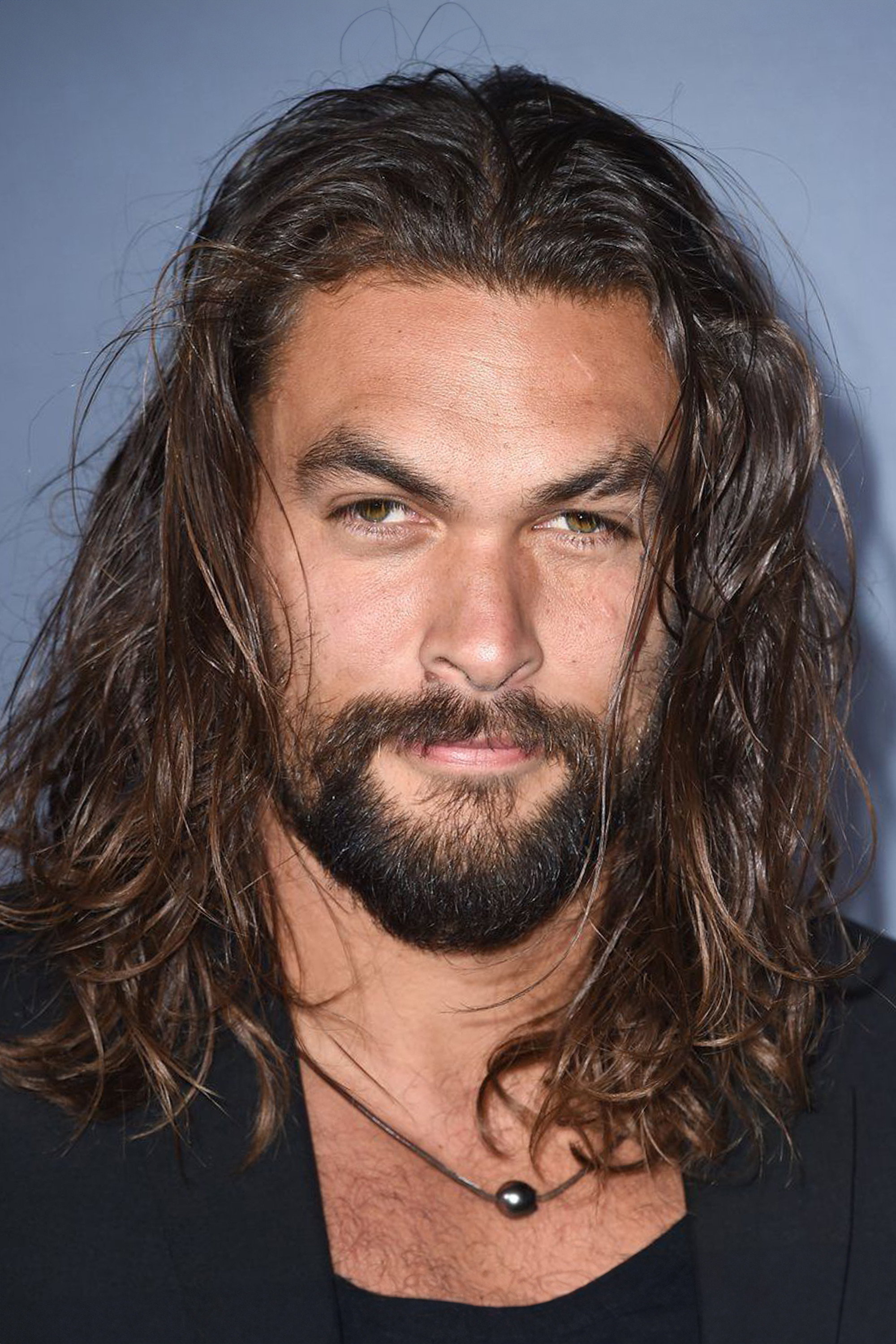
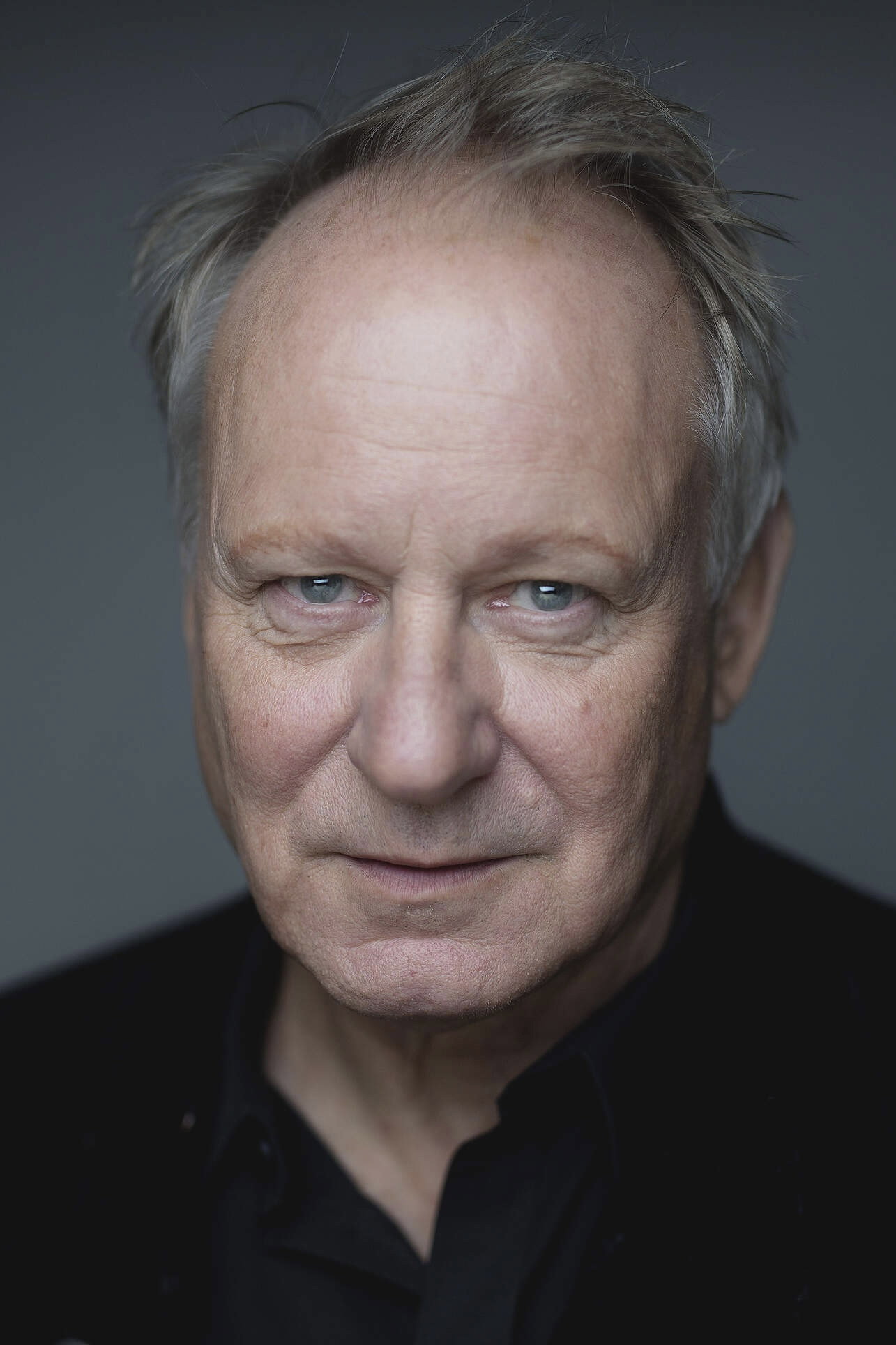
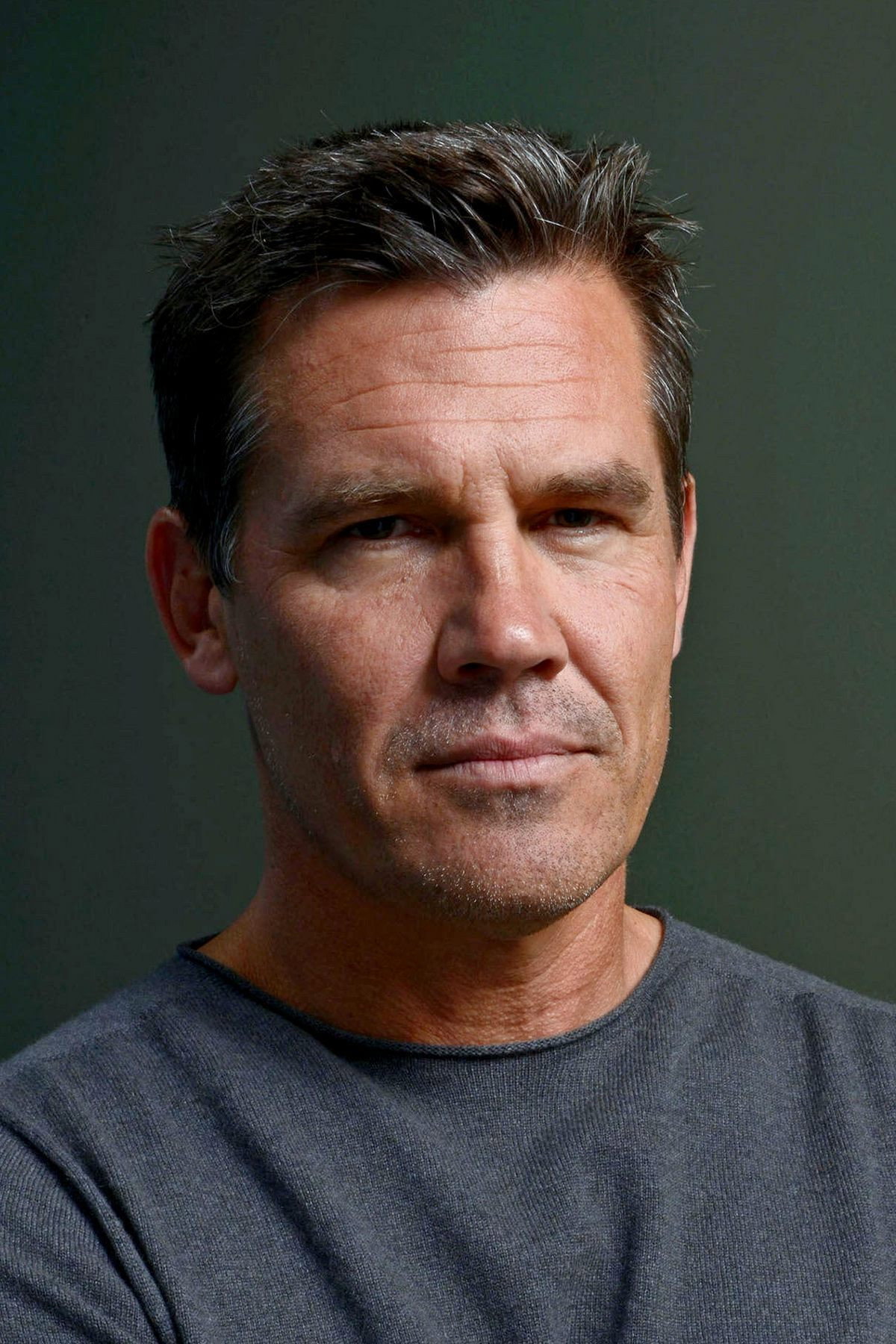
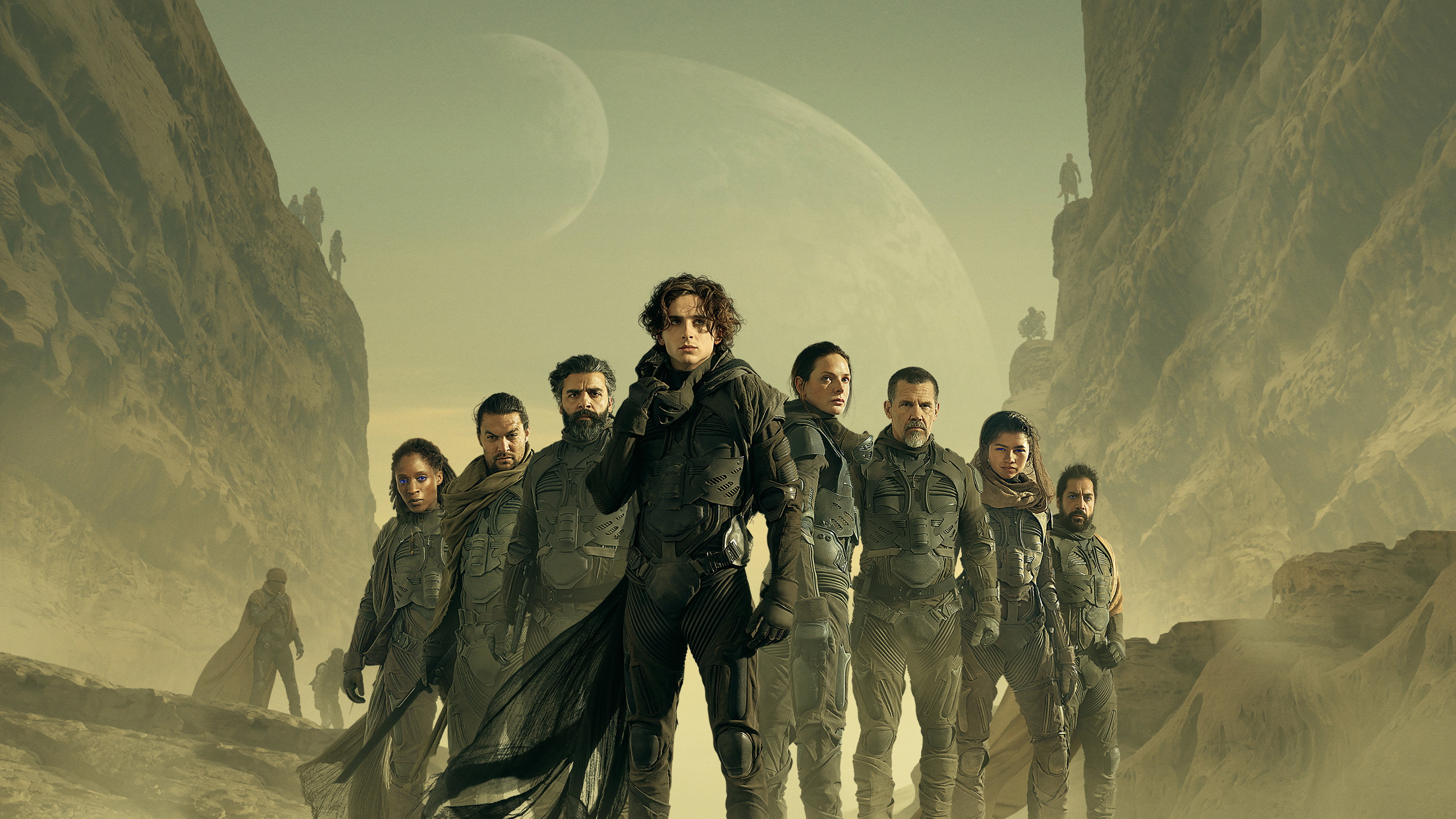
Jason Momoa’s Duncan Idaho provides a welcome, more direct kind of presence, while Stellan Skarsgård makes Baron Vladimir Harkonnen suitably menacing. The cast gives us reasons to keep watching, but the screenplay by Eric Roth, Villeneuve and Jon Spaihts does not always give those performers enough room. Too much attention goes on establishing the world before we have much reason to care about the people in it. The supporting characters are especially vulnerable to becoming another piece of information in a film already busy explaining itself.
As a science-fiction adventure, it is unusually willing to let wonder take time, and that is welcome. Its interest in colonialism and religion also gives the struggle for power more weight than a simple contest between noble families would have. Yet Villeneuve’s solemn approach can make everything seem equally important, so that the exposition receives nearly as much emphasis as the things we came to see. A little more variation in tone would help the politics as well as the pace.
The chief reservation is that this is only the first part of the story, and the film does not make that incompleteness feel satisfying. At 155 minutes, it has asked for enough of an evening to make the lack of resolution matter. There is still ample reason to see it in Fraser’s images, Vermette’s buildings and the uneasy closeness of Paul and Jessica. Put the phone away before starting; the unfamiliar names are quite enough to keep track of.