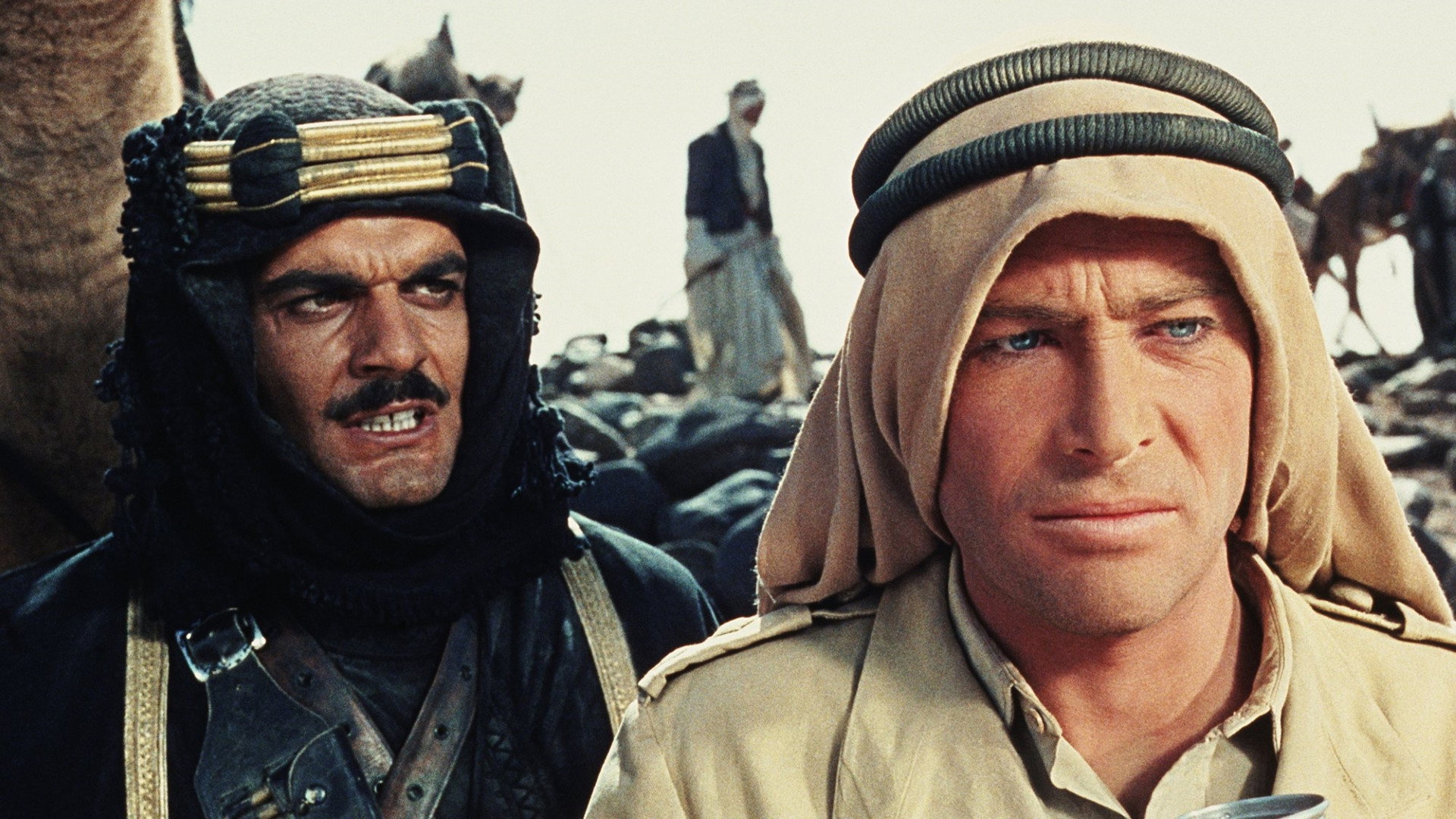
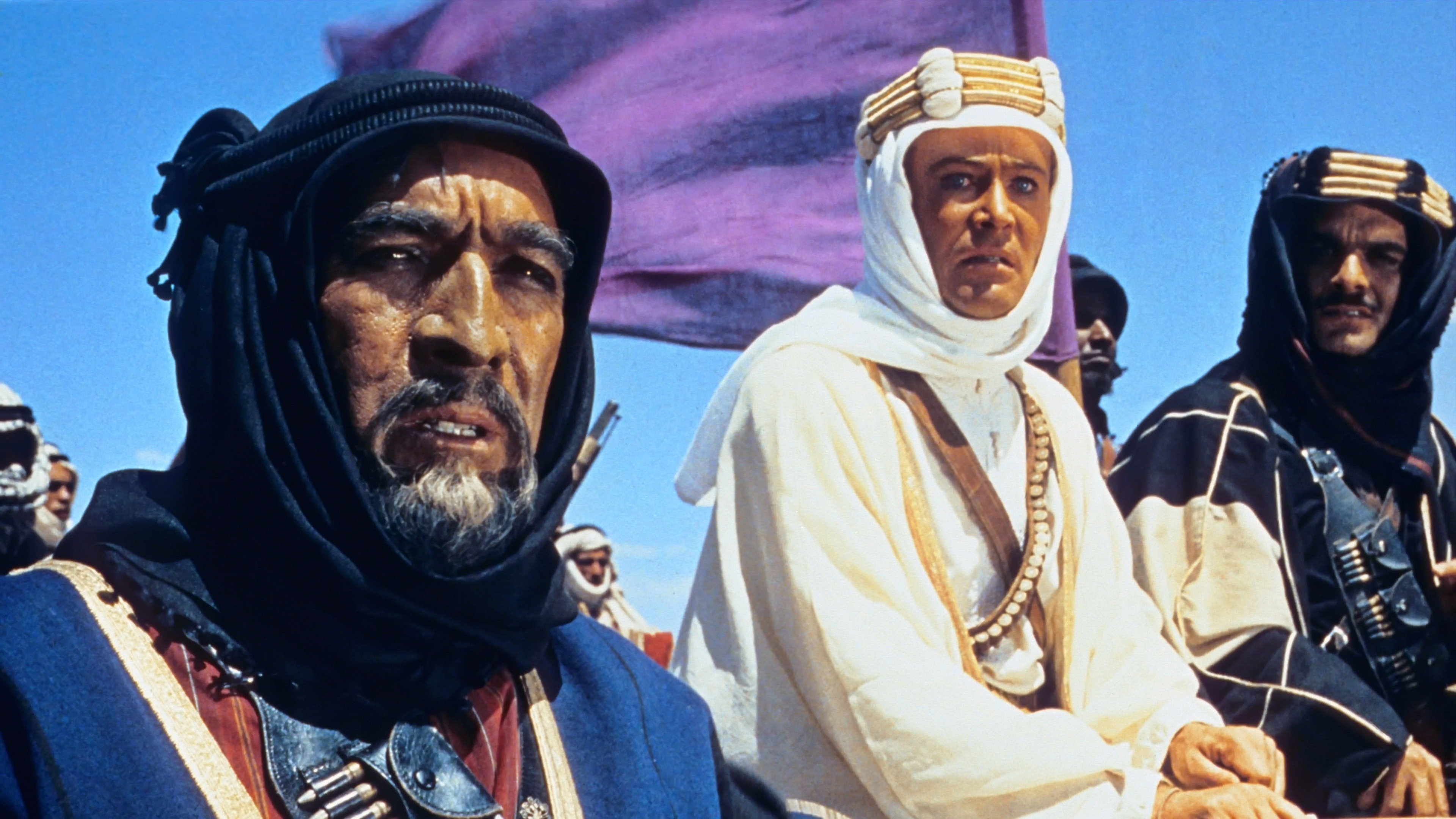
David Lean’s desert adventure earns its length through Peter O’Toole’s unsettling performance and an extraordinary command of scale. A few speeches explain too much, but we recommend surrendering an evening to its patience and nerve.
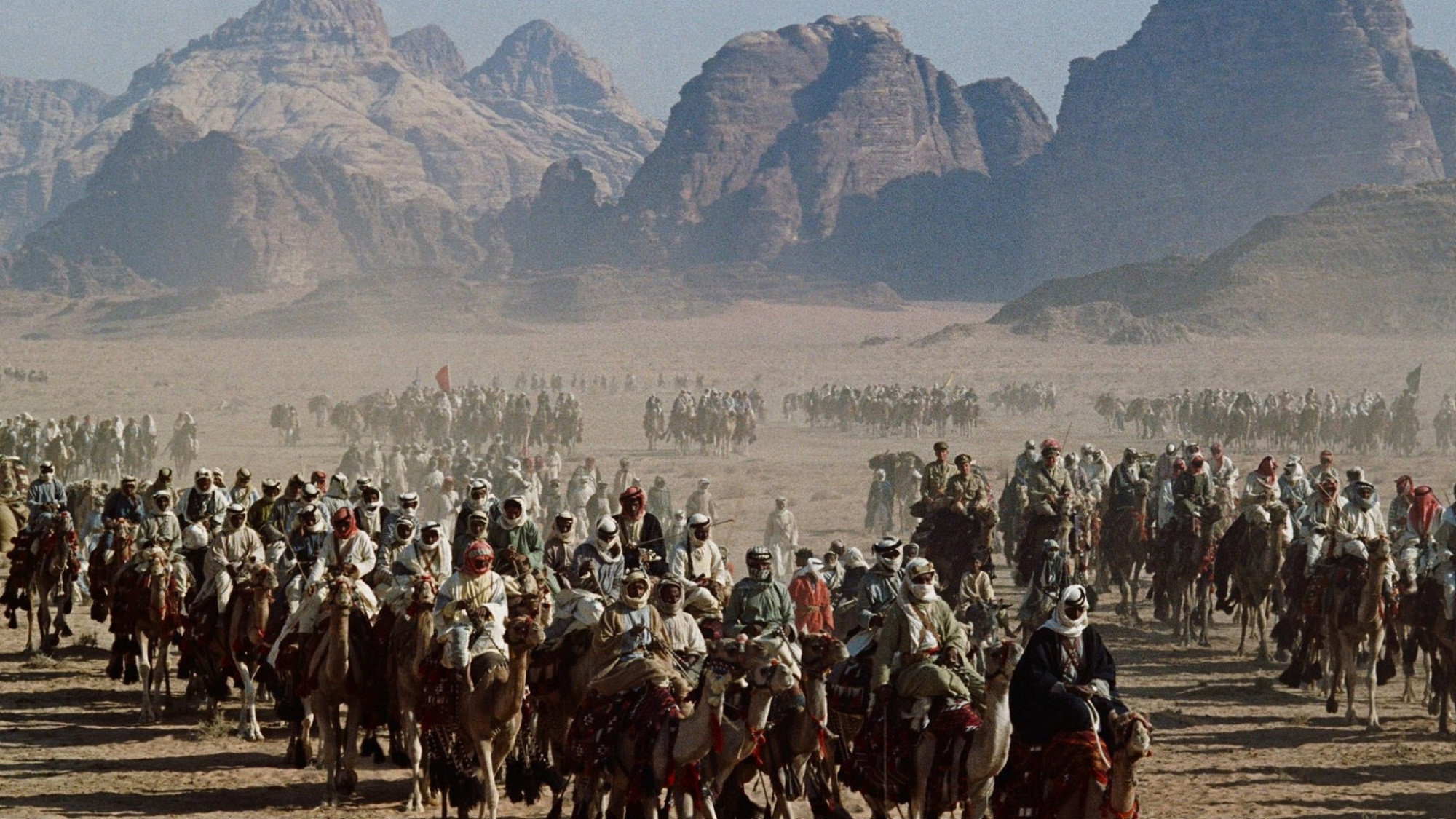
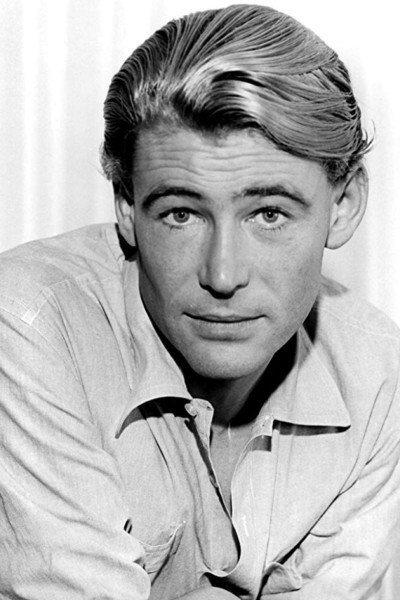
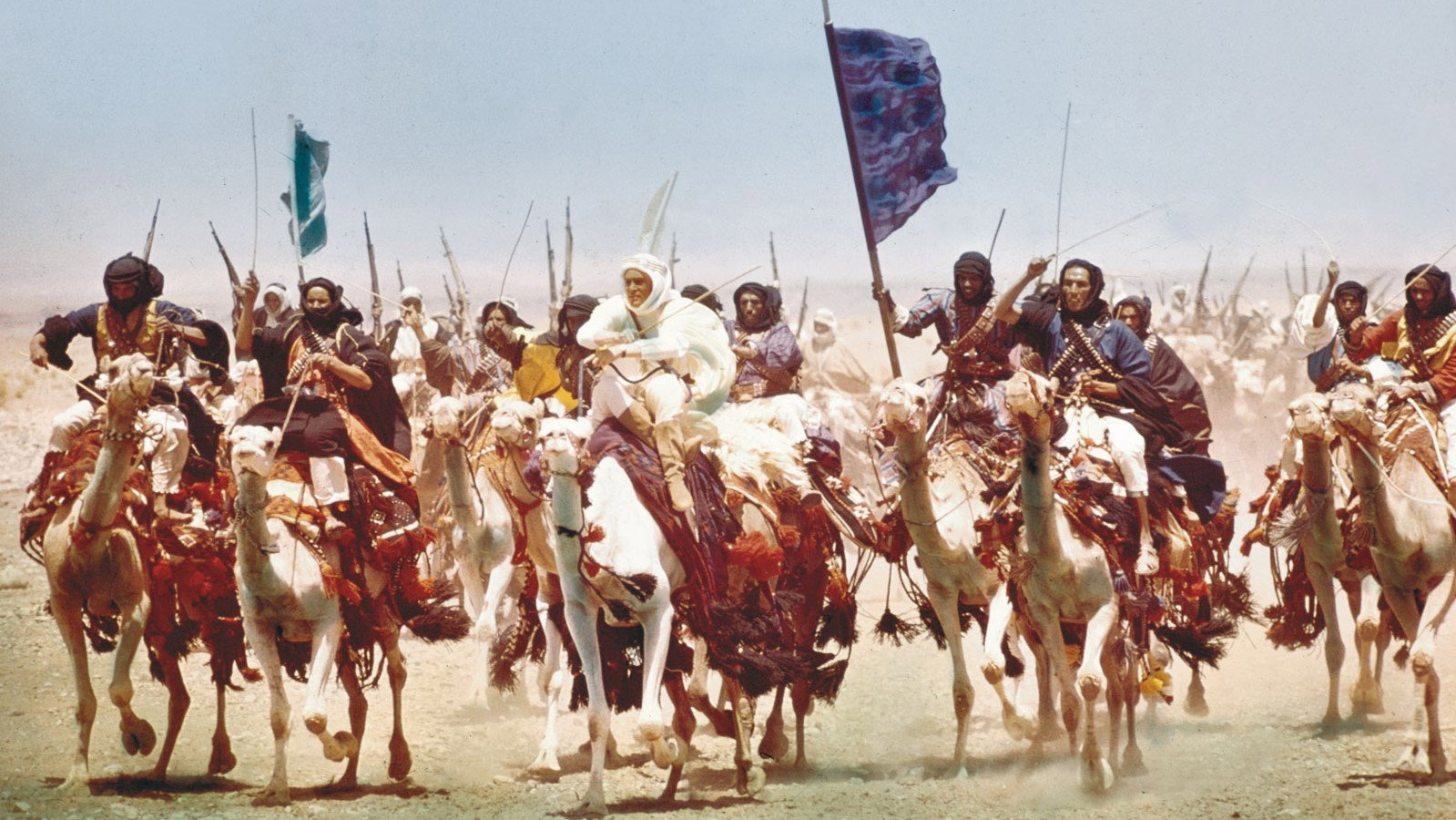
David Lean gives Lawrence of Arabia 228 minutes, and we would not ask for many of them back. It earns that time through Freddie Young’s patient desert photography and Peter O’Toole’s disquieting performance as T.E. Lawrence. Lean is making a war adventure with an unusually awkward man at its centre, and he lets that awkwardness persist. We are not asked to settle on a comfortable explanation of Lawrence before the next stretch of desert.
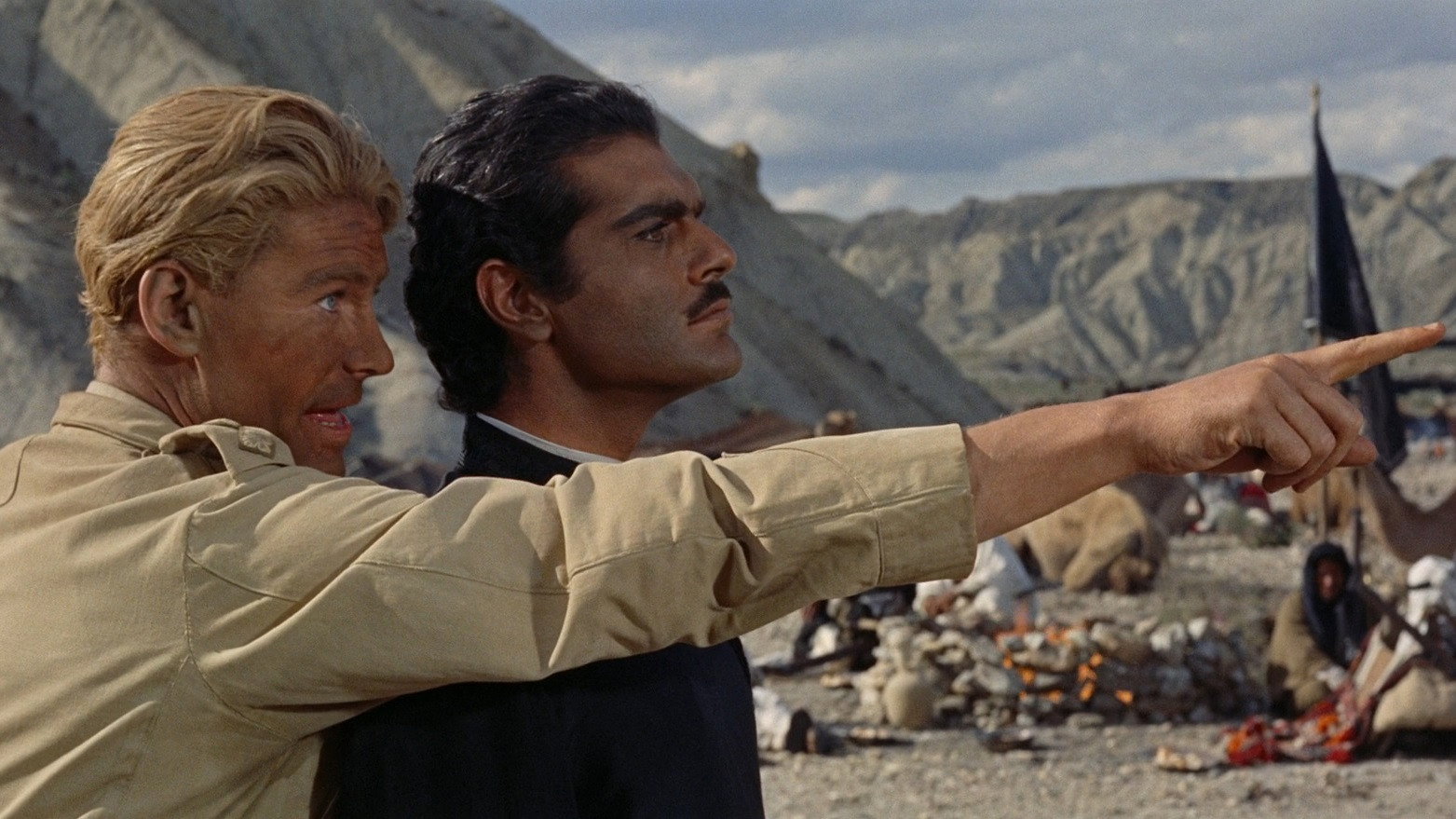
O’Toole makes Lawrence’s strangeness conspicuous, and there are moments when the performance threatens to become too much. Yet the flamboyance keeps the character from settling into the usual capable adventurer, simply doing what the story requires. We remain interested in what Lawrence thinks of himself, partly because O’Toole makes that opinion seem changeable. Robert Bolt and Michael Wilson’s screenplay gives him room for those contradictions, particularly when its satire of imperial attitudes makes the supposedly sensible people look no more reliable.
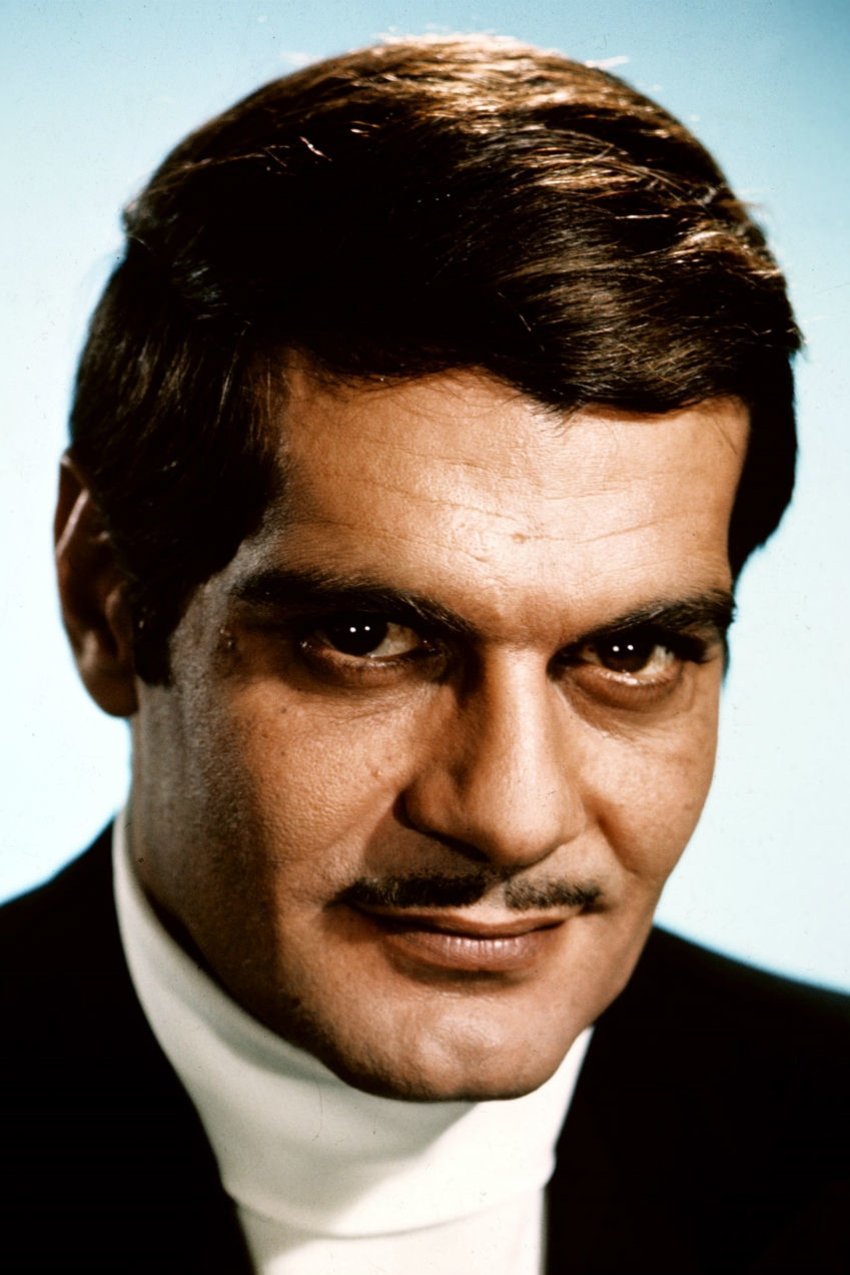
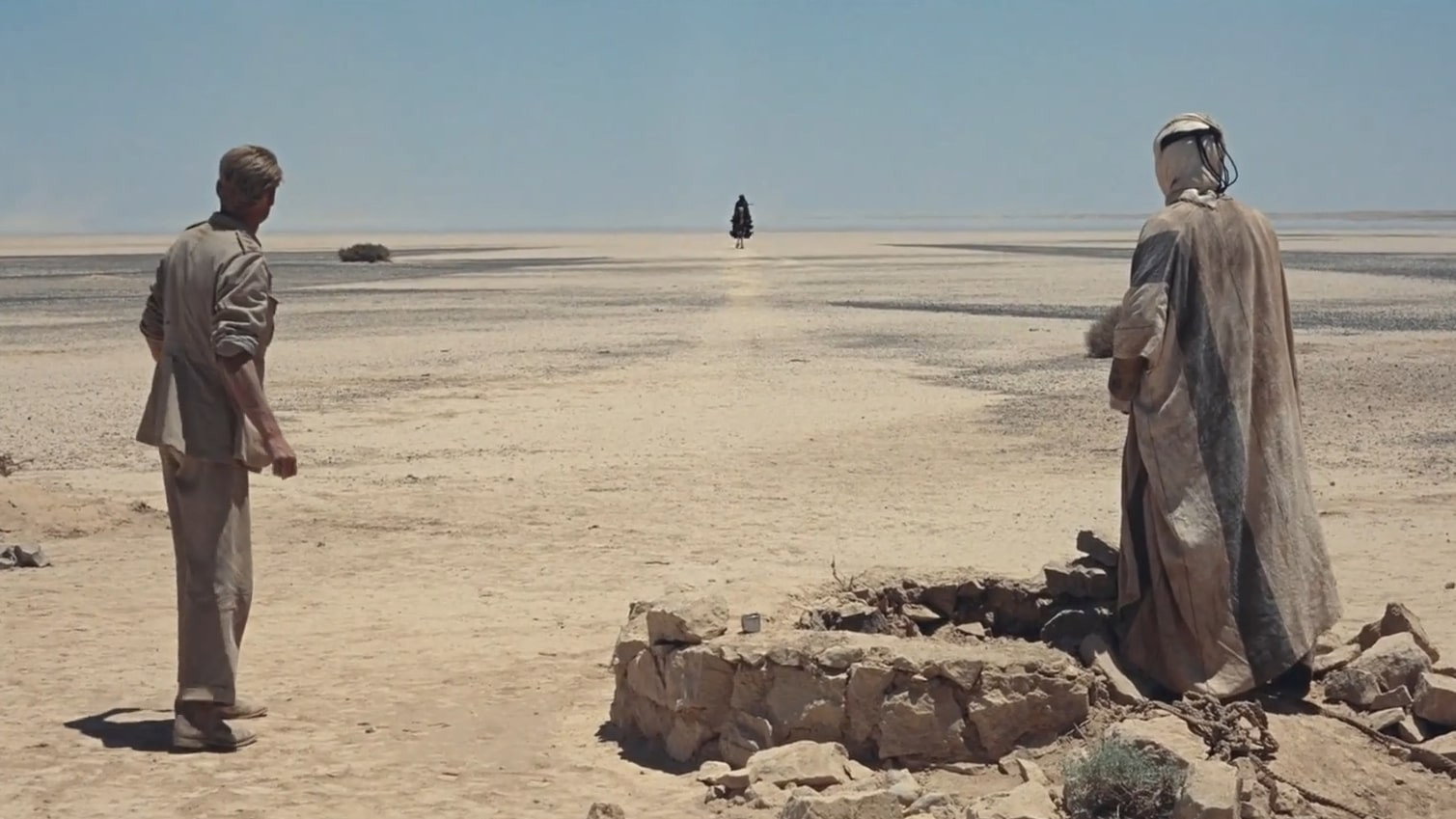
Young’s desert photography gives Lean a practical way to make human confidence look fragile. In the introduction of Omar Sharif’s Sherif Ali, an approaching figure occupies a distant point on the horizon, and the distance itself holds our attention. We were transfixed by that approach; the film gives us so little to look at and makes us look so hard. Young lets the breadth of the image do the work, while Anne V. Coates’s editing allows the arrival to take its time. The scene establishes a presence before there is much opportunity for explanation.
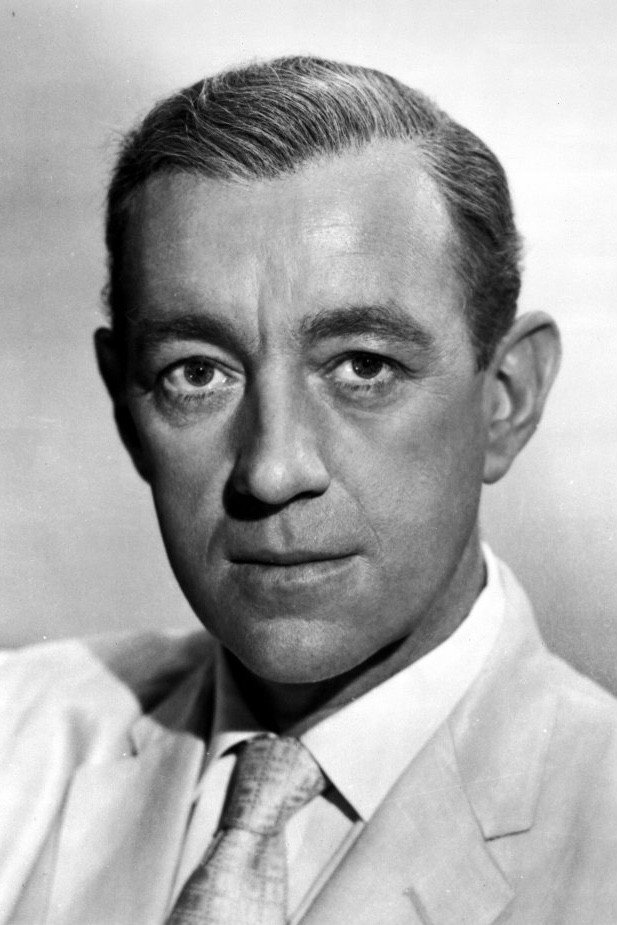
Sharif is particularly valuable because his performance does not depend on matching O’Toole’s flamboyance. We can understand why the camera is interested in him before the screenplay has much to explain. Alongside Alec Guinness as Prince Feisal and Anthony Quinn as Auda abu Tayi, he helps make the story feel populated by more than witnesses to Lawrence. Even when the dialogue becomes formal, the actors keep us attentive to who is doing the speaking.
John Box’s production design gives the historical drama sufficient physical weight to stand alongside the desert photography. The settings feel substantial, and that solidity helps when the dialogue threatens to turn people into representatives of a position. Lean also allows the adventure to wait while we attend to a personality or take in a distance. Coates is essential to that patience: the approach across the horizon would lose much of its force if the editing seemed anxious to get Sharif introduced and move along.
Maurice Jarre’s score sustains the film’s scale, and its force is often a pleasure in itself. There are passages, though, when it presses an emotion that Young’s images have already conveyed. The same tendency affects Bolt and Wilson’s more explanatory writing, which can make a complicated man briefly sound like a subject under discussion. We would trust the performance and the landscape a little more, and the explanations a little less. These interruptions are noticeable because so much elsewhere is communicated without insistence.
At 228 minutes, this asks for a cleared evening and a willingness to wait. We recommend giving it both, with the caveat that its dialogue and music occasionally tell us more than they need to. Choose the largest screen available; Sharif’s entrance deserves more than a squint.