Film review

The Bridge on the River Kwai

1957 · Directed by David Lean · 2h 42m · MPA PG

In a sentencePut Alec Guinness in charge of a bridge and even good workmanship becomes worrying

DramaHistoryWar

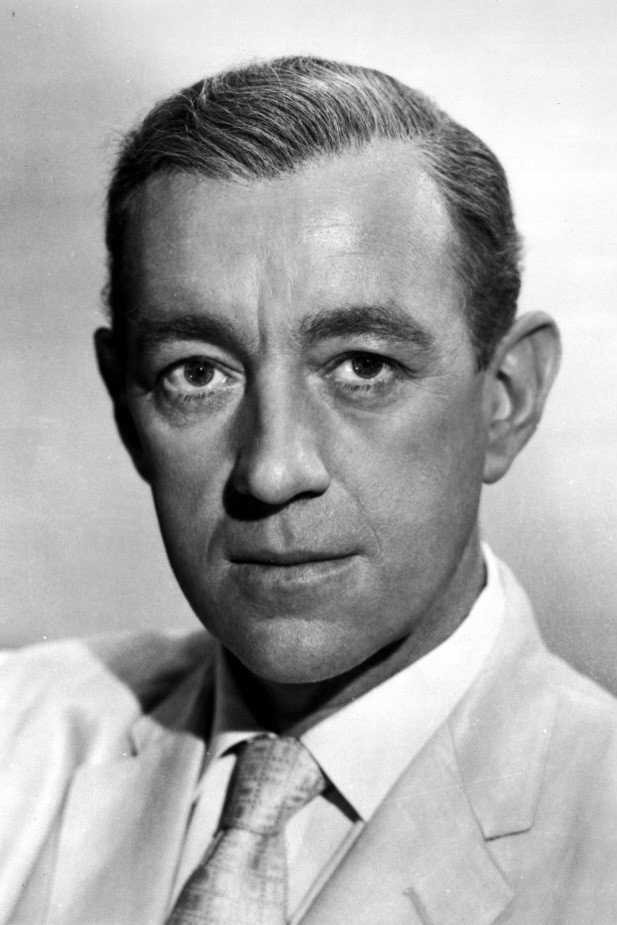
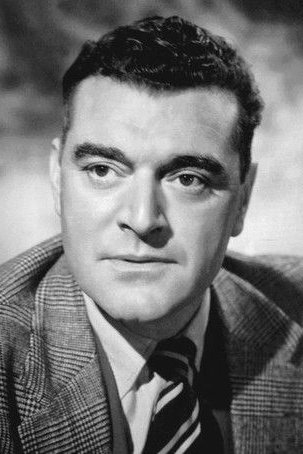
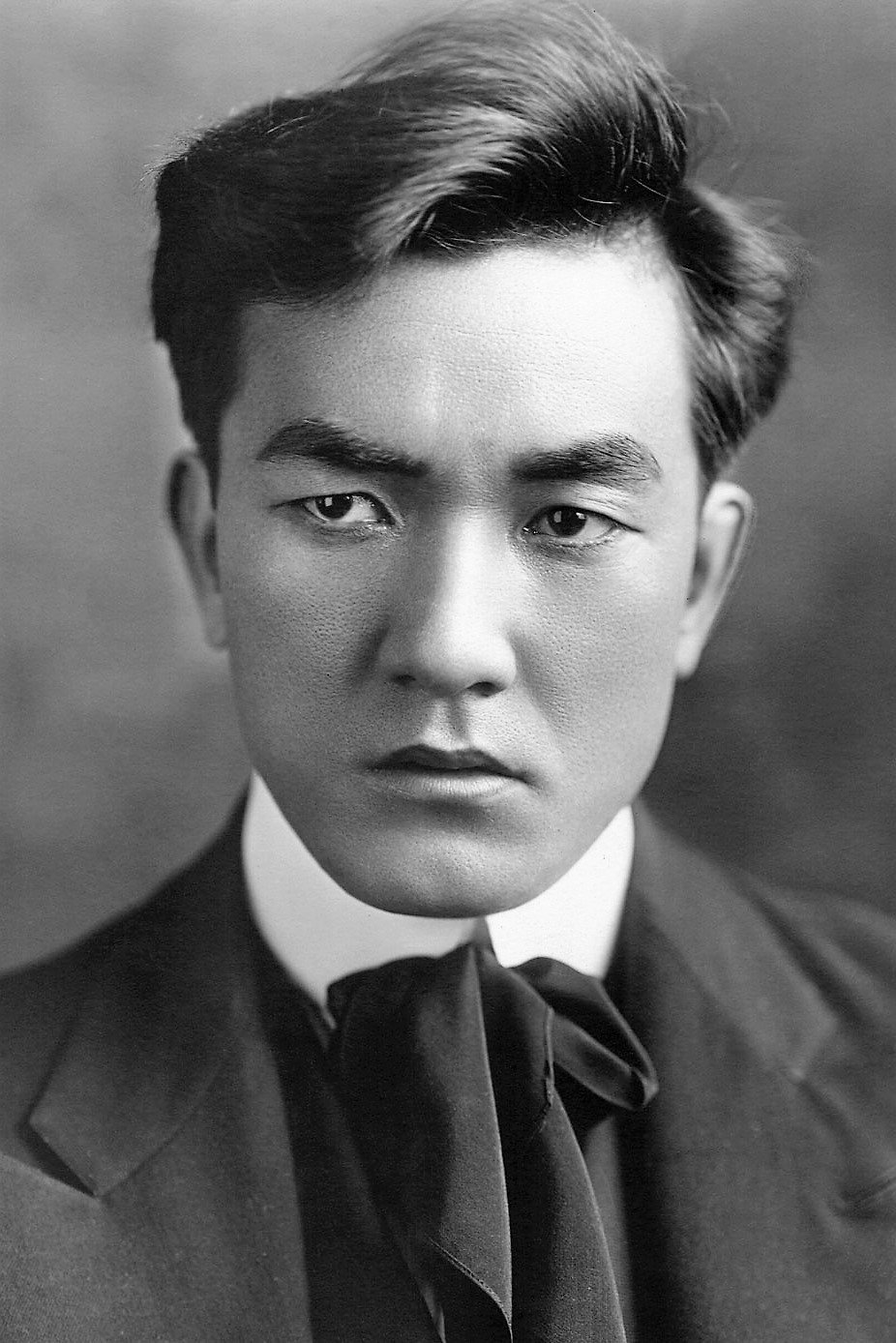
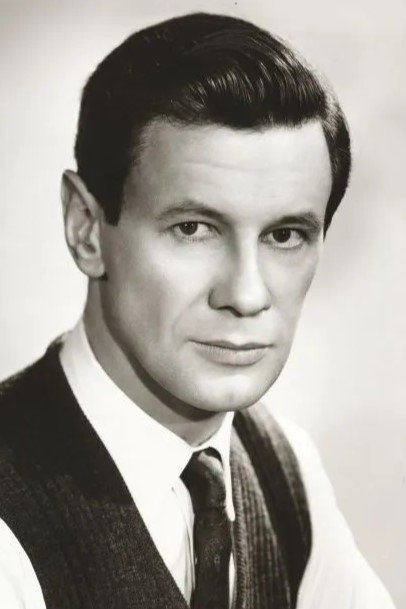
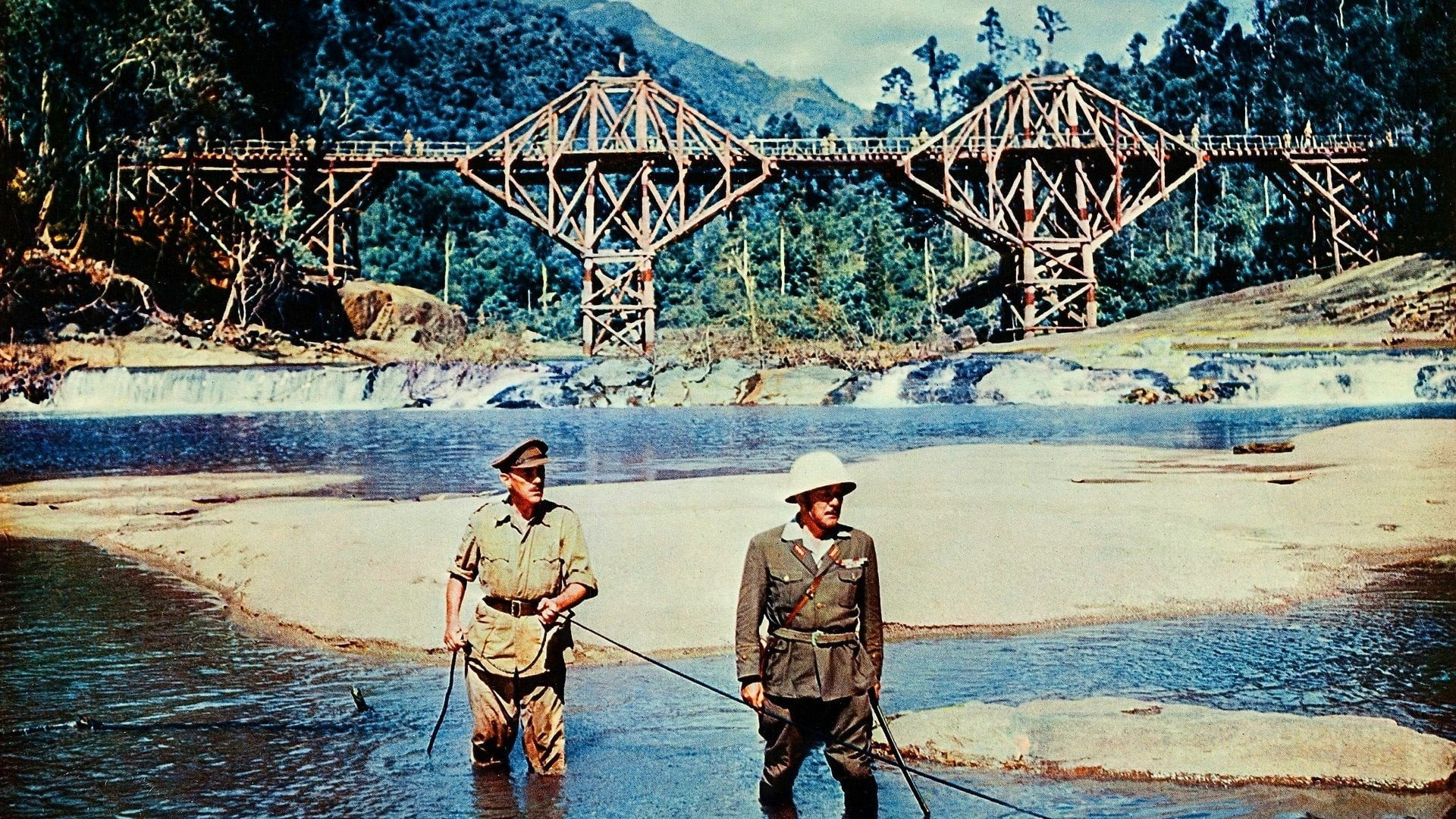
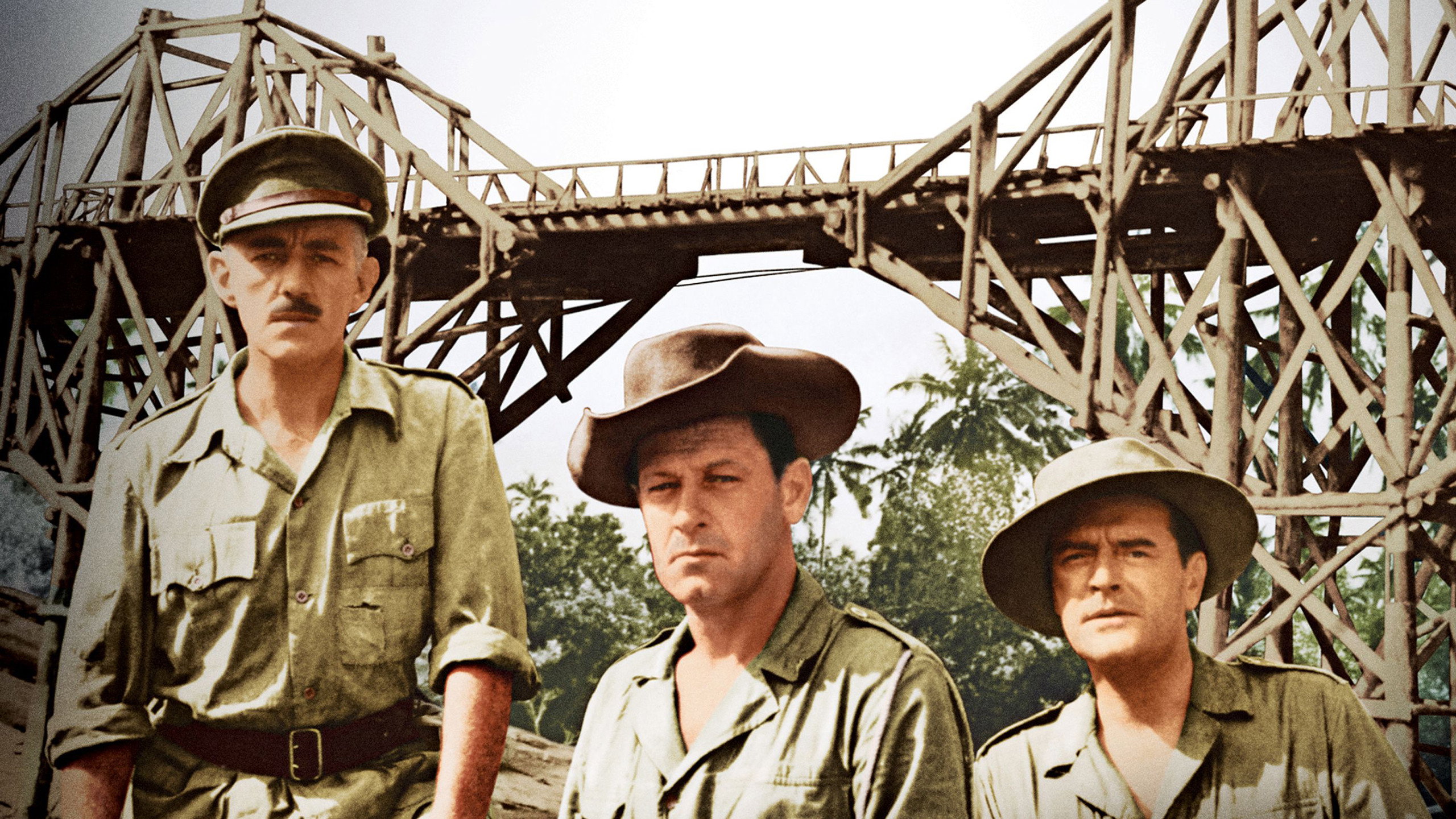
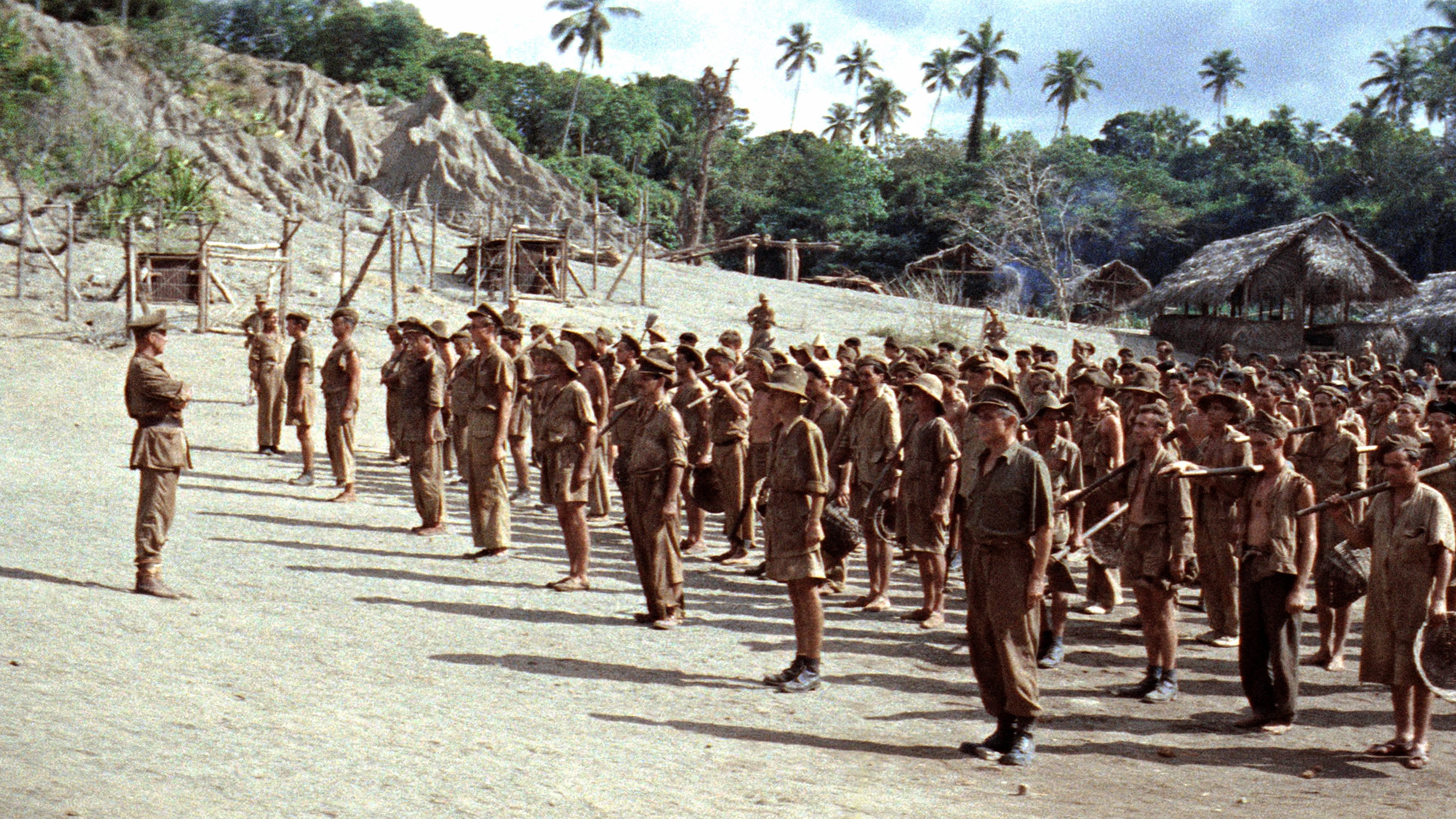
British Colonel Nicholson (Alec Guinness) and Japanese Colonel Saito (Sessue Hayakawa) become locked in a struggle over military authority during the Second World War. Nicholson’s commitment to discipline extends to the construction of a bridge, which becomes a matter of personal and national pride. Commander Shears (William Holden) and Major Warden (Jack Hawkins) bring other perspectives to the war and to the officers’ understanding of duty. David Lean directs this drama, adapted by Carl Foreman and Michael Wilson from Pierre Boulle’s novel, with James Donald as Major Clipton.

Plays from YouTube when you press play; nothing loads from them until then.

Fi1m review

David Lean’s war drama earns its long running time through Alec Guinness’s quietly alarming Colonel Nicholson and patient, well-built suspense. The detours are less compelling, but the central performance is reason enough to give it an evening.

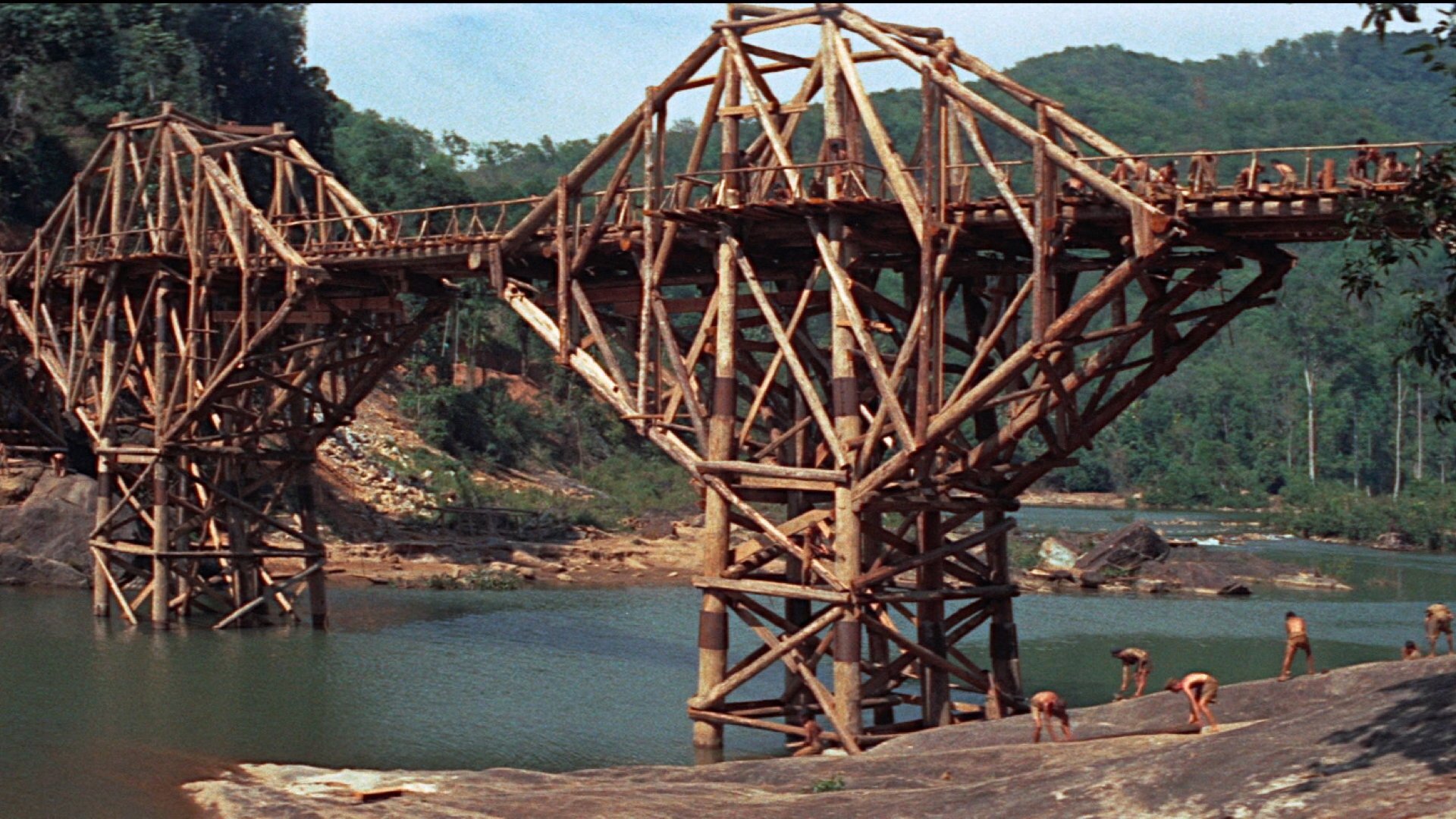
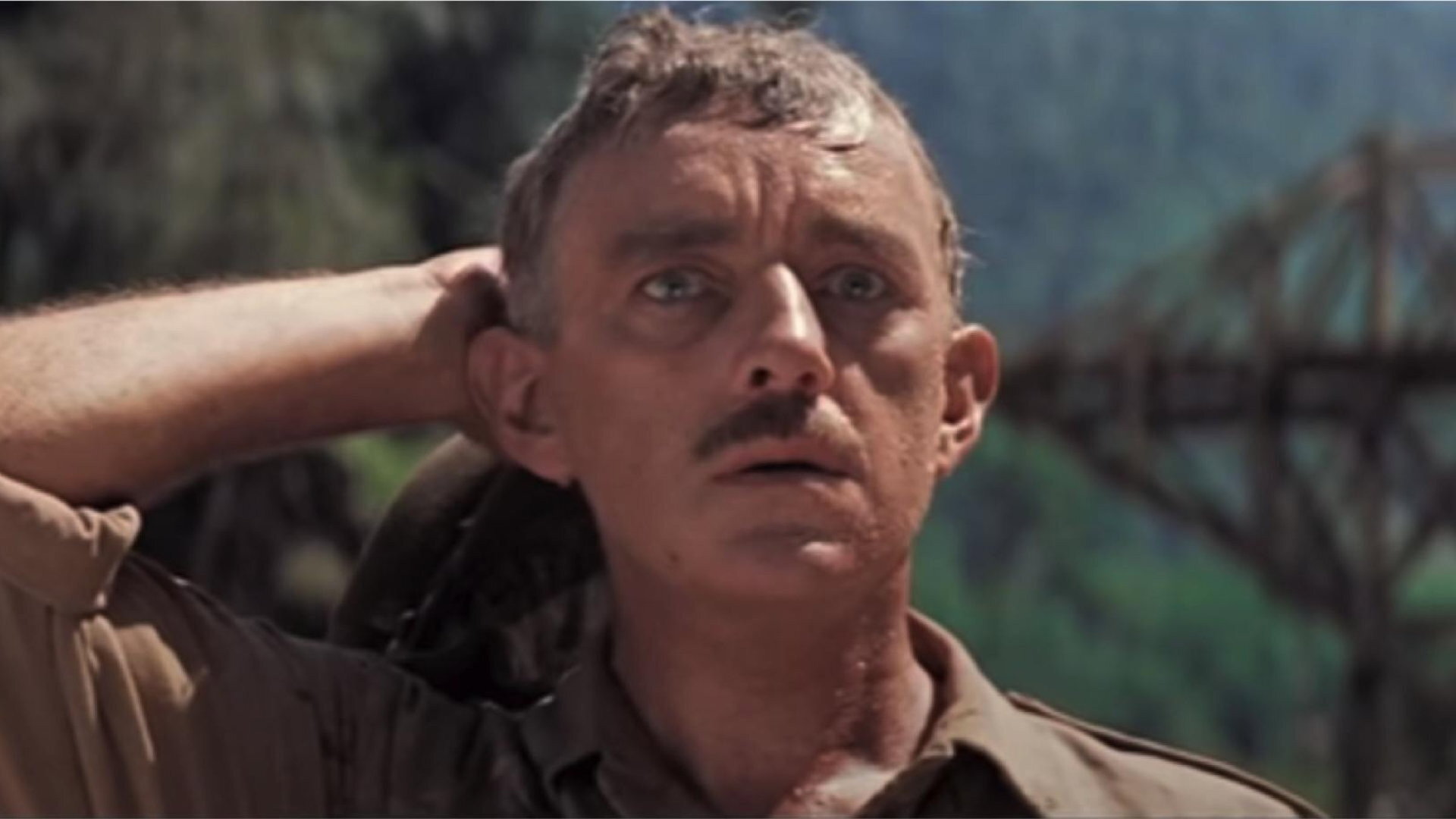
David Lean’s The Bridge on the River Kwai is a gripping war drama with an unusually troubling central performance. Alec Guinness makes Colonel Nicholson’s devotion to military discipline credible enough that we cannot dismiss him as a fool, even when his judgement is plainly suspect. Lean gives that devotion room to become uncomfortable, and the surrounding adventure holds our attention. At 162 minutes, he also asks for more time away from Nicholson than the film always repays.

Guinness works through reserve: the controlled manner, the certainty that rank should settle an argument, the reluctance to consider that a principle might be doing harm. We found ourselves admiring Nicholson’s composure, and that made us uneasy. In his confrontation with Colonel Saito, played by Sessue Hayakawa, an officer’s insistence on maintaining standards can seem admirable before we have asked who benefits from his resolve. The man’s snobbery emerges through the same controlled delivery.

Hayakawa is essential to that contest, giving Saito enough force to make Nicholson’s obstinacy feel costly. The exchanges between the colonels are the film’s most compelling passages, with both actors making the demand for respect uncomfortable to watch. Carl Foreman and Michael Wilson’s screenplay, drawn from Pierre Boulle’s novel, understands how easily a professional standard can harden into a private obsession. Nicholson’s concern with the bridge makes the practical work difficult to separate from his need to be right.

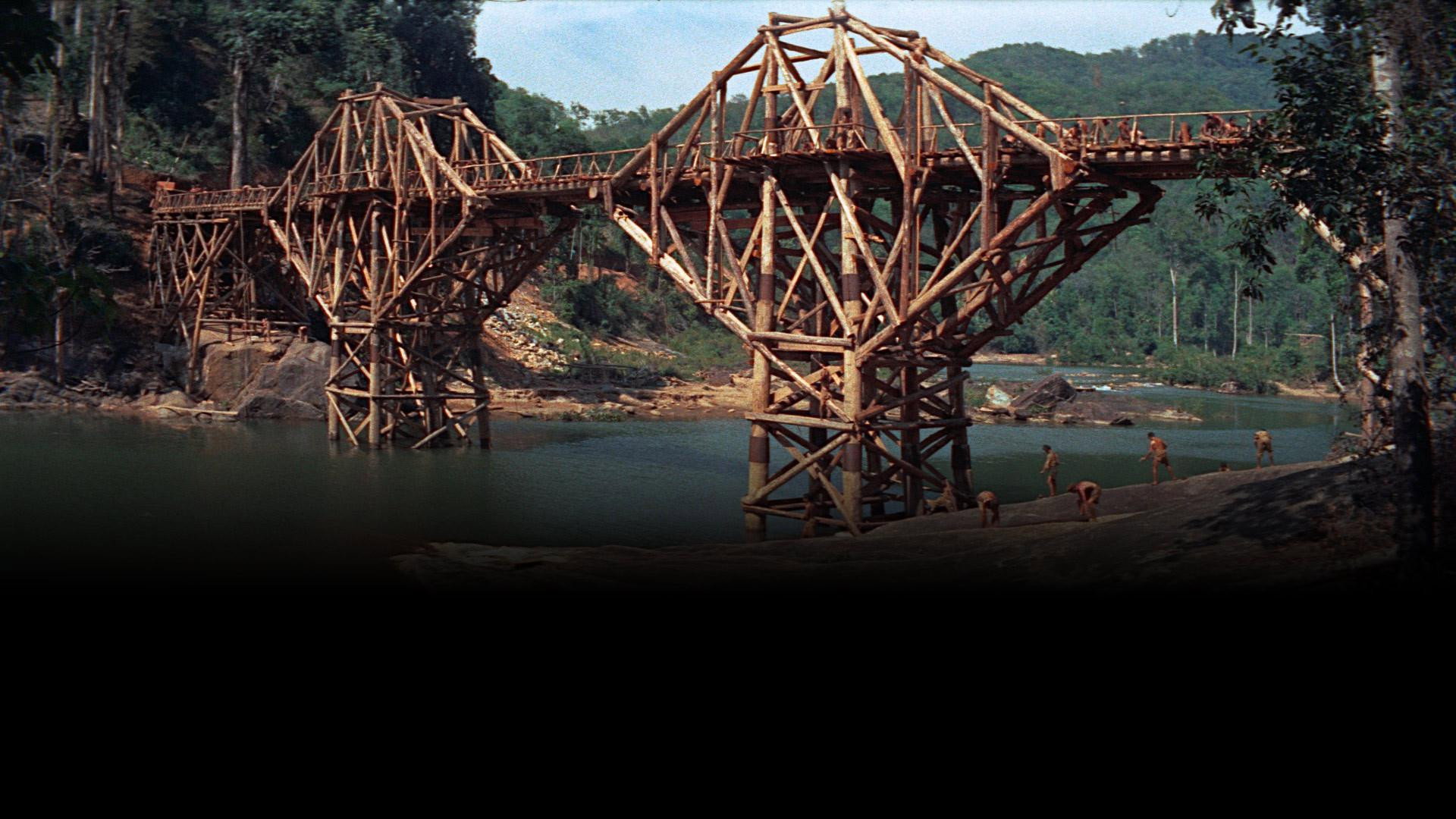
Jack Hildyard’s wide-screen colour photography makes the scenery inviting enough to distract us from what the men are doing there. The landscape’s appeal makes the officers’ quarrels look smaller and more unreasonable. Peter Taylor’s editing keeps the competing perspectives legible, though clarity cannot entirely solve the problem of leaving the strongest character behind. The film is patient enough to let an encounter develop, and its suspense depends on our understanding of the people involved.

Malcolm Arnold’s music belongs to a soundtrack that knows when to leave space for natural sound. Those quieter passages make us listen for disturbance instead of waiting for the score to tell us how anxious to be. Lean uses that attention well: suspense grows from an environment that seems to continue regardless of military plans. It is an effective choice in a war adventure, where constant musical encouragement can make danger feel safely rehearsed.

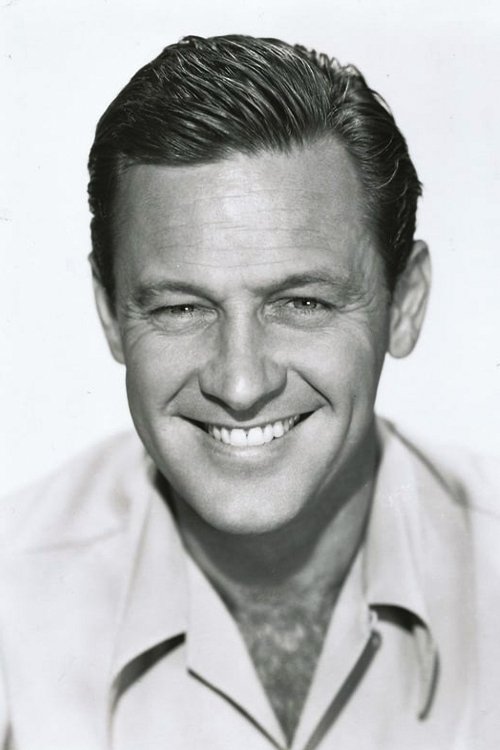
William Holden’s Commander Shears supplies a useful counterweight to Nicholson, and Jack Hawkins’s Major Warden helps keep the film from becoming a contest between two colonels. Yet the Shears strand also stretches the running time without consistently deepening our understanding of Nicholson’s predicament. Some dialogue pushes an interpretation we have already reached, and the screenplay briefly seems less confident in its actors than it should be. These are irritations worth naming when Guinness can communicate so much through his composure alone.

This is a war film for viewers interested in the people giving orders, and prepared to spend time considering why anybody obeys them. The adventure is substantial, but Guinness’s calm insistence deserves the closest attention. Allow for a few stretches when Lean’s patience may exceed ours. Give it an uninterrupted evening, and resist the temptation to decide too quickly that Nicholson is simply ridiculous.
Critical consensus AI synthesised

5 of 6
Positive
4
Mixed
1
Negative
0
Radio Times
★★★★★ · Andrew Collins
100

The critic highlights this as one of the most enduring Second World War films, commending its examination of the stiff upper lip and the central performances, especially Alec Guinness as Colonel Nicholson. The ironies of war are effectively pointed up by the subplot involving William Holden's character.

Read the full review →
RogerEbert.com
18 April 1999 · Roger Ebert
85*

The film focuses on individuals rather than broader rights and wrongs of war, showing how men cling to military discipline and pride. It singles out Alec Guinness's performance as Colonel Nicholson for its dry, reserved intensity and the central irony of his obsession with building the bridge.

Read the full review →
Slant Magazine
21 September 2010 · Christian Blauvelt
85*

The critic sees the film as a study of human will embodied in Colonel Nicholson, praising its subtle exploration of the irrationality of honor and British class hypocrisy while maintaining a thrilling war narrative. They single out the effective use of natural sounds and ambient audio over music to build psychological tension and suspense.

Read the full review →
Time Out
20 September 2010 · ★★★★ · Keith Uhlich
80

The critic praises the film's skillful, suspenseful WWII adventure and its elegant shuffling among three perspectives, along with the peerless action filmmaking of the bridge assault. A minor complaint is the overwrought dialogue from one character that slightly dilutes the grandeur.

Read the full review →
Empire
1 January 2000 · Ian Nathan

The critic calls it a proud and accomplished war movie with lavish cinematography, meaty performances and a psychologically complex script, highlighting Nicholson's gradual breakdown into madness and Guinness's legendary performance as the indefatigable Colonel. It is described as possibly Lean's most complicated movie and a towering work.

Read the full review →
Los Angeles Times
24 November 1957 · Philip K. Scheuer

The film demonstrates the limitless potential of cinema, gaining from wide screen and color, with brilliant direction by David Lean and a standout performance by Alec Guinness as the inflexible British colonel. It singles out the ironic contrast between the beautiful Ceylon scenery and the tragedy of war, while noting a flaw in the cryptic finish.

Read the full review →

Cast

Stills

Awards

Academy Awards, 1958

Nominated
Best Supporting Actor
Won
Best Actor
Won
Best Cinematography
Won
Best Director
Won
Best Film Editing
Won
Best Picture
Won
Best Score, Adaptation or Treatment
Won
Best Writing, Adapted Screenplay

If you liked this, try…

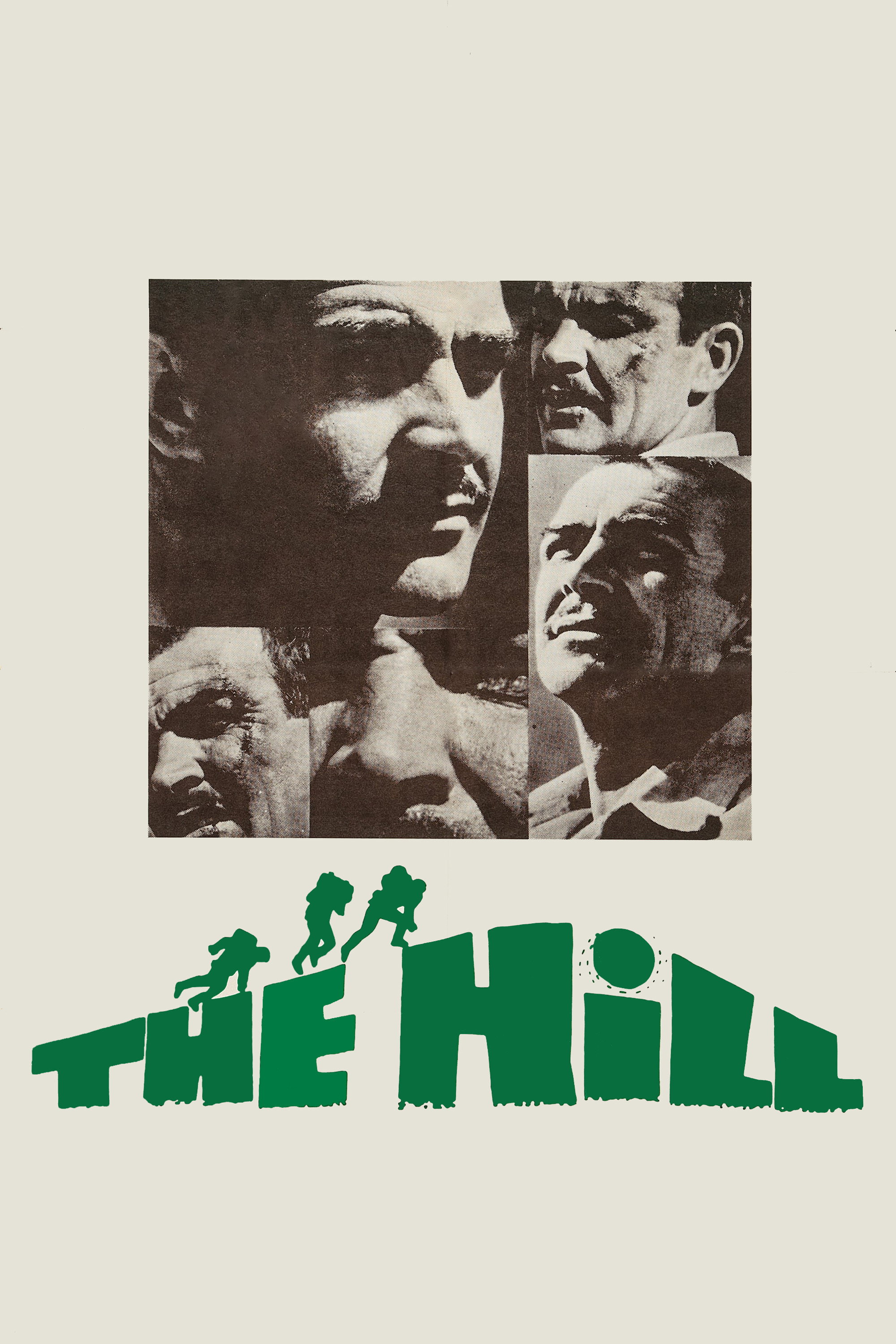
The Hill poster

The Hill

1965 · Military discipline becomes cruelty in a confined drama of exhausted men.

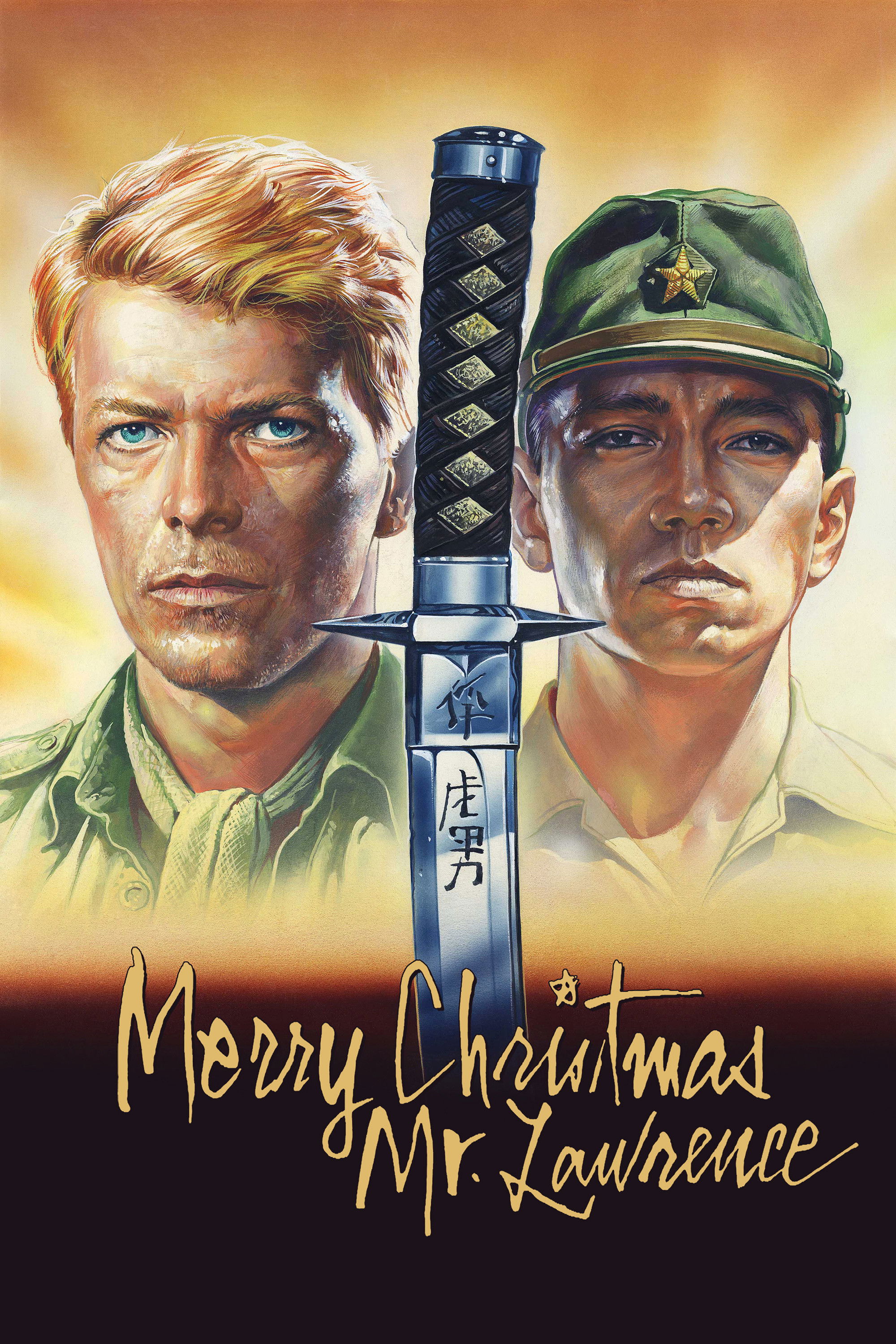
Merry Christmas Mr. Lawrence poster

Merry Christmas Mr. Lawrence

1983 · A prison camp confrontation where pride makes understanding painfully difficult.

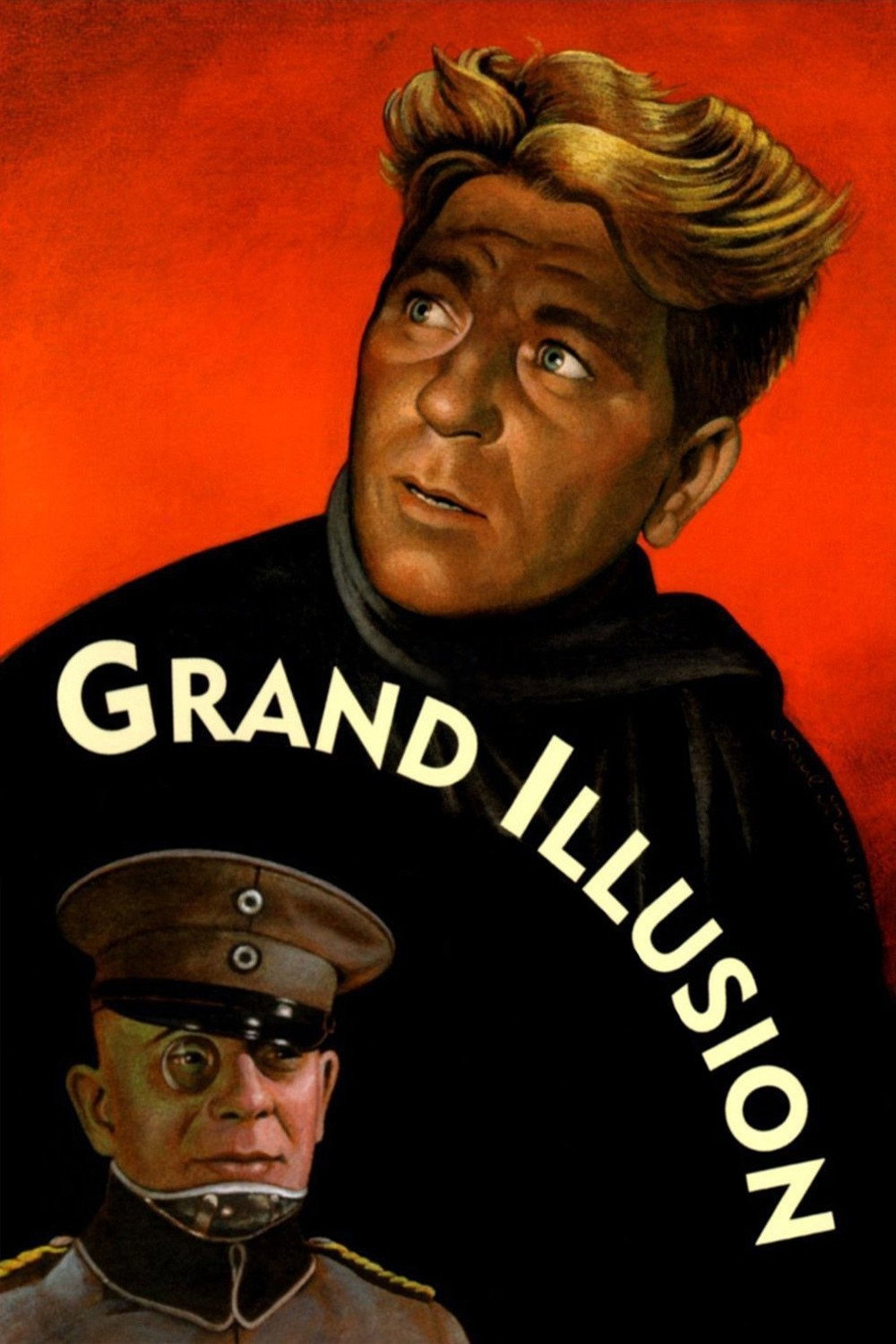
La Grande Illusion poster

La Grande Illusion

1937 · Officers recognise one another’s class more readily than their shared predicament.

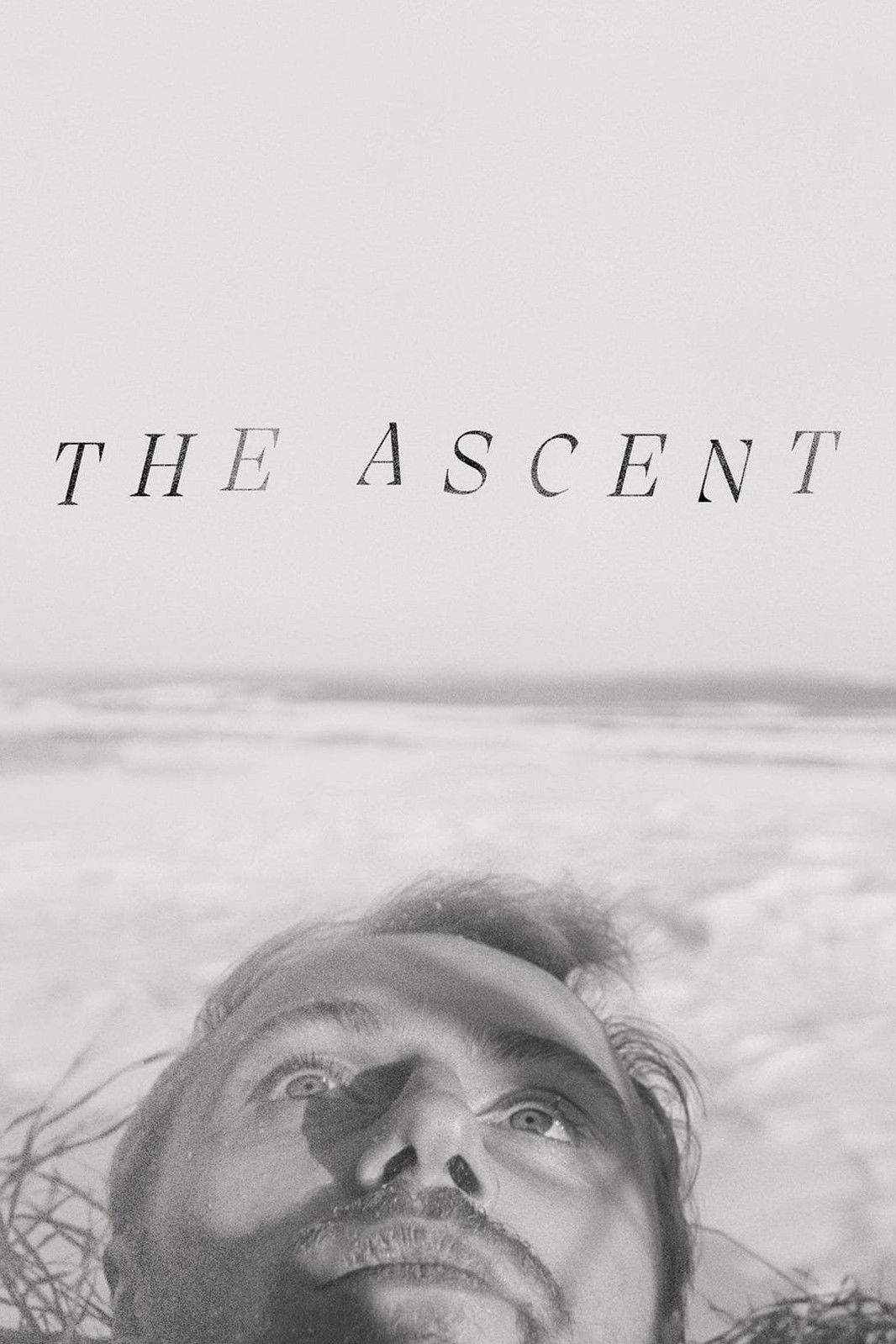
The Ascent poster

The Ascent

1977 · A harsher wartime test of conscience, with little comfort in obedience.

Beau Travail poster

Beau Travail

1999 · Military routine and wounded pride, with physical discipline taking over men’s lives.