David Lean’s precise images can make private distress painfully clear. We value that gift most in Brief Encounter, and would not let the scale of his later films obscure the care he takes with a face.
Fi1m perspective
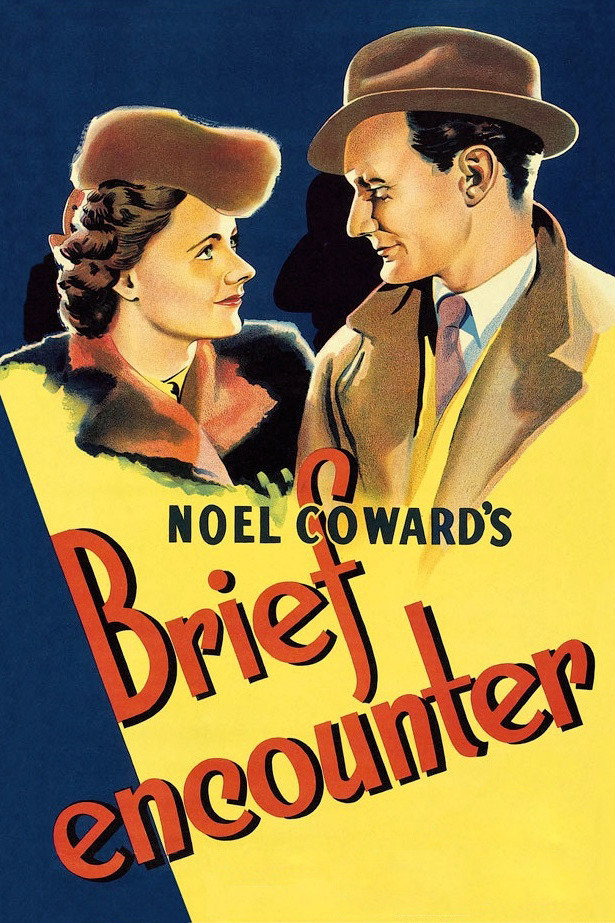
In Brief Encounter (1945), the frame tilts while Celia Johnson’s Laura tries to keep her composure. Robert Krasker’s cinematography makes her distress visible without requiring Johnson to play it more loudly. We felt anxious for her because the picture seems to lose its balance while she works so hard to retain hers. Lean judges that combination well: the shot can be conspicuous because the performance is so controlled. This is the Lean we value most: attentive to an actor, and exact about when to disturb us.
Noël Coward’s screenplay gives Lean two married people whose attraction does not make their existing obligations worthless. He lets us want Laura and Alec to be together without encouraging us to despise the people who stand in their way. Alec is less fully drawn, and that imbalance limits how much we understand of the attraction. But the care taken over Laura’s anxiety makes this a romance we would urge a stranger to see.
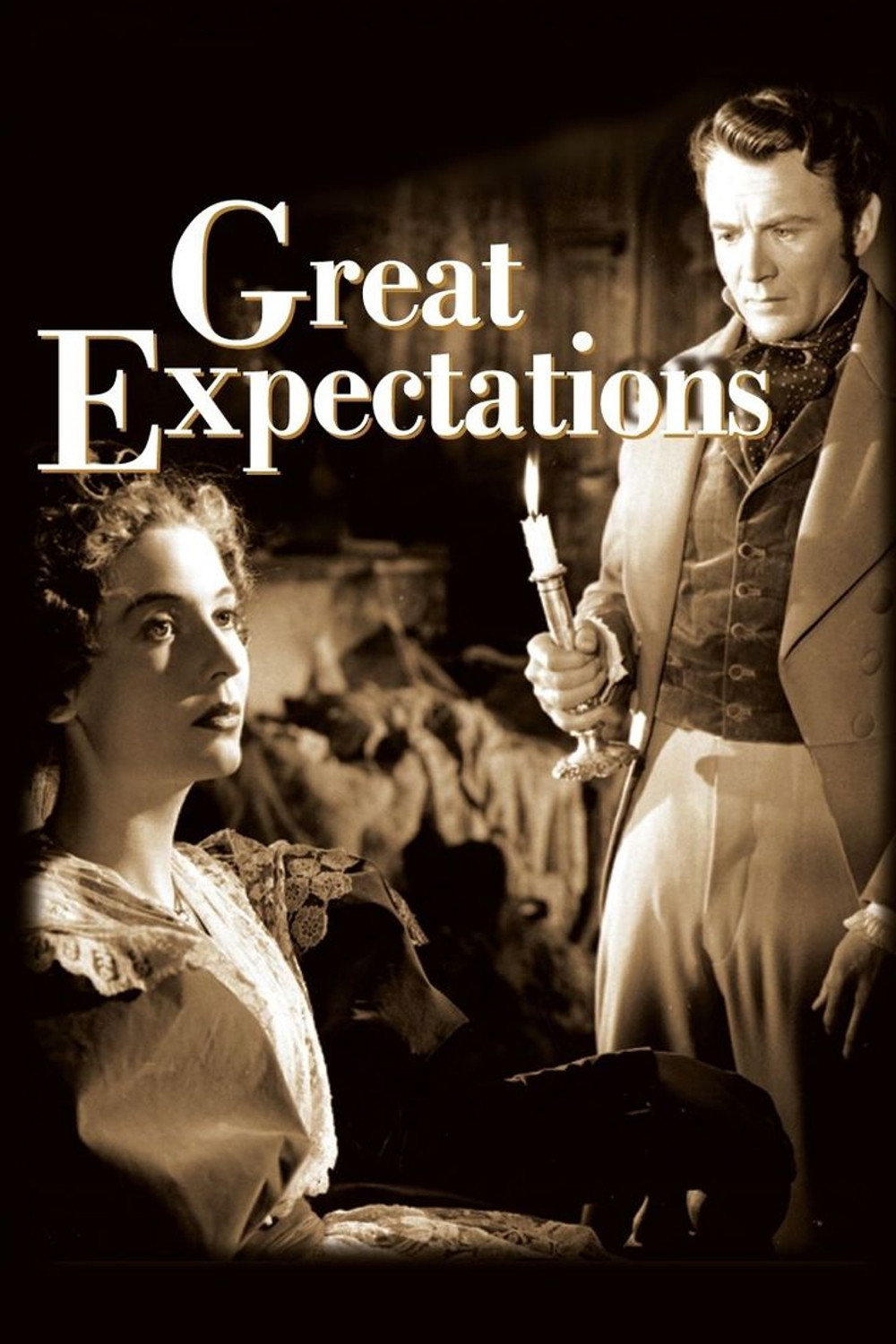
Lean had worked as an editor before co-directing In Which We Serve (1942) with Coward, then directing solo from 1944. His four Coward collaborations and Dickens adaptations form the early phase, with Great Expectations (1946) showing his attention to rhythm and transitions. His editing experience is worth remembering when looking at the later films, whose carefully composed images belong to a director also practised in selecting and joining them.
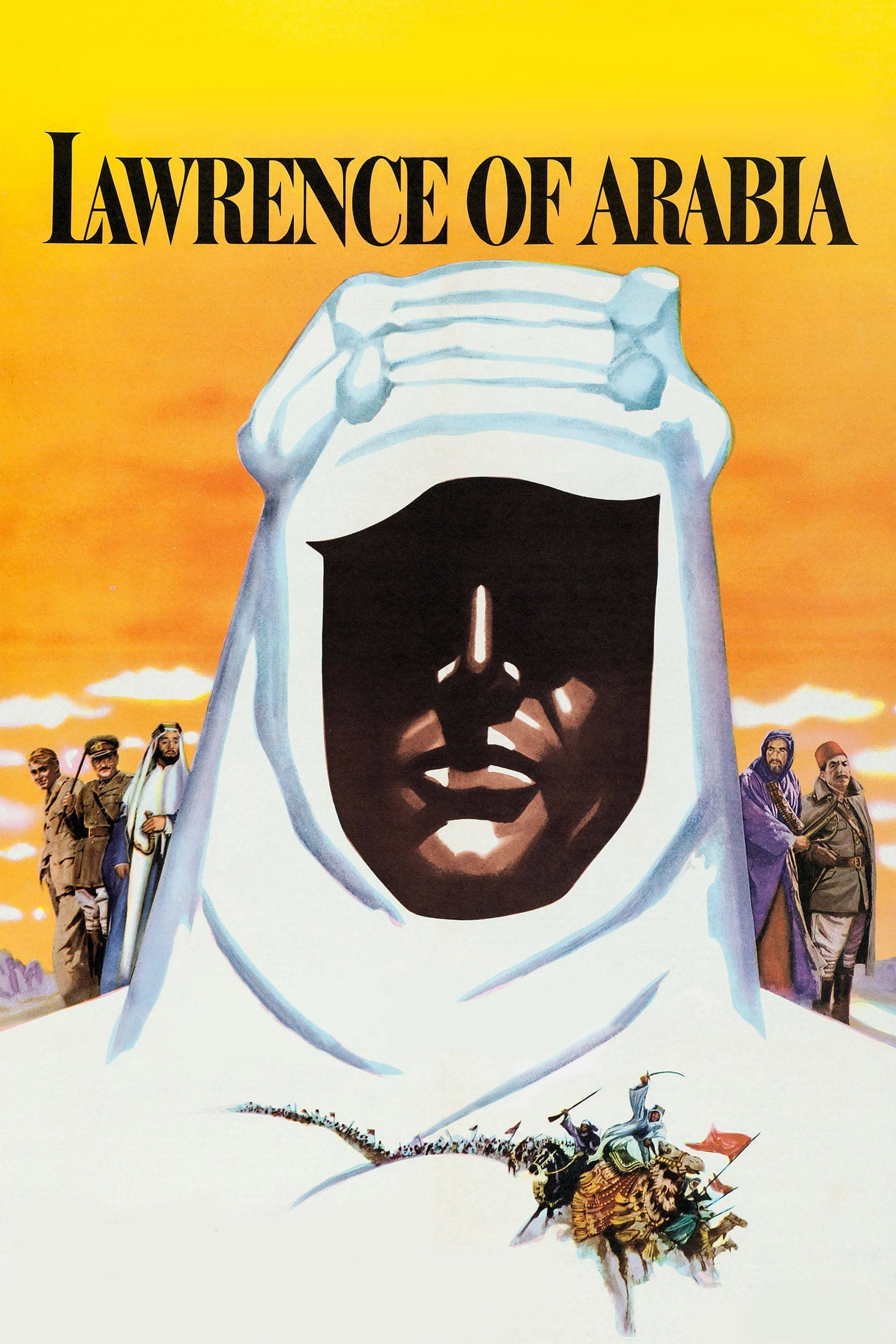
The Bridge on the River Kwai (1957) marks the move into large-scale international productions, followed by Lawrence of Arabia (1962) and Doctor Zhivago (1965). The desert cinematography of Lawrence of Arabia is a sound reason to follow him into that larger filmmaking. Criticism of Ryan’s Daughter (1970) as overly grand is also worth taking seriously: careful composition cannot make us care about people on its own. Start with Brief Encounter; there will be time for the deserts afterwards.
Biography
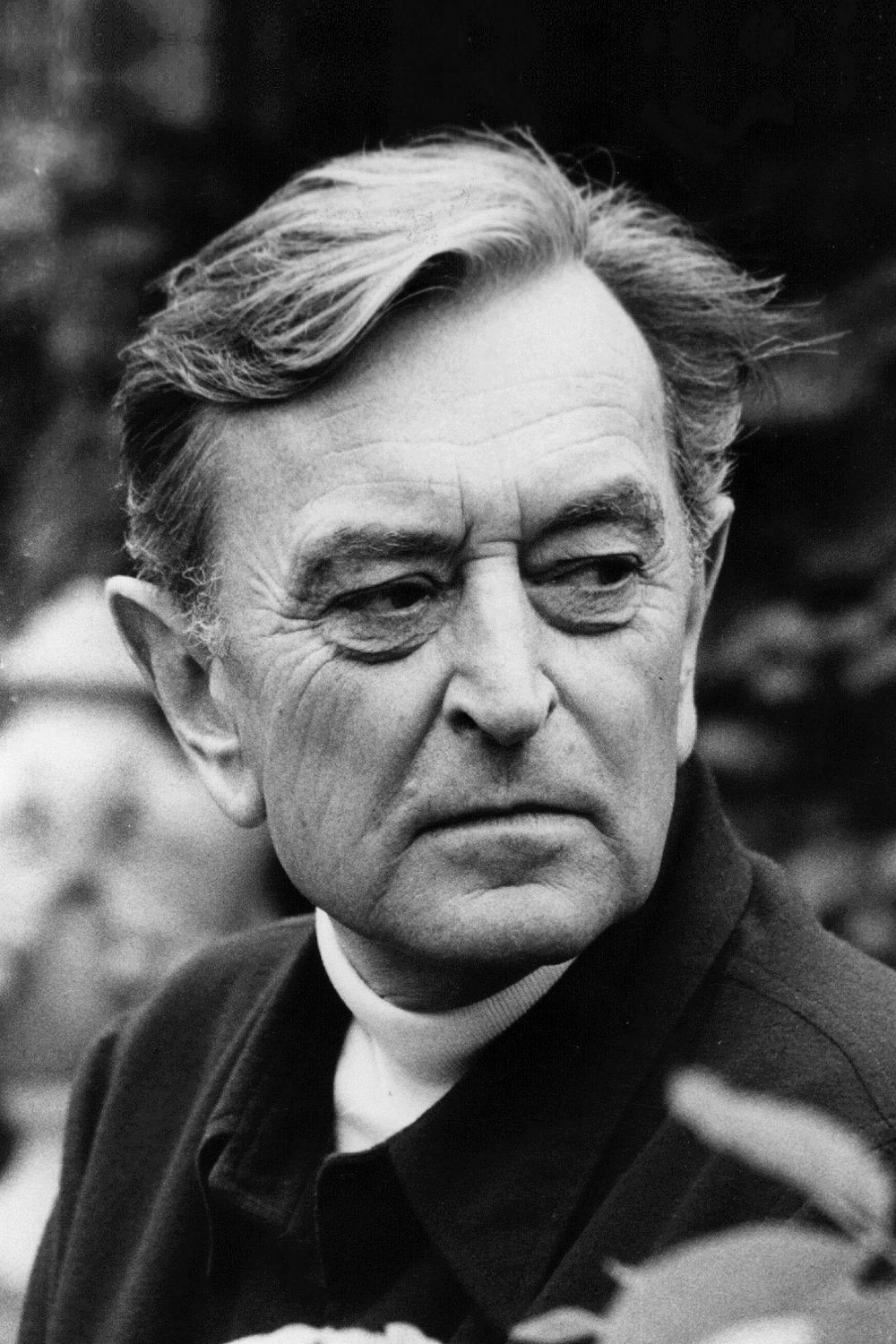
David Lean (25 March 1908 – 16 April 1991) was an English film director, producer, screenwriter and editor. He began his career in the late 1920s as a clapper boy and editor at Gaumont-British studios before making his directorial debut with In Which We Serve (1942).
Lean is known for his early collaborations with Noël Coward, which included Brief Encounter (1945), as well as adaptations of Charles Dickens such as Great Expectations (1946) and Oliver Twist (1948). He later directed large-scale epics including The Bridge on the River Kwai (1957), Lawrence of Arabia (1962), Doctor Zhivago (1965), Ryan's Daughter (1970) and A Passage to India (1984). He won two Academy Awards for Best Director.