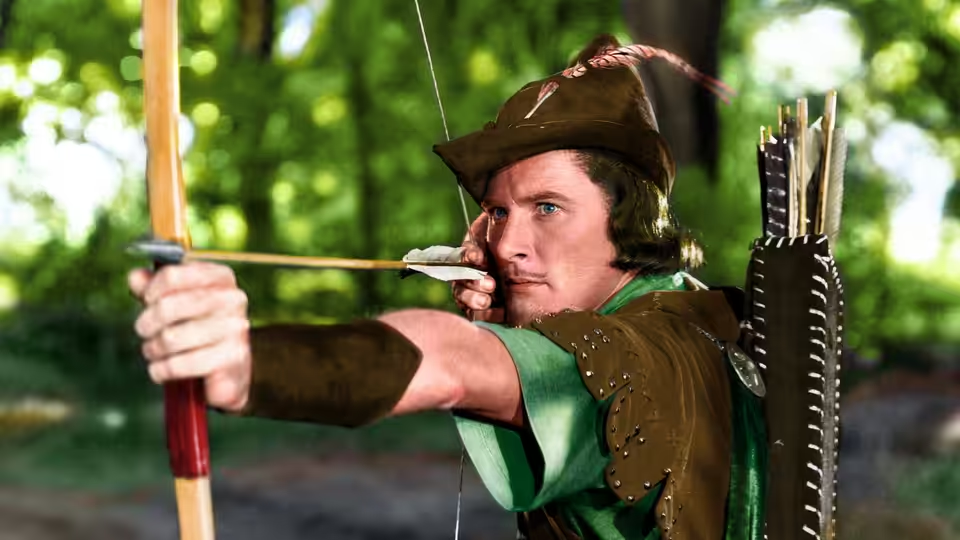
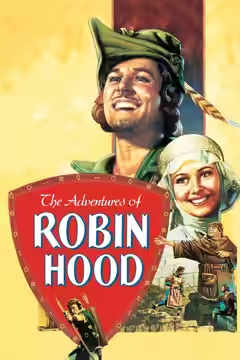
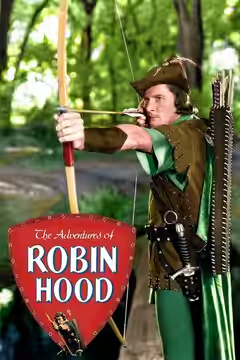
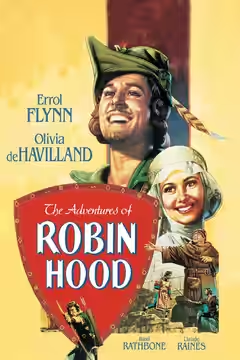
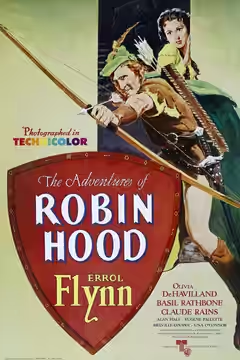
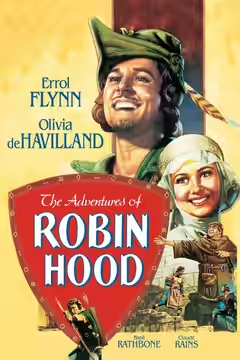
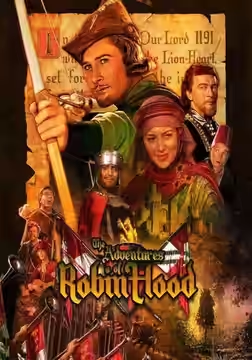
Michael Curtiz and William Keighley’s Technicolor swashbuckler is the Robin Hood every later one has been measured against, and Errol Flynn is the reason. It is simple, loud and built on a single straight moral line, and we would send a stranger to see it.
The Adventures of Robin Hood has one idea in its head, that a bad prince should be resisted and a good king welcomed home, and it holds that idea with complete conviction for 102 minutes. Norman Reilly Raine and Seton I. Miller’s screenplay lays it out in the opening ten: Richard is a prisoner abroad, his brother John has taken the throne, the Saxons are being taxed into the dirt, and one Norman knight will not stand for it. Everything after that is a set piece. The film knows exactly which ones it wants and puts them in the right order.
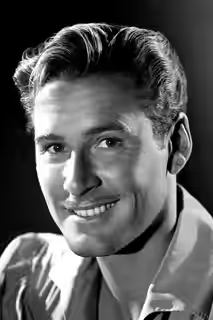
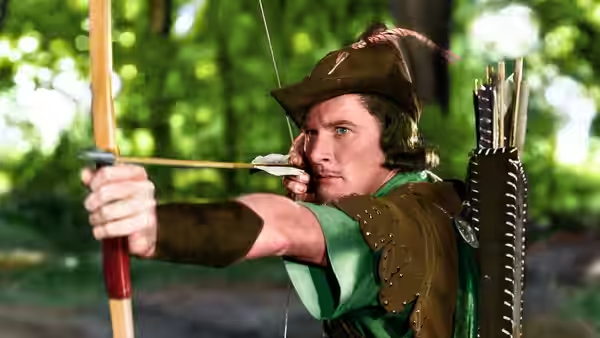
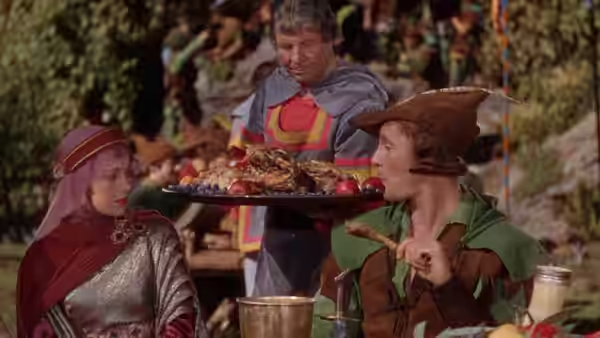
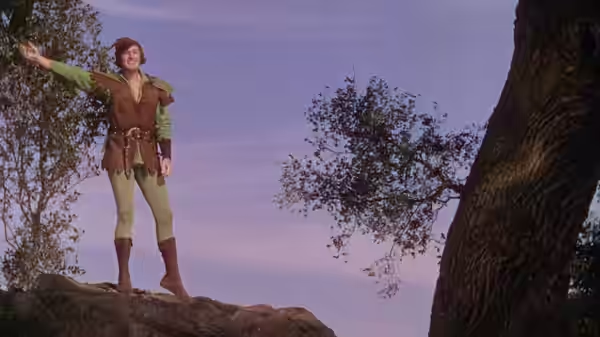
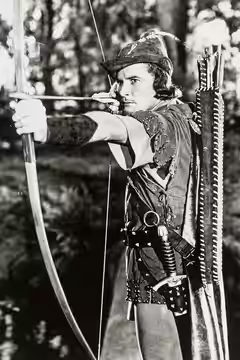
Errol Flynn is the reason it works. He plays Robin as a man who finds tyranny faintly ridiculous and cannot be bothered to hide it. He carries a poached deer into Prince John’s banquet at Nottingham Castle, drops it on the table, helps himself to the food and tells the prince he is a usurper, and the pleasure is in how little any of it costs him. We grinned through that banquet like children and did not stop for some time. The cause is Flynn’s laugh, which comes every time somebody draws a sword at him, and which is never smug; he is simply enjoying himself more than anyone else at the table.
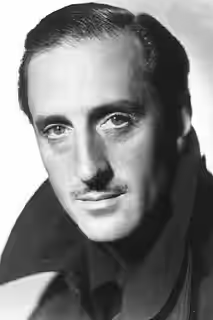
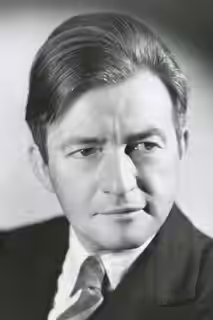
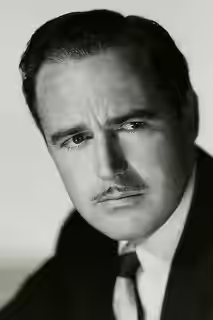
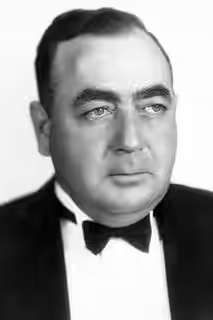
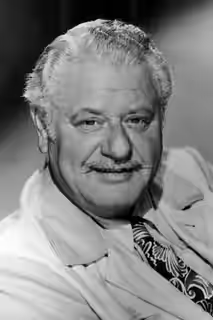
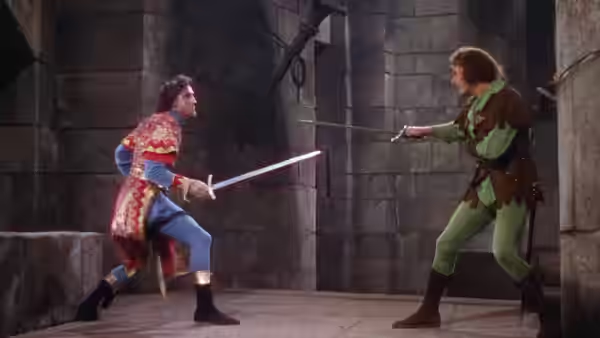
The villains are cast to match. Basil Rathbone plays Sir Guy of Gisbourne cold and correct, a man who can actually fence and knows it, so the fights between him and Flynn are contests rather than displays. Claude Rains gives Prince John a soft voice and a small smile, and treats cruelty as a pastime he happens to be good at. Melville Cooper’s Sheriff is a coward the film uses for laughs, and gets them. Eugene Pallette’s Friar Tuck talks like a man gargling gravel and hits harder than anyone expects; Alan Hale’s Little John meets Robin with a quarterstaff on a log bridge and the scene tells you everything about both of them. Una O’Connor and Herbert Mundin, as Bess and Much, are the broad Saxon comedy, and broad is the word.
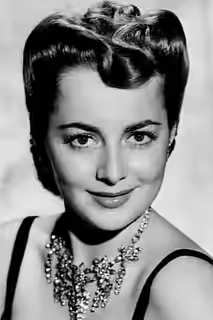
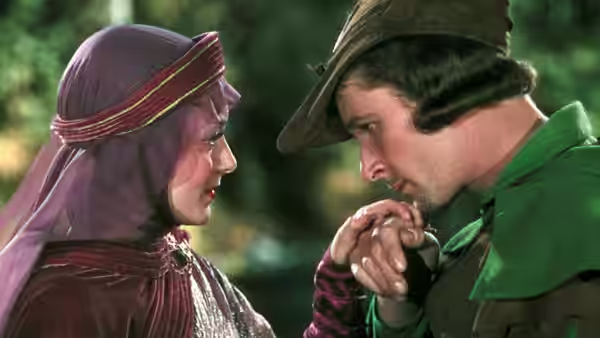
Olivia de Havilland is asked to be the prize for a long stretch before she is allowed to be a person, and she does more with the wait than the script deserves. When Marian does change her mind about Robin it is because of something she sees, not something he says, and de Havilland plays the turn quietly enough that it registers.
Sol Polito and Tony Gaudio shoot in three-strip Technicolor and use it as a code. Robin’s men are in greens and browns; John’s court is in scarlet, black and gold; Marian moves from one palette to the other as her loyalties do. Milo Anderson’s costumes make this legible from the back of the cinema, and there is not a muddy shade in the film. Erich Wolfgang Korngold scores it like an opera, with a brass march for the outlaws, strings for the lovers and a fanfare for every entrance. Ralph Dawson cuts the ambush of Gisbourne’s tax convoy fast and the sword fight that ends the film slow, so you can see that the actors are doing it themselves, and the second choice is the better one.
It is not all of a piece. Two directors are credited, and the film changed hands during shooting; the castle interiors, with courtiers arranged in rows and nobody moving until told, feel like a different production from the forest, and the one early review that called it stolid was looking at those scenes. The comedy is aimed at the very young and stays there. The politics are a colouring book. And Robin is never for one second in danger, which is the point, but it means the film has excitement without suspense.
Every Robin Hood since has been arguing with this one, usually by being darker, and none has been more fun. It carries a U certificate and earns it. If you have a child who has never seen a film made before they were born, start here; if you have never seen one yourself, the same applies.