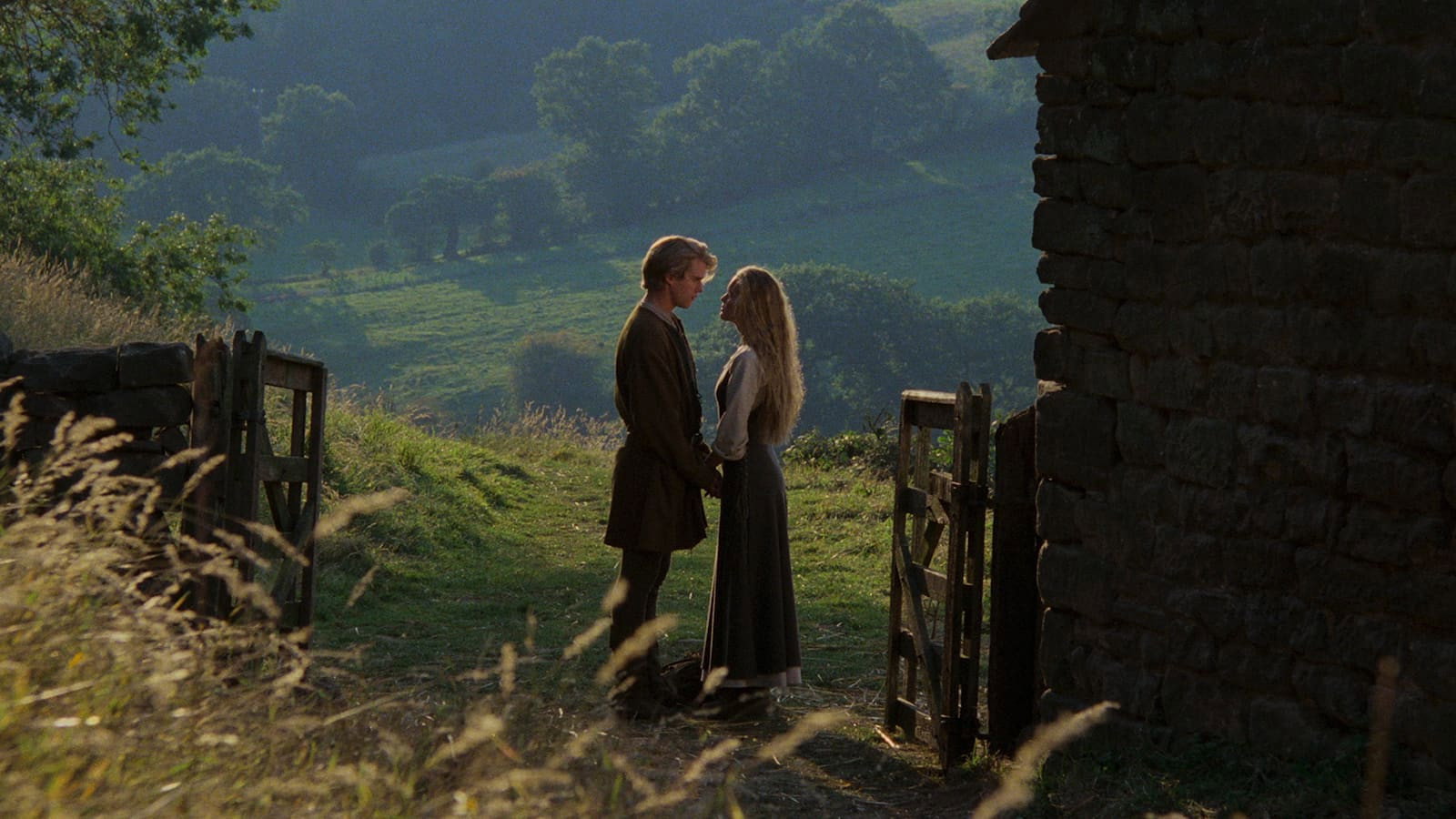
Rob Reiner’s fairy-tale adventure is funny, warm and willing to take its characters seriously. The lovers are less interesting than their companions, but the swordplay and the company make it an easy recommendation.
Rob Reiner’s The Princess Bride is a funny, generous adventure whose jokes do not make its romance feel foolish. We recommend it warmly, with a reservation about how little the central couple sometimes gets to do. William Goldman adapts his own novel with an ear for the questions that interrupt a fairy tale: why should we believe this, and when does the exciting part begin? He lets those questions into the film without allowing them to spoil the pleasure.
Peter Falk’s grandfather tells the story to Fred Savage’s grandson, who is not immediately persuaded. The young listener’s resistance lets Reiner acknowledge an audience that might consider itself too sensible for princes and sorcery, and then carry on telling the story. Falk makes the act of telling it feel worth our attention, even before we have committed to the tale. The warmth between teller and listener gives these passages something to offer beyond commentary on the adventure.
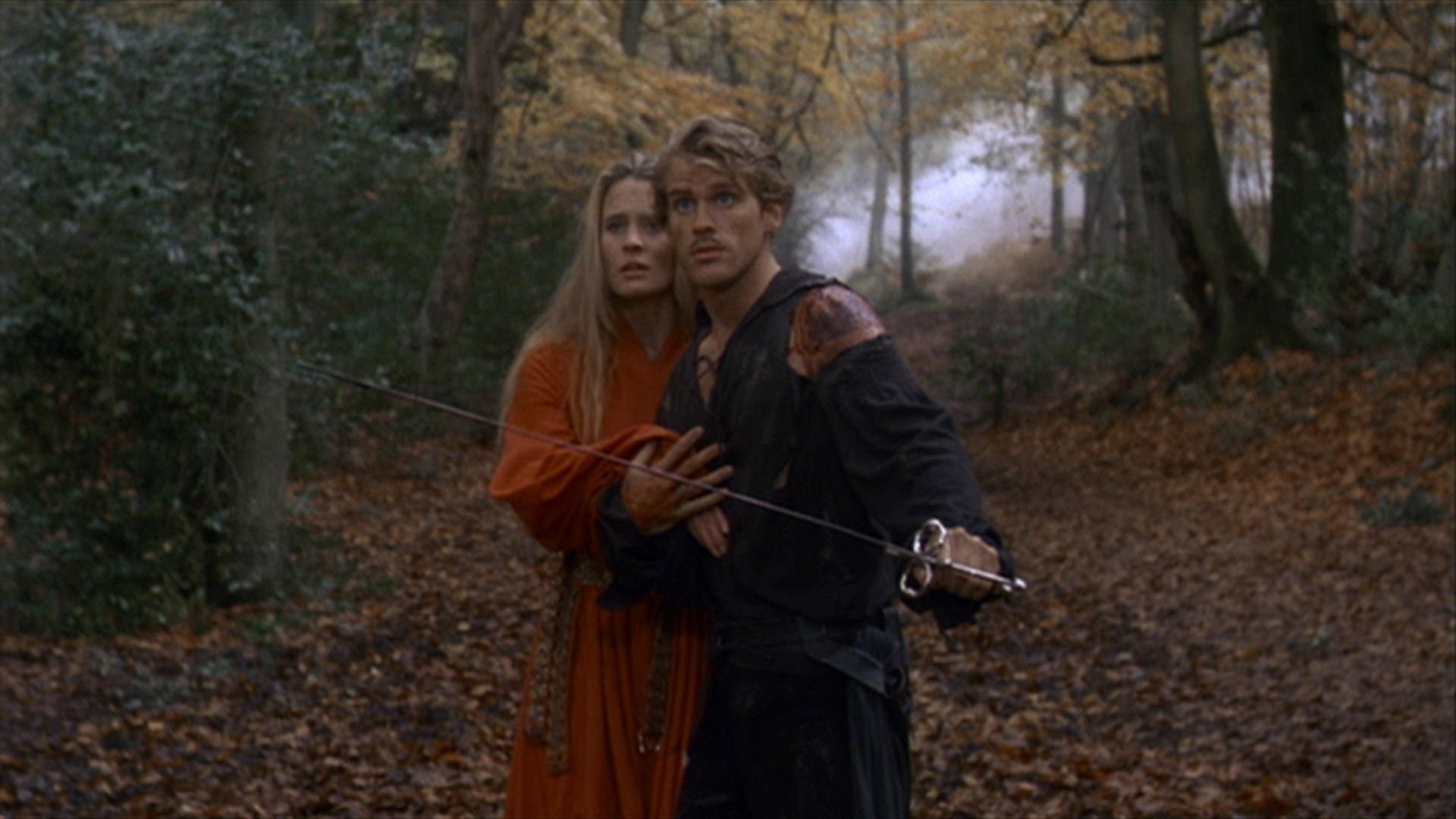
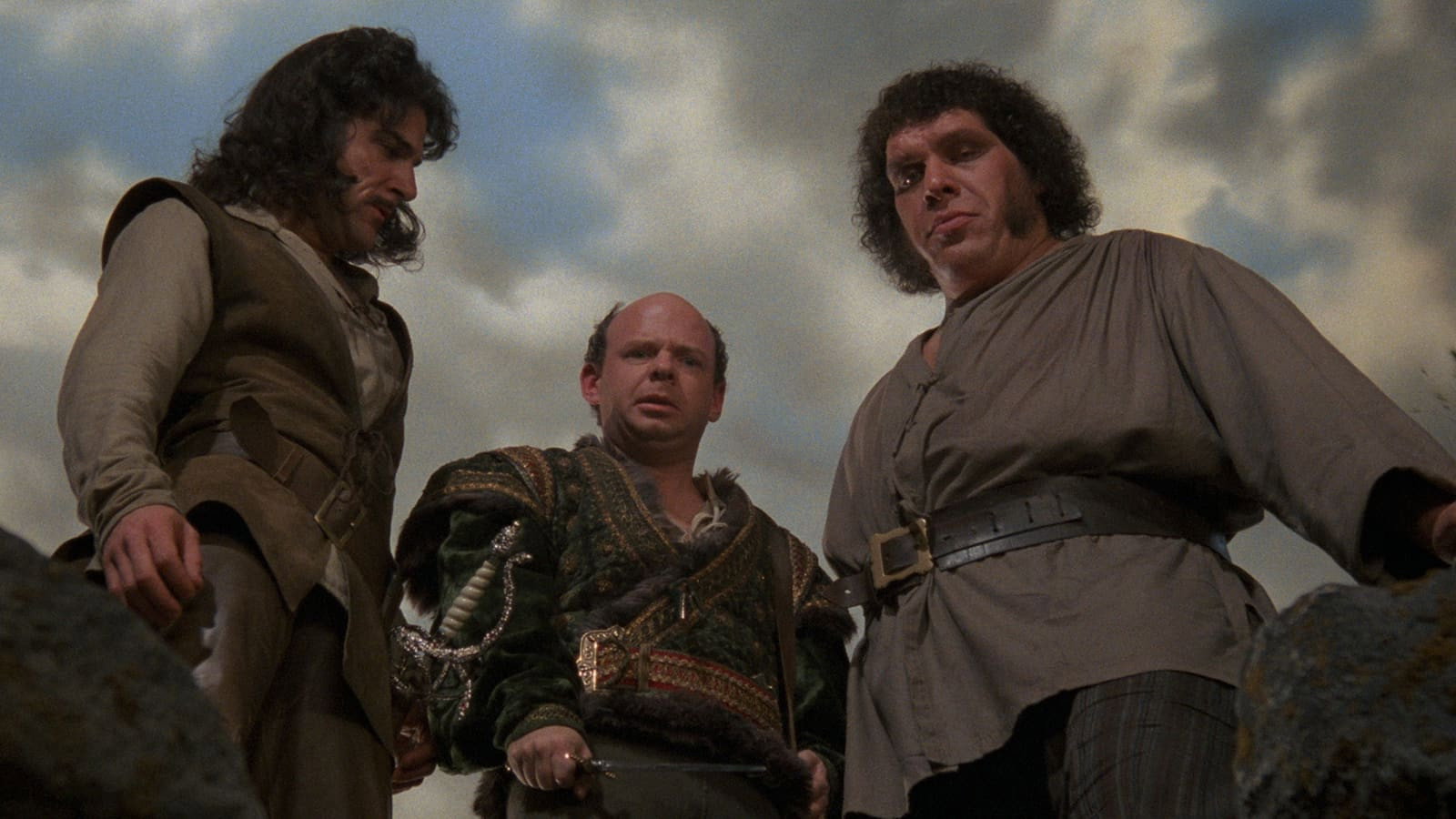
Mandy Patinkin’s Inigo Montoya gives the film much of its feeling. We laughed at how seriously he takes the swordplay, then found ourselves anxious for him. Patinkin plays him with a conviction that survives the comedy, so his feelings remain worth considering even when the film is being silly. Cary Elwes’s Westley has the necessary light touch, and Reiner allows the actors to enjoy their exchanges without making the danger seem entirely harmless.
Adrian Biddle’s cinematography helps by making the action readable and keeping the performers important within it. We can enjoy the business of a swordfight without losing track of the people doing it. Norman Garwood’s production design suits a tale being told to a child: the fantasy is easy to accept without needing a lesson in how its world works. The settings feel substantial enough to support the adventure without overwhelming the people who have to be funny in them.
Robert Leighton’s editing is especially good at letting a comic exchange finish before moving the adventure along. There is space for a line to be heard, and usually no extra pause to insist that we found it funny. Mark Knopfler’s music takes the romantic feeling seriously, which is useful when the dialogue is busy making us laugh. At 99 minutes the film has little room to dawdle, though the returns to the listening child occasionally interrupt more than they add.
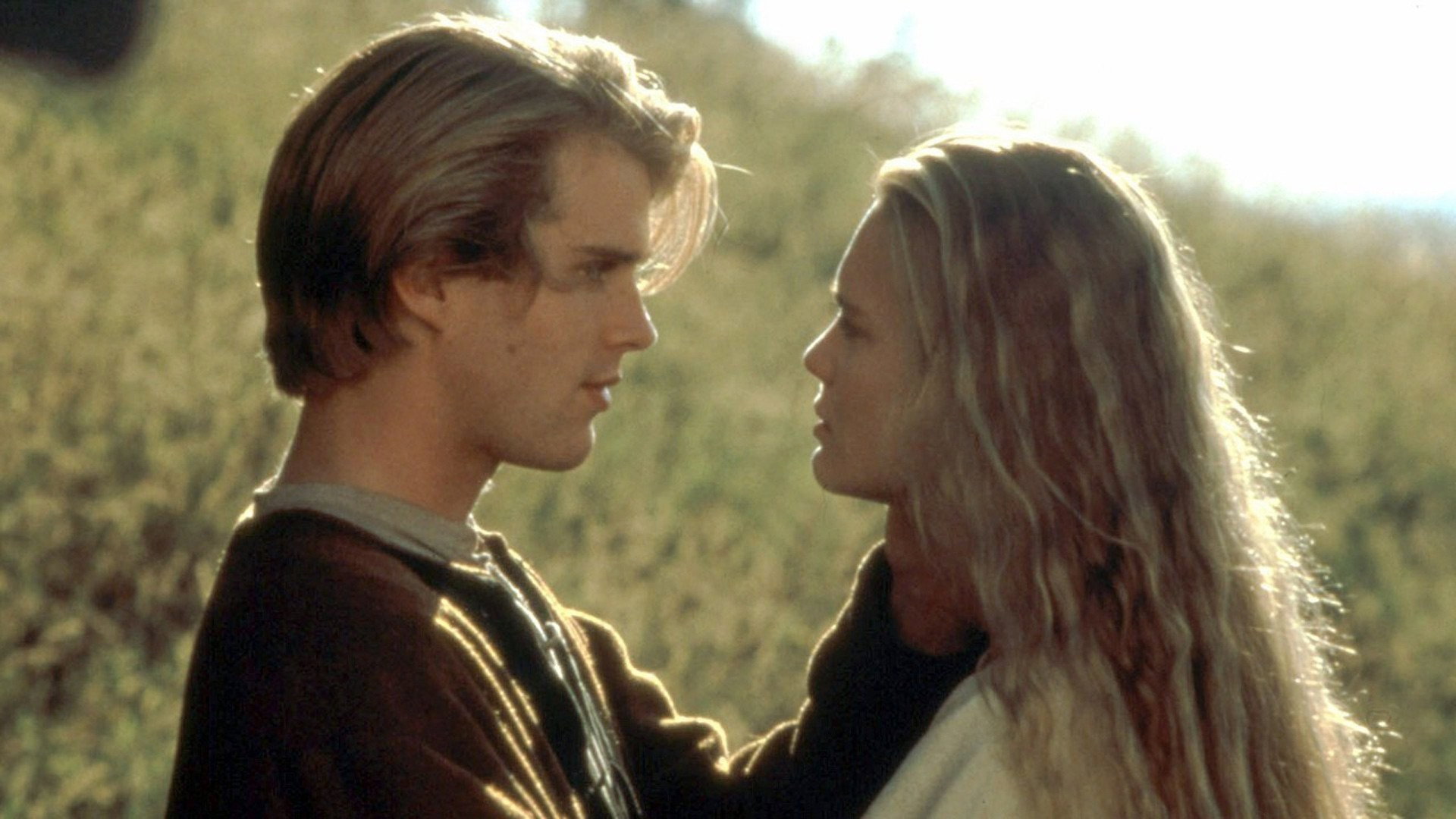
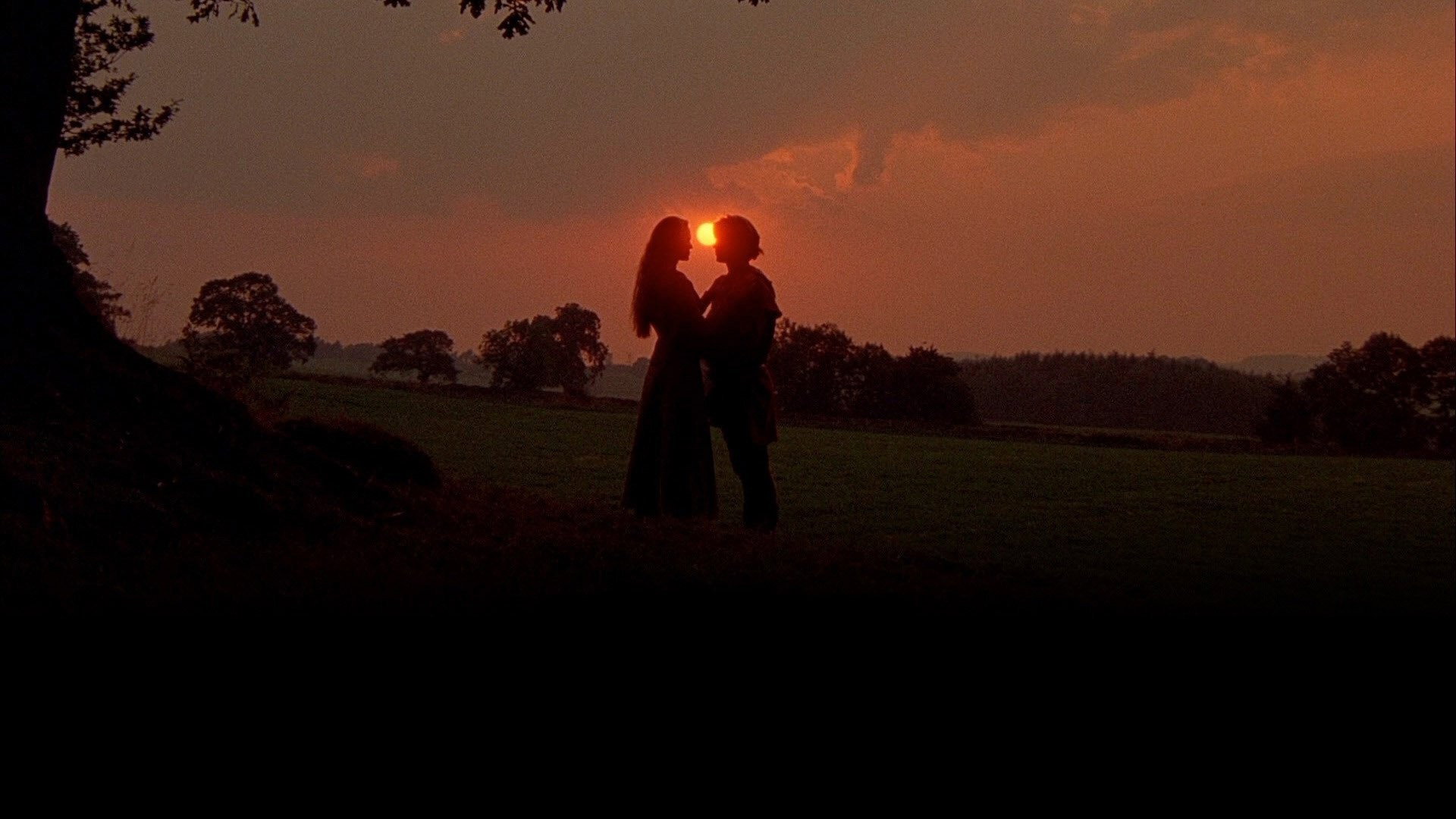
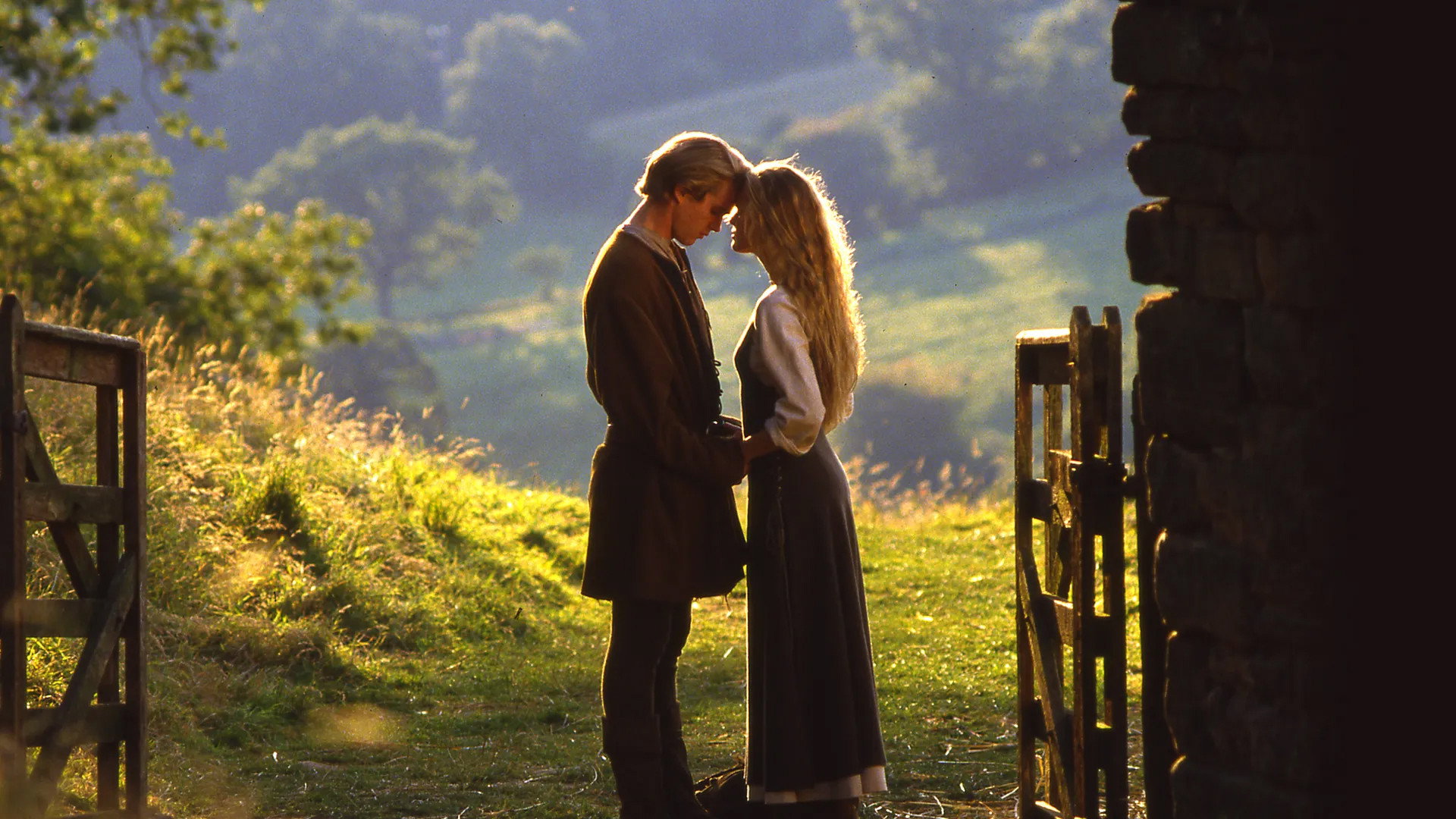
Our reservation is with the lovers. Elwes is more engaging as an adventurer than as a romantic lead, while Robin Wright is given too little opportunity to make the princess as interesting as the people around her. Goldman’s script is so certain we will accept their devotion that it sometimes neglects to make their time together interesting. Christopher Guest’s Count Rugen and Patinkin’s Inigo get richer opportunities, and both actors can hold our attention simply by taking their characters seriously.
That imbalance matters, but it does not undo Reiner’s achievement. A comic fantasy can grow tiresome when every scene nudges us to notice how familiar its story is; this one lets us enjoy the adventure without testing our knowledge of other films. There is no need to recognise a convention before being allowed to enjoy the joke. Watch it together, and leave the business of being too old for fairy tales to someone with a less promising evening.