George Lucas makes the racing and lightsaber fighting count, but too much of The Phantom Menace is spent explaining itself. The design and music deserve a livelier film, with people worth following.
George Lucas’s Star Wars: Episode I – The Phantom Menace is a frustrating, intermittently enjoyable adventure that we cannot quite recommend. The ambition is clear enough: give the beginning of this saga its own creatures, places and young central figure. Lucas writes as well as directs, which makes the sluggish conversations especially hard to excuse when his action can be so lively. At 136 minutes, there is far too much waiting for the next thing to happen.
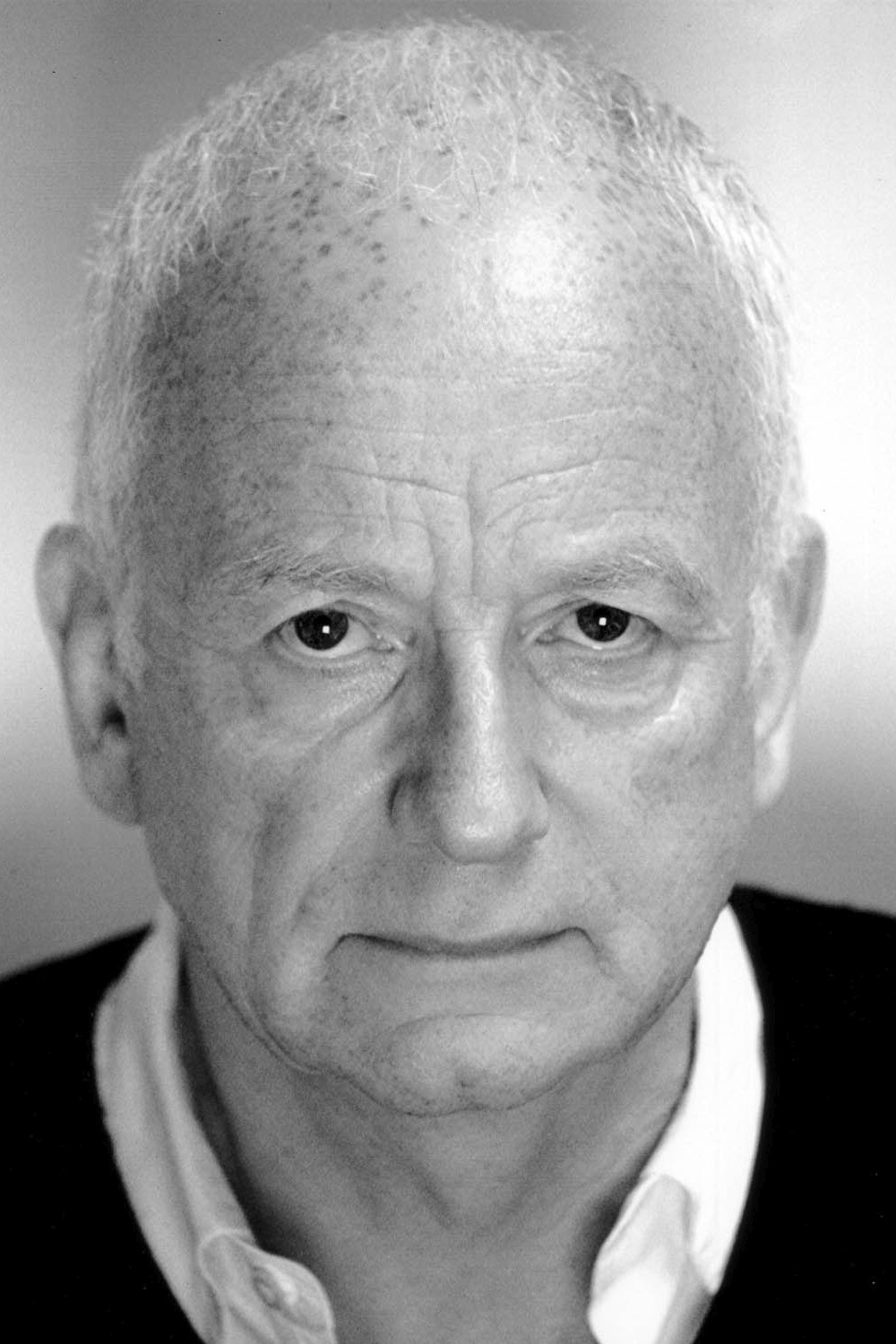
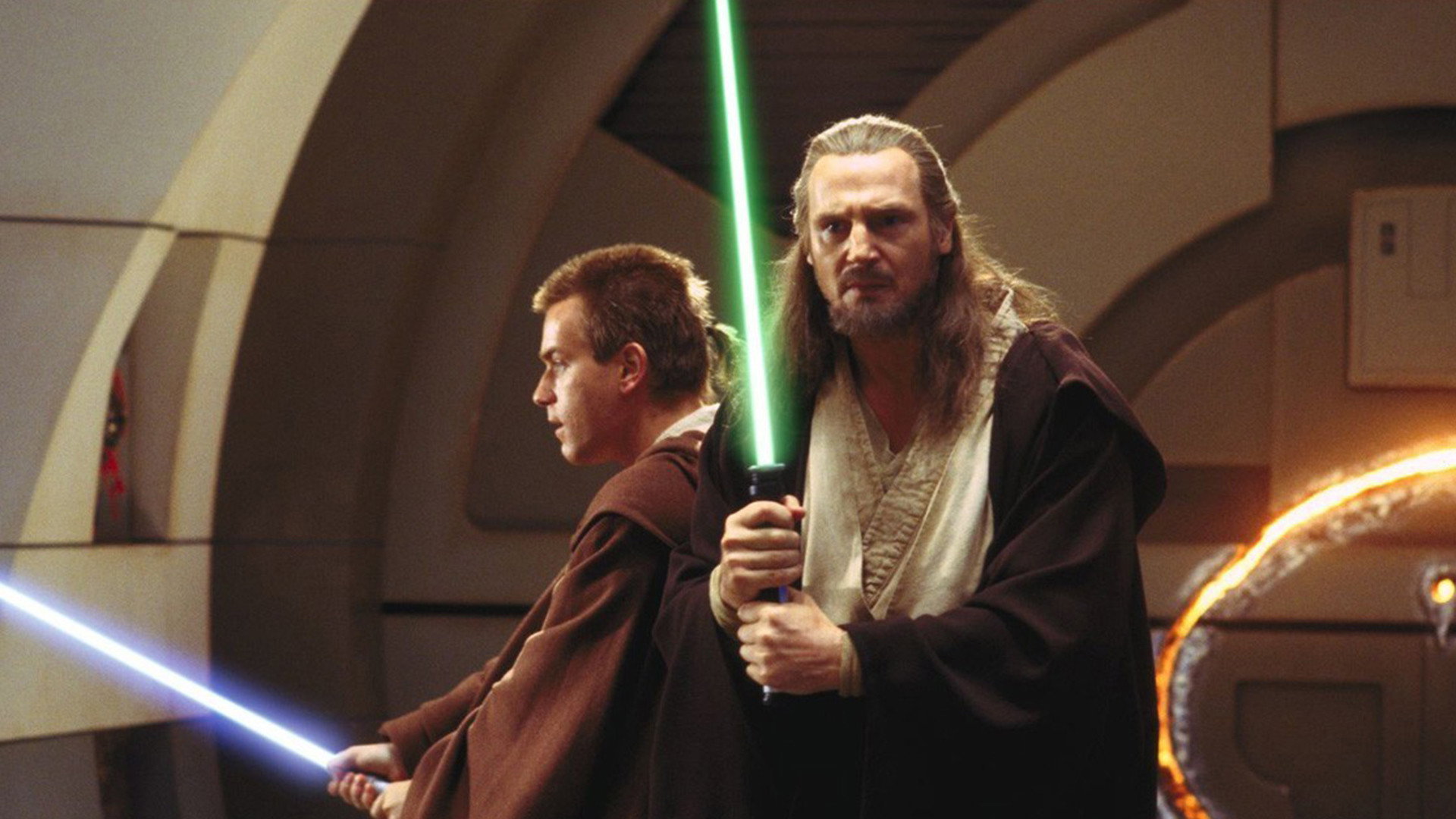
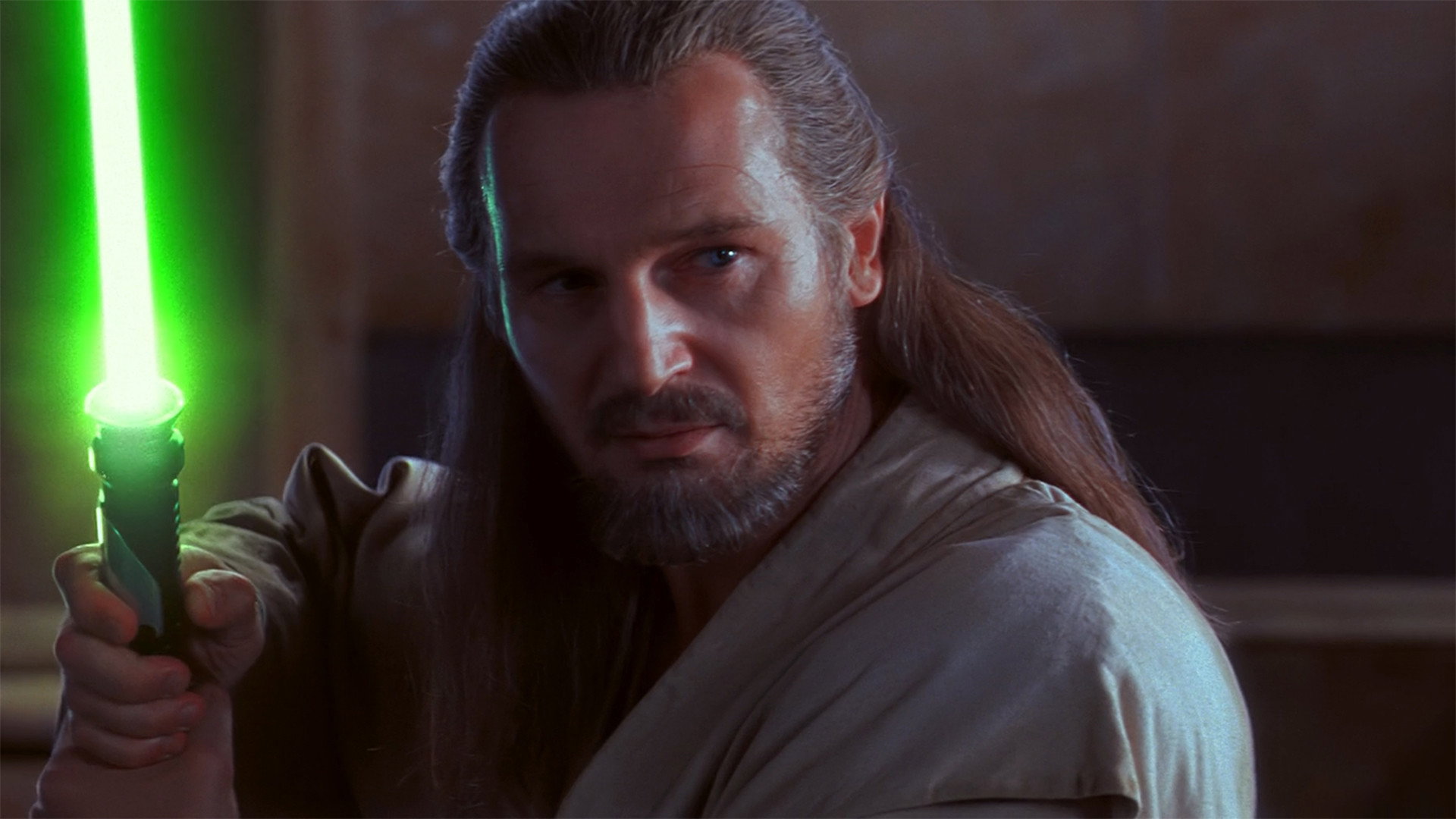
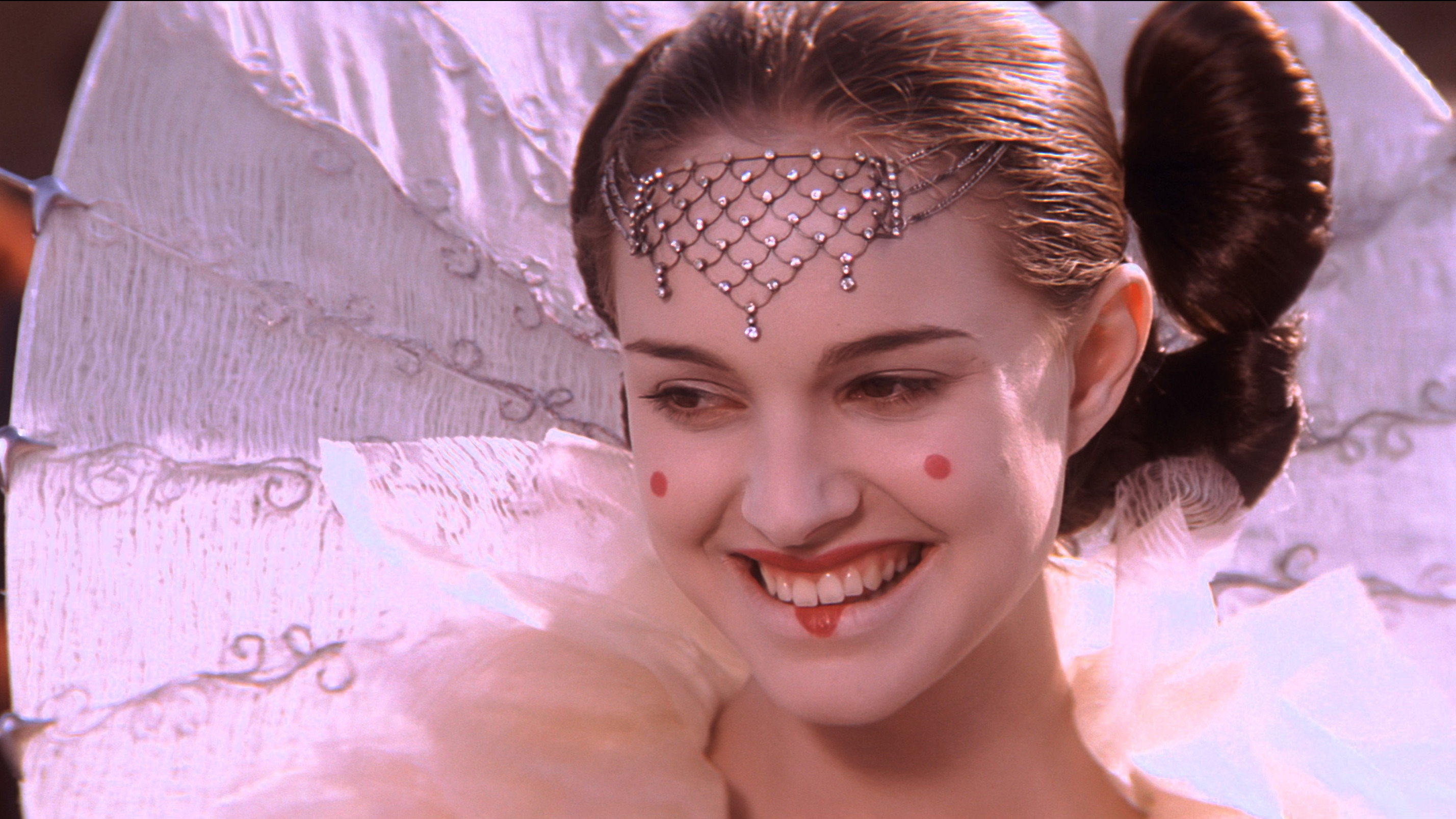
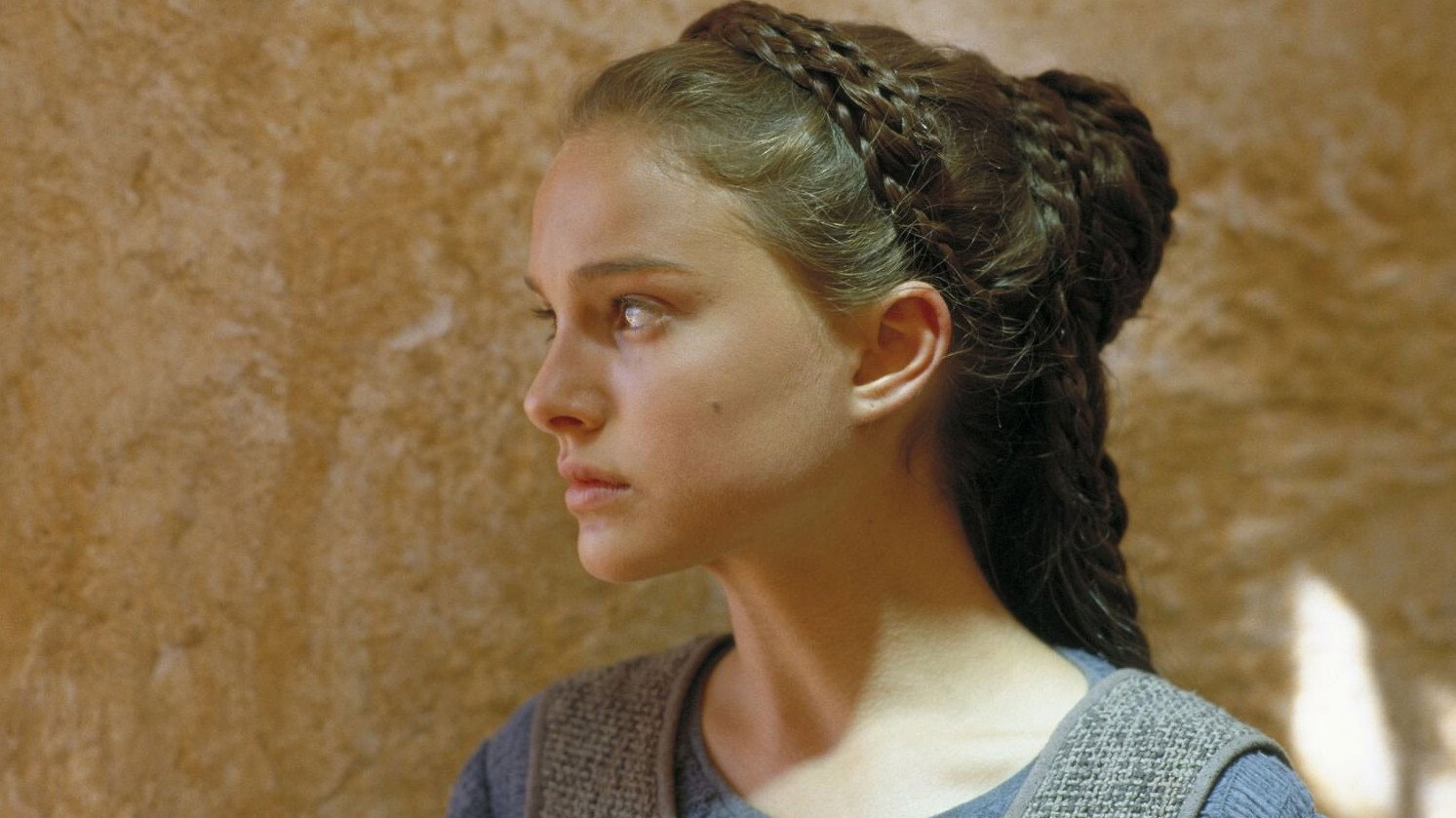
Liam Neeson’s Qui-Gon Jinn gives us somebody to follow, largely because Neeson can make a solemn line sound as though it matters to the person saying it. His steadiness lends the film a little human warmth without needing a joke to break every pause. Ewan McGregor’s Obi-Wan Kenobi and Natalie Portman’s Padmé Amidala are less fortunate: the formality of the writing leaves their performances feeling constrained. Too much of their dialogue is devoted to explaining the story.
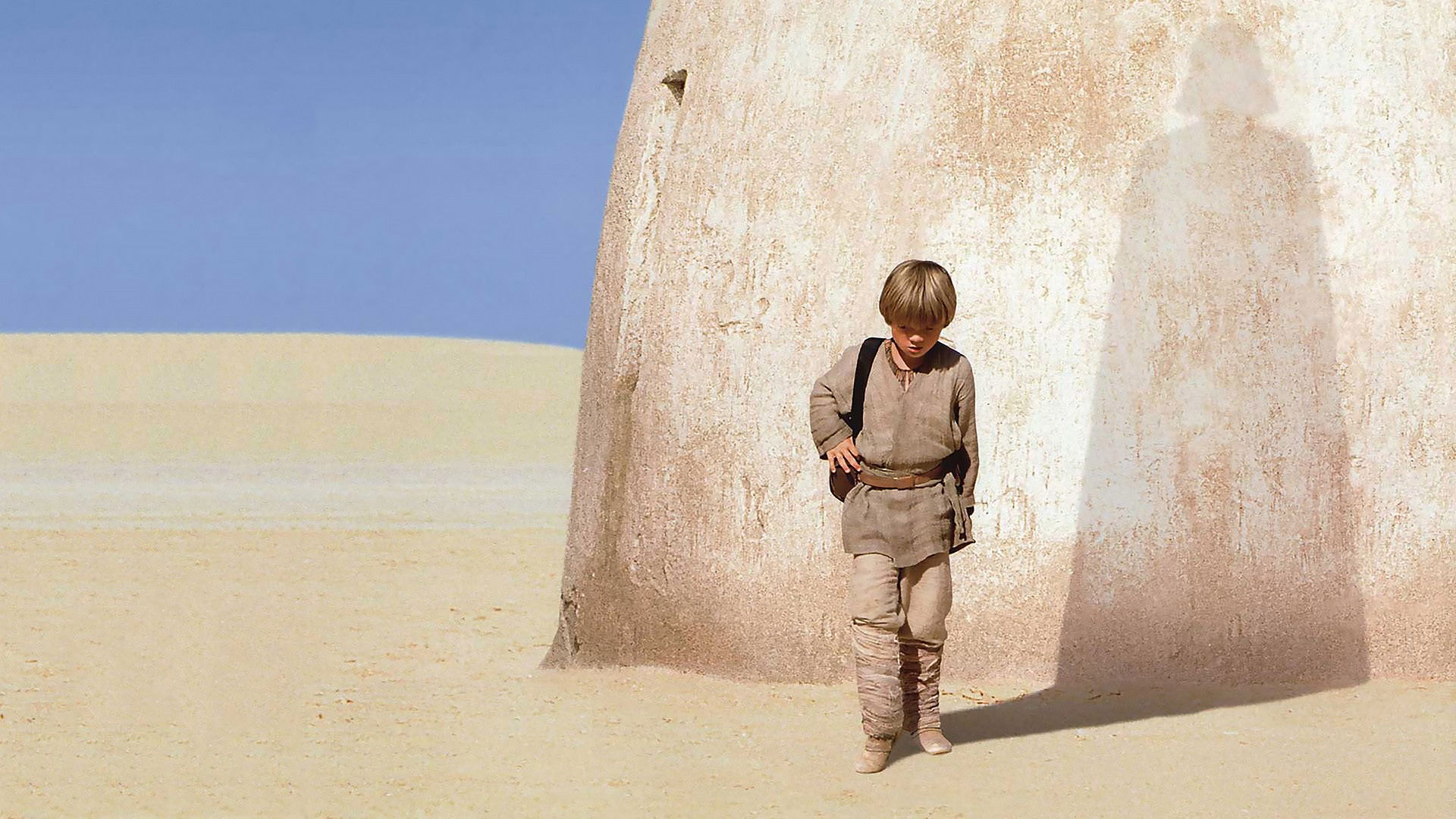
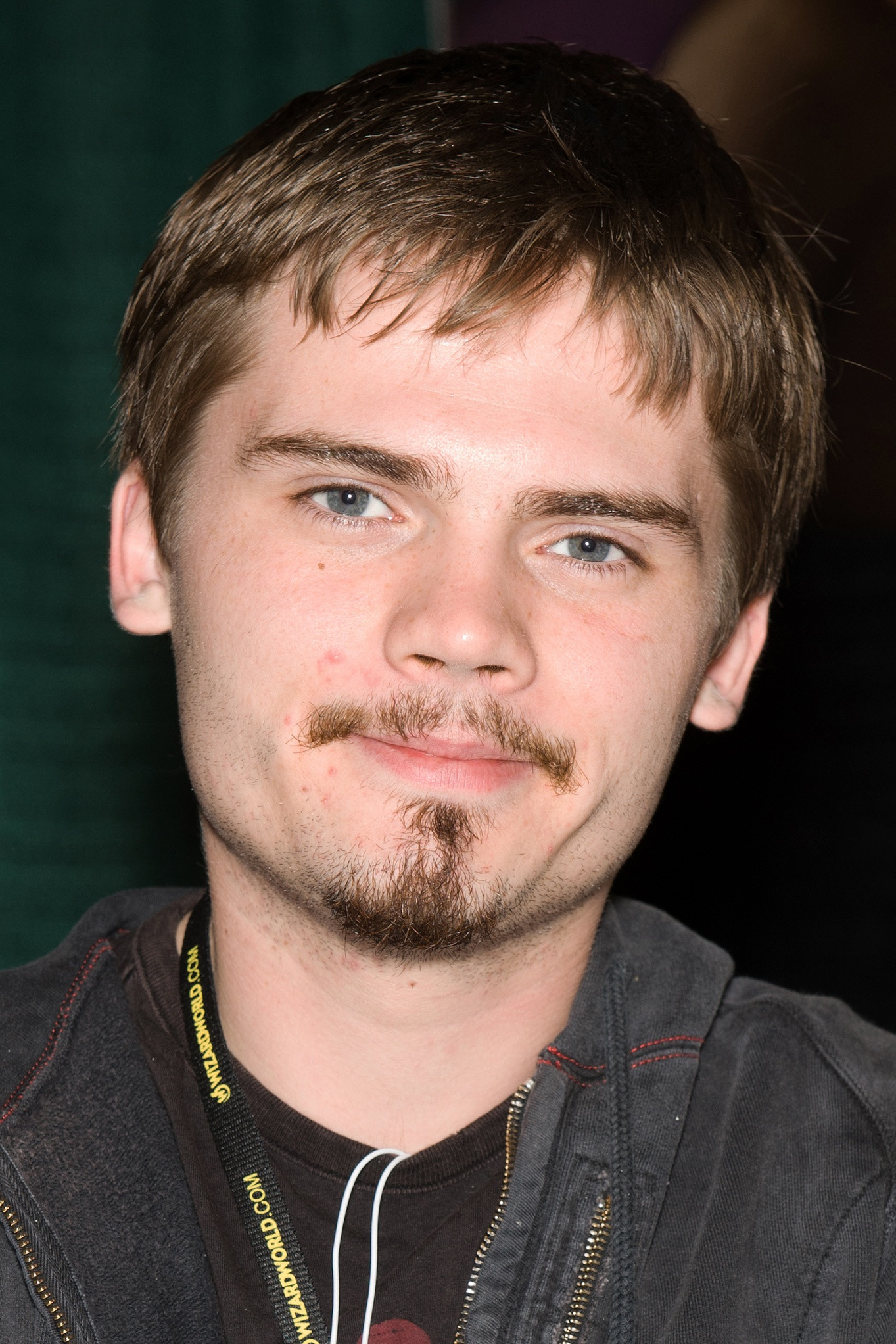
Making Anakin Skywalker a child is a defensible choice, but Jake Lloyd is left with a part that the screenplay has not made convincing. It is hard to separate the performance from dialogue that gives the adults trouble too. Ahmed Best’s Jar Jar Binks is a different problem, with broad comic business that repeatedly interrupts rather than relieves the solemnity. The film keeps returning to that humour without finding much else for us to enjoy in the character.
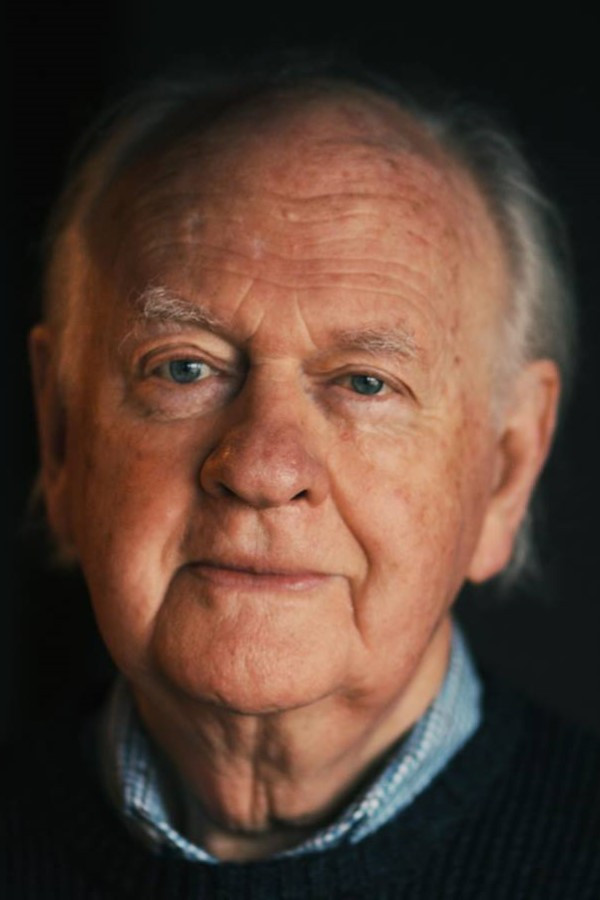
Gavin Bocquet’s production design offers more to look at, particularly on Coruscant, where the scale and variety suggest a place beyond the immediate story. David Tattersall’s cinematography is less persuasive when the frame becomes crowded enough that everything asks for attention at once. We can admire the quantity of visual invention and still struggle to find the important thing in an image. The effects achieve a great deal technically, though their busyness sometimes makes the adventure harder to follow.
The pod race is the welcome exception to all this visual busyness. We were exhilarated by its speed, and by the relief of being allowed to enjoy action without another explanation. Editors Paul Martin Smith and Ben Burtt give the sequence a forward drive missing from the conversations, letting the racing sustain our attention. The sound design gives it a physical force that much of the surrounding digital spectacle lacks.
John Williams’s score does much of the remaining work of getting us involved. His music gives the lightsaber fighting a gravity that the screenplay has struggled to earn, making the combat feel as though something important depends on it. The sequence works, even with our interest in the characters still limited. Williams makes the action absorbing for a stretch, though the return to dialogue exposes how little the writing has done to help him.
A space adventure can carry a fair amount of nonsense if its characters make us want to accompany them, and Lucas has not managed that here. There is a family film somewhere in the combination of youthful hero, strange creatures and bursts of action, though the long explanations work against it. Those already interested in the saga have more reason to persist than anyone coming to it without that attachment. For a casual evening, we would choose a film with less waiting between the good bits.