Irvin Kershner makes the machinery frightening and the people worth worrying about. A few solemn lessons slow The Empire Strikes Back, but its action, humour and feeling justify the darker turn.
The Empire Strikes Back is an adventure sequel that earns its seriousness, and we recommend it without requiring any special affection for the saga. Irvin Kershner gives the familiar characters time to argue, hesitate and think, while keeping the danger close enough to interrupt them. George Lucas’s story allows the heroes to be uncertain about what they are doing. Leigh Brackett and Lawrence Kasdan’s screenplay gives that uncertainty consequences without letting it take over every conversation.
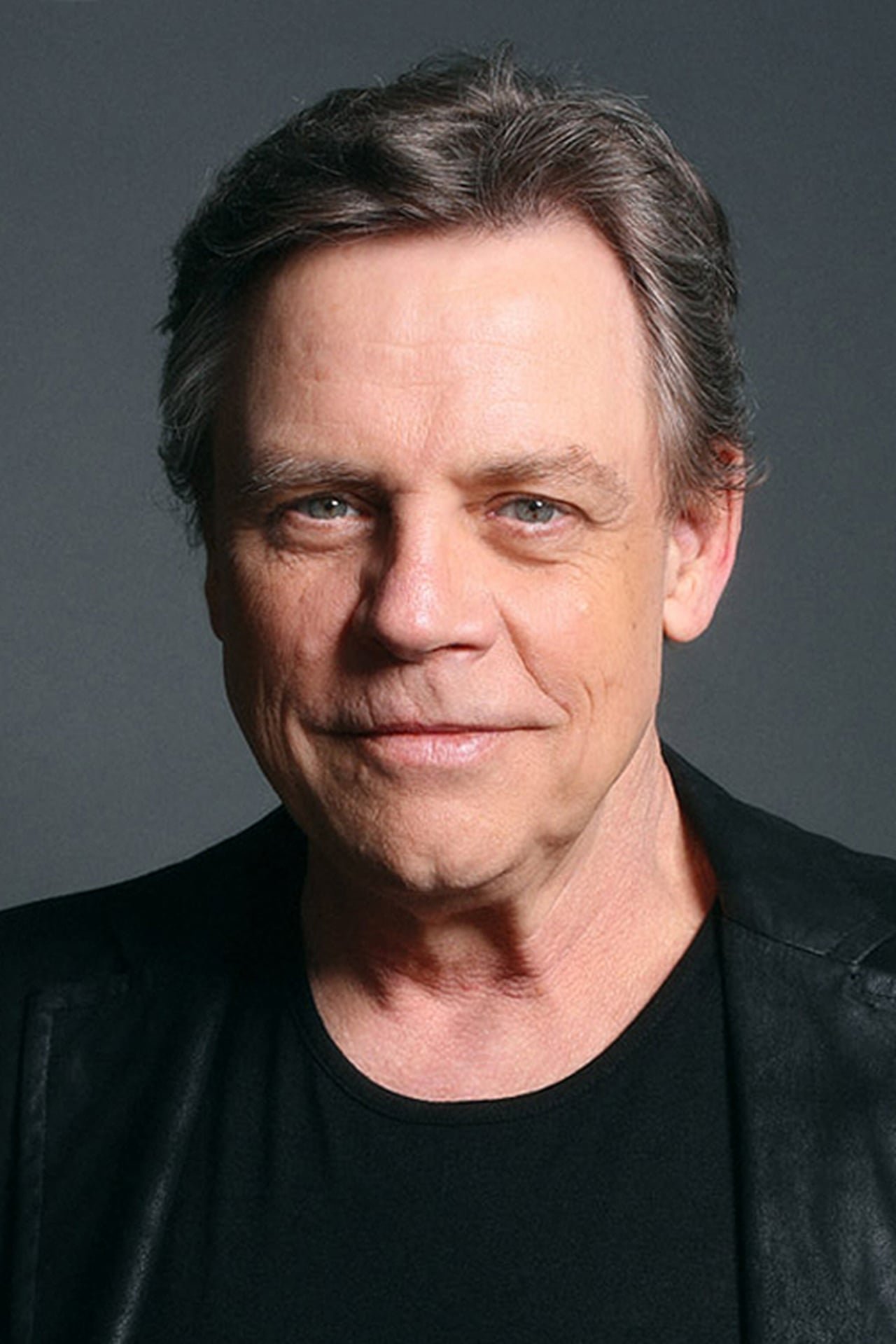
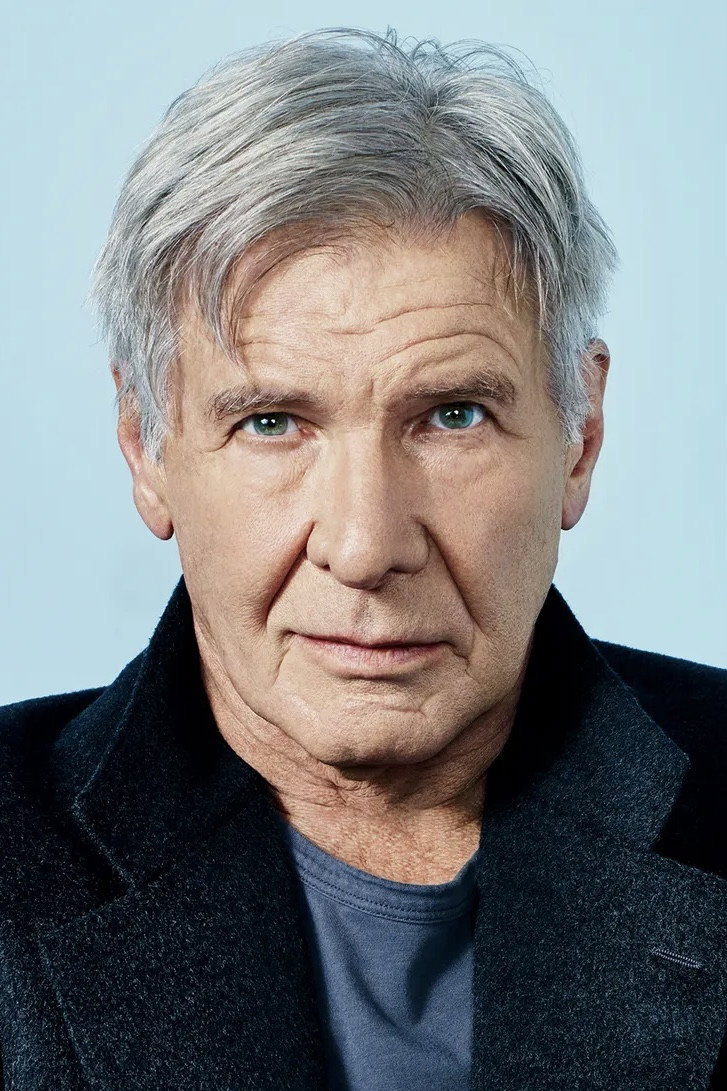
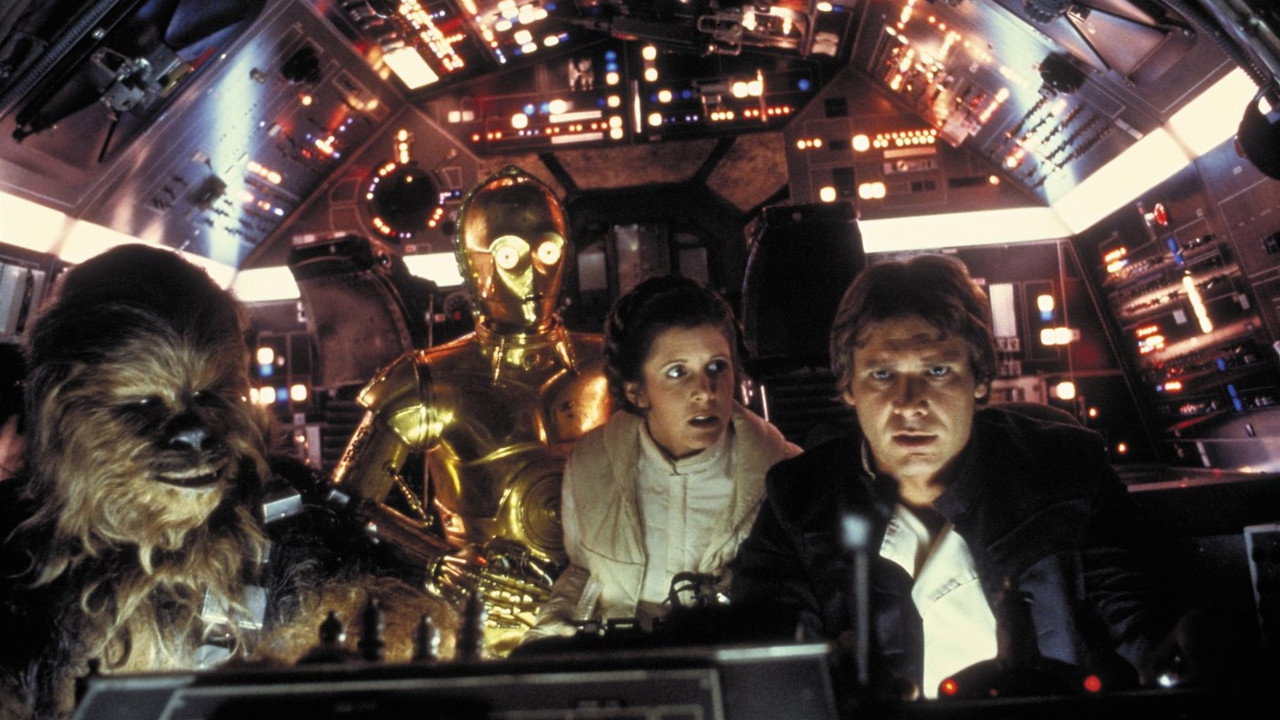
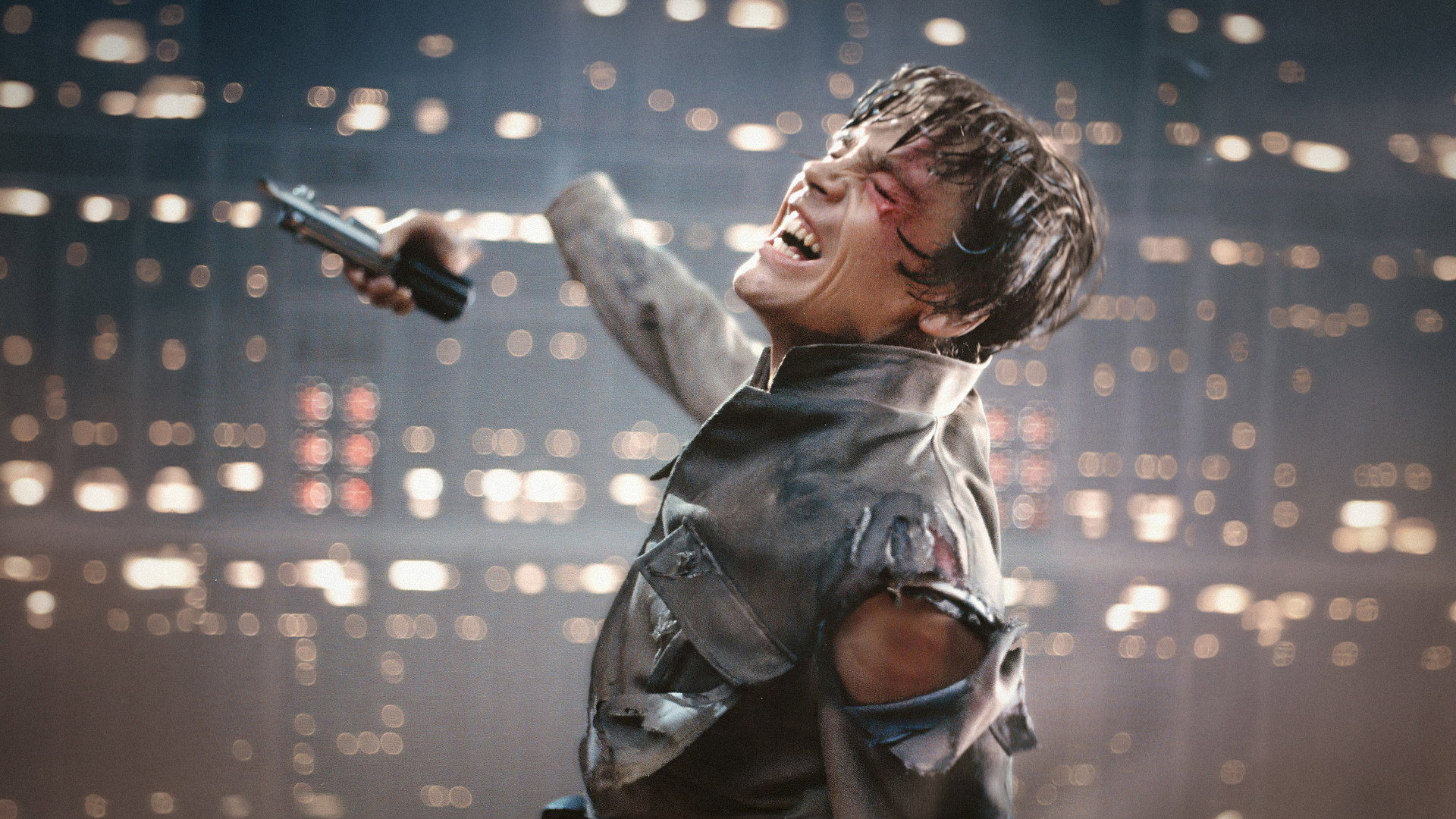
Mark Hamill gives Luke Skywalker an impatience that makes the training scenes engaging in their own right. He looks like someone who wants the lesson over before he has understood it, and that is a useful fault in an adventure hero. Harrison Ford’s Han Solo and Carrie Fisher’s Princess Leia supply a different kind of impatience: their exchanges have the pleasure of people refusing to concede anything. Kershner lets the irritation last long enough to become funny.
Yoda could easily make those lessons unbearable. Frank Oz’s voice gives him enough mischief to puncture the solemnity, while Luke’s difficulty in listening keeps the instruction attached to a recognisable failing. It helps that the pupil is allowed to find the whole business frustrating. Brackett and Kasdan make the disagreement entertaining even when the subject threatens to become homework.
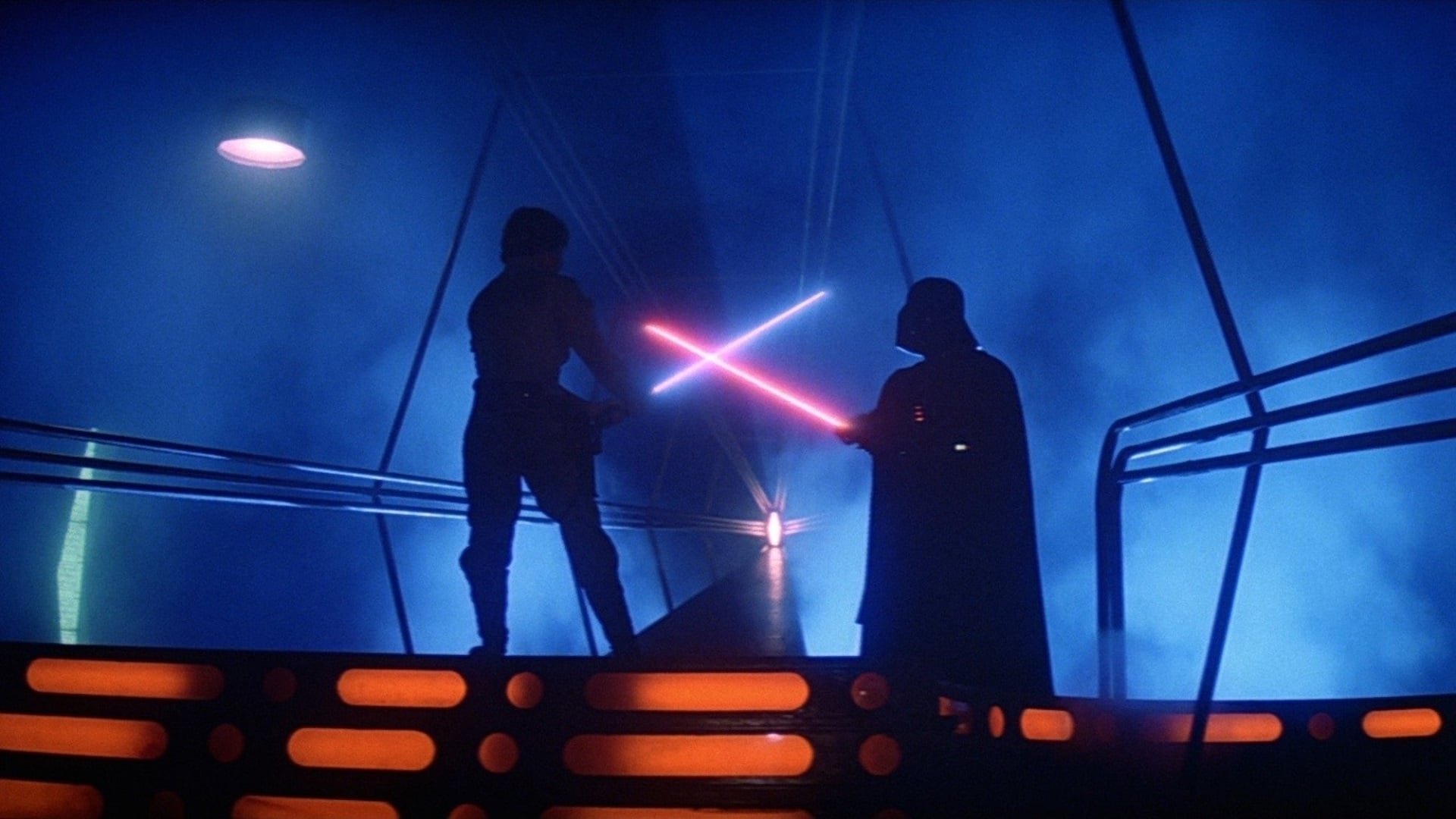
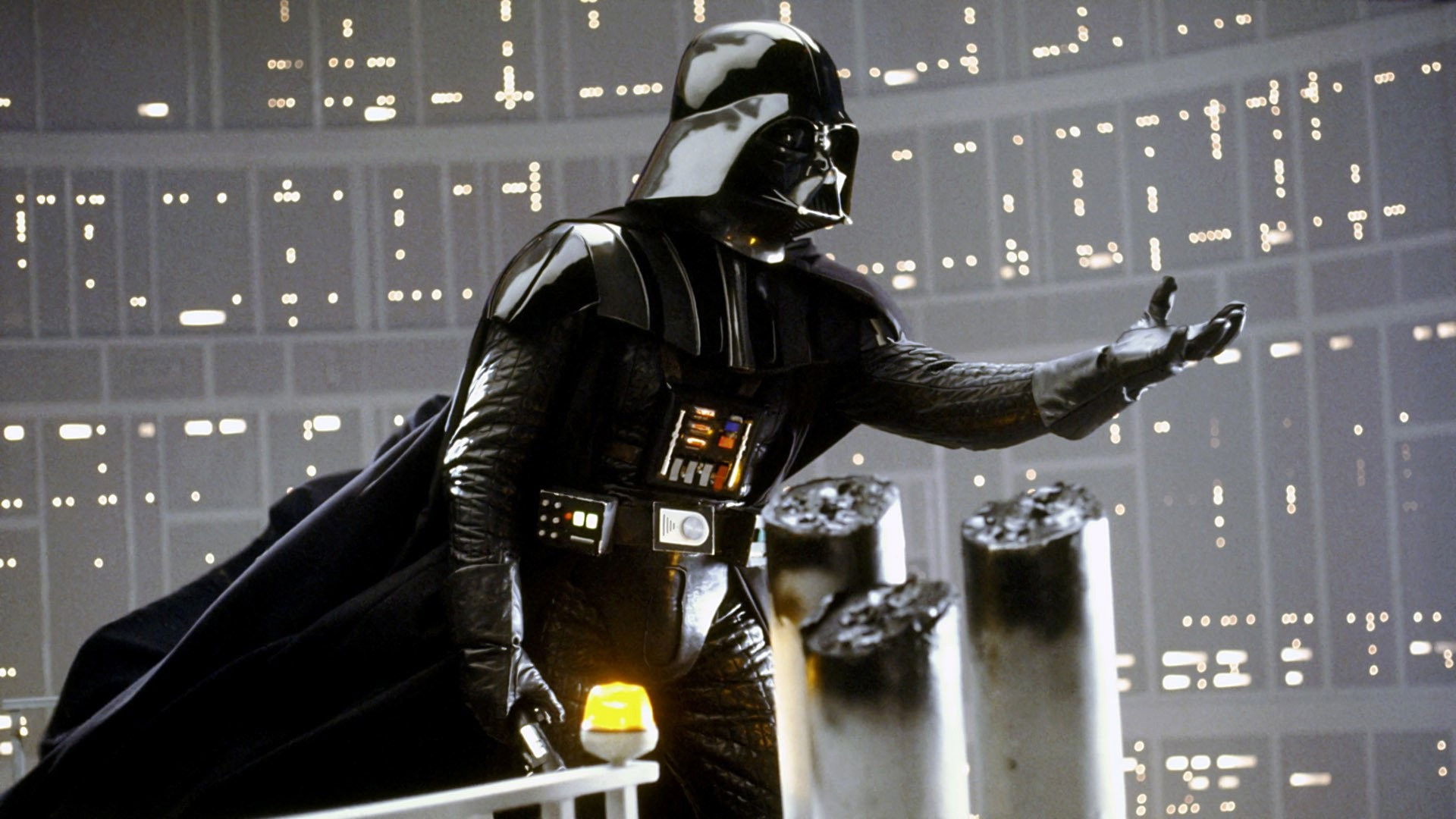
We were frightened by the Imperial Walkers: their bulk makes the people facing them look terribly exposed. The effects work because the machines seem able to hurt somebody, not simply because they are elaborate. Peter Suschitzky lets darkness gather around the characters, so that even a conversation can feel unsafe. His cinematography sustains the threat between the large set-pieces without making the action difficult to follow.
Norman Reynolds gives each world a distinct character, so that a change of location alters the sort of trouble we expect. Cloud City is worth looking at in its own right, yet the production design never reduces the actors to visitors on a guided tour. John Williams gives the military music a heavy tread, making the machines seem still harder to stop. The score’s grandeur is useful here: these dangers need to feel serious if the humour is going to offer any relief.
Marcia Lucas and Paul Hirsch’s editing keeps the separate strands moving without treating the quieter passages as dead time. The shifts from instruction to action usually arrive before either has exhausted its welcome. There are stretches when another exchange about the Force feels like one exchange too many, and some of the machinery has lost the surprise of a first encounter. But the action remains clear, and Kershner trusts the performers to hold our attention without an effect behind them.
The critical consensus is cooler than our verdict. We disagree with the complaint that machinery crowds out the people: Luke’s impatience and Han and Leia’s arguments are precisely why the danger matters. For a space adventure, the film spends a welcome amount of time letting its heroes be difficult company. It is worth showing to someone who thinks a space adventure cannot give its actors anything interesting to do.