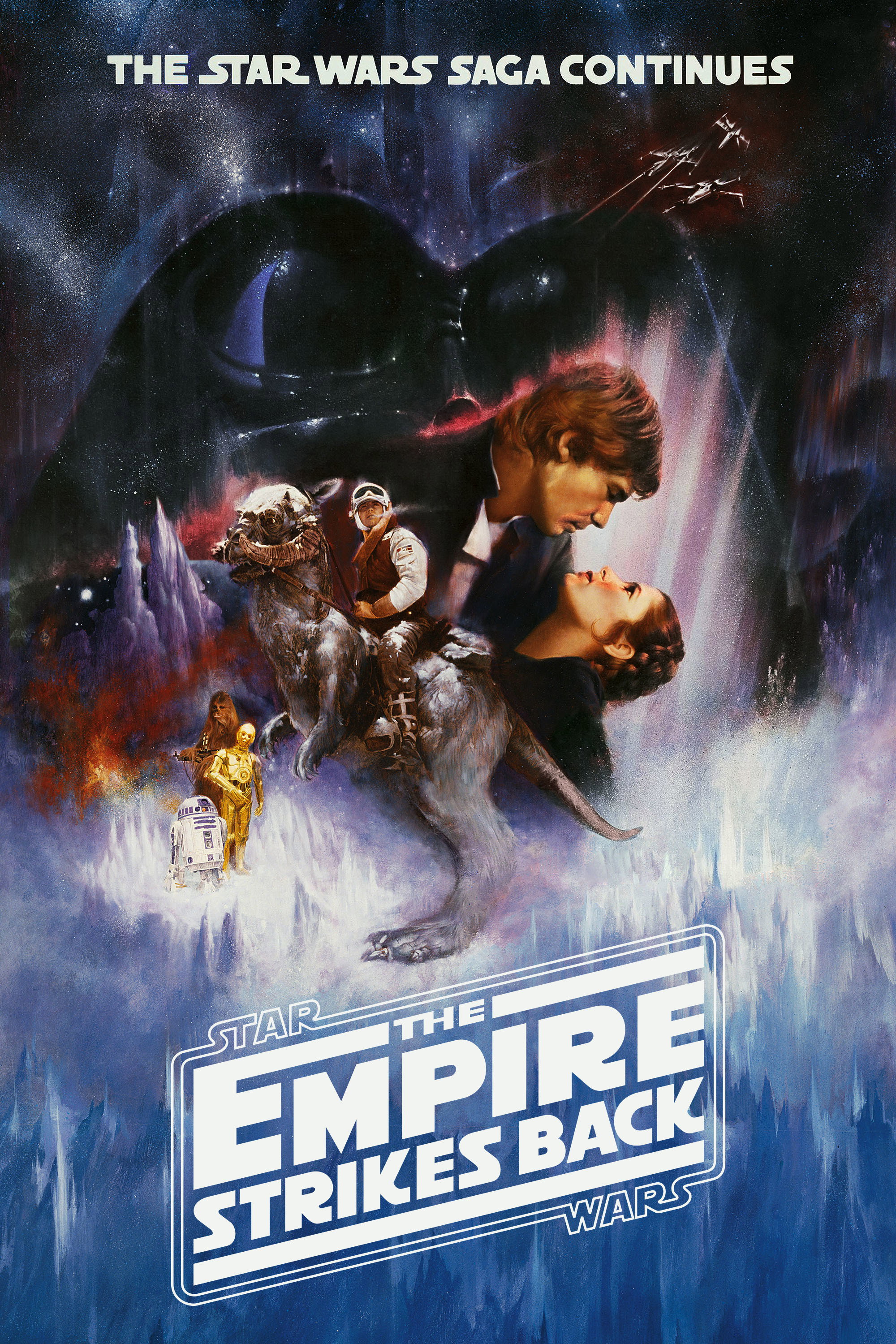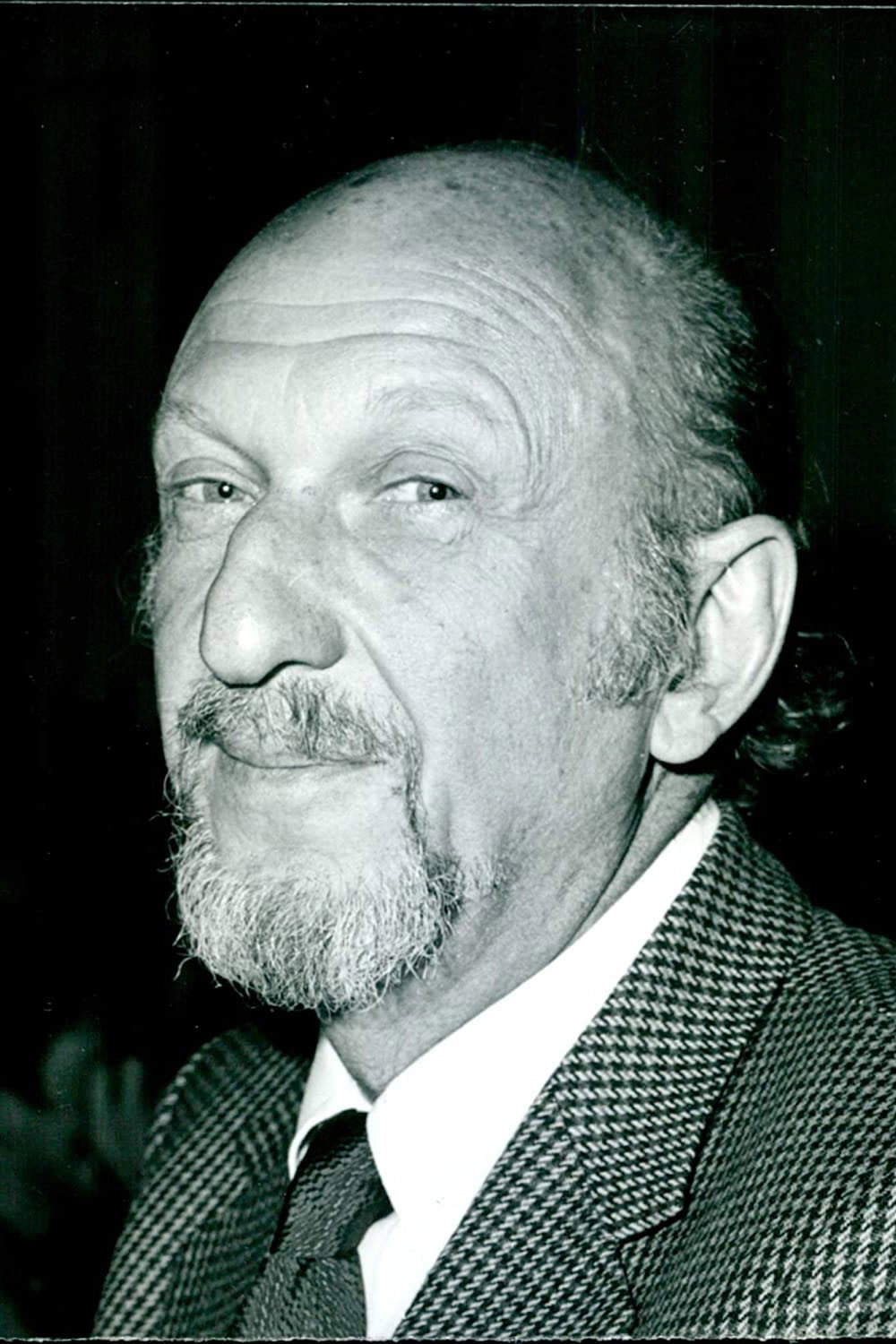
Irvin Kershner gives people time to hesitate, argue and become worth worrying about, even when the machinery is closing in. We rate his direction of actors highly; The Empire Strikes Back makes the strongest case for it.
Fi1m perspective
Han Solo and Princess Leia can keep an argument going even when they ought to have more pressing concerns. In The Empire Strikes Back (1980), Irvin Kershner lets Harrison Ford and Carrie Fisher prolong their irritation until it becomes funny. We laughed because neither seemed willing to let the other have the last word. Kershner makes an adventure sequel worth watching for the people, and that is the strongest reason to seek out his work.
His features began with the independent Stakeout on Dope Street (1958), followed by character-focused dramas through the 1960s and 1970s. The Hoodlum Priest (1961) reflects his interest in socially conscious stories, while the thriller Eyes of Laura Mars (1978) helped establish his suitability for larger productions. Seen against that work, The Empire Strikes Back hardly represents a sudden change of interests. He still wants us watching faces when there is plenty of hardware available.
George Lucas’s story and Leigh Brackett and Lawrence Kasdan’s screenplay give the heroes uncertainty with consequences, and Kershner makes sure it affects how they behave. Mark Hamill’s Luke Skywalker wants the lesson finished before he has understood it, which gives the training scenes something recognisable beyond their solemn instruction. Editor Paul Hirsch helps keep the separate strands moving without rushing past the quieter scenes. The action remains clear, and the performances never feel like something we have to sit through before it resumes.
Some of the solemn lessons do slow The Empire Strikes Back, and repeated discussion of the Force can test that patience. The film gives us good reason to care about the people being instructed, which is why we forgive the slower passages. Kershner’s later work included Never Say Never Again (1983), with Sean Connery returning as James Bond, and RoboCop 2 (1990). The latter received mixed reviews; his move into larger productions did not bring consistent critical approval. Start with The Empire Strikes Back; no special affection for the saga is required.
Biography
Irvin Kershner (born Isadore Kershner) was an American film and television director. Born in Philadelphia, Pennsylvania, he studied at the University of Southern California School of Cinematic Arts, where he later taught. Early in his career he directed documentaries for the United States Information Service in the Middle East and independent feature films including Stakeout on Dope Street (1958) and The Hoodlum Priest (1961).
Kershner directed The Empire Strikes Back (1980), the second film in the original Star Wars trilogy. He also directed Never Say Never Again (1983), RoboCop 2 (1990) and episodes of television series including Amazing Stories and seaQuest DSV. He received an Emmy Award nomination for directing the television film Raid on Entebbe (1977).