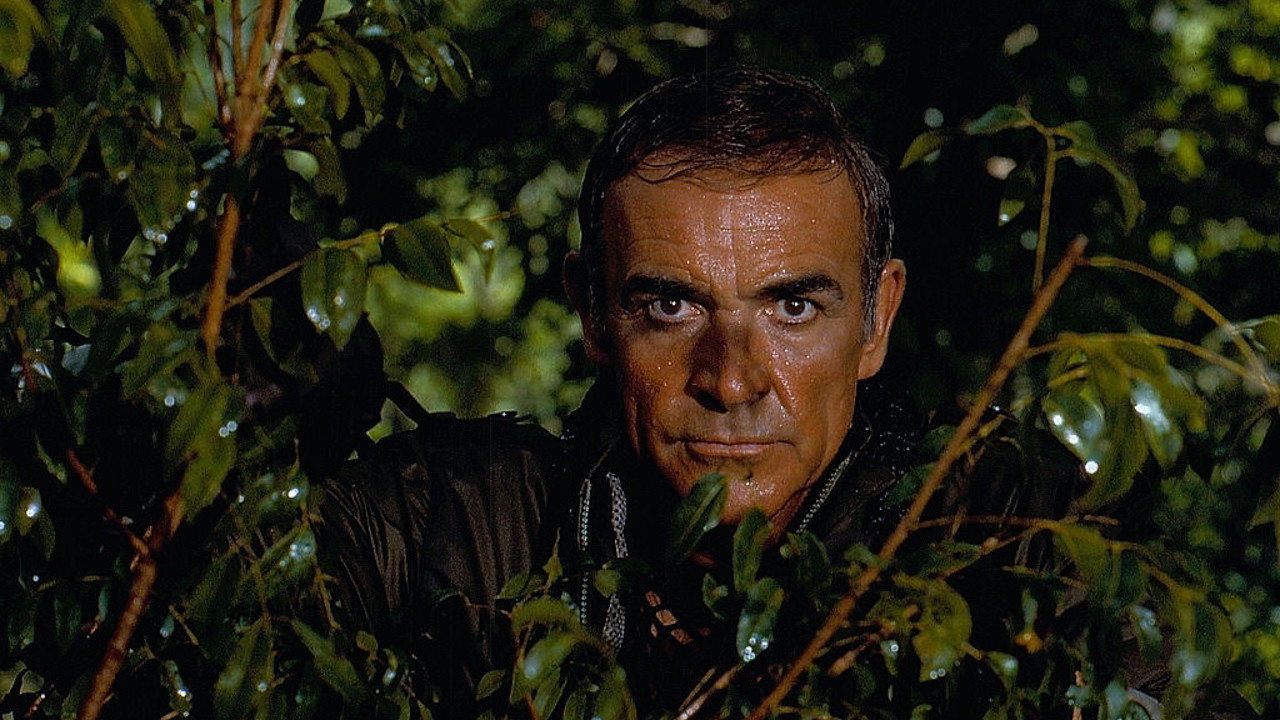
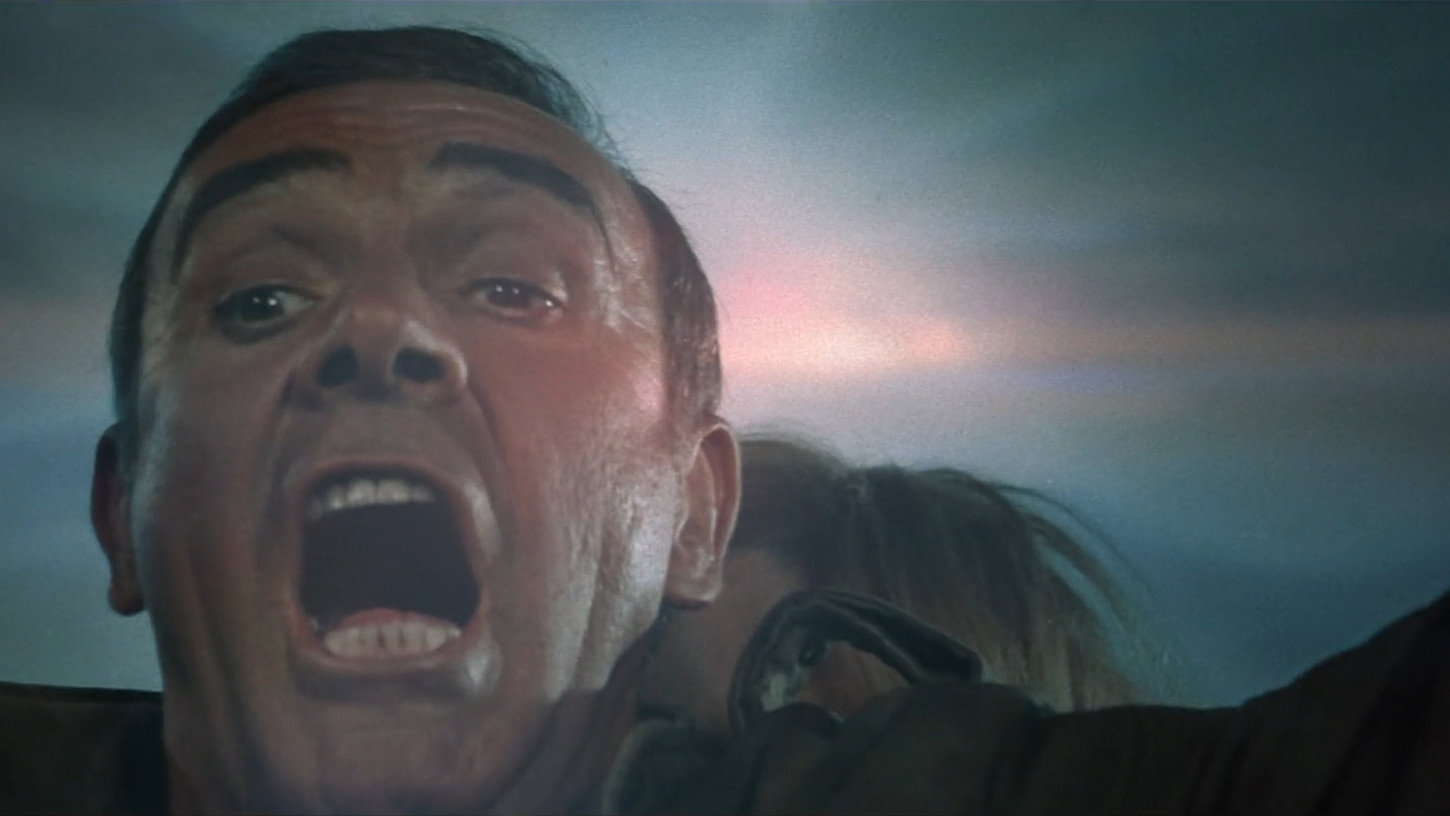
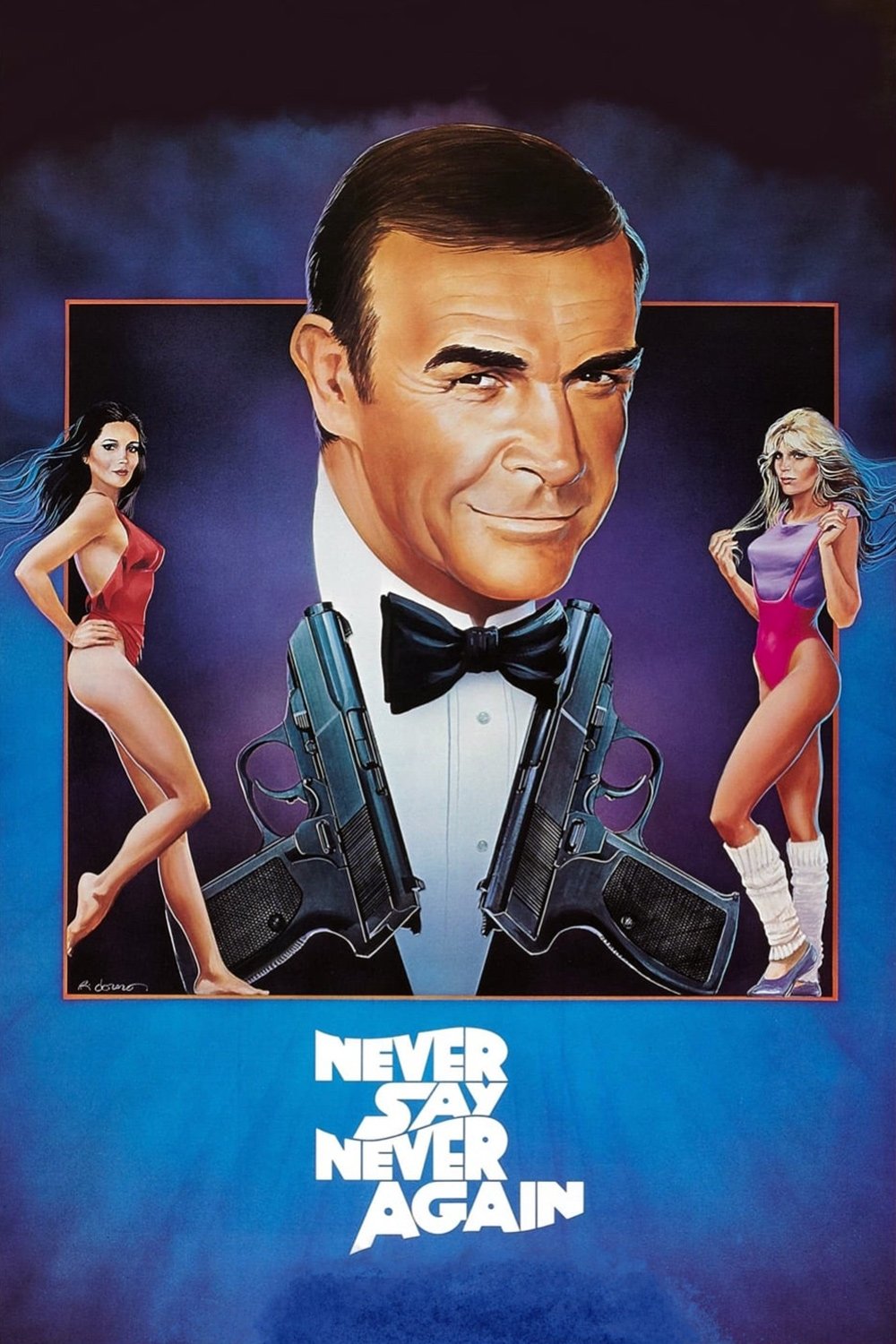
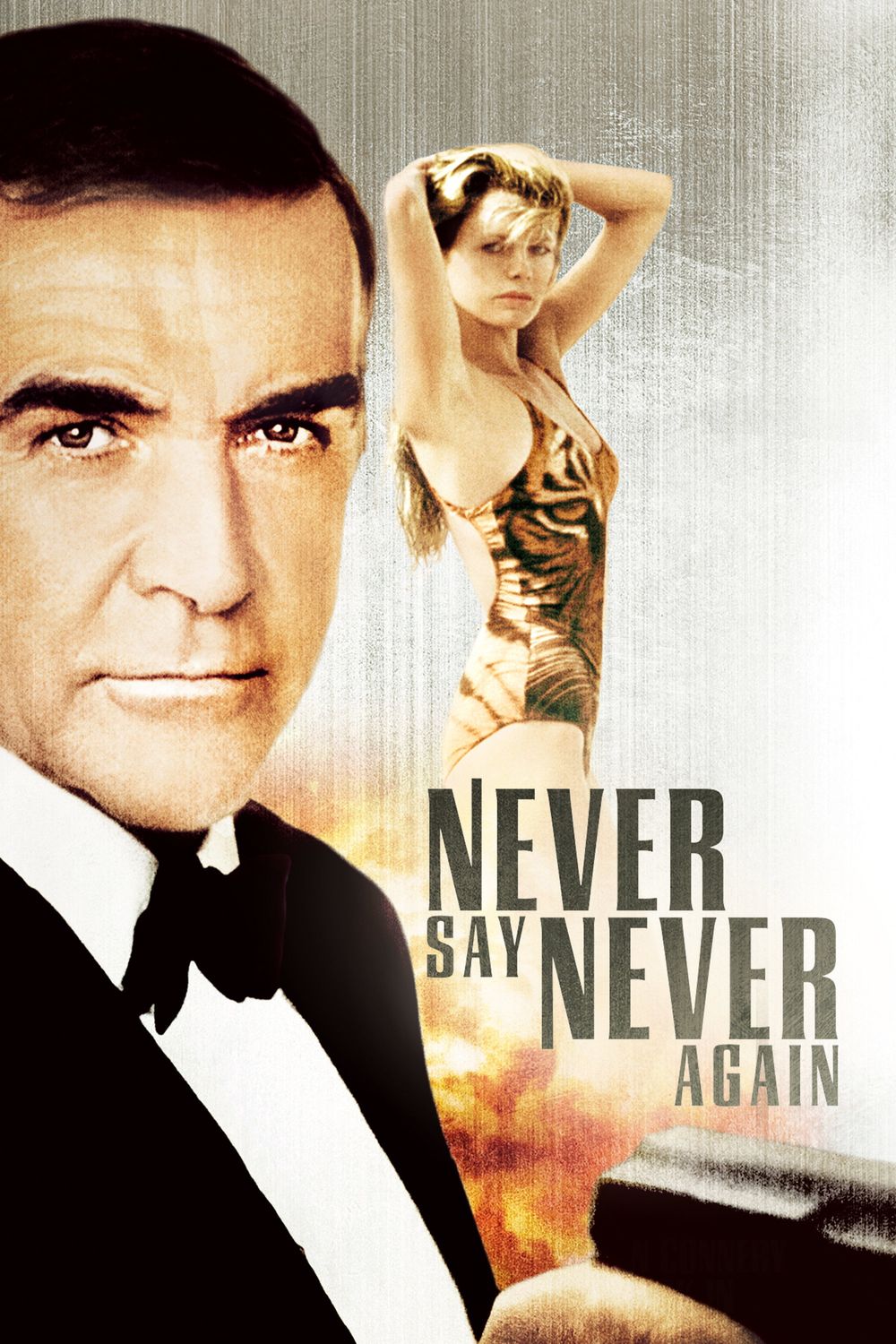
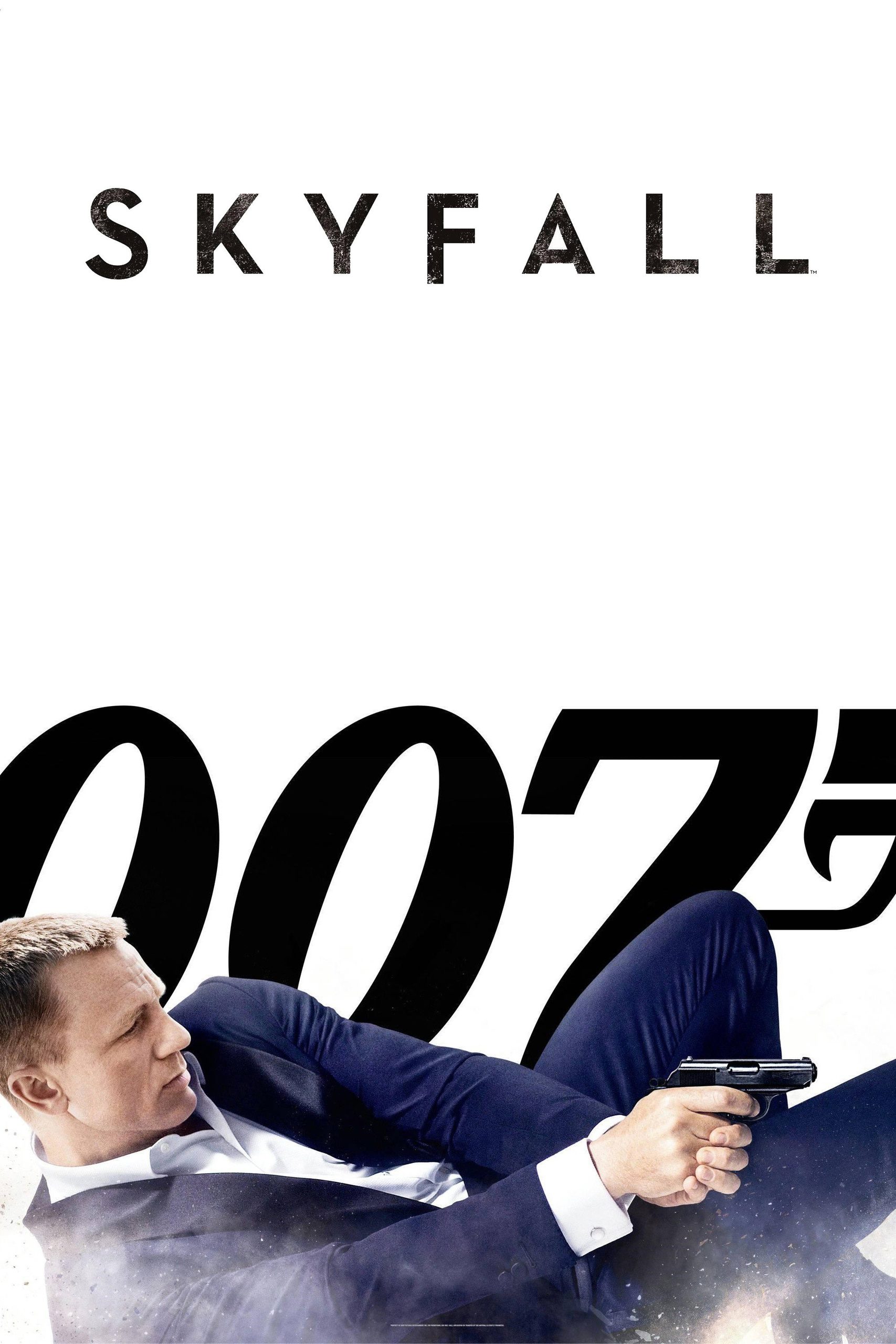
Sean Connery returns to Bond twelve years on, greyer, drier and better company than the film around him. Klaus Maria Brandauer and Barbara Carrera give it two proper villains; a slack script, a wayward score and a great deal of seawater do their best to undo them.
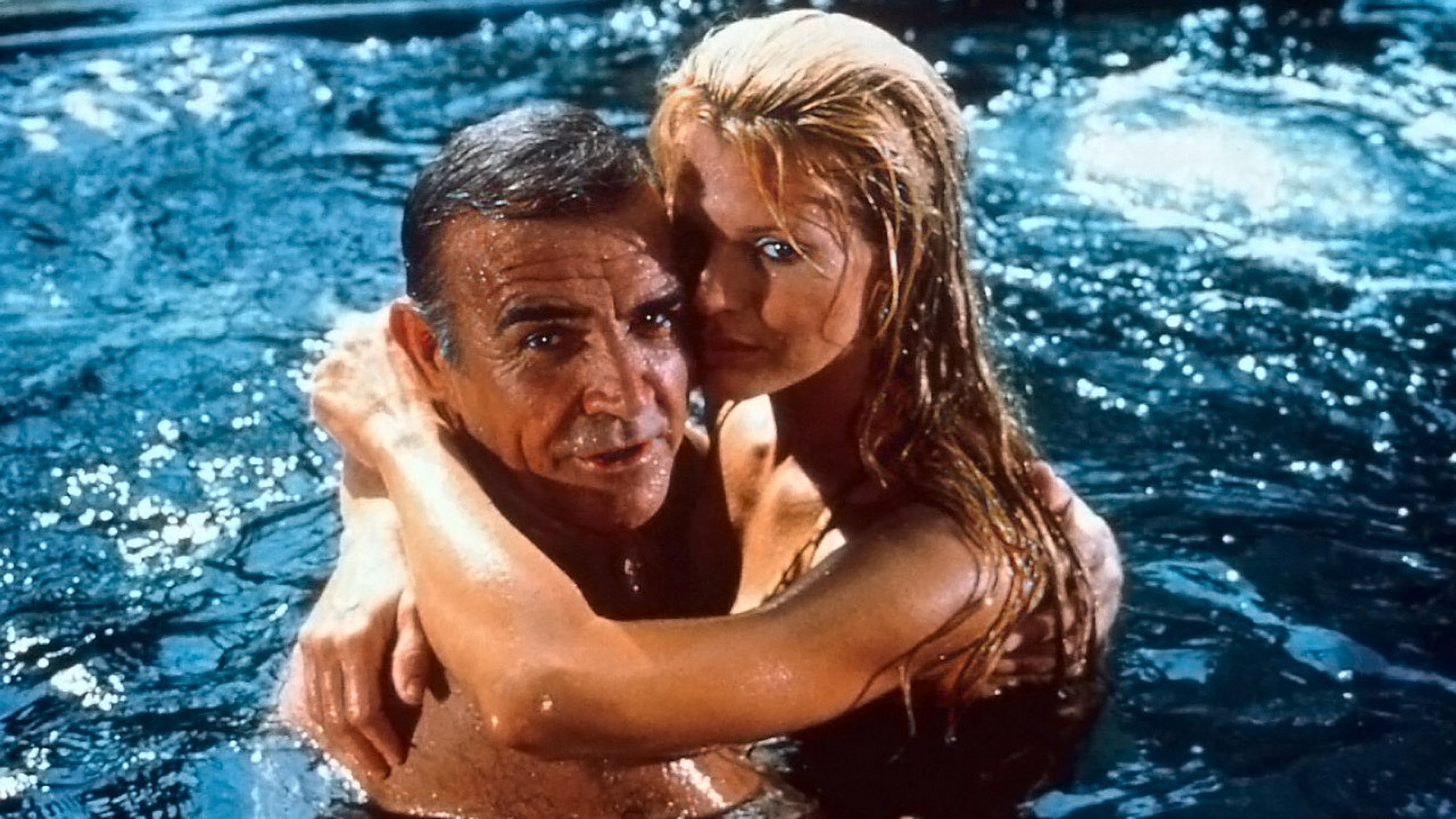
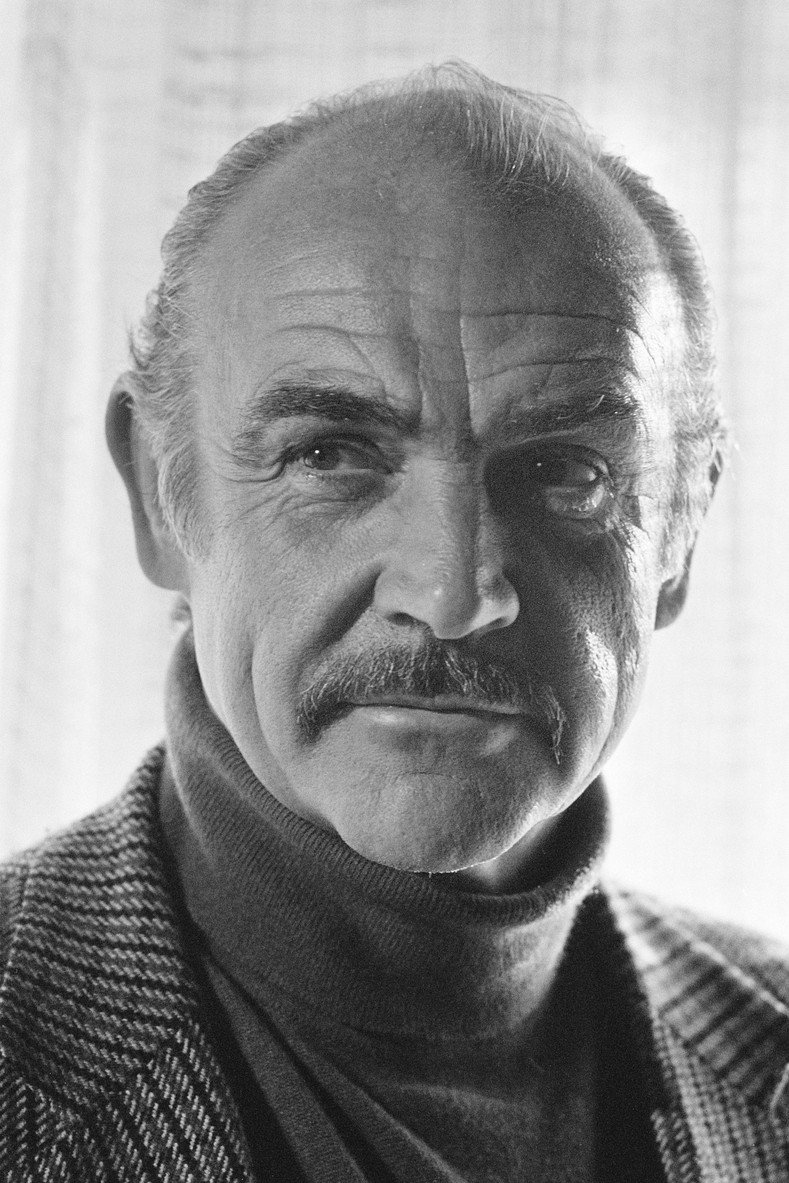
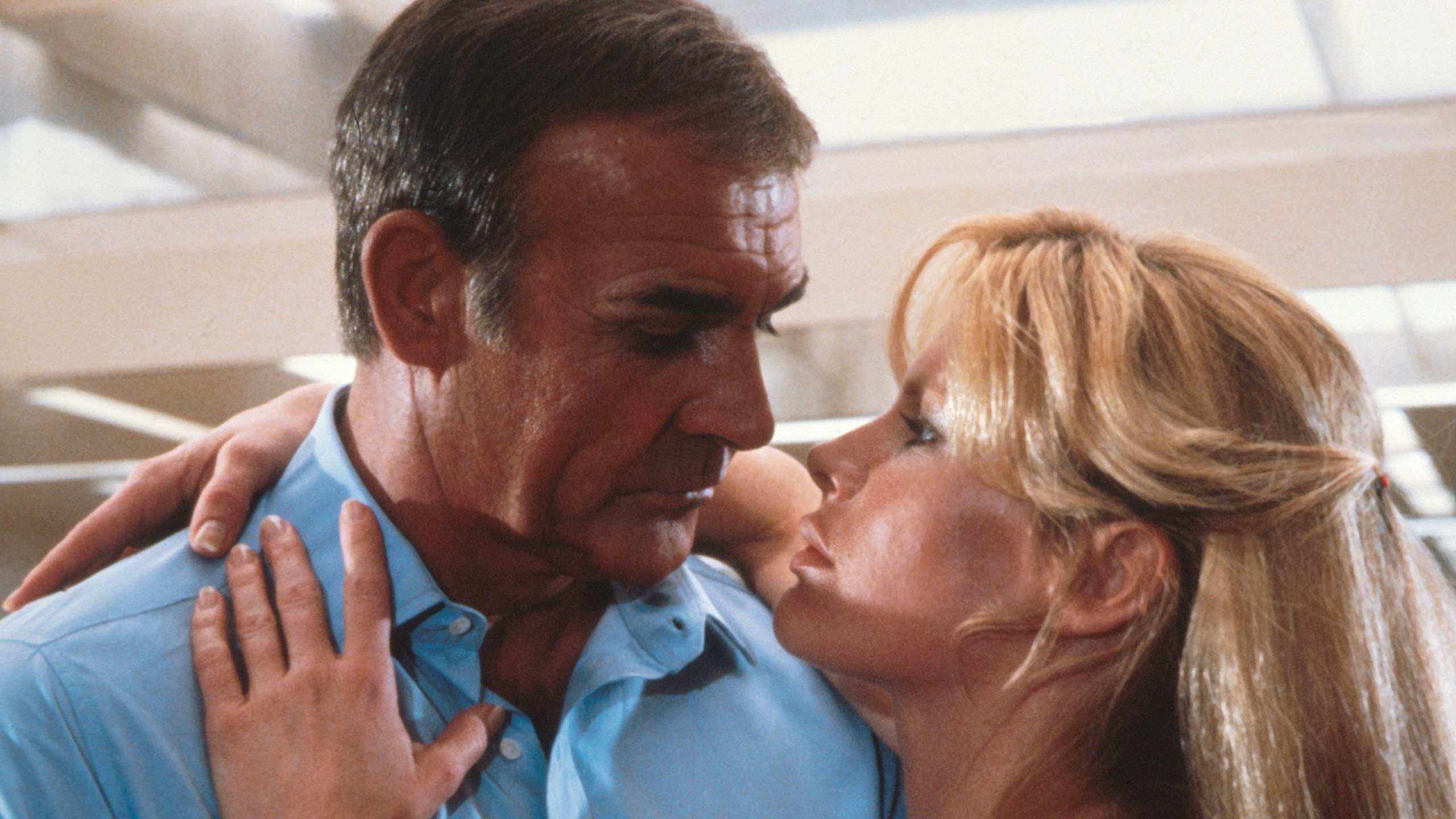
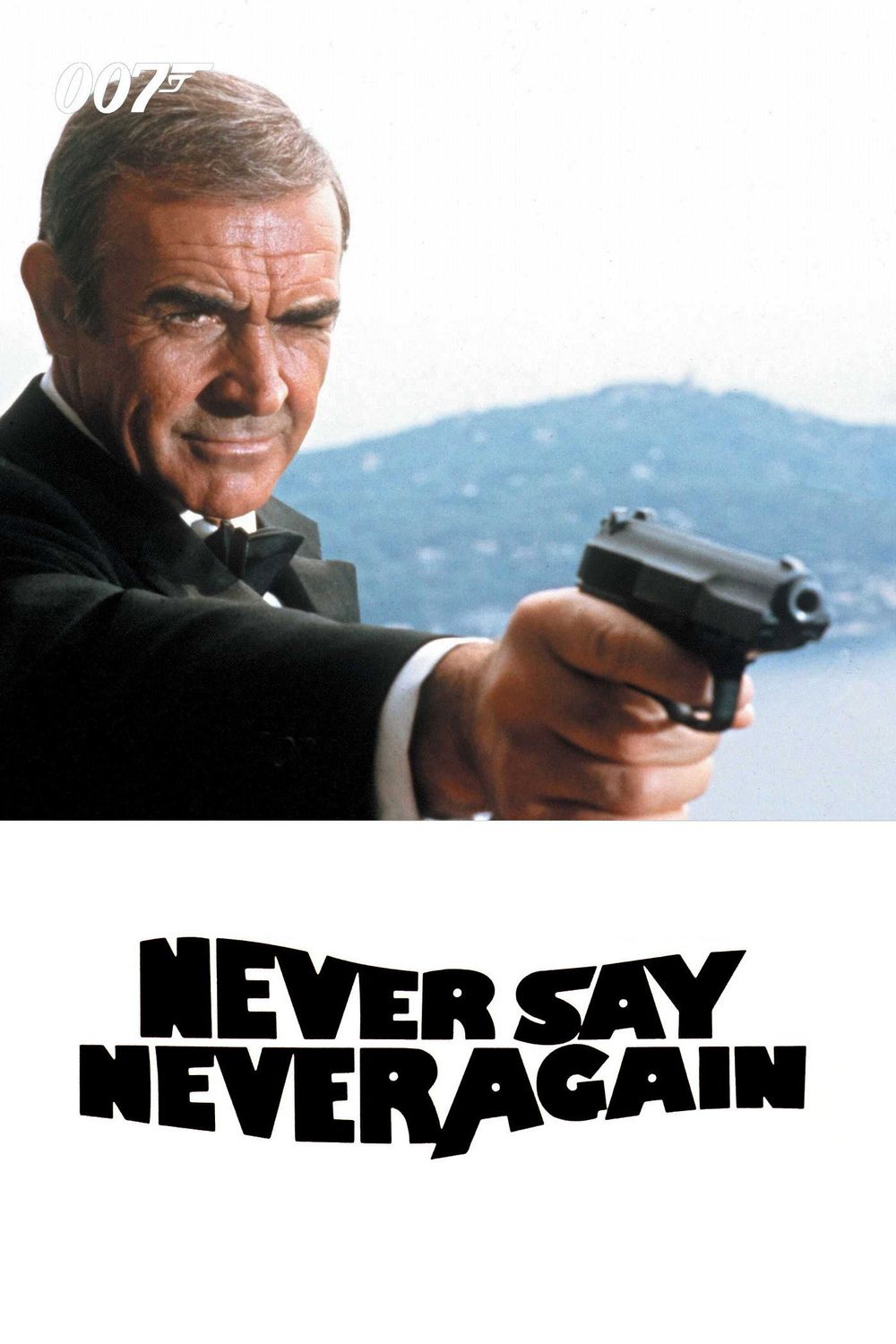
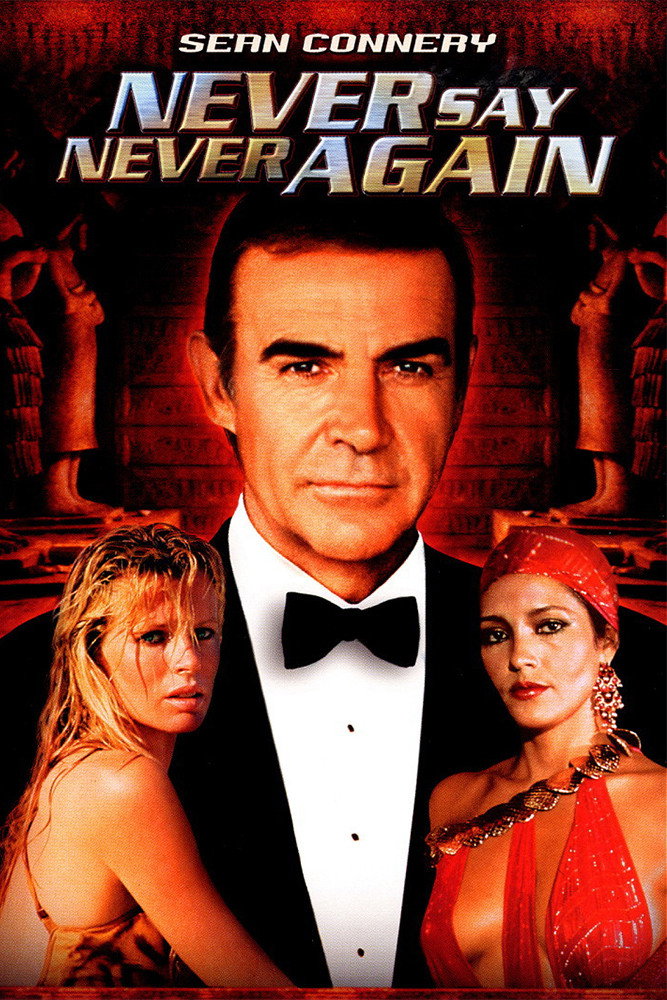
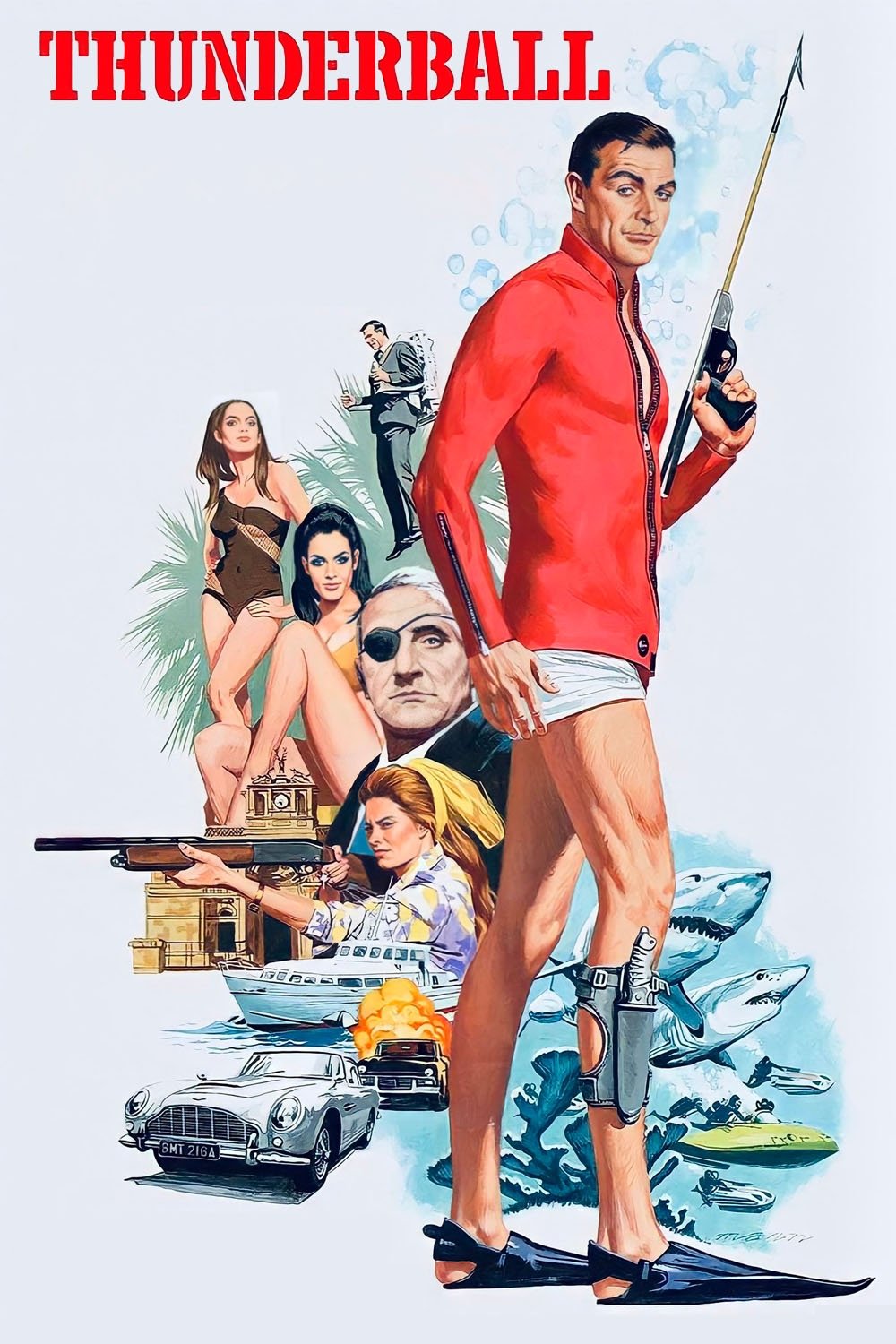
Sean Connery had said he would never play James Bond again, and the title is the film’s own joke about that. Never Say Never Again was made outside the official series, by the producer Jack Schwartzman, and it is a remake of Thunderball (1965) with the names changed: SPECTRE steals two nuclear warheads, Blofeld demands a ransom, and Bond follows the trail to the Bahamas. Connery had not played the part since Diamonds Are Forever in 1971. He is the reason to watch, the film knows it, and most of the time it is content to stand back and let him.
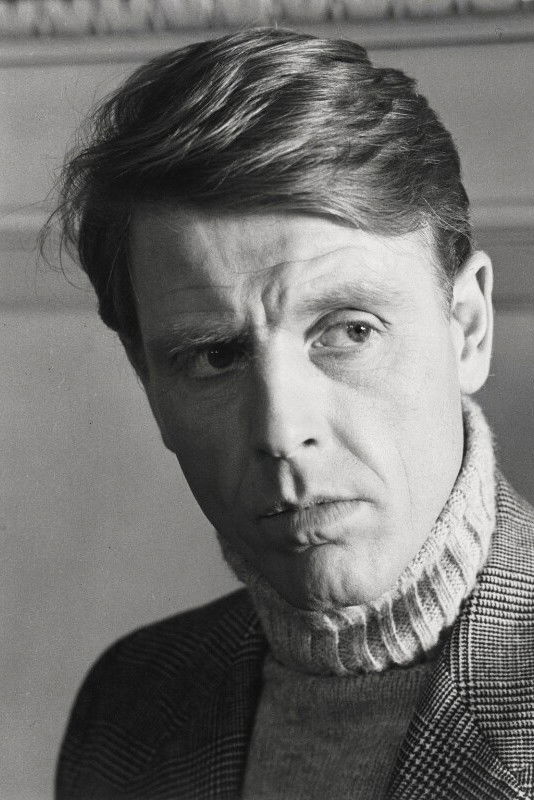
It starts well. Bond fails a training exercise, and M (Edward Fox), a prissy new broom who disapproves of the whole 00 section, packs him off to a health clinic to sweat out the toxins. Connery plays all of this with a raised eyebrow and a slower walk, an agent who has read his own file and finds it funny. Fox is good value as a man who would rather run a department than a spy; Alec McCowen’s Q grumbles about budgets in a workshop that looks like a garden shed; Pamela Salem’s Moneypenny gets one scene and makes it count. Rowan Atkinson turns up as a flustered Foreign Office man called Nigel Small-Fawcett, and we laughed, then wondered whether the film had meant us to.
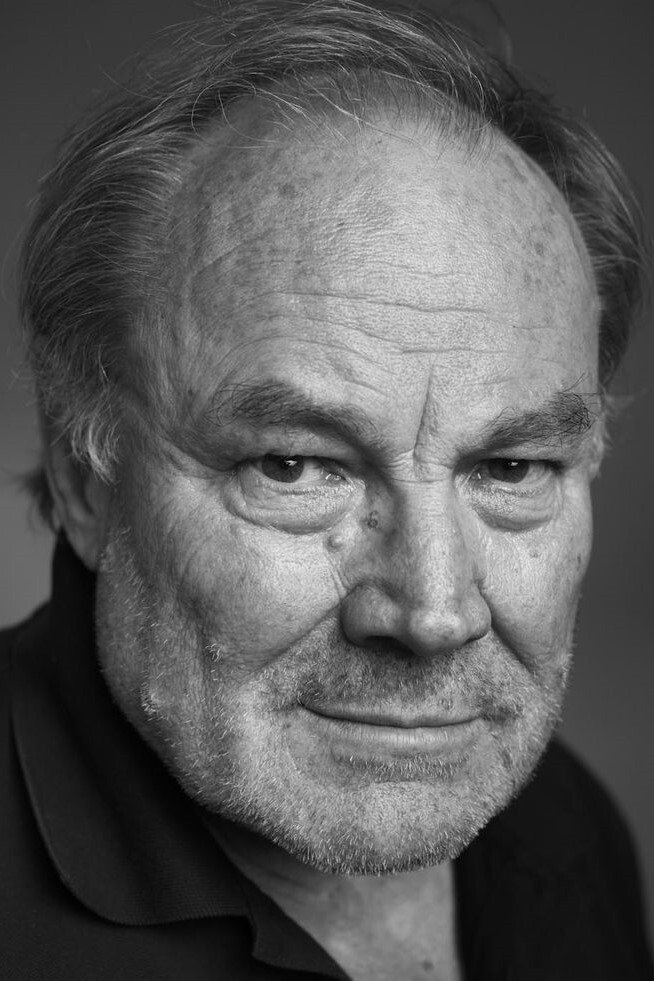
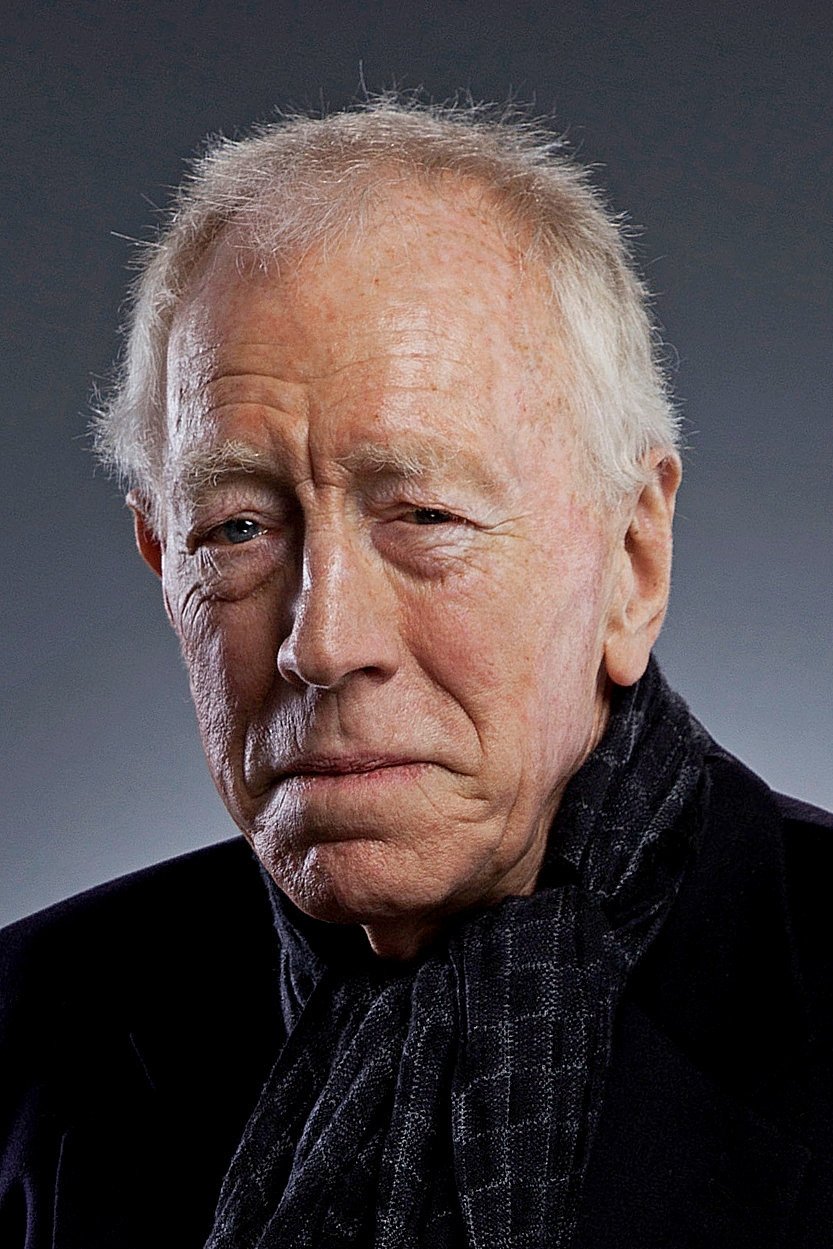
The villains are the film’s other asset. Klaus Maria Brandauer plays Maximilian Largo as a man who giggles when he is losing, a generous host who can stop being generous in the middle of a sentence, and the scenes where he and Connery circle each other over Domino are the best-written in the picture. Barbara Carrera’s Fatima Blush is his opposite, all appetite and no interior, dropping a snake into a moving car and changing her outfit for every murder. Charles Knode dresses her in black and white with a different hat each time, so you can find her in any crowd. Max von Sydow’s Blofeld strokes a cat and is barely in it. Kim Basinger, as Domino, is given a dance class and a brother and not much else.
Douglas Slocombe, who had just shot Raiders of the Lost Ark (1981), lights Nassau and the Riviera the way brochures do, white walls and hard blue water, and it suits a film that behaves like an expensive holiday with occasional gunfire. Philip Harrison and Stephen B. Grimes give Largo a yacht of curves and cream leather and a North African villa built like a fortress. The trouble is what is laid over the pictures. Michel Legrand’s score is lounge jazz, brass and shaker, and it treats every chase as though the drinks trolley were due; a fight at the clinic against a hulking assassin is played to music that would suit a lift. Ian Crafford cuts that same fight so choppily that we lost track of who was holding the syringe, and the film runs 134 minutes, which is at least fifteen more than the plot can carry.
Here is what we felt. For the first hour, and through most of the Bahamas, we were happy: Connery is relaxed and funny, Brandauer is alarming, and a duel played on an arcade machine that shocks whoever is losing is exactly the kind of daft thing this series does well. Then the film goes to sea, and then under it, and the last half hour is murk and bubbles and frogmen we could not tell apart. We were bored, and then annoyed, because a film that had been this good company had no business ending as a scuba lesson.
Irvin Kershner, who had made The Empire Strikes Back (1980), directs the people better than the action, which is the right way round for this cast and the wrong way round for a Bond film. Lorenzo Semple Jr.’s script, from the writer of Flash Gordon (1980), keeps winking at the material; some critics have read that as contempt, and we would call it fondness, though the plot goes slack all the same. Set beside Octopussy, released the same year with Roger Moore, this is the one with the better actors and the worse third act.
Watch it at home, with company and something to drink, and give the last half hour your partial attention. Connery earns the rest. It carries a PG certificate and, for a film about stolen nuclear weapons, it is remarkably relaxed about the whole business.