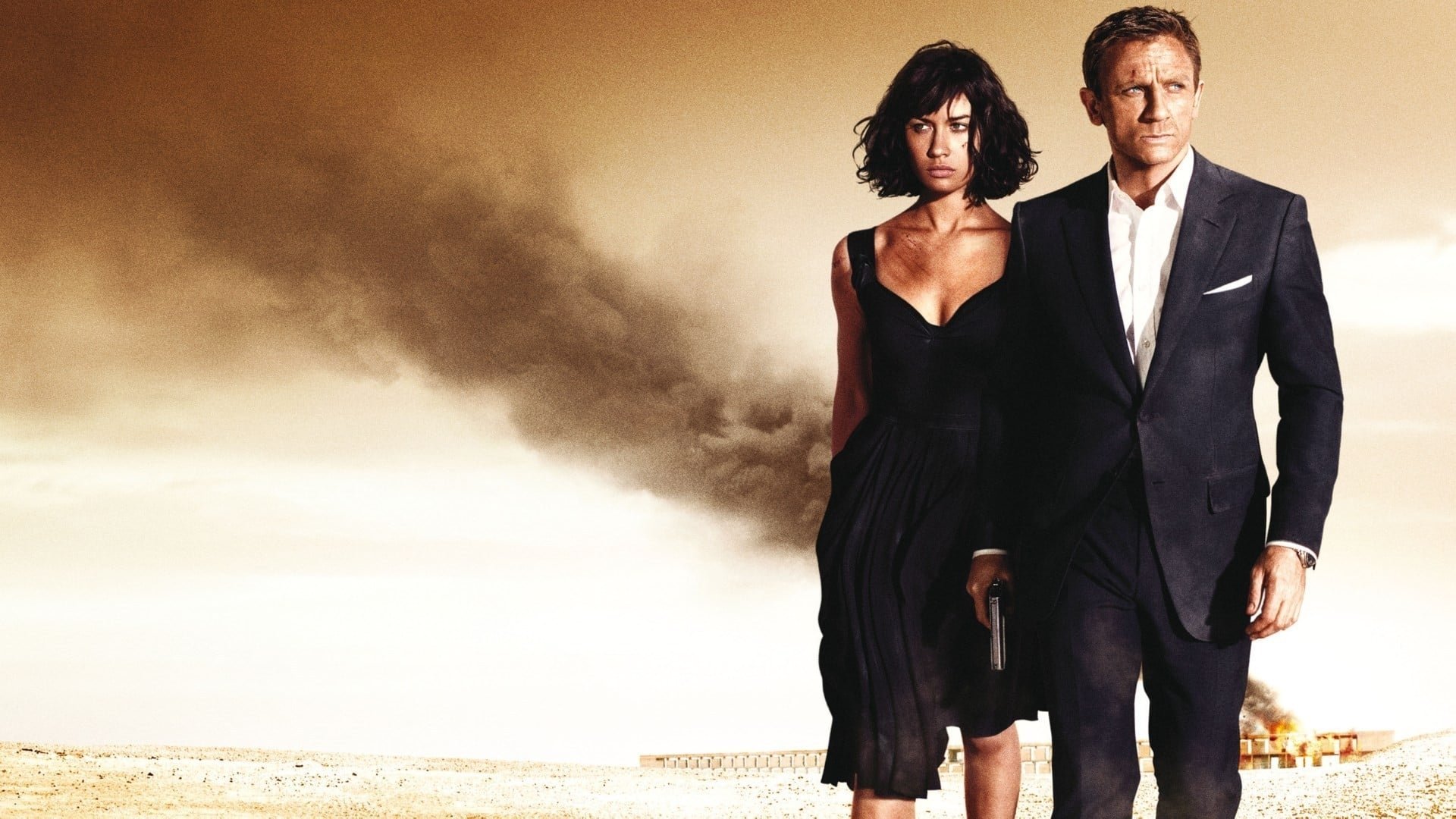
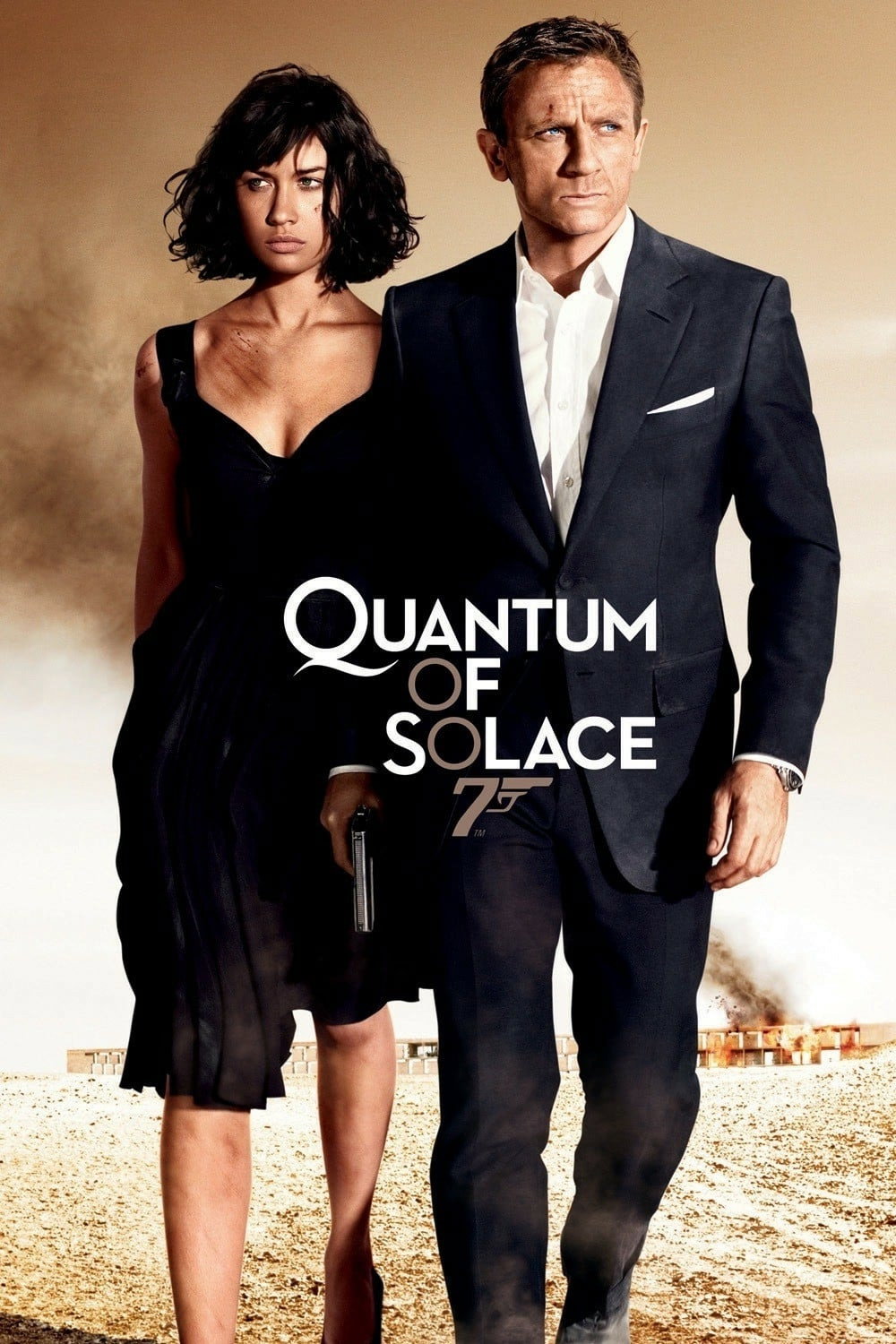
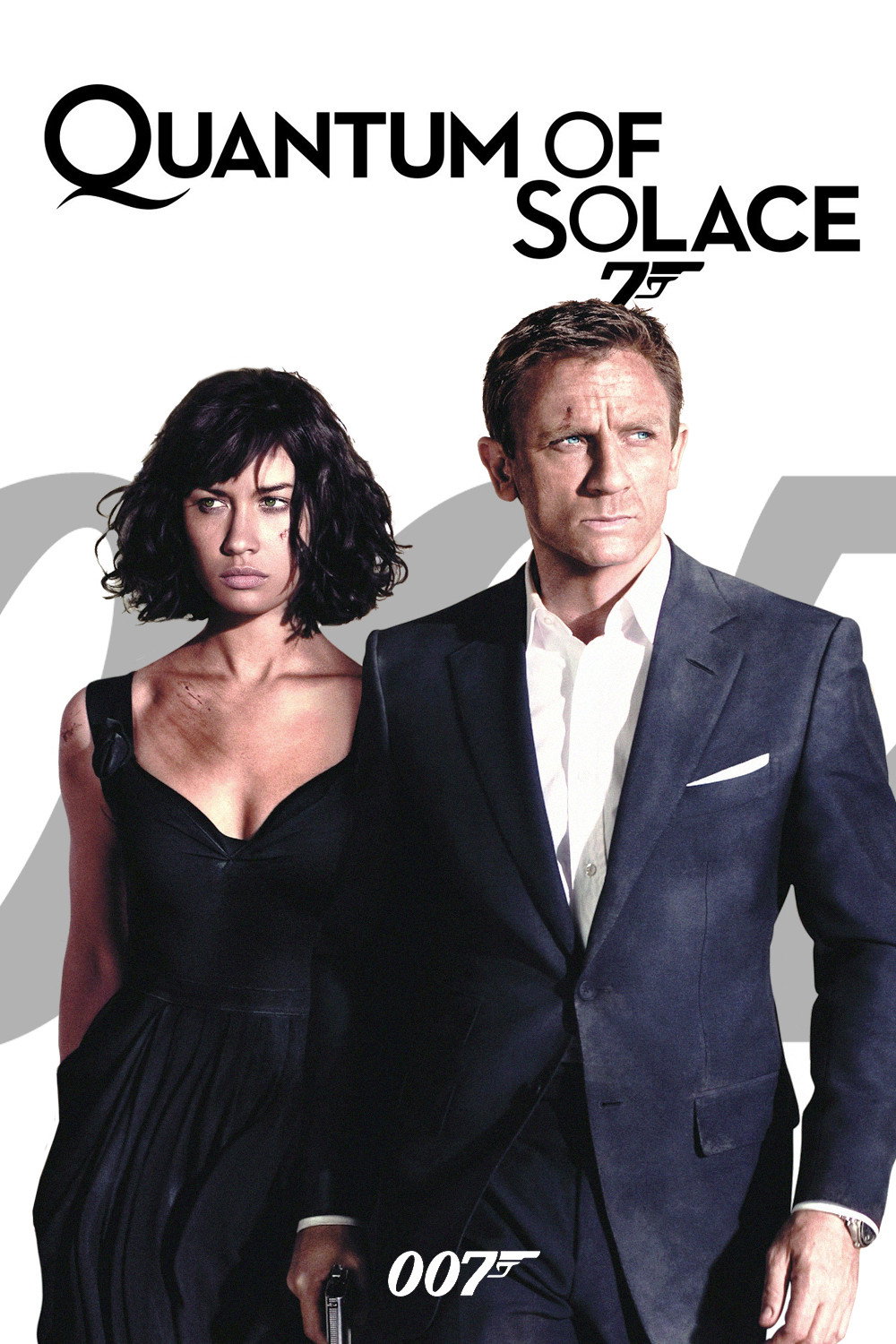
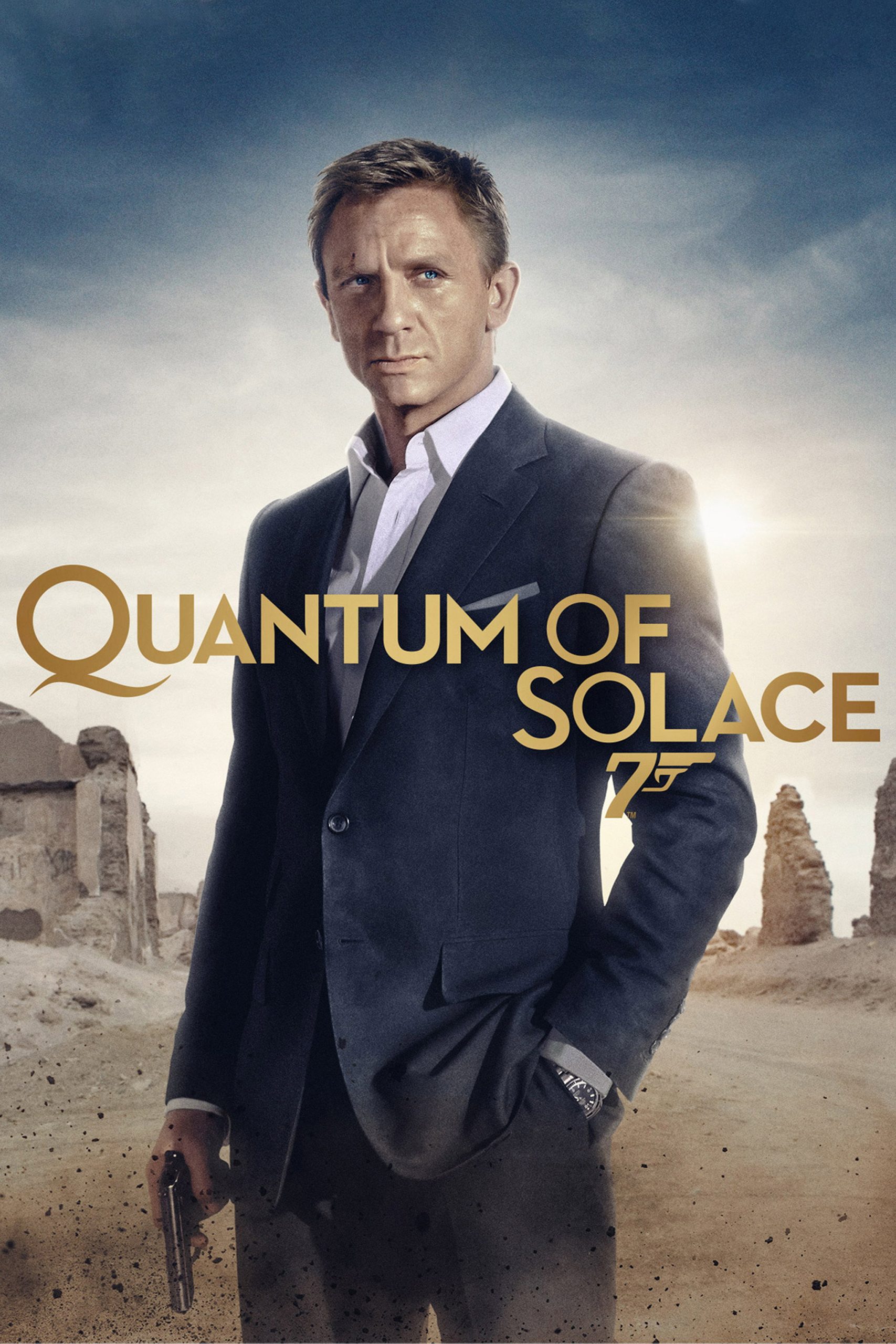
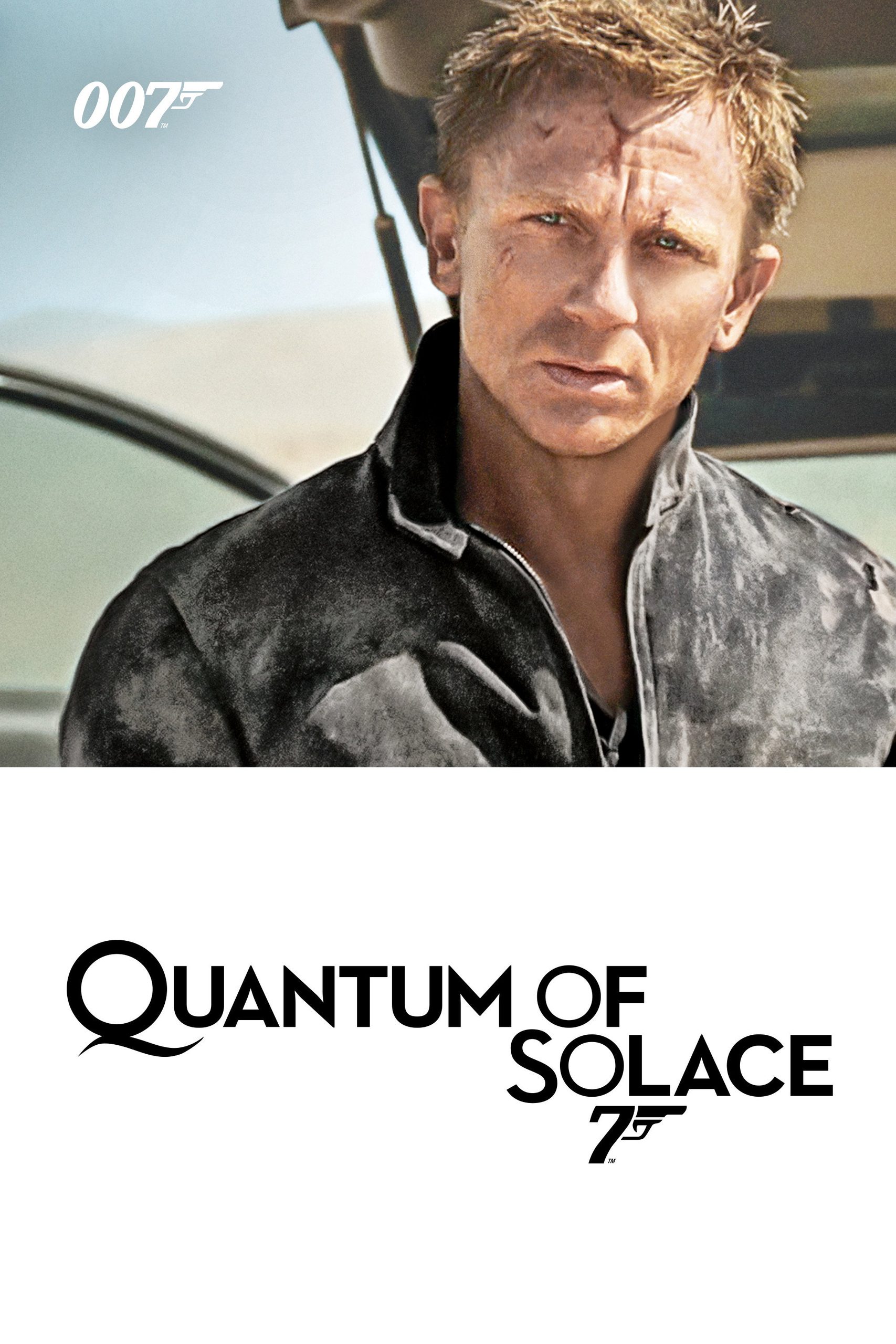
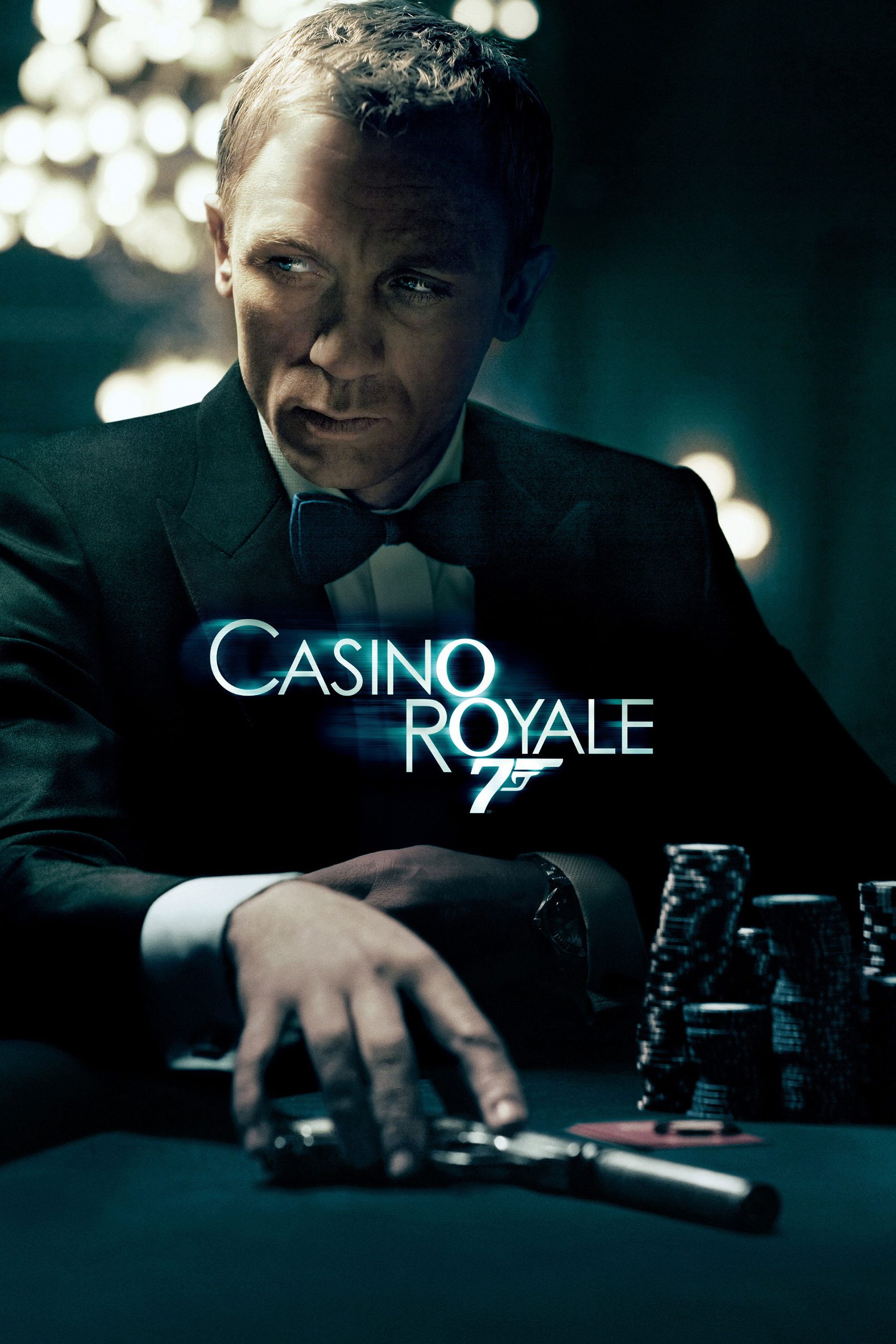
Marc Forster’s sequel gets Bond’s grief right and the rest wrong: a villain with a small plan, a plot about water, and action cut so fast you cannot tell who is in which car. Craig and a night at the opera keep it watchable.
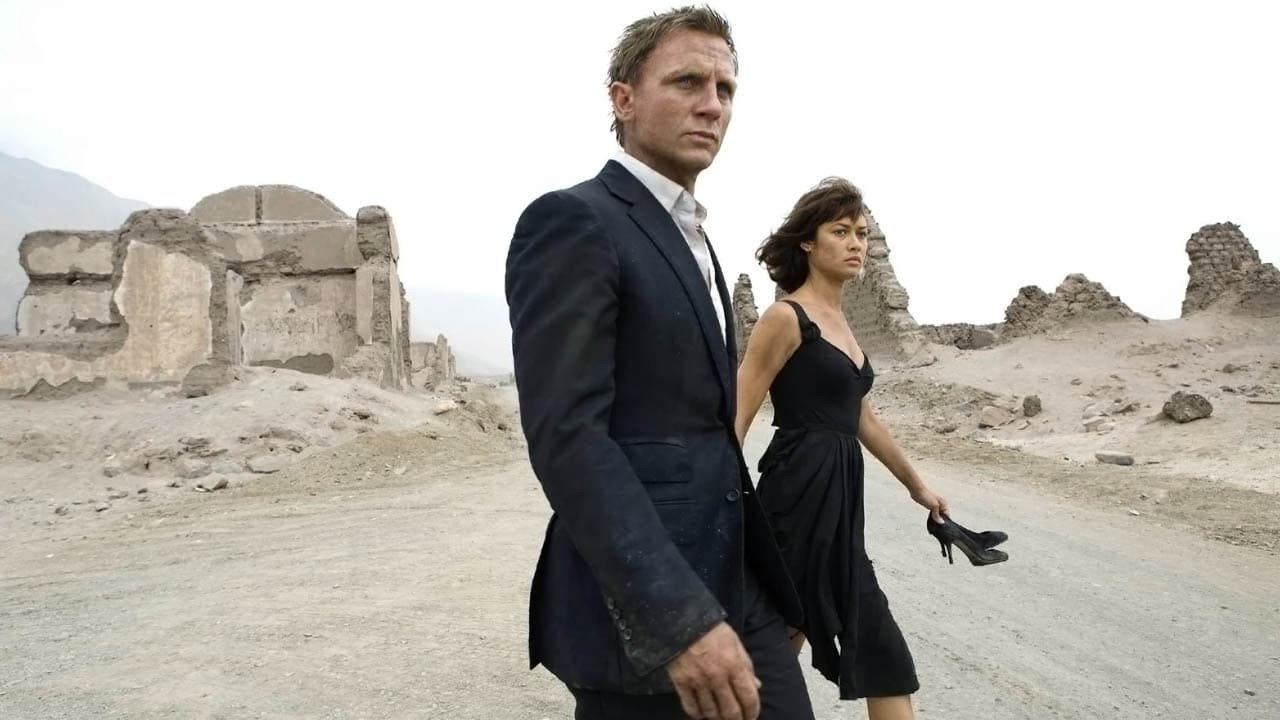
Quantum of Solace picks up where Casino Royale stopped, and Marc Forster runs at it as if the two were a single evening. Bond (Daniel Craig) has Mr. White (Jesper Christensen) as a prisoner and gunmen on his tail before the titles, and the film does not sit down for the next 106 minutes. Neal Purvis, Robert Wade and Paul Haggis have a good idea under all this: a man who has just lost someone, telling M (Judi Dench) he is fine, killing his way towards the people responsible. The trouble is that the film has decided grief looks like speed, and it does not.
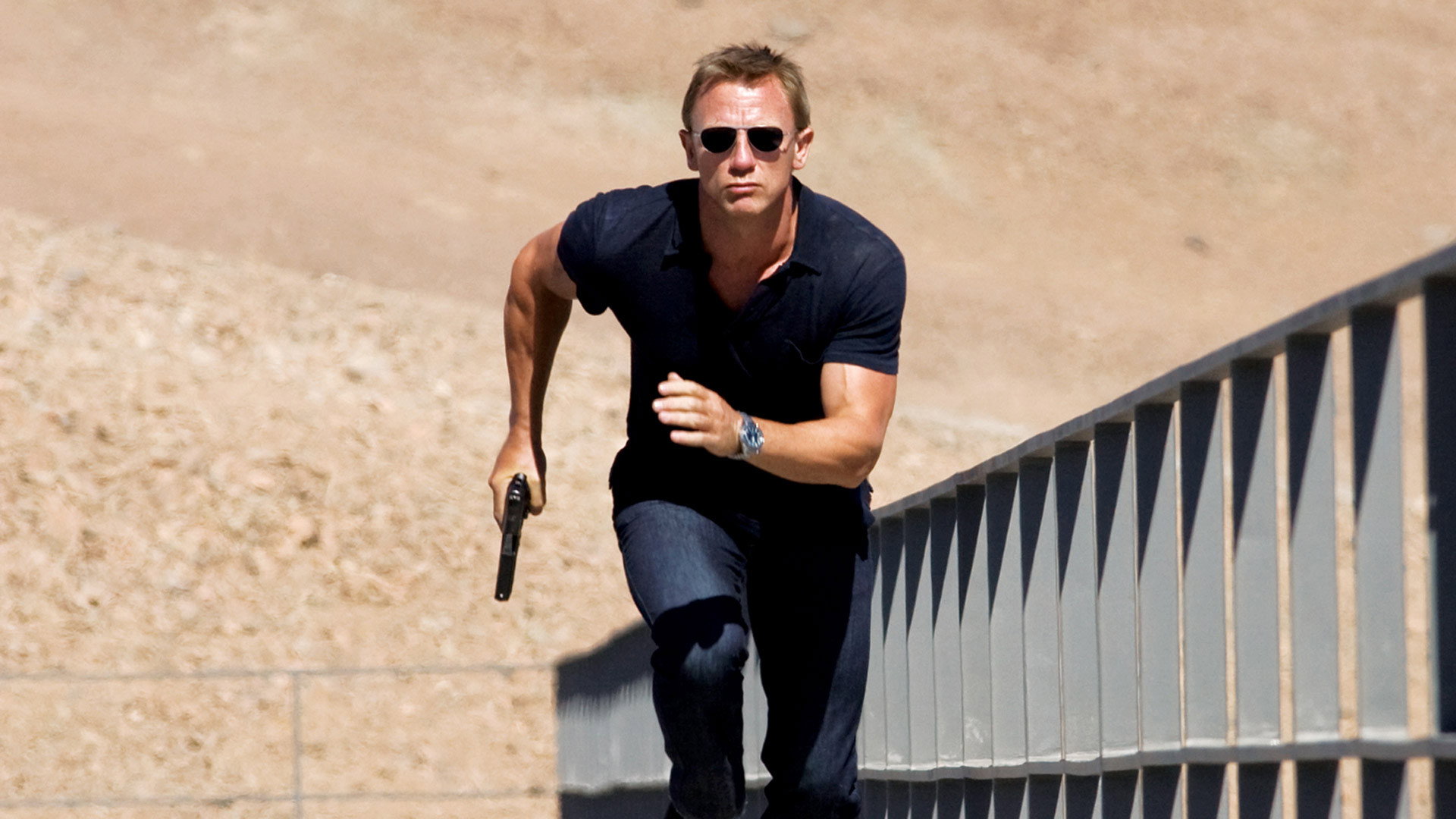
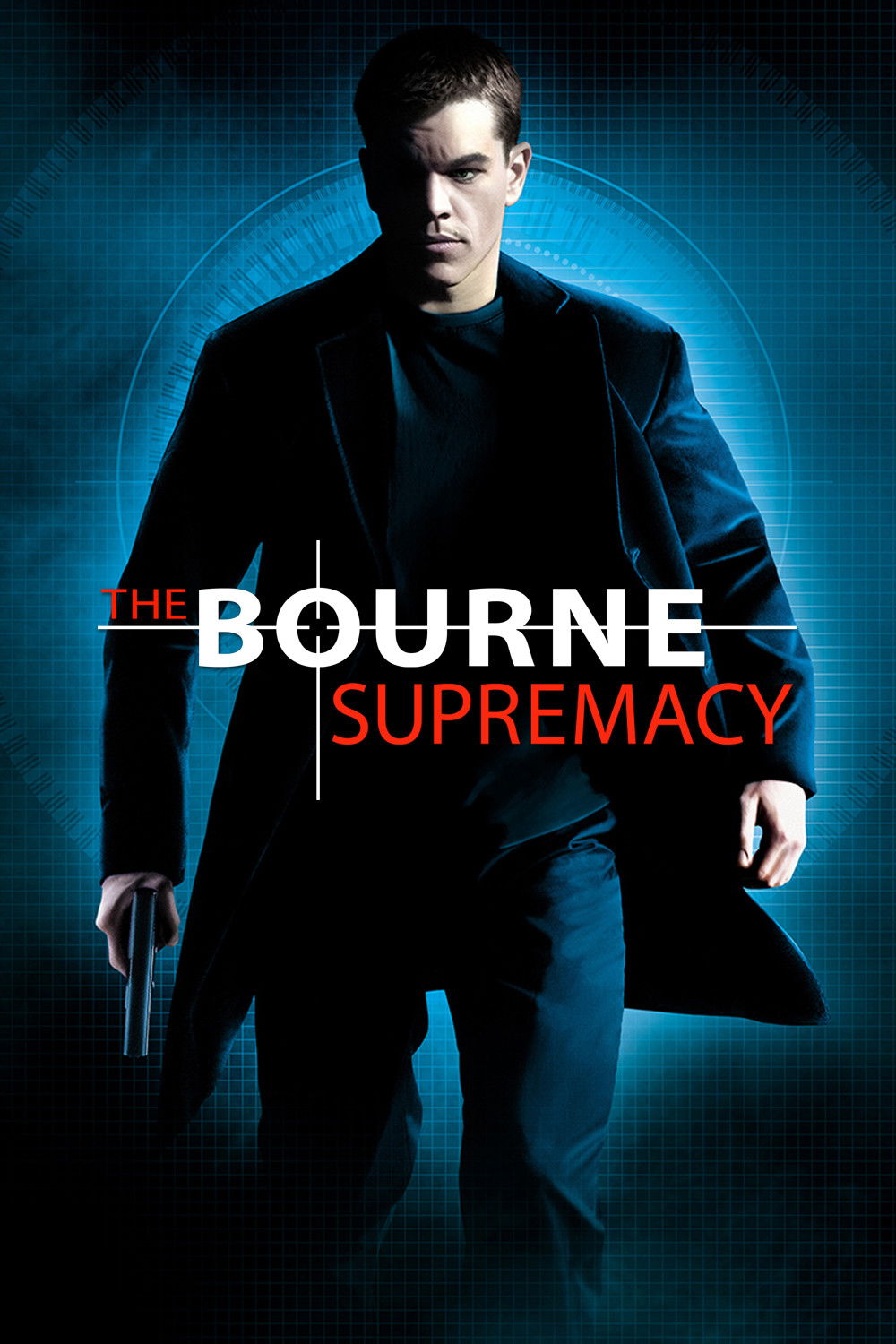
The opening chase is where it lost us. Matt Chessé and Richard Pearson cut the cars into fragments of a second, a wing mirror, a wheel, a gun, a slice of Craig’s face, and within thirty seconds we could not have said which black car was his or which side of the road anyone was on. Josh Bleibtreu and Roberto Schaefer shoot close and handheld in the manner of the Bourne films, but those films let you see a punch land. A rooftop chase goes by as a smear of tiles. We were confused, then irritated, and by the titles we had felt nothing.
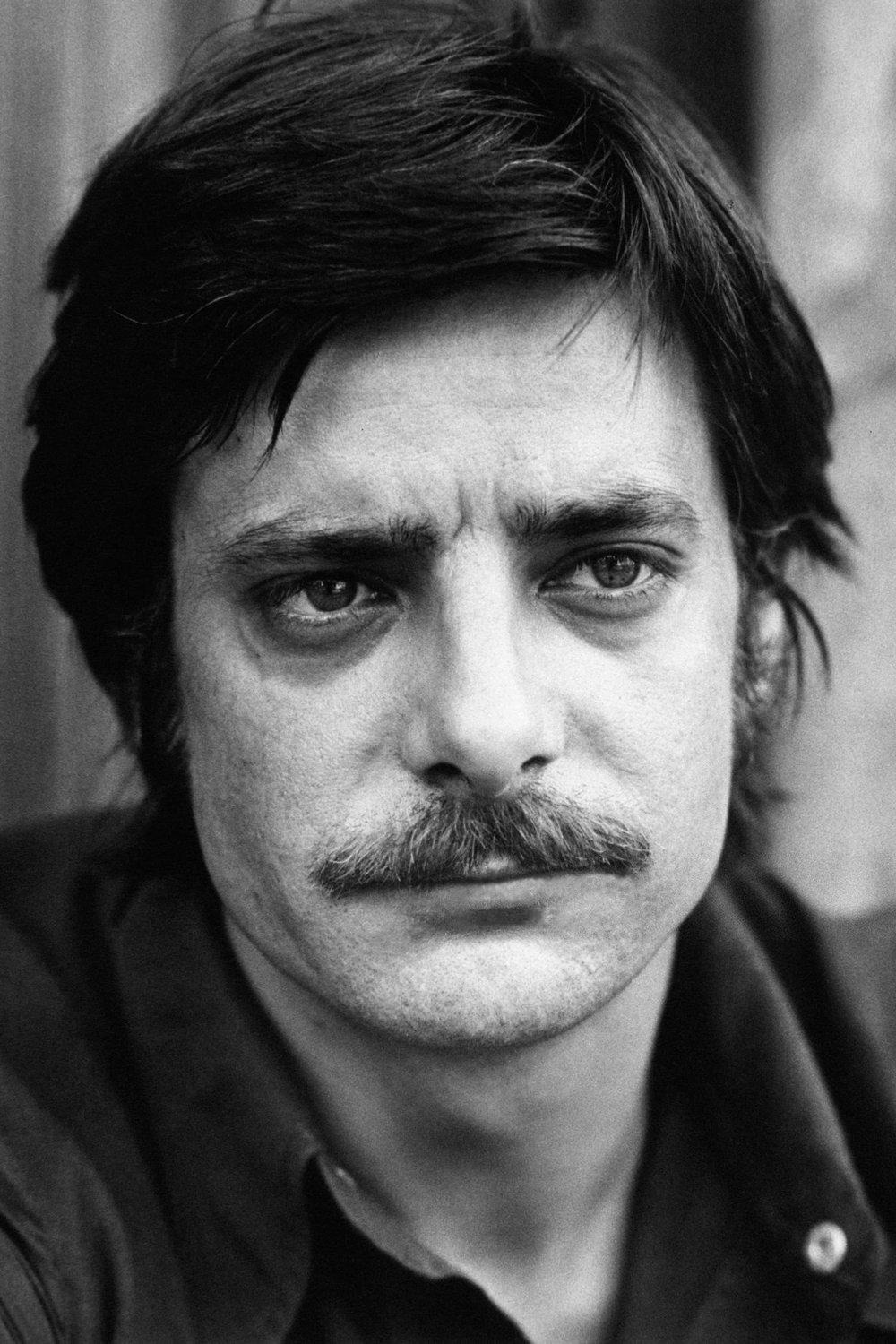
Craig survives it. He plays Bond as a tired man who will not say so, a face that has stopped moving unless it has to, and the film is at its best when it leaves him in a room with someone not trying to kill him. His scenes with Dench have a real edge; she speaks to him like a headmistress who has decided to expel him and is waiting on the paperwork. Giancarlo Giannini’s Mathis, back from Casino Royale, gives him the one friendship the film allows, and their few scenes are the nearest thing here to warmth.
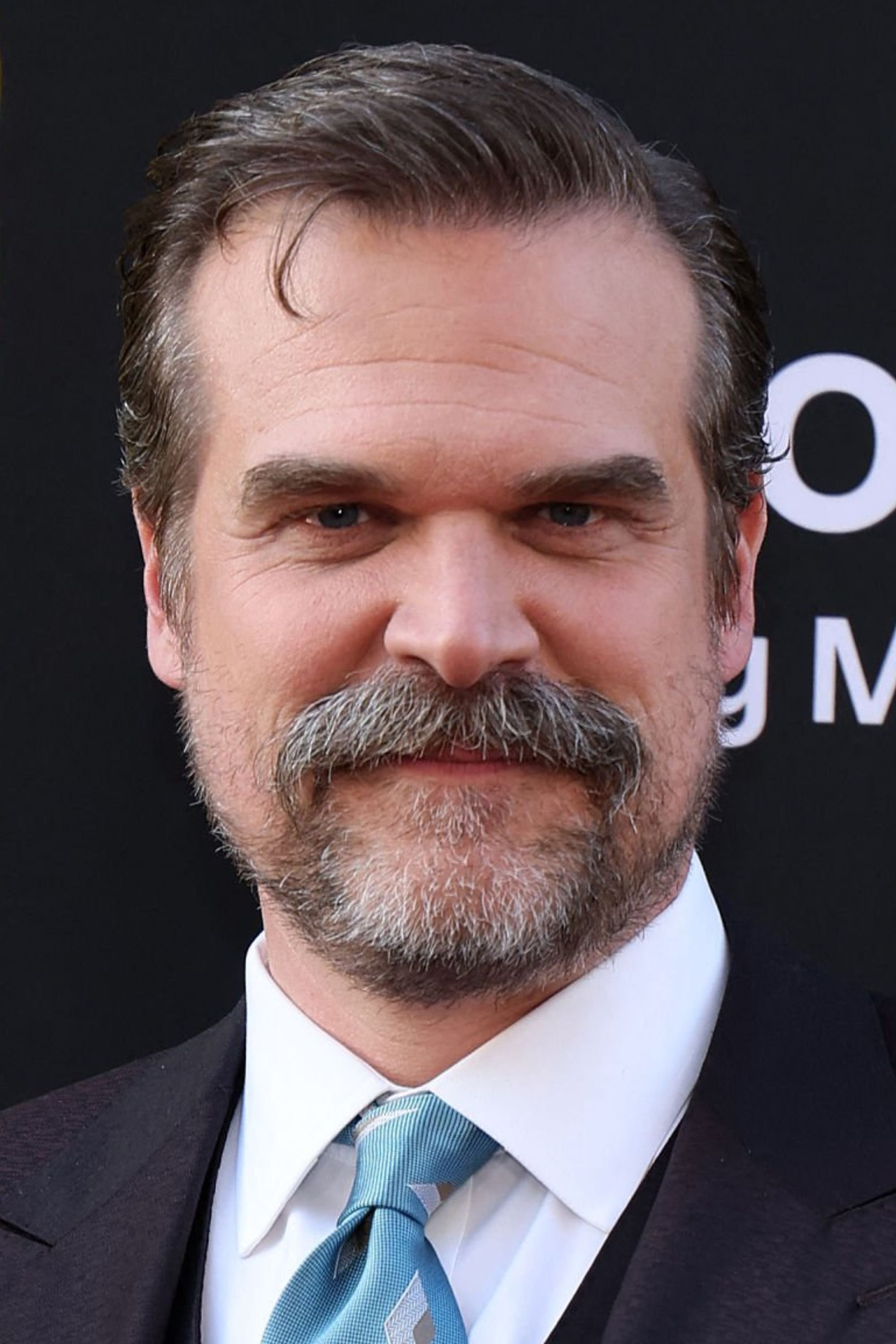
The one set piece that works is the one where Forster slows down. Bond follows Dominic Greene (Mathieu Amalric) to a performance of Tosca and listens on an earpiece to the villains conferring from their seats. Dennis Gassner’s staging of the opera gives the sequence its shape, and when the shooting starts Forster drops the sound of the guns and lets Puccini carry on over the top. We sat forward for the first time. It is the only passage in the film with an idea about how to show violence rather than a hurry to get through it, and David Arnold’s score has the sense to stay out of the way.
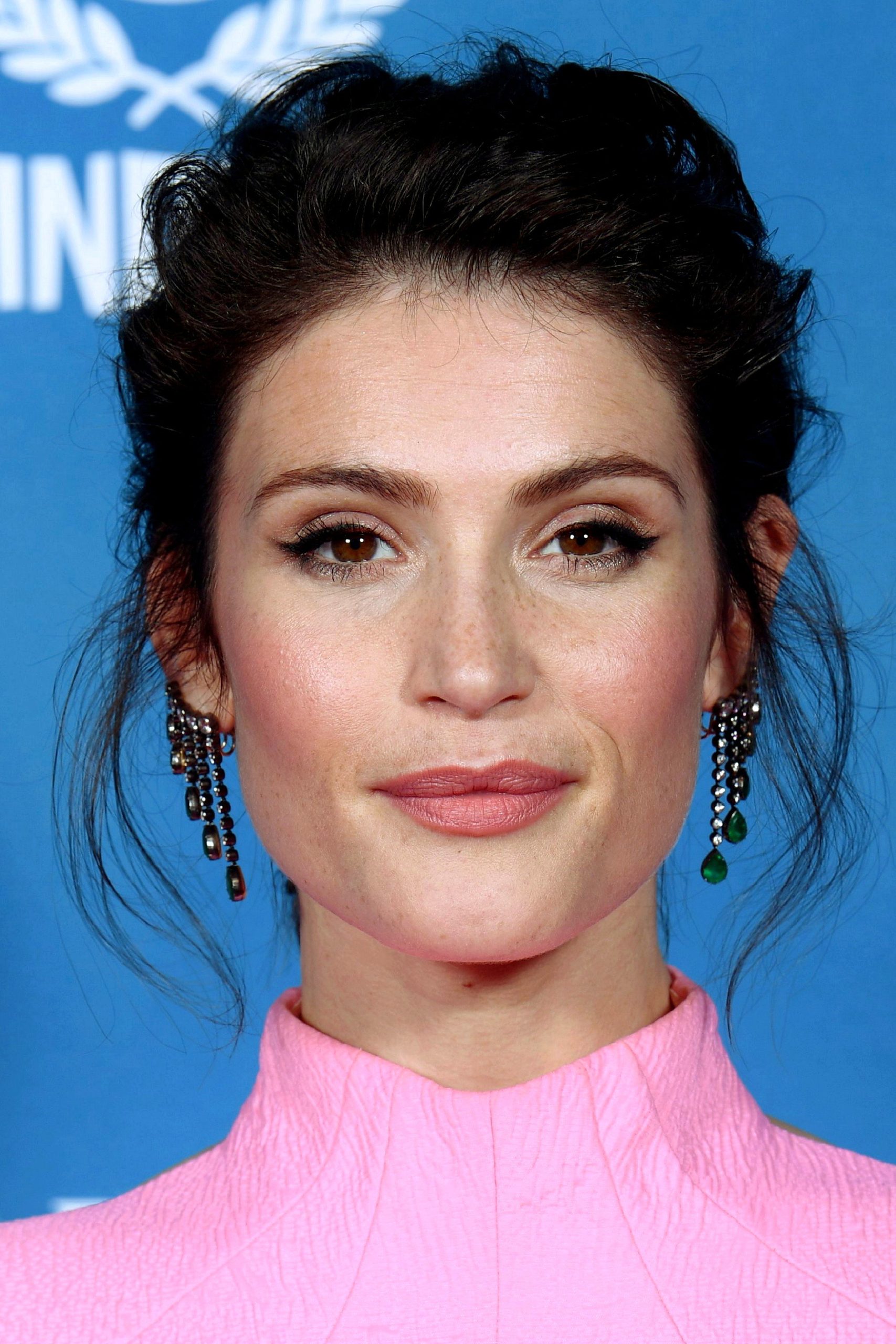
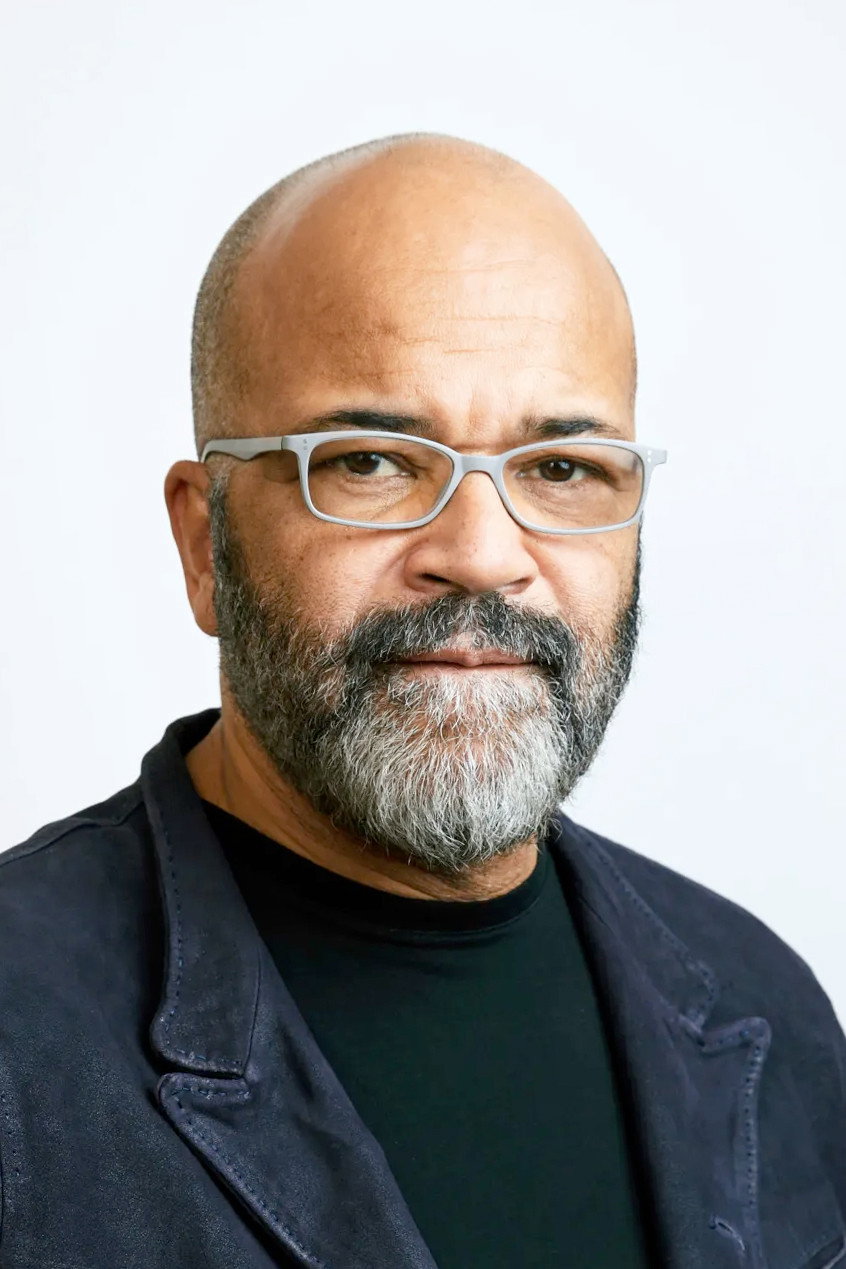
Amalric is a fine choice for a villain and is given almost nothing villainous to do. Greene runs an environmental charity as a front and wants to control a country’s water supply, which plays on screen like a planning dispute. His henchman, Anatole Taubman’s Elvis, is a haircut. Camille (Olga Kurylenko) is chasing a revenge of her own, and the script runs it beside Bond’s without letting the two stories touch, so she spends much of the film in the passenger seat. Gemma Arterton’s Strawberry Fields is funny for ten minutes and then used in a way we will not describe, except that the film thinks it is a tribute and is in fact unkind. Jeffrey Wright’s Felix Leiter gets a bar and two lines of American cynicism.
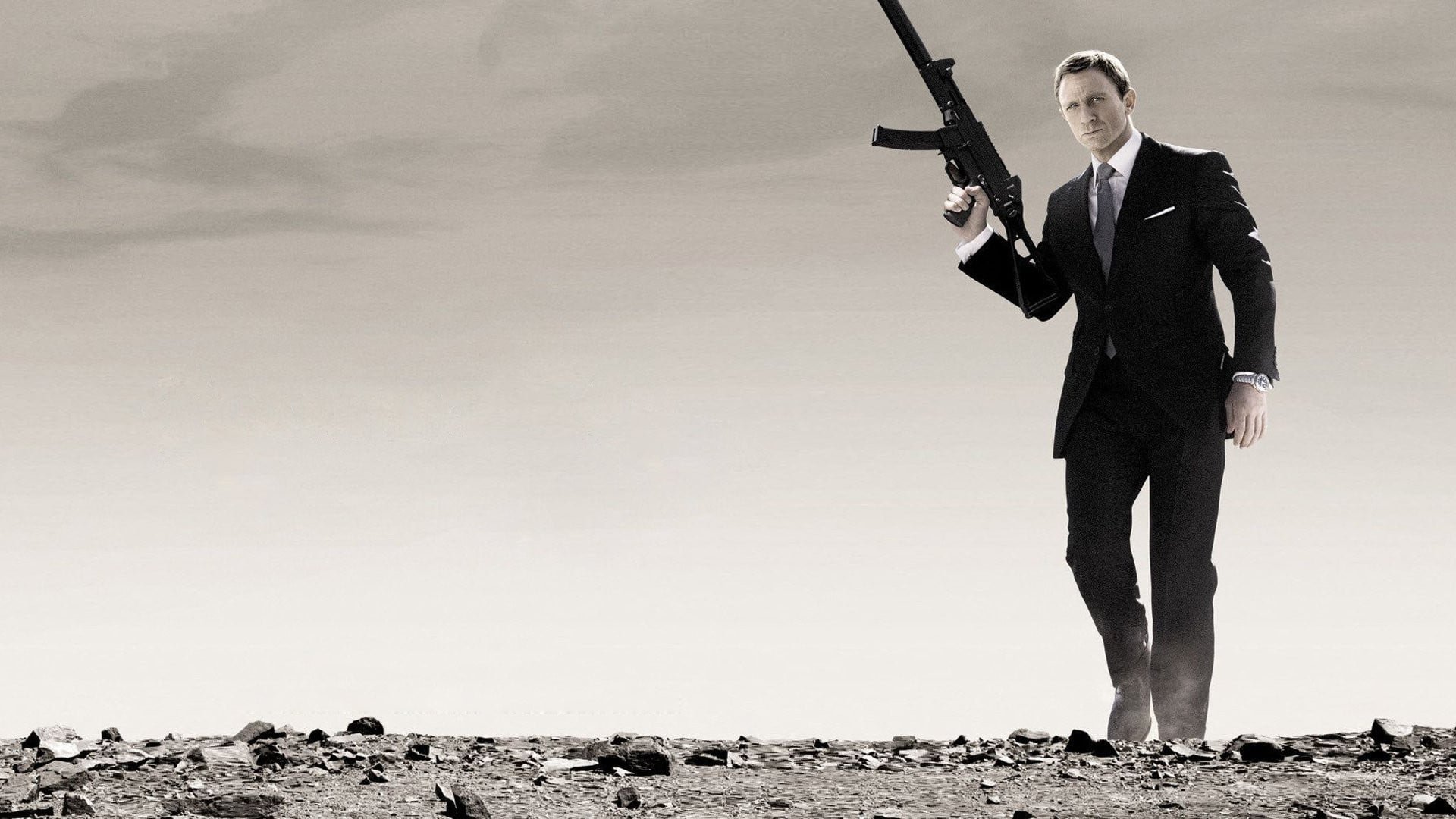
Against the series’ own standards it is a strange object: no gadgets, hardly a joke, a plot that would fit on a napkin. Louise Frogley’s narrow grey suits are the one concession to the old glamour. Casino Royale was dour for long stretches and better for it; what we mind is a dour Bond that will not hold a shot. The film’s own point, that this man keeps moving because standing still hurts, needed a director willing to stand still and show us, and Forster manages it once, at the opera.
Most critics landed close to where we have, split roughly down the middle, and we would not argue with them. Watch it at home straight after Casino Royale; it is that film’s last act rather than a film of its own. On a smaller screen the fights are, if anything, easier to follow, which is not what we expect from a Bond picture.