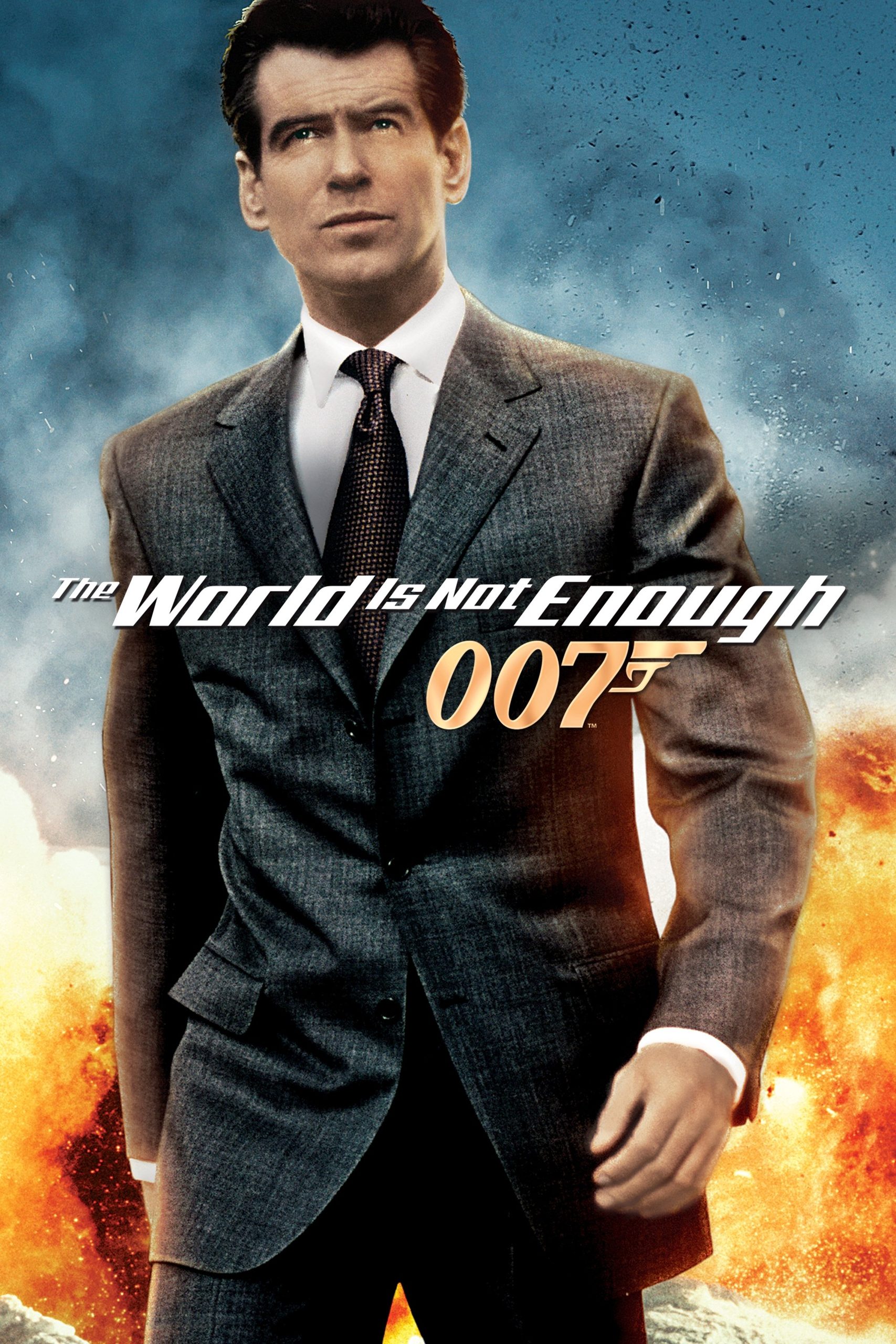
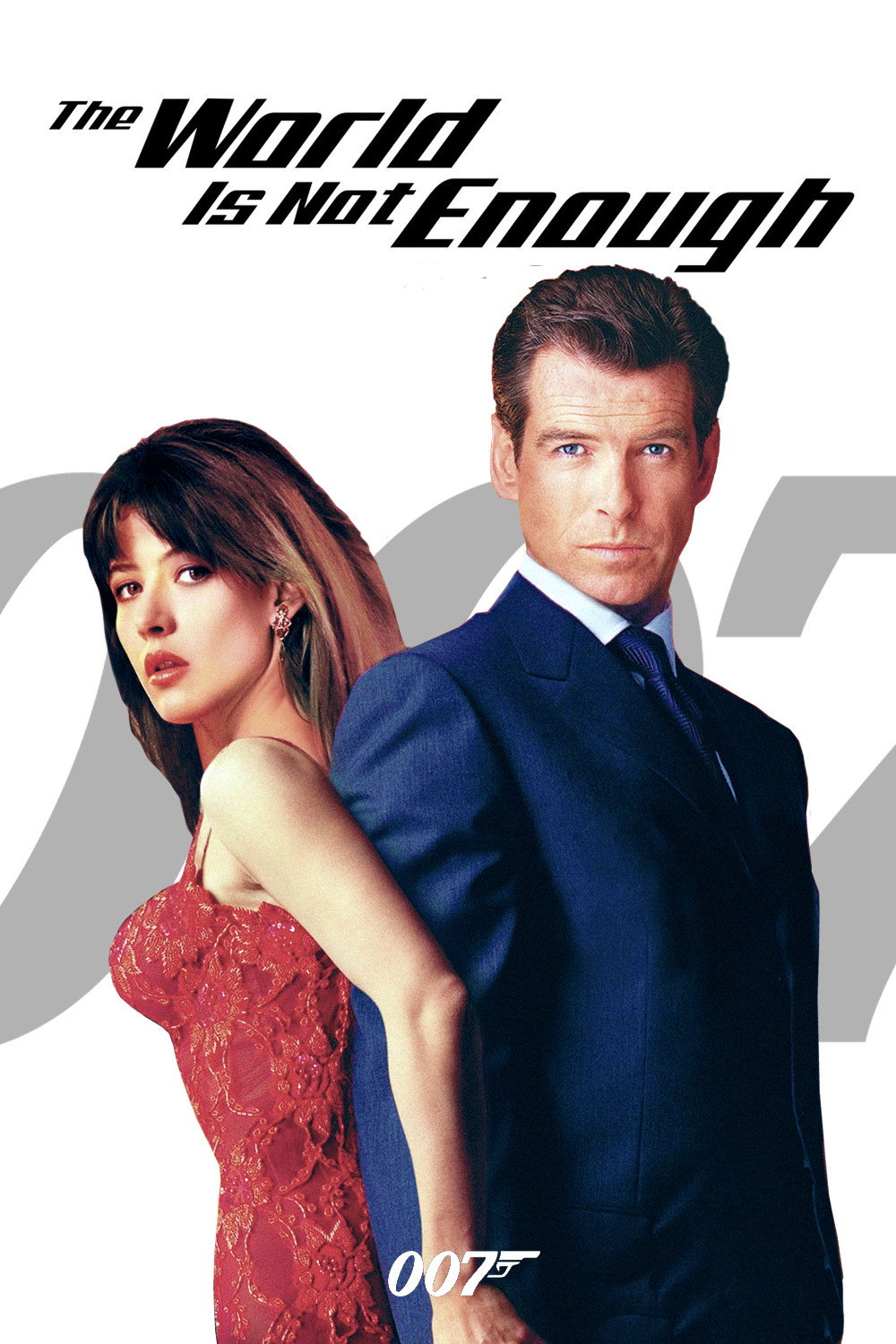
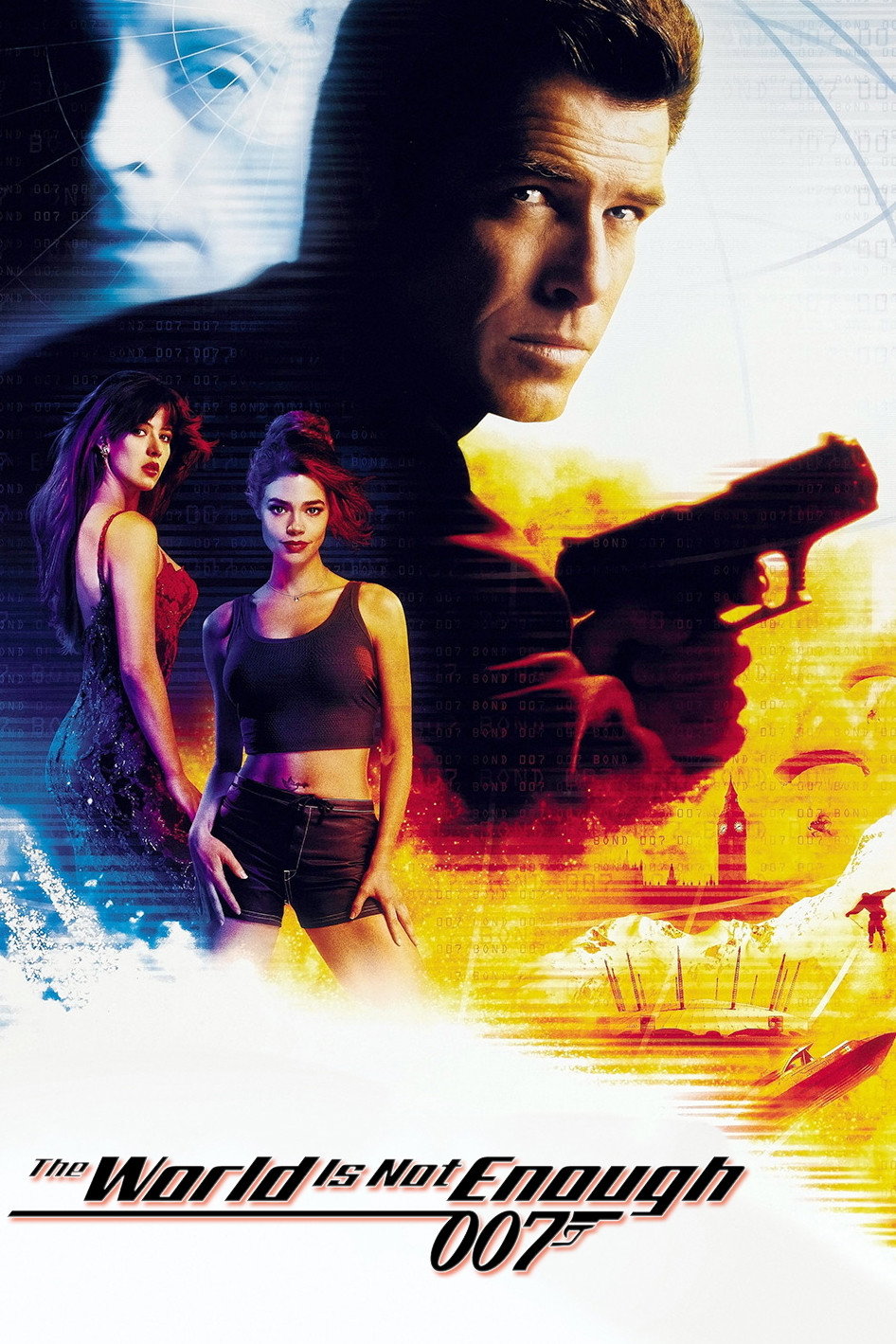
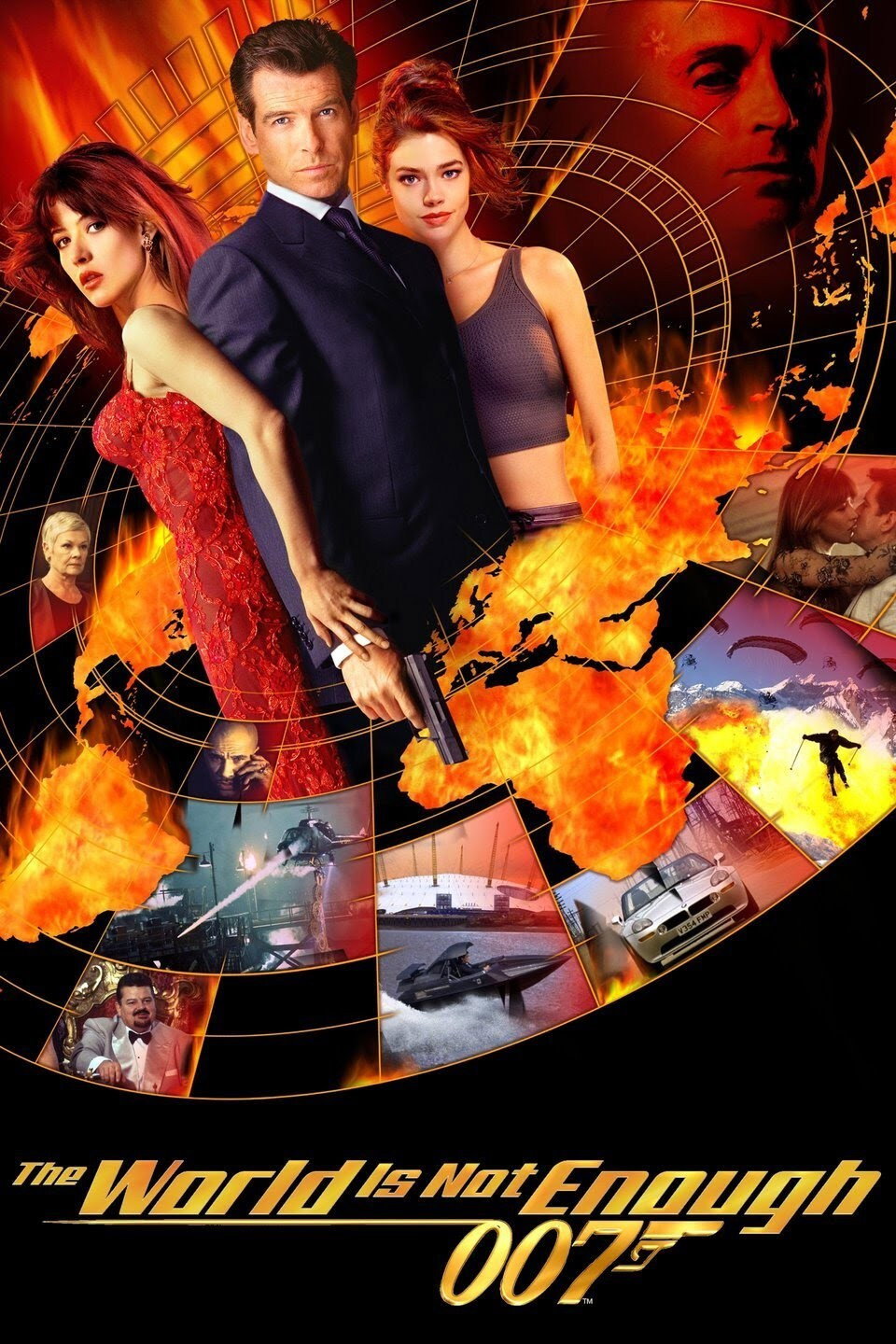
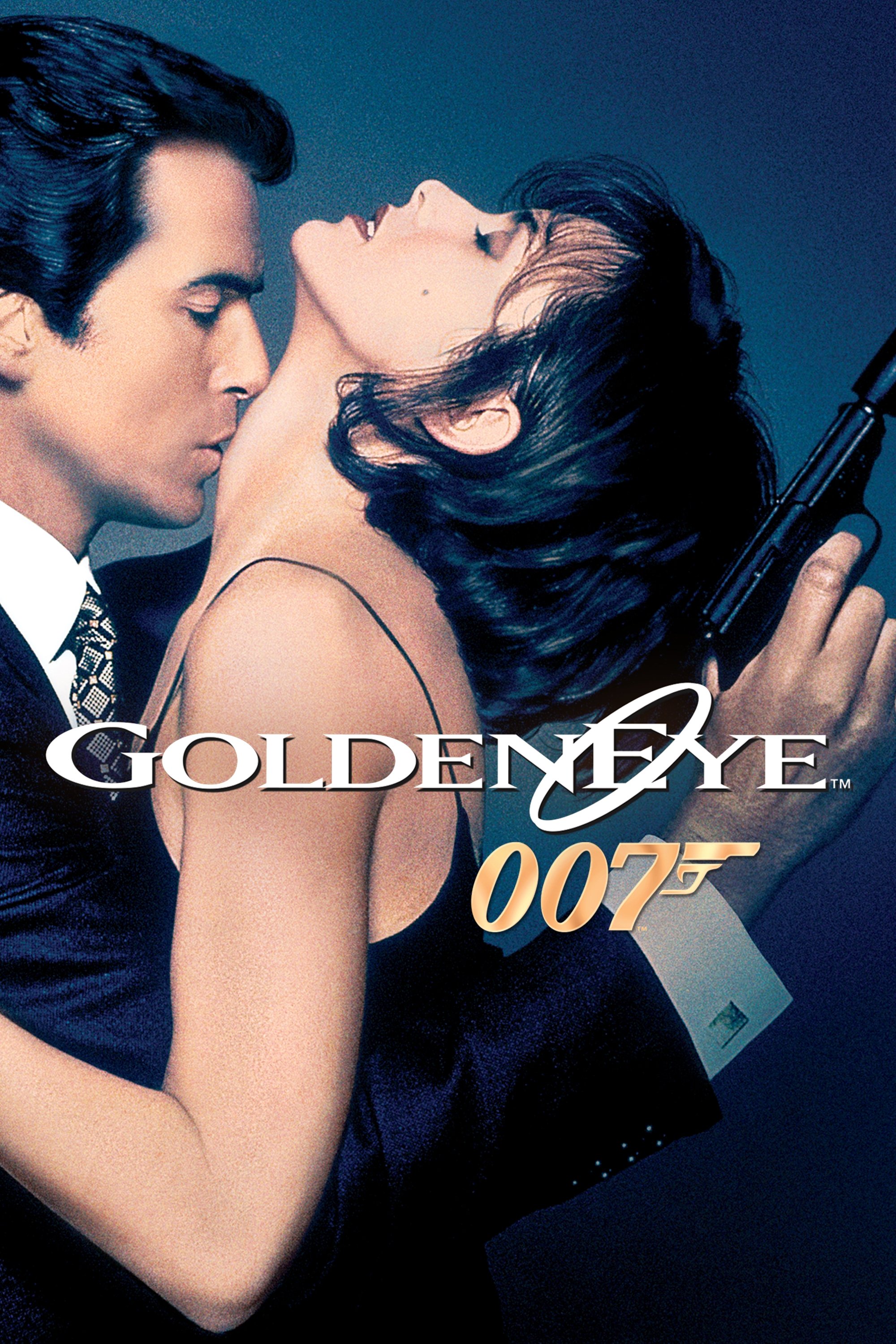
Michael Apted’s Bond opens with the best chase the series has staged in years and then spends two hours looking for something to match it. Sophie Marceau is the reason to stay; Denise Richards, as a nuclear physicist, is the reason people still laugh.
Michael Apted was an unusual choice to direct a Bond. He made Coal Miner’s Daughter and the Up documentaries, and he was hired, plainly, to give Pierce Brosnan’s third outing some feelings to go with the explosions. The story, by Neal Purvis and Robert Wade with a screenplay by Bruce Feirstein, obliges: a villain who cannot feel pain, a woman Bond is sent to protect and starts to want, an oil pipeline nobody in the audience will pretend to follow. The result has a wonderful first twenty minutes, one performance worth the ticket, and a long middle in which the series’ machinery grinds over everything Apted was hired to do.
The opening is the thing everyone remembers, and rightly. Bond collects a banker’s money in Bilbao, delivers it to MI6 on the Thames, watches it blow a hole in the building, and takes Q’s unfinished jet boat out through the wall after the woman responsible (Maria Grazia Cucinotta, credited as Cigar Girl). Adrian Biddle shoots the river under a flat grey London sky, so the boat and the fireballs are the only colour in the frame, and Jim Clark cuts it fast enough to hurt without ever losing which boat is which. David Arnold lays a drum loop under the Bond theme and the whole thing runs to the Dome at Greenwich. We sat forward for the lot of it, grinning, and we were not the only ones in the cinema.
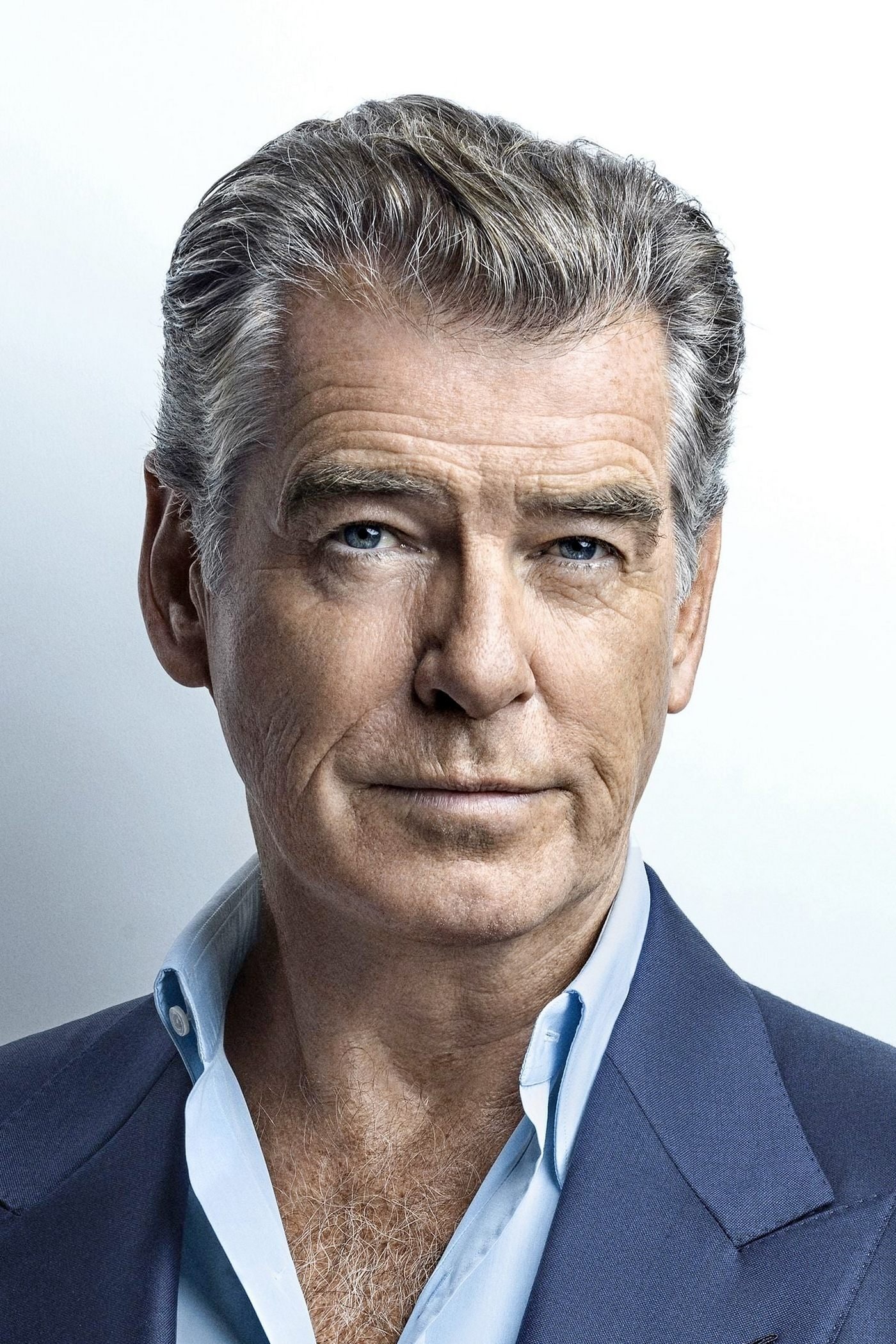
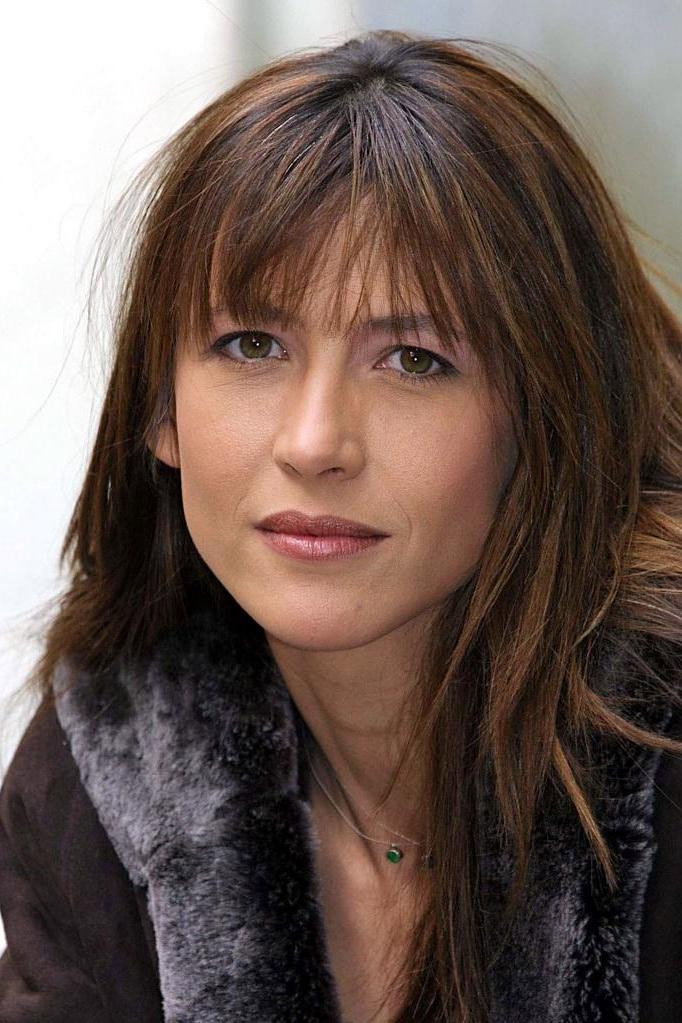
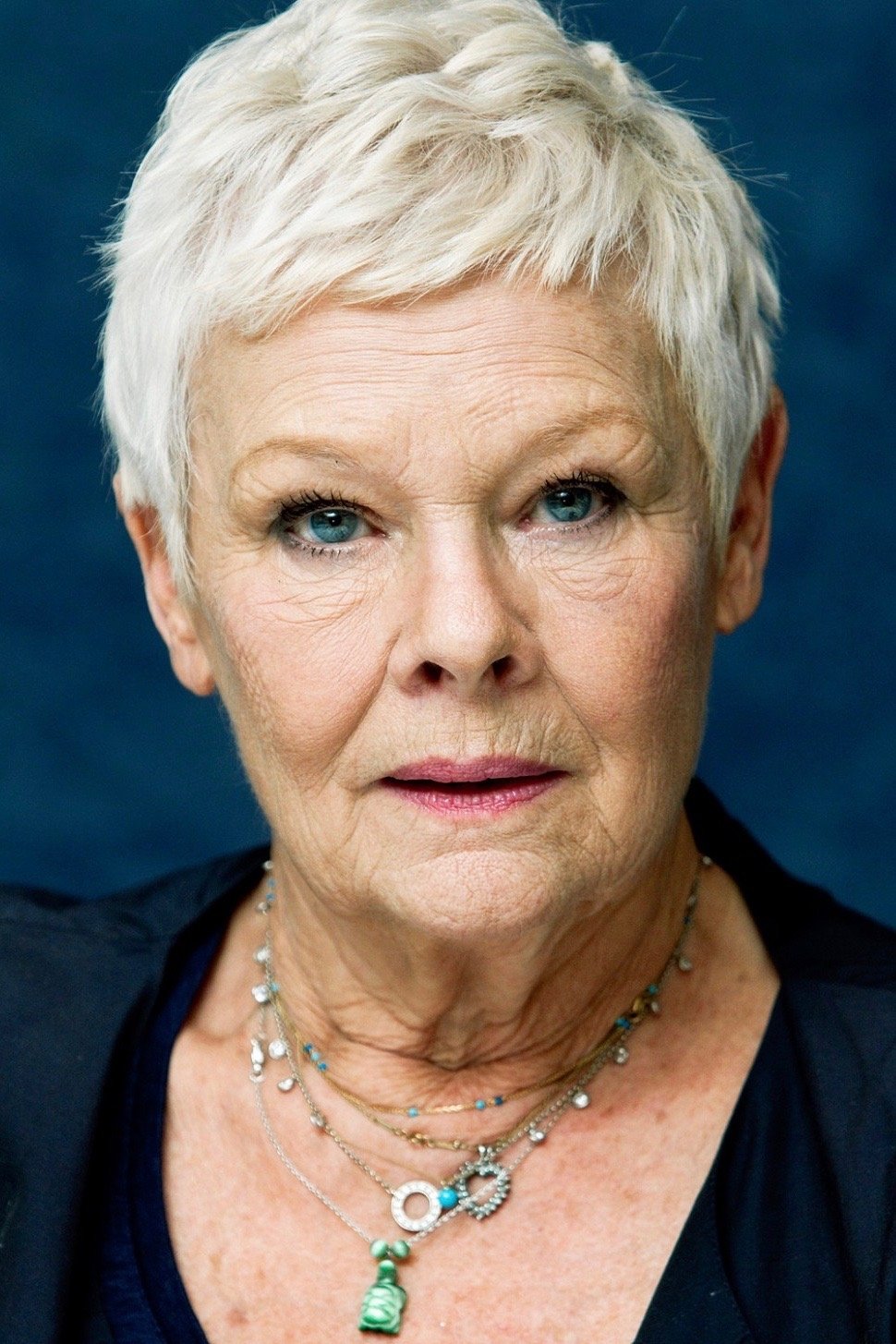
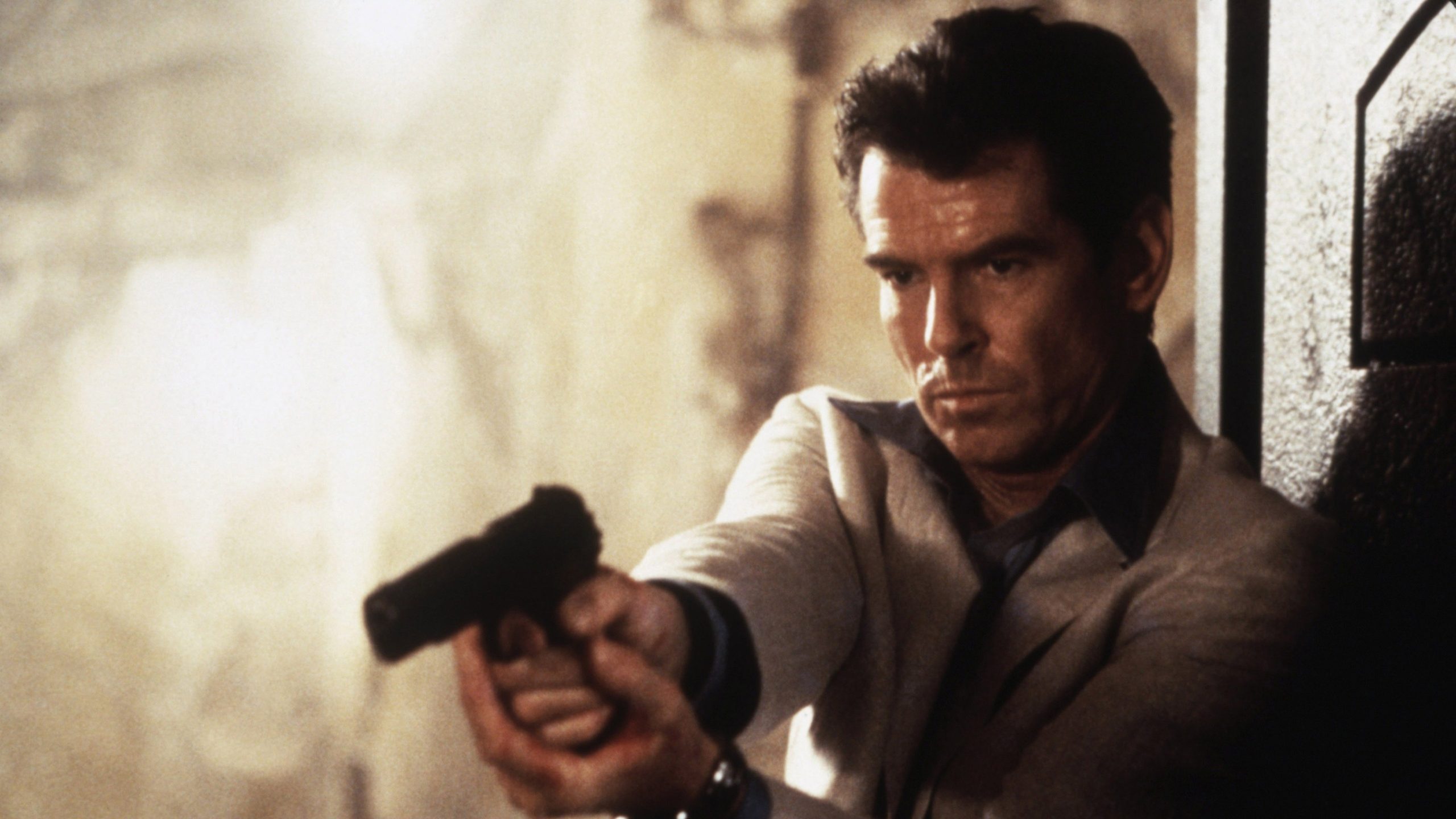
Then the film has to become a plot. M (Judi Dench) sends Bond to Baku to guard Elektra (Sophie Marceau), the heiress finishing her father’s pipeline across the Caucasus, who was once kidnapped by Renard (Robert Carlyle), an anarchist with an MI6 bullet lodged in his brain. Marceau is the best thing in it by a distance. She plays Elektra as a woman who has learned exactly how much men will forgive a beautiful survivor and is spending the credit, and her scenes with Brosnan are better written than anything around them. Brosnan meets her halfway. This is his angriest Bond, and the shoulder he hurt on the Thames keeps troubling him in a way the series does not usually allow.
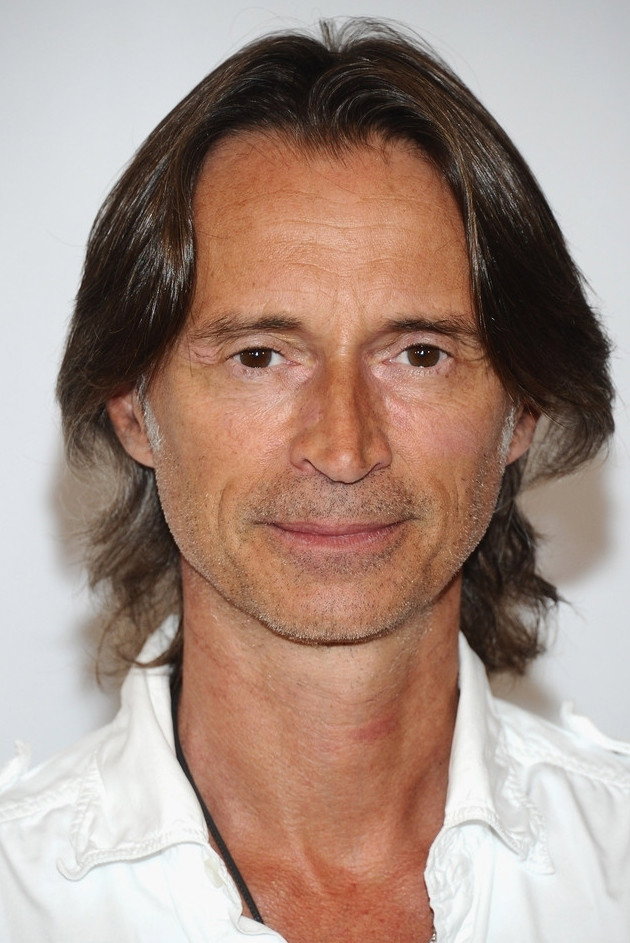
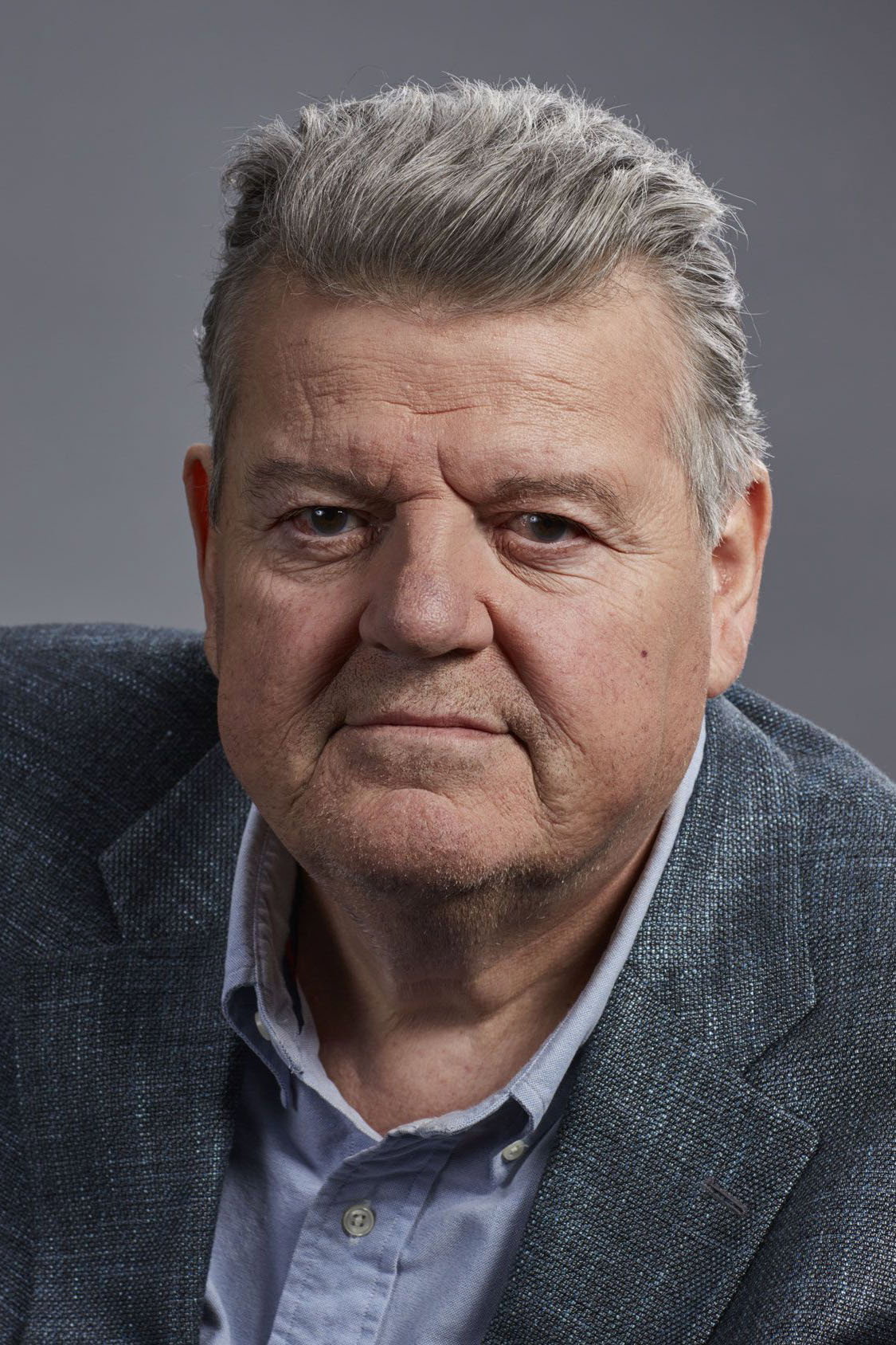
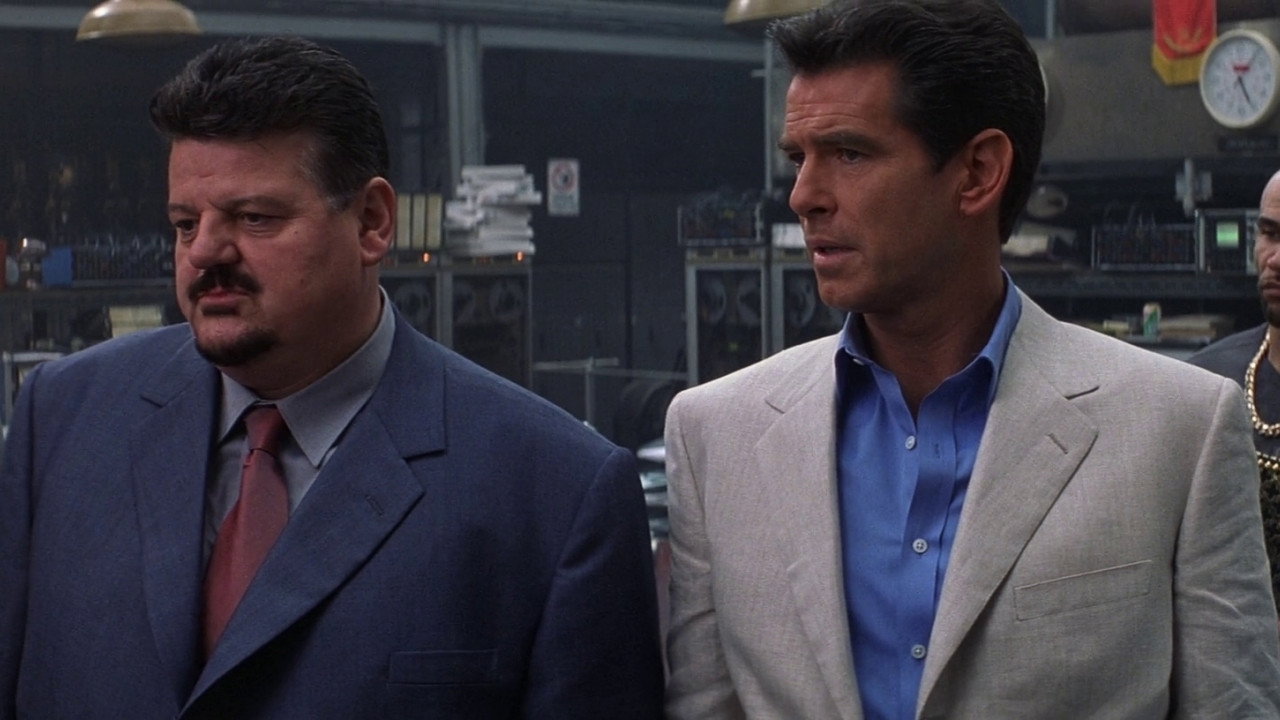
Carlyle is less well served. The idea of Renard is good, a man who can hold a hot stone in his palm and feel nothing, and Carlyle plays him quietly, with a shaved head and sad eyes, but the script keeps him offstage for long stretches and hands him a plan that takes three countries to explain. Robbie Coltrane, back as Valentin Zukovsky from GoldenEye (1995), supplies the wit the film otherwise lacks, and Peter Lamont builds him a caviar factory on stilts in the Caspian that is worth the trip on its own. Lindy Hemming dresses Marceau in furs and fitted black; her choices for Denise Richards are another matter.
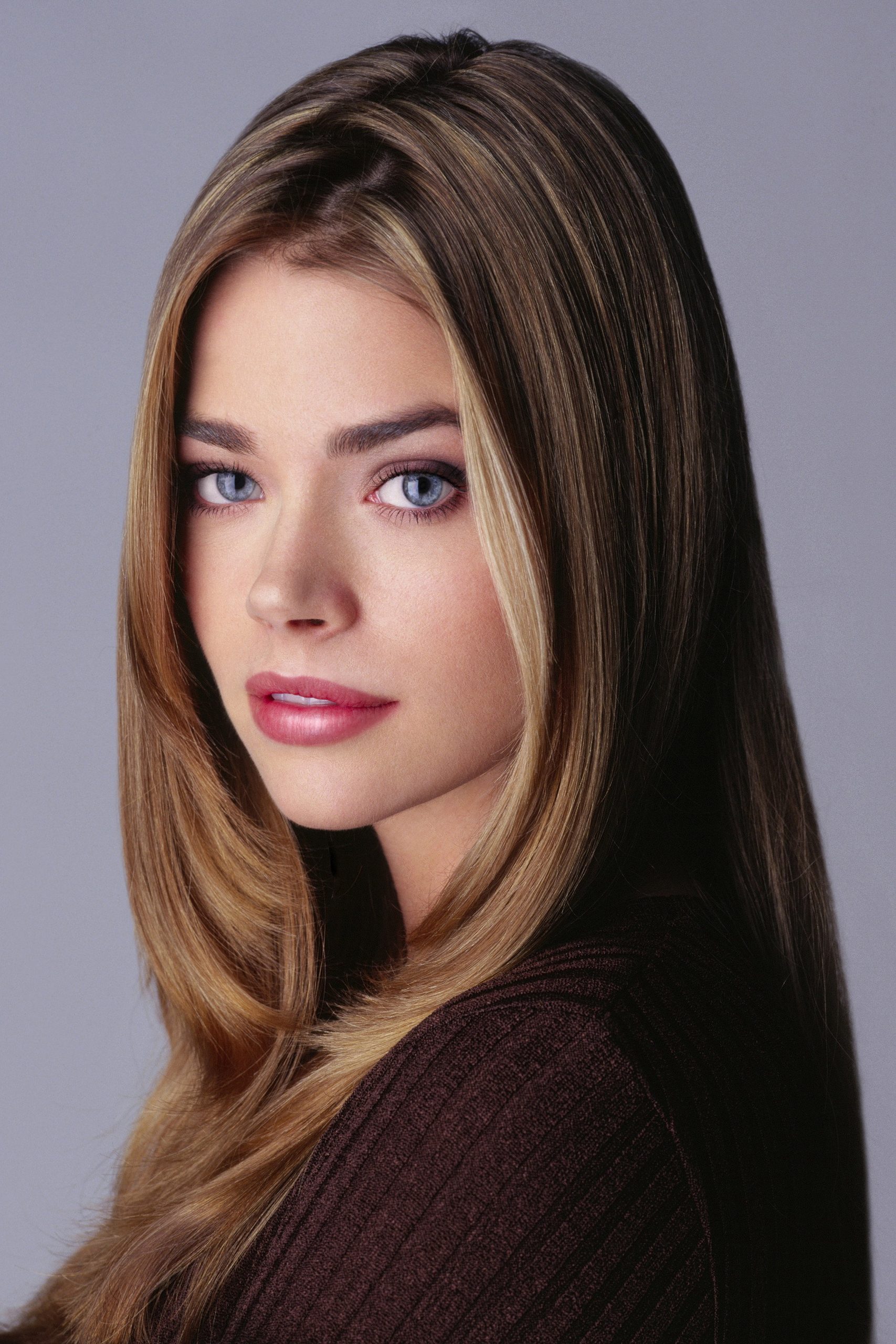
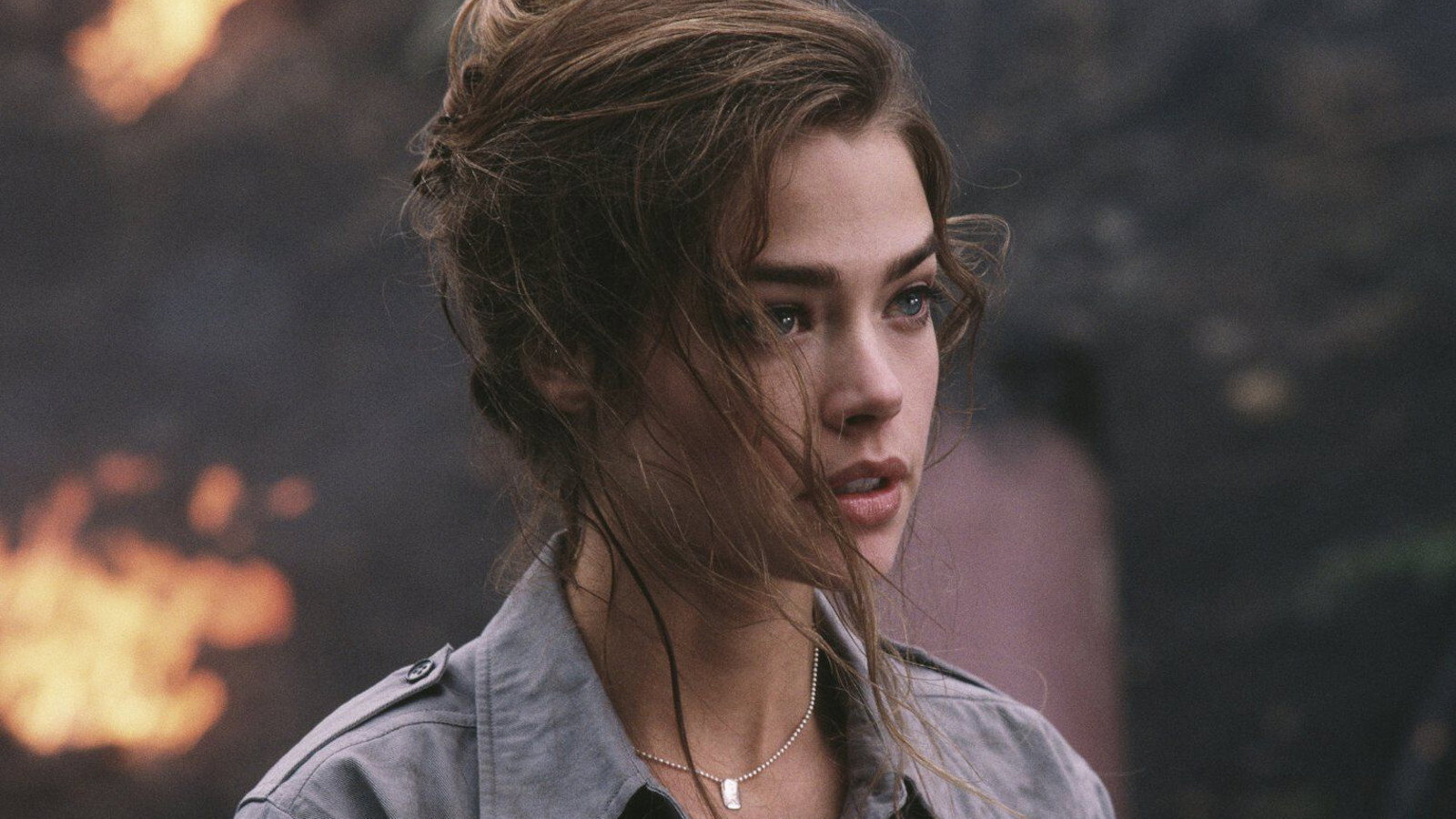
Richards plays Dr Christmas Jones, a nuclear physicist, in a vest and shorts, and she is asked to deliver lines about plutonium in the tone most people use to order a coffee. It is not a kind role and the film does not help her. The action after Baku, snowmobiles slung under parachutes, helicopters fitted with tree saws, a silo in Kazakhstan, is competently staged and instantly forgettable, and somewhere in the second hour we found we had stopped caring whose pipeline it was. We were bored, and a little cross about being bored by something that had started so well.
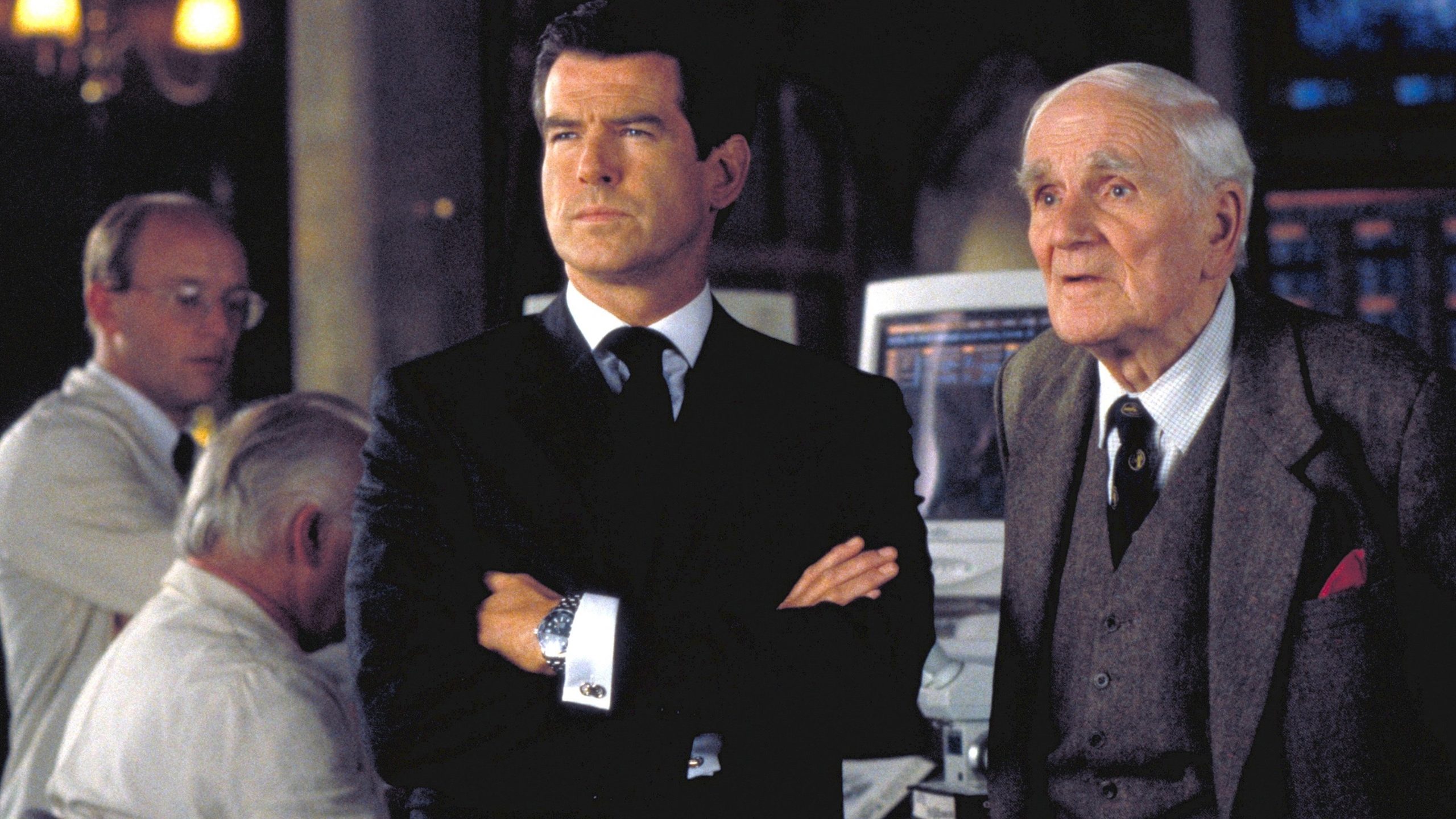
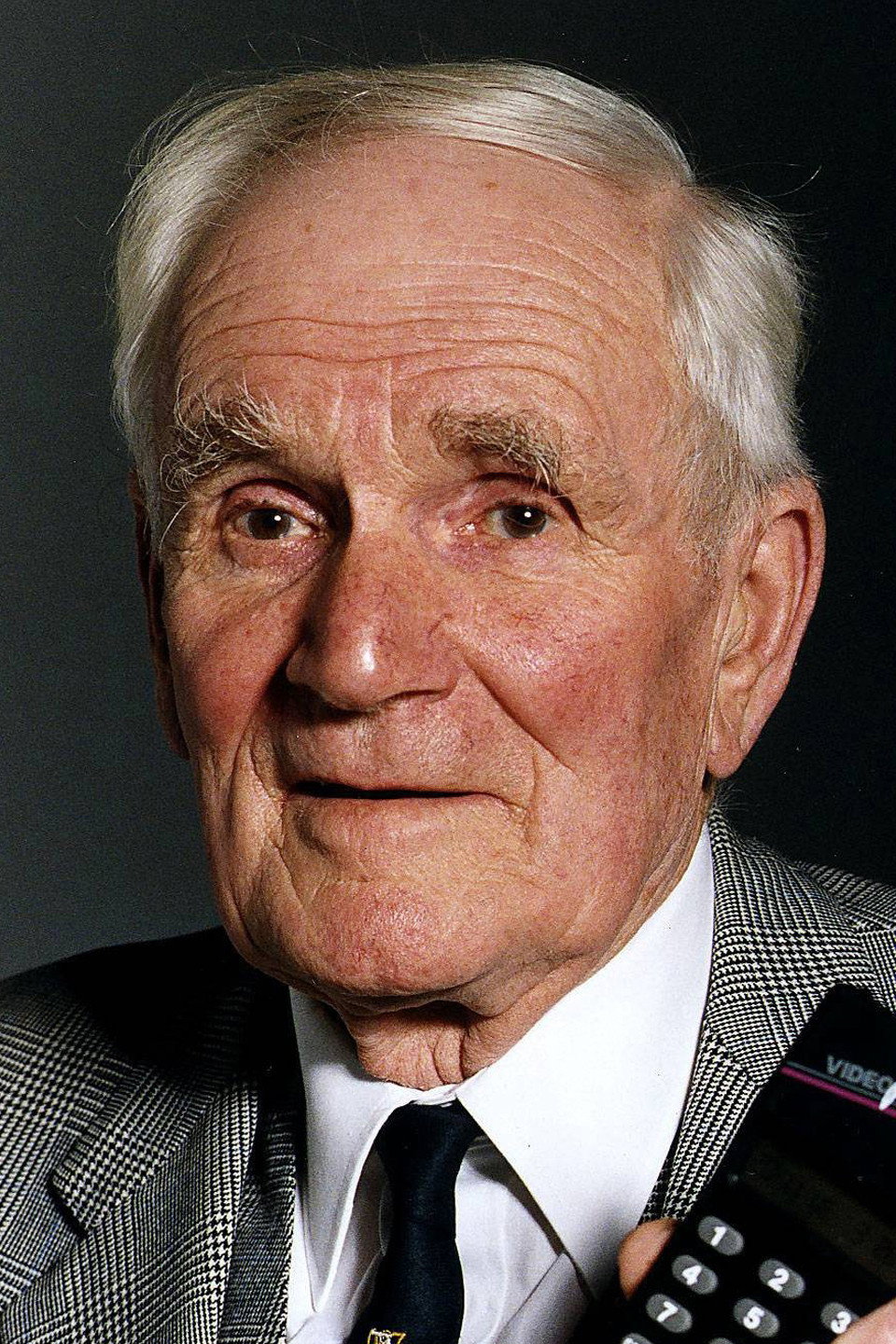
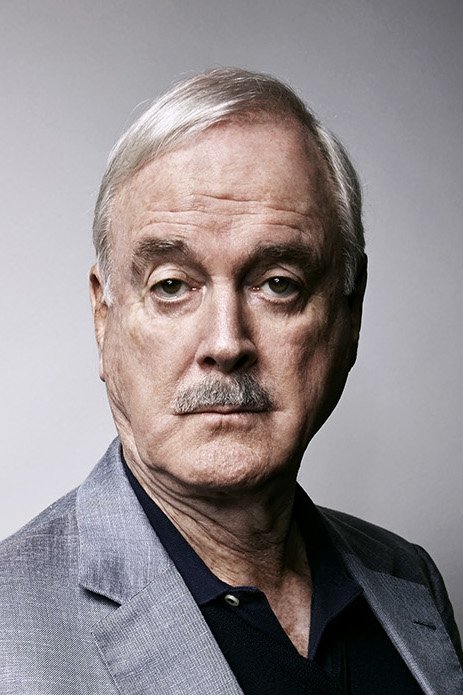
There is one more moment that got us, and it is a small one. Desmond Llewelyn’s Q introduces his replacement (John Cleese, credited as R), gives Bond two pieces of advice, and sinks slowly through the floor. Llewelyn died a few weeks after the film opened, so it became his farewell, and Apted plays the scene slowly, without a joke to cover it. It moved us more than a Bond film has any business doing.
Against the Brosnan run this sits below GoldenEye, which had one clear idea and stuck to it, and above Tomorrow Never Dies (1997), which had none. Apted’s Bond is a real film for perhaps forty minutes. Watch the opening, watch Marceau, and keep the remote to hand for Kazakhstan. It runs 128 minutes, carries a 12 certificate, and opened in British cinemas on 26 November 1999.