Film review

Nikita

1990 · Directed by Luc Besson · 1h 57m · MPA R

In a sentenceThe government has found its assassin and neglected to arrange any pastoral care

ActionThriller

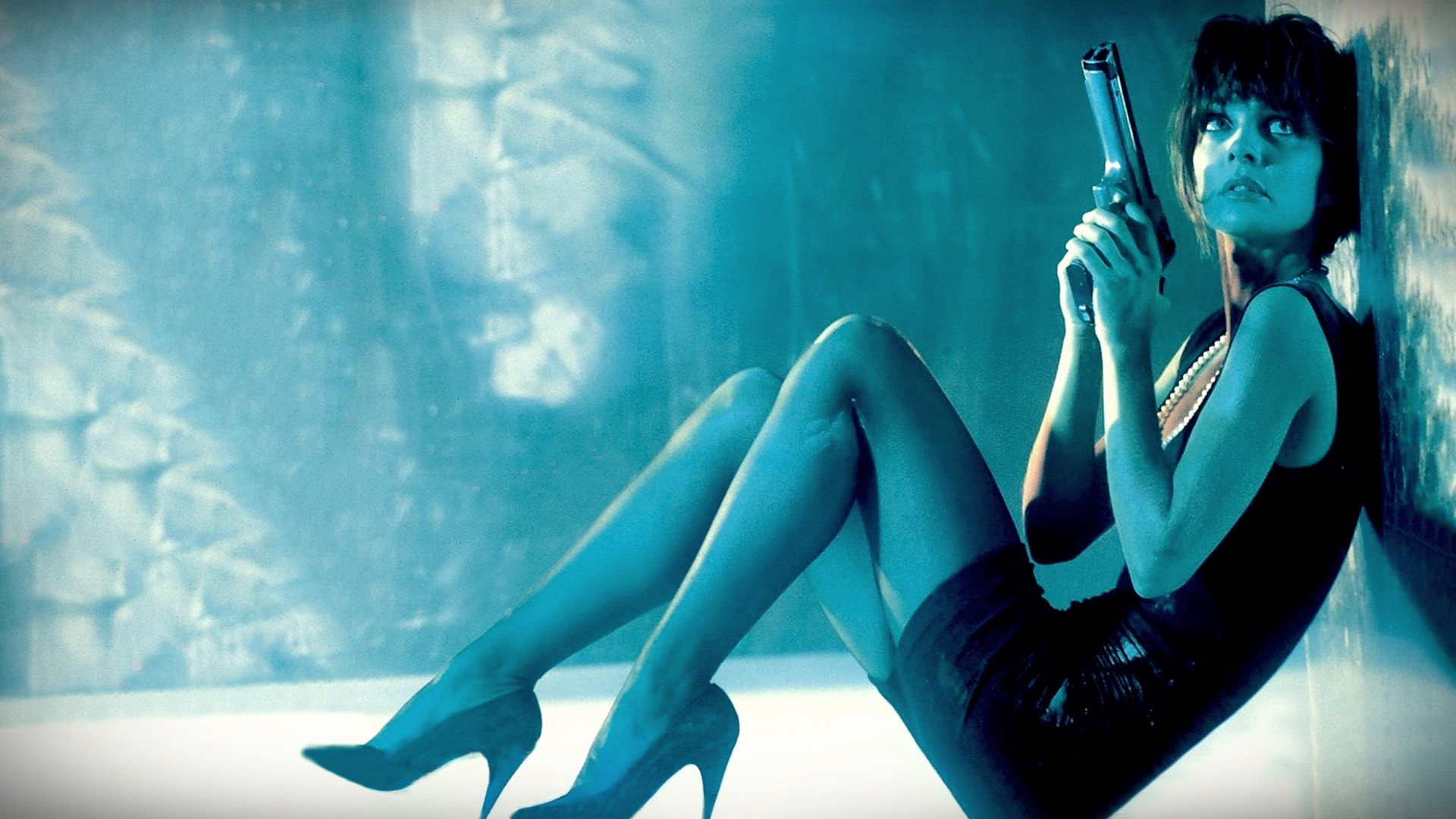
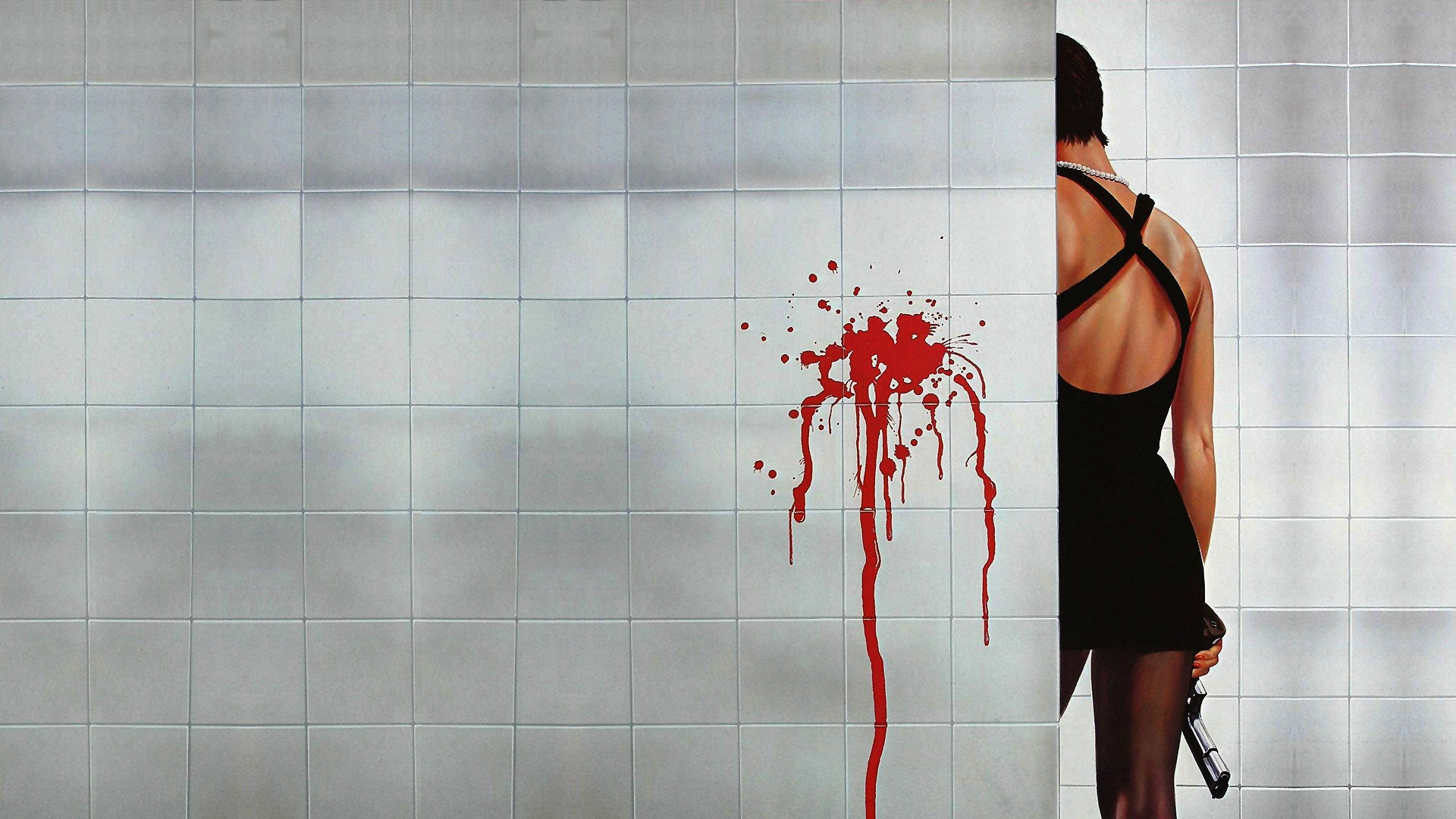
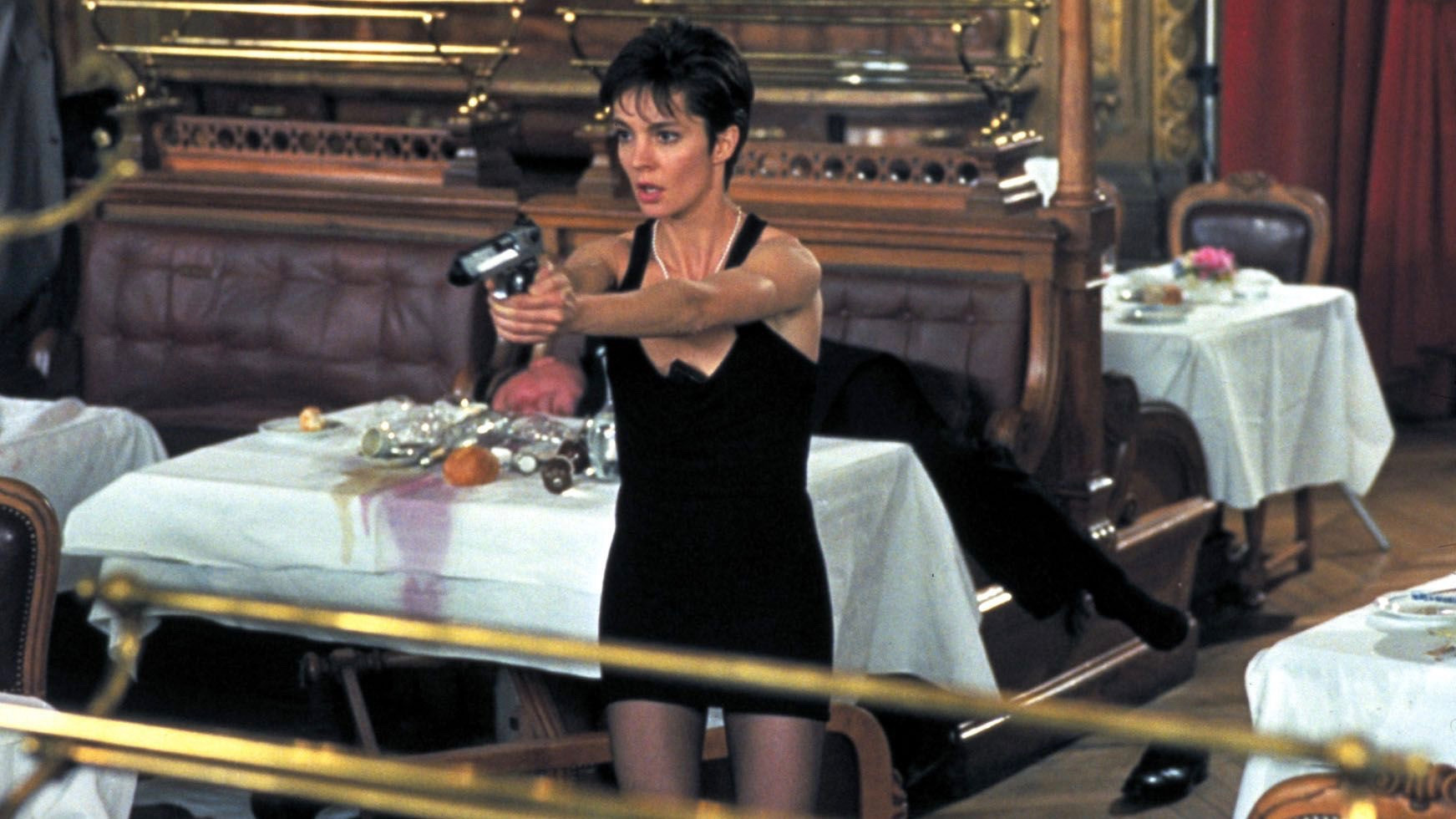
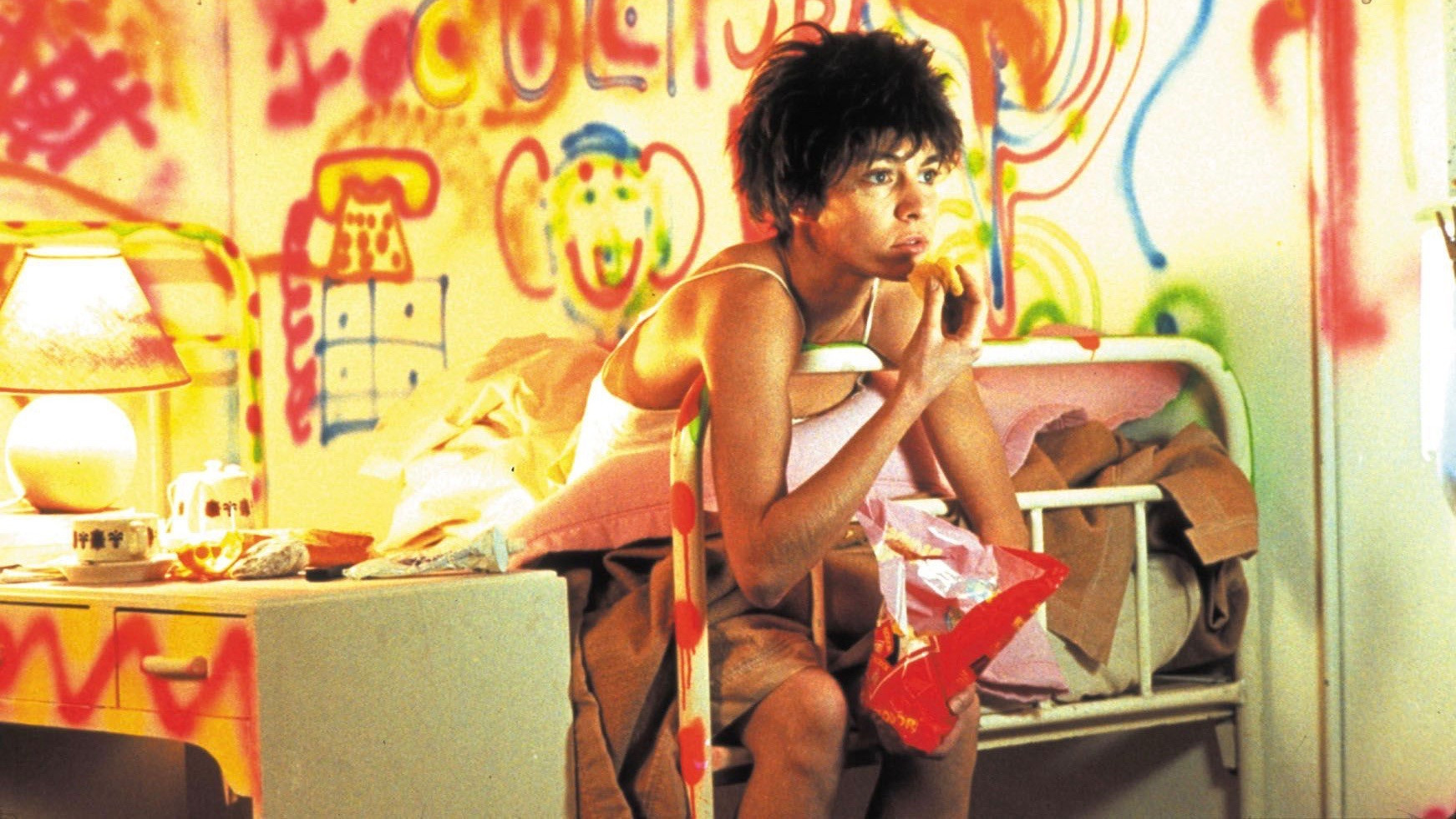
Anne Parillaud plays Nikita, a punk whose involvement in a robbery begins a transformation into a government assassin. Luc Besson writes and directs a thriller that follows her passage from criminal violence to killing for the state. As she takes on that new role, romance complicates the business, with Tchéky Karyo’s Bob and Jean-Hugues Anglade’s Marco forming the other points of a love triangle. Crime, espionage and romantic comedy share the story as Nikita tries to function in circumstances that keep her close to the edge.

Plays from YouTube when you press play; nothing loads from them until then.

Fi1m review

Luc Besson’s assassin thriller is gripping, implausible and more affecting than its glossy violence initially suggests. Anne Parillaud gives Nikita enough feeling to carry a script that does not give everyone else equal attention.

Luc Besson’s Nikita wants us to accept a punk’s conversion into a government assassin and still worry about the person doing the killing. It largely succeeds, thanks to Anne Parillaud, whose performance gives a lurid action thriller an emotional weight the writing seldom earns elsewhere. Besson writes and directs with a confidence that sometimes becomes impatience: once an image has made its point, he seems ready to move on. We recommend it for Parillaud and the tension, with reservations about the people surrounding her.

The opening robbery establishes the film’s appetite for violence, and Besson seldom gives the action much time to cool. The premise also supplies a nastier question than the film always wants to consider: what happens when somebody’s capacity for violence becomes useful to the government? Besson is more interested in Nikita’s transformation and romantic entanglements than in pursuing that question. That choice keeps the film moving, though it makes the organisation employing her feel conveniently vague.

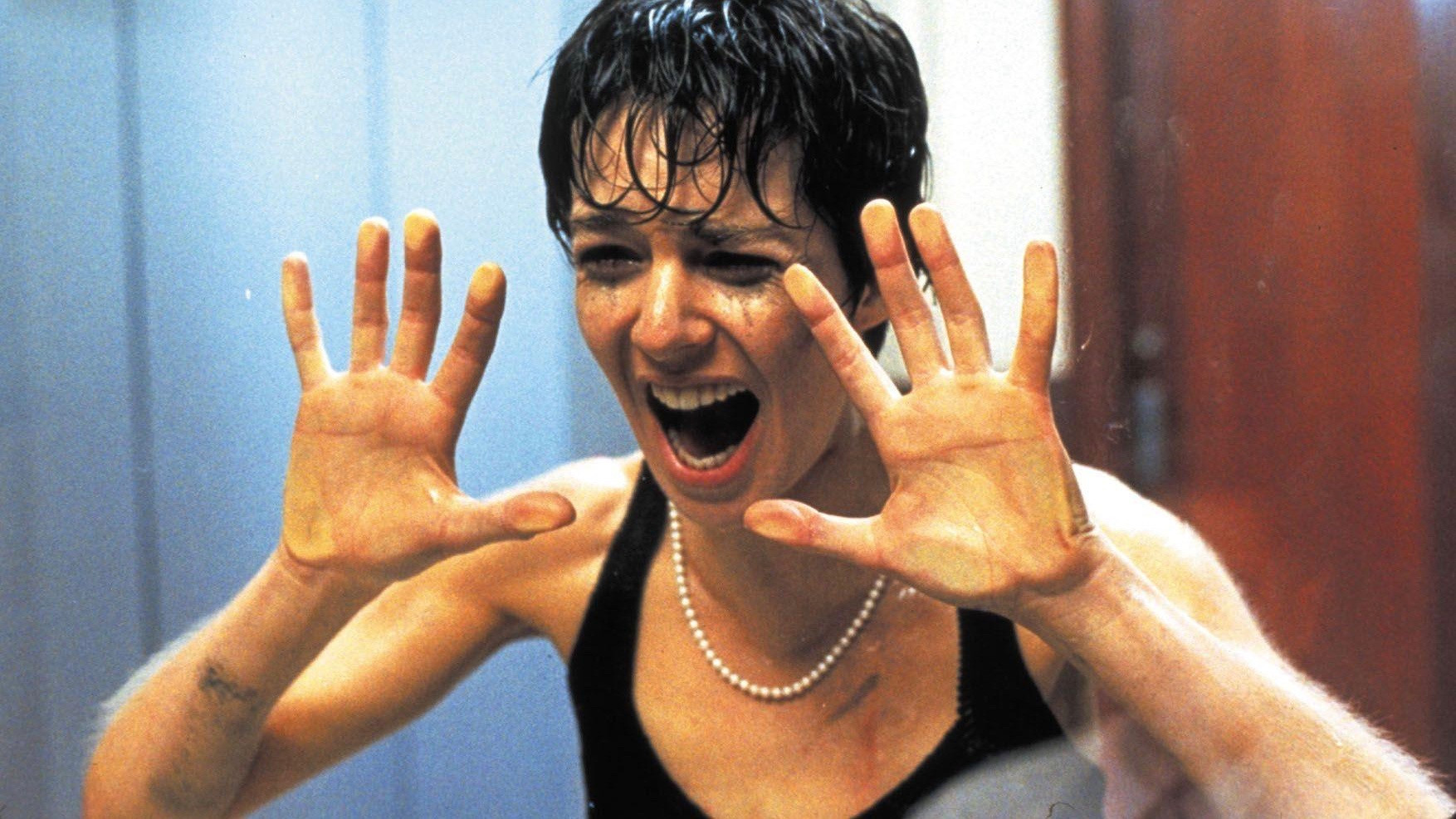
Parillaud makes Nikita considerably more convincing than the story around her. She gives the character a volatility that makes even apparent competence unsettling, so the transformation never feels as simple as the premise suggests. We were tense during her initiation mission because Parillaud makes the effort of staying in control so palpable. The performance keeps Besson’s emphasis on glamour from tidying away her distress, and gives the action a person worth worrying about.

Thierry Arbogast’s cinematography makes the mixture of grit and gloss persuasive, allowing ugly behaviour to remain seductively watchable. The sleekness suits a story so concerned with changing how its heroine appears to the world. Dan Weil’s production design supplies the same mixture of roughness and polish, helping the crime and espionage passages feel part of the same film. We occasionally need more evidence that somebody lives in these settings, rather than simply turning up to look right in them.

Olivier Mauffroy’s editing is more convincing at sustaining an action sequence than at making the whole film cohere. The shifts into romance and quirky comedy give Parillaud welcome room, yet Besson does not always make those changes feel earned. Éric Serra’s score supplies momentum, helping the thriller recover its urgency when the plotting threatens to distract us. Across 117 minutes, the weakness is the way the different kinds of film have been joined, with changes of pace that can feel imposed on the characters.

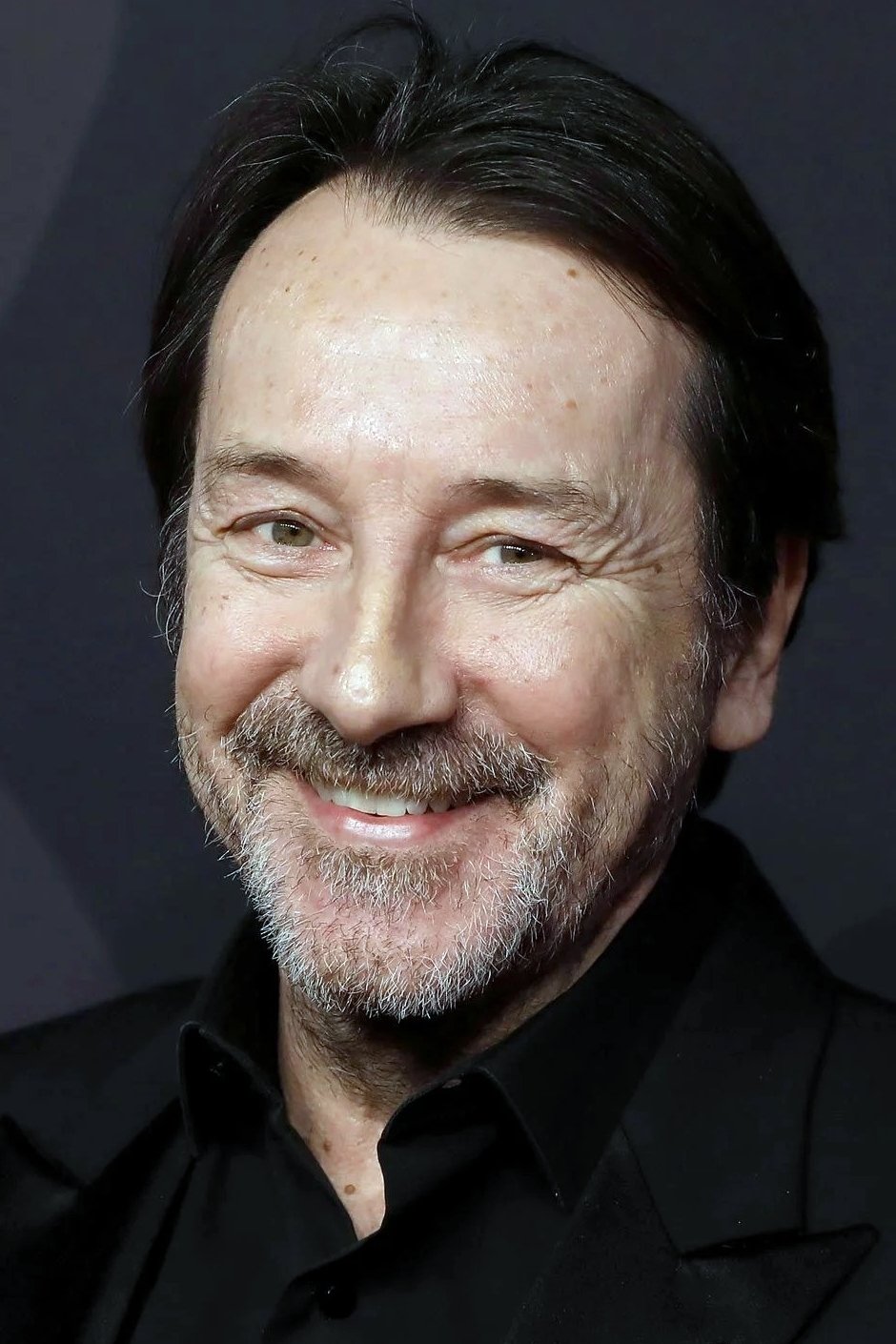
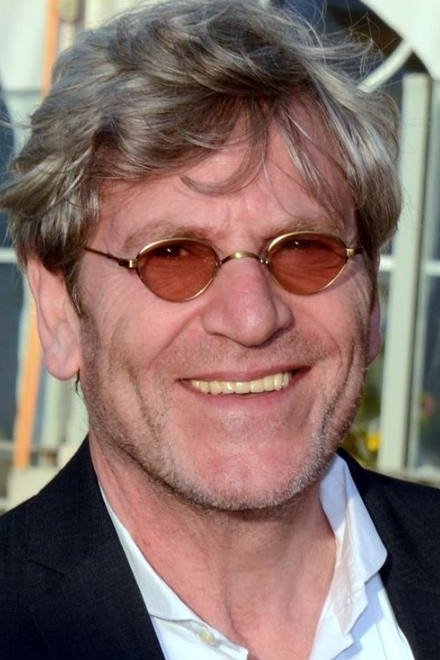
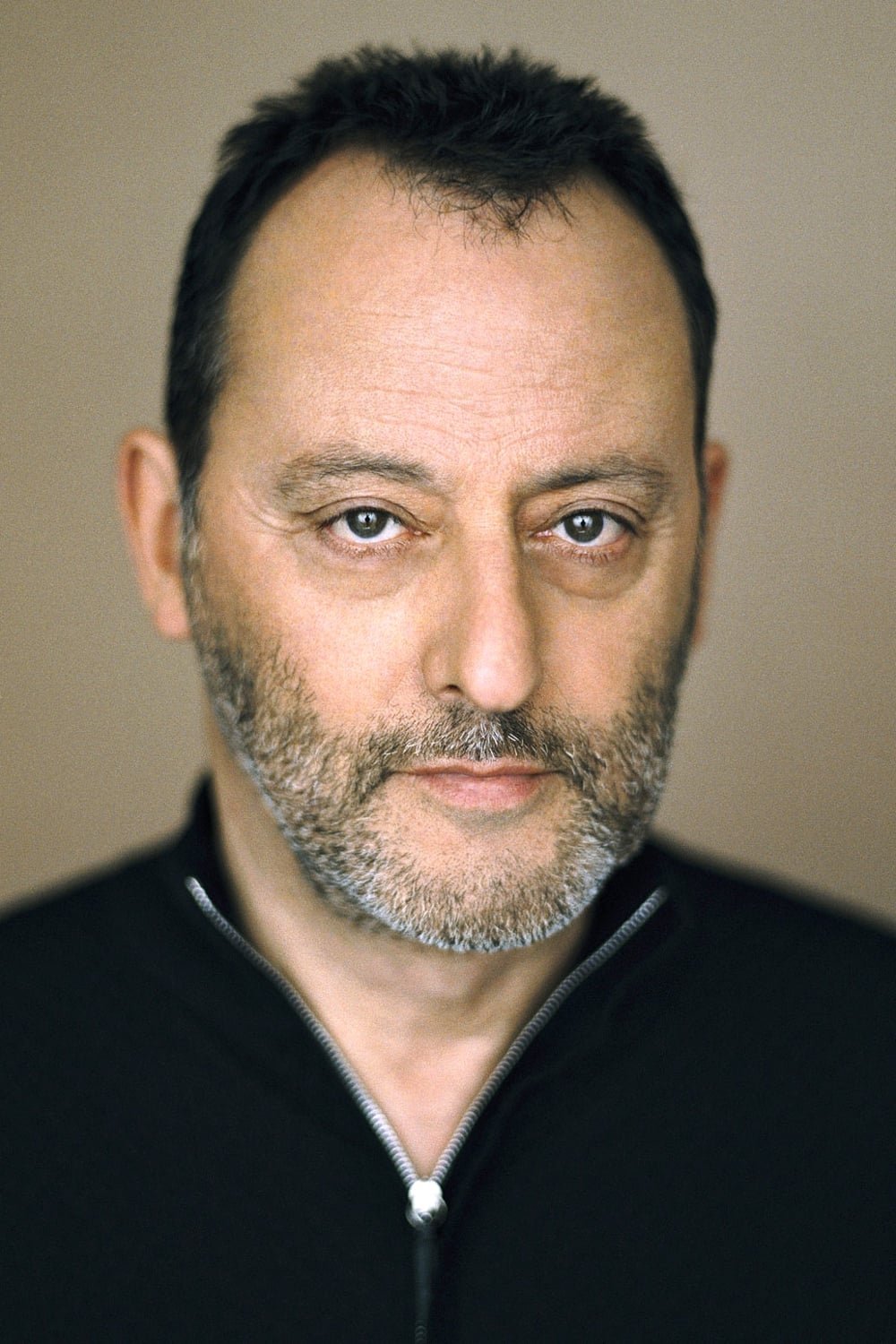
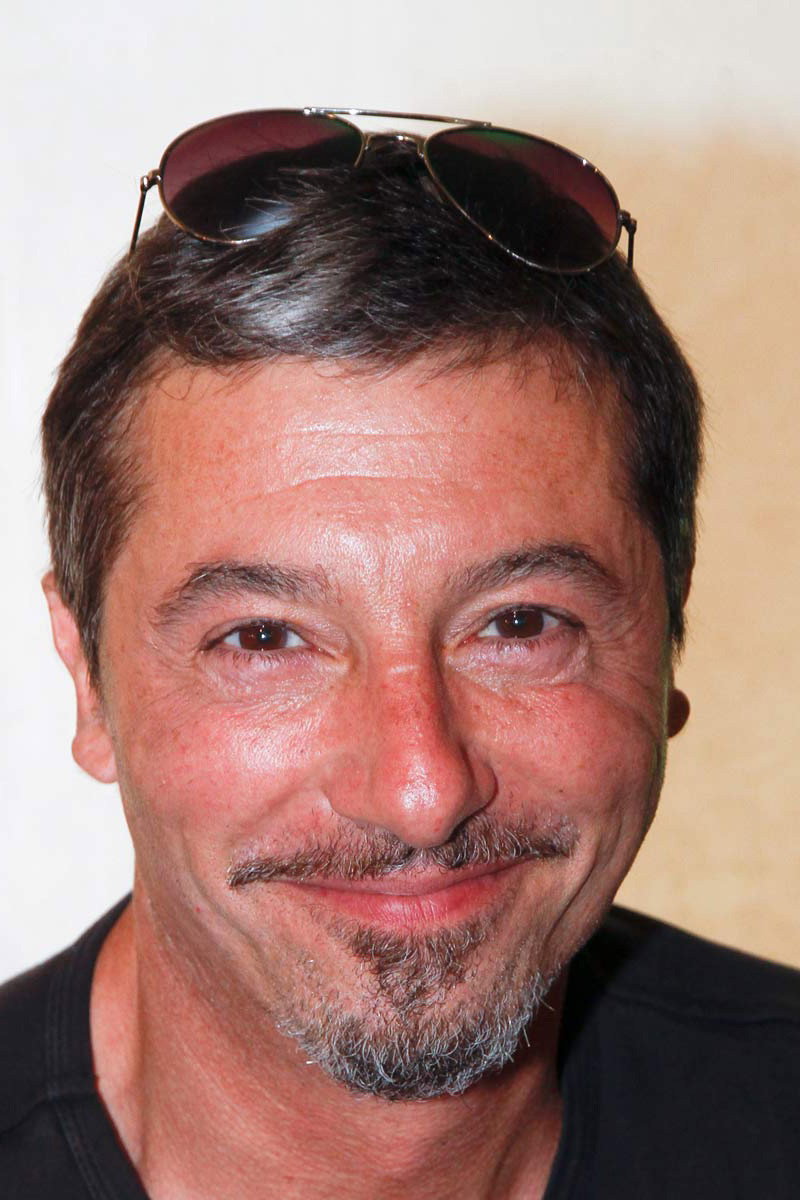
Tchéky Karyo’s Bob and Jean-Hugues Anglade’s Marco give the romantic triangle enough personality to keep it from feeling like an interruption. Both actors have the charisma to hold their own beside Parillaud, and the romantic comedy allows an ease that the thriller otherwise discourages. Besson’s writing still leaves too much of their character to the performers. Too many supporting parts depend on actors suggesting the lives the script has omitted, which limits how much these relationships can move us.

The familiar action-thriller bargain is that we accept improbable behaviour in exchange for excitement, and Nikita pays its share. Its trouble comes when Besson asks the romance to bear more weight than his character writing allows. Even then, Parillaud remains a compelling reason to stay with it. Choose it for her, and expect to do a little forgiving whenever the plot takes charge.
Critical consensus AI synthesised

4 of 6
Positive
3
Mixed
1
Negative
0
Empire
1 January 2000 · Ian Nathan
85*

The critic praises the film's slick, ultra-stylish action and Anne Parillaud's performance as a punk assassin, likening her transformation to an explosive version of My Fair Lady, but notes it lacks depth in favor of surface style. Overall, it is seen as a tour de force from Besson at his peak.

Read the full review →
Los Angeles Times
15 March 1991 · Michael Wilmington
50*

The film is described as a glitzy, ultra-violent imitation American thriller that mixes grit and sleekness with a feminine twist on the genre. Parillaud, Karyo, and Anglade are charismatic, but the characters exist mostly in visual terms as emanations of the storyboard.

Read the full review →
The New York Times
8 March 1991 · NYT Critic’s Pick · Janet Maslin

The critic finds Besson's direction agile and commercial, holding together hip violence, punk anomie, and an old-fashioned paean to love. Parillaud's striking performance as the vicious yet glamorous Nikita is singled out as making her a femme fatale in every way.

Read the full review →
Time Out

Besson's stylish noir-thriller about a punk sociopath turned government assassin seldom lets up after its opening robbery. It benefits from Anne Parillaud's intense performance and some emotional depth, despite implausible plotting and lack of profound substance.

Read the full review →
Eye for Film
23 September 2024 · Donald Munro
85*

Besson blends quirky romantic comedy with crime, espionage and Nouvelle Vague elements into a rich cinematic sauce. The love triangle and strong performances from Parillaud, Anglade and Karyo are central, and the film outclasses its many derivatives.

Read the full review →
Den of Geek
29 September 2009 · ★★★★ · Mark Pickavance
80

The critic recommends the film as worth seeing at least once for its intense initiation mission sequence and Anne Parillaud's standout performance of a woman on the edge who remains functional. Notes weaknesses in overall structure and lack of backstory for most characters, while praising the score by Eric Serra and the cinematography by Thierry Arbogast.

Read the full review →

Cast

Stills

Awards

César Award for Best Actress, 1991

Nominated
César Award for Best Actress

If you liked this, try…

Diva poster

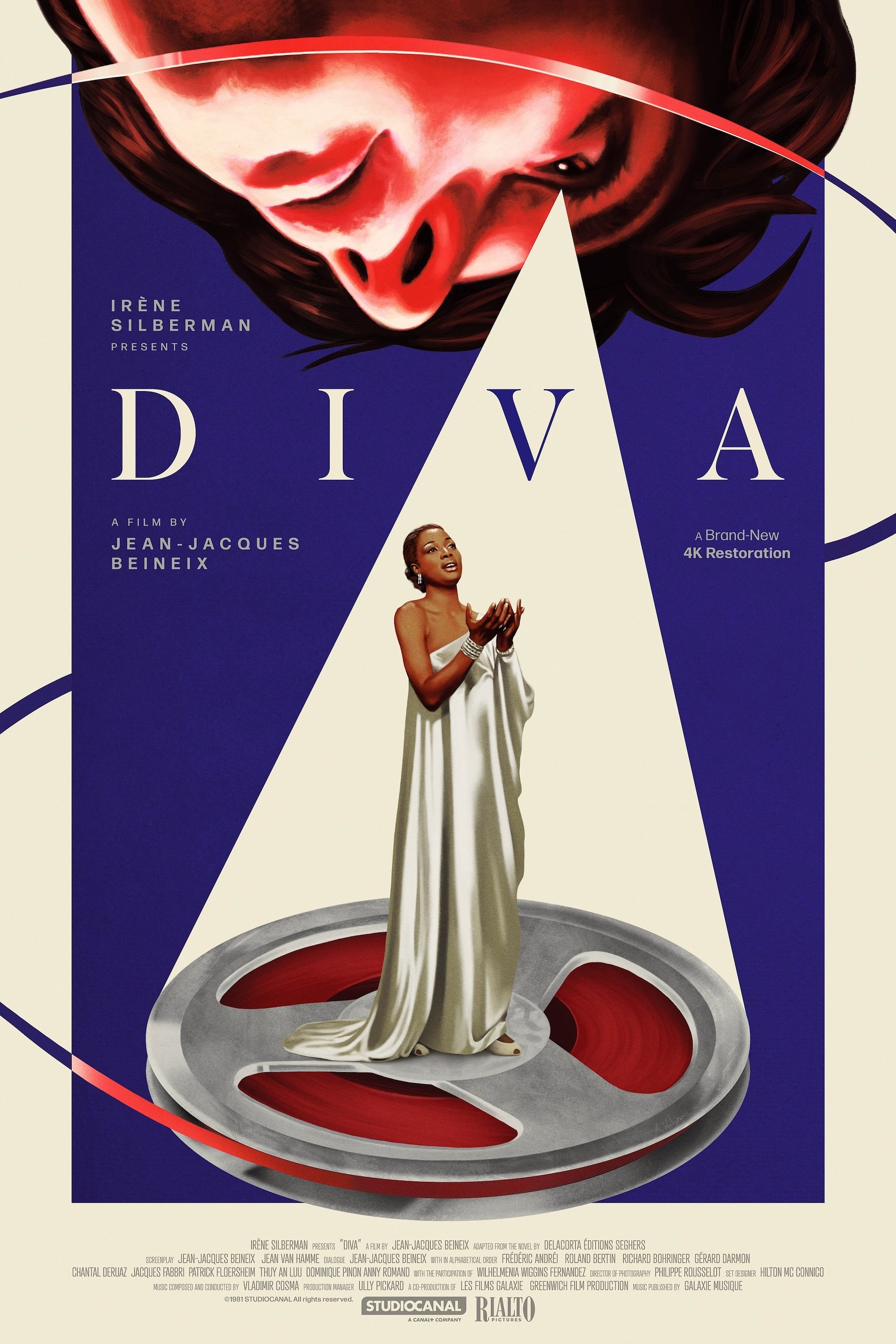
Diva

1981 · For crime, romance and polished images allowed to share the same space.

Lady Snowblood poster

Lady Snowblood

1973 · For another forceful central performance amid violence made troublingly attractive.

The Long Kiss Goodnight poster

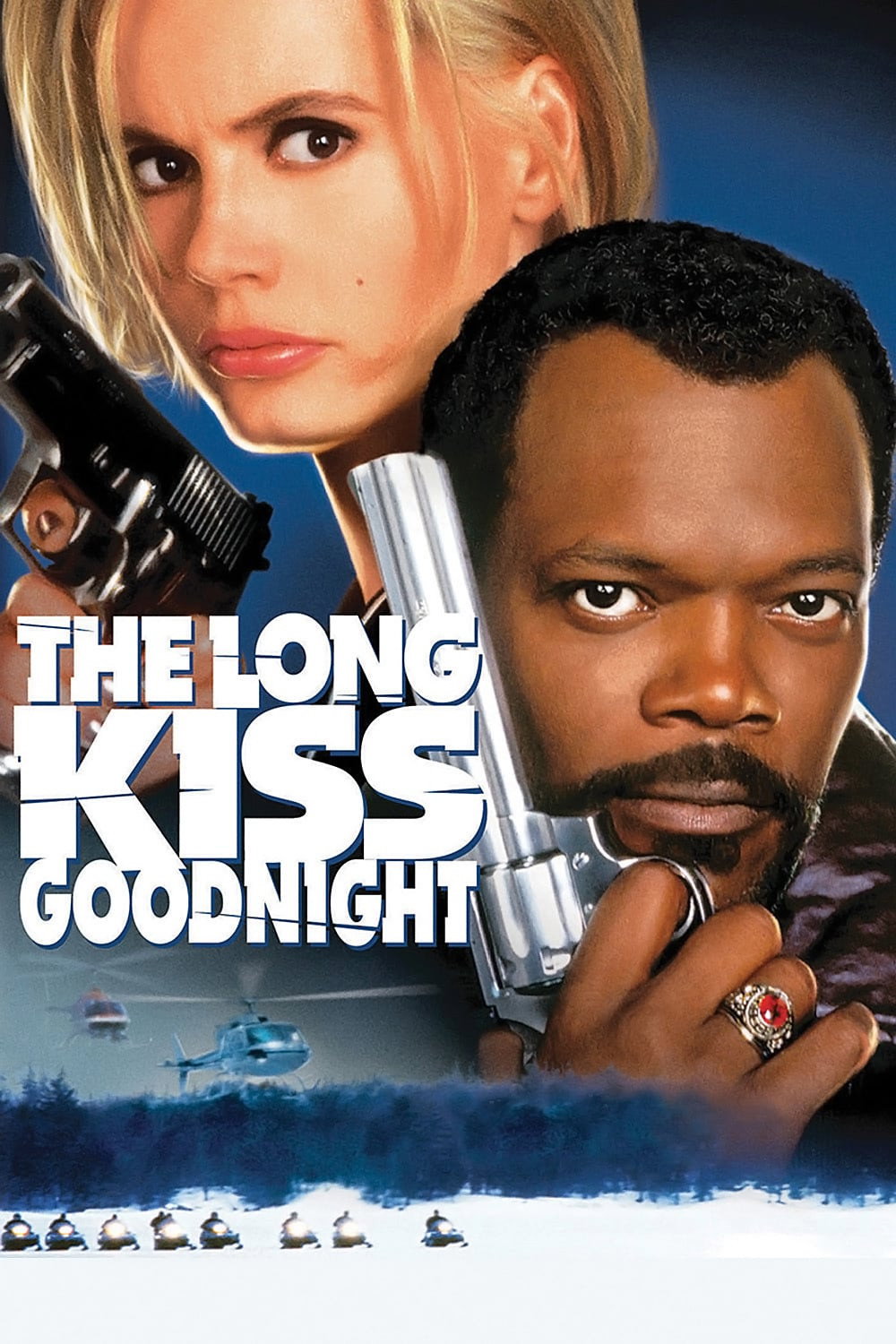
The Long Kiss Goodnight

1996 · Another woman with lethal skills, given more room for comedy.

The Assassin poster

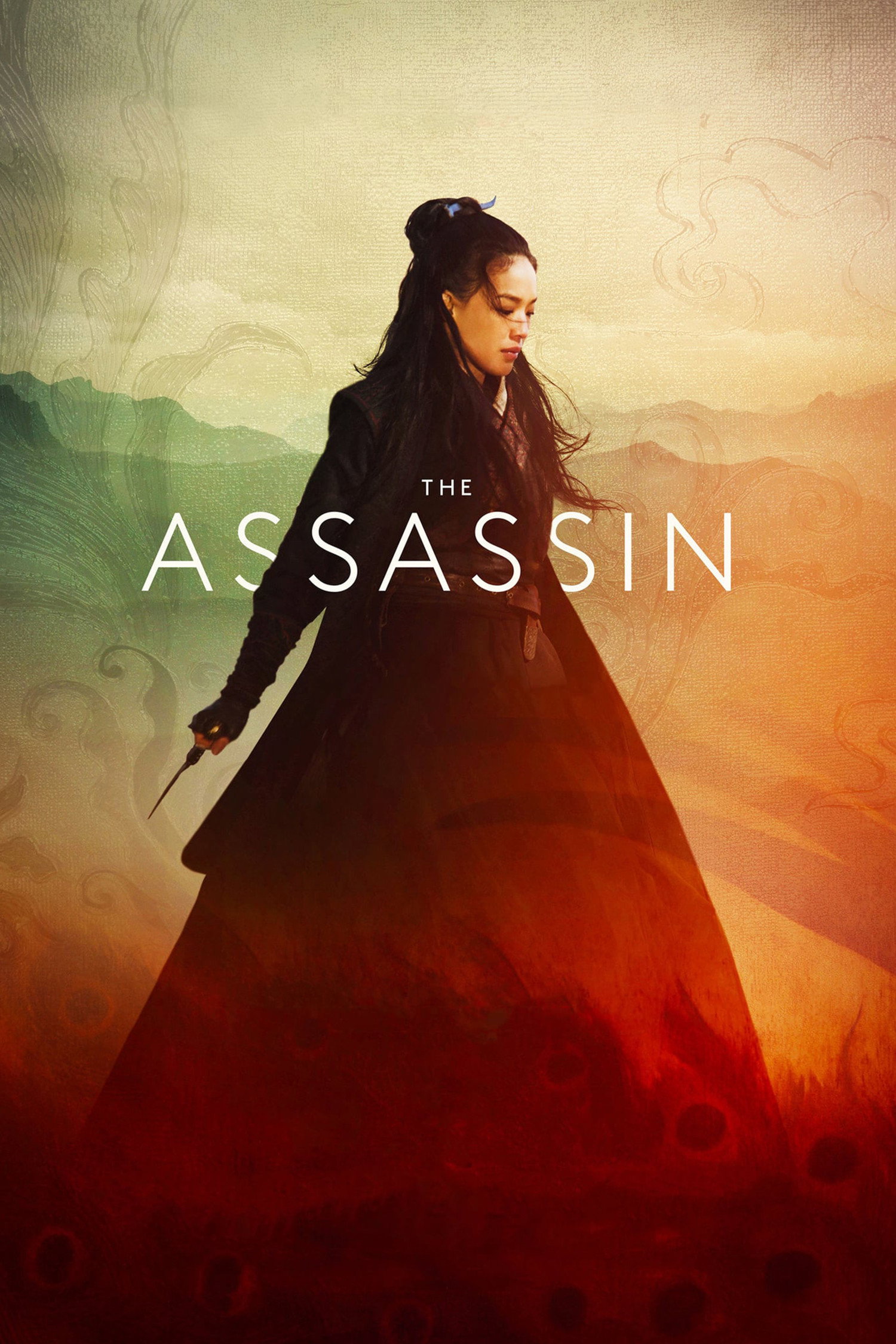
The Assassin

2015 · A quieter assassin film that makes waiting as tense as fighting.

A History of Violence poster

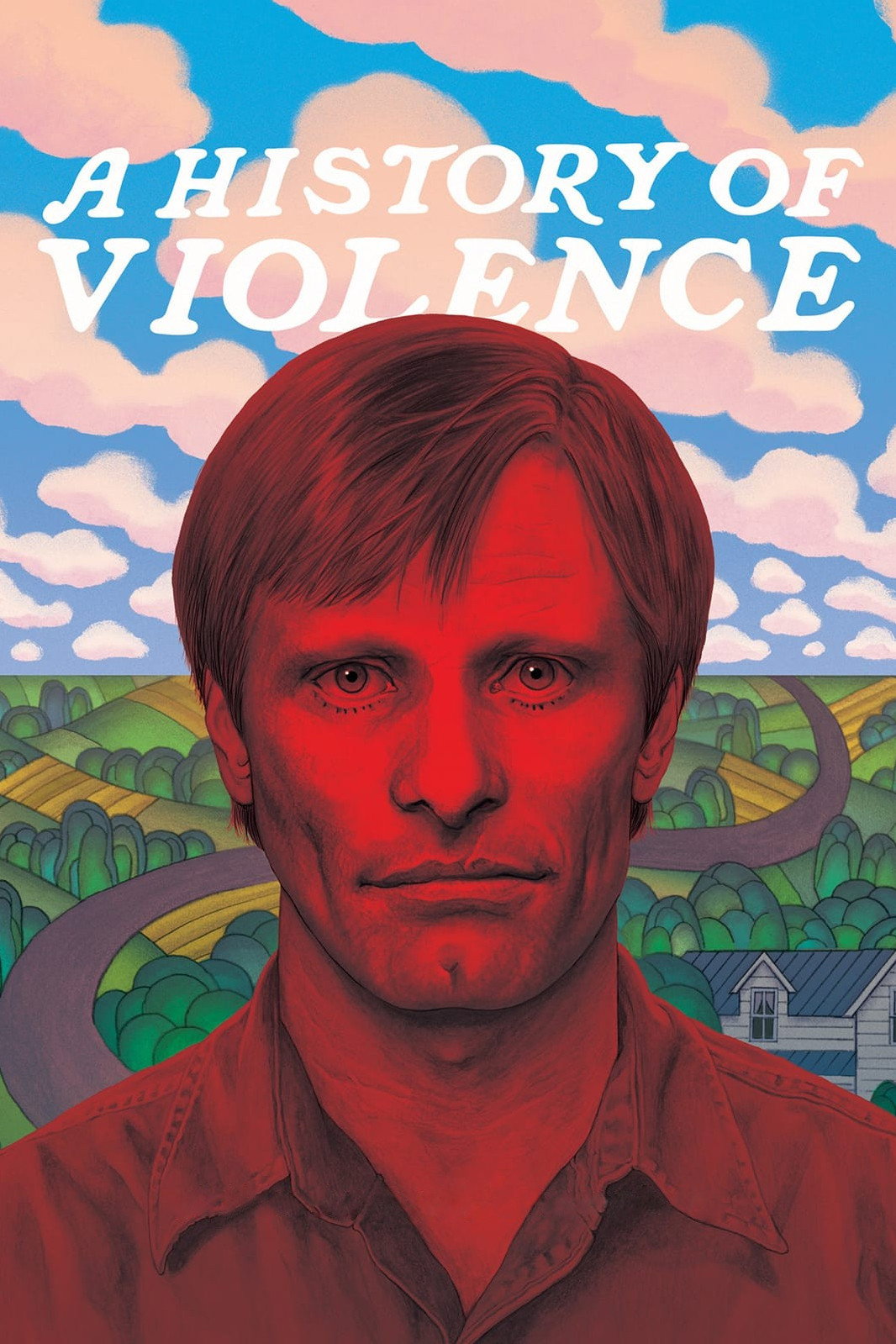
A History of Violence

2005 · For the strain that a capacity for violence puts on intimacy.