Jim Jarmusch’s funny, unexpectedly touching hitman film is worth seeing for Forest Whitaker’s solemn presence and RZA’s score. Its cultural borrowing deserves more thought than the script gives it.
Ghost Dog: The Way of the Samurai rewards patience with dry comedy and an unusually affecting central performance. Jim Jarmusch takes the familiar business of an assassin at odds with gangsters and gives it a peculiar, gently comic solemnity. His assassin follows the samurai code with a seriousness the gangsters around him struggle to match. There is less suspense than the premise suggests, but enough wit and feeling to make the unhurried pace welcome. It works best when Jarmusch lets us watch people being peculiar without telling us what to make of them.
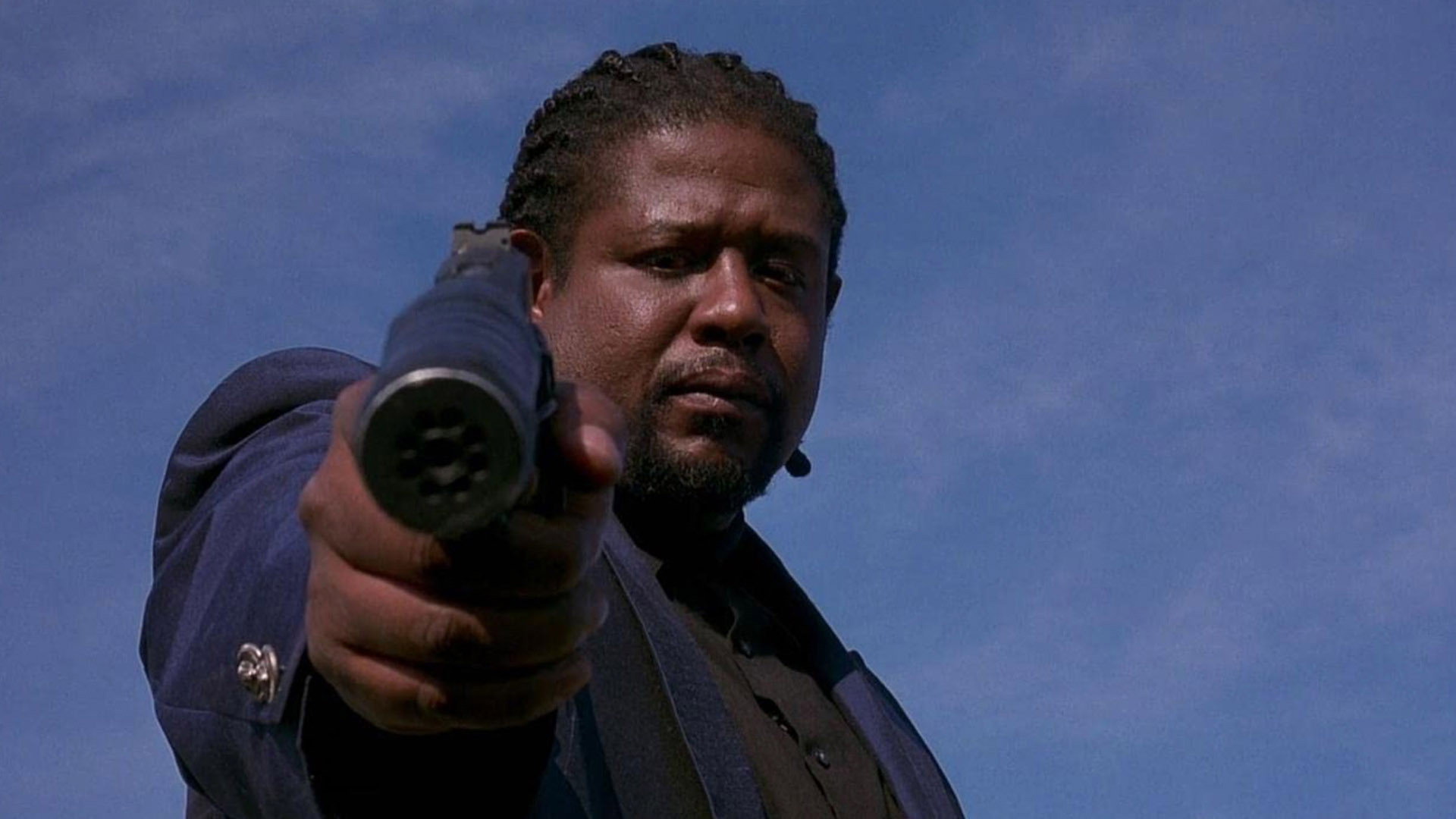
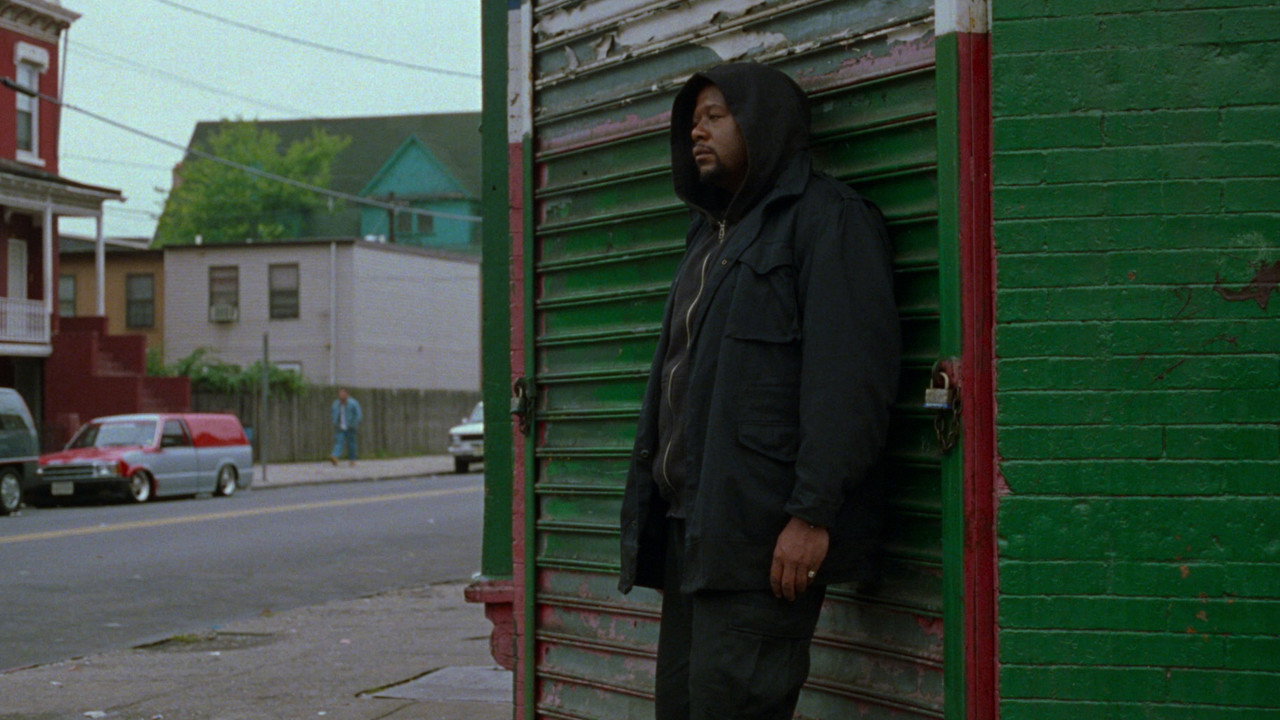
Forest Whitaker plays Ghost Dog’s devotion without the reassuring suggestion that he knows how odd it looks. His solemnity gives the samurai discipline weight, even when its application to a modern hitman’s life appears absurd. We were moved by his stillness; the pauses make his dependence on those rules feel painfully exposed. Jarmusch has the sense to leave room for that response instead of treating the man as an assortment of eccentric habits. Much of the performance happens in those pauses.
Robby Müller’s cinematography serves that performance by making Whitaker’s restrained face worth watching. We are allowed to study him without waiting for some larger display of feeling to justify the attention. Jay Rabinowitz’s editing makes room for the pauses, and the comedy benefits from time spent waiting for people to respond. A more urgent rhythm would lose much of the amusement. There are stretches, though, when the waiting becomes the chief thing we notice.
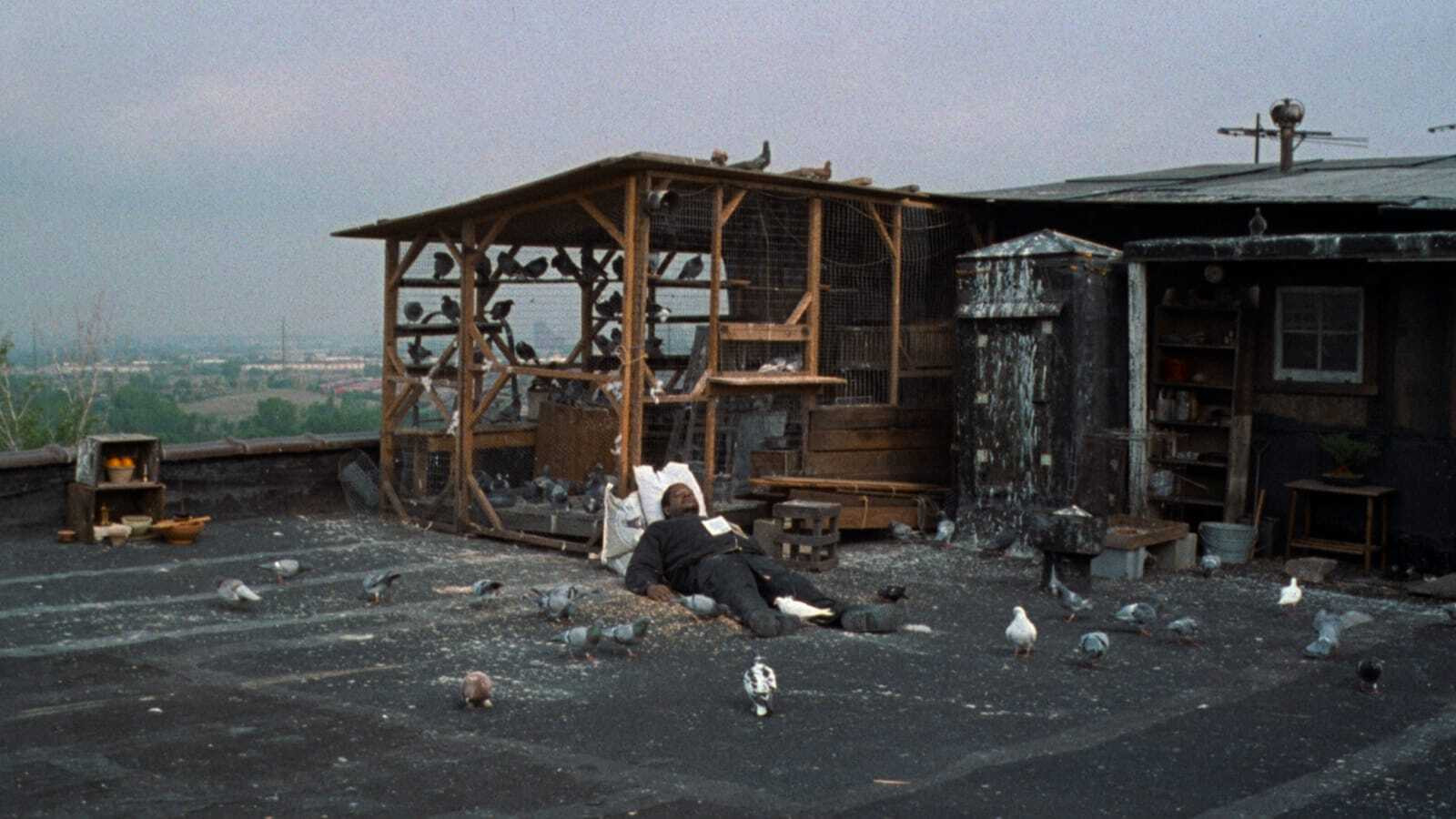
RZA’s hip-hop score supplies movement when the storytelling settles into ritual. Its cut-and-paste construction suits a film borrowing freely from samurai and gangster cinema, and it makes the mixture feel less laboured than it might. Ted Berner’s production design gives the gangsters a recognisable crime-film setting, keeping the borrowed samurai customs conspicuously out of place. That helps the joke, though the music does more to suggest why these different influences belong together. The soundtrack is a substantial part of the pleasure.
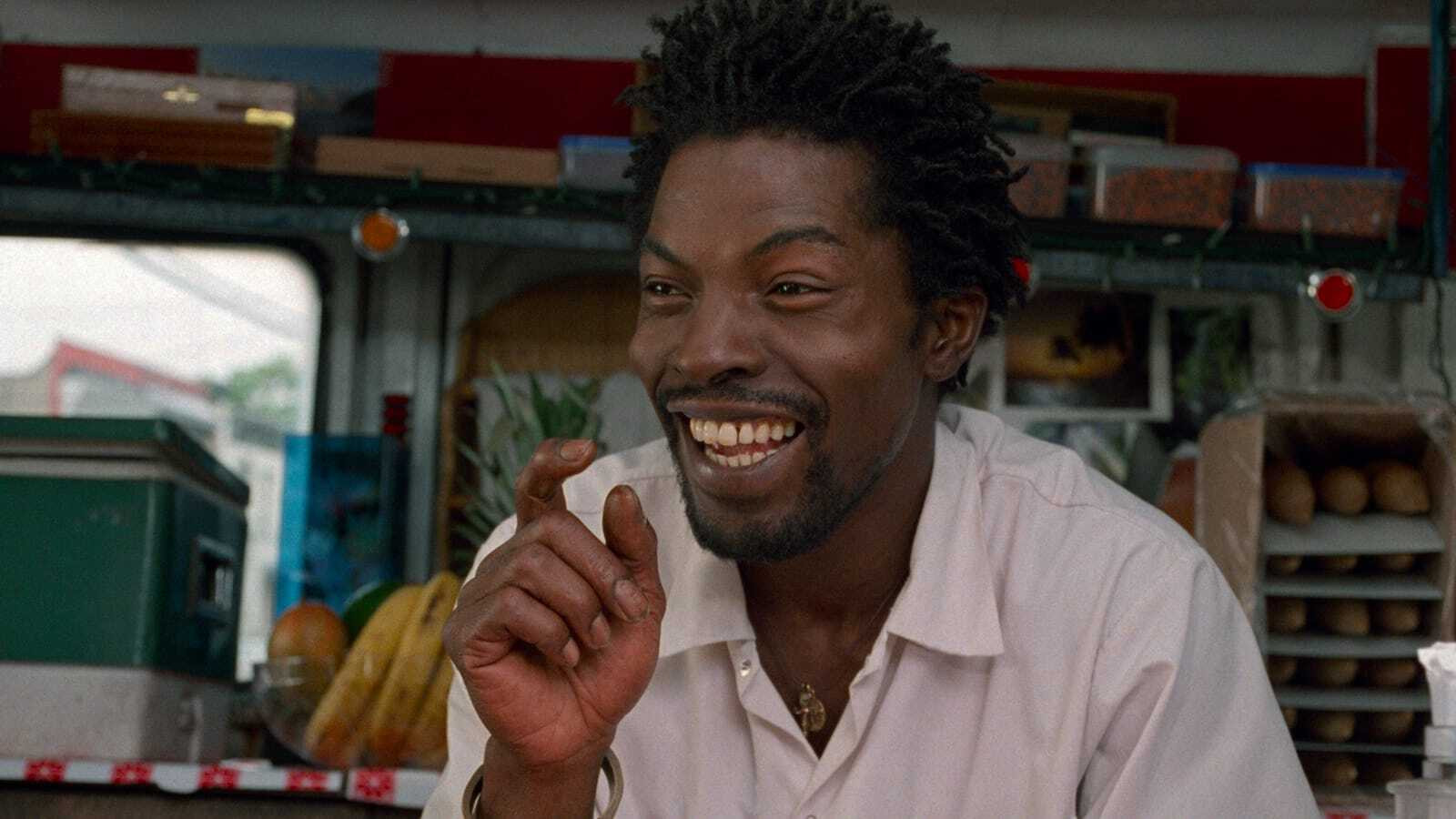
The mobsters are funny, and Jarmusch gives their absurdity enough space to become a pleasure in itself. Their behaviour can make Ghost Dog’s severity seem almost reasonable, which is a useful complication. There is a risk of the comedy making the criminal threat feel negligible. Yet the film’s interest is clearly in how these people behave, and its ritualised violence offers little of the escalation a conventional hitman thriller promises.
The more substantial reservation is Jarmusch’s treatment of the cultures he has brought together. A black American assassin adopting samurai honour raises questions that the script largely leaves alone. The combination is amusing and sometimes poignant, but its novelty cannot keep doing all the work. We wanted more curiosity about why this particular man needs these particular rules. Whitaker’s conviction keeps the character interesting even when the writing stops short of examining him.
At 117 minutes, this is not a film to squeeze into a distracted evening. The long pauses need attention, particularly when Whitaker is doing so little that a glance away can cost us the scene. Leave the expectation of a brisk thriller aside. Give it an evening when nobody needs the next killing to arrive on schedule.