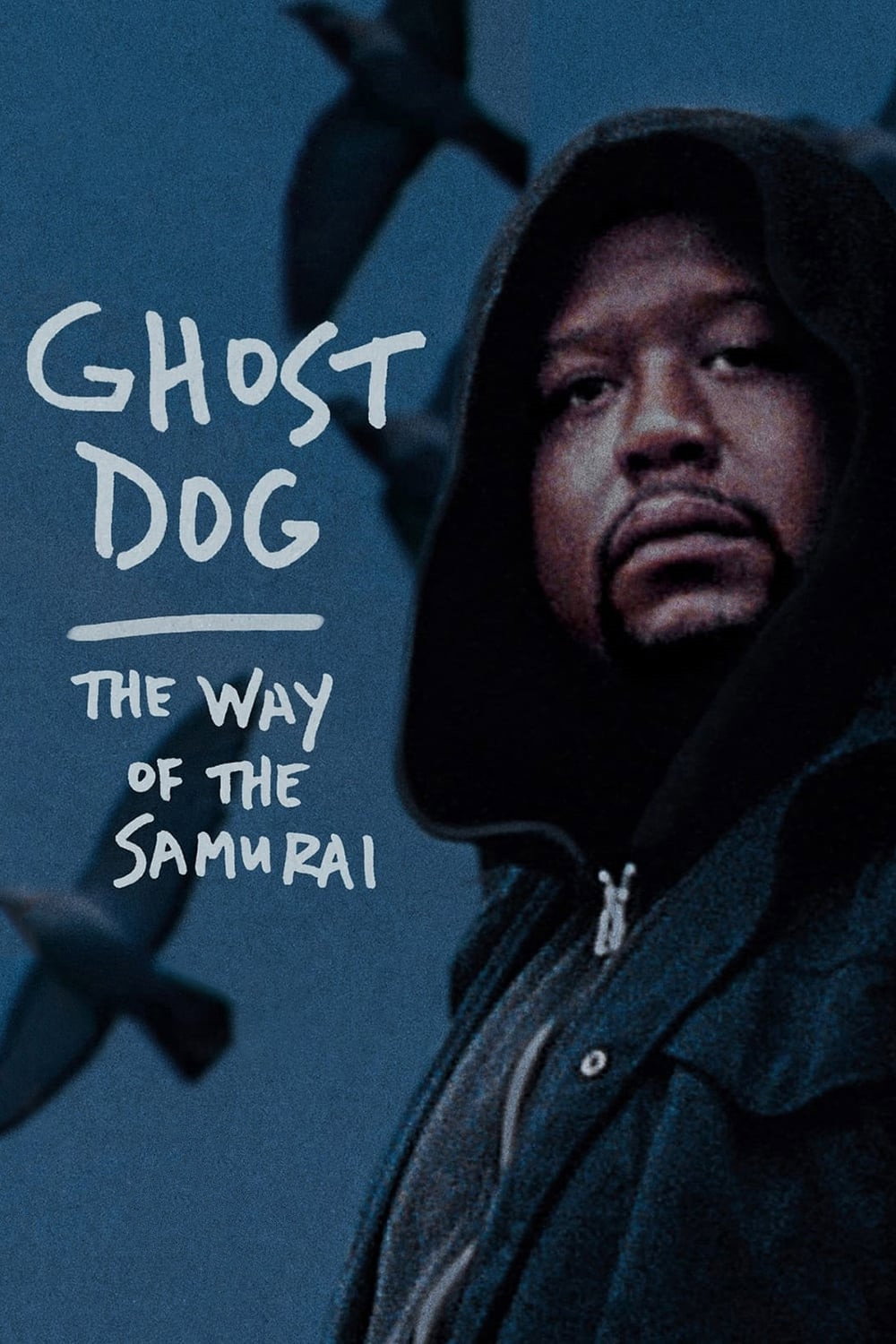
Critics’ reviews

Ghost Dog: The Way of the Samurai (1999)

10 reviews from 10 publications. Critics’ score 68: 4 positive, 2 mixed, 1 negative.

Back to our review of Ghost Dog: The Way of the Samurai

68
Positive
4
Mixed
2
Negative
1

Most critics respond warmly to Jarmusch’s eccentric mixture of hitman thriller, samurai code and hip-hop, finding humour and melancholy in its departures from gangland convention. The praise centres on his handling of odd characters and Forest Whitaker’s performance, whose gravity gives the assassin weight even when his beliefs seem absurd. The reviews also find pleasures in the film’s pauses, visual style and score, with its offbeat rhythms often proving more engaging than its killings.

The spread is fairly wide, however, and the chief disagreement concerns how much substance lies beneath the unlikely combination. Some find the cultural borrowing beguiling; others see ideas left unexplored and too little dramatic tension. Sight and Sound enjoys the warmth and humour but finds the treatment of samurai honour and black urban culture lazy. Variety is more firmly unconvinced, crediting individual scenes and Whitaker while finding the central conceit thin and dramatically inert.

Time Out
10 September 2012 · GA
85*

Jarmusch delivers an engagingly offbeat hitman thriller in which a black assassin living by samurai code clashes with eccentric mobsters. The result is a funny, insightful and highly original pastiche that showcases Jarmusch's wit and warmth, aided by strong camerawork and score.

Read the full review →
RogerEbert.com
17 March 2000 · Roger Ebert
80*

The critic views the protagonist as profoundly insane in his adoption of a samurai code ill-suited to his modern life as a hitman, lending the performance and film a poignant self-destructive quality. Jarmusch mixes styles recklessly with whimsy and colorful gangsters, resulting in a weirdly intriguing work that improves on second viewing.

Read the full review →
The Guardian
28 April 2000 · Peter Bradshaw
80*

The review finds Jarmusch's serio-comedy an enjoyable and distinctive take on gangland cinema that grows increasingly beguiling. It singles out the whimsical grafting of Eastern samurai codes onto American hitman culture for particular note.

Read the full review →
The New York Times
3 March 2000 · A. O. Scott
70*

Jarmusch deconstructs the samurai epic and gangster movie in a dreamy, postmodern style that scavenges pop-culture elements and pairs them with a collagist score by RZA. The result is a fascinating but uneven film with ritualistic violence and little suspense or action, best appreciated by resisting its expectations.

Read the full review →
Evening Standard
10 April 2012
60*

The film is like a Loony Toons cartoon made flesh, with the hit man as philosopher; it has clever moments and a cool progression through killings but reaches absurdist reduction. Whitaker's inexpressive features and the hip-hop elements are noted.

Read the full review →
Sight and Sound
· Xan Brooks
60*

Jarmusch remakes a hitman thriller in his own eccentric image, blending hip-hop, mafia and samurai elements into a warm yet distanced portrait of quirky characters. The film is amusing and melancholic but frustratingly lazy in exploring its cultural themes and links between samurai honour and black urban culture.

Read the full review →
Variety
20 May 1999 · festival review · Todd McCarthy
40*

Jarmusch delivers a playful but wispy doodle on the hit-man genre, applying an absurdist tone to a thin conceit about a samurai-code killer that lacks depth, complexity, or meaningful confrontation. While individual scenes offer idiosyncratic cleverness and Whitaker's gravity, the overall film feels like literary games without larger meaning or dramatic dynamics.

Read the full review →
Empire
1 January 2000 · Kim Newman

Jarmusch borrows the shape of a conventional genre movie but piles oddity upon absurdity, creating stifled hilarity and expressive pauses. Whitaker's performance in the pauses is singled out as the real action.

Read the full review →
IndieWire
3 March 2000 · Indiewire

The film successfully blends mafia, samurai, and hip-hop elements in an original way. Jarmusch's direction and Forest Whitaker's performance stand out.

Read the full review →
Eye for Film
19 January 2001 · Angus Wolfe Murray

The critic finds the film belongs to Forest Whitaker, whose forceful presence makes the character's absurdity easy to overlook. Jarmusch satirises Mafia movies while invoking Kurosawa, delivering violent fun under the samurai code cover.

Read the full review →

Ordered by the weight we give each publication, then by score. Scores are normalised to 100; * means inferred from an unrated review. Summaries are ours, not quotations; follow the links for the reviews themselves. How we rate