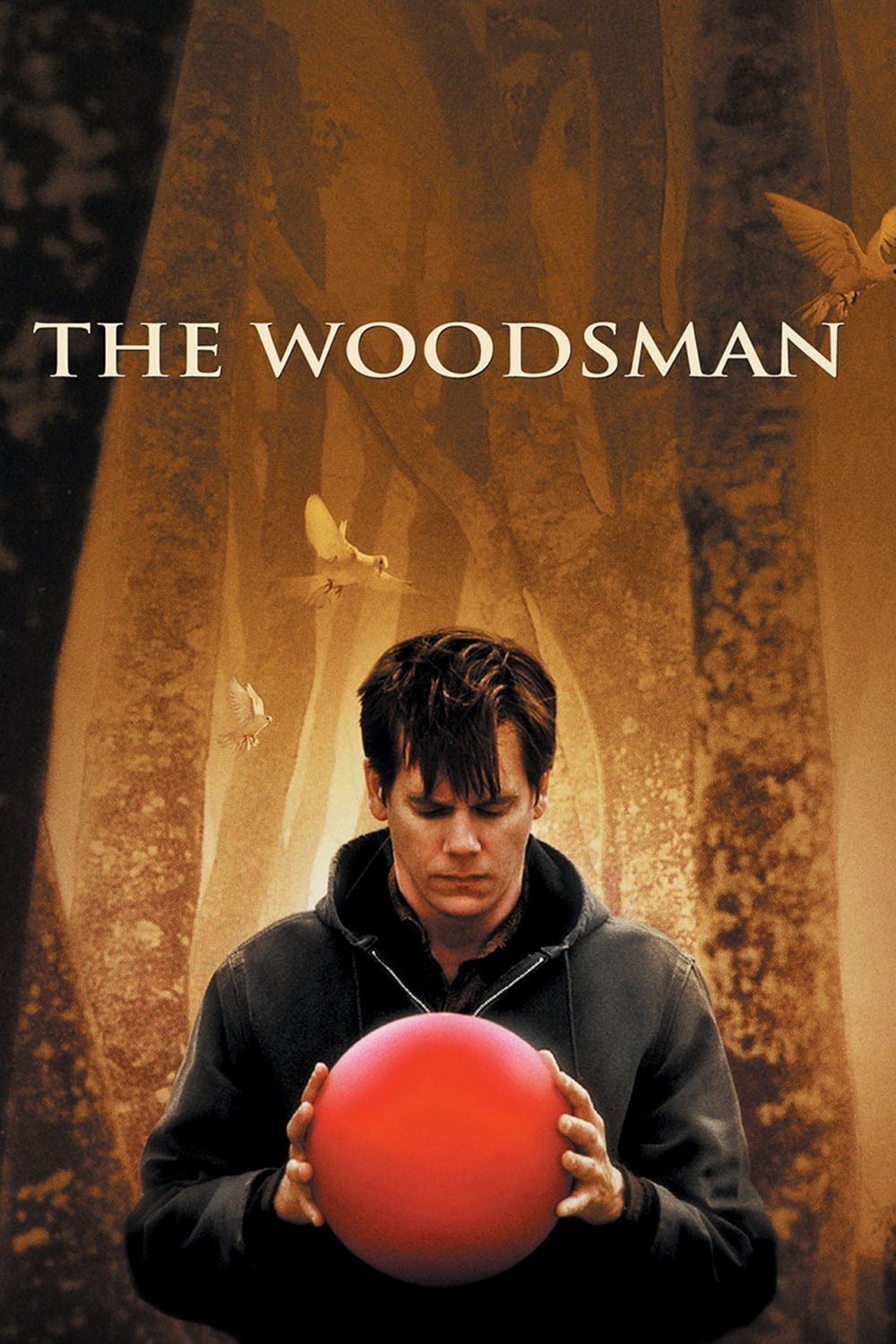
Tim Robbins’s capital-punishment drama earns its emotion through Susan Sarandon and Sean Penn’s difficult encounters. The debate occasionally feels too carefully arranged, but the performances make this a film we warmly recommend.
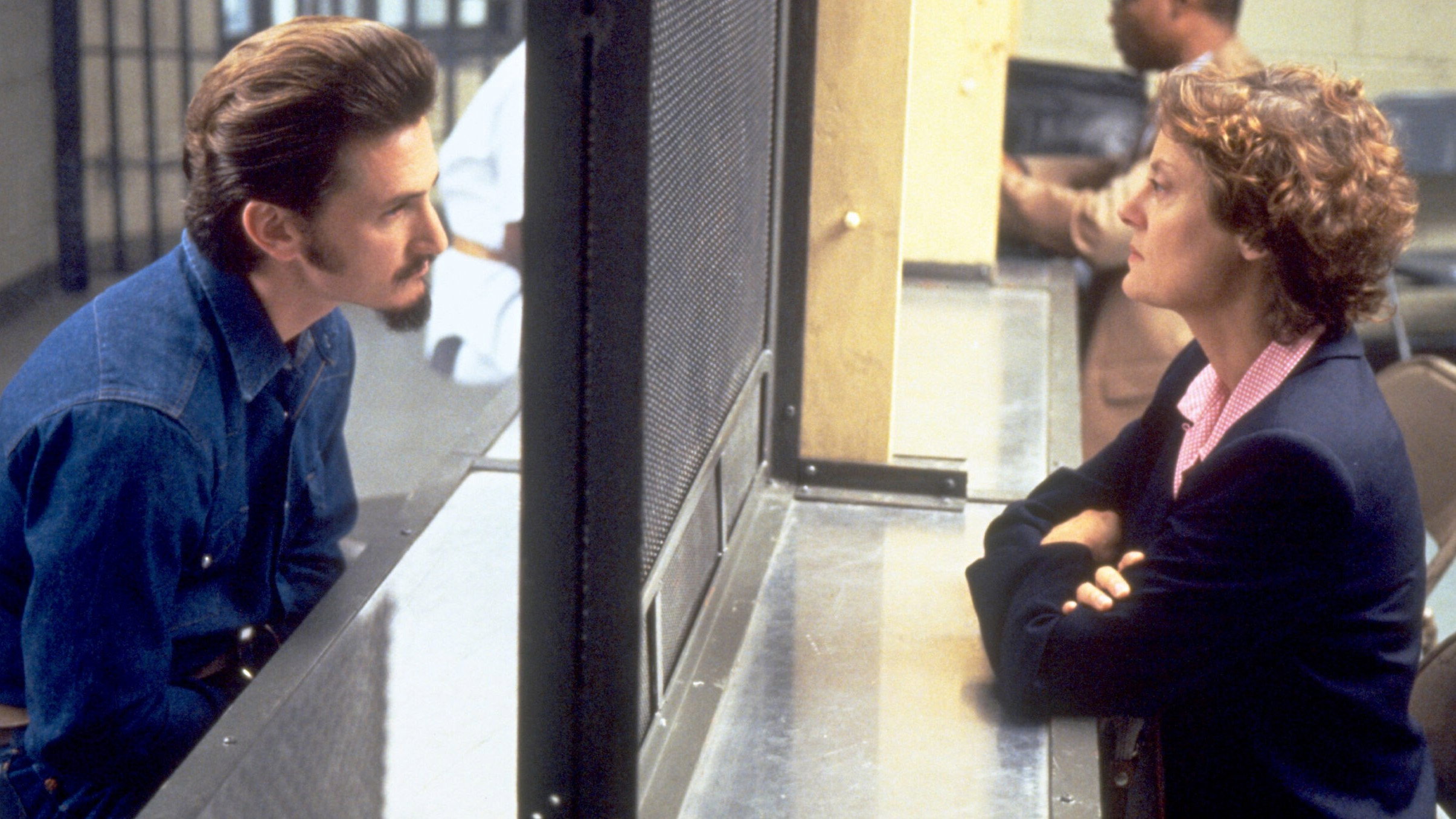
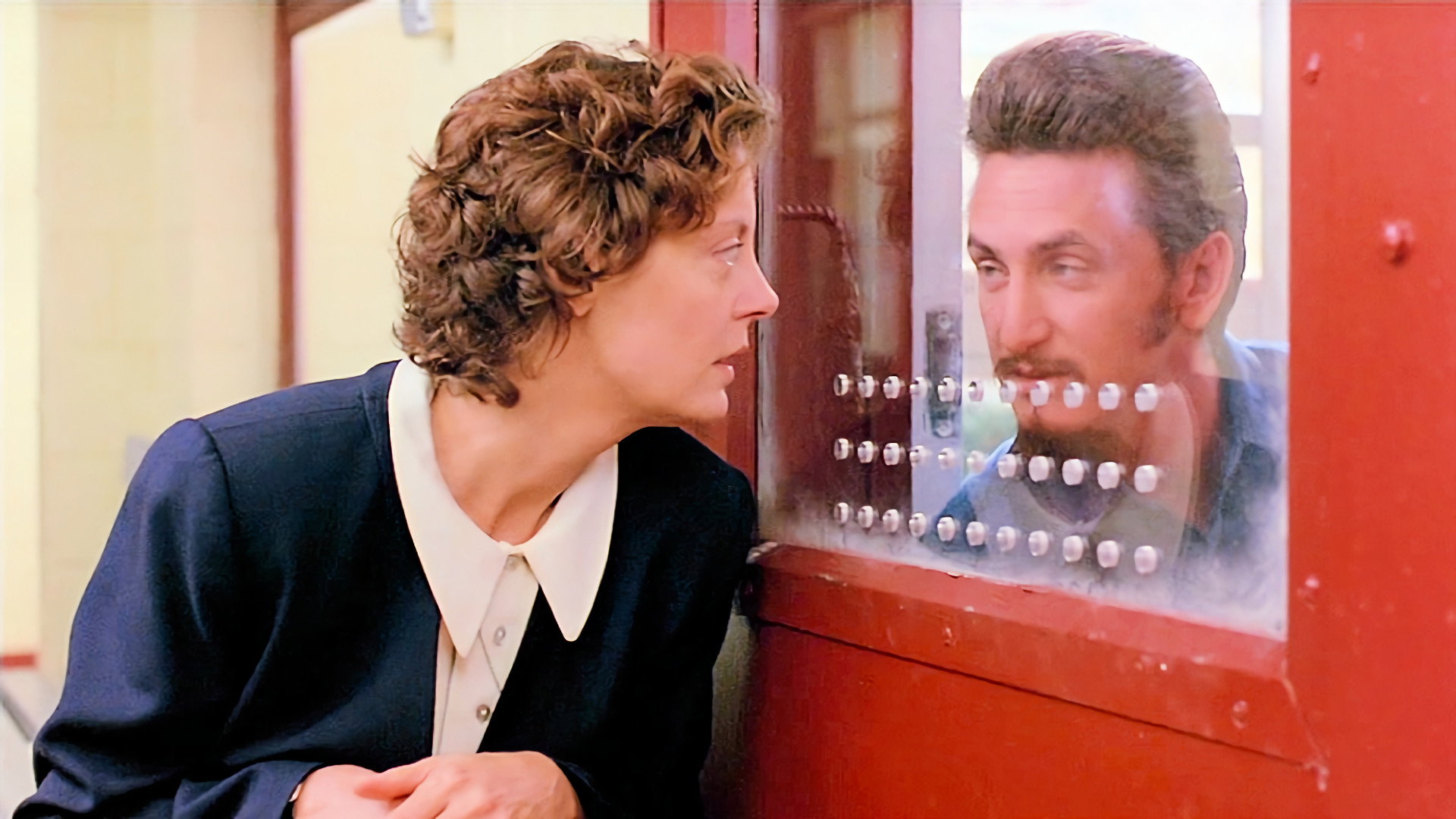
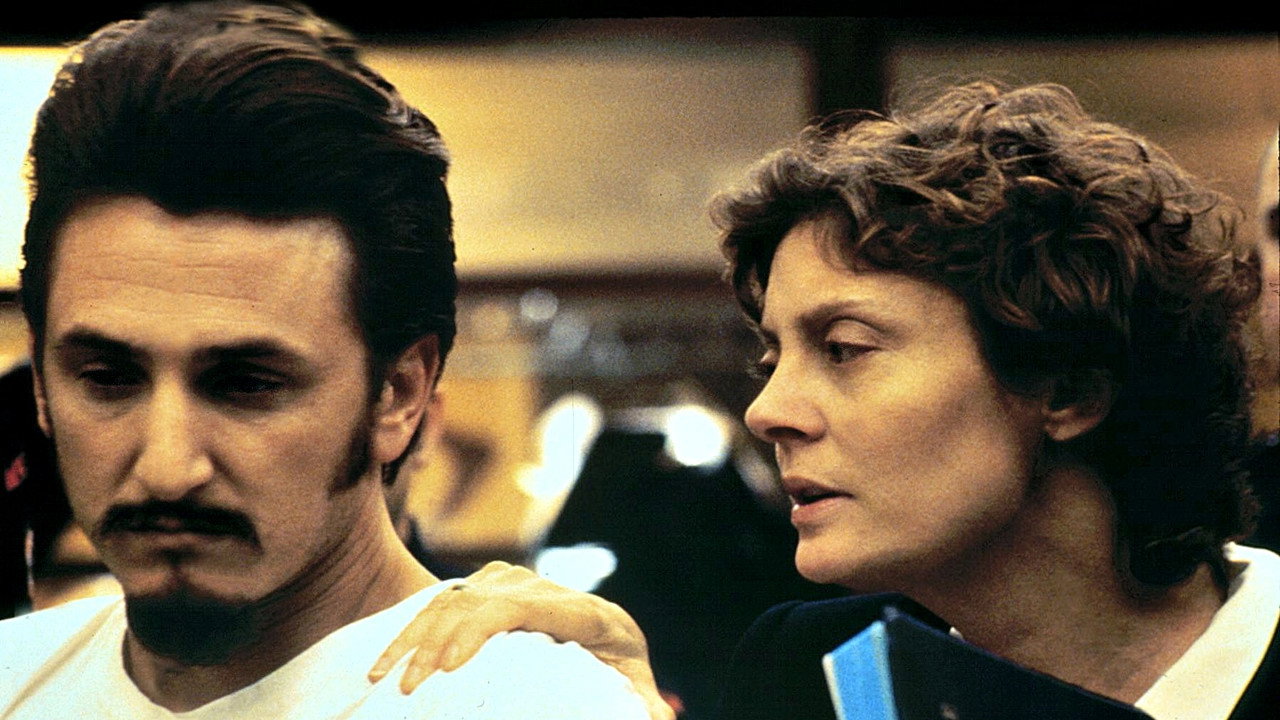
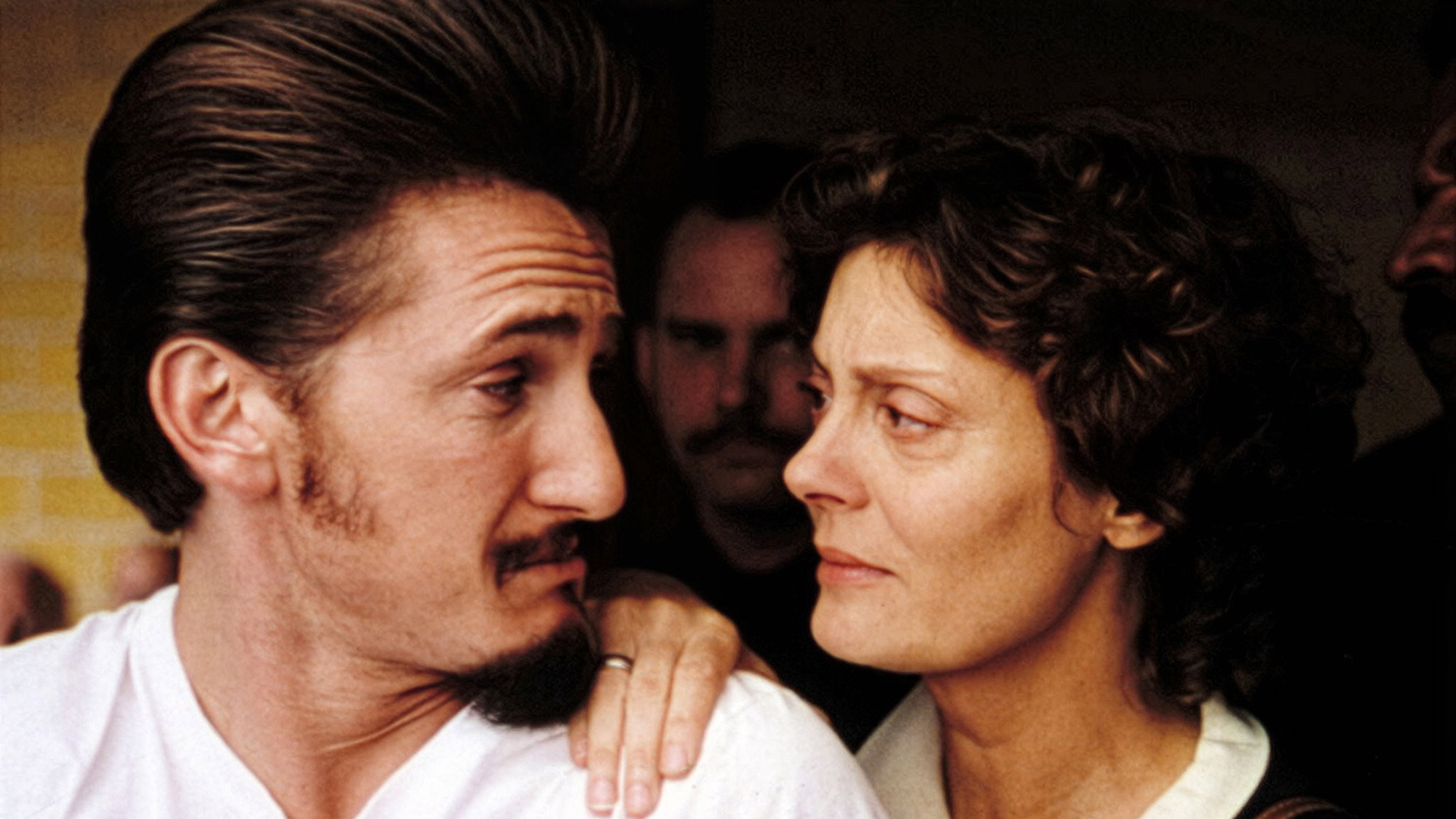
Dead Man Walking is a moving, serious drama that earns the attention it asks for, even when its debate about capital punishment feels too carefully arranged. Writer-director Tim Robbins places Susan Sarandon’s Sister Helen Prejean opposite Sean Penn’s Matthew Poncelet and makes their encounters difficult for both of them. We are asked to stay with a man who gives us little encouragement to care. Robbins understands how much that asks of an audience, and Penn does not soften the task.
Penn is crucial because he makes Poncelet unpleasant without turning him into a collection of villainous habits we can comfortably dismiss. His resistance to easy sympathy gives Sarandon something substantial to work against. She makes Helen’s willingness to listen seem effortful, and their scenes have the awkwardness of people who cannot simply agree to get along. We believe in the work involved in these meetings, even when we can see where the writing wants to take us.
The visit to the victim’s parents makes that work harder to feel comfortable about. We felt painfully uneasy watching Helen in their company, because her concern for Poncelet now has to contend with the people affected by his crime. Robbins gives their suffering a claim on our attention that her religious commitment cannot settle. The film is particularly persuasive here, allowing us to understand why someone trying to help might be unwelcome.
Roger Deakins’s cinematography serves these encounters without making the people look grander than they are. His concentration on the performers lets us watch Penn’s intransigence and Sarandon’s attentiveness without feeling that every exchange has been arranged to demonstrate their acting. Richard Hoover’s production design feels appropriately impersonal, keeping the settings from overwhelming the encounters. We are never tempted to spend these meetings admiring the surroundings, which seems the right order of priorities.
Editors Ray Hubley and Lisa Zeno Churgin give the exchanges time to become uncomfortable, and their patience is essential to the film’s effect. There are passages where the deliberateness begins to feel dutiful, as though each position must receive its allotted hearing before we can proceed. David Robbins’s music helps sustain the gravity without providing the main reason to feel anything. That comes from the strain of watching Helen continue to listen when Poncelet gives her so little reassurance.
The weakness belongs chiefly to Tim Robbins’s screenplay, which can make opposing views seem tidier than the people expressing them. We do not come away convinced that every assumption has been tested, however earnestly each has been heard. For a drama about punishment and redemption, it sometimes settles too readily for the force of a feeling. Yet the intimate scenes escape the solemn neatness that can make this kind of film feel like a classroom exercise, largely because Sarandon and Penn remain such difficult company.
Those performances are reason enough to forgive the passages where Robbins seems anxious to prove how seriously he takes his subject. At 122 minutes, the film asks for sustained attention, and we think the encounters between Helen and Poncelet repay it. Choose it for an evening when neither of you needs cheering up, and leave time to talk afterwards.