Film review

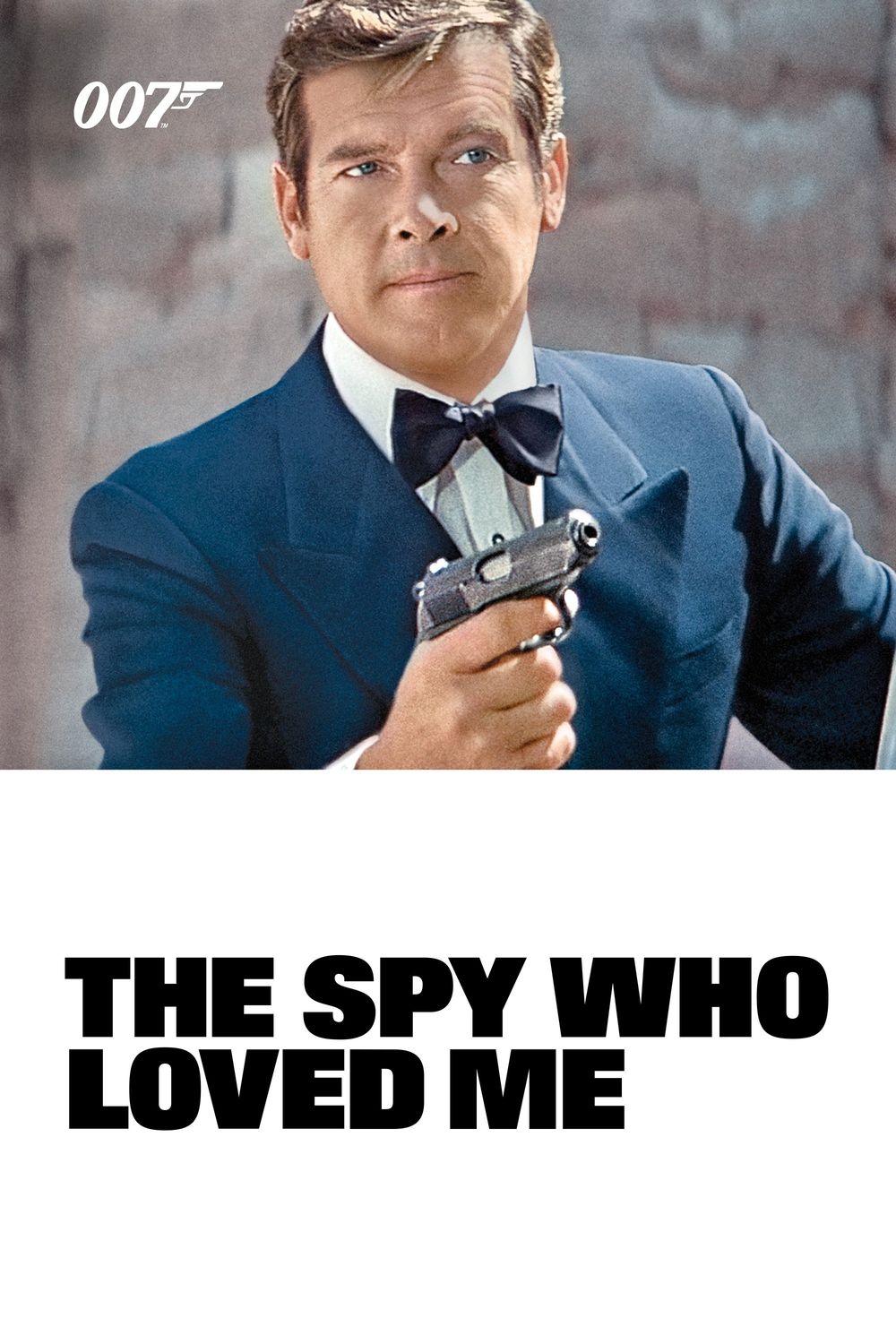
The Spy Who Loved Me

1977 · Directed by Lewis Gilbert · 2h 05m · MPA PG

In a sentenceA film that opens with a man skiing off a cliff and then spends two hours trying to top it, mostly with furniture

AdventureActionThriller

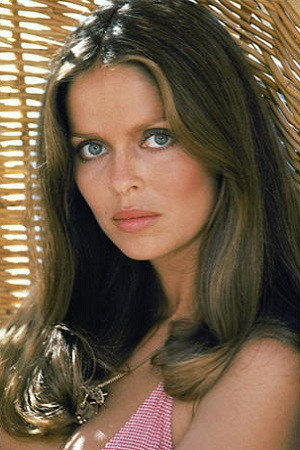
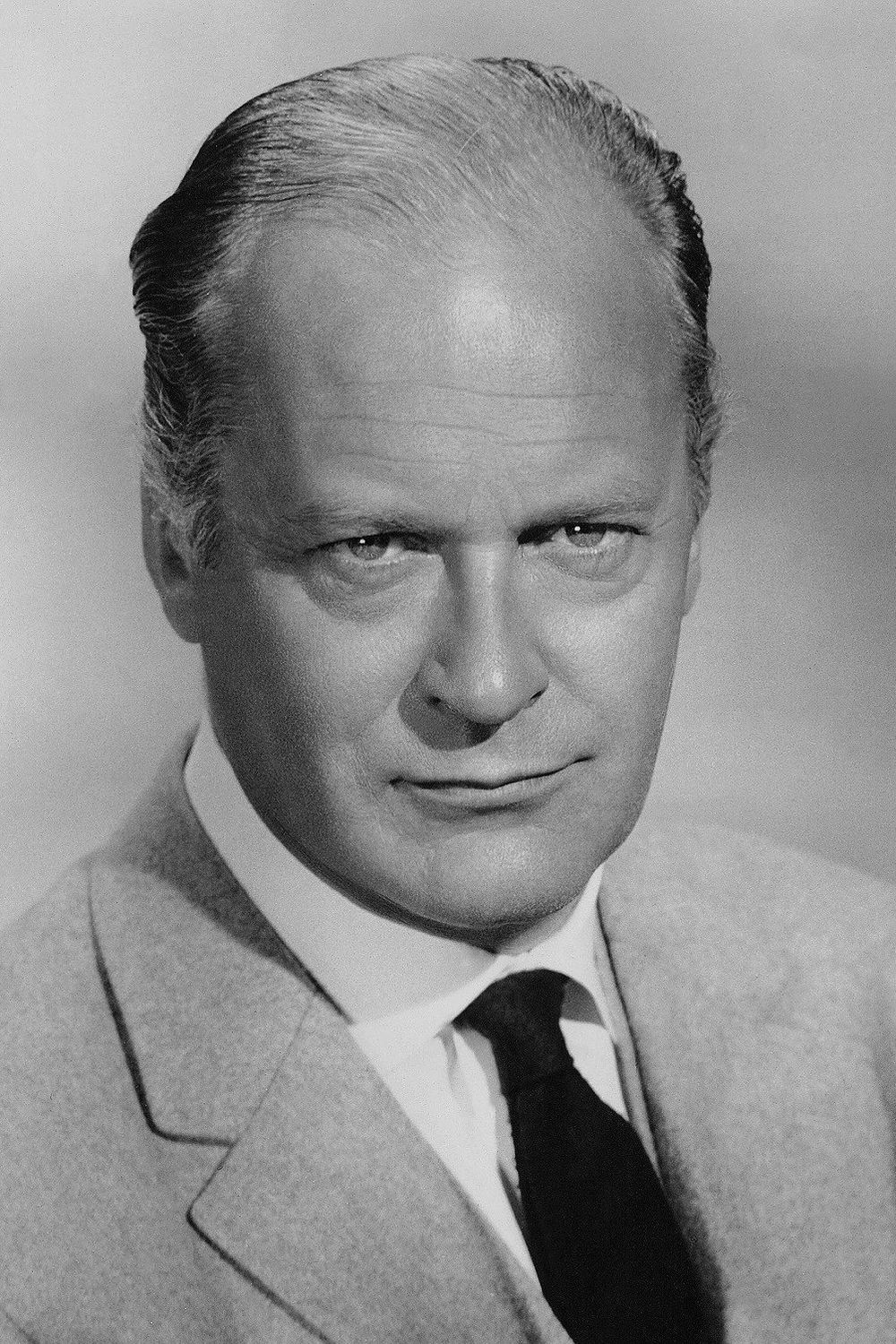
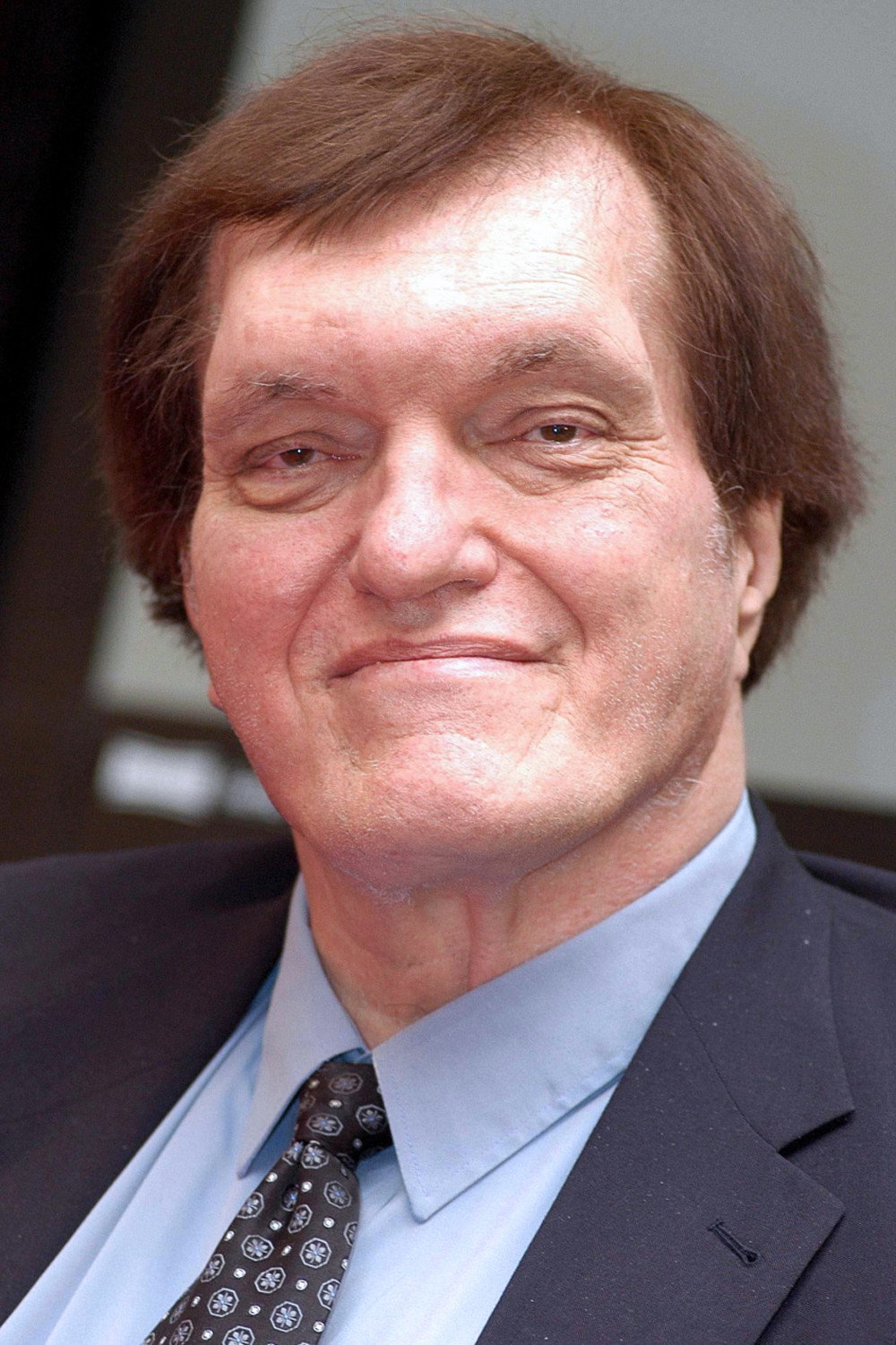
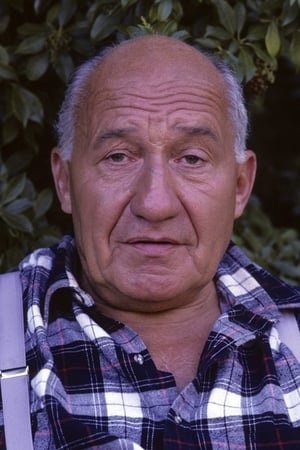
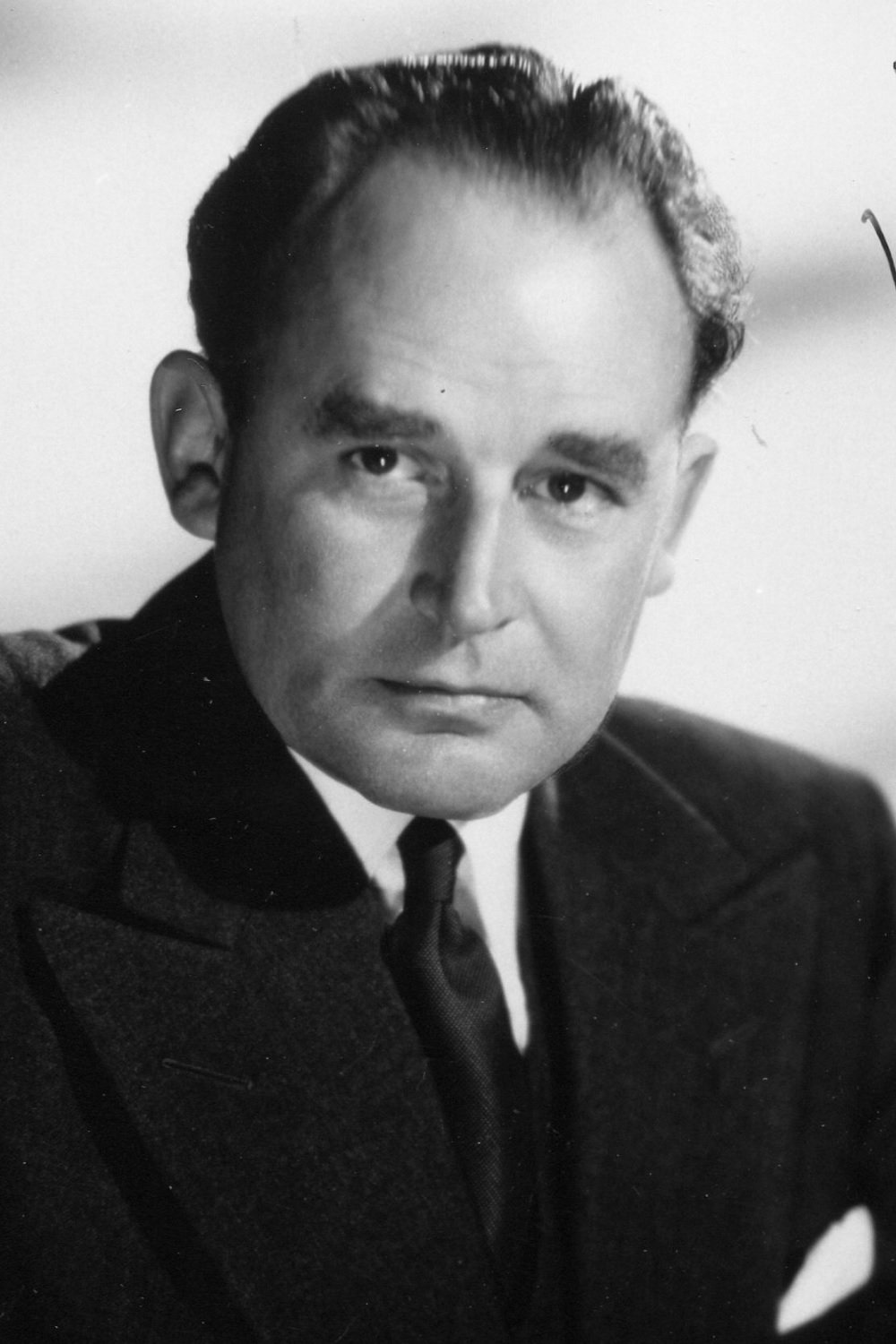
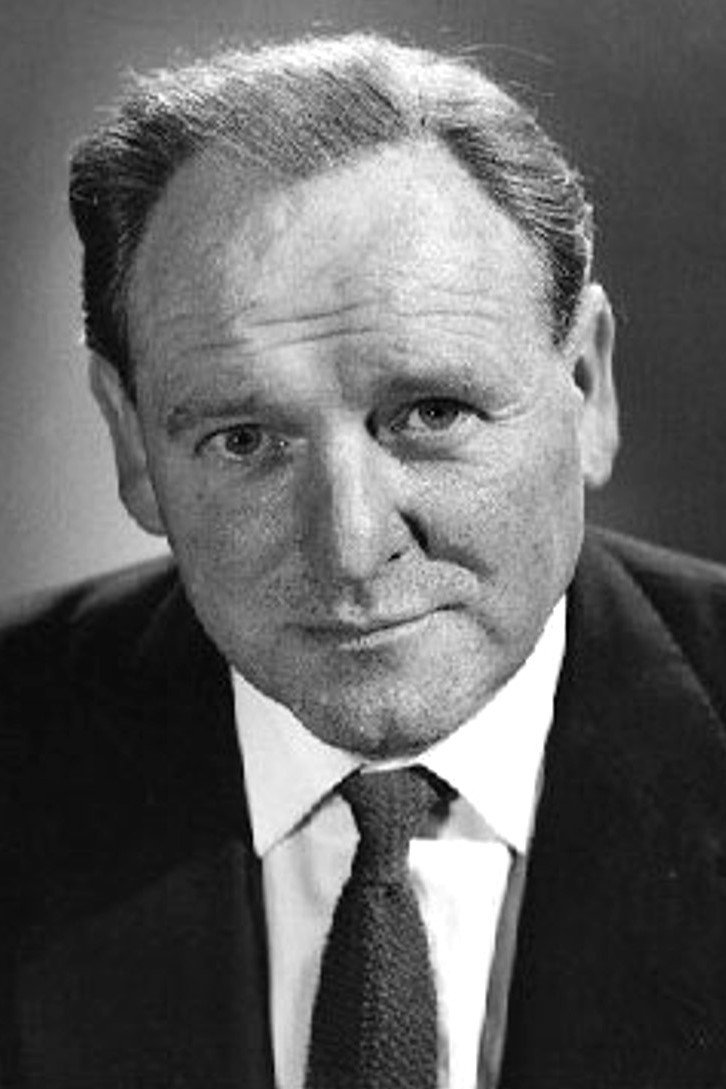
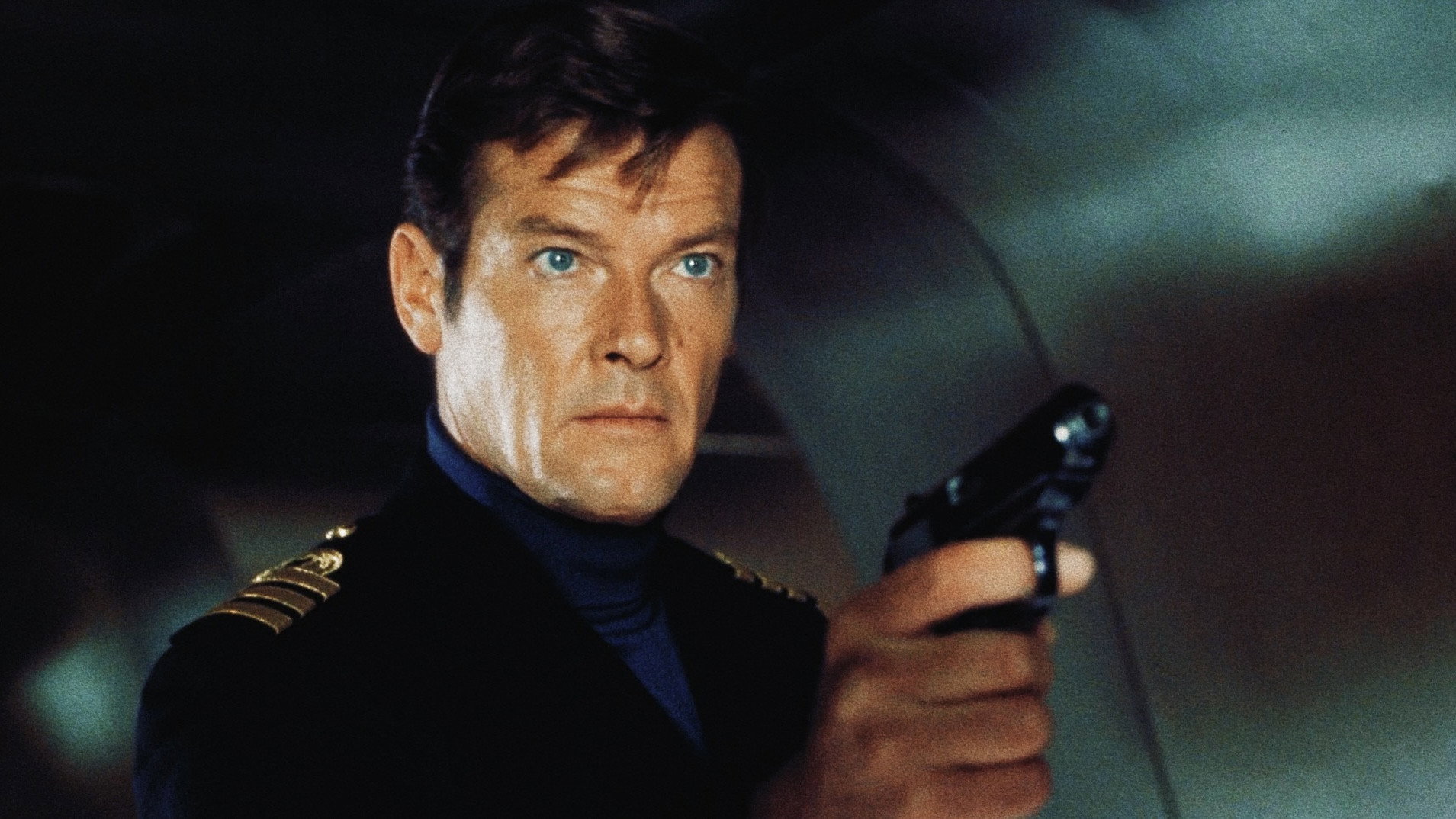
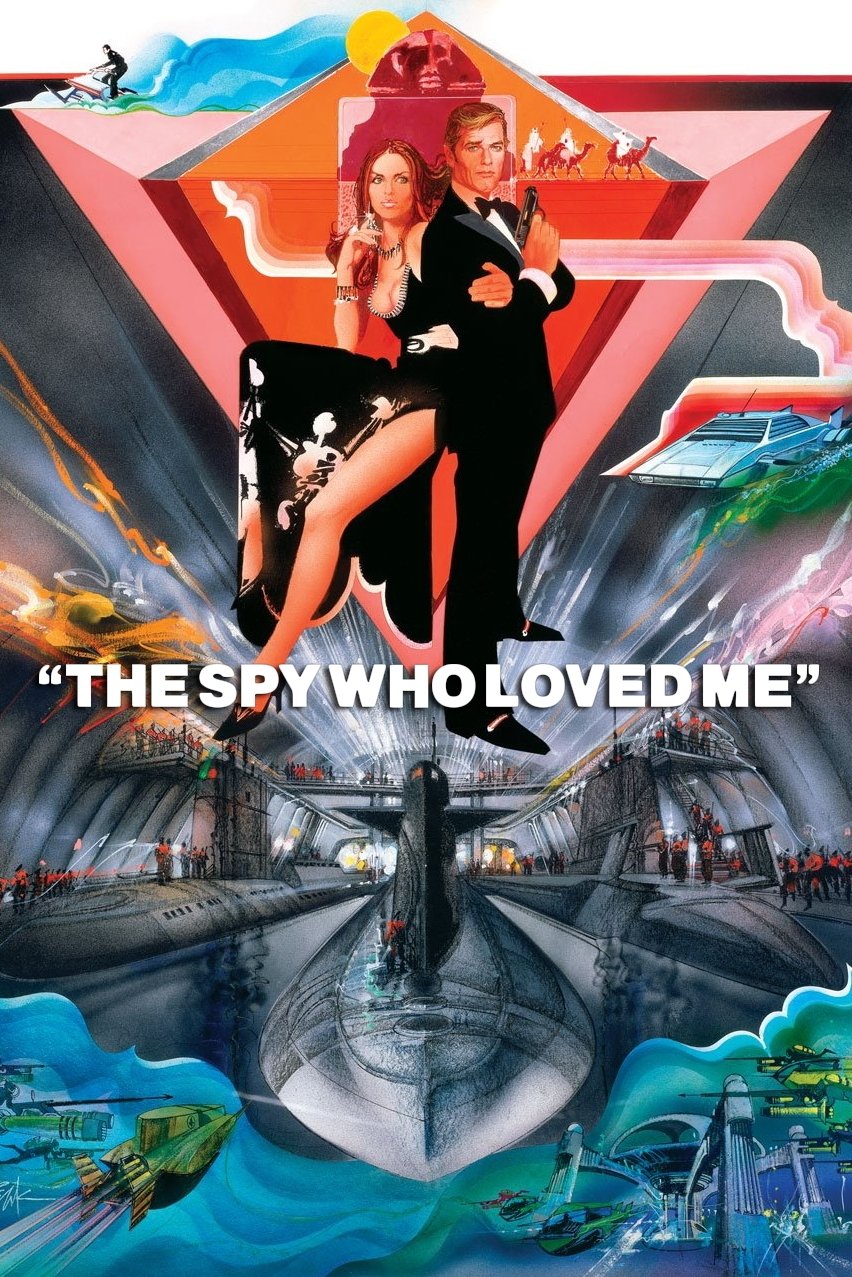
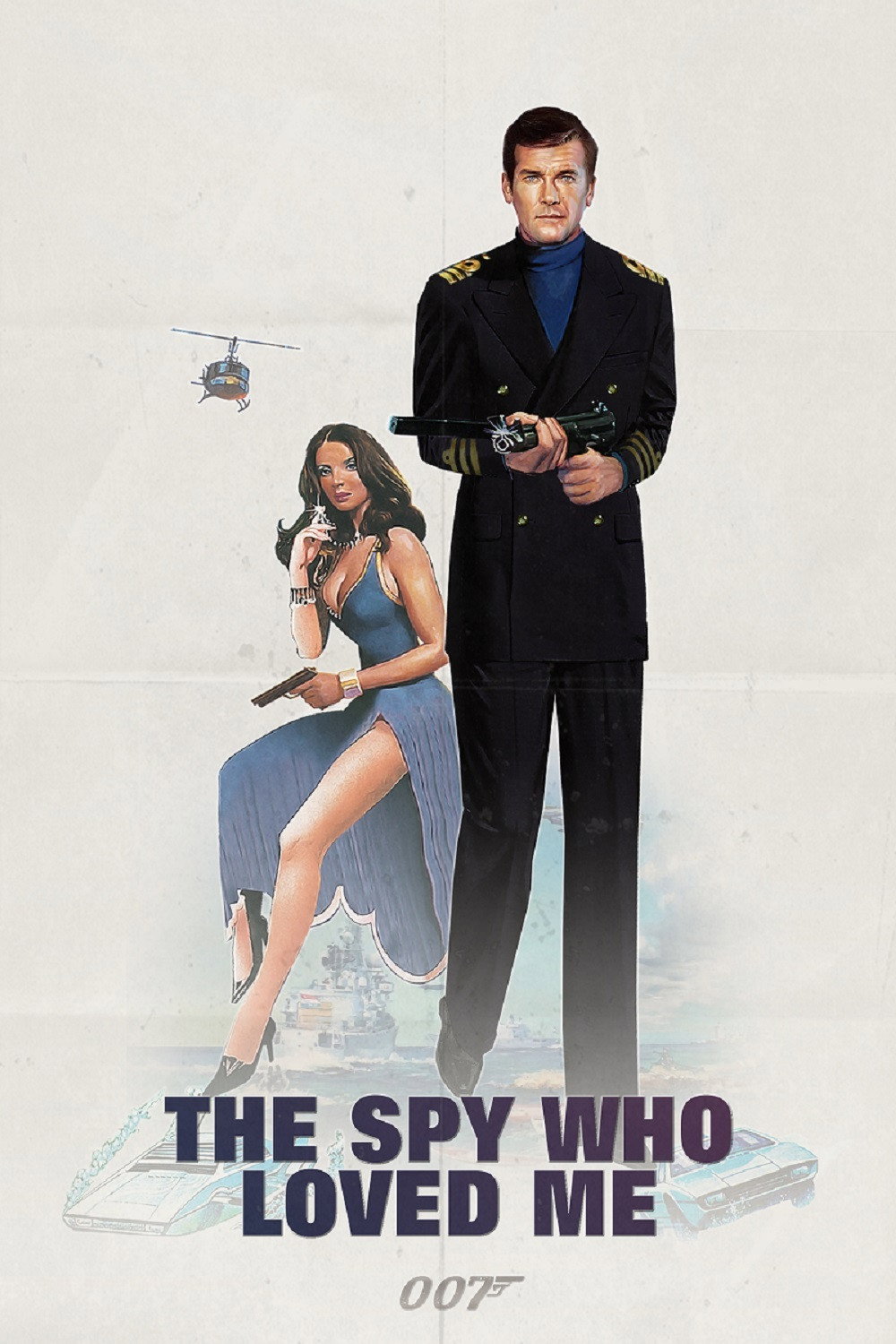
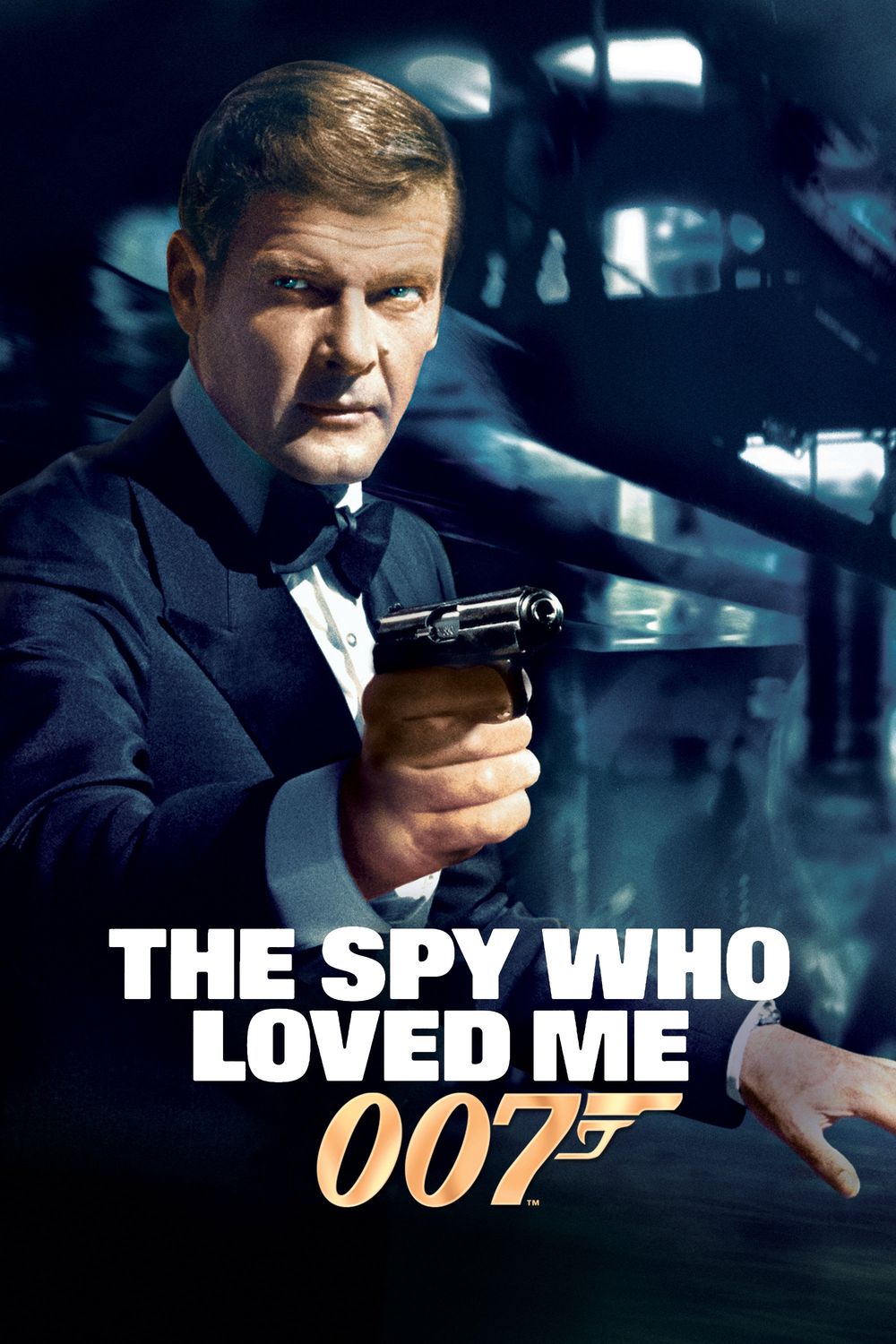
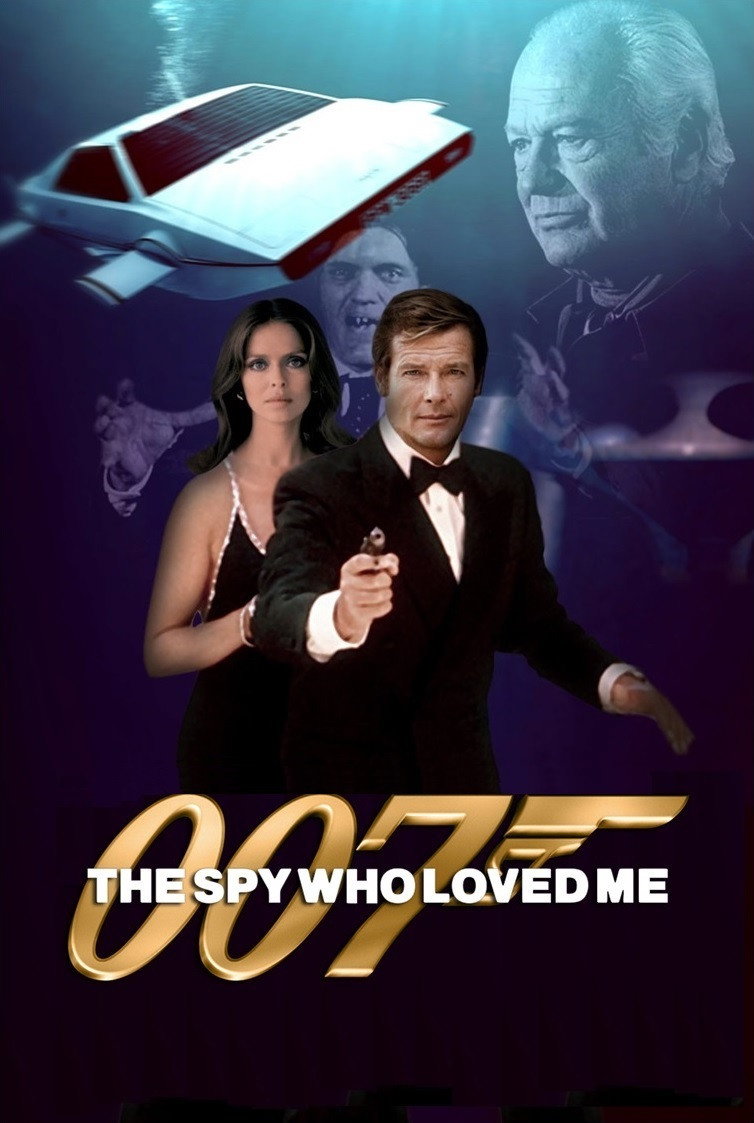
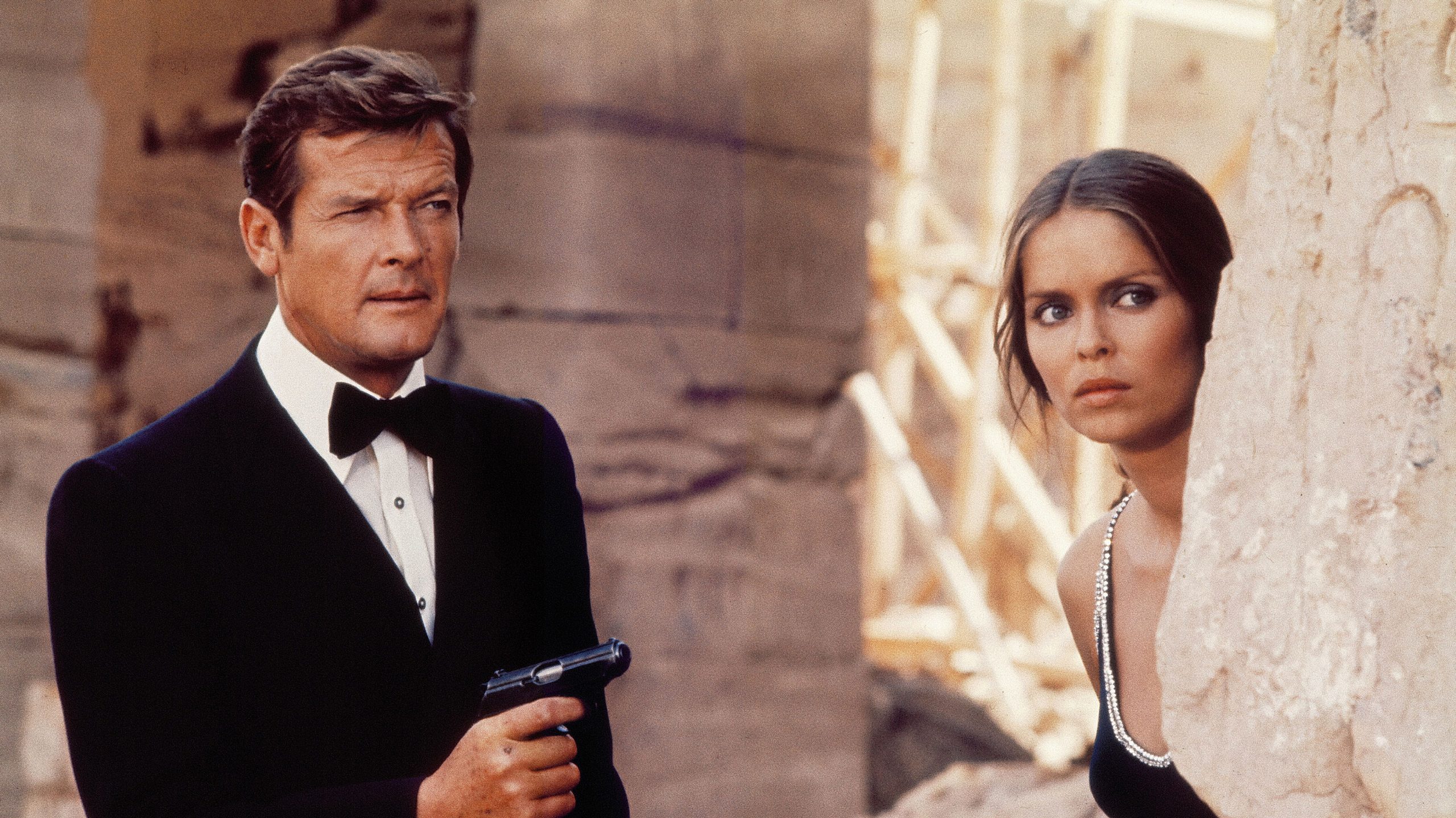
A British nuclear submarine vanishes at sea, then a Soviet one, and the microfilm that might explain how is for sale in Cairo. M (Bernard Lee) sends James Bond (Roger Moore); General Anatol Gogol (Walter Gotell) sends the KGB’s Major Anya Amasova (Barbara Bach), who is mourning a lover, Sergei Barsov (Michael Billington), lately killed on an Austrian mountain. The two agents meet at the pyramids during the sound-and-light show, compete for the film and end up sharing it, while a giant with steel teeth, Jaws (Richard Kiel), kills anyone who talks to either of them. The trail leads to Karl Stromberg (Curd Jürgens), a shipping magnate who lives in a sea base off Sardinia and feeds employees to his shark.

Plays from YouTube when you press play; nothing loads from them until then.

Fi1m review

Roger Moore’s third Bond is the one where the formula settles into comfort: a KGB rival to flirt with, a giant with steel teeth, a car that swims. Ken Adam’s sets do most of the work and the plot is happy to let them.

A British nuclear submarine vanishes at sea, then a Soviet one, and somebody in Cairo is selling the microfilm that explains how. That is the whole plot of Lewis Gilbert’s film, Roger Moore’s third as James Bond, and it does not pretend otherwise. The story is a corridor between rooms, and the rooms are the point: a pyramid at night, a temple at Karnak, a dining room with a shark tank for a wall, a car that grows fins.

The pre-credits sequence is the famous one. Bond, on skis, is chased down an Austrian mountain by Soviet agents and goes straight off a cliff. John Glen holds the shot. The skis fall away, a small figure drops for longer than seems sensible, and only then does a parachute open, in Union Jack colours. We gasped, then laughed at ourselves, because the film had just told us in one shot what it was going to be: a stunt, followed by a joke about the stunt. Carly Simon’s theme, Nobody Does It Better, takes over, and then Bond is in Egypt.

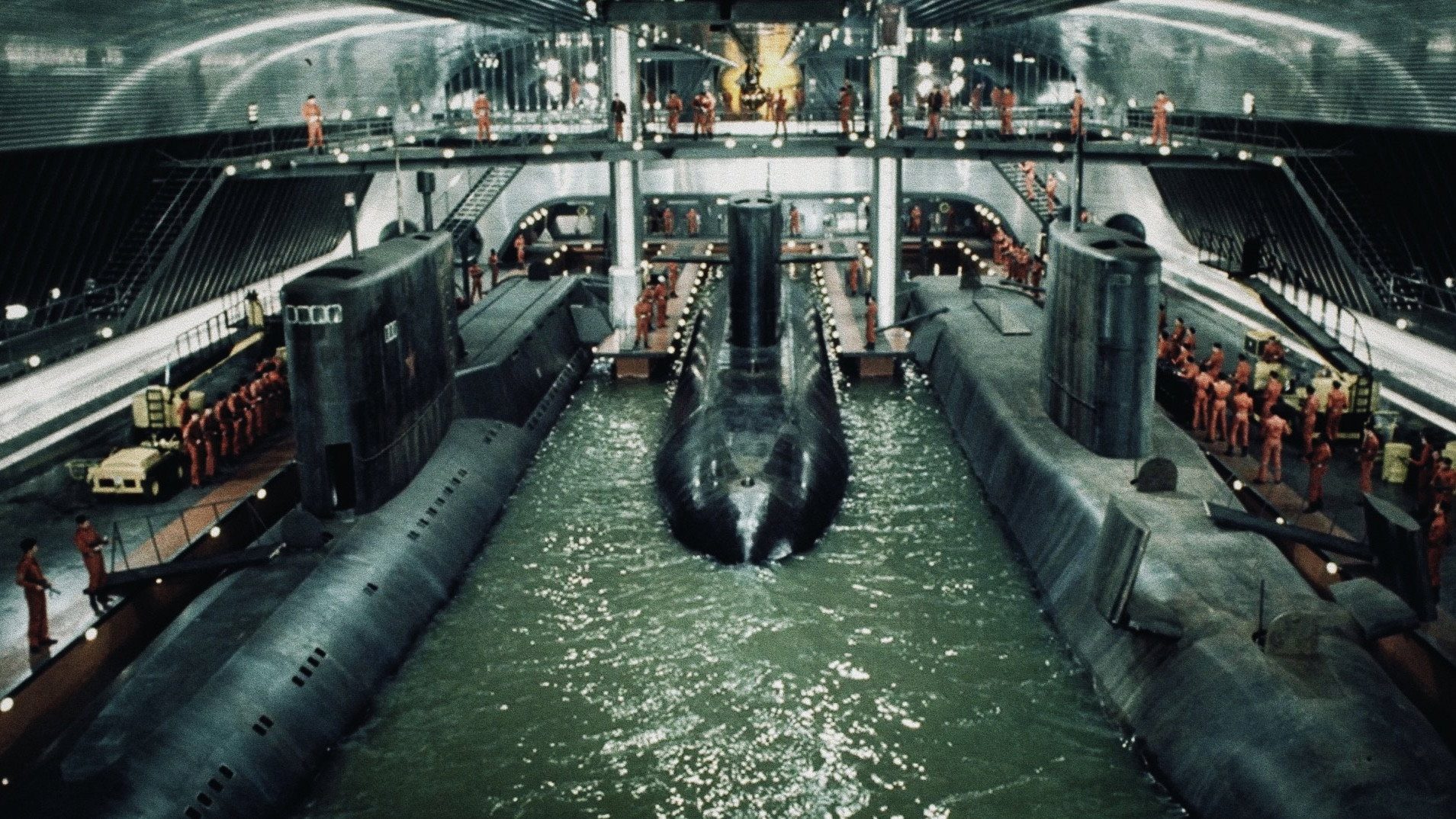
Ken Adam’s sets carry the middle. Atlantis, the sea base of shipping magnate Karl Stromberg (Curd Jürgens), rises out of the water off Sardinia on legs like a spider’s, and inside it Stromberg eats alone at a long table with sharks swimming behind him. Jürgens plays him as a man bored by everything but fish, which mostly comes out as boredom. Claude Renoir shoots Egypt at dusk, the light show at the pyramids all orange stone and blue shadow, the columns at Karnak by torchlight. The set for the climax we will not describe, except to say it is large enough that the men firing guns in it look like they have lost their car.

Richard Maibaum and Christopher Wood’s script gives Bond an equal, on paper. Major Anya Amasova (Barbara Bach), KGB, has read his file and recites it back to him, then drugs him on a boat down the Nile and takes the microfilm. Bach delivers every line in the same flat tone, and the film keeps forgetting its own idea; by the second half she is tied up and waiting like everyone before her. What survives is the bickering. The two of them trudging out of the desert after their van dies, while Marvin Hamlisch quotes Maurice Jarre’s Lawrence of Arabia theme, made us laugh out loud, and it is the film’s best joke because nobody on screen acknowledges it.

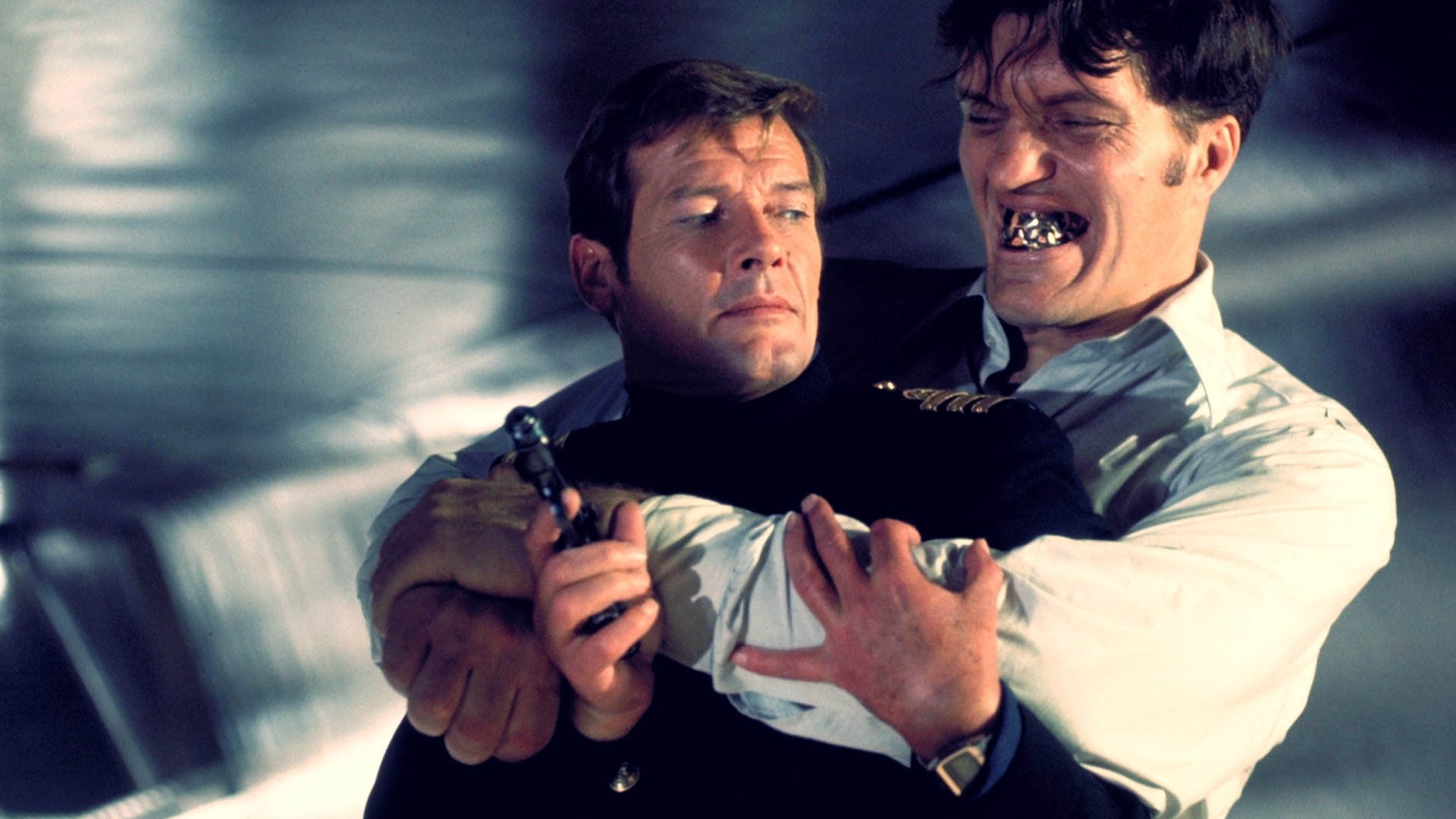
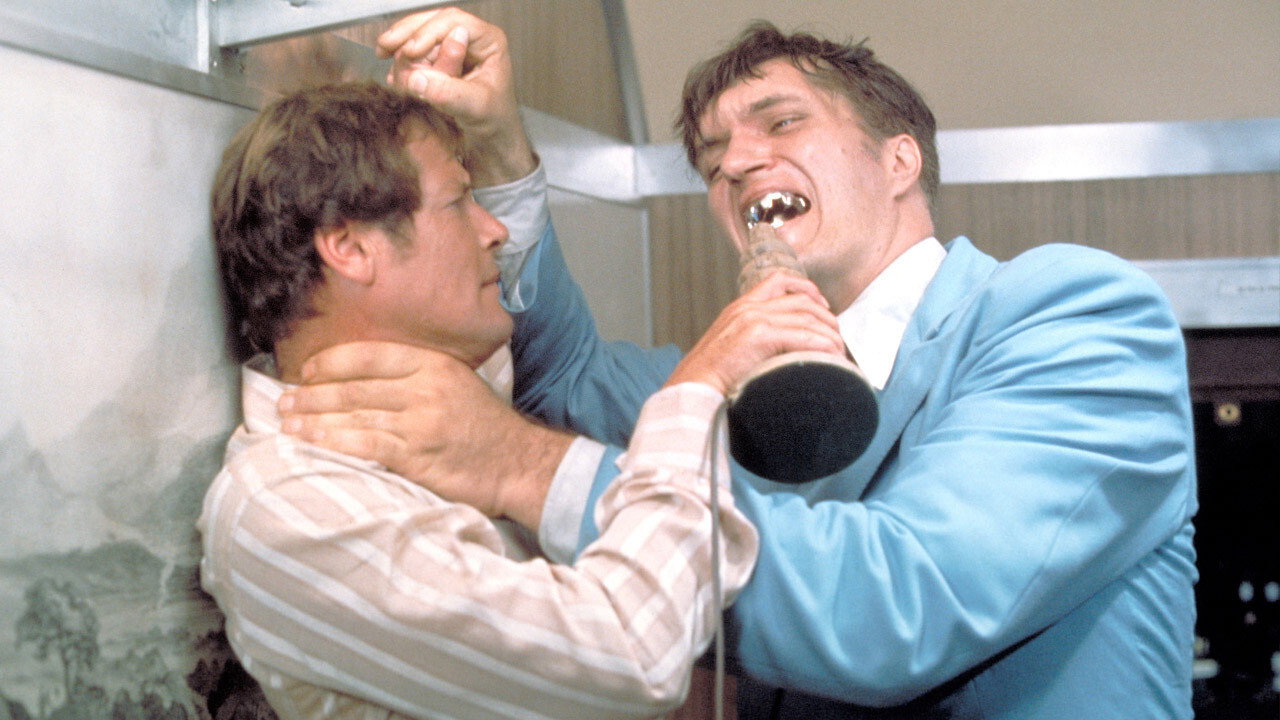
Then there is Jaws. Richard Kiel towers over everyone, has steel teeth, and first appears as a shape among the stones at the pyramids. At first we found him frightening the way a shark is: he does not speak and he does not stop. Then the film discovers he is funny, and he spends the rest of it tearing the roofs off vans and falling into things, a cartoon coyote in a suit. It is a PG, and that is about right.

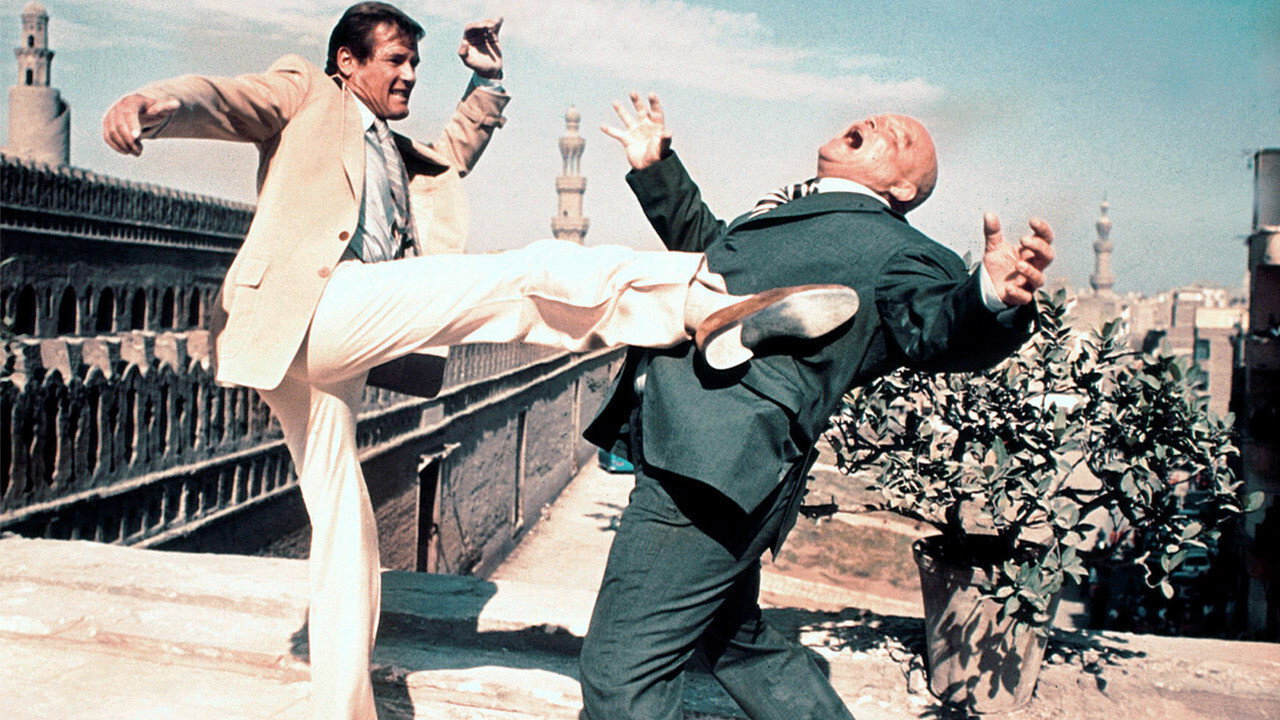
Moore plays Bond as a man who finds all of this mildly diverting, and he is at his best when he goes cold: a straightened tie after a man goes off a Cairo roof, a raised eyebrow while Desmond Llewelyn’s Q demonstrates a tea tray that decapitates a dummy. The Cold War is an office rivalry here. Bernard Lee’s M and Walter Gotell’s General Anatol Gogol share a base in Egypt and behave like colleagues, while Geoffrey Keen’s Sir Frederick Gray fusses.

Gilbert had directed You Only Live Twice ten years earlier, and this is the same plot with submarines in place of spacecraft. What it has is confidence, money spent where you can see it, and Hamlisch’s disco reworking of the Bond theme, which dates it to the week and which we rather like. At 125 minutes it is long; the final shootout between men in coloured jumpsuits went on until we checked the time.

See it on the largest screen in the house. Adam built for one, and on a small screen the climax looks like what it is, a big room full of extras.
Critical consensus AI synthesised

74
Positive
7
Mixed
1
Negative
1

Most critics take this as the high point of Roger Moore’s run, and the praise clusters around the same things: Moore’s deadpan, the scale of the set-pieces, and a heroine treated as his equal rather than his prize. The pre-credits ski jump, the Lotus that turns into a submarine and Richard Kiel’s Jaws come up in nearly every notice, and several reviews argue the film plays its Bond staples straight enough to stay clear of camp. Ken Adam’s sets and Claude Renoir’s photography draw approval even from the less enthusiastic.

The reservations are about the writing. Sight and Sound finds the plot barely coherent, a string of borrowed set-pieces held together by seaside innuendo, and Time Out goes further, calling the flag-waving and schoolboy smut desperately weak and sparing only Jaws. Variety sits between the camps, enjoying the props while conceding the story is comic-strip parody. The spread is wide: seven critics rate it warmly, but the two dissenters are not mild about it.

Empire
1 January 2000 · Ian Freer
90*

Roger Moore’s third Bond outing is his best and a terrifically entertaining adventure that plays all the Bond staples without tipping into camp. The critic singles out Ken Adam’s brilliant sets, the gripping action sequences including the iconic ski chase and submarine car, and Jaws as a memorable henchman for praise.

Read the full review →
RogerEbert.com
3 August 2017 · Brian Doan
90*

The film is a triumph of absurdity and the best of the Roger Moore Bonds, excelling through its playful style, visual flair, and Moore's witty deadpan performance amid the spectacle of gadgetry and stunts.

Read the full review →
Little White Lies
24 May 2017 · William Carroll
80*

Moore cemented his reputation as the most charming and exciting Bond in this series highlight, turning the character into someone audiences could laugh at as well as admire. The critic singles out Moore's self-aware performance, innuendo, costumes and chemistry with Q and Anya Amasova for praise.

Read the full review →
Radio Times
★★★★ · Alan Jones
80

Roger Moore excels in this big-budget adventure with a welcome accent on character rather than just spectacle. The critic singles out the pre-credits ski-jump stunt and Carly Simon's theme song for praise.

Read the full review →
Variety
31 December 1976 · Variety Staff
70*

Story and characters serve comic-strip parody, spotlighting props, sets, stunts, and spectacle such as the Lotus car that converts to an underwater craft and the gimmick villain Jaws.

Read the full review →
Sight and Sound
50*

The film continues the Bond formula with seaside-postcard smut and comic-strip feats, but narrative coherence is disregarded in favour of derivative set-pieces. Claude Renoir's visuals are often easy on the eye.

Read the full review →

Cast

Awards

Academy Awards, 1978

Nominated
Best Original Score
Nominated
Best Production Design

If you liked this, try…

On Her Majesty's Secret Service poster83

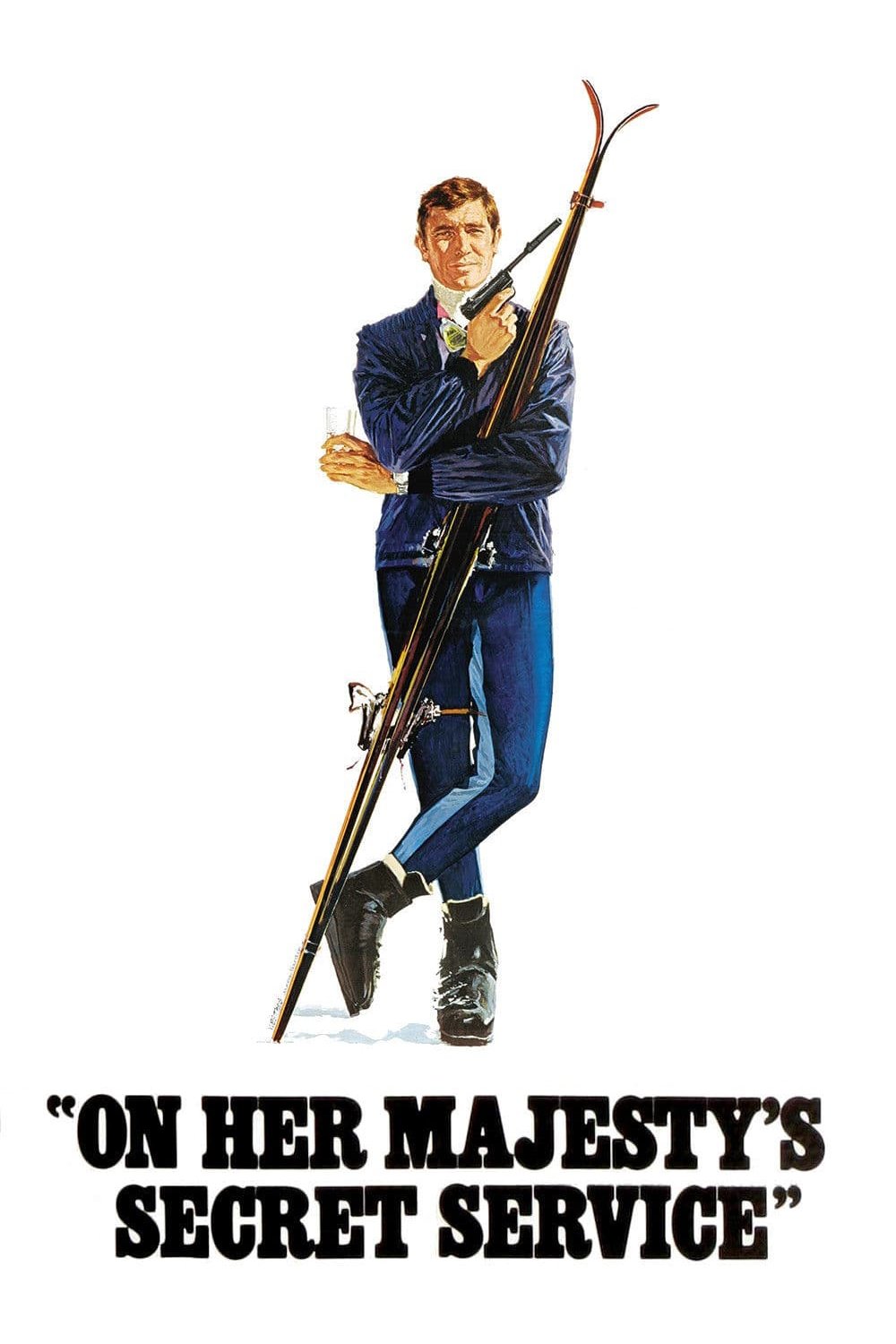
On Her Majesty's Secret Service

1969 · The Bond with real snow, real grief and a ski chase that hurts

Charade poster

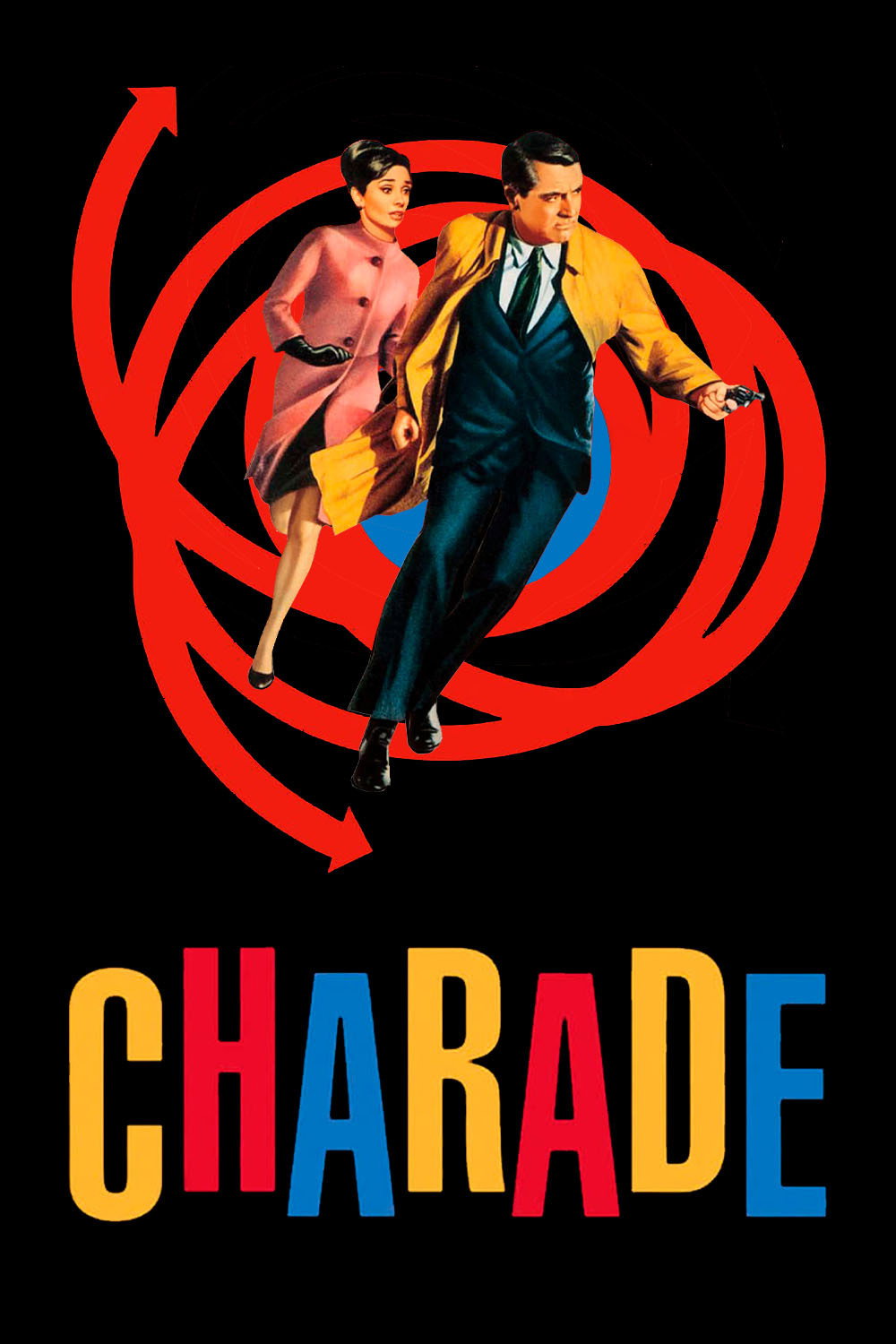
Charade

1963 · Two stars flirting through a Paris spy plot that barely matters, done with more wit

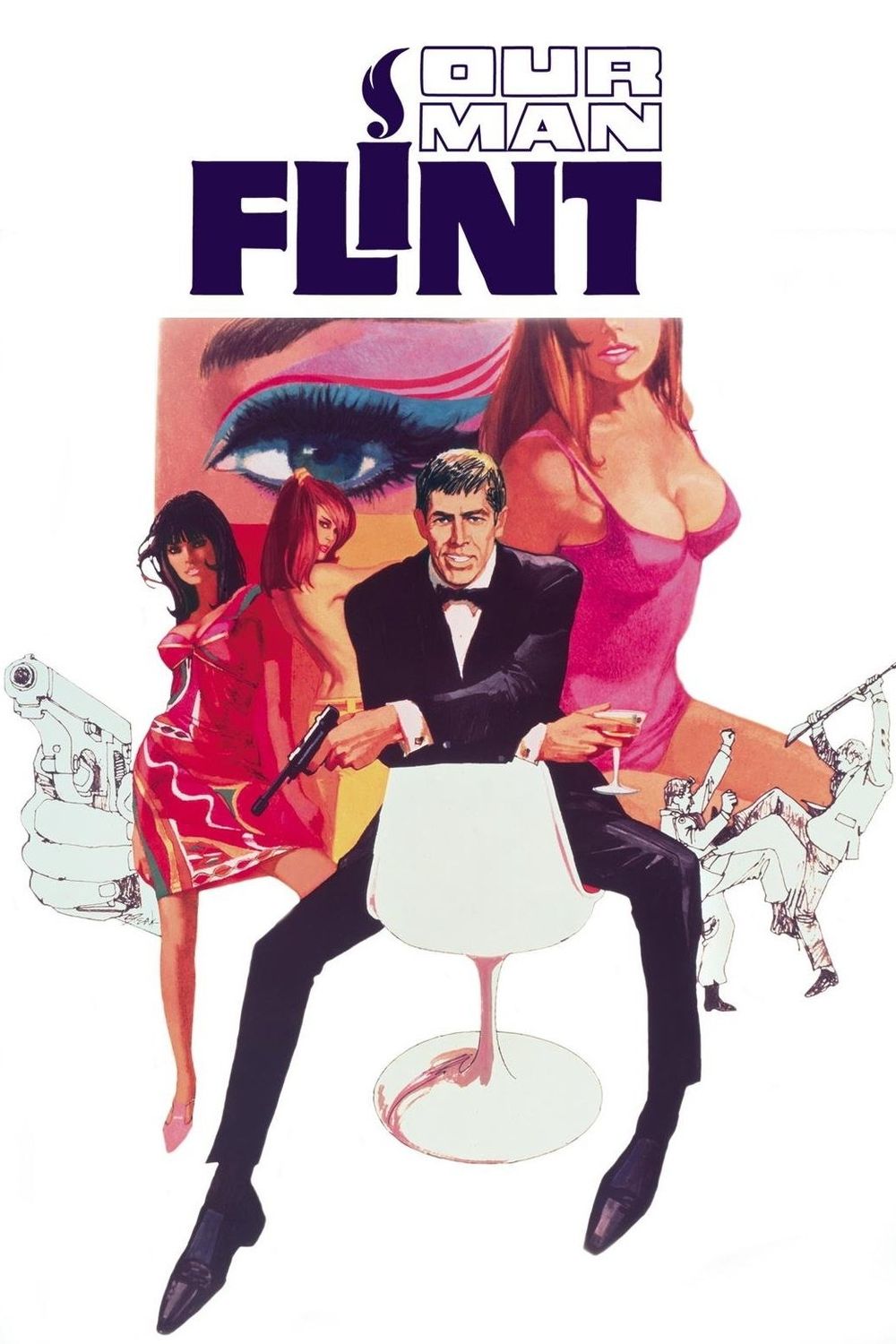
Our Man Flint poster

Our Man Flint

1966 · The American send-up of all this, made while the joke was still fresh

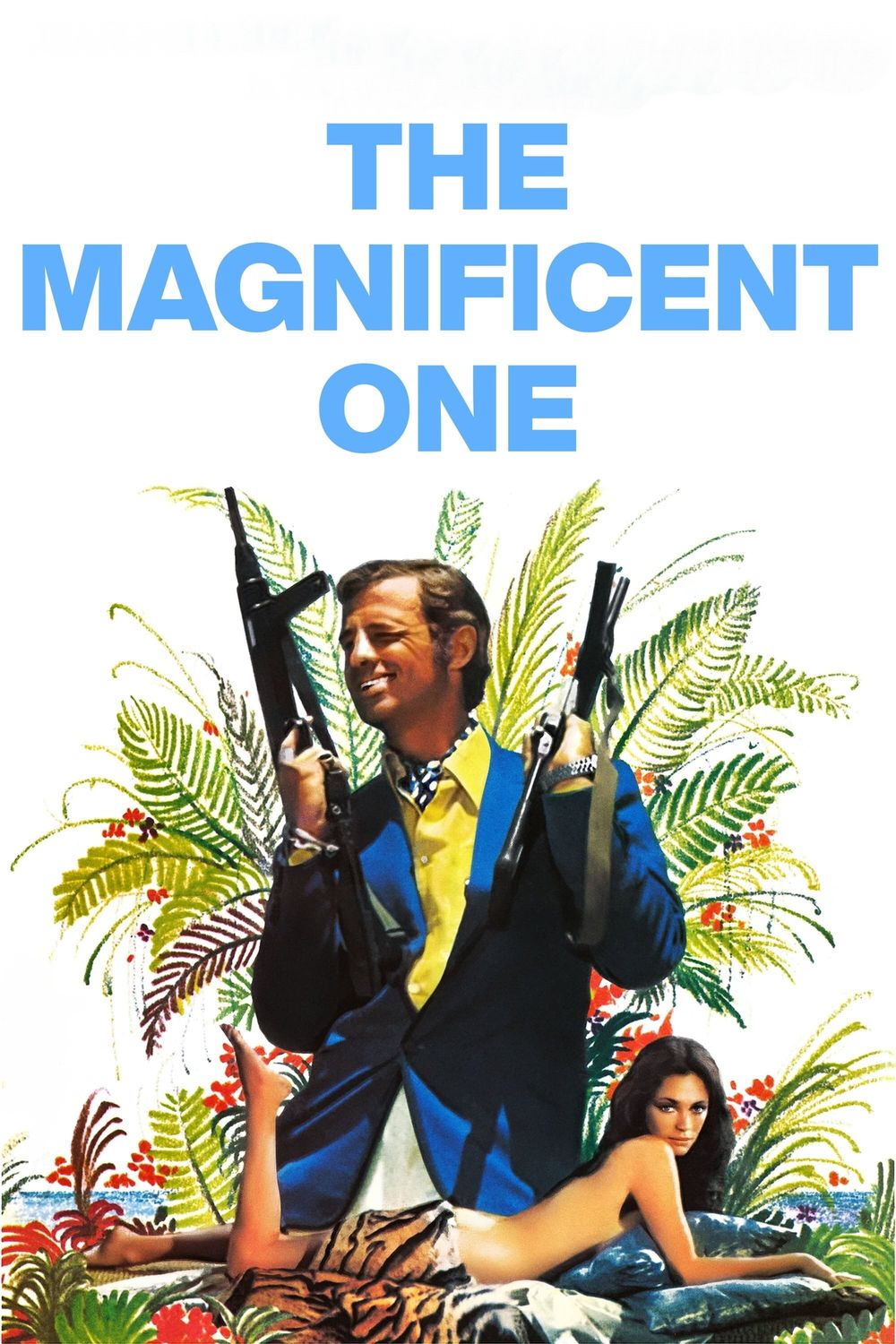
Le Magnifique poster

Le Magnifique

1973 · Belmondo as a hack spy novelist whose fantasies keep colliding with his flat

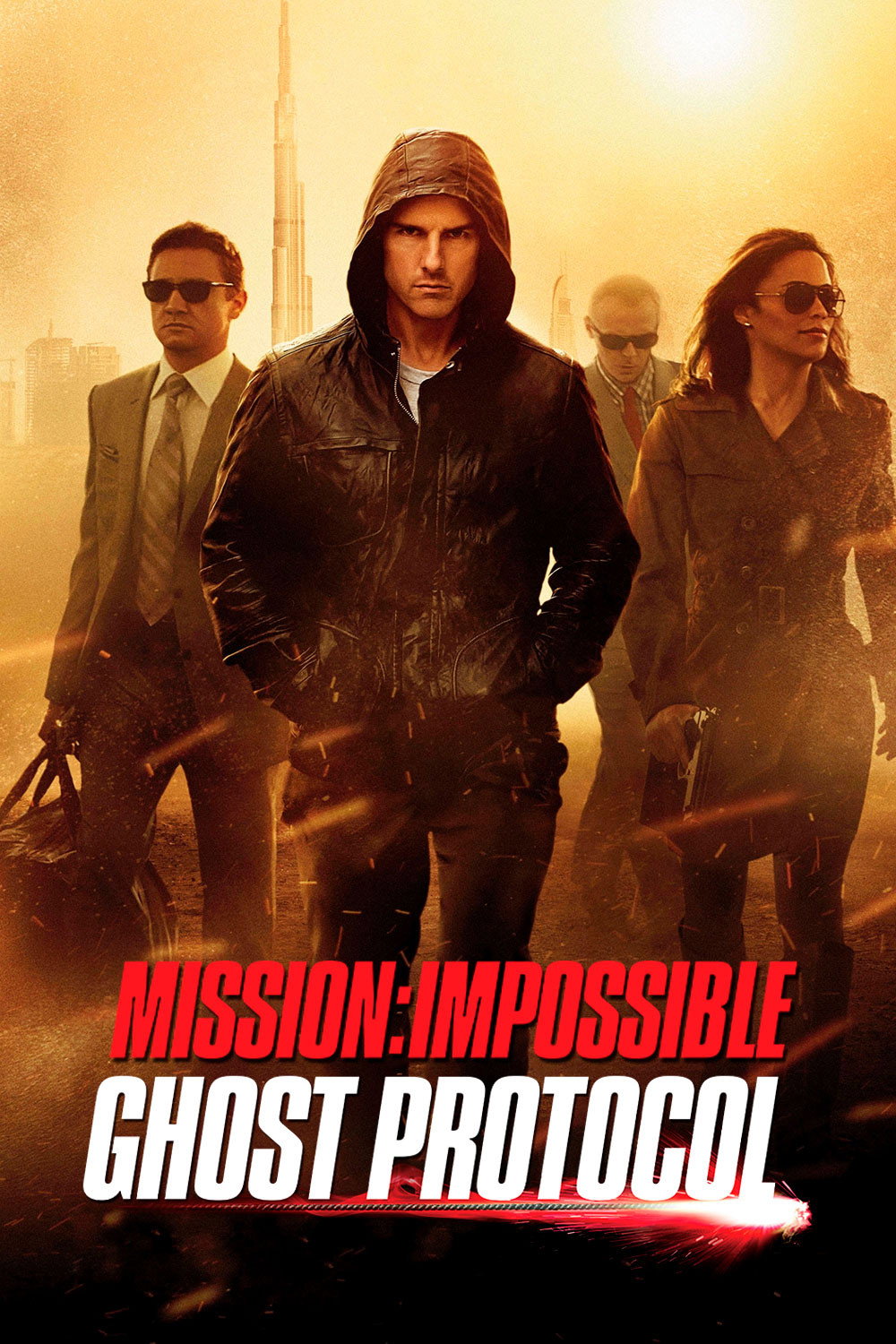
Mission: Impossible – Ghost Protocol poster82

Mission: Impossible – Ghost Protocol

2011 · The modern heir: one enormous stunt, then a film built around it