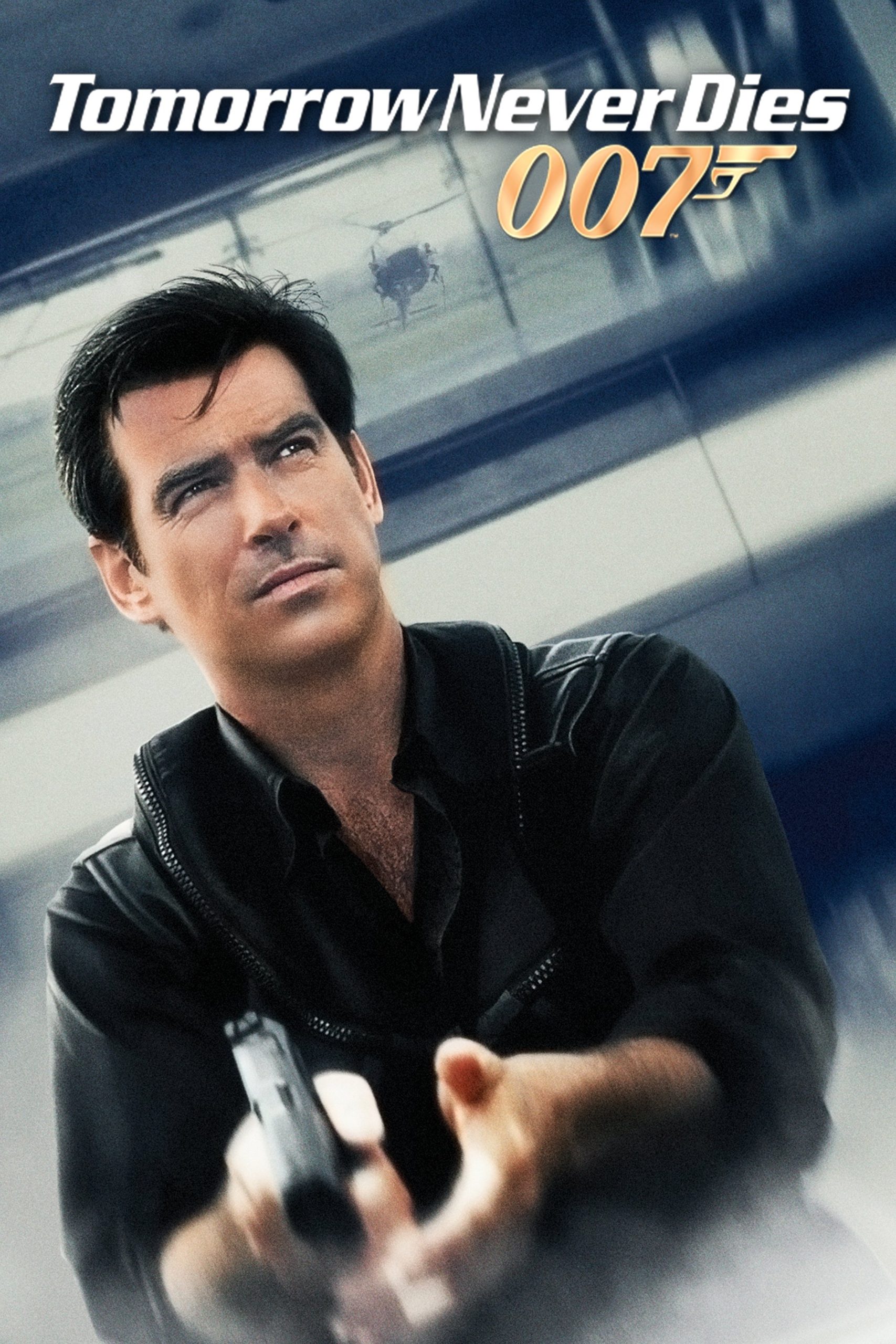
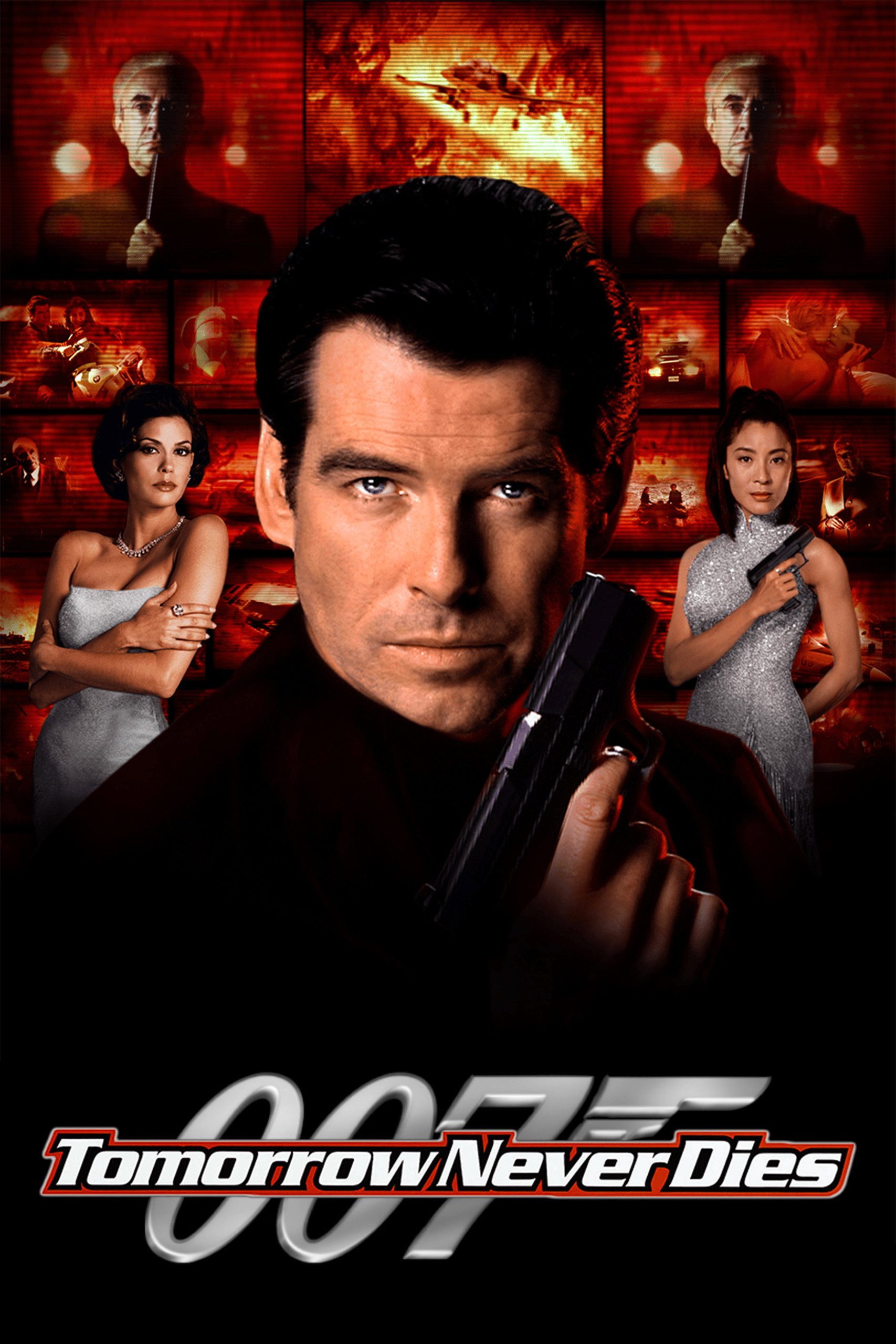
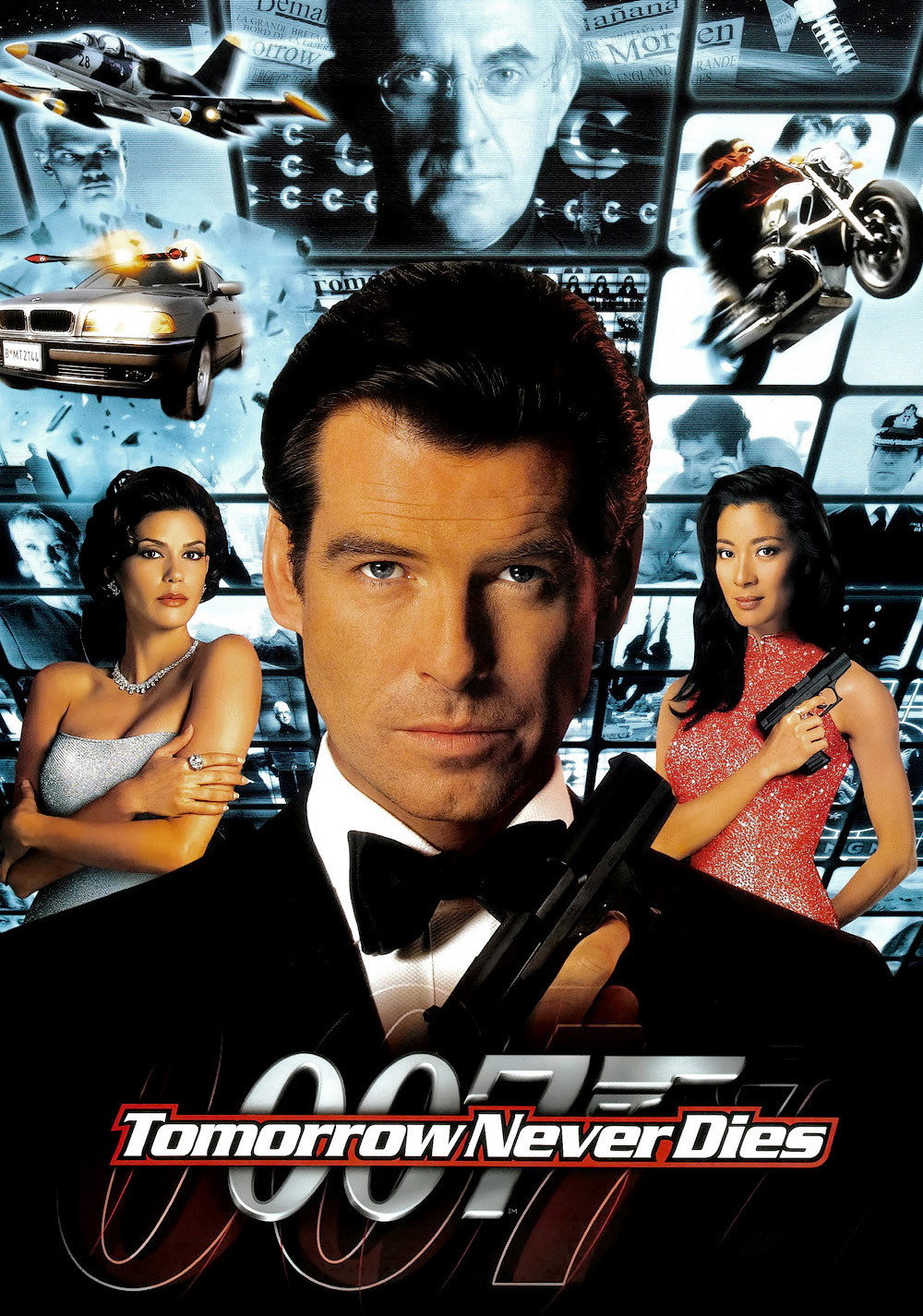
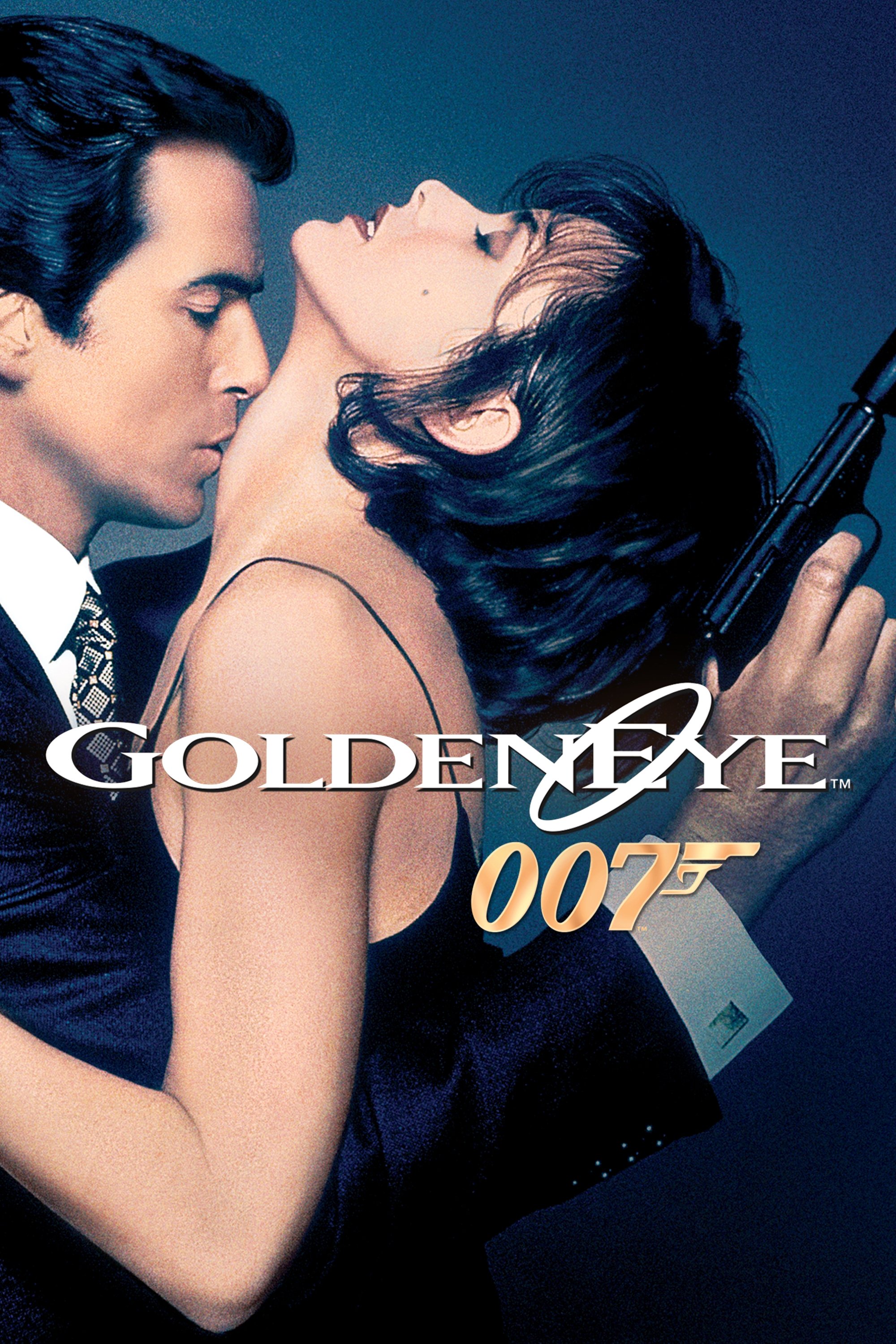
Brosnan’s second Bond is brisk, loud and well made, with a villain who sells the news he manufactures and a partner who fights better than he does. It runs out of ideas well before it runs out of explosions.
Two years after GoldenEye (1995), Pierce Brosnan’s second outing sends James Bond after a newspaper proprietor who has decided that the fastest way to a story is to cause it. Elliot Carver (Jonathan Pryce) sinks a British frigate, blames the Chinese and has the front page set before the survivors are out of the water. It is the best idea a Bond film has had for a villain in a long while, and Bruce Feirstein’s screenplay knows it for about an hour. Then it remembers that Bond films end on a boat with a countdown, and goes and finds one.
The first hour is good. Roger Spottiswoode opens with an arms bazaar on the Russian border, Bond in a cockpit, M and an admiral arguing over a live feed, and gets the frigate sunk and the network launched before we have had time to settle. Michel Arcand and Dominique Fortin cut it tight and clean, so that a fight in a soundproofed Hamburg studio plays as a single hard rhythm, punches landing under the sound of a printing press. Robert Elswit lights Carver’s launch party as a wall of screens and cold white light, and the hotel room afterwards in warm gold.
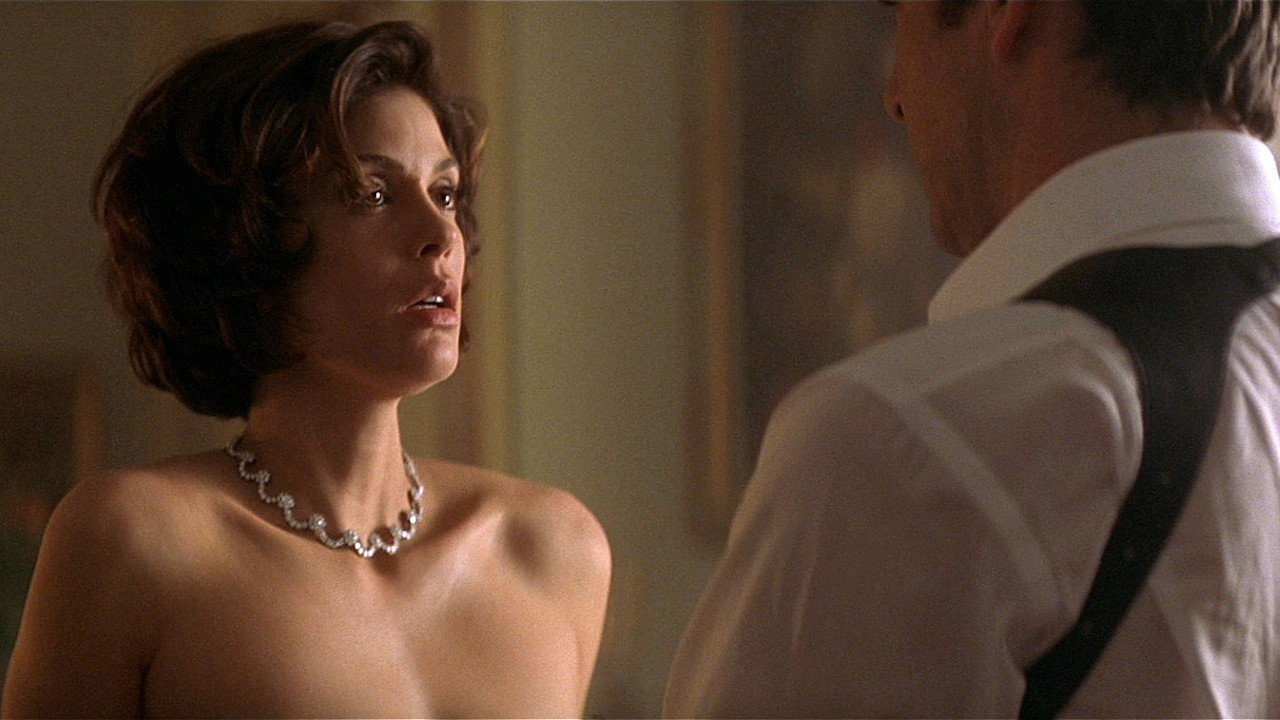
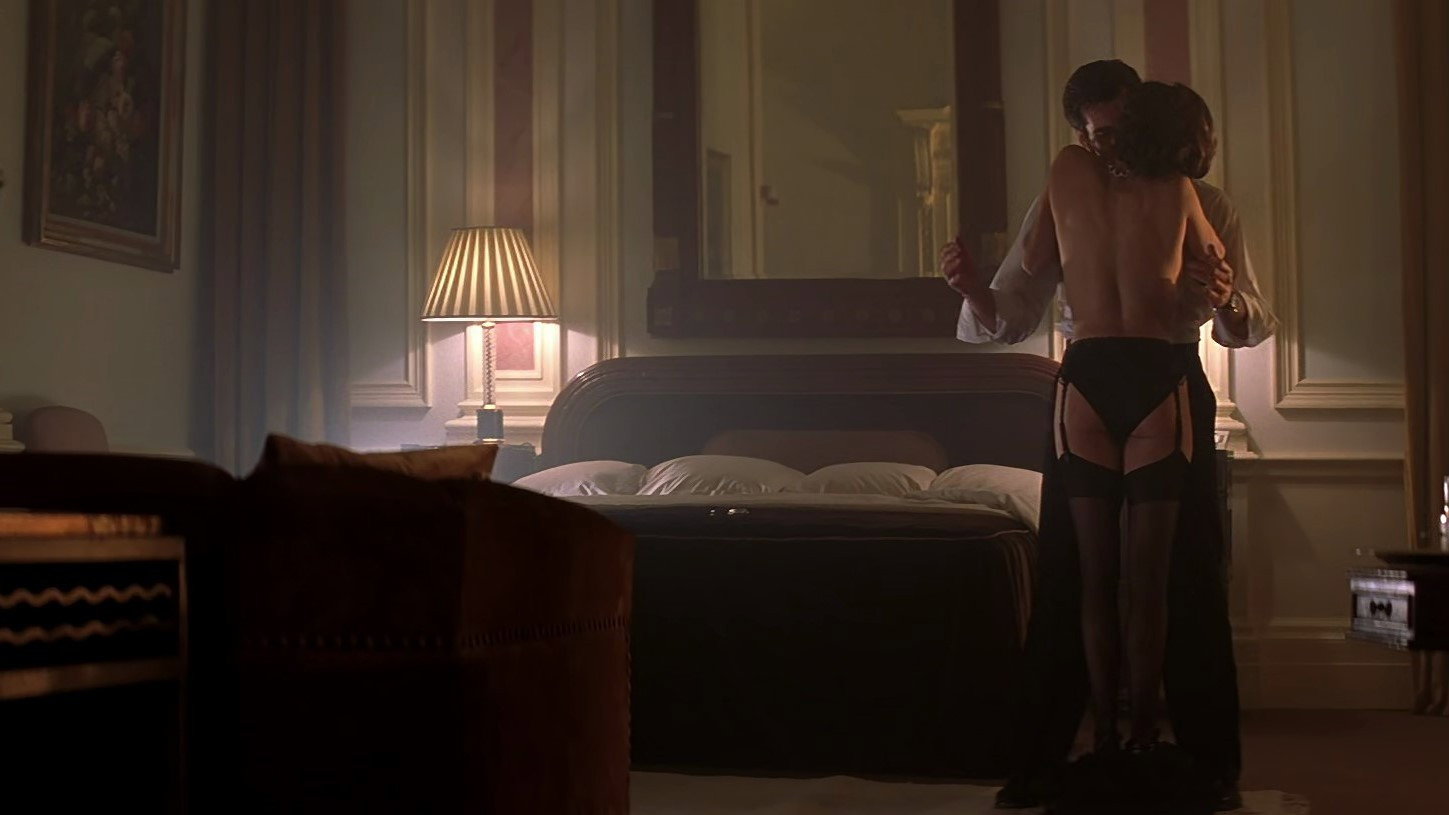
Pryce is having a lovely time. He plays Carver as a man who has never been contradicted in his own building, and he is far more frightening at a lectern than the film ever lets him be with a weapon. Teri Hatcher gives Paris Carver a tiredness the series does not usually allow its women, and her hotel scene with Brosnan moved us more than we expected a Bond film to: two people who both know how this ends and go ahead anyway. Vincent Schiavelli turns up as Dr Kaufman, a hired killer who lectures his victims on his own professionalism, and gets the biggest laugh in the picture.
Then there is the car. Q (Desmond Llewelyn) has left Bond a BMW that can be driven from a telephone, and the sequence in a multi-storey car park, with Brosnan crouched in the back seat steering with his thumb while the roof is shot off around him, had us laughing out loud. It is the film’s one moment of real invention, and it is over in five minutes.
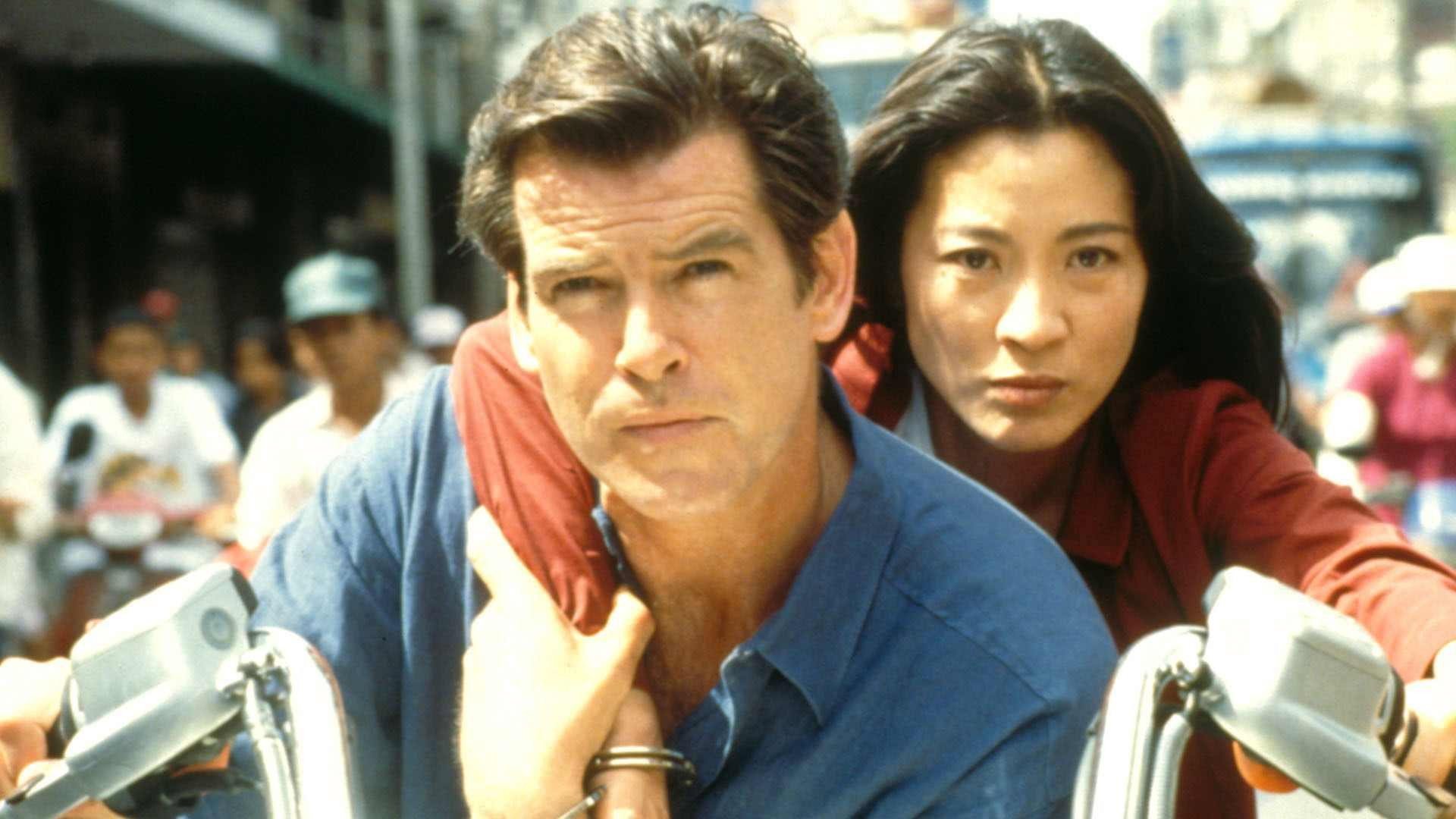
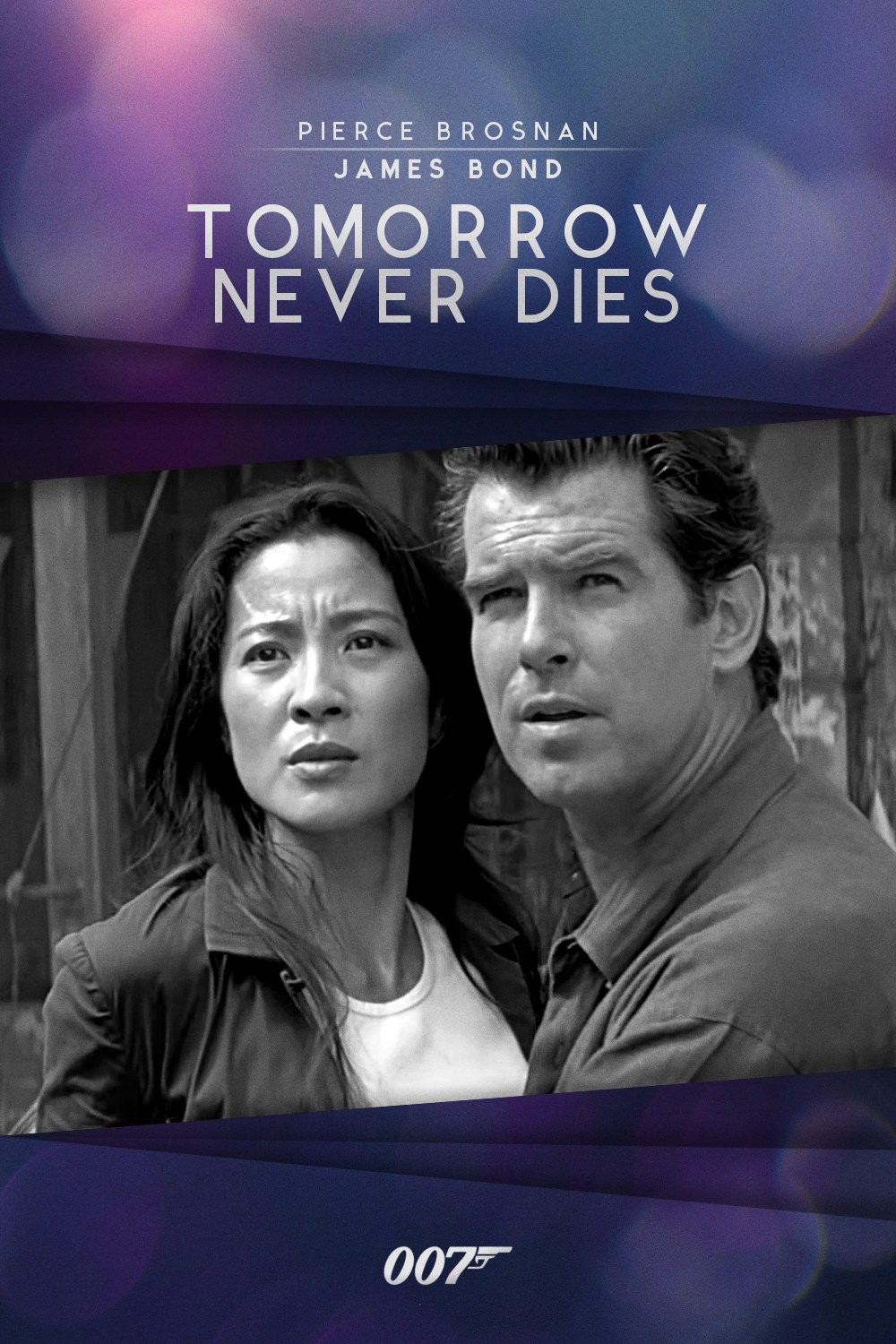
Michelle Yeoh is the other reason to watch. Wai Lin is a Chinese agent working the same case from the other side, and Yeoh does her own fighting with a speed and economy the film’s Western stuntmen cannot match. A motorcycle chase through Saigon, the two of them handcuffed together and taking turns at the handlebars while a helicopter follows them down the alleys, is the best set piece in the second half by some distance. She is given almost nothing to say that is not a retort, and the script treats her as a stunt asset rather than a character, a waste of the most capable person on screen.
Allan Cameron’s production design is at its best in Hamburg, where Carver’s headquarters is a black glass box full of monitors, and weakest on the stealth ship, a grey wedge of corridors that could be in any film of the decade. David Arnold’s score is the brassiest the series had heard in years, and it does a great deal of work in the last half hour when the pictures are only people running towards a bomb. Lindy Hemming puts Brosnan in navy and Pryce in collarless black, and the shorthand works.
By the time Stamper (Götz Otto) and Bond are throwing each other around the missile bay we were checking how much was left, which is not where a 119-minute film should have us. The satire has gone by then; nobody mentions a headline in the last twenty minutes, and Carver’s plan, which began as a wicked joke about the press, ends as a quite ordinary attempt to blow something up.
Against GoldenEye this is the smaller, faster, emptier film, better made in nearly every department and with less on its mind. It is a decent evening for anyone who likes the series, and the car park alone justifies the price of the sofa. Just do not expect the media satire to survive the second half.