Pierce Brosnan makes a persuasive Bond in a brisk, entertaining revival that knows the old habits need questioning. Martin Campbell delivers the action; the attempts to give Bond more emotional weight are less convincing.
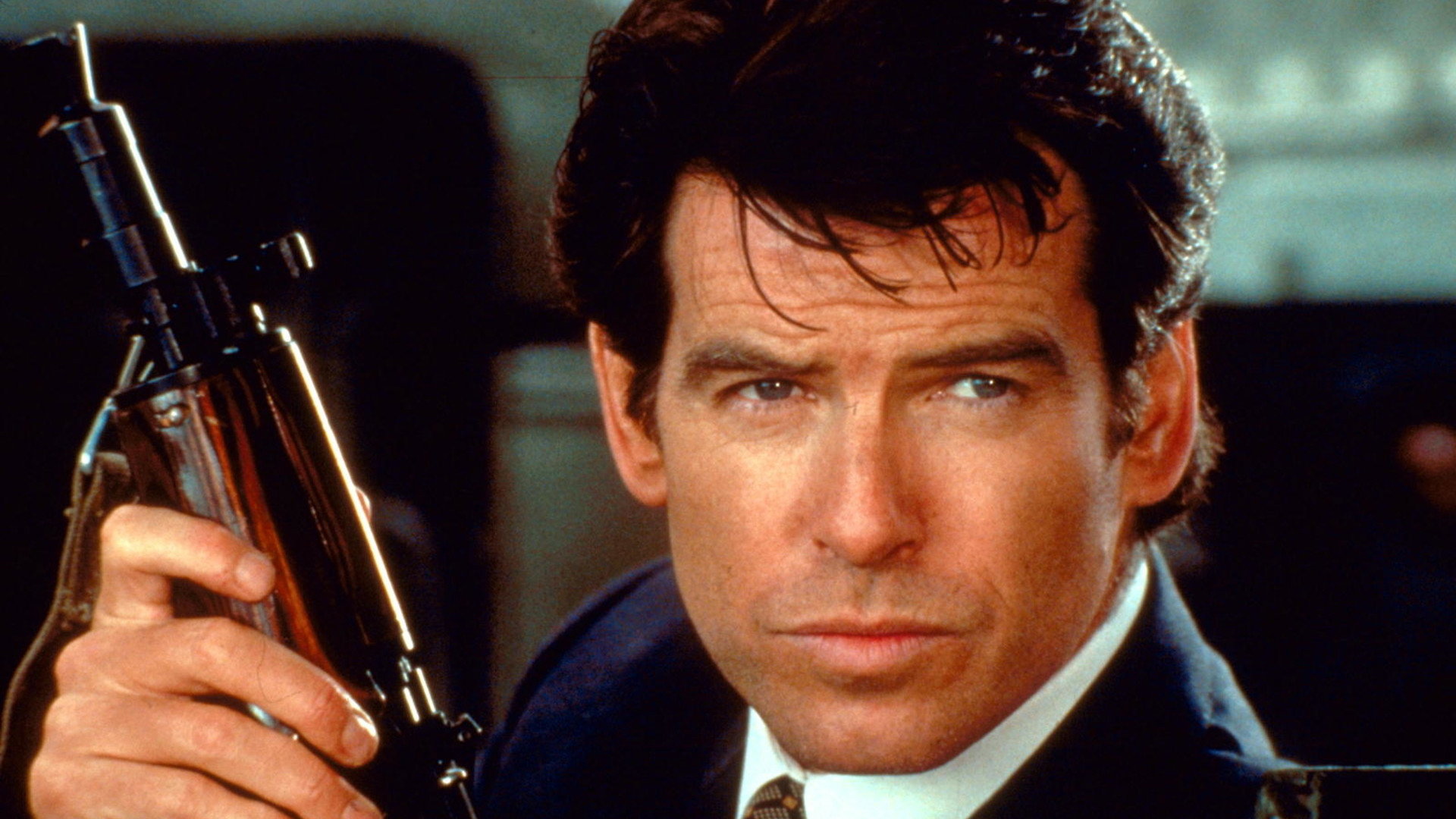
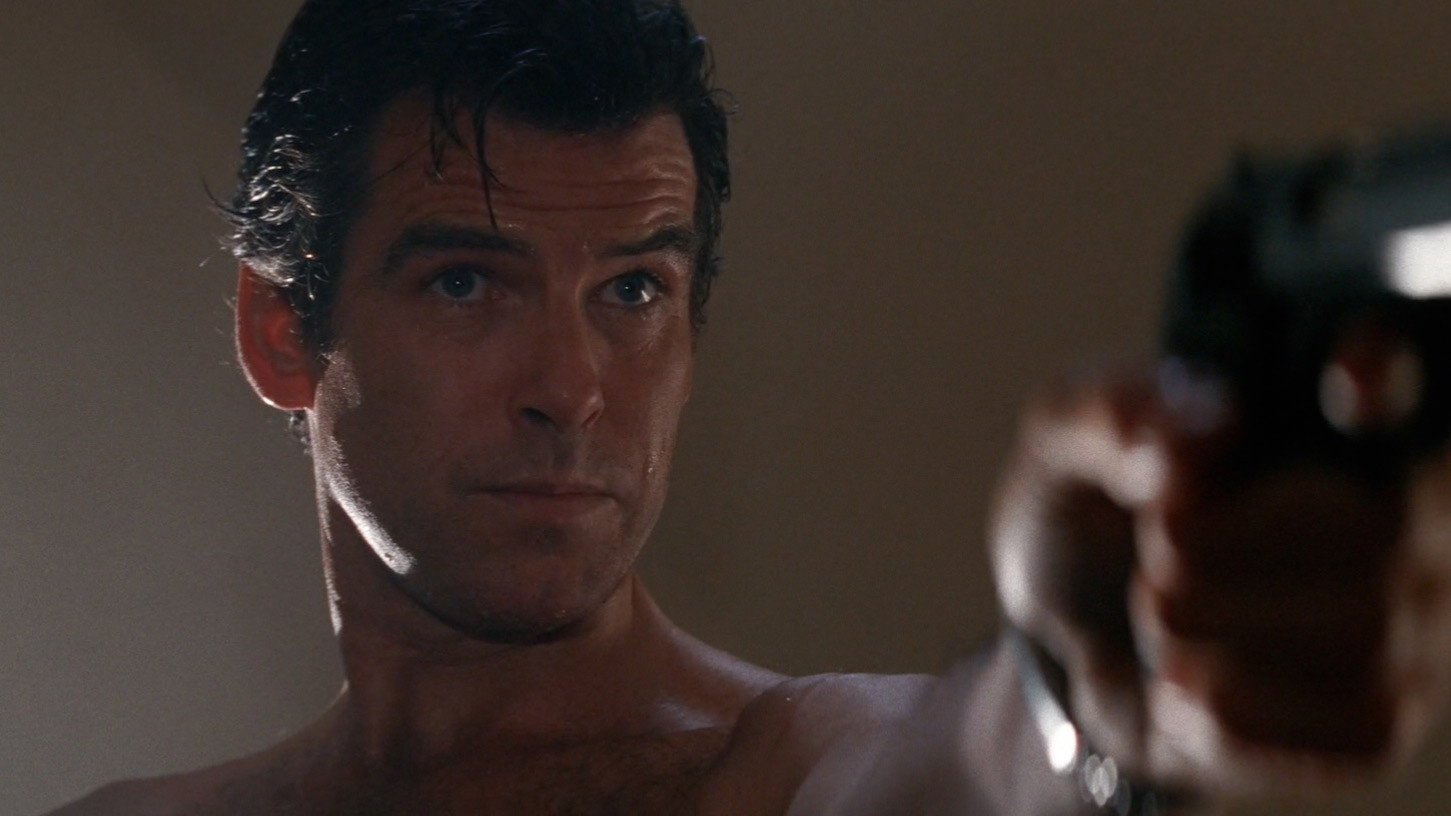
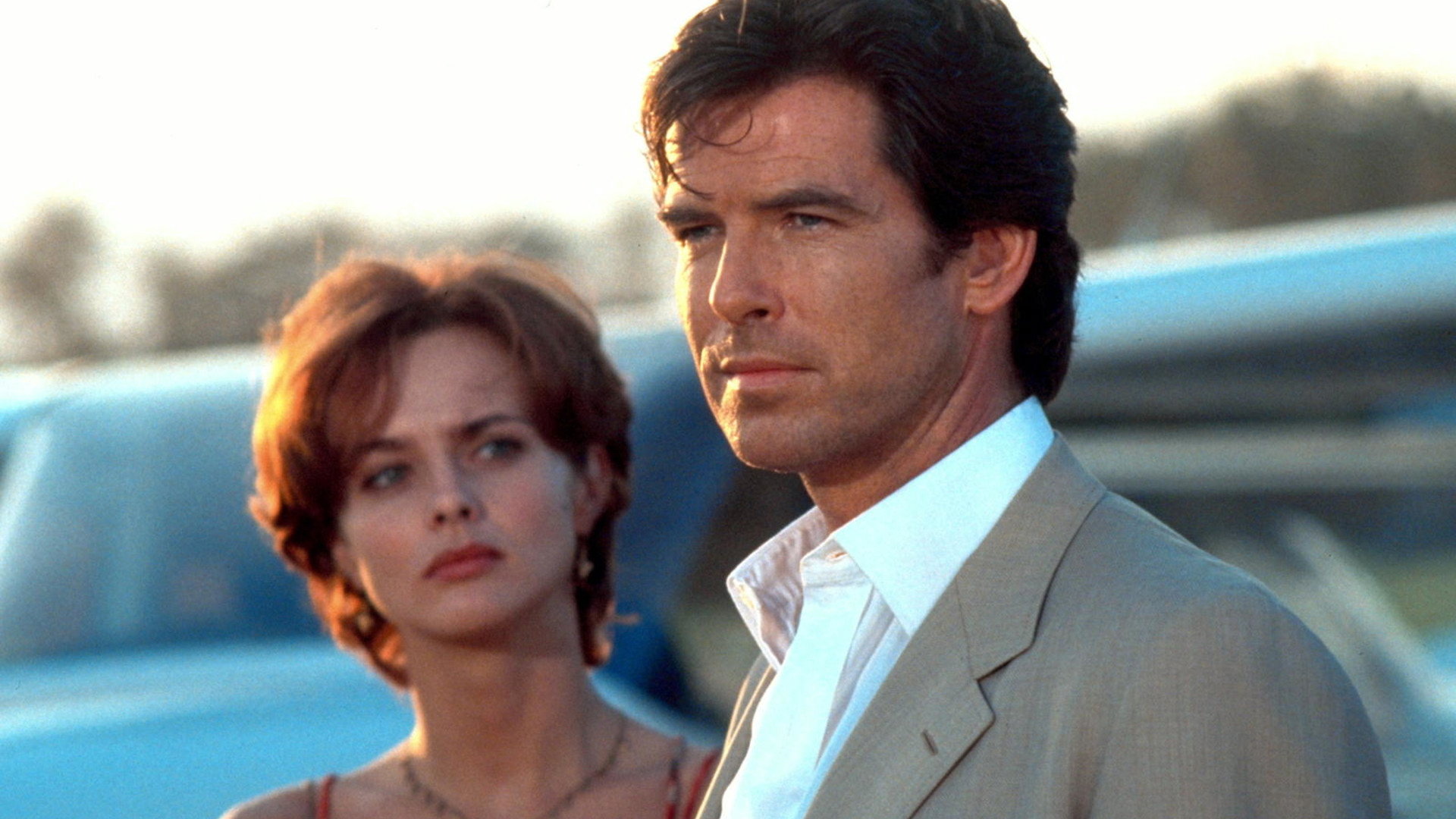
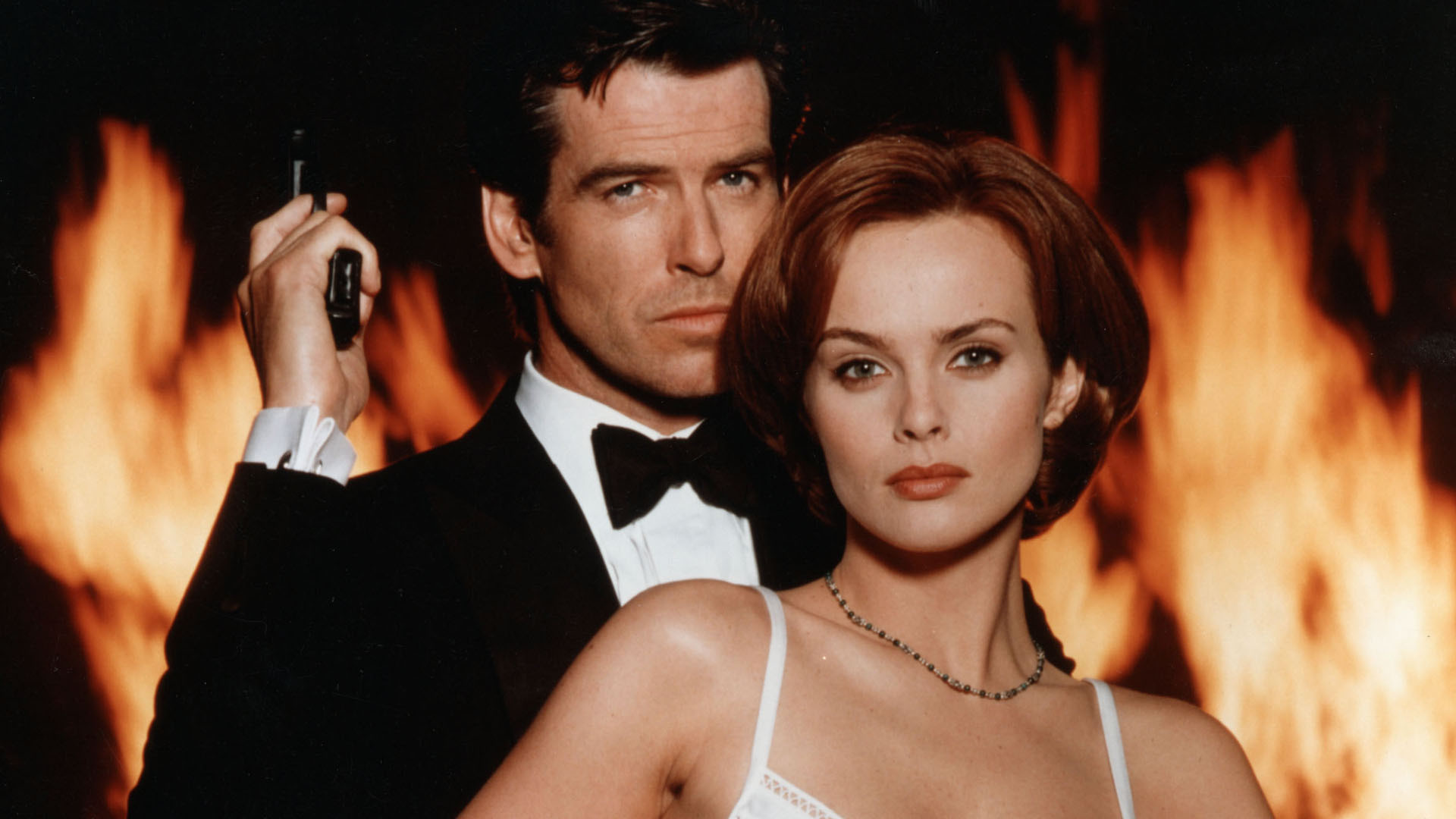
GoldenEye is a good Bond film, brisk and sufficiently amused by its hero to make another round of the familiar business worthwhile. Martin Campbell brings James Bond into the post-Cold War world without treating that change as a reason to abandon the series’ pleasures. Pierce Brosnan has the ease the part needs, particularly when there is something physical to do. The film is less persuasive when it asks him to reveal how much all this costs him.
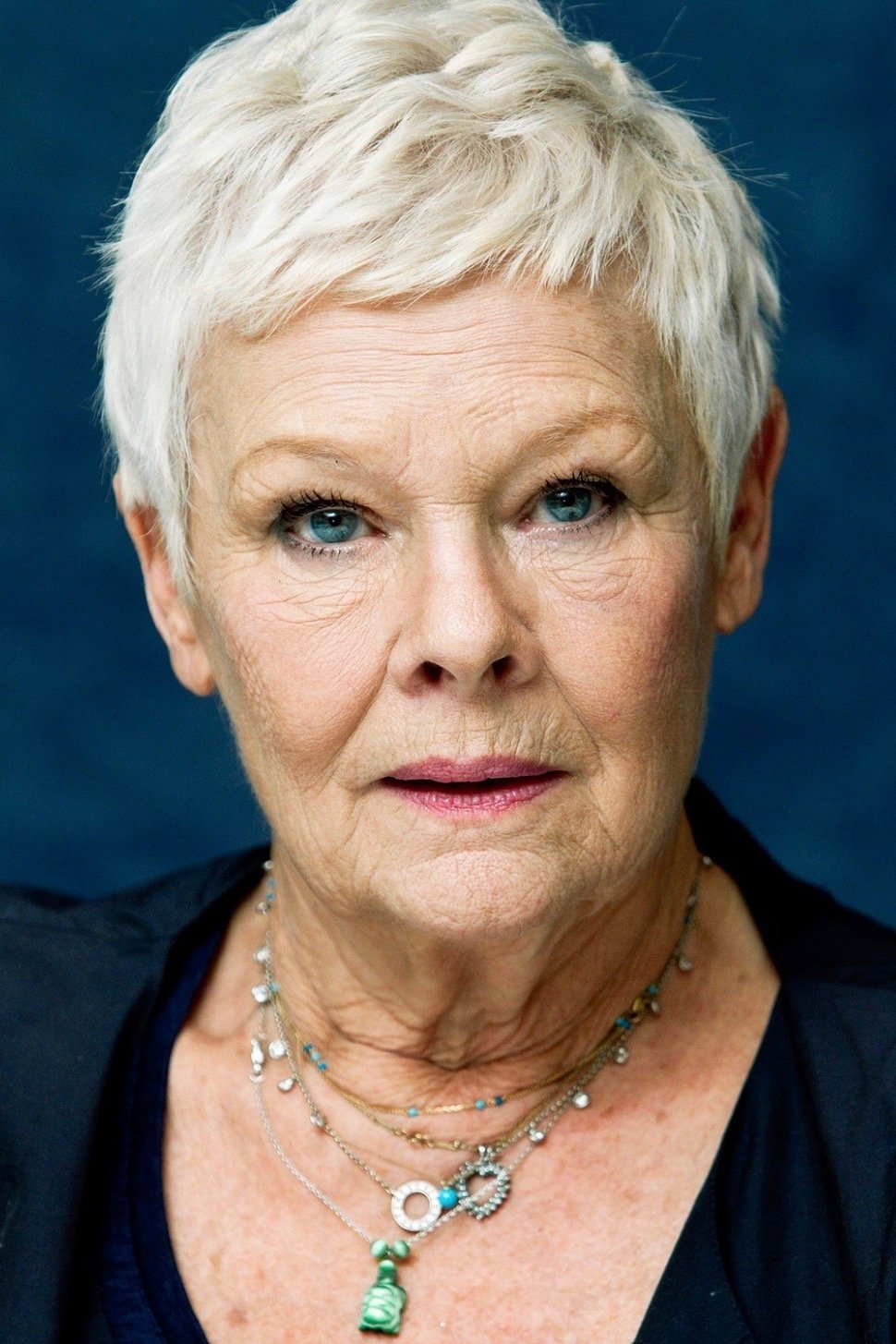
The useful change is Judi Dench’s M, whose assessment of Bond’s sexism makes clear that she need not share his opinion of himself. Dench delivers the reprimand with the firmness of someone addressing a longstanding problem, and does not ask for our approval afterwards. The screenplay by Jeffrey Caine and Bruce Feirstein allows the criticism, then carries on enjoying much of the behaviour under discussion. That limits how far the updating goes, though having someone question Bond without being charmed into submission is welcome.
We were properly gripped by the opening bungee jump: the sheer distance involved briefly made Bond’s usual confidence seem inadequate. Phil Meheux’s photography gives the stunt room to register, making the scale of the drop easy to grasp. Terry Rawlings’s editing sustains that directness, keeping the action moving without making the basic business difficult to follow. Campbell understands that an improbable feat is more enjoyable when we can see clearly what is being attempted.
The tank chase in St Petersburg is the larger, sillier expression of the same skill. Its pleasure lies in the mismatch between the vehicle and the place, with Campbell keeping the joke going through the destruction. Peter Lamont’s production design gives the film’s large-scale action suitably substantial surroundings, so the damage has enough weight to make the absurdity funny. Campbell also knows how long to sustain a chase without stopping it for a separate joke.
Famke Janssen’s Xenia Onatopp is the performance most comfortably matched to that appetite for excess. Janssen commits to the absurdity without looking embarrassed by it, and we enjoy her scenes even when the villainy elsewhere feels routine. Brosnan is a capable centre for this sort of entertainment, light enough to keep the proceedings from becoming laborious. When the film slows for self-examination, however, his reserve can look like uncertainty, and the writing does not give him enough help.
Éric Serra’s music is a less dependable companion. Its heavier passages make the action feel more solemn than Campbell’s staging warrants, weighing down sequences that otherwise move cleanly. The film also has more secondary characters than it can use well, with introductions and explanations interrupting the forward movement. At 130 minutes, it has room for a firmer cut between the major action sequences.
A Bond film need not reinvent the series, but it should make its familiar routines worth repeating. Campbell manages that, and Brosnan gives him a hero who looks at home in the action. We would have preferred sharper dialogue and less hesitation whenever the stunts stop. Choose it for an evening when a well-staged chase matters more than a searching conversation.