Timothy Dalton’s first Bond is a proper spy story with the jokes taken out, and the best-made entry in years. Its villains are small and its Afghan detour is long, but the first hour is as tense as the series has been since the sixties.
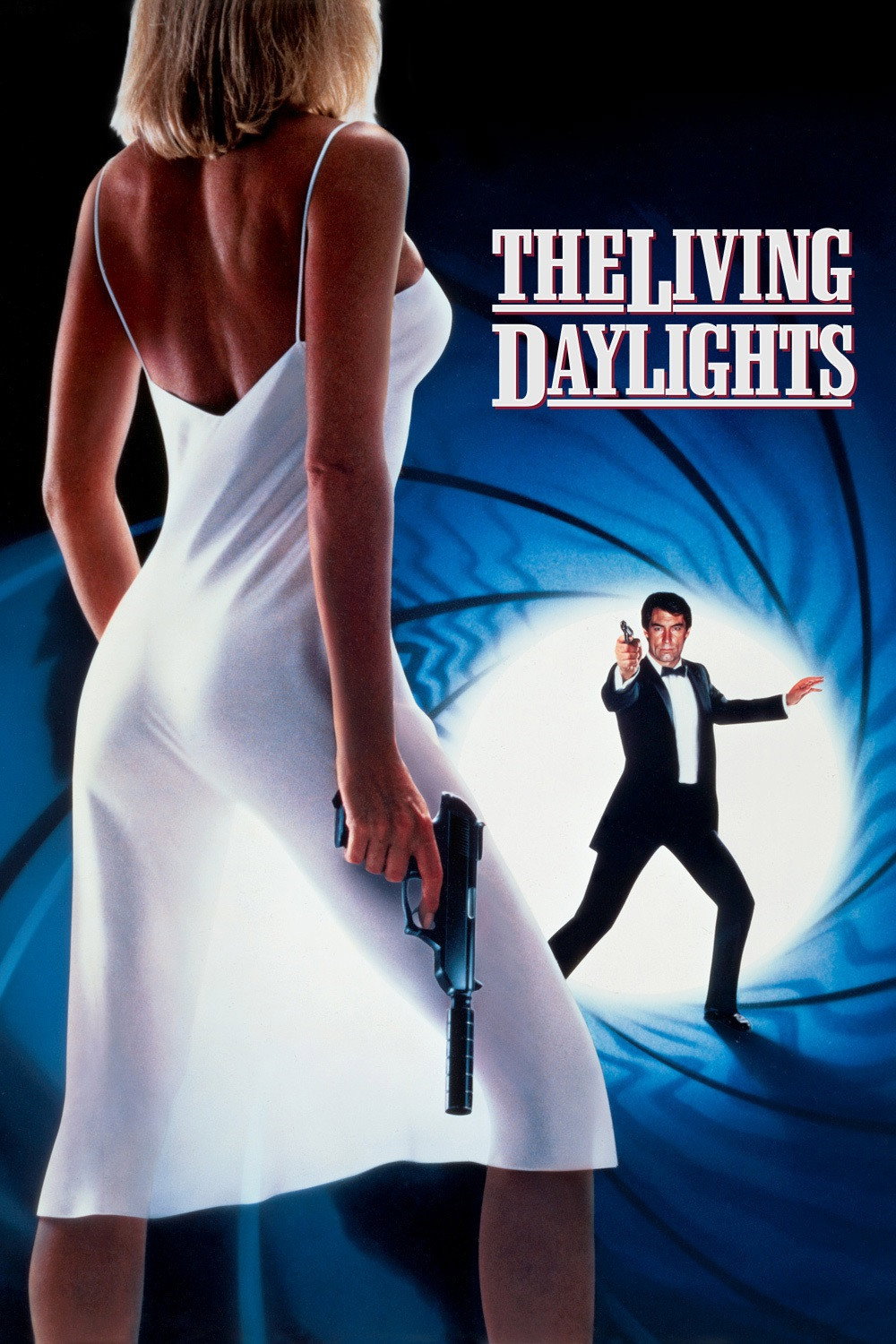
John Glen’s fourth Bond film in a row, and the fifteenth in the series, is the one that had to introduce a new man. After seven Roger Moore films the jokes had grown longer than the fights, and Timothy Dalton arrives as a correction: a Bond who frowns, who has read the file, and who is plainly annoyed to be handed a job he thinks is wrong. Richard Maibaum and Michael G. Wilson give him a proper spy story to be annoyed in, a defection, a sniper, a suspected purge of British agents, and for its first hour The Living Daylights is as good as the series had been in twenty years. It runs 130 minutes, and it does not all hold.
The pre-credits sequence, three 00 agents parachuting on to the Rock of Gibraltar for an exercise and one of them meeting a real killer, is cut by Peter Davies and John Grover with no slack in it. Alec Mills shoots Bratislava in wet greys and the concert hall in stuffy gold, and the defection, run from a rooftop with a rifle and a stopwatch, is staged as a job of work. Then Koskov is taken from a country safe house by a man dressed as a milkman, with exploding bottles and a length of headphone flex, and we jumped, properly, which we had not done at a Bond film since we were children. Andreas Wisniewski’s Necros is the film’s best villain and he barely speaks.
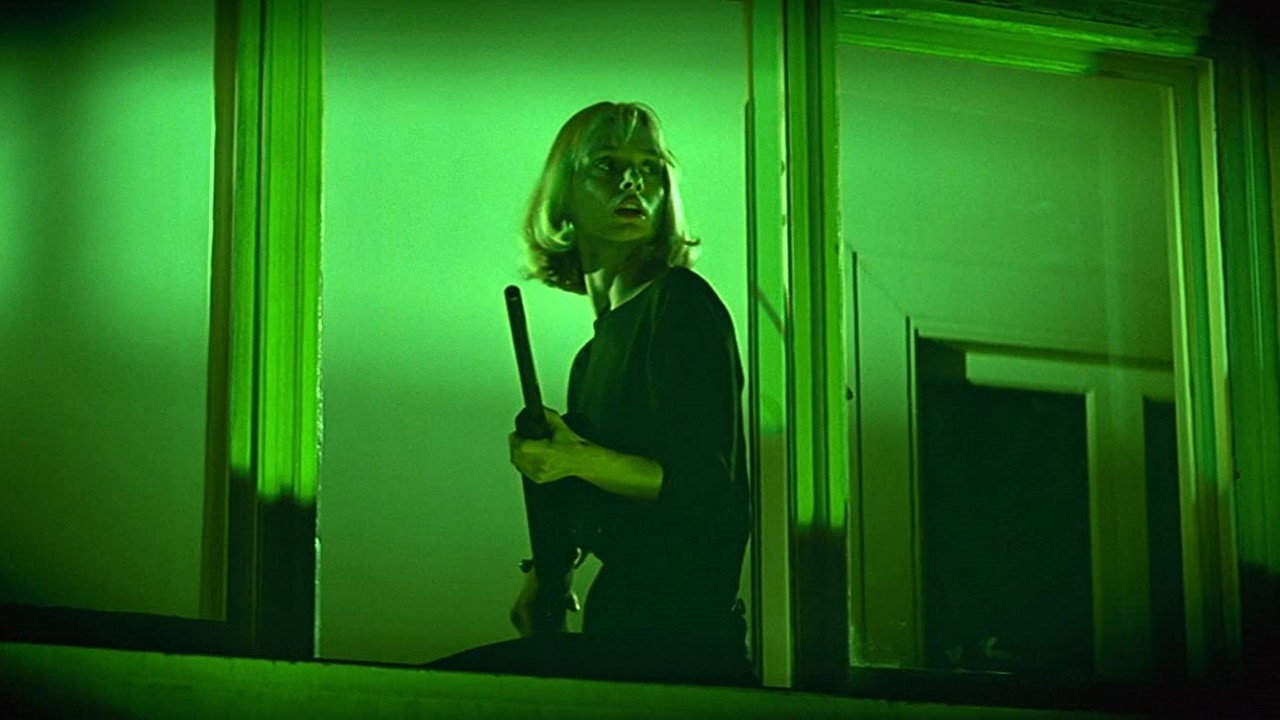
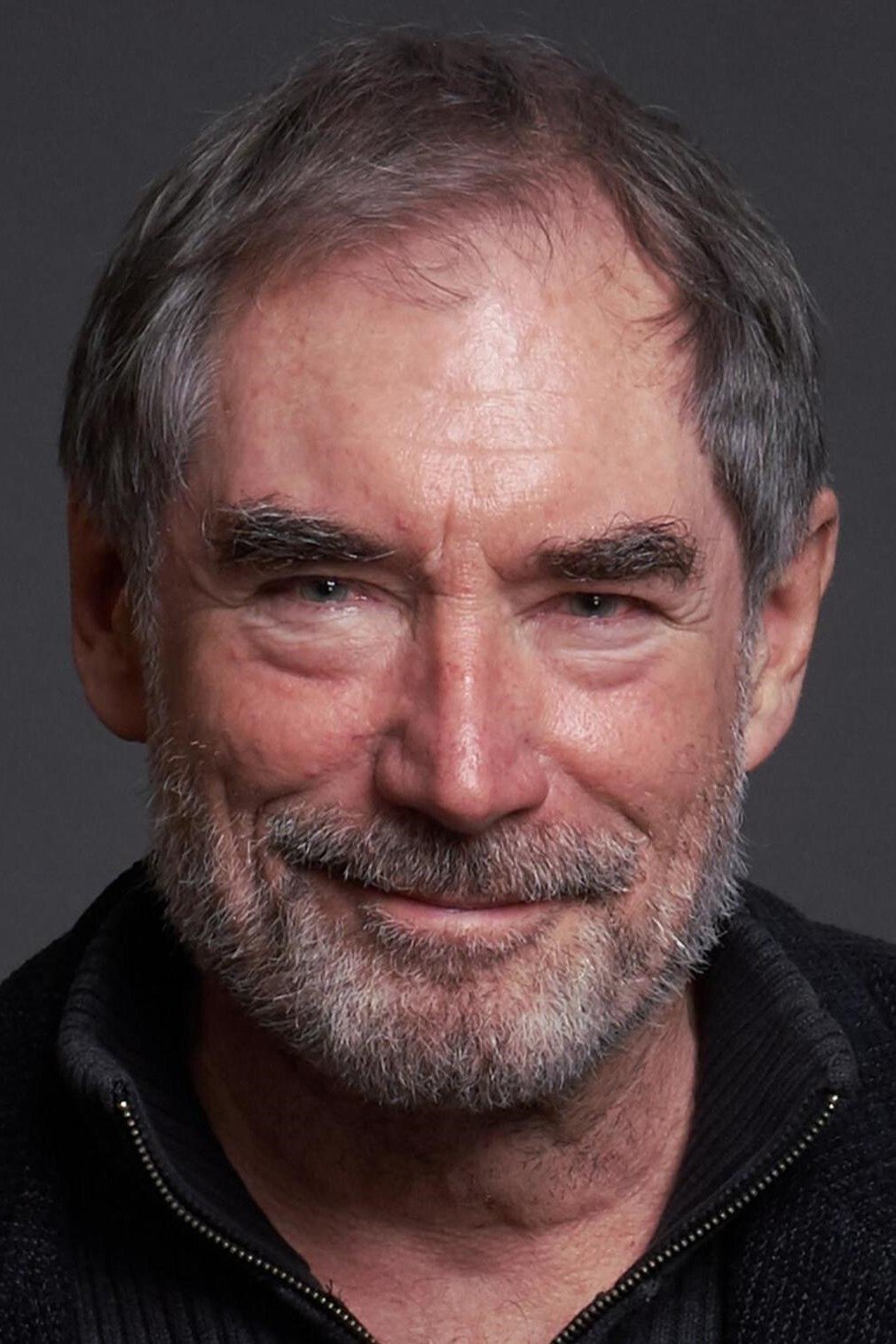
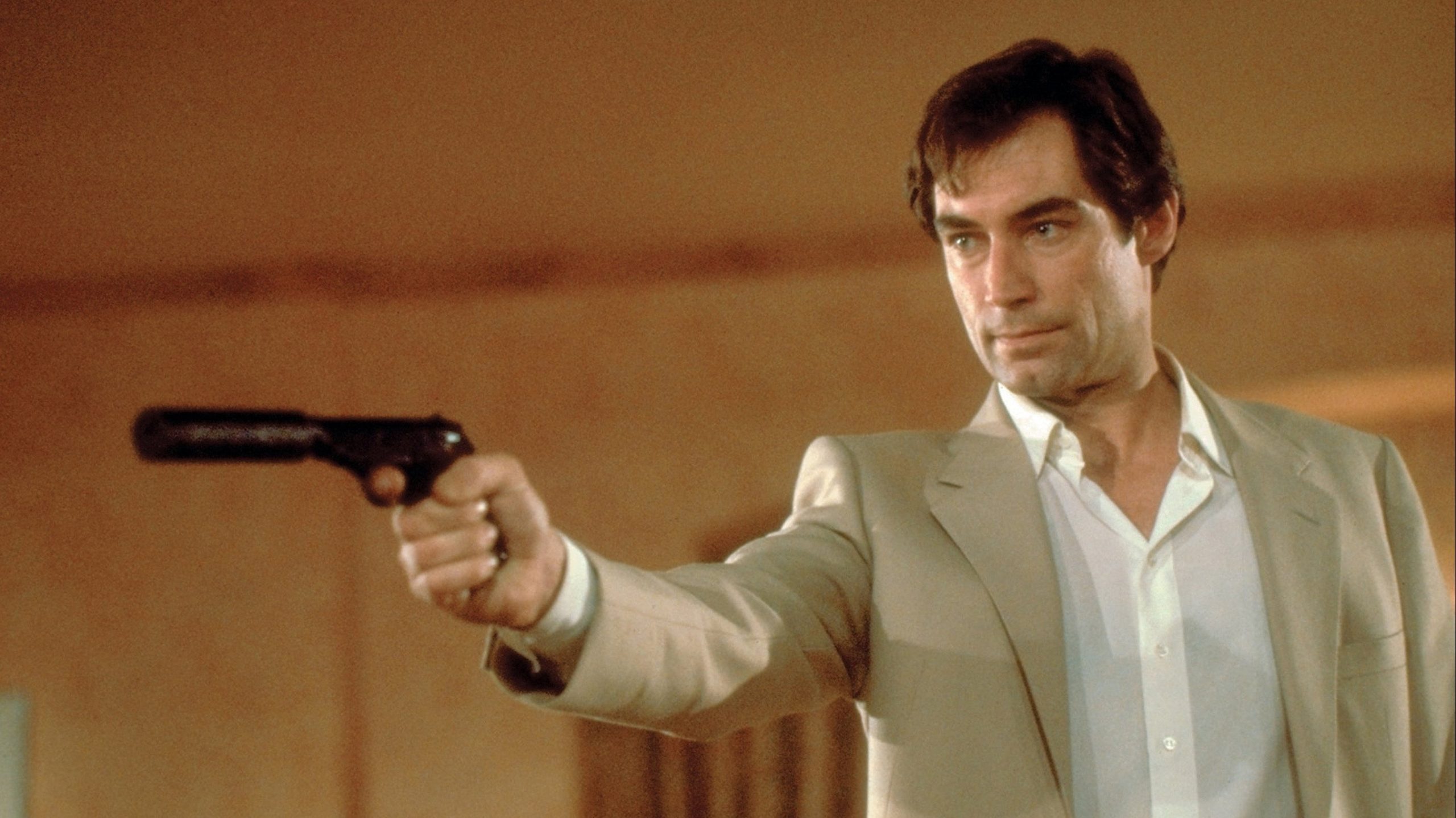
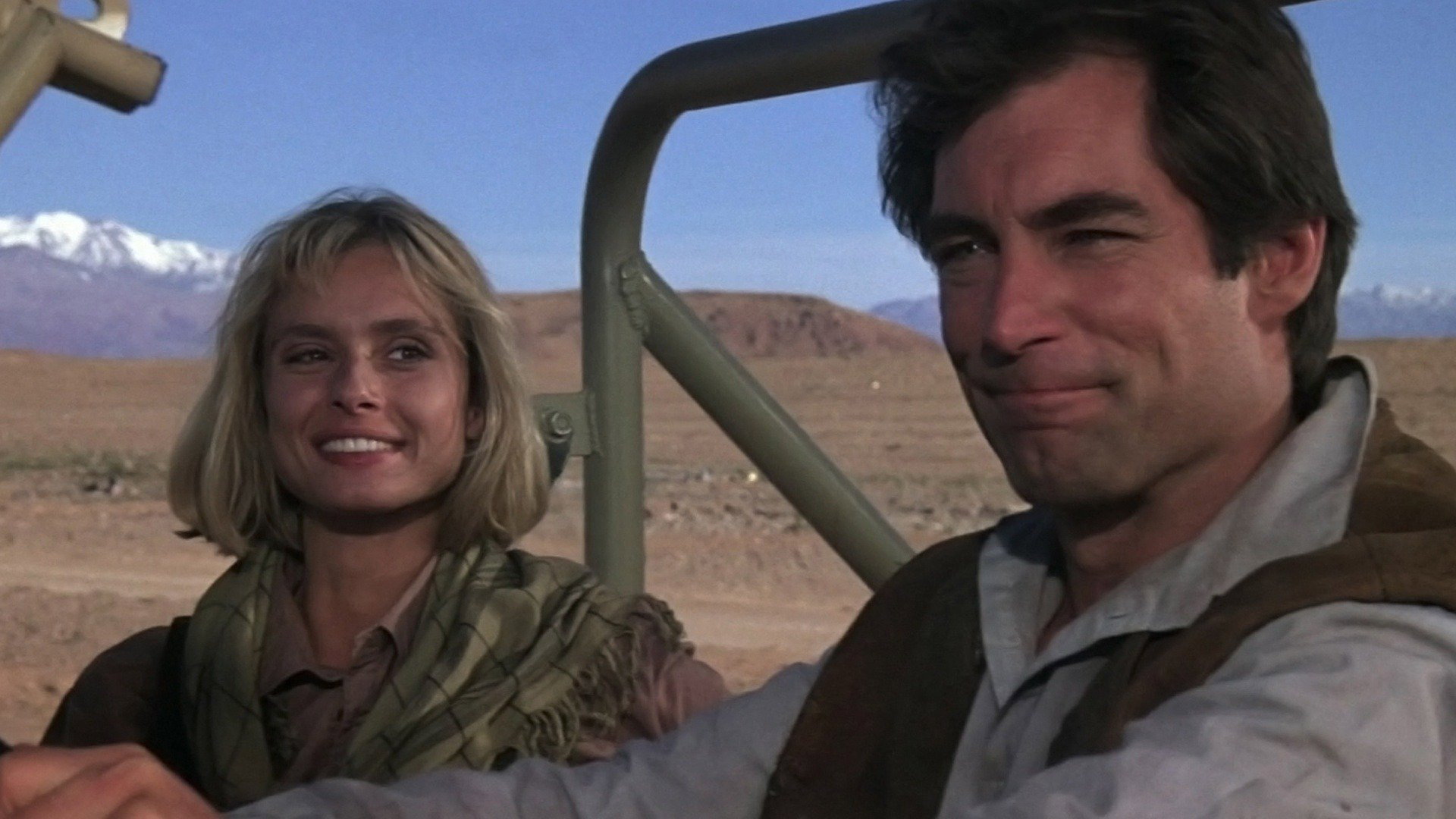
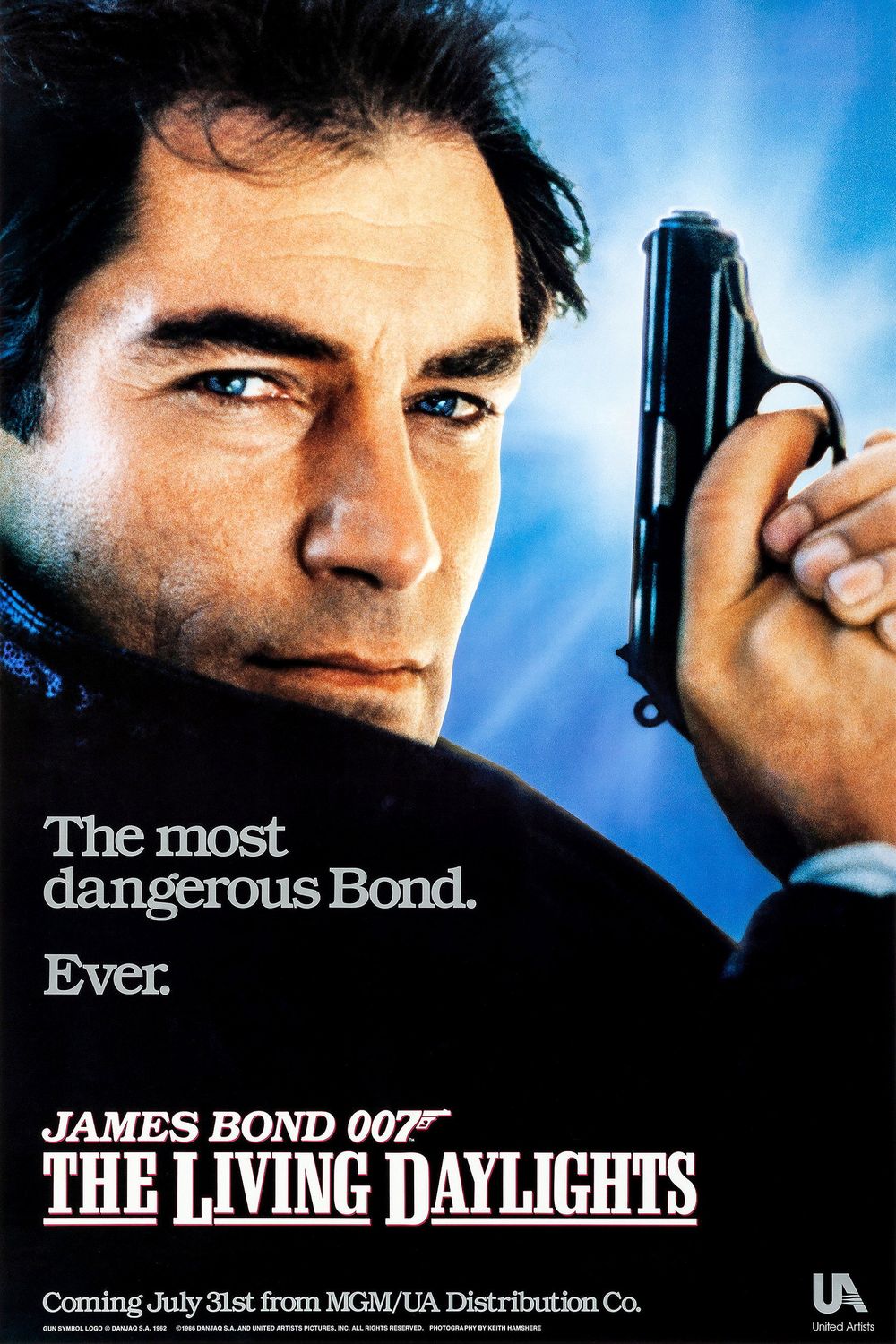
Dalton is the point, and he is good. He plays Bond as a man who was tired before the film began and whose kindness, when it comes, surprises him. Ordered to kill a sniper, he shoots the rifle out of her hands instead, and the look he gives Saunders (Thomas Wheatley) afterwards, daring him to put it in the report, is the whole new approach in a second. Maryam D’Abo’s Kara Milovy is a cellist who has wandered into a spy film, and the script gives her more wide-eyed innocence than a grown woman needs. But her scenes with Dalton in Vienna, at the fair and on the big wheel, have a sweetness the series had not tried since 1969, and Emma Porteous puts her in the coats a musician would own rather than the ones a Bond girl is issued.
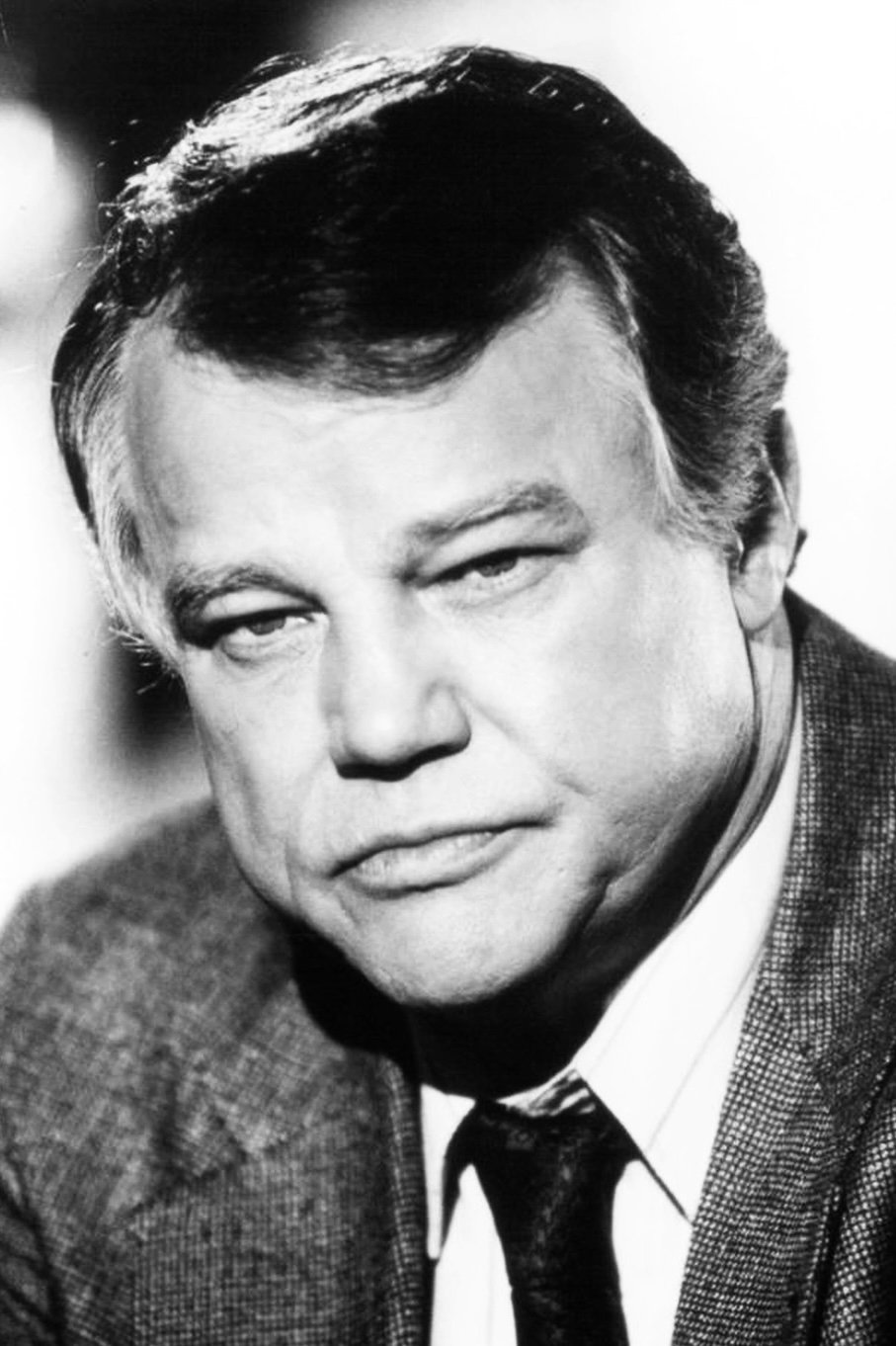
The villains are the problem. Jeroen Krabbé’s Koskov is charming and never once frightening, a man who kisses everyone on both cheeks, and Joe Don Baker’s Brad Whitaker is an American arms dealer who keeps a private museum of great generals in a Tangier villa and refights old battles with toy soldiers. Peter Lamont builds that villa handsomely, and it tells you everything about Whitaker in one shot; the man himself adds nothing to it afterwards. John Rhys-Davies gives General Pushkin more weight than either of them, and he is the one we are meant to suspect.
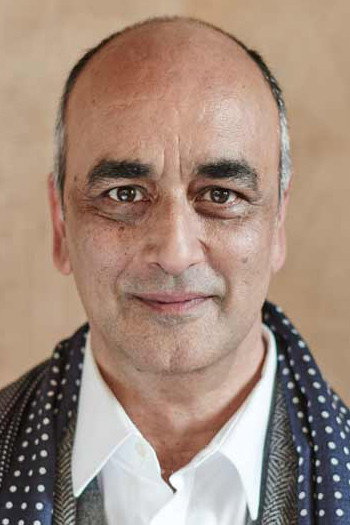
Then the film goes to Afghanistan, and it stays there. Art Malik’s Kamran Shah is likeable, an Oxford man in a turban leading the mujahideen, and the escape from a Soviet airbase is well built. But the desert stretch runs long, the plot, which by now involves opium, diamonds and the Soviet army, has more parts than the script bothers to fit together, and somewhere past the hundred-minute mark we found ourselves waiting for it to end. It wakes up for one fight, late and at altitude, that we will not describe beyond saying we held the arm of the chair and were glad nobody made a quip at the end of it.
John Barry’s score, his last for the series, holds the two halves together. He gives Kara a cello theme that is allowed to be pretty, scores the Bratislava rooftop almost in silence, and lets the brass out only when the action has earned it. The title song by a-ha sounds like a pop group and a composer disagreeing in the same room, and both sides are audible.
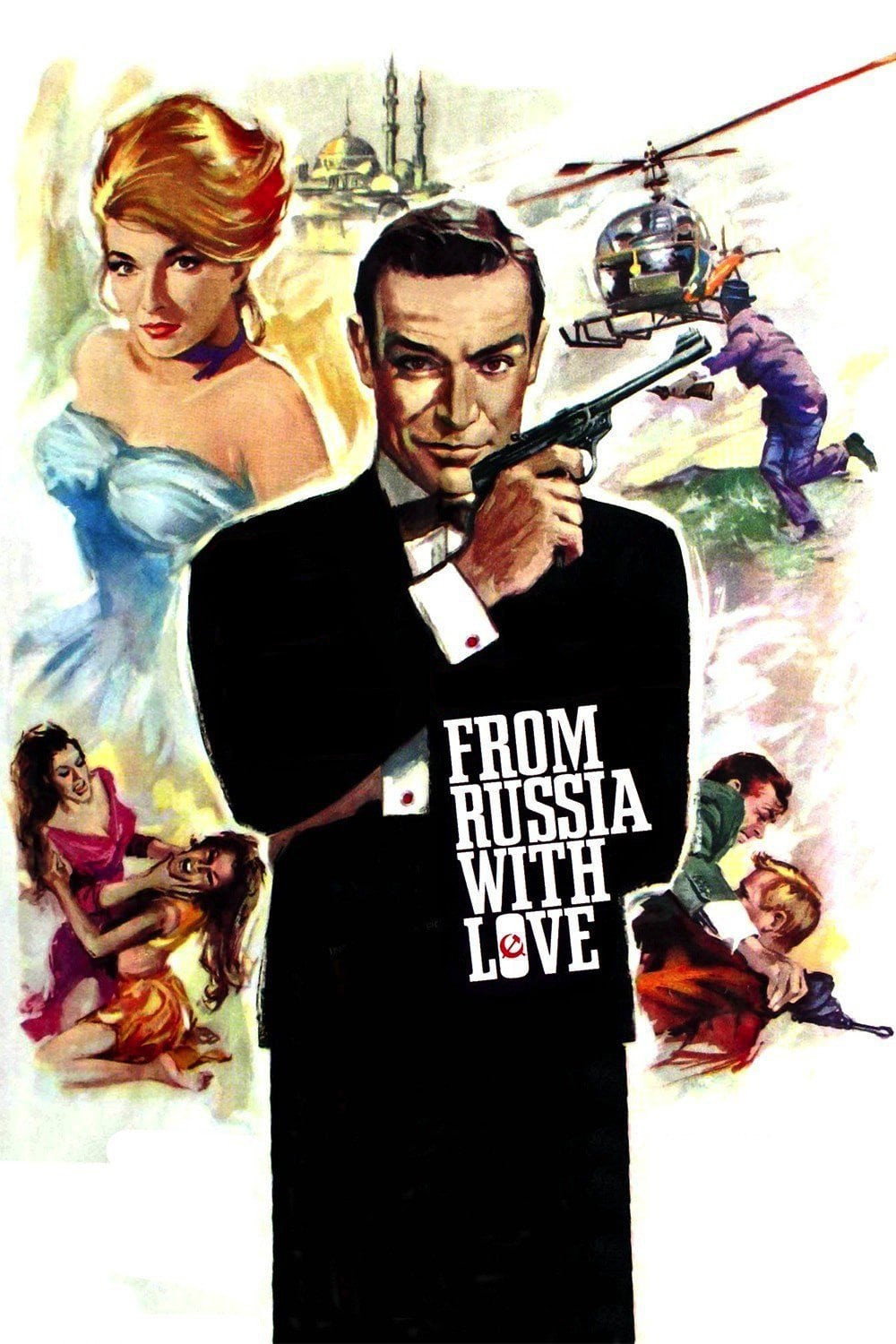
Against the series’ own standard this belongs with the harder ones, From Russia with Love and On Her Majesty’s Secret Service, and it is not as good as either, because its villains are not worth chasing. Some critics at the time thought Dalton too serious; we think they had grown used to a Bond who did not mean it and did not recognise one who did. Watch it for the first hour and for Dalton, and forgive the desert. It carries a PG, and the milkman would not get one now.