Film review

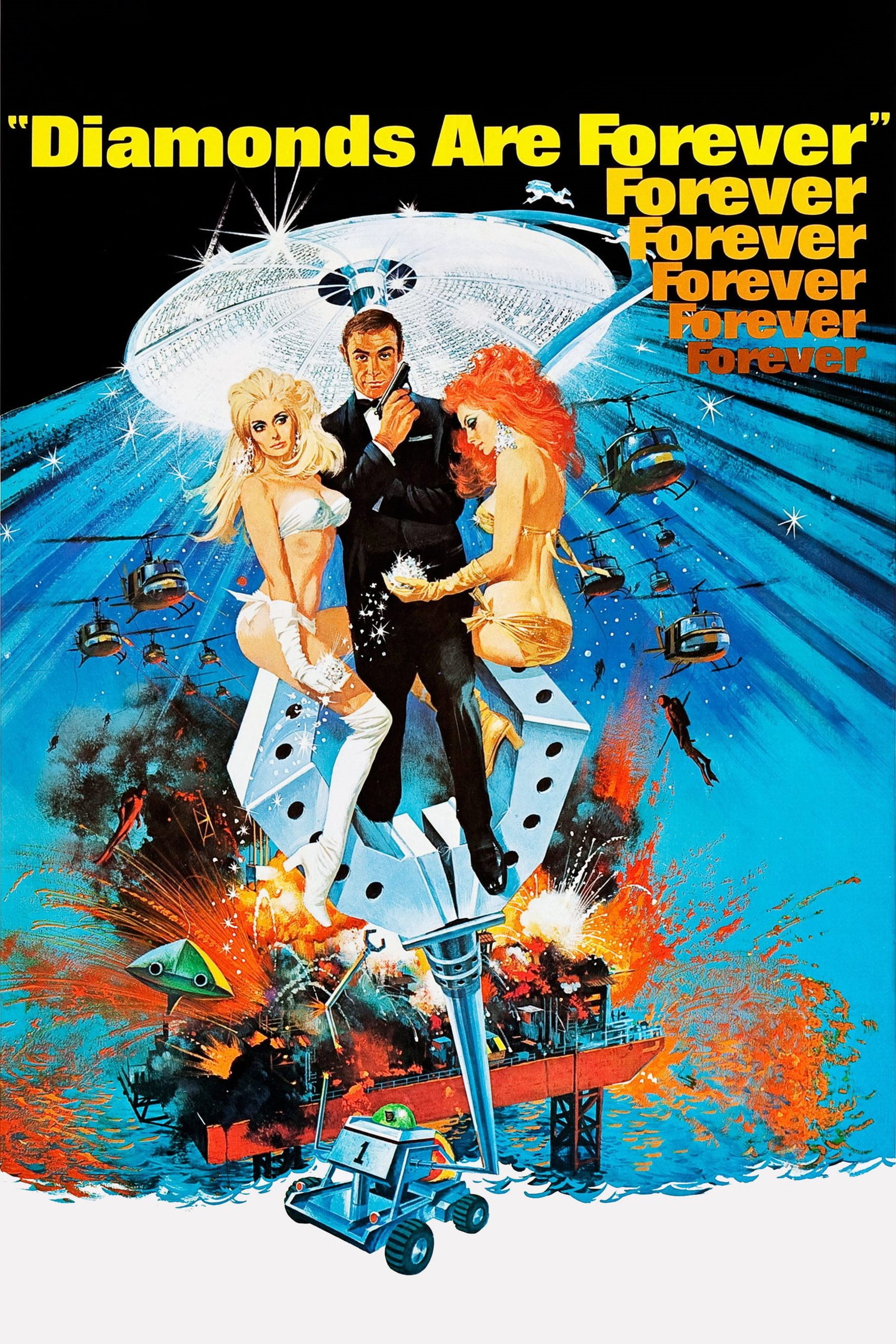
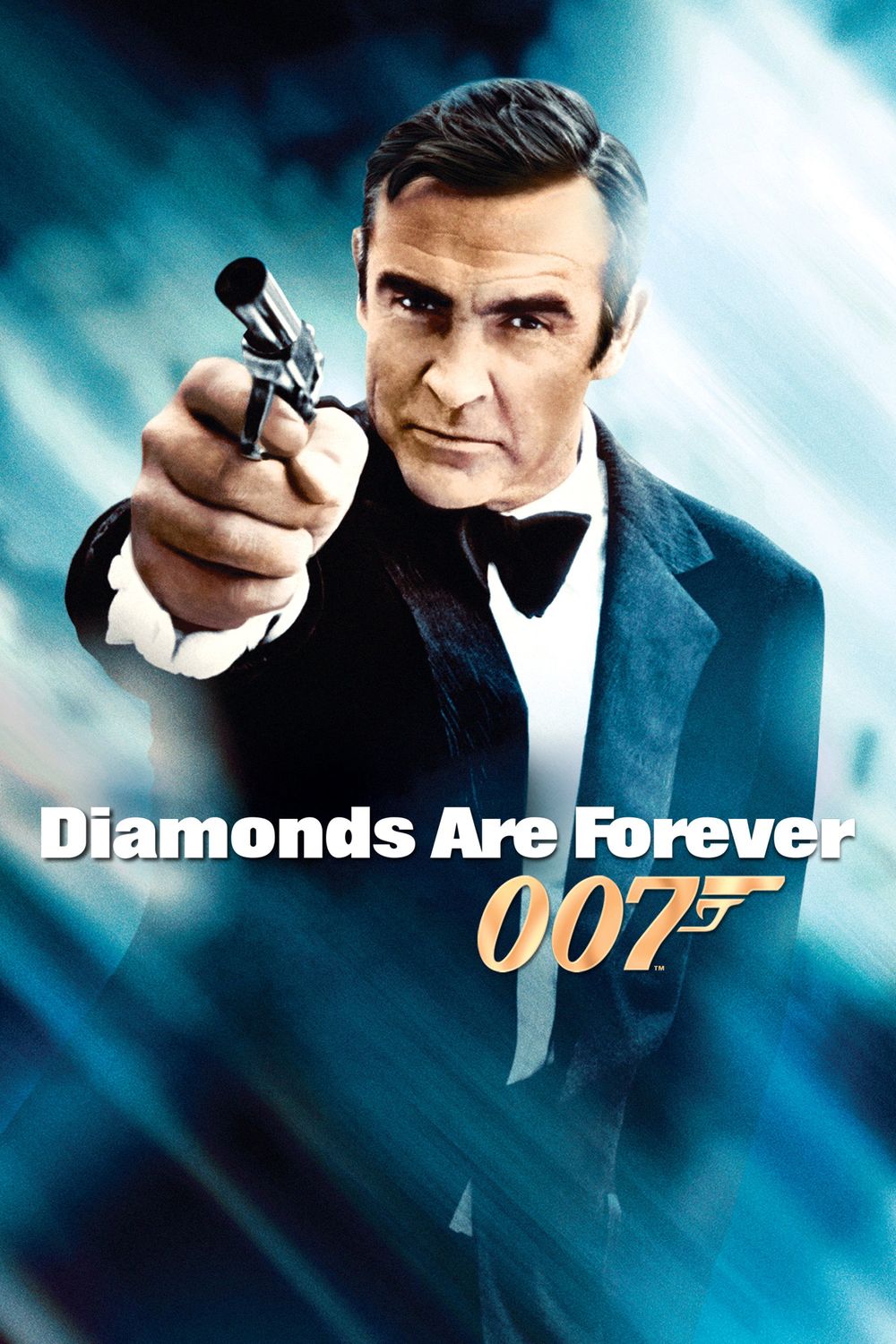
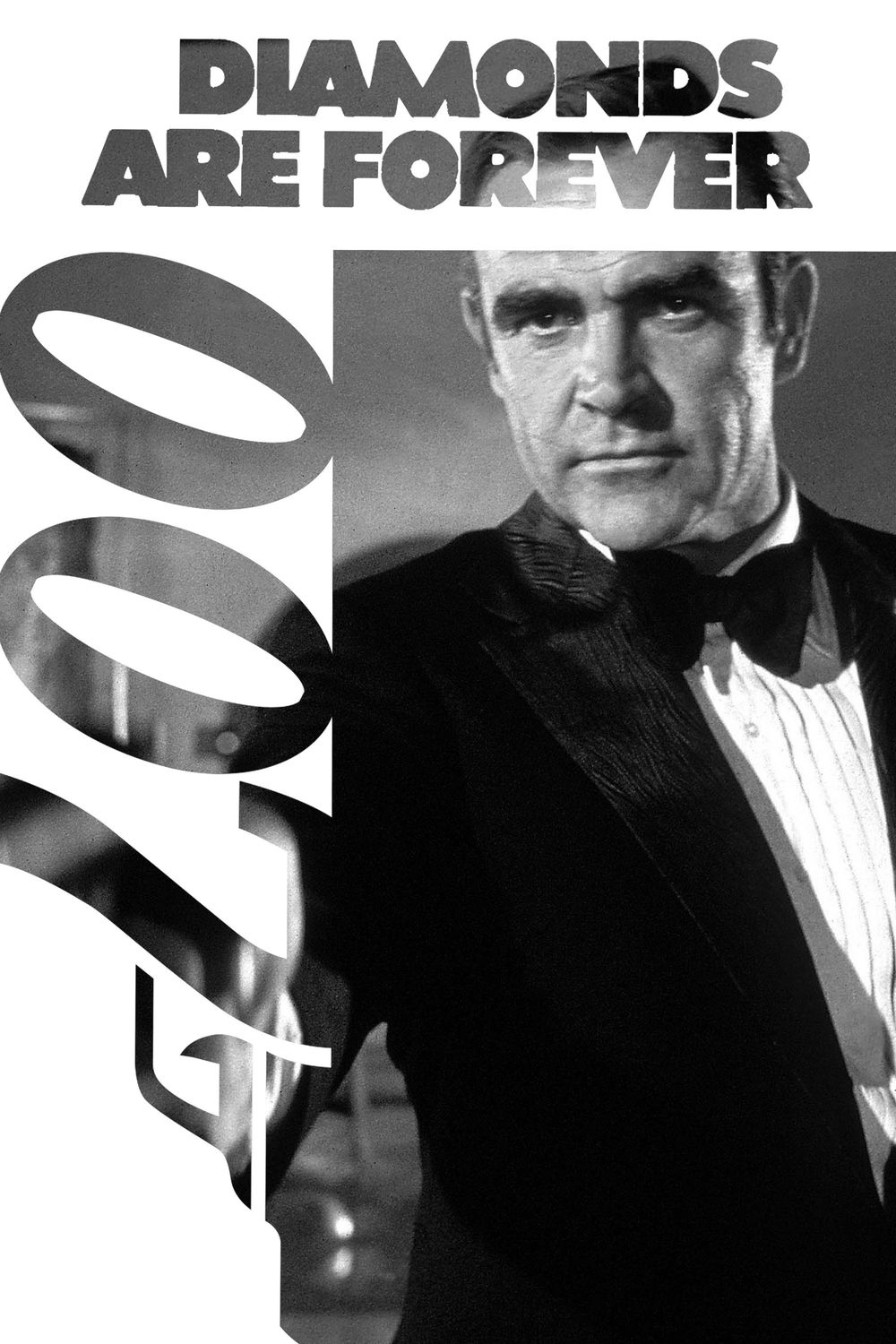
Diamonds Are Forever

1971 · Directed by Guy Hamilton · 2h 00m · MPA PG

In a sentenceConnery is back, heavier and bored, and the two men trying to kill him are having all the fun

ActionThriller

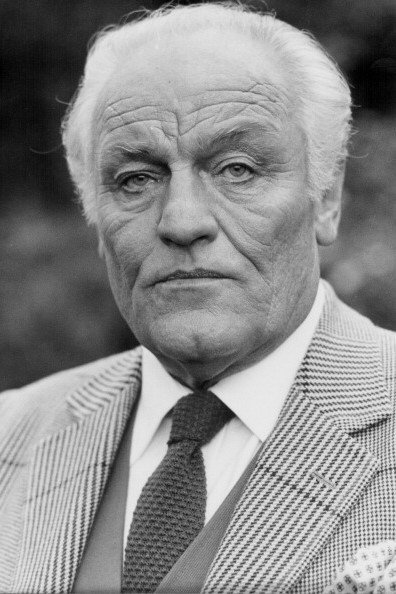
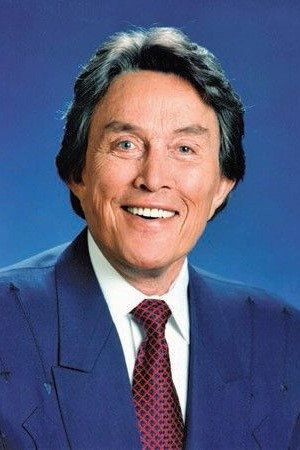
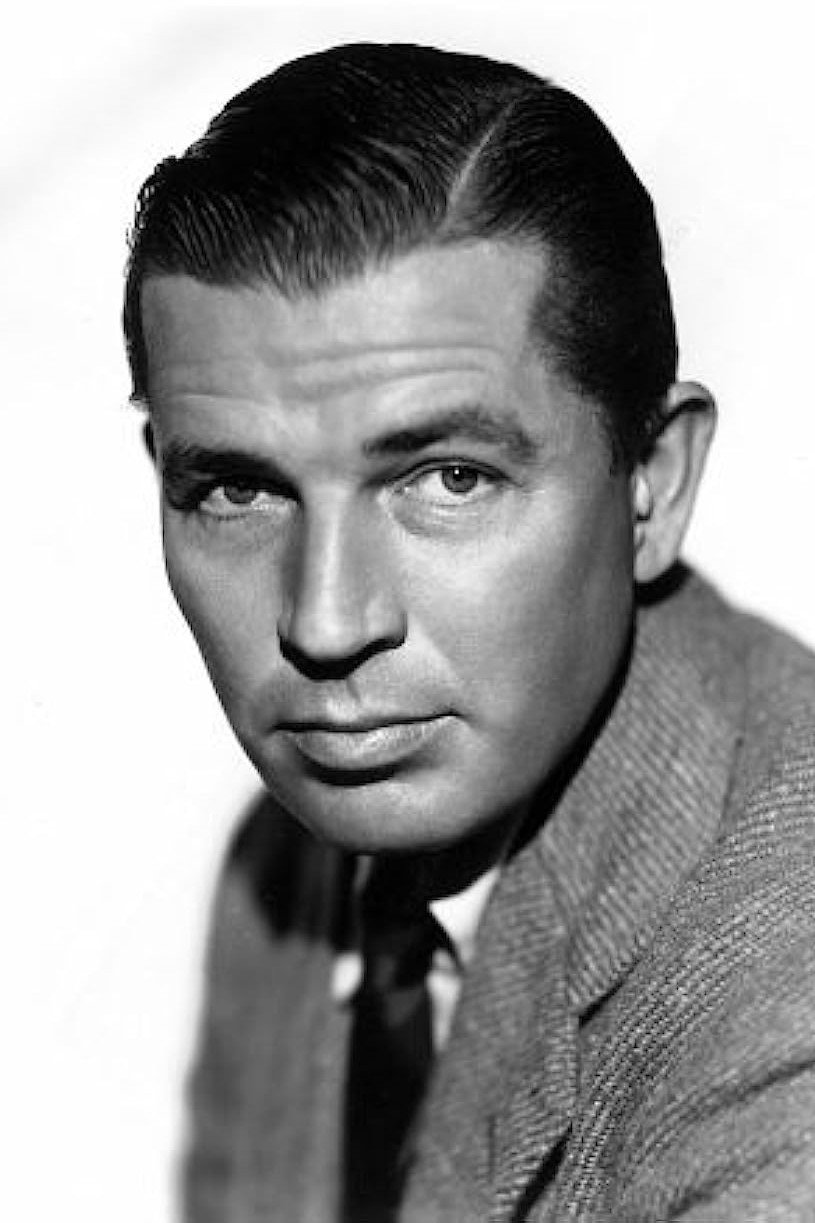
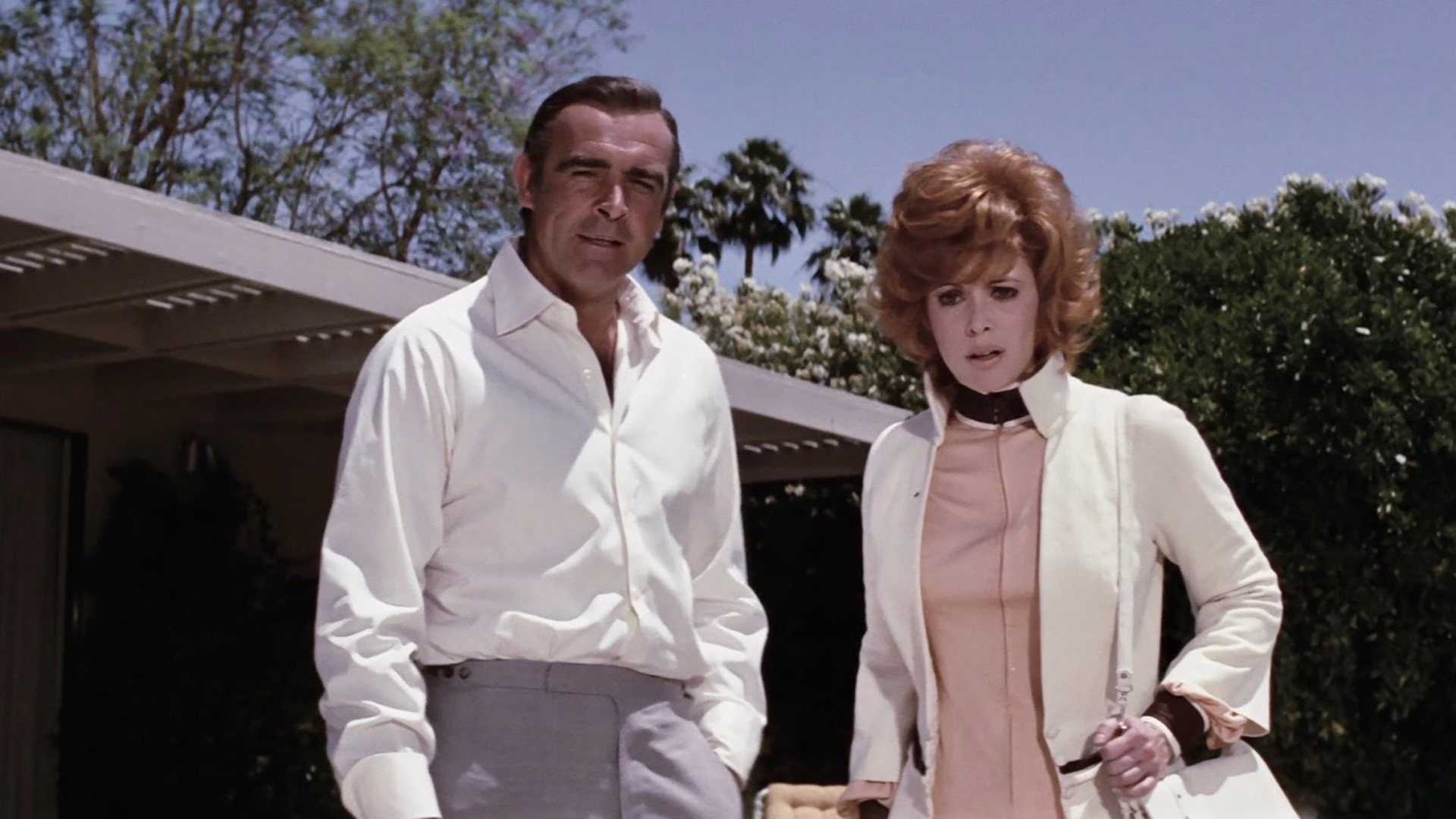
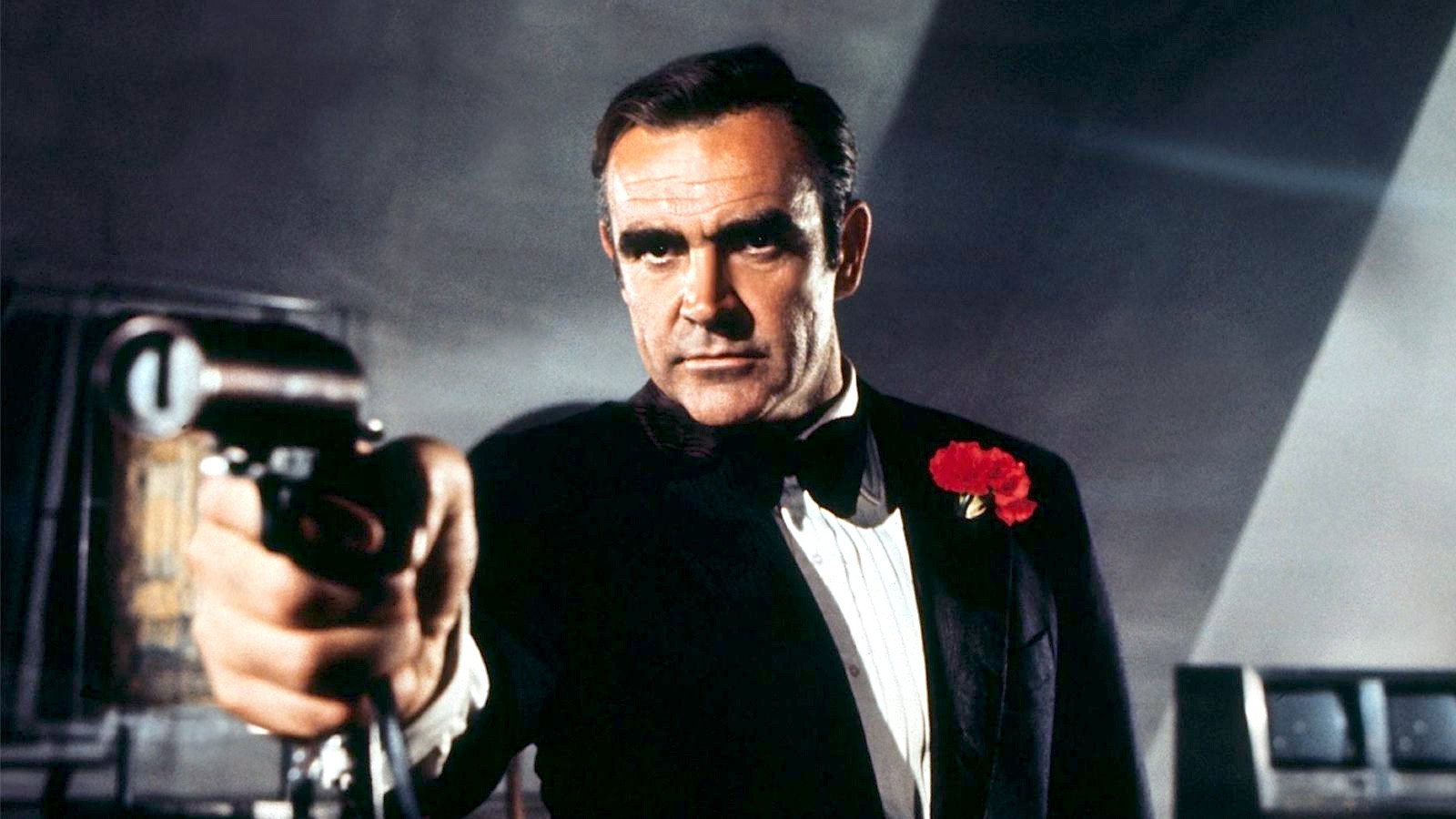
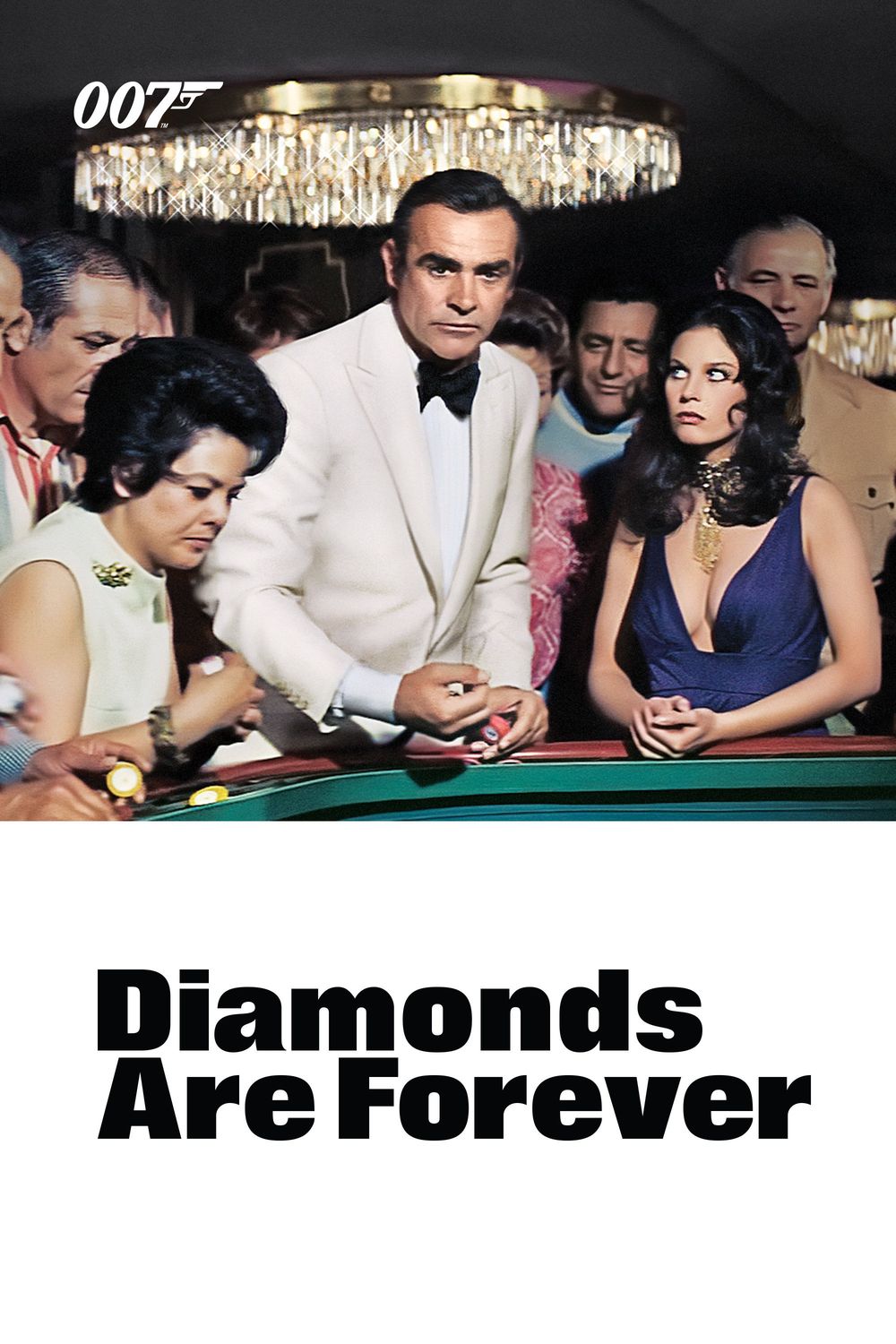
James Bond (Sean Connery) hunts Ernst Stavro Blofeld (Charles Gray) across the world and finds him in a clinic where surgeons are making doubles of the man. Back in London, M (Bernard Lee) hands him a smuggling case: diamonds are leaving South Africa through Amsterdam for the United States, and someone at the far end is hoarding them rather than selling. Bond takes the identity of a courier, Peter Franks, and presents himself to Tiffany Case (Jill St. John), the smuggler who runs the Amsterdam end. Along the pipeline, two hitmen, M. Wint (Bruce Glover) and M. Kidd (Putter Smith), are quietly killing every link in the chain. The trail leads to Las Vegas, to the casino of Willard Whyte (Jimmy Dean), a billionaire nobody has seen in years, and to Felix Leiter (Norman Burton), who is waiting for him there.

Fi1m review

Connery’s return is a shrug, and the film seems to know it. Las Vegas, John Barry and two courteous killers keep it watchable; a script that loses track of its own diamonds and a leading man going through the motions keep it from being much more.

Sean Connery had left the part after You Only Live Twice (1967); here he is back, and Diamonds Are Forever opens as if he had something to settle. Bond chases Blofeld across three countries, breaks into a clinic where surgeons are making copies of the man, and drowns the one he takes to be real in hot mud. It is a fast, cold, ill-tempered five minutes. The rest of the film is none of those things. It is a Las Vegas caper with a Bond in it, and the Bond would rather be somewhere else.

The job M (Bernard Lee) gives him is a diamond pipeline. Stones leave South Africa through Amsterdam for the United States, and somebody at the far end is hoarding them rather than selling. Bond takes the name of a smuggler, Peter Franks, meets Tiffany Case (Jill St. John), and follows the diamonds to Las Vegas and the casino of Willard Whyte (Jimmy Dean), a billionaire nobody has seen for years. Tom Mankiewicz and Richard Maibaum’s screenplay is at its best here: the lines are quick and the smuggling has a mechanism you can follow. Then the diamonds stop mattering and the film turns into the world-in-peril story the series had told before. We will not describe the last act; nobody making it seems to have believed in it.

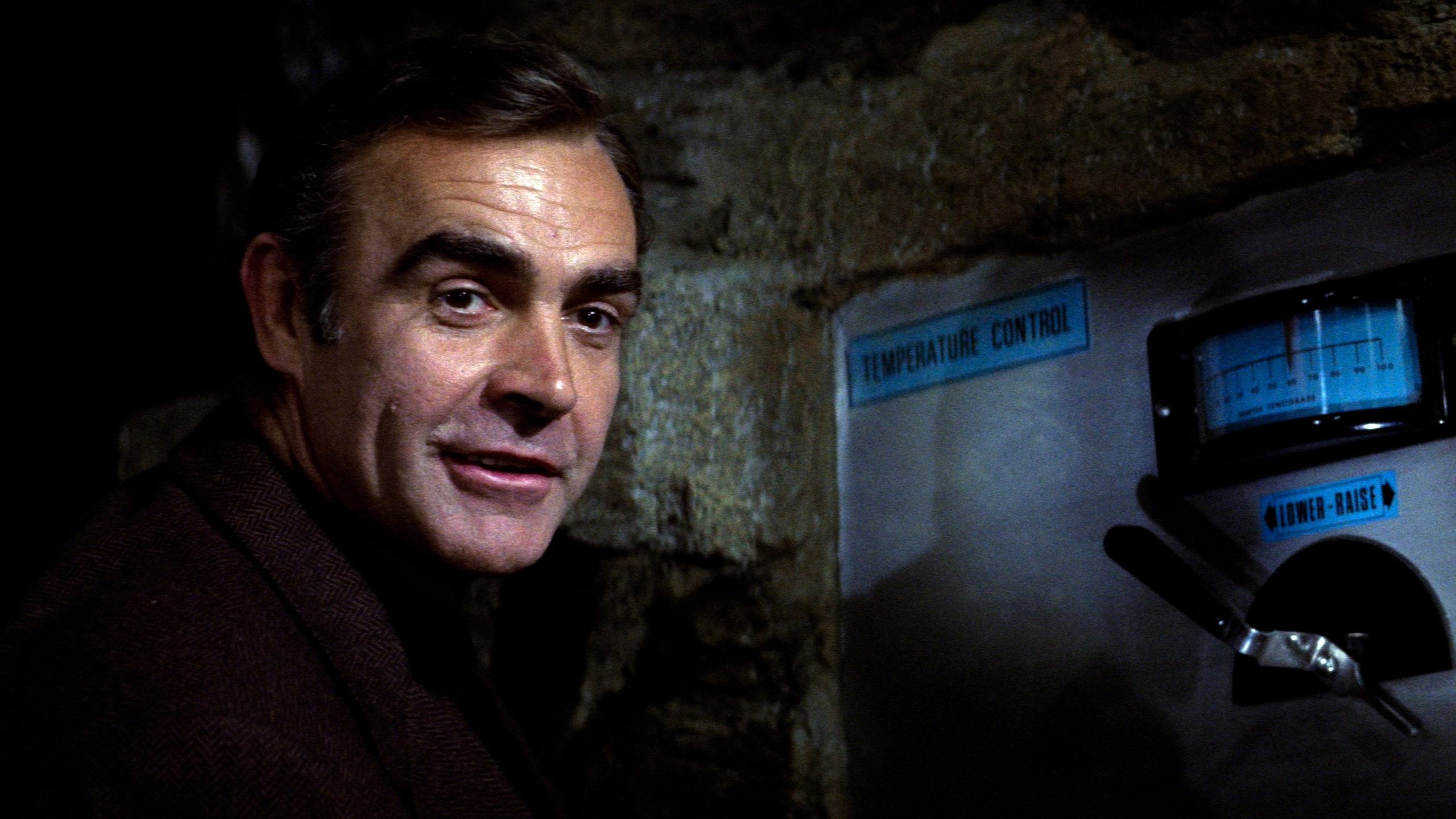
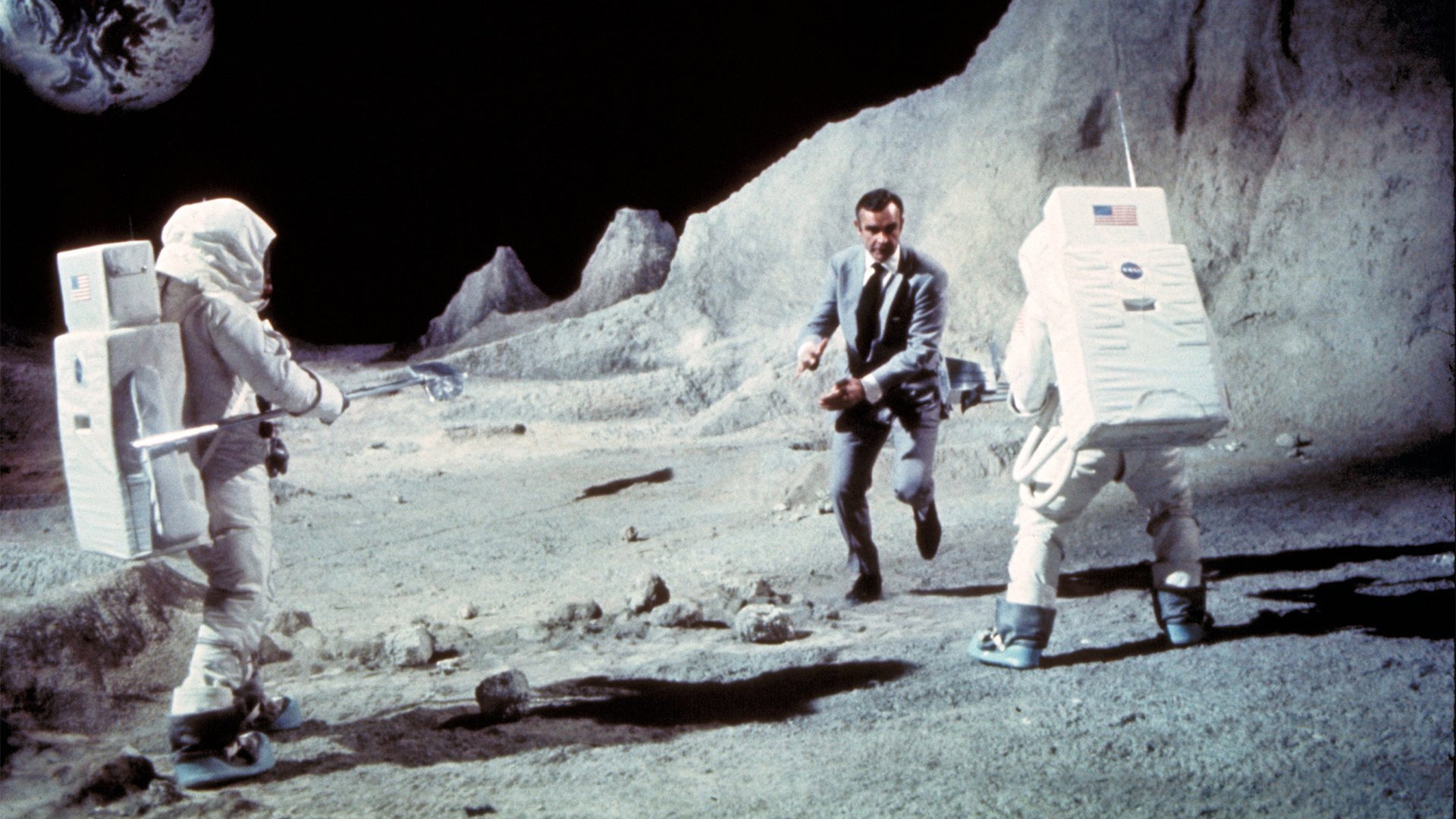
What holds it up is the furniture. Ken Adam builds a penthouse at the top of Whyte’s casino with a glass lift on the outside, and a desert laboratory with a mock moon surface inside it. Ted Moore shoots Las Vegas at night from the road, so the neon runs across car bonnets and the whole town looks wet. John Barry’s score is slower and sleepier than his work on Goldfinger (1964), strings over brass, and Shirley Bassey’s title song is the one thing here that means every word it says. Donfeld’s costumes are kind to St. John and unkind to everyone else.

The real invention is the hitmen. Bruce Glover and Putter Smith play M. Wint and M. Kidd as a couple: they hold hands, finish each other’s sentences and kill every courier on the pipeline with elaborate good manners, a scorpion down a dentist’s collar, a drowning in an Amsterdam canal. Every time they appeared we cheered up. Charles Gray plays Blofeld as a club bore explaining the wine list, and we never believed he could hurt anyone.

Connery is the problem the film cannot solve. He is heavier, greyer and plainly unbothered, delivering the dry lines with the old timing while letting somebody else do the running. The exception is the best scene in the picture: a fight with the real Peter Franks in an Amsterdam lift, two men in a box the size of a wardrobe, a fire extinguisher, broken glass, no music. It is ugly and quick and it made us sit forward as nothing else here managed. Then he goes back to leaning on things. St. John begins as the sharpest person on screen and is written down to a woman being told to stand still. Lana Wood’s Plenty O’Toole gets three scenes and one dress. Norman Burton’s Felix Leiter is a man with a clipboard.

Bert Bates and John W. Holmes cut the Las Vegas car chase properly, the Mustang tipping onto two wheels to squeeze down an alley, going in on one side and, as everybody has noticed since, coming out on the other. It is the last piece of action anyone bothered with. The later set pieces are noise without geography, and by the final half hour we were bored, and then mildly cross about being bored by something so many talented people had made.

Guy Hamilton directed Goldfinger, the film that fixed the formula, and here he runs it with the conviction taken out. Some critics have come to love it for that, as the moment the series stopped pretending and started smirking; we can see the appeal without sharing it, because a joke about tiredness is still tired. Watch the first hour, the two hitmen and the car, and put the kettle on for the rest. It runs 120 minutes and carries a PG.
Critical consensus AI synthesised

59
Positive
7
Mixed
2
Negative
4

Most critics like Diamonds Are Forever more than they admire it. Seven of the thirteen reviews are broadly positive, and the praise gathers in the same places: Sean Connery’s dry, unflappable return; the Las Vegas car chases; and a script with more good lines than the plot deserves. Several reviewers treat the film as knowing self-parody and enjoy it on those terms, calling it wry, absurd and fun rather than tense.

The reservations cluster just as neatly. Positive and negative reviews alike fault a plot that drifts away from the diamonds, a camp and unconvincing Blofeld, and a clumsy oil-rig climax. The spread is wide: Film Stories calls for the film to be reappraised as glamorous, witty spectacle, while Radio Times ranks it among the weakest Bonds and The Telegraph argues it made a fool of Connery. The contemporary reviews split the same way, with RogerEbert.com and The New York Times enjoying it and Variety finding it short of flair.

RogerEbert.com
1 January 1971 · Roger Ebert
80*

The film excels at delivering the pleasures expected from a James Bond movie, with Sean Connery perfectly embodying the unflappable, dryly witty spy. It prioritizes exhilarating moments, gadgets, and chases over a coherent plot.

Read the full review →
The Guardian
27 September 2012 · Xan Brooks
80*

The critic calls it their favourite Bond film despite its flaws, praising its jaded, uncertain tone and blackly comic moments as a fitting transition in the series.

Read the full review →
The Independent
26 February 2021 · Geoffrey Macnab
70*

The film marks a turning point toward camp, self-parodic humour and Americanised extravagance in the Bond franchise. It remains highly entertaining with chases, fights and witty lines but went too tongue-in-cheek.

Read the full review →
The New York Times
18 December 1971 · Vincent Canby
70*

The movie is a nostalgic, absurdly fun return to Bond form that knows exactly what it is doing with its gadgets, décor, and cast, including Connery and director Guy Hamilton. It offers speedy sensations and escapes rather than logic, making it comparatively benign and enjoyable escapism.

Read the full review →
Time Out
30 August 2012 · PG
70*

The critic calls it a wry and exhilarating bit of entertainment apart from a clumsy climax. They praise the self-parody, intelligent script, handling of Las Vegas locations, and Jill St. John's presence, while noting the plot's weaknesses and overly elaborate escapes.

Read the full review →
Total Film
5 July 2012 · Nick Setchfield
70*

The pre-titles deliver a vicious, vengeful tone with Connery's return; the film shifts to a low-rent Vegas setting and features a camp, incongruous Blofeld performance amid the series' ongoing adventures.

Read the full review →

Cast

Awards

Academy Awards, 1972

Nominated
Best Sound

If you liked this, try…

Goldfinger poster82

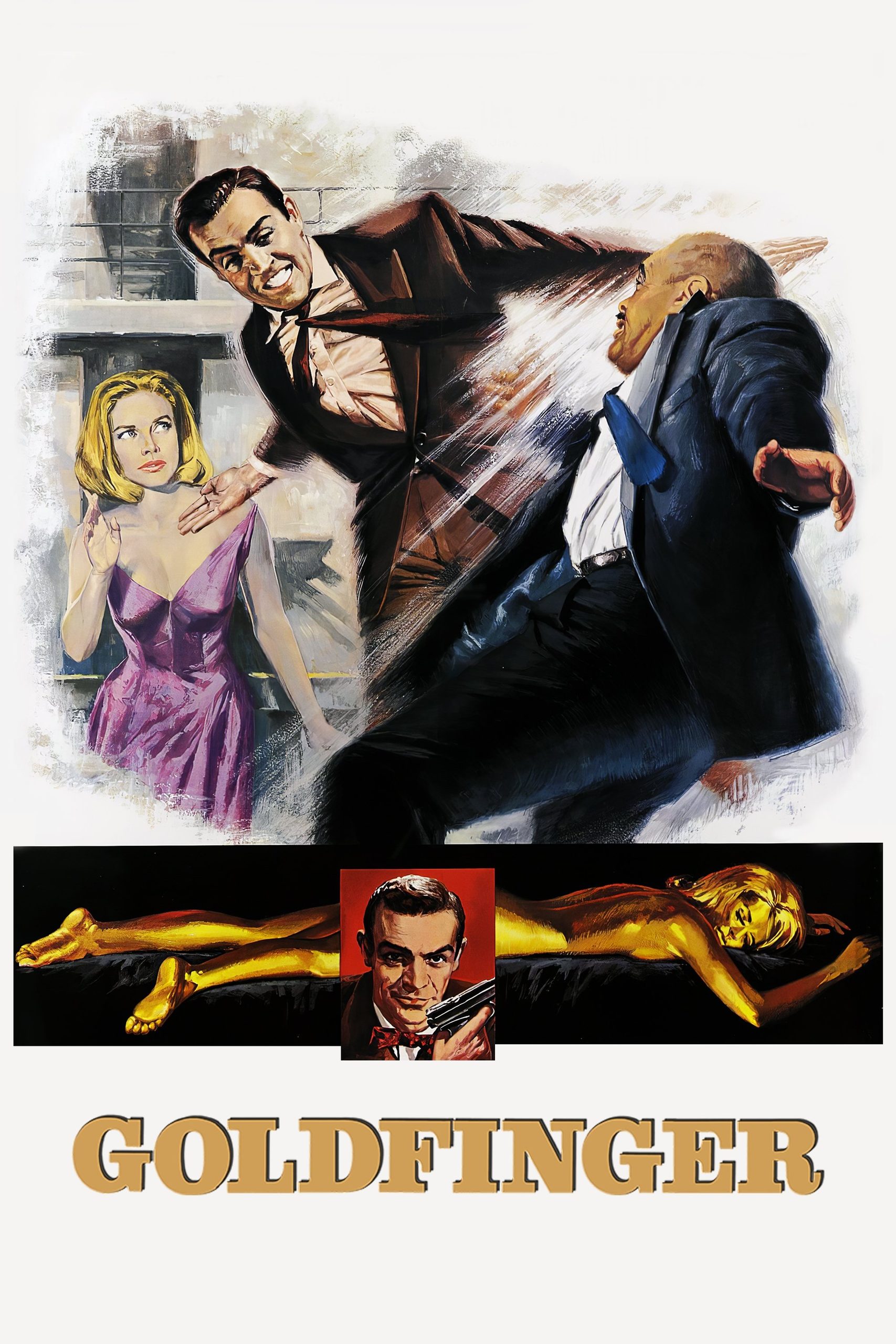
Goldfinger

1964 · Hamilton and Connery when both still believed in it; the formula, freshly minted.

Danger: Diabolik poster

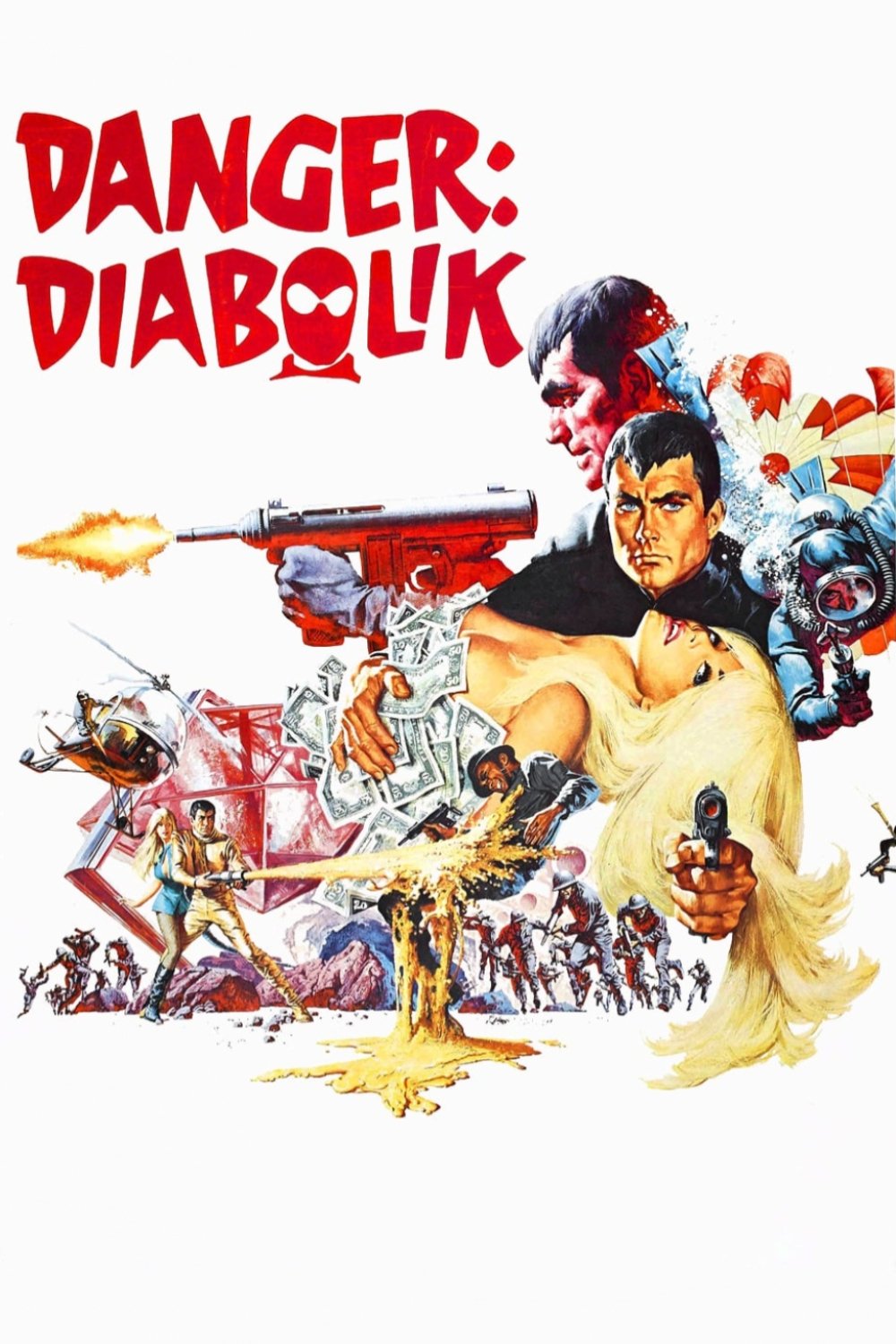
Danger: Diabolik

1968 · Mario Bava’s comic-strip thief; Italian pop-art glamour that Vegas here only imitates.

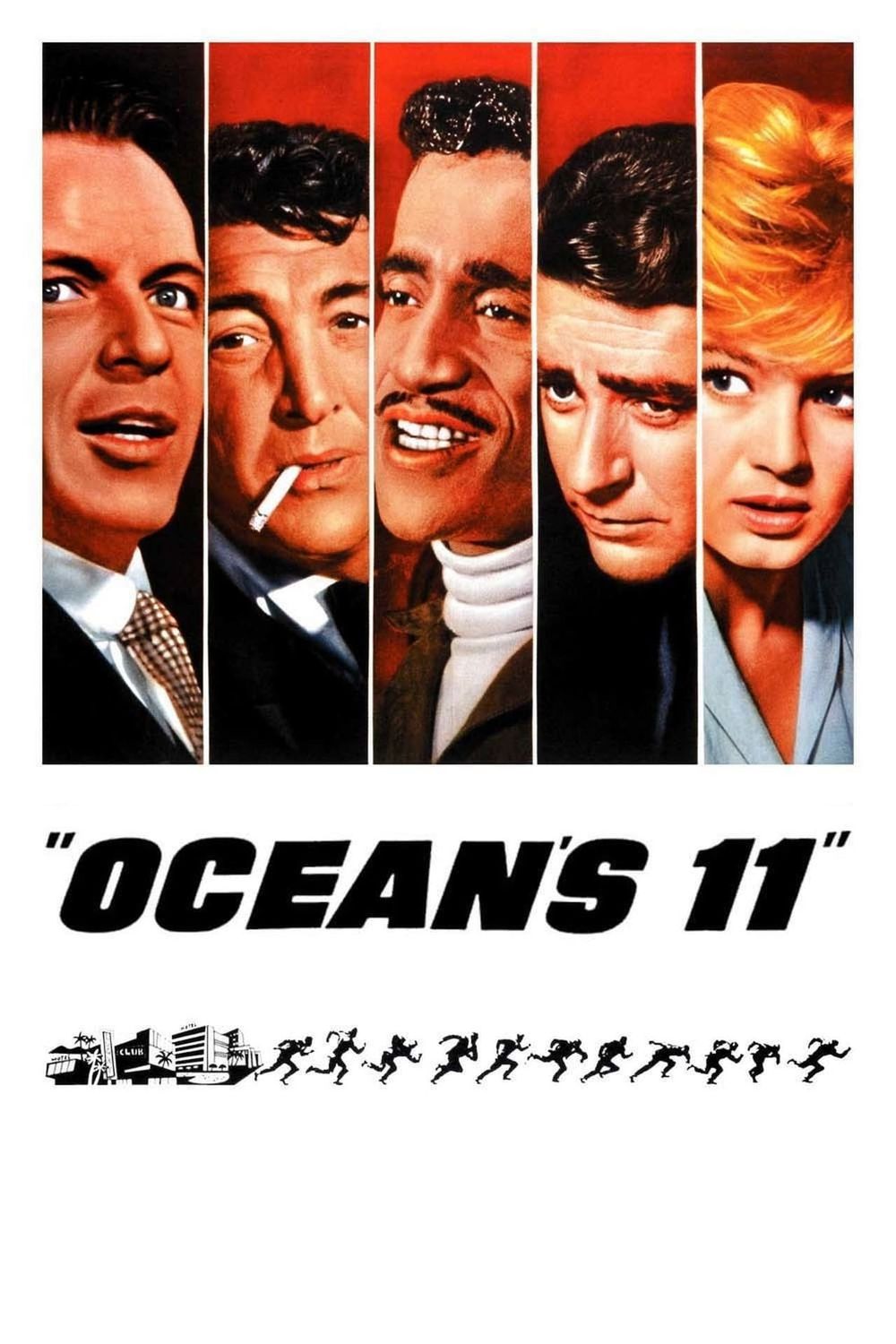
Ocean's Eleven poster

Ocean's Eleven

1960 · Sinatra’s crew rob five casinos in one night; the Strip before the neon got tired.

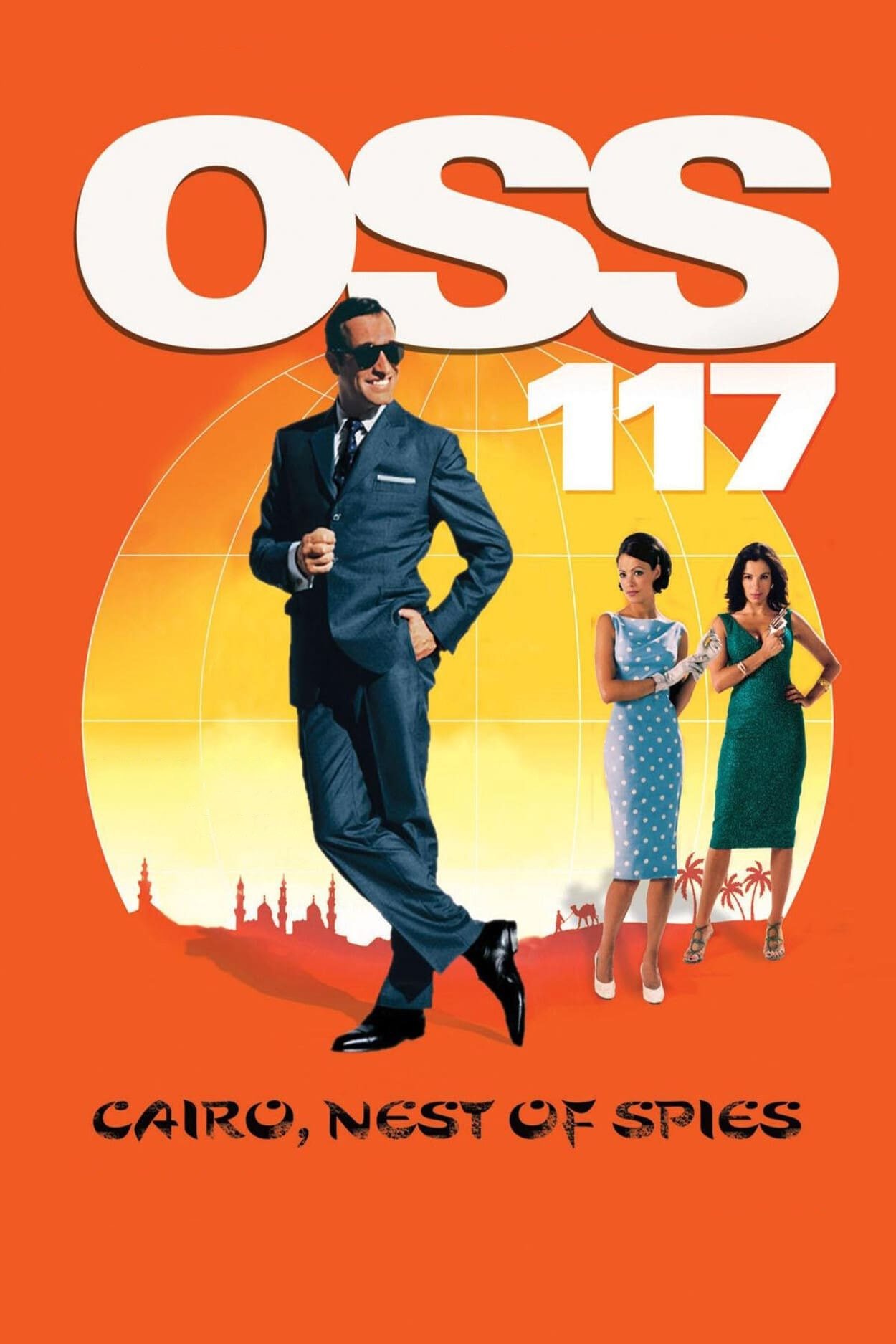
OSS 117: Cairo, Nest of Spies poster

OSS 117: Cairo, Nest of Spies

2006 · A French spy spoof that does the smirk with far better timing.

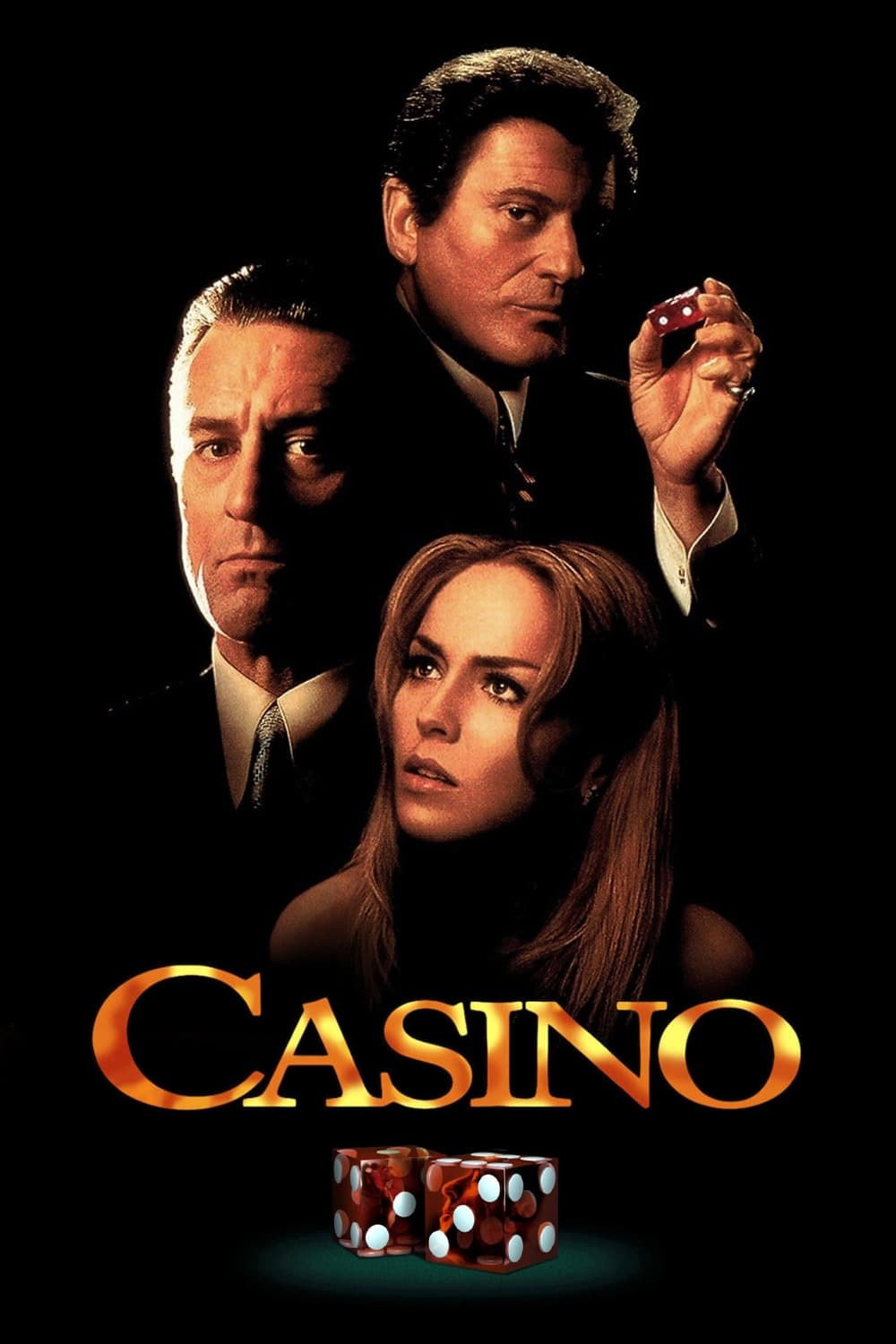
Casino poster82

Casino

1995 · Scorsese’s Las Vegas, where the money is real and everyone pays for it.