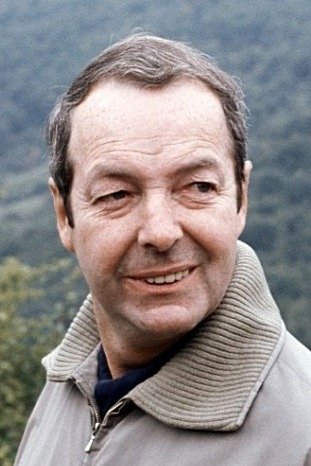
Guy Hamilton did not invent James Bond, but he decided what a Bond film should feel like: fast, comic, never quite serious, every set piece built to be talked about afterwards. Goldfinger (1964) set the recipe; nothing he made afterwards changed it.
Fi1m perspective
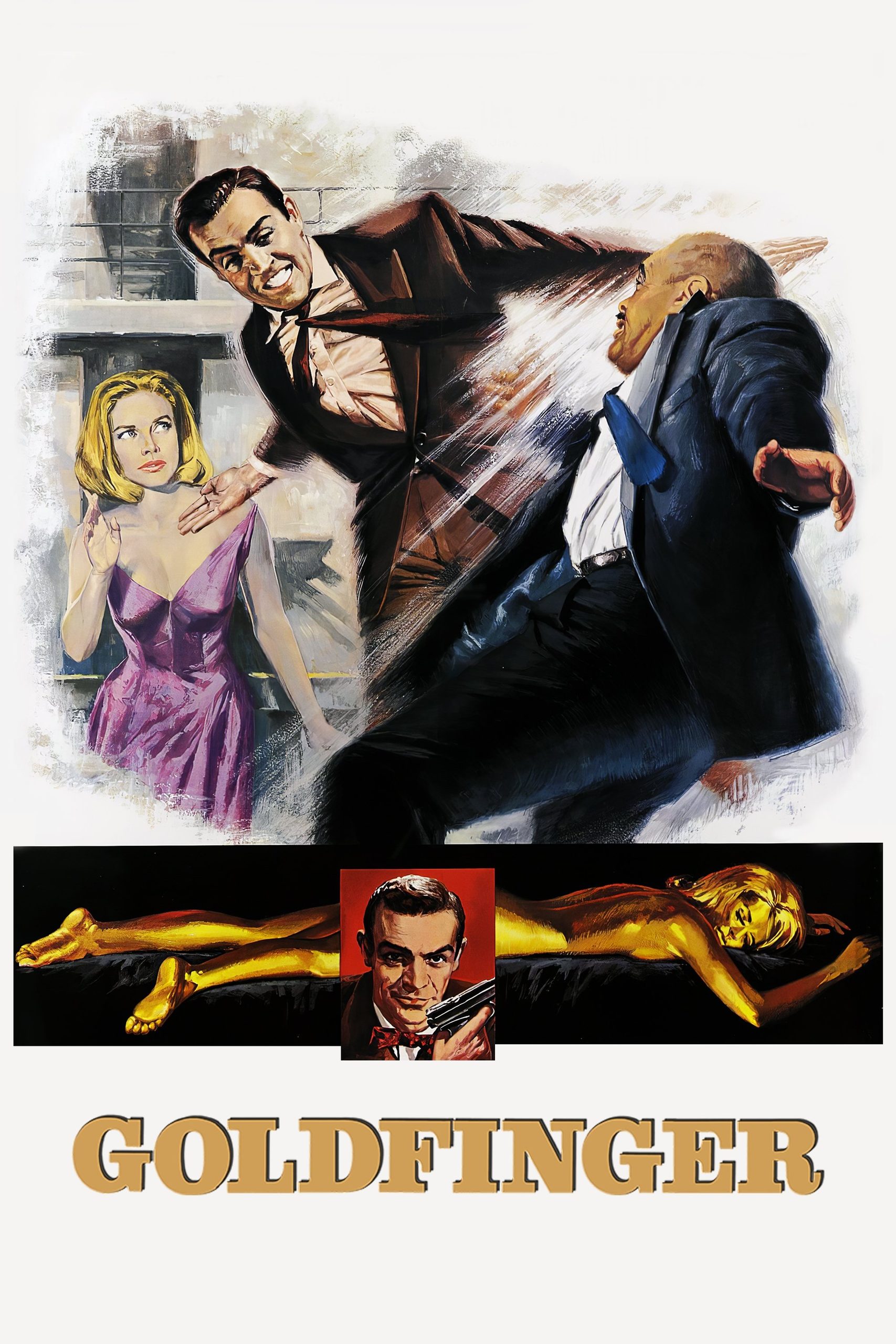
A villain has the hero at his mercy and would rather talk. He explains himself, at length, because the explaining is the fun, and the fun is what Guy Hamilton was hired to supply. Sean Connery had played James Bond twice before Goldfinger (1964); Hamilton took over the chair, kept the man and threw away most of the anxiety. What was left was a comic thriller in which nothing is quite serious and every set piece is built to be talked about afterwards. The series has run on that recipe for sixty years.
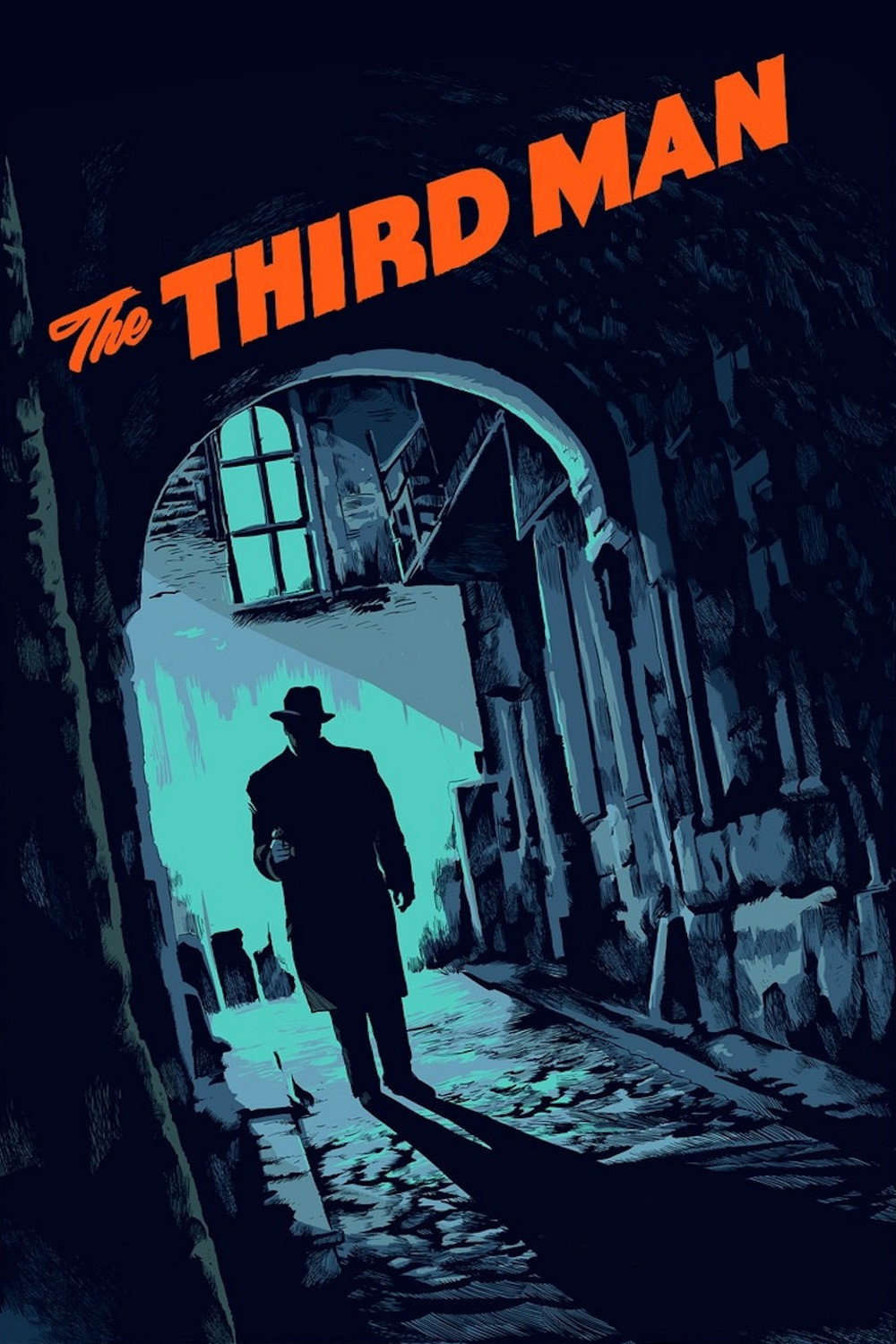
He came to it the long way. He started as a clapper boy in the studios at Nice in 1938, and after the war he learned the trade as an assistant director, three times to Carol Reed; his credits from those years include The Fallen Idol (1948), The Third Man (1949) and The African Queen (1951). That is where you learn how a large picture is run, and it shows: he never lost his grip on a crowd, even on something the size of Battle of Britain. His own debut was The Ringer (1952). The Colditz Story (1955), a prisoner-of-war film that keeps the jokes and the tension in the same cell, is the Bond blend before anyone had heard of Bond, and The Best of Enemies (1961) is where the appetite for the intricate set piece first shows.
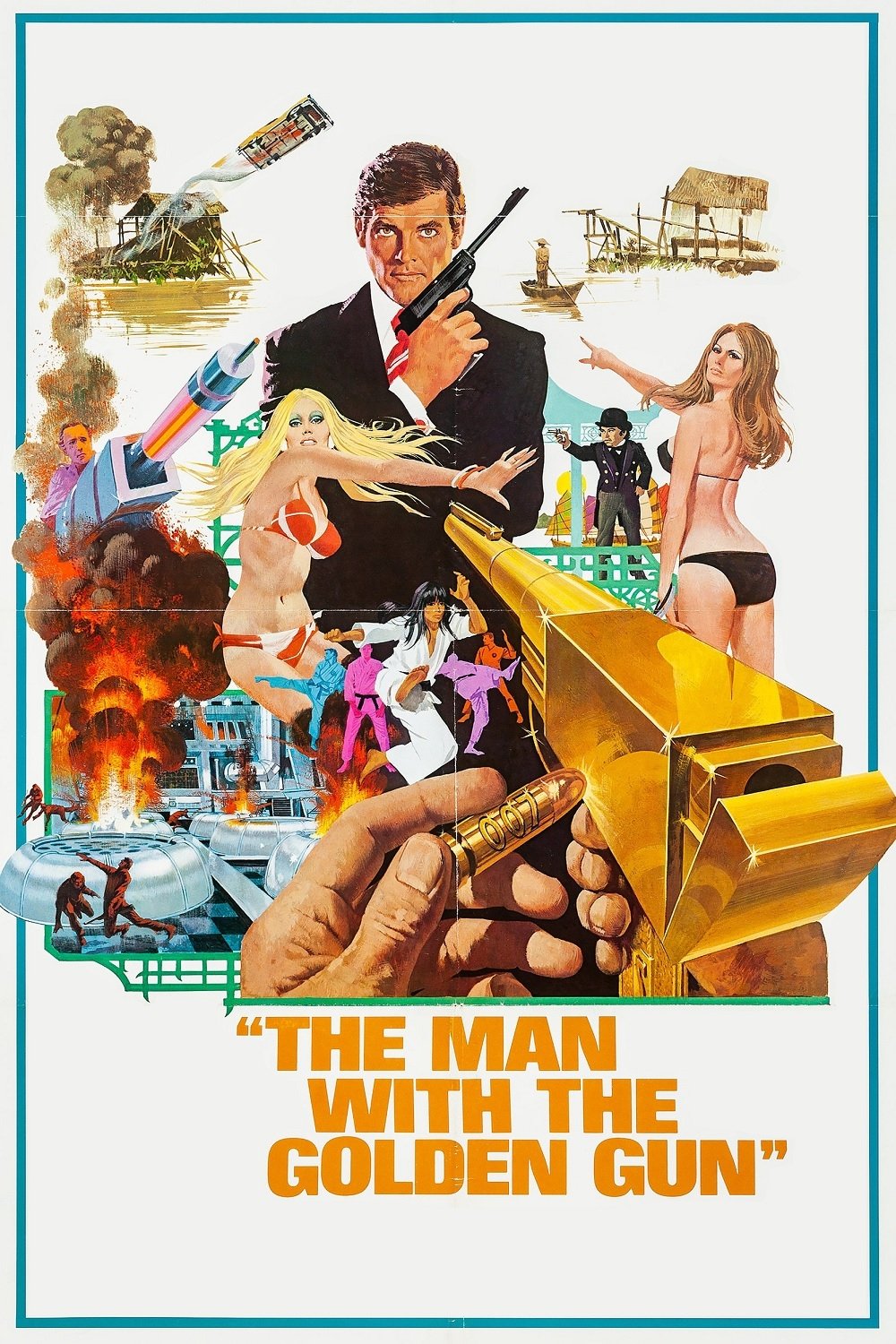
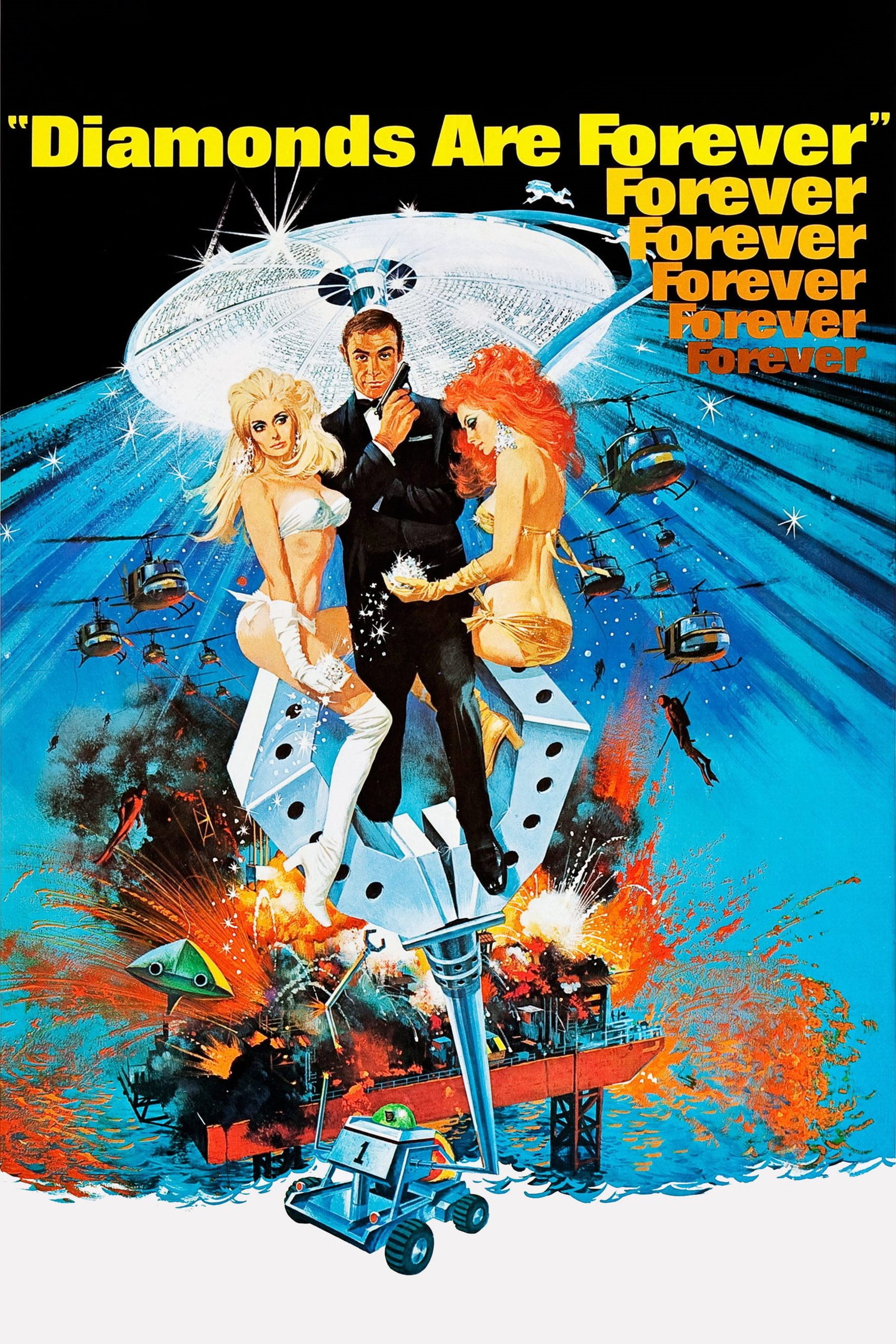
The Bonds came in two stretches. After Goldfinger he stepped away, then returned for Diamonds Are Forever (1971), a gadget-heavy comeback for Connery, and stayed to introduce Roger Moore in Live and Let Die (1973) and to relax him in The Man with the Golden Gun (1974). Hamilton once said that "after one Bond, you should walk away from it, charge your batteries, and then come back if you have something to say." He walked away once and came back three times.
We still enjoy Goldfinger more than any of the early ones, and we still wince at how it treats its women. Both come from the same man: he took nothing seriously, and that included the women. Seriousness was never his mode, and when a film needed it he had nothing to reach for. Force 10 from Navarone (1978) is colourless, and by Remo Williams: The Adventure Begins (1985) the blockbusters had become the whole of his reputation. Critics stopped looking back at the fifties films, which is unfair on An Inspector Calls (1954) and Colditz, the work the tuxedo has hidden.
Start with Goldfinger, which at 110 minutes is still the most enjoyable of the early Bonds. If the recipe suits you, the three from the seventies serve it warmer. Hamilton knew his batteries needed charging after one; he also knew a good offer when it came.
Biography
Guy Hamilton (16 September 1922 – 20 April 2016) was an English film director. Born in Paris to English parents, he began working in the film industry in the late 1930s and served in the Royal Navy during the Second World War.
After the war he worked as an assistant director to Carol Reed on films including The Fallen Idol (1948) and The Third Man (1949). He made his directorial debut with The Ringer (1952) and went on to direct 22 films, among them four James Bond entries: Goldfinger (1964), Diamonds Are Forever (1971), Live and Let Die (1973) and The Man with the Golden Gun (1974). Other notable credits include The Colditz Story (1955), Battle of Britain (1969), Force 10 from Navarone (1978) and Evil Under the Sun (1982).
Hamilton was married to actress Naomi Chance from 1953 until their divorce; he later married actress Kerima.