The third Bond film is where the series found its shape: the car, the song, the sets, the villain who explains himself. It is confident, fast and often funny, and it treats its women worse than we can quite laugh off.
Sean Connery had played James Bond twice before Goldfinger, and Guy Hamilton, taking over as director, kept the man and threw away most of the anxiety. What remains is a comic thriller in which nothing is quite serious and every set piece is built to be talked about afterwards. That is the Bond formula as it has run for sixty years, and this is the film that set it. It is still, at 110 minutes, the most enjoyable of the early ones.
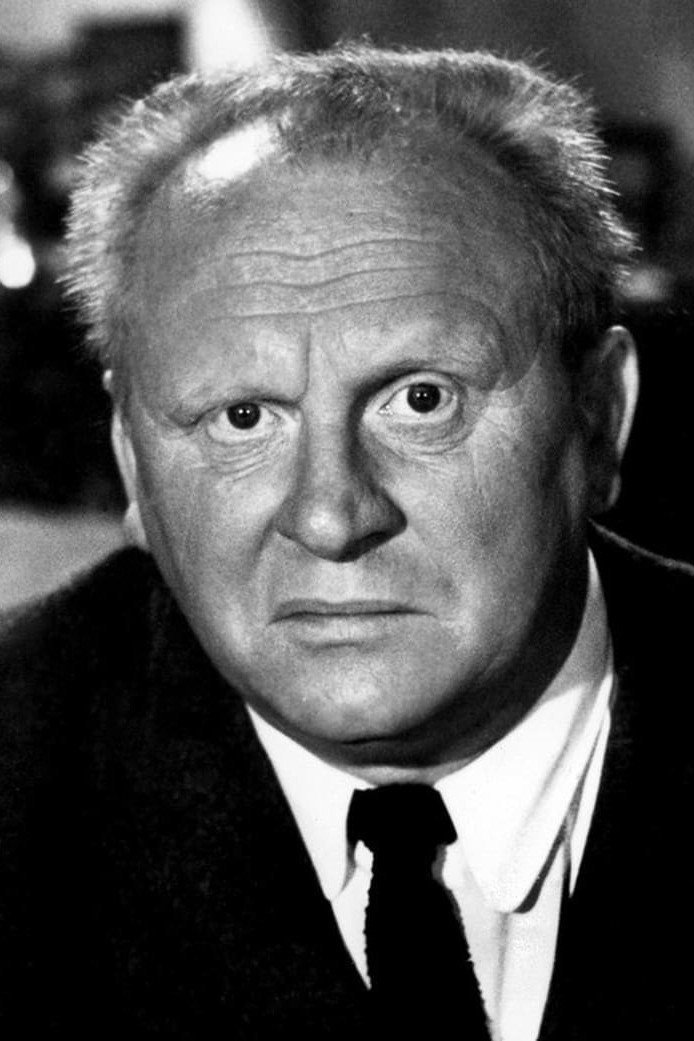
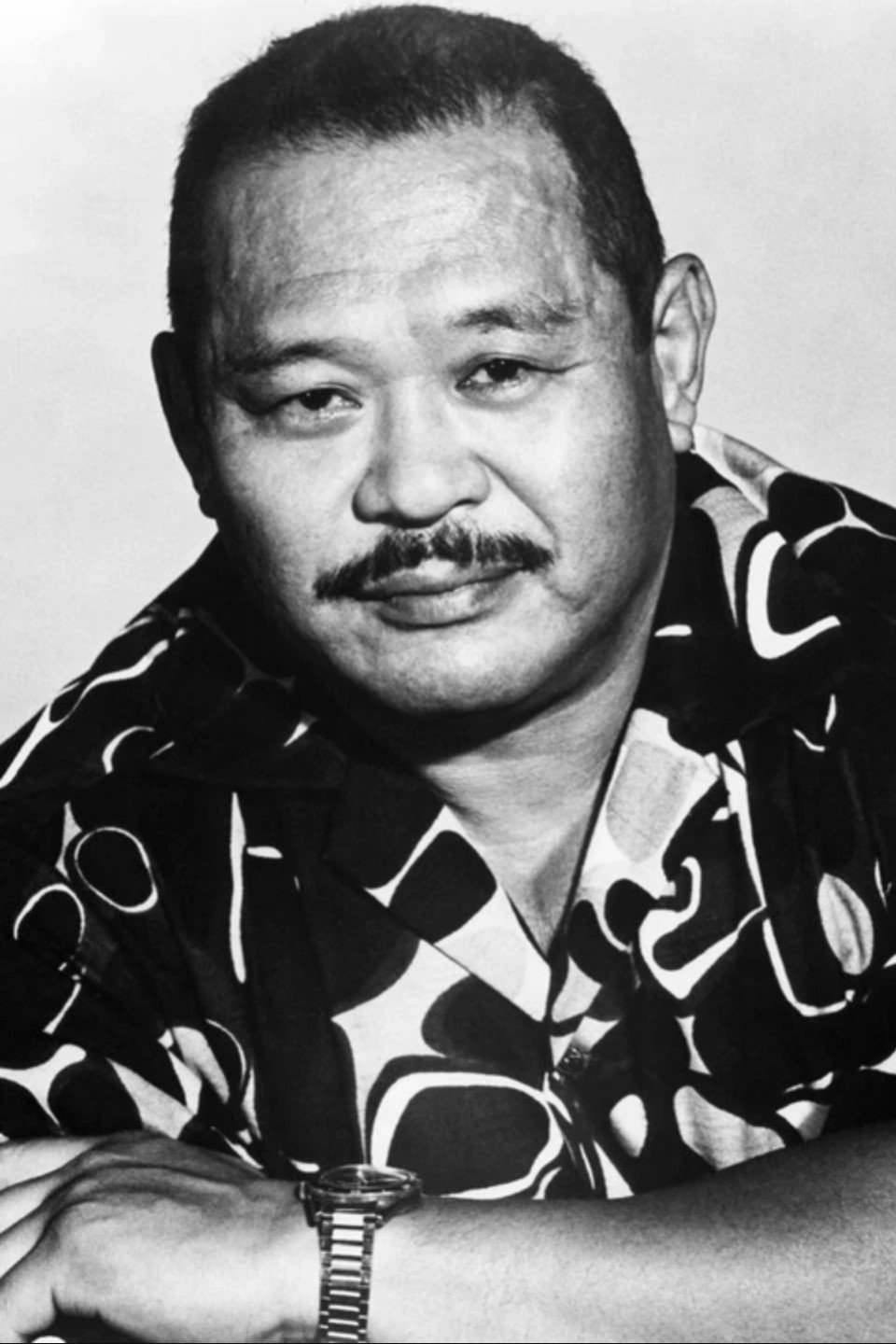
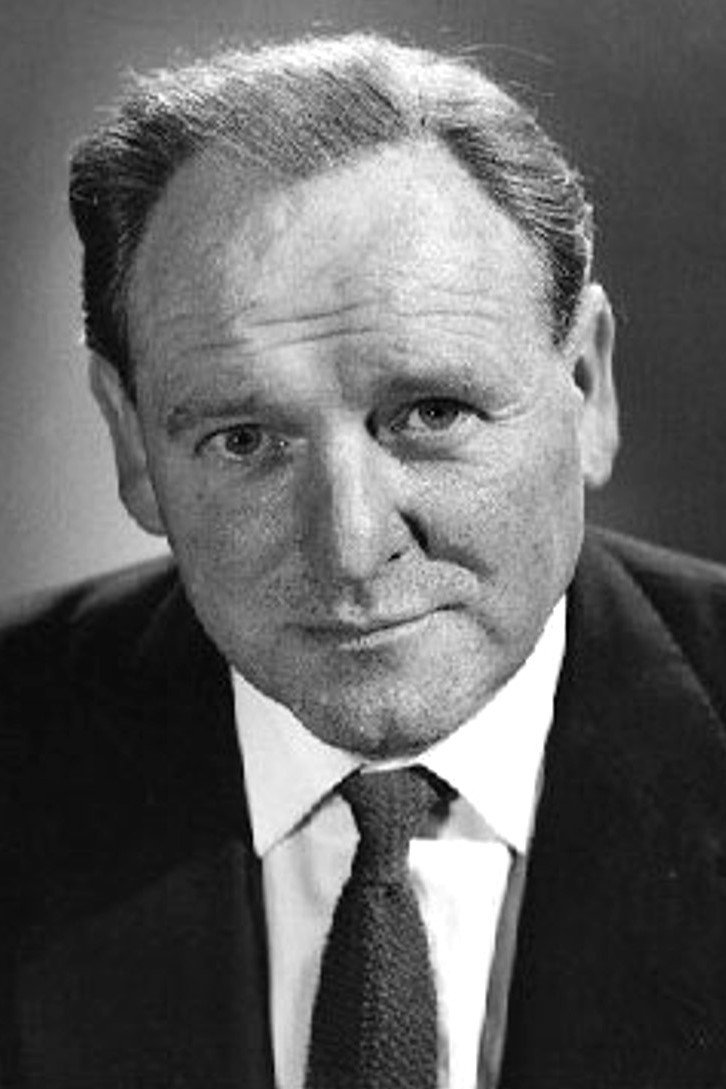
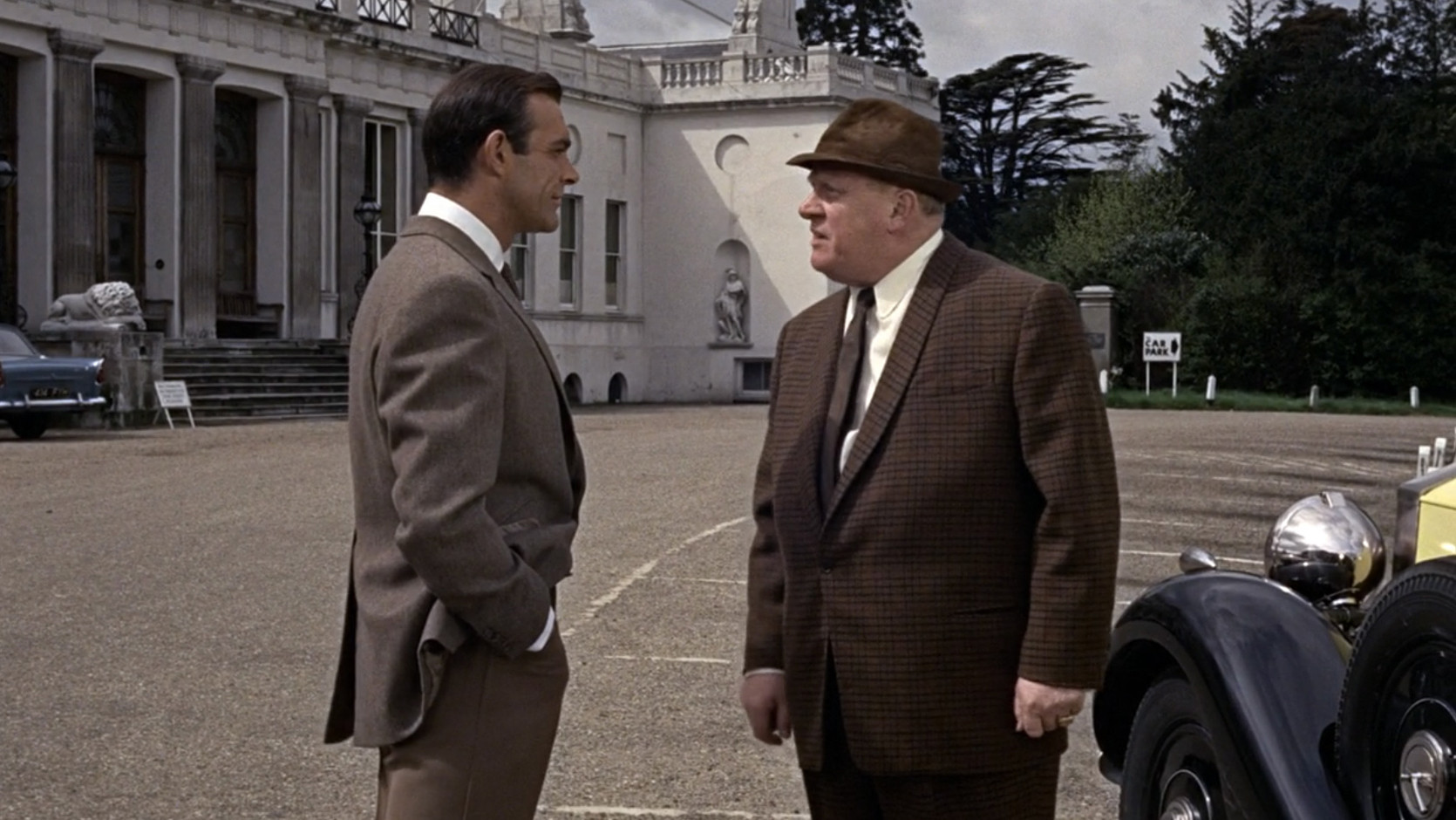
Gert Fröbe’s Goldfinger is the best thing in it. He is a large, soft, pink man who does not run, fight or raise his voice, and Paul Dehn and Richard Maibaum’s script gives him a single trait: he cannot bear to lose, so he cheats, at cards, at golf, and eventually at world finance. The golf match is a long scene about two men being polite to each other, and funnier than most of the film’s jokes. Harold Sakata’s Oddjob, with the bowler hat that takes the head off a statue, never speaks and is frightening from his first shot. He smiles when he hurts people, and the smile is worse than the hat.
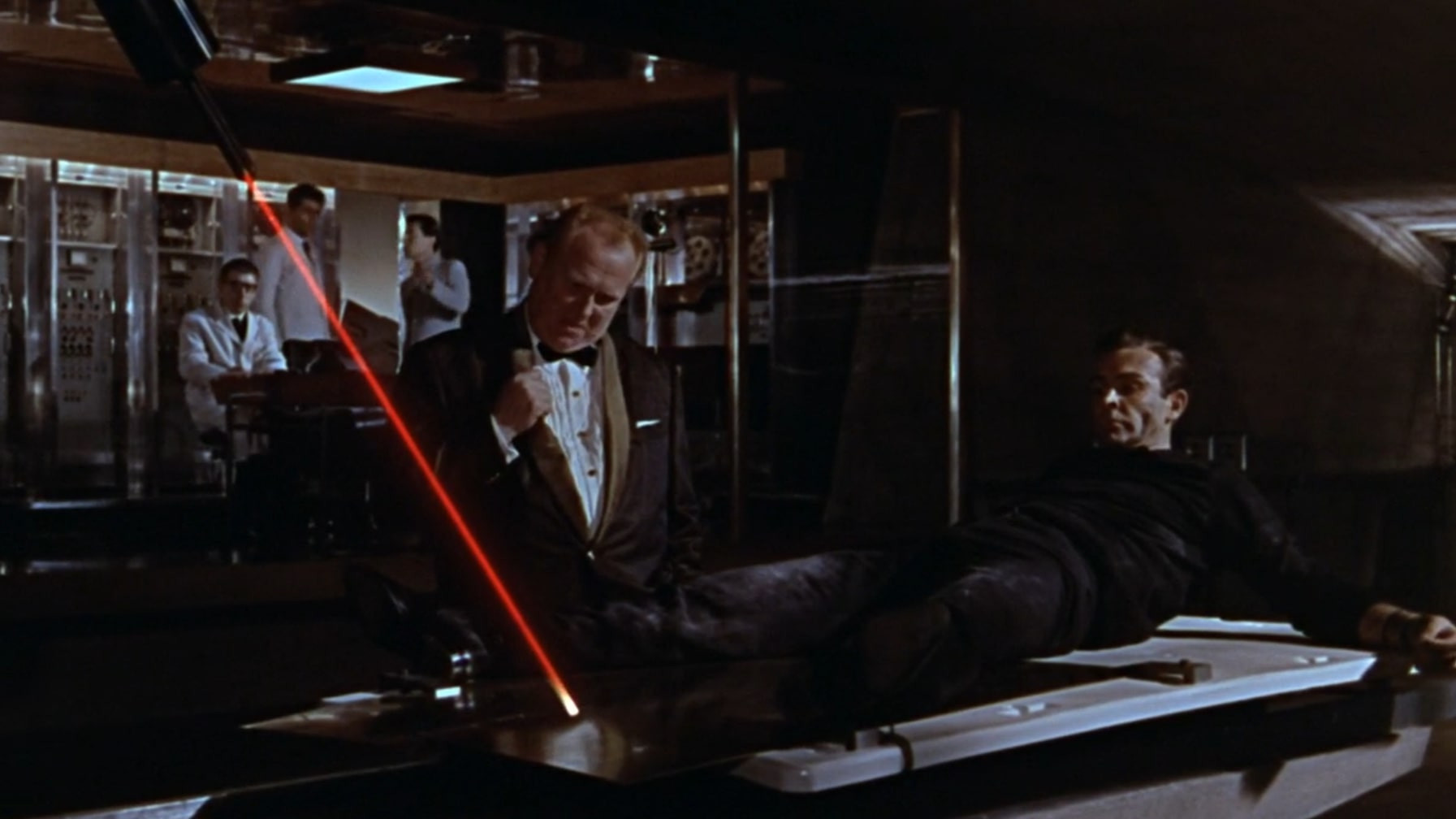
Ken Adam built the rooms these men live in, and the best of them is the laser room: a slab, a beam and a clock face of light on the ceiling, which Ted Moore lights so the beam is the only red thing in a white and grey space. Bond is strapped to the table, the beam starts between his ankles and creeps towards him, and John Barry’s brass climbs a step at a time behind it. We knew exactly how it would end and we still tensed, and what did it was Peter R. Hunt’s cutting, which holds on the beam a beat longer than is comfortable each time we return to it.
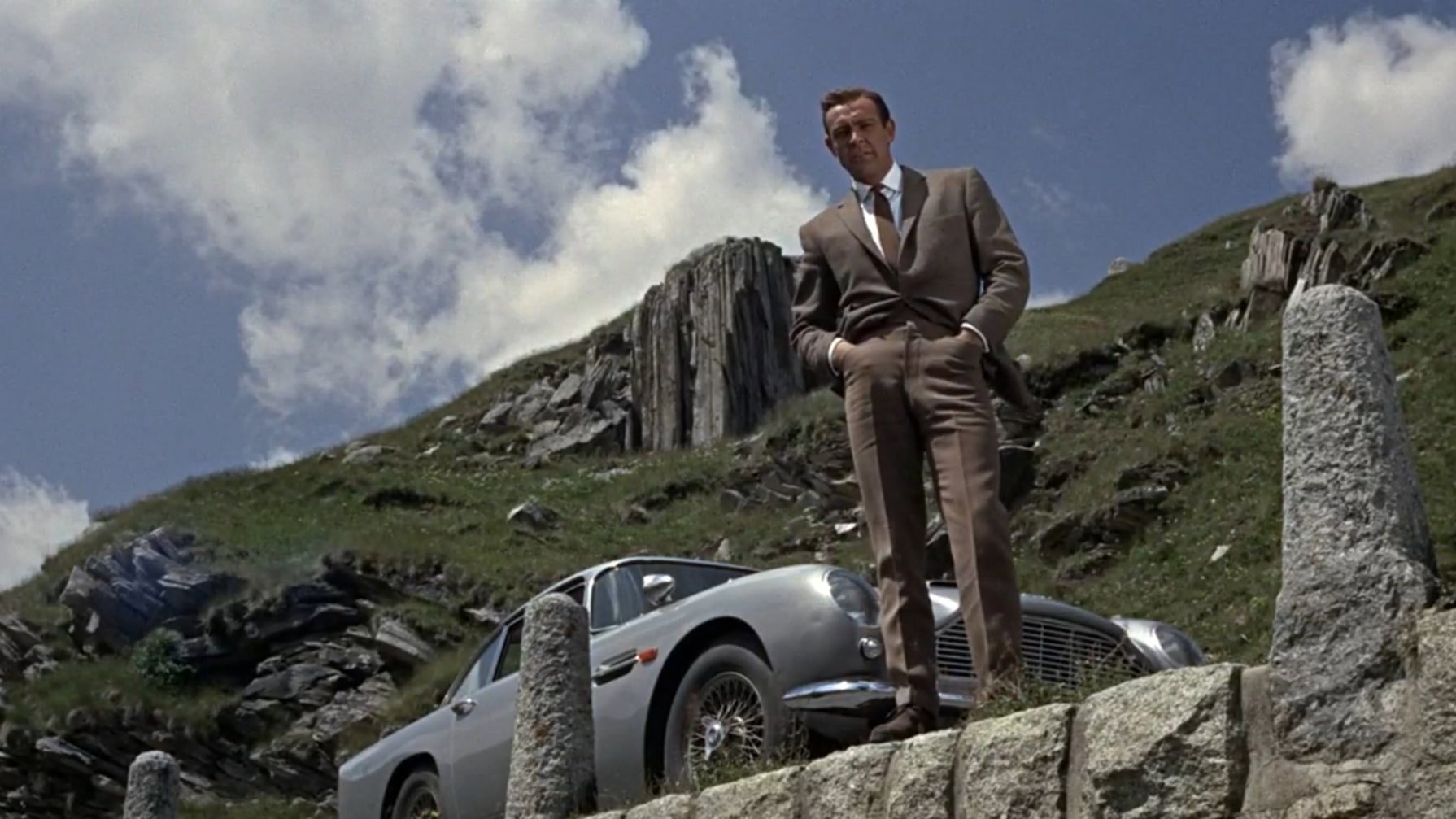
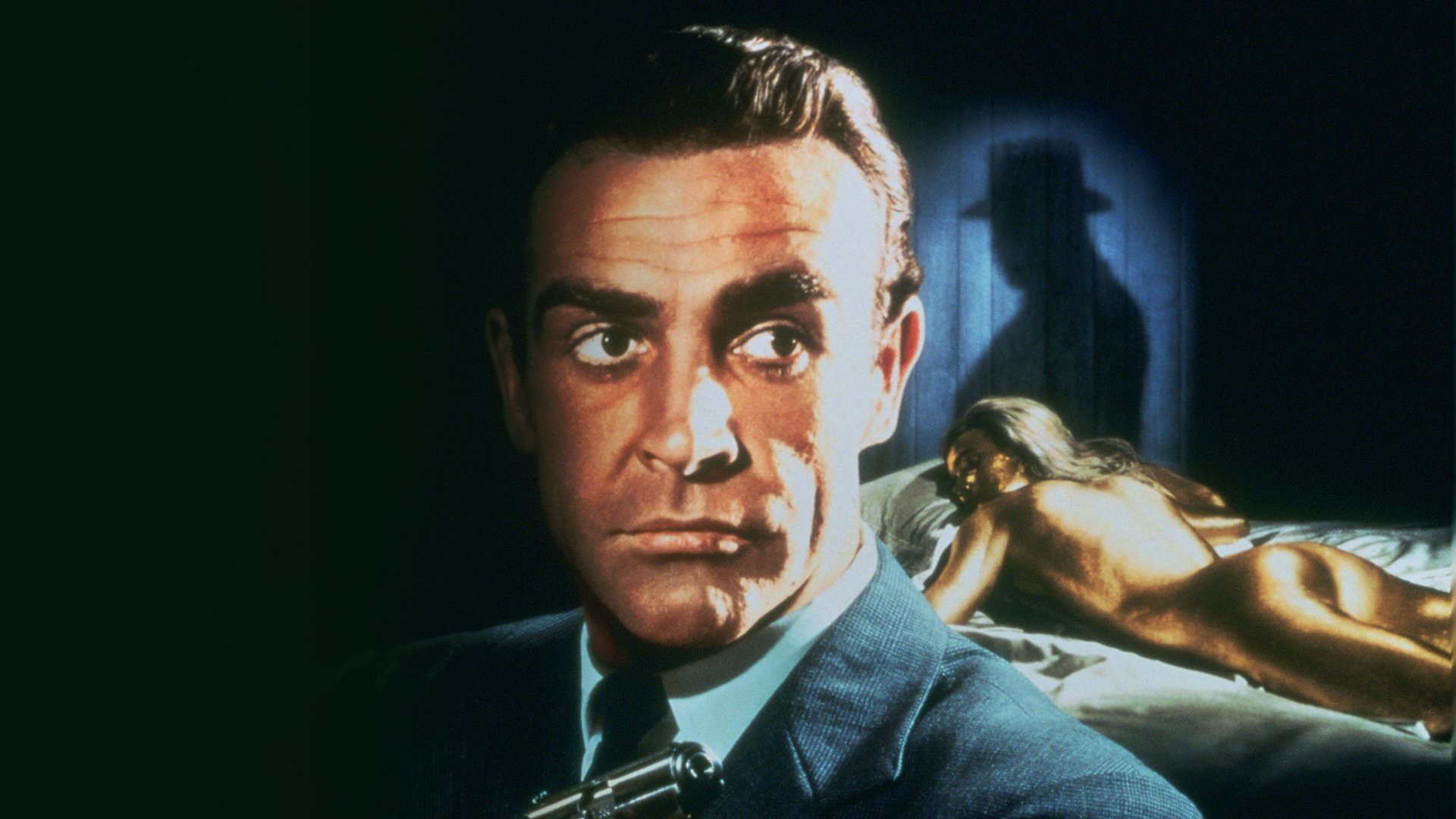
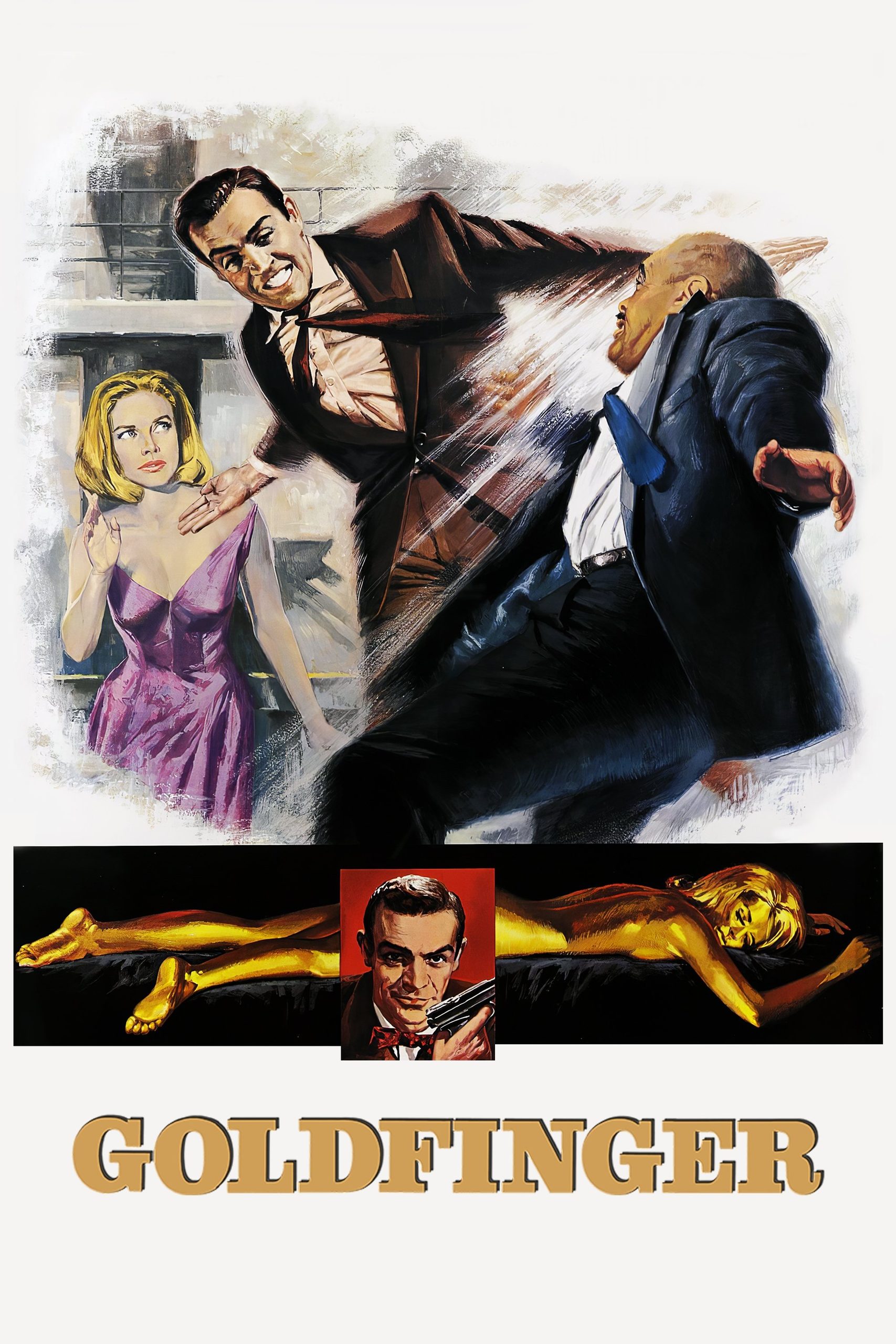
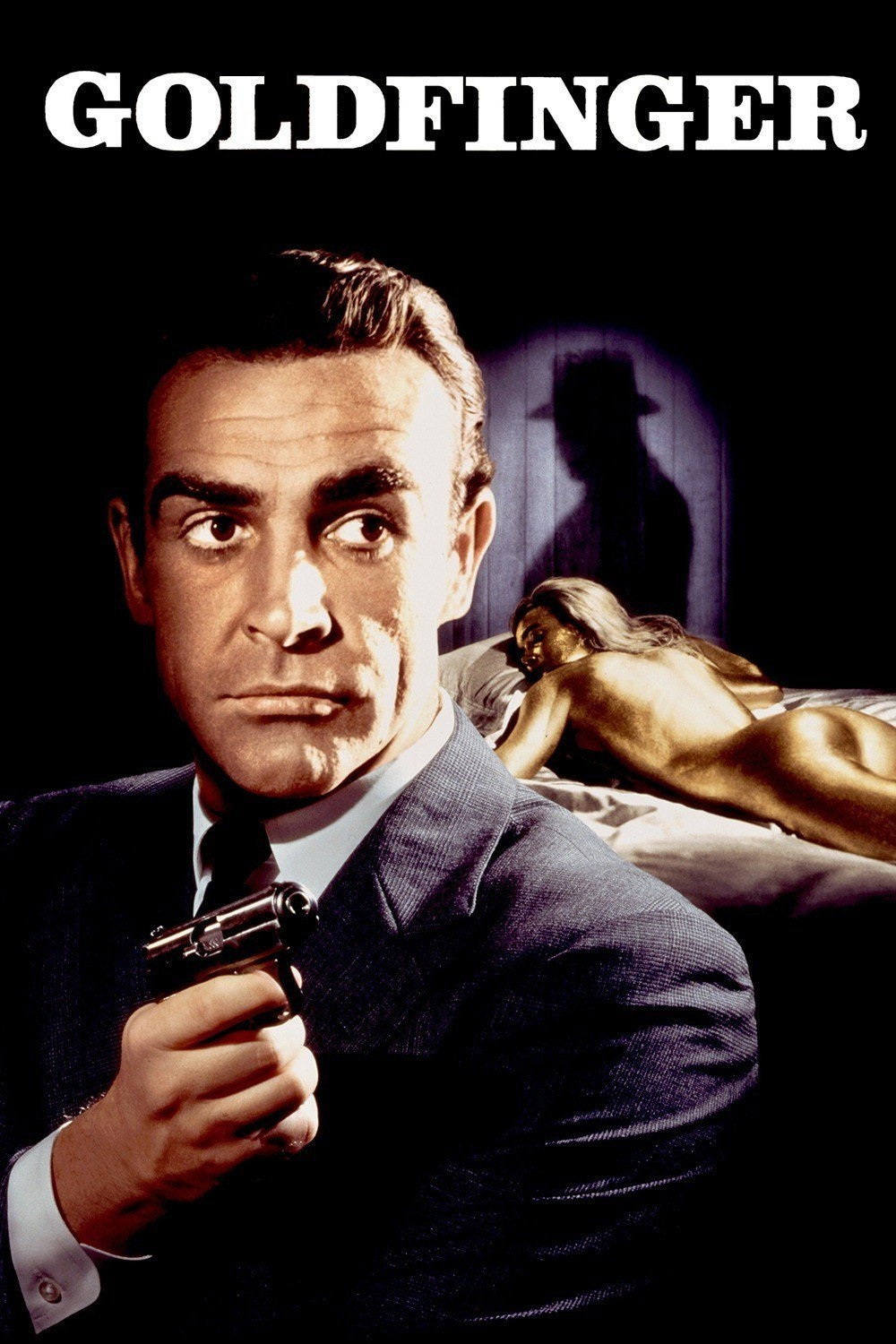
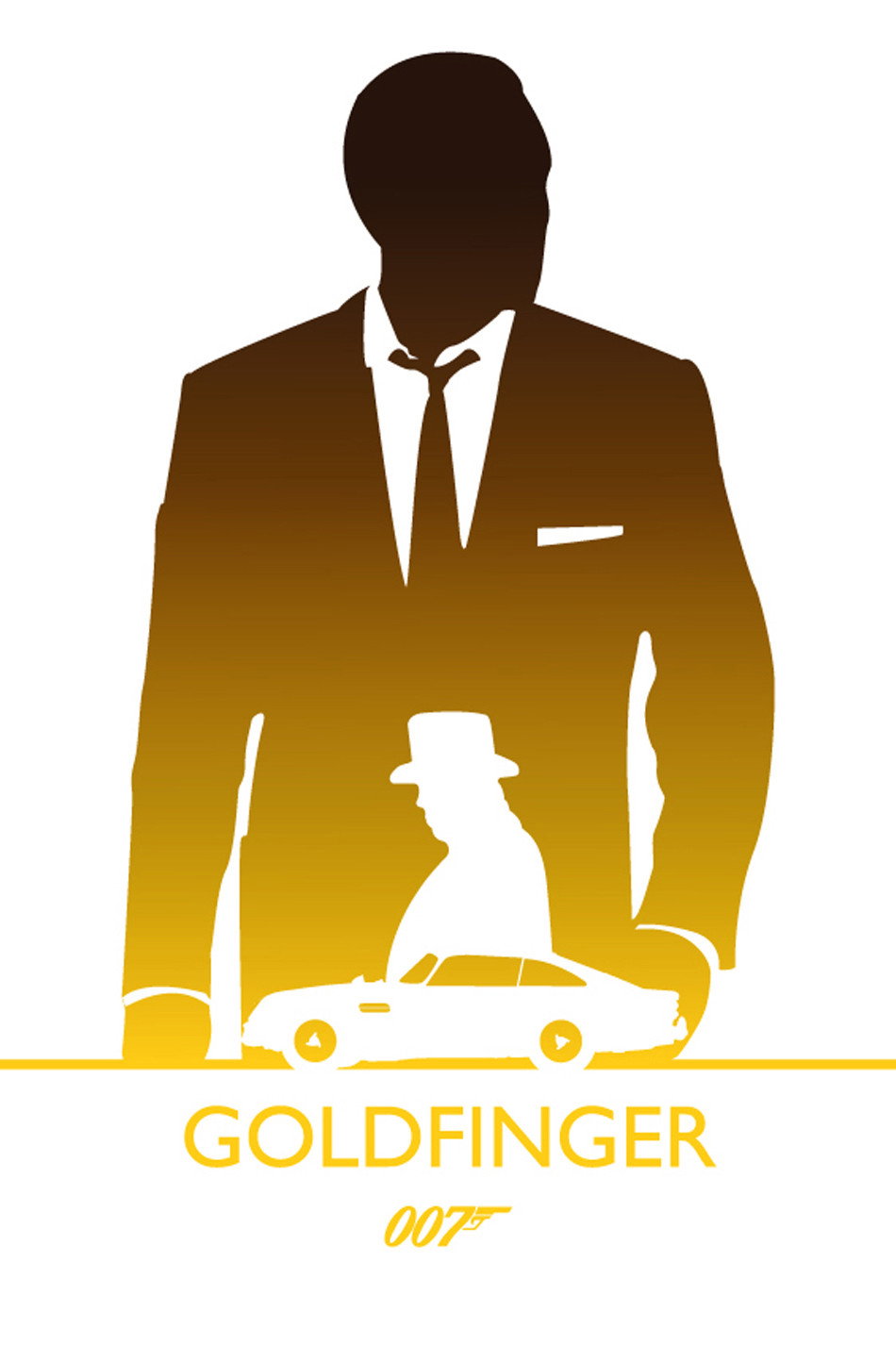
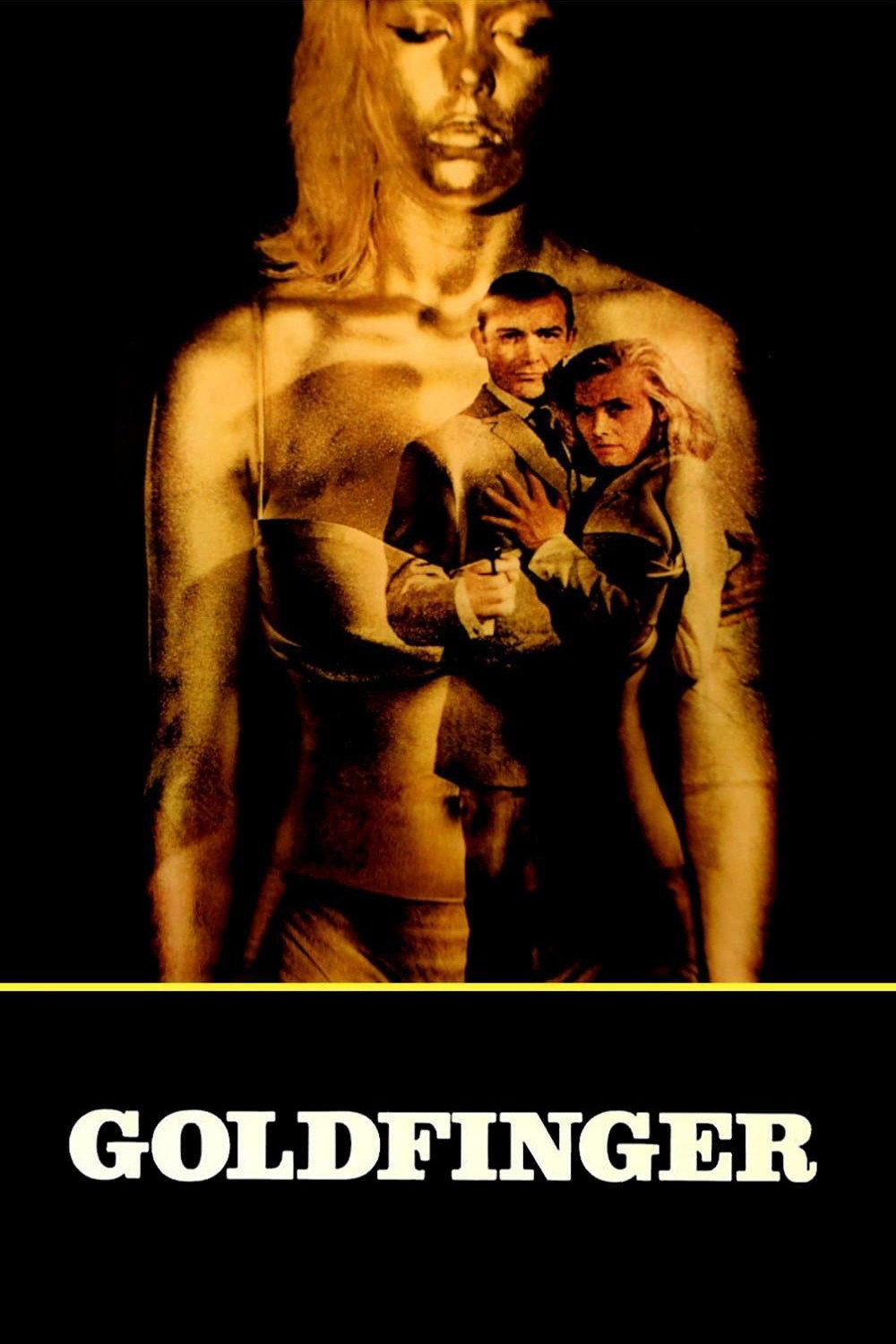
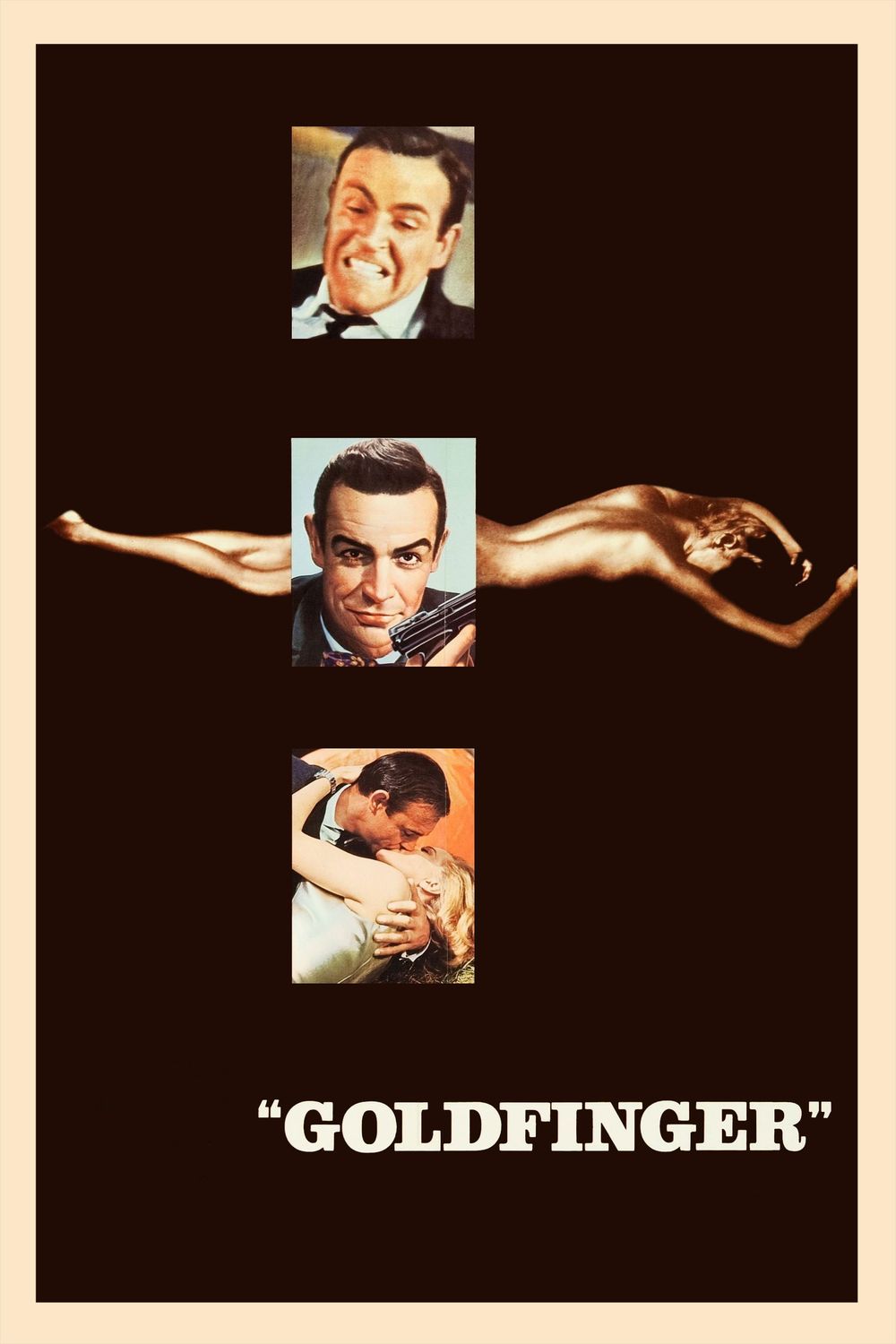
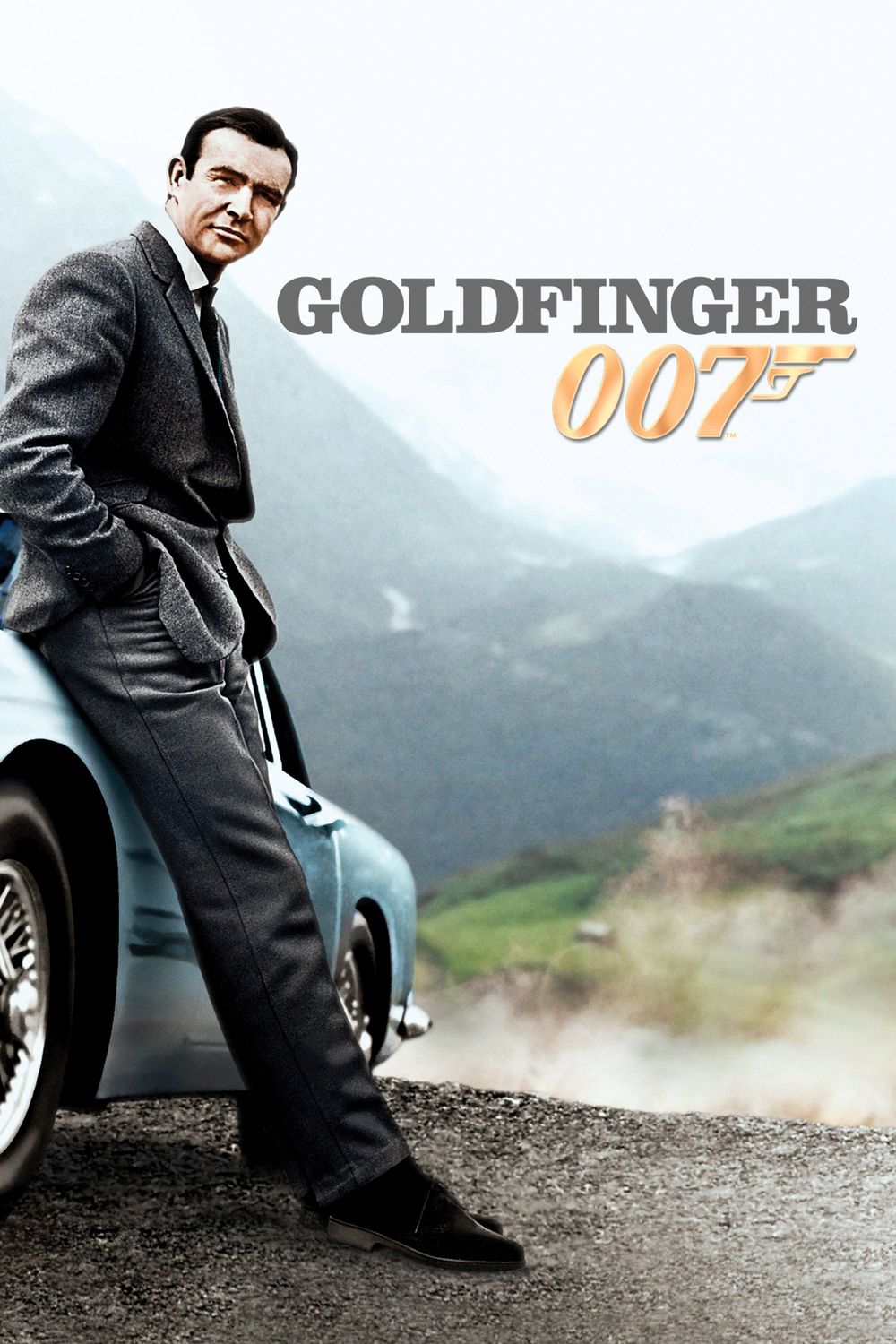
Barry’s score is the other pillar. The title song, sung by Shirley Bassey over Robert Brownjohn’s projections of a gold-painted body, is brass and swagger, and Barry threads the same tune through the rest of the film in a dozen tempos. Hunt cuts the pre-credits fight in a bathroom hard and close, and the car chase through a Swiss factory yard, with the Aston Martin’s smoke screen and oil slick and ejector seat, is over before we have finished enjoying it. The car is the film’s most durable joke: a British sports car fitted with the contents of a schoolboy’s imagination, and Bond’s face when he is told about the seat.
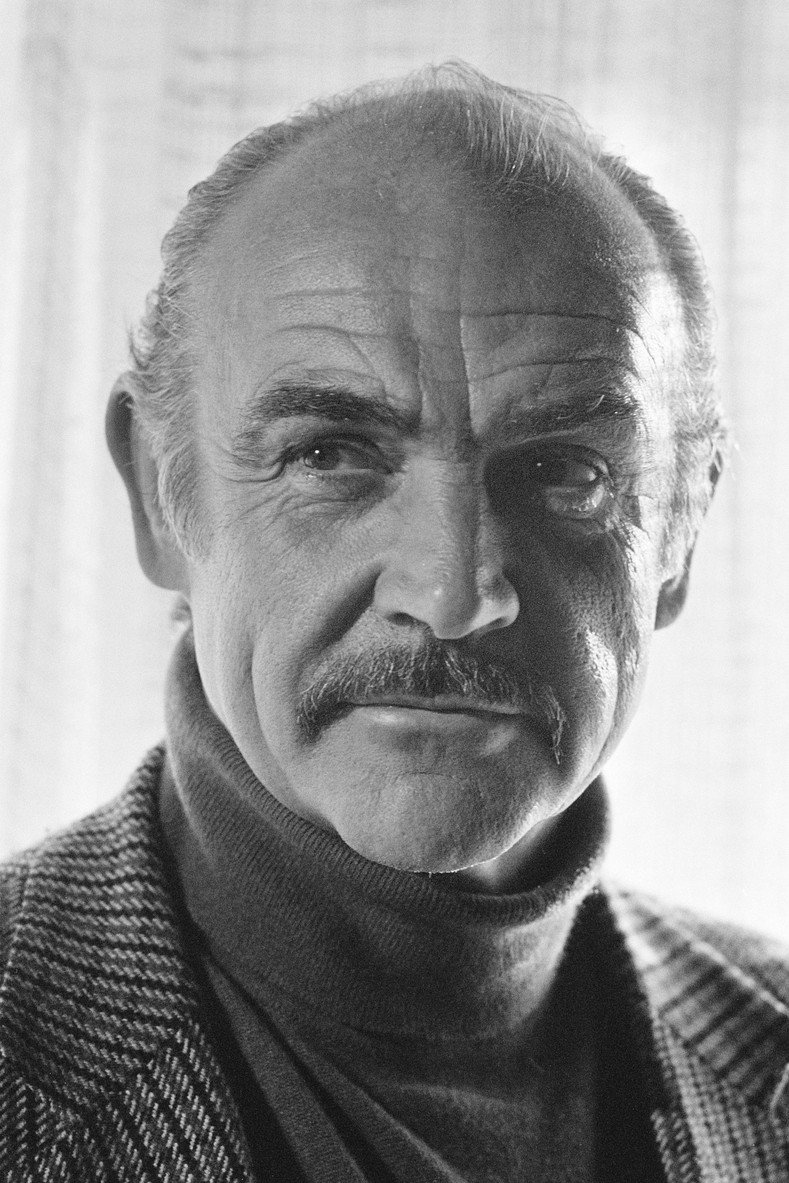
Connery is at ease in a way he was not before. He is cruel, quick and amused, and he delivers a line about drinking Dom Pérignon above a certain temperature as if he has been waiting all his life to say it. But the film does something odd with him in its middle third: it locks him up. Bond becomes a prisoner who watches, eavesdrops and is moved about like a piece of luggage. For much of the film he does little, and it is Goldfinger and Oddjob who carry the picture.
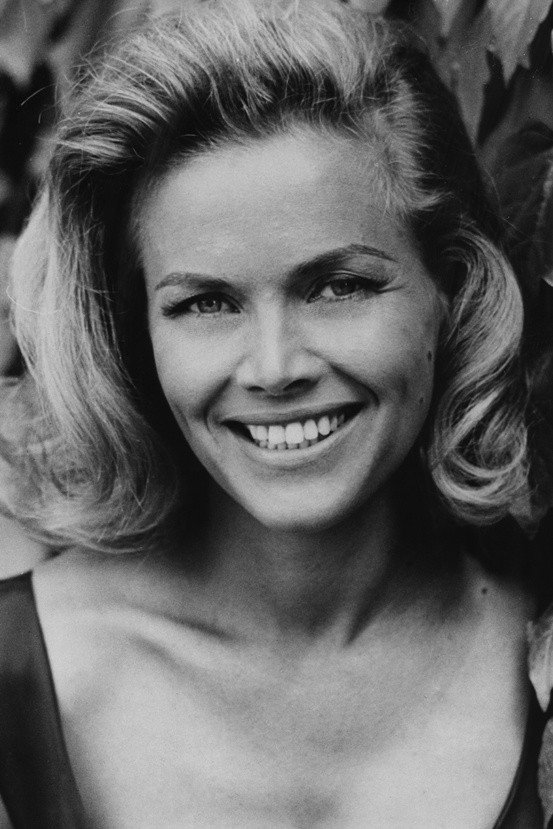
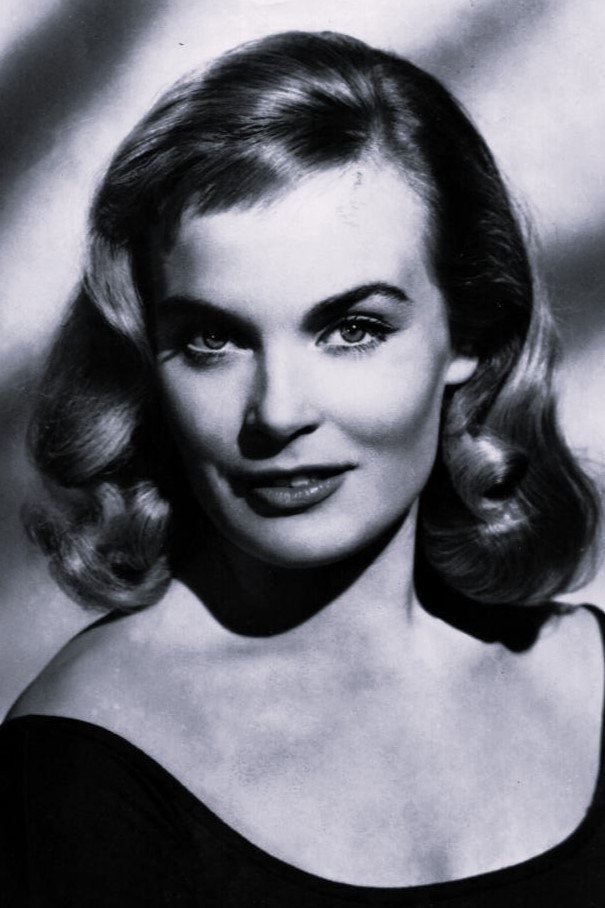
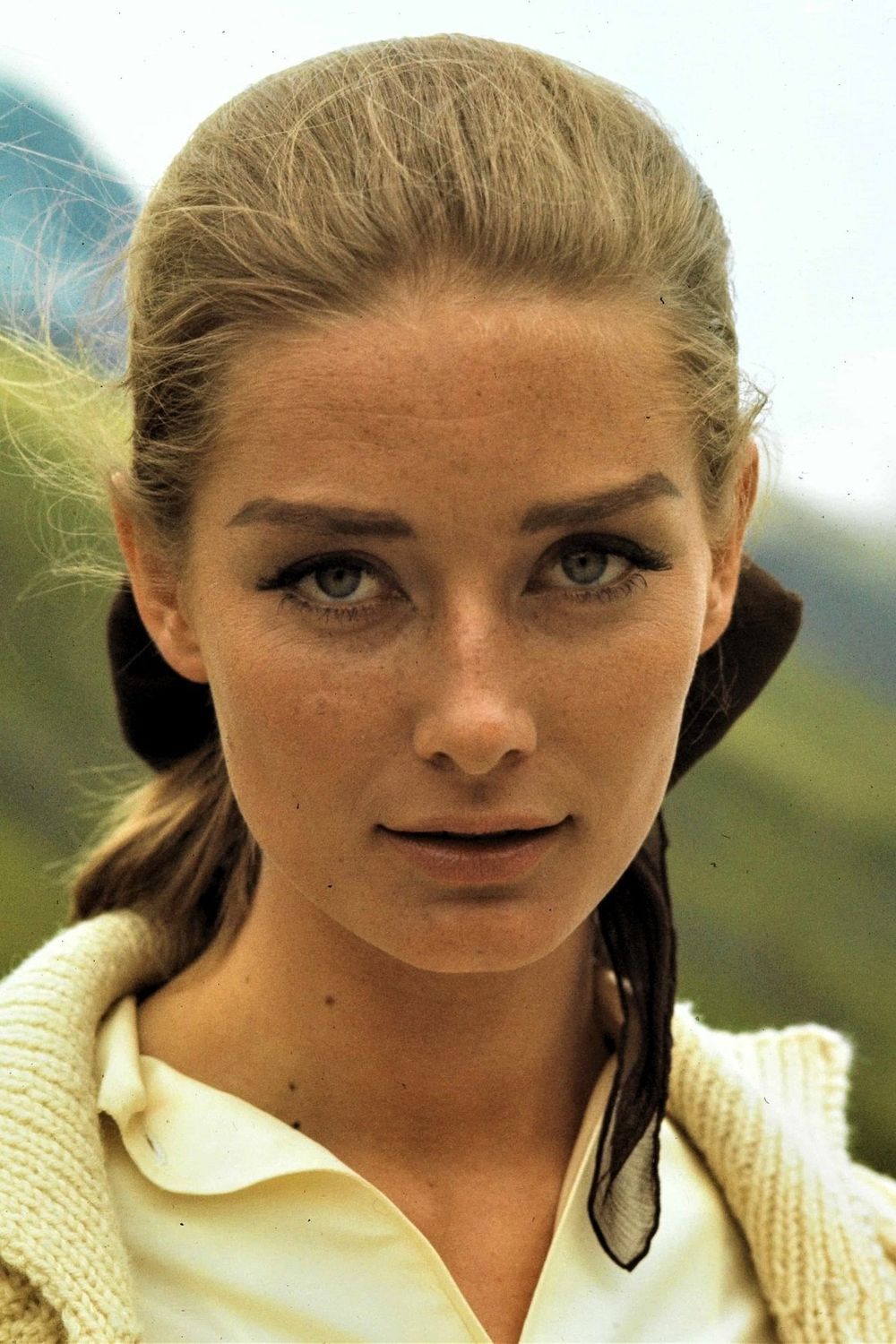
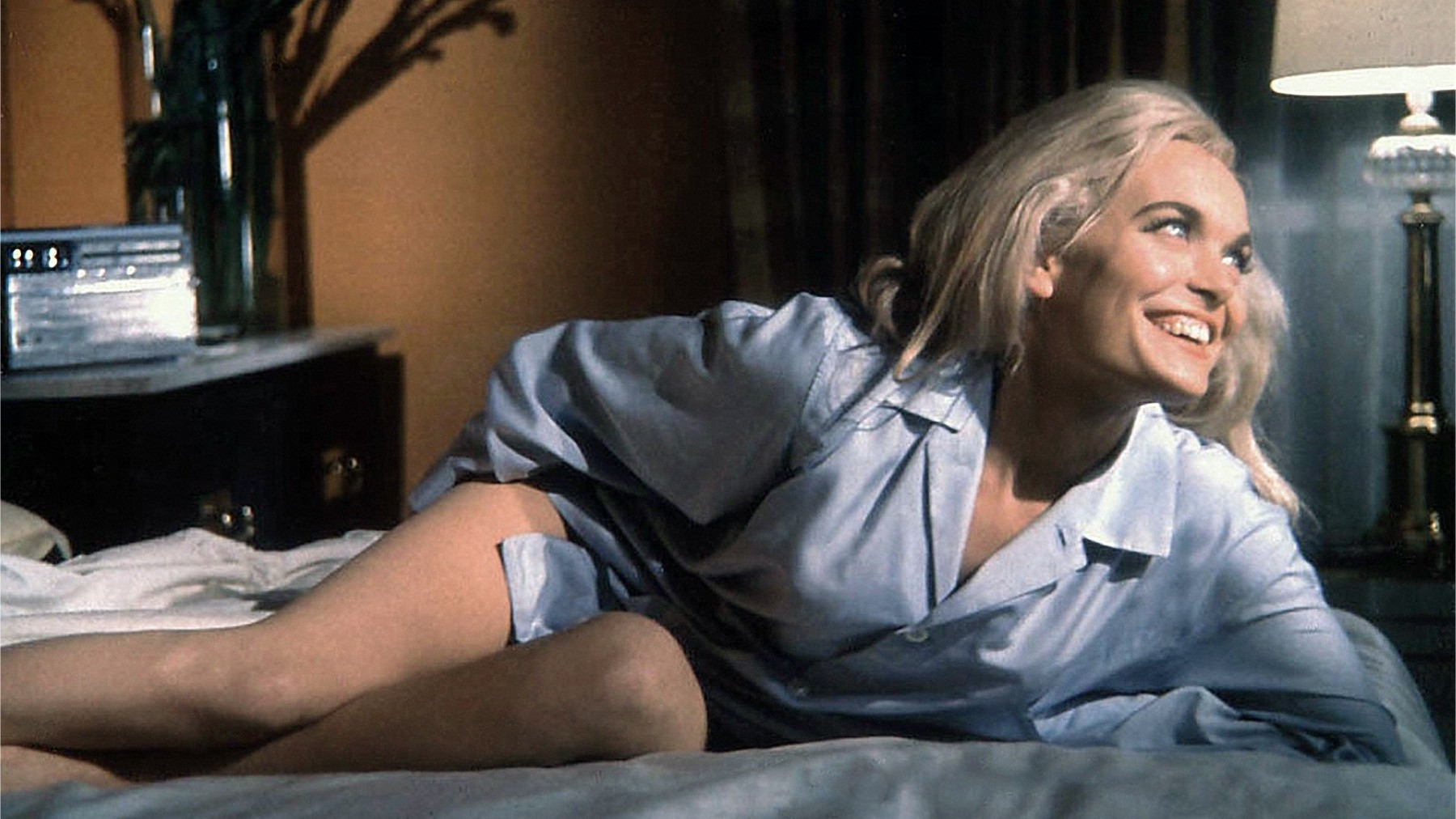
Then there are the women, and the film has aged badly there. Shirley Eaton’s Jill is on screen for one scene before she becomes an image, and Tania Mallet’s Tilly lasts a few more scenes before the film loses interest in her. Both are named Masterson; neither is given much to want. Honor Blackman’s Pussy Galore is the exception, a pilot who runs her own outfit and looks at Bond as if he were a mild inconvenience, and Blackman is dry and good. What the script eventually asks of her we did not laugh at, though the film wanted us to.
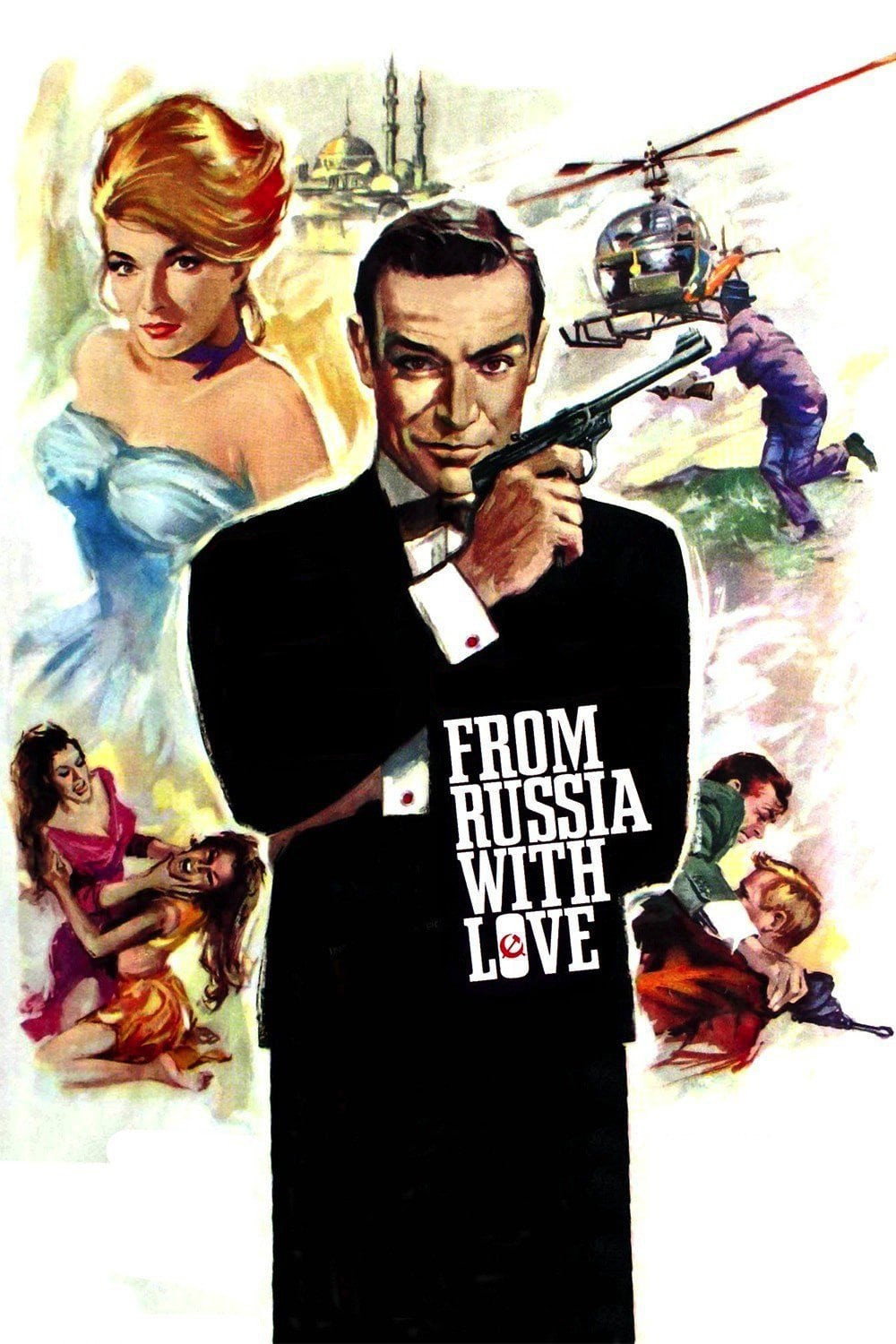
From Russia with Love, the film before it, is leaner and more worried, and on some evenings we prefer it. Goldfinger is the one that everybody copied for the next four decades. Watch it for Fröbe, for Adam’s rooms, for Barry and Bassey, and for the laser, which has not dimmed.
It is a PG. The gold paint will not trouble a child; the way the film talks to its women might trouble an adult.