The man who taught the Bond films to cut a punch in half. Hunt's editing gave the early series its speed, and his one film as director gave it a last half hour nothing since has matched. The later features are not why anyone remembers him.
Fi1m perspective
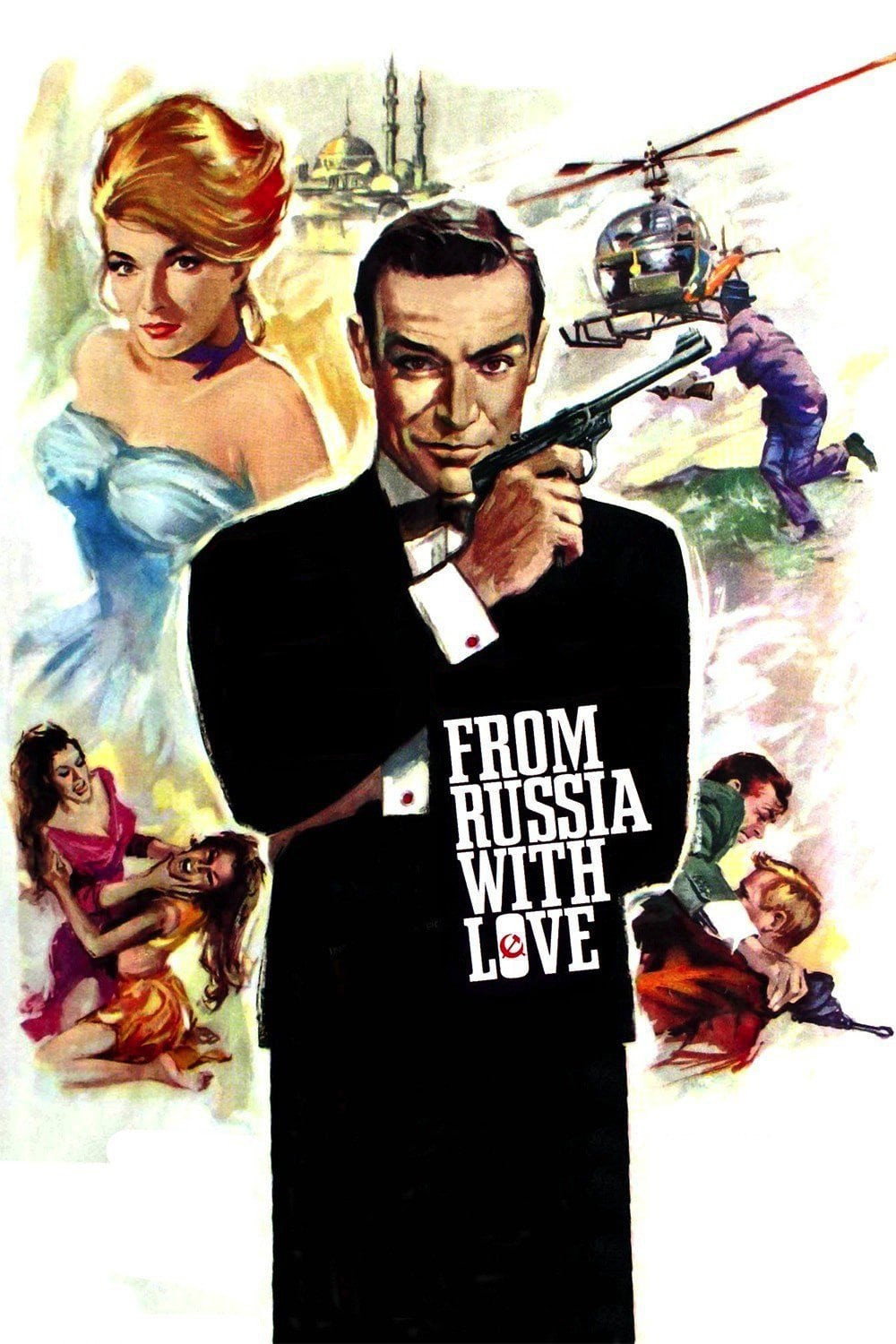
Two men in a train compartment the size of a wardrobe. Bond and Grant have spent most of From Russia with Love (1963) circling each other, and when they finally fight, Peter R. Hunt slices it so fine that you feel every blow without quite seeing one. It lasts perhaps two minutes and has been copied for sixty years. Hunt is the reason the early Bond films are fast, and fast is a good deal of what they are.
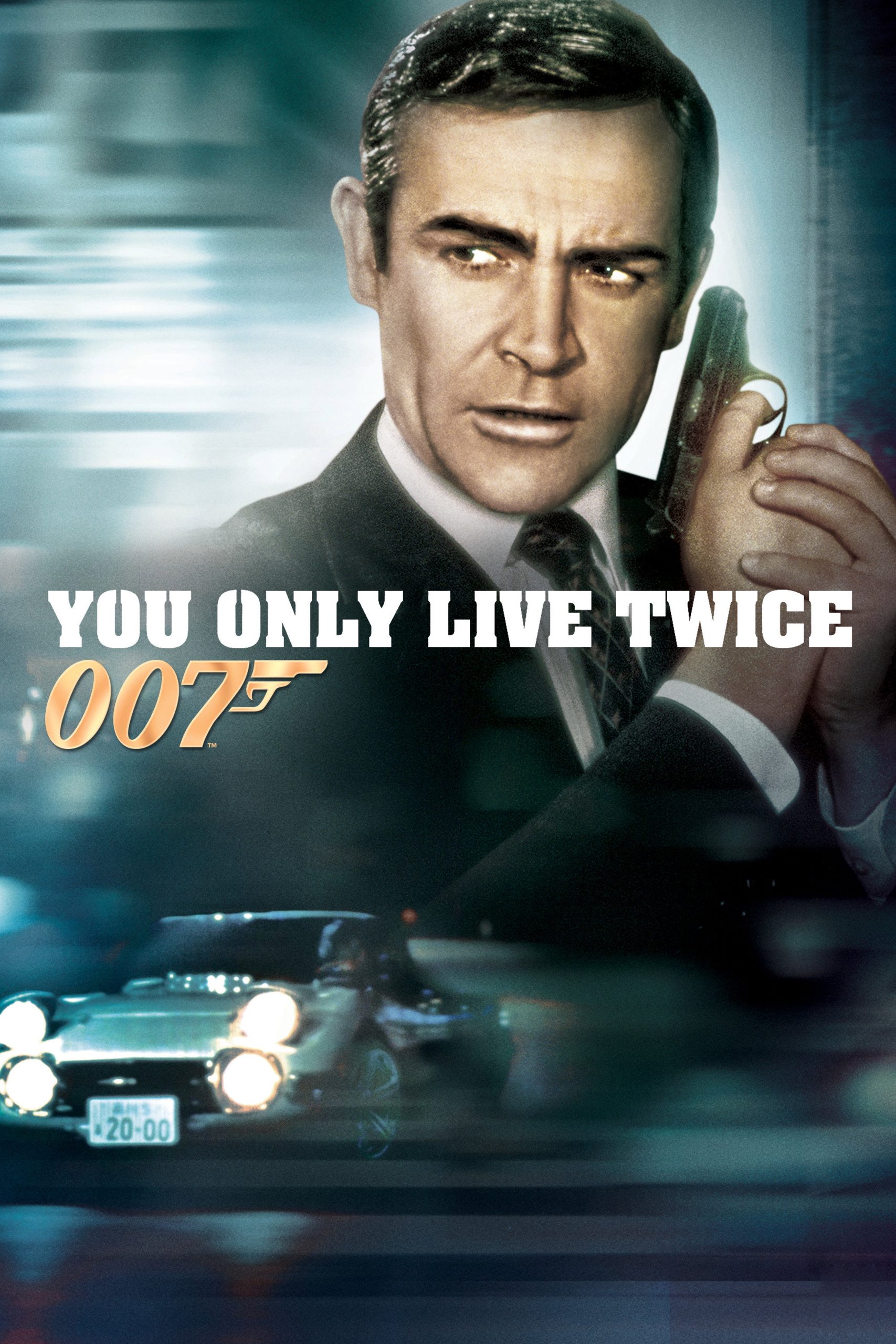
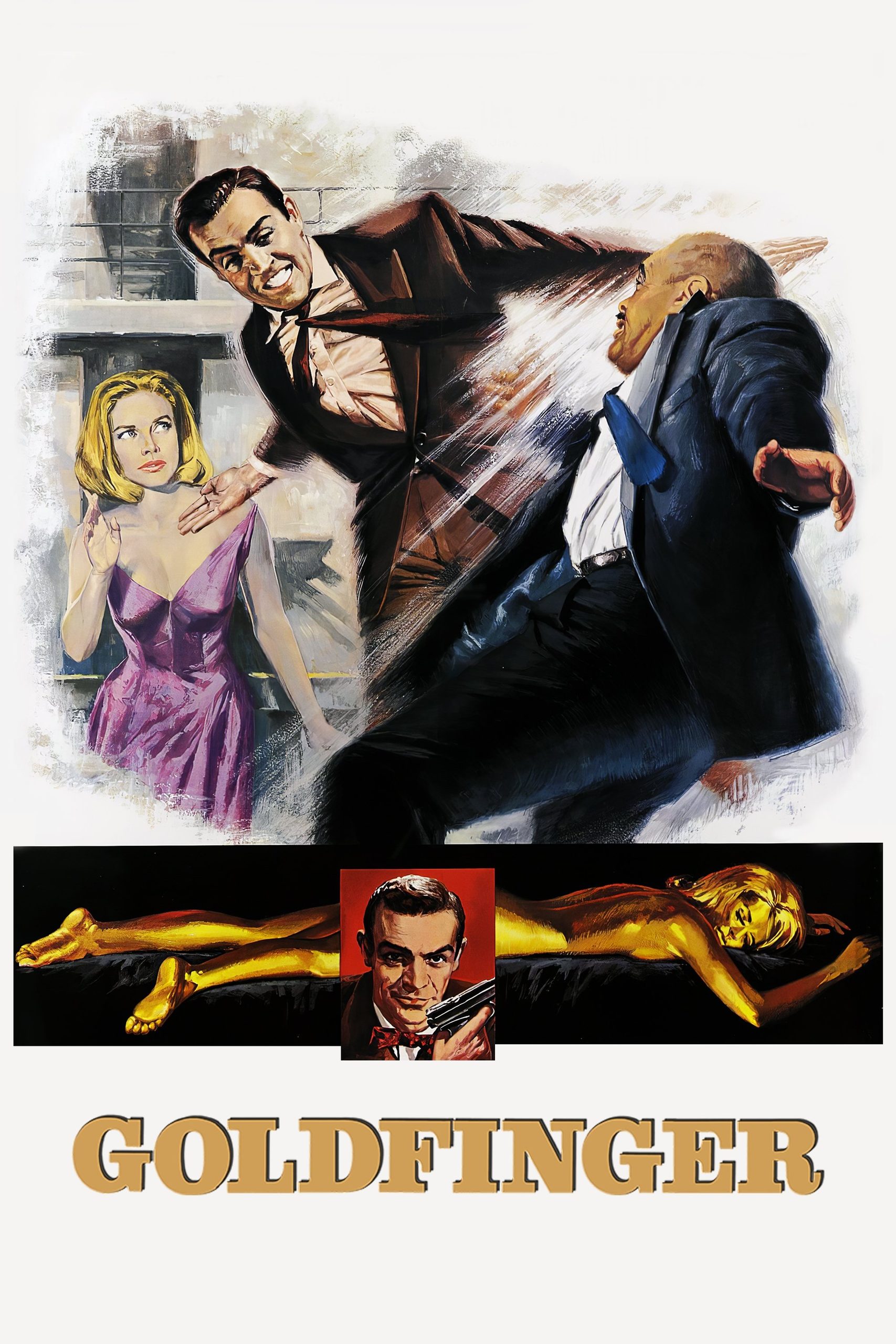
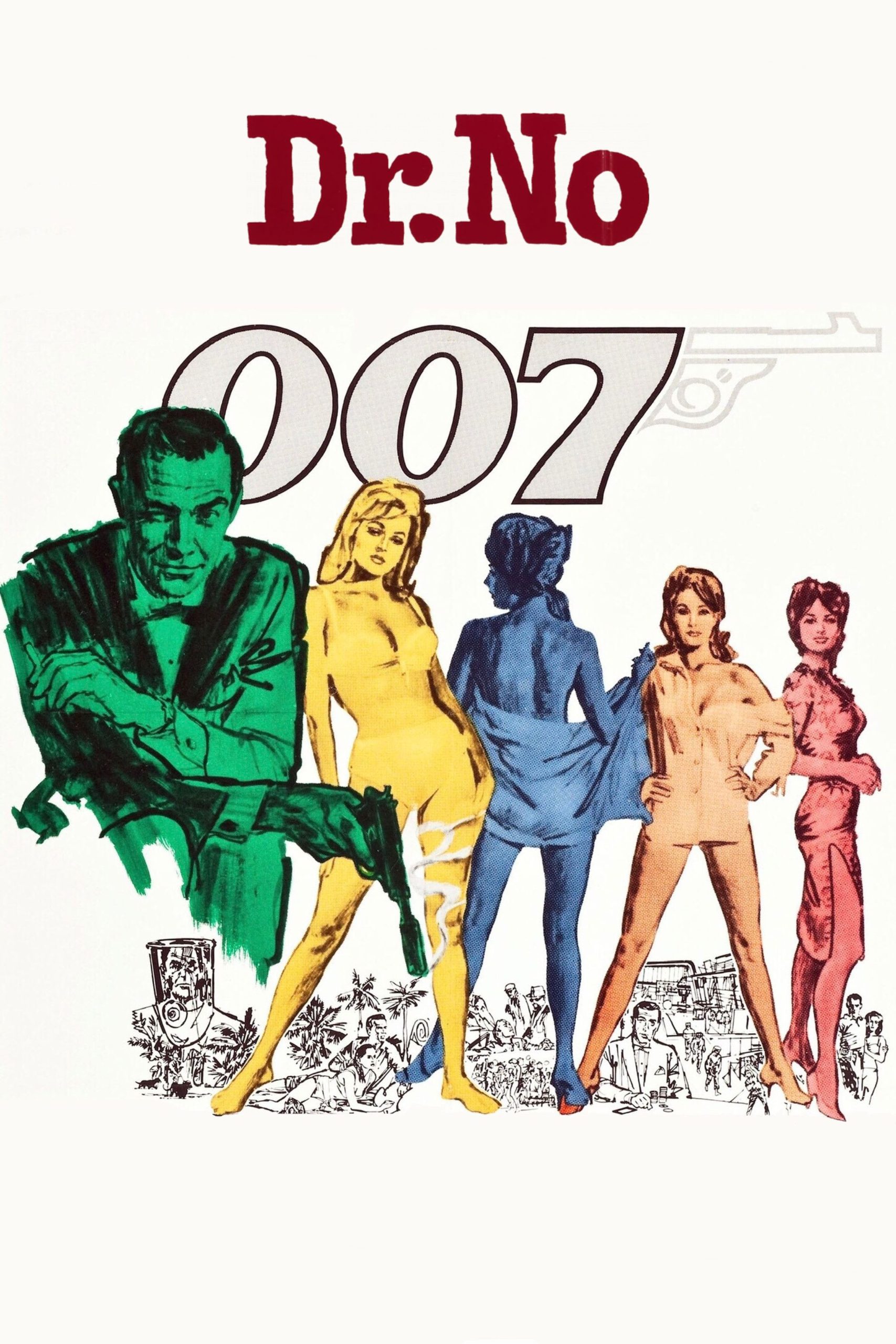
He came up as an assistant cutter in the 1940s and was a full editor by the mid-1950s. Then he cut the first five Bonds, from Dr. No (1962) to You Only Live Twice (1967), and took the second unit on the fifth. His habit was to throw away the connecting shots: a punch, a fall and out. In Dr. No it is his pace rather than the script that keeps the Kingston section moving, and it is his hold on Connery's sweating face, with the music gone, that makes the tarantula scene still work. In Goldfinger (1964) he does the opposite: he stays on the laser beam a beat longer than is comfortable each time we return to it, so that we tensed at a scene whose ending we knew.
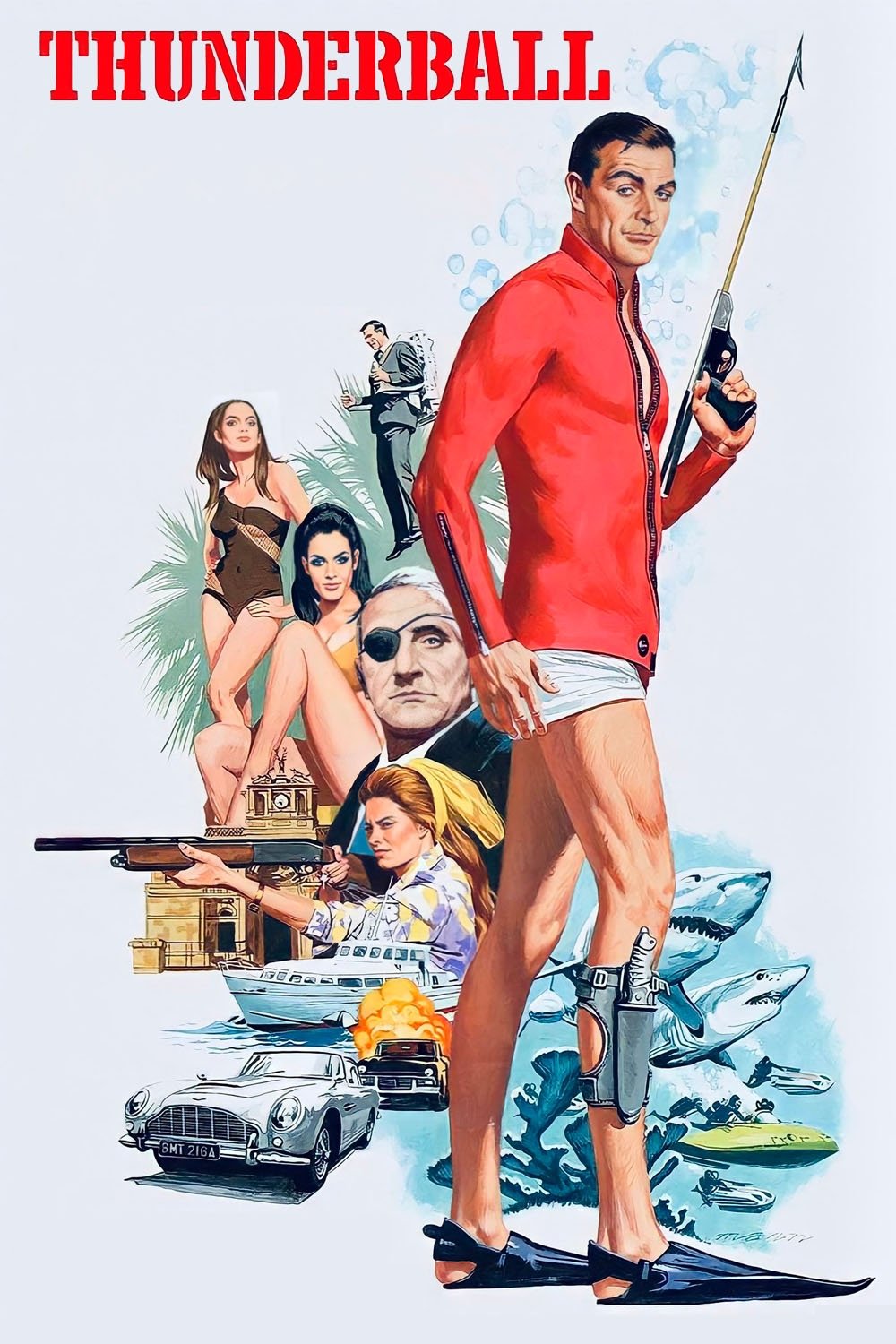
Not all of it holds. In Thunderball (1965) the fights underwater happen at the speed of a man in flippers, and Hunt and Ernest Hosler speed up the footage to compensate, so fists arrive before the arms behind them. We were bored, and then cross about it. On land he still had the snap: a dockside brawl in You Only Live Twice, shot from a helicopter, is over before we have worked out the geography.
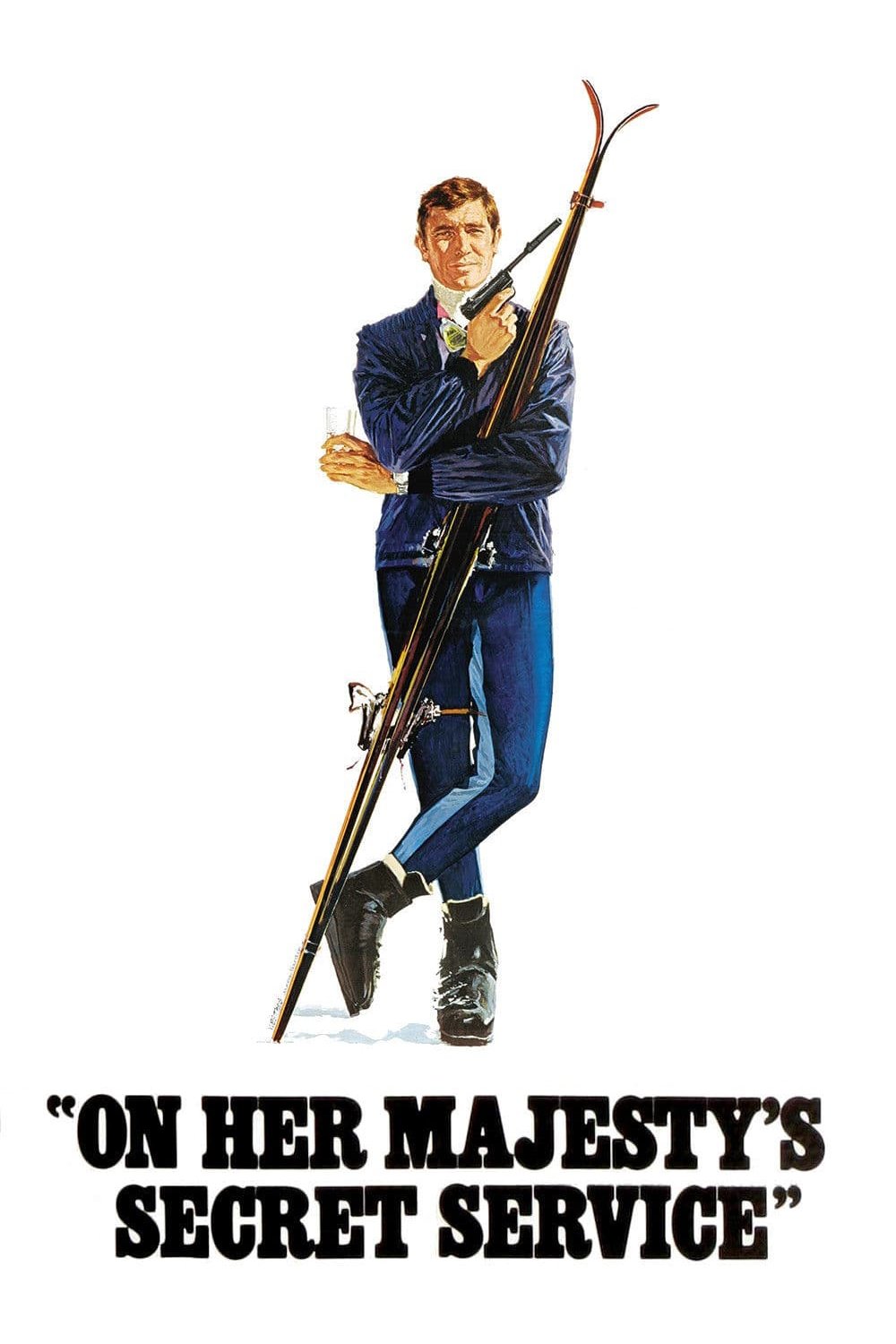
Then he directed. On Her Majesty's Secret Service (1969) is the one Bond he made himself. He went back to Fleming's novel and kept a Bond who falls in love and means it. With John Glen he cuts the ski chases into short, hard pieces, the camera down on the slope, black figures on flat white snow. A bobsleigh fight, done with real sleds on a real run and the camera going down with them, made us grip the armrest. The film has a lead who cannot act and a middle that dawdles, and it is still one of the best in the series.
The features that followed, Gold (1974), Shout at the Devil (1976), Death Hunt (1981) and Assassination (1987), are the work of a capable director who had already made his best film. His own rule for the Bonds was that "one should make the films seriously, but never take them seriously." Watch the compartment fight and then the ski chase, and notice how little of either is actually on the screen.
Biography
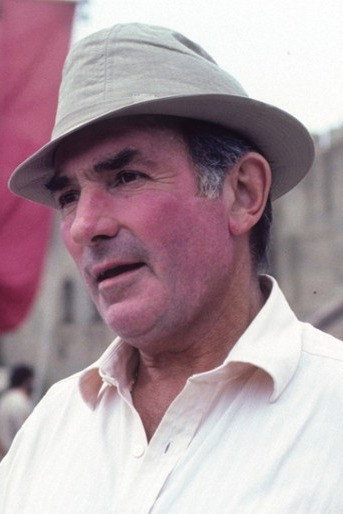
Peter R. Hunt (also credited as Peter Hunt) was a British film editor and director. He began his career in the film industry as a clapper boy in the late 1940s, progressing to assistant editor and then editor. He edited Sink the Bismarck! (1960) before joining the James Bond series.
Hunt edited the first five Bond films: Dr. No (1962), From Russia with Love (1963), Goldfinger (1964), Thunderball (1965) and You Only Live Twice (1967), where he also served as second unit director. He developed a fast-cutting style known as "crash cutting". He directed On Her Majesty's Secret Service (1969), the only Bond film he helmed, and later directed episodes of The Persuaders! (1971) as well as films including Death Hunt (1981). He also edited The Ipcress File (1965).
Hunt died in Santa Monica, California, on 14 August 2002.