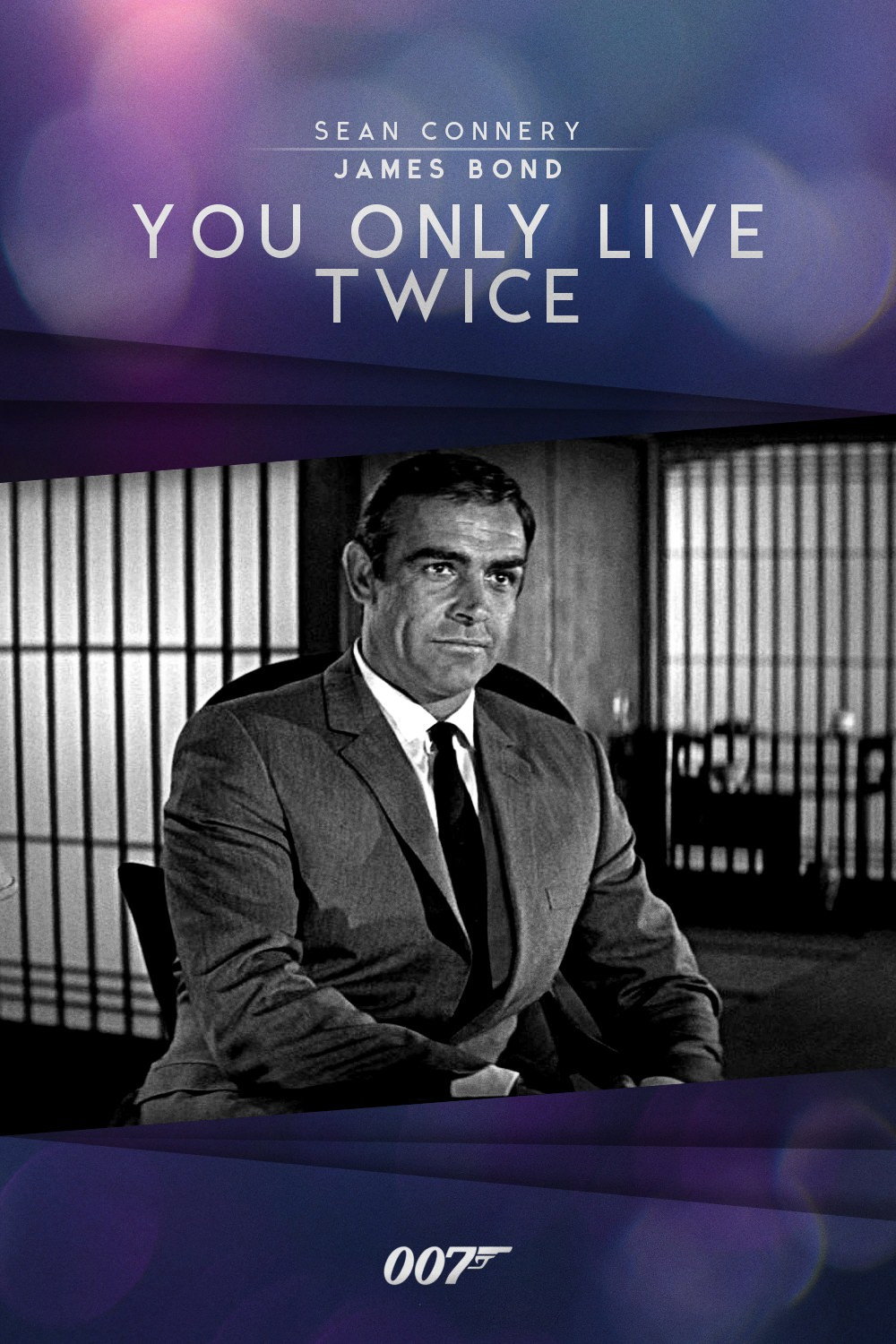
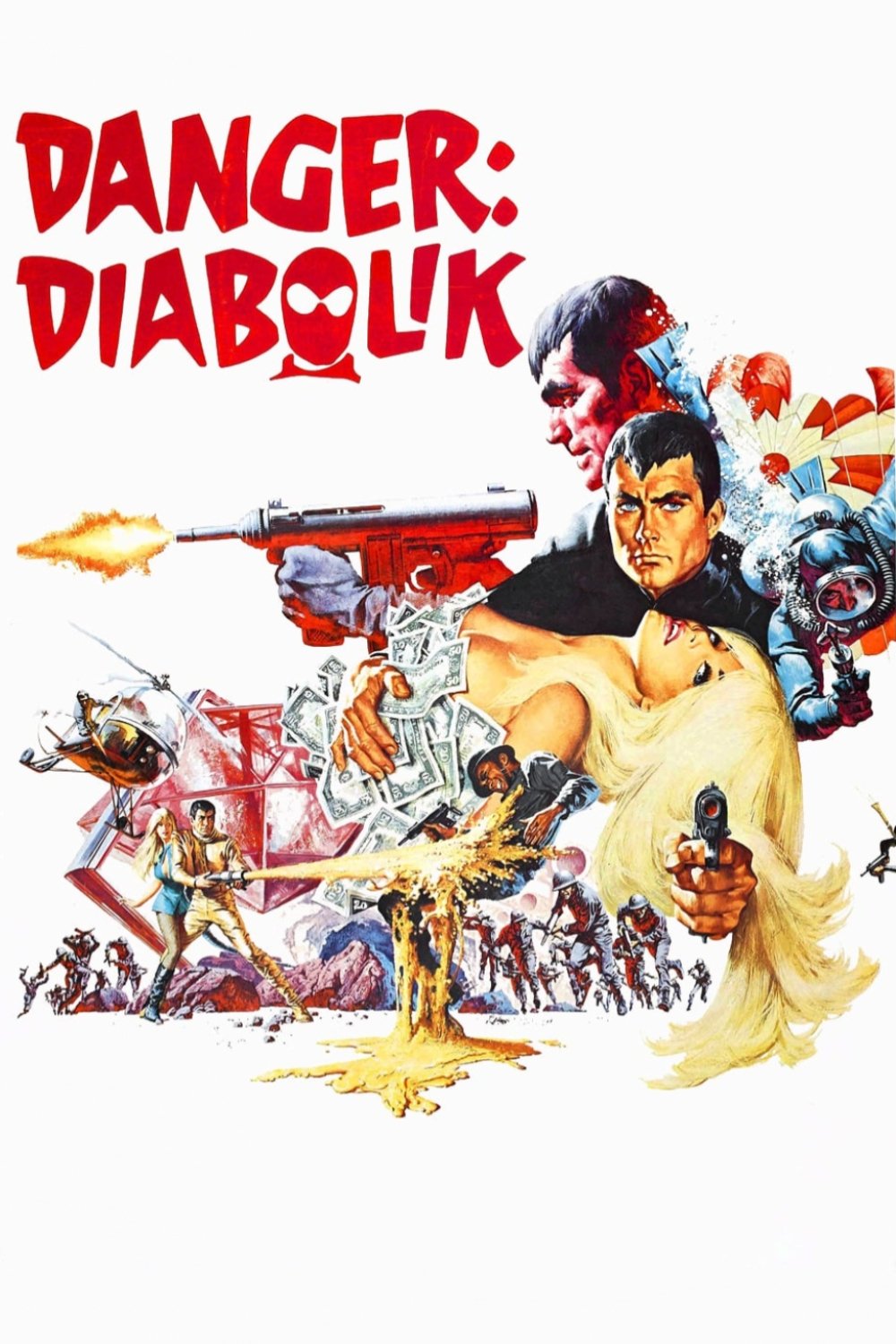
The fifth Bond film has the grandest set the series had yet built and a leading man who has stopped pretending to enjoy himself. Ken Adam’s volcano, John Barry’s score and Tetsuro Tamba earn the evening; Roald Dahl’s script and the middle hour do not.
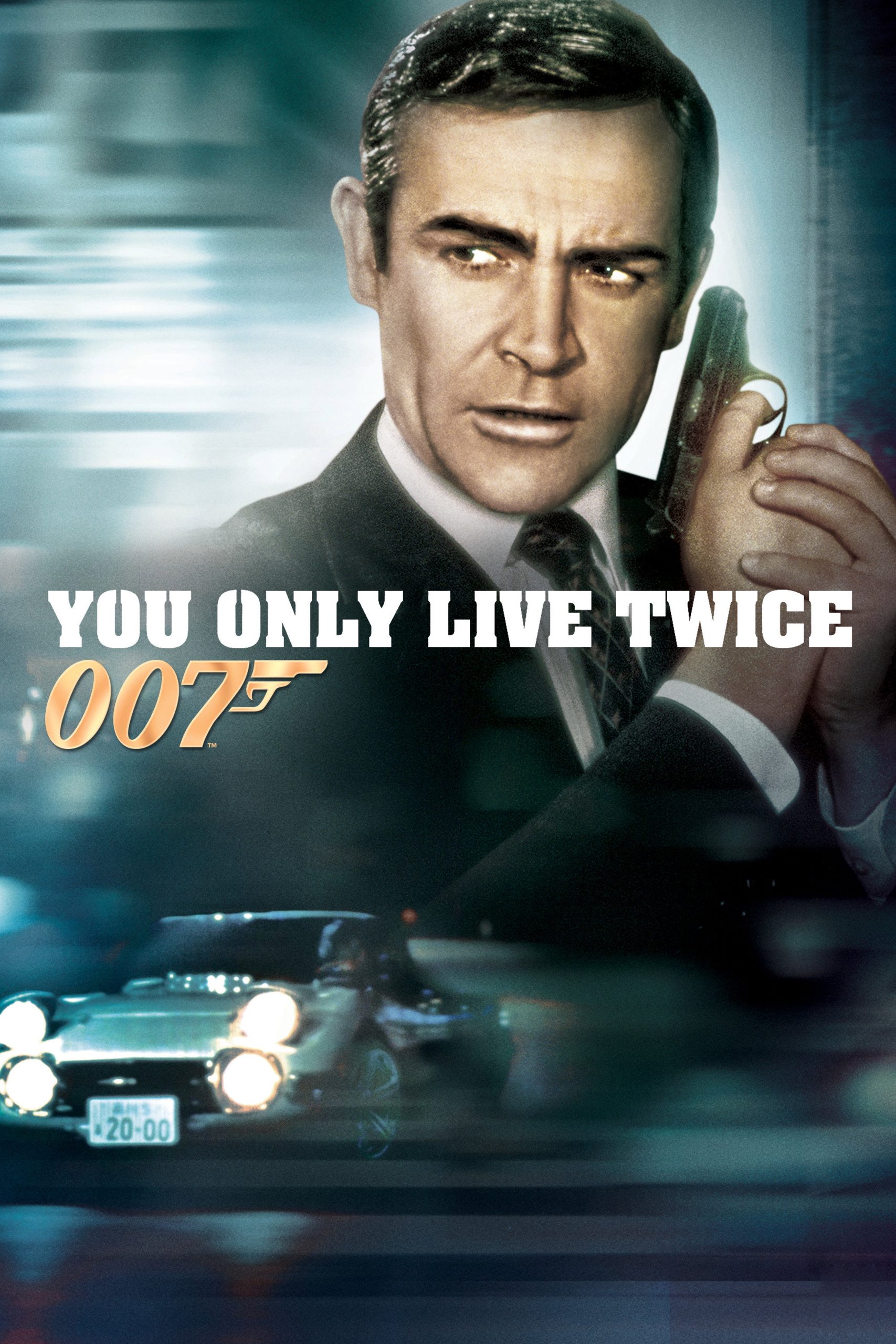
The fifth Bond film sends Sean Connery to Japan, kills him in the opening minutes and buries him at sea, then spends the rest of its 117 minutes proving the series can carry on regardless. Lewis Gilbert directs from a screenplay by Roald Dahl, with Harold Jack Bloom also credited, that keeps Ian Fleming’s title and his Japanese setting and not much else. What the film is really about is a volcano.
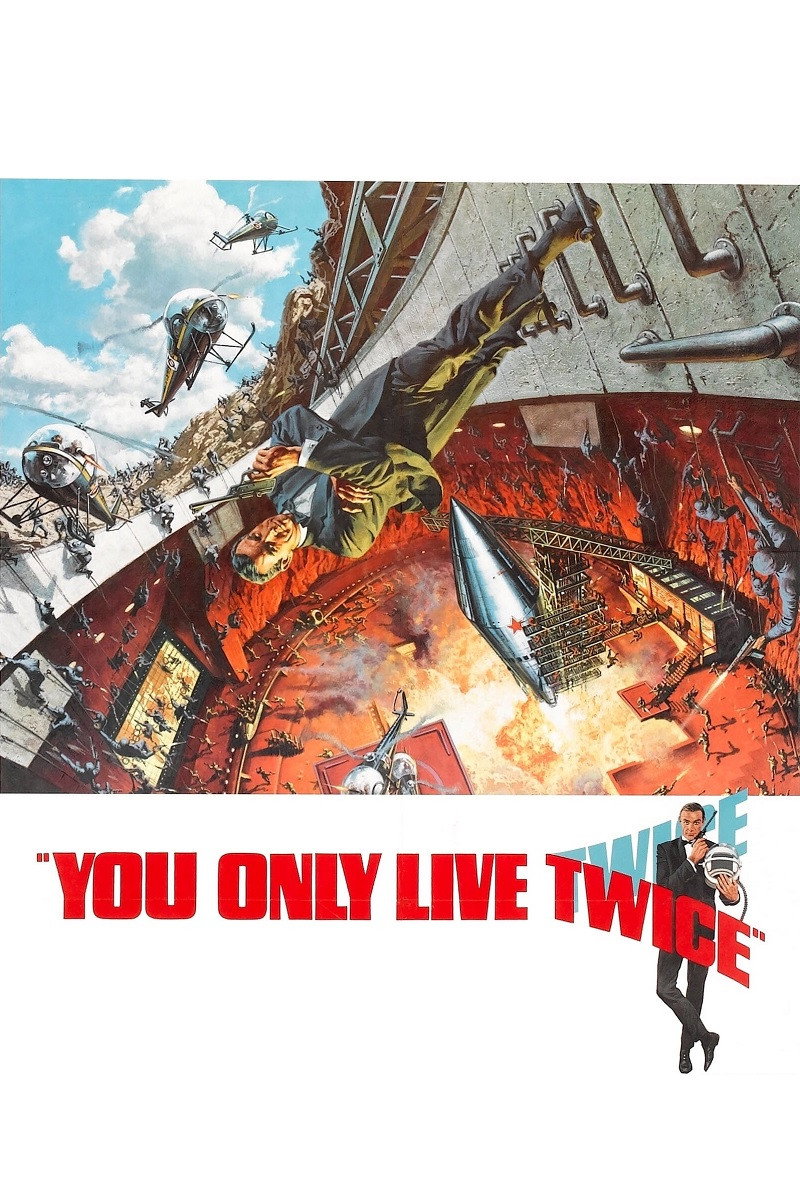
Ken Adam built it, and it remains the best reason to see the film. A crater lake slides aside on rails to show a launch pad below, a monorail runs round the lip, a helicopter pad is cut into the rock, and men in grey boiler suits go about their business on gantries far above the floor. We sat up when the roof opened. We had seen the photographs and it did not matter; people are walking about inside it rather than in front of a painting. Adam gives Blofeld a chair, a cat and a pool.
Freddie Young, who had shot Lawrence of Arabia, photographs Japan as a place rather than a backdrop: a fishing village at dawn with the boats going out, a sumo hall lit from above so the ring glows, Tokyo streets at night in reds and neon blues. It is handsome, and it is where the film stalls, because Gilbert lets each new location introduce itself before anything happens in it. John Barry’s score is the one element that seems to feel anything: a title song sung by Nancy Sinatra with strings that slide downwards, and a slow brass march for the rocket sequences that makes the hardware look larger than it is. Peter R. Hunt cuts the fights hard and short, and a dockside brawl shot from a helicopter is over before we have worked out the geography.
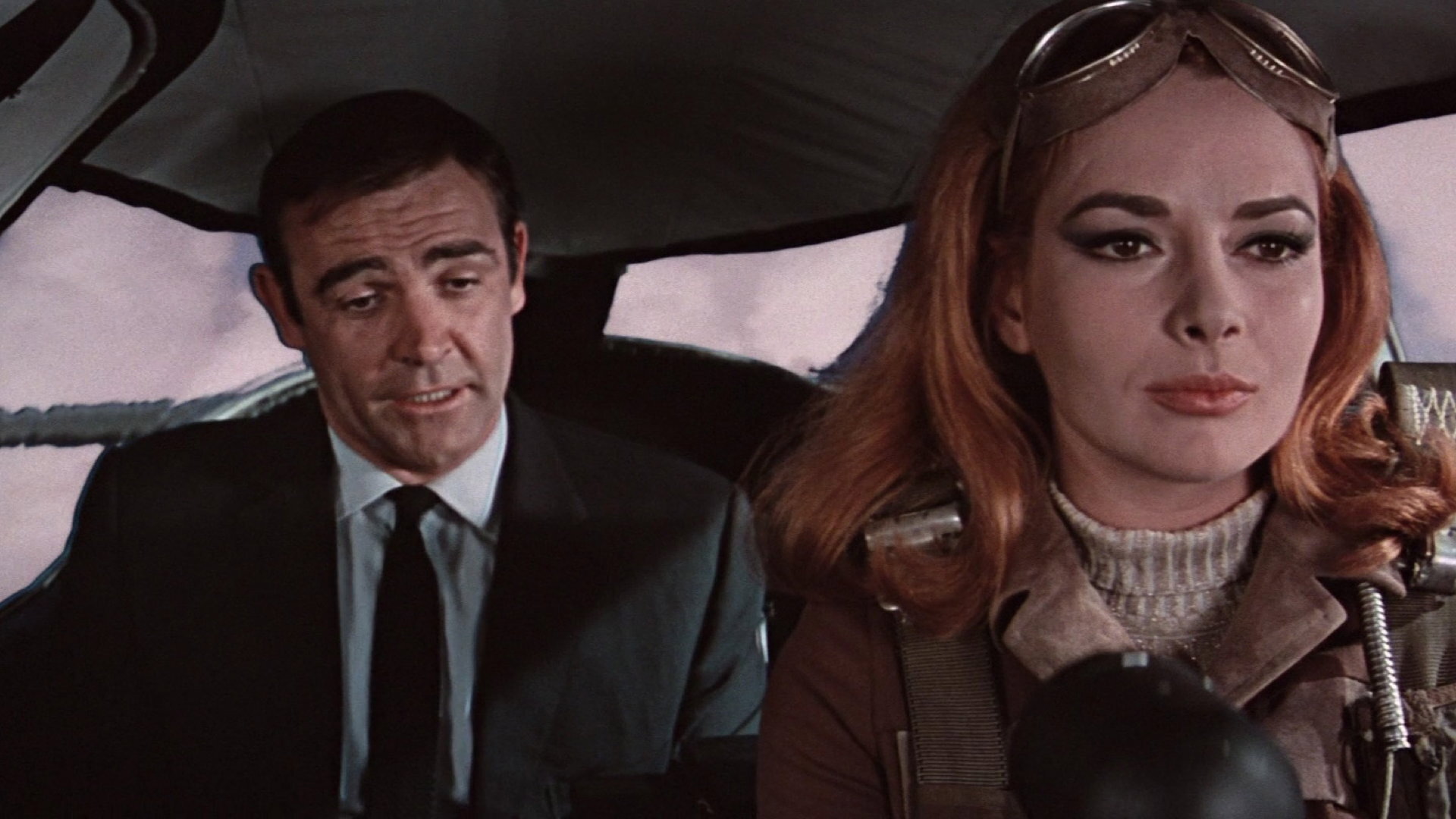
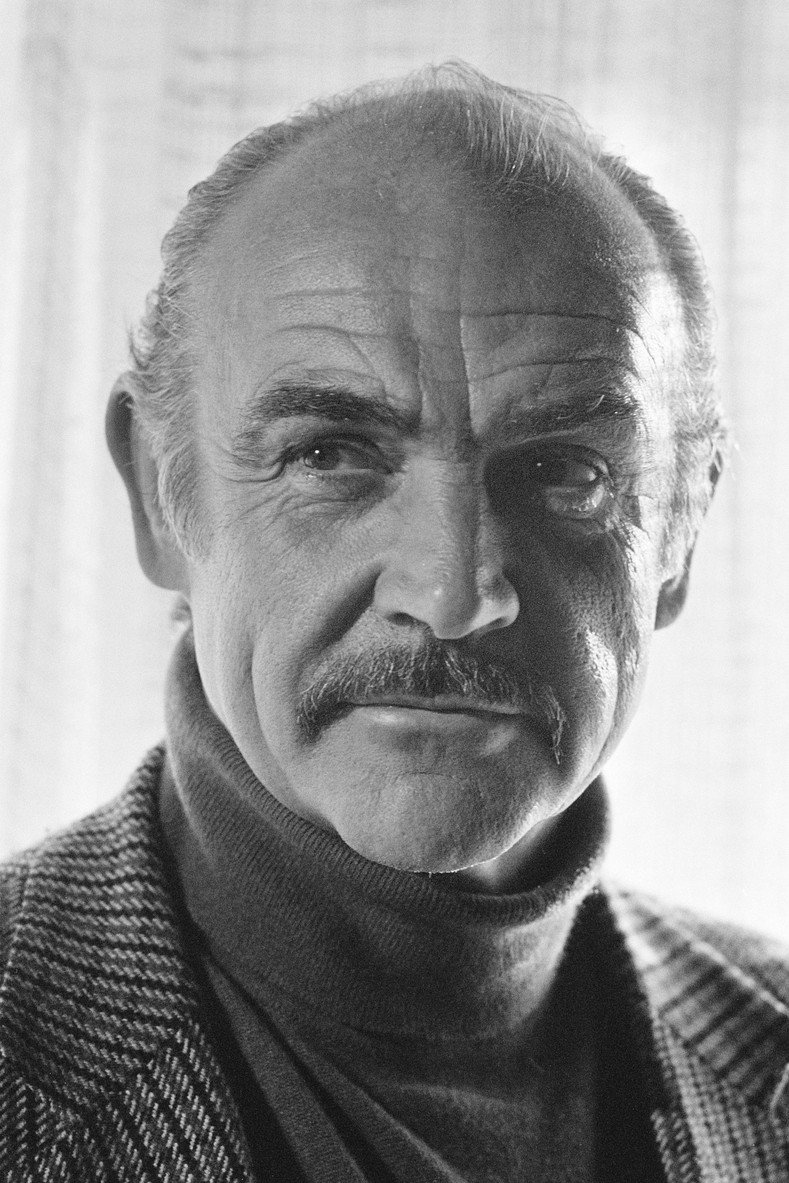
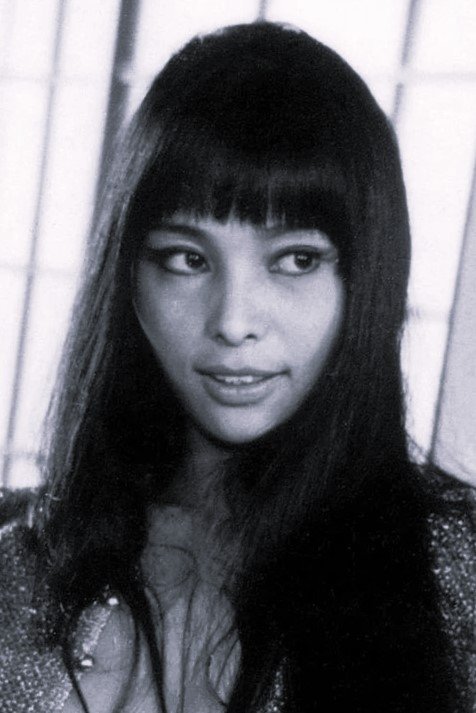
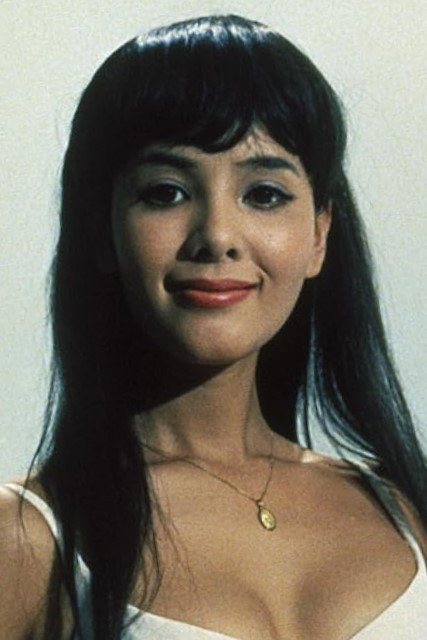
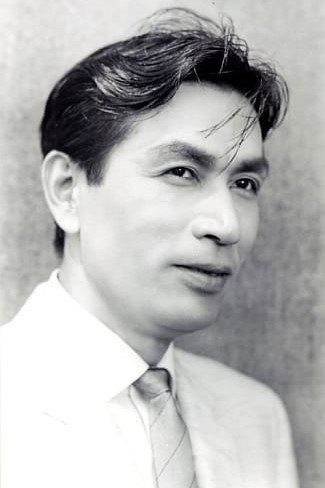
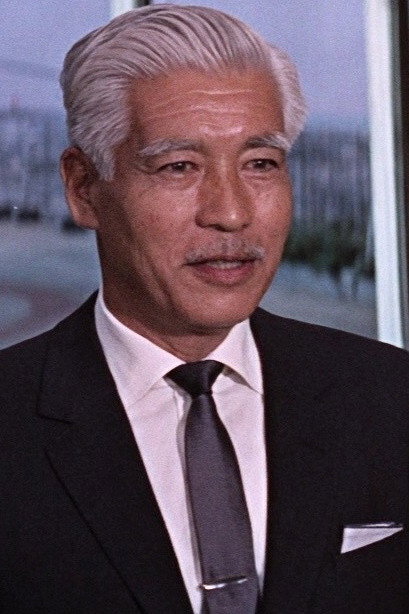
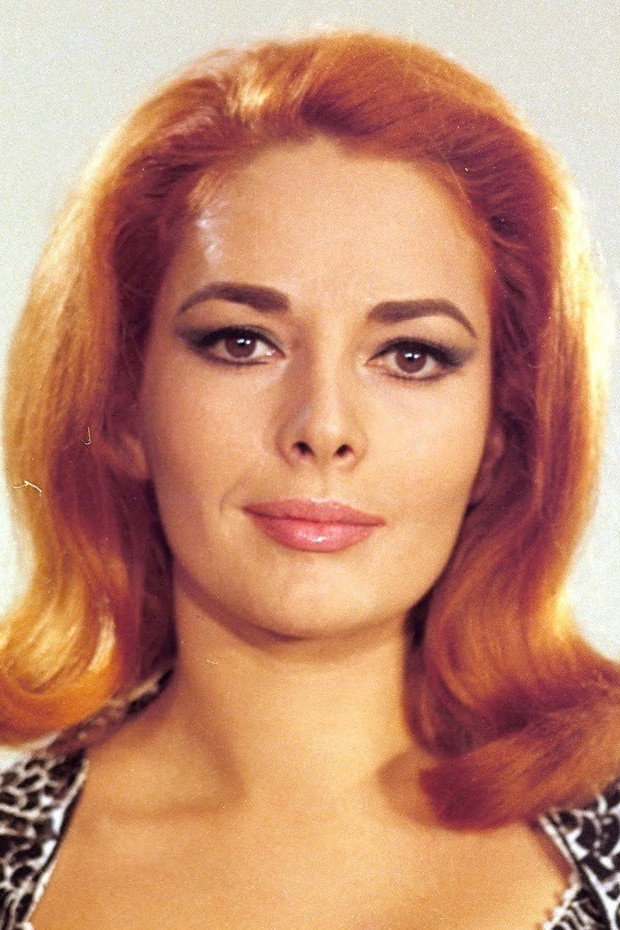
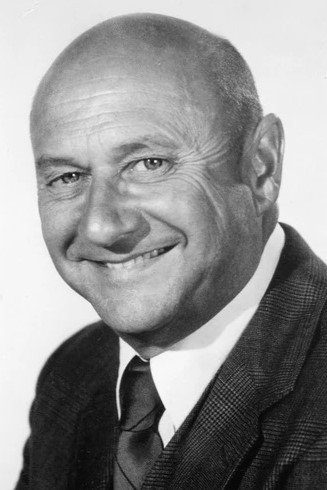
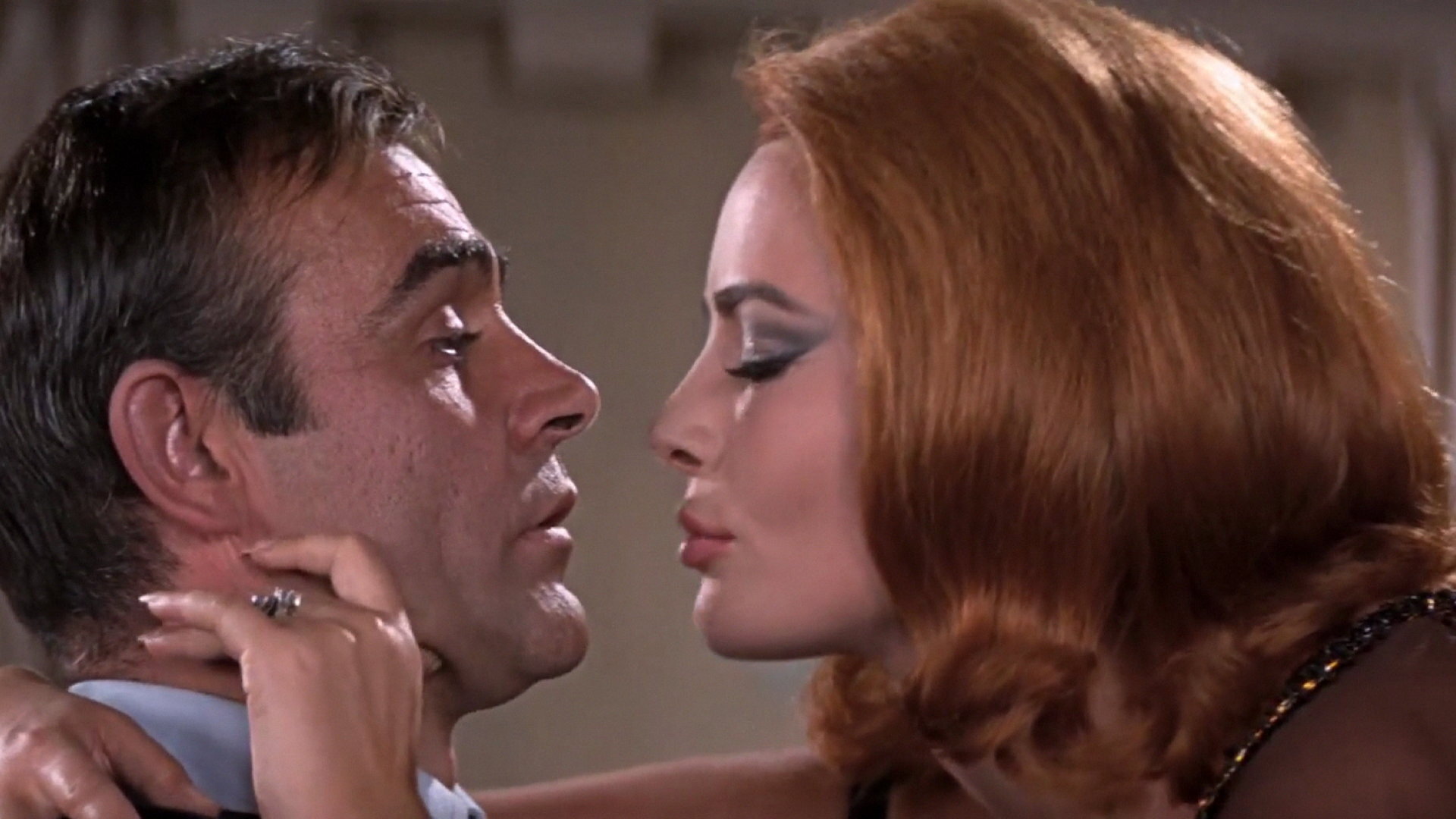
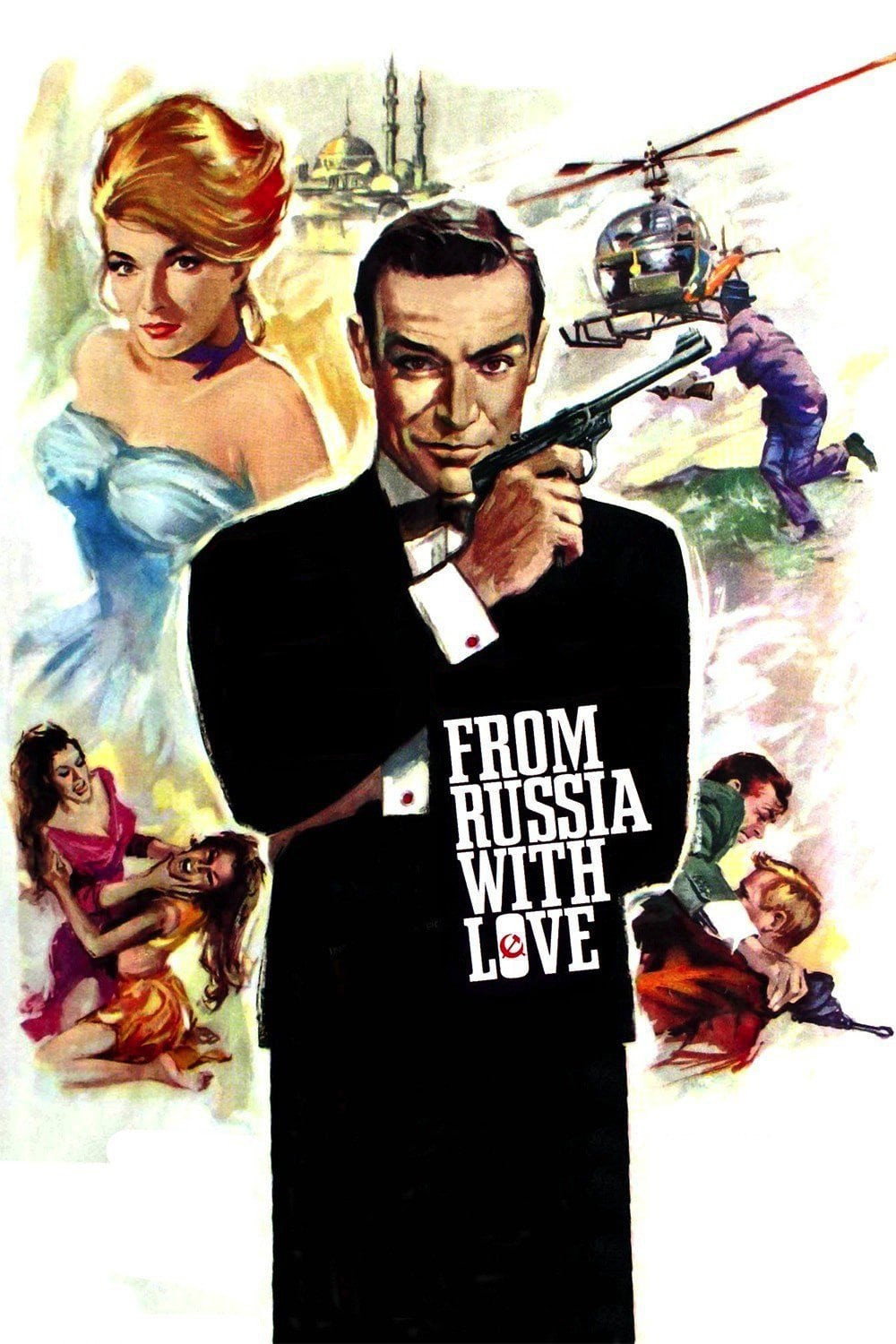
Connery is the trouble at the centre. He is heavier here, and says his lines as if reading them off a card held out of frame. The Bond of From Russia with Love (1963) enjoyed himself; this one is waiting for a car. Tetsuro Tamba’s Tiger Tanaka is the liveliest person on screen, a spymaster with a private underground train and a bath staffed by attendants, playing the friendship as an amused host putting up with a difficult guest. Akiko Wakabayashi’s Aki drives, shoots and gets the film’s few good jokes. Mie Hama’s Kissy Suzuki arrives late and is handed almost nothing. Karin Dor’s Helga Brandt has one strong scene in a small aeroplane. Charles Gray’s Dikko Henderson is on screen for a few minutes and missed for the rest. Donald Pleasence plays Blofeld small, bald, scarred and soft-voiced, and is given so little to do that the menace is mostly Adam’s.
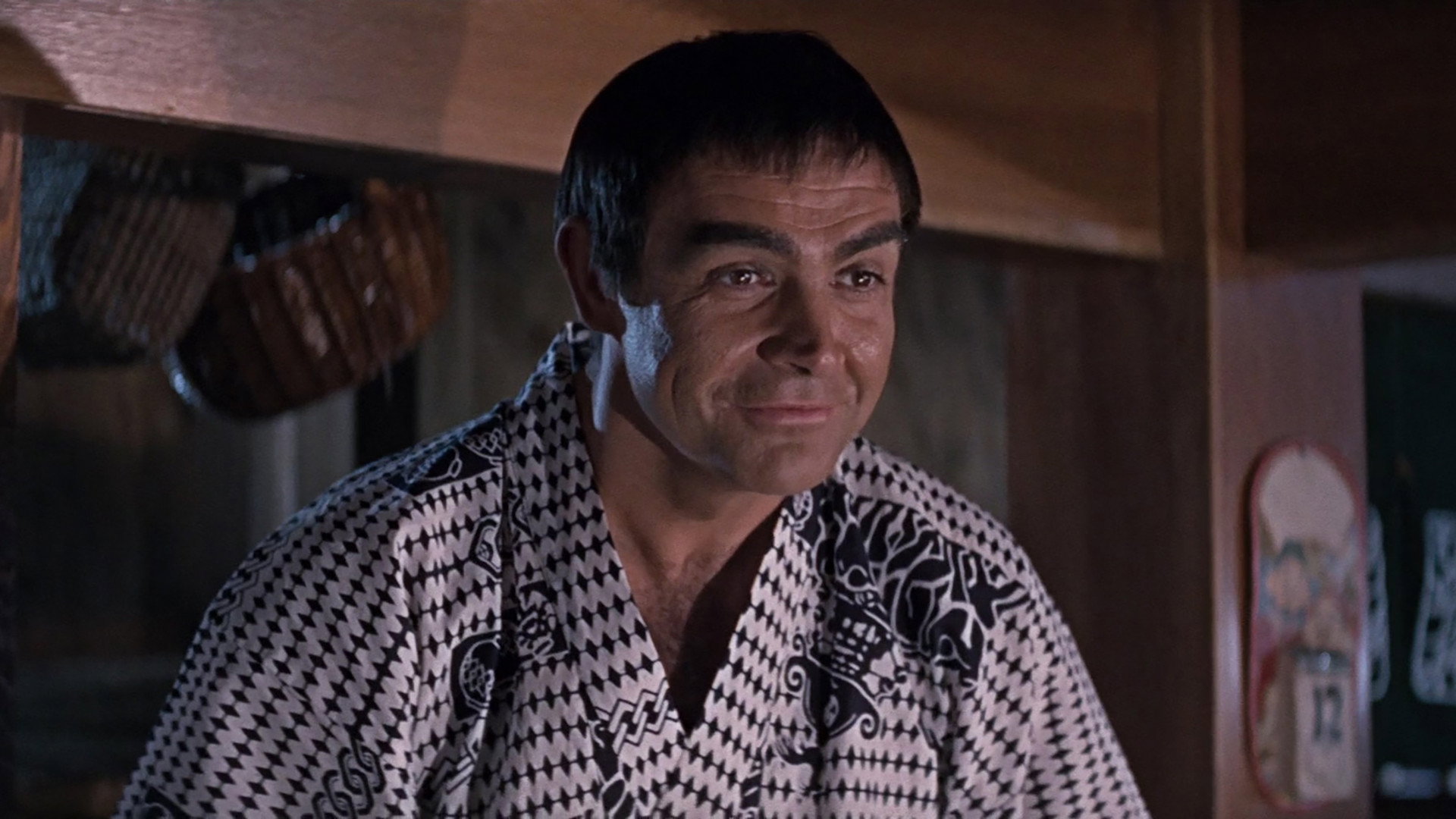
Dahl’s script is a run of arrivals. Bond goes somewhere, someone tries to kill him, he goes somewhere else. Little Nellie, the gyrocopter Q (Desmond Llewelyn) delivers in suitcases and assembles on a hillside, is flown into a helicopter fight that happens only because the gyrocopter existed. Then Bond is made up to pass as a Japanese fisherman, wig and all, and married off in a village so that he can look at a volcano. We found it embarrassing before anything is said about its taste, and it costs the film ten minutes of its middle. We were bored through the wedding and then irritated, because the film had already shown us a rocket base and was now showing us a boat.
Against Goldfinger (1964) and Thunderball (1965) this is where the formula becomes scaffolding. The parts are all present, gadgets, girls, a briefing from M (Bernard Lee), Lois Maxwell’s Moneypenny fending him off, and none of them connects to anything the film wants. Most critics land somewhere in the middle, and so do we, though we suspect the ones who love it are remembering the set and the ones who hate it are remembering Connery.
Watch it for the volcano, for Barry and for Tamba, and feel free to make tea during the village. It carries a PG and runs 117 minutes, at least twenty of which are scenery.