Film review

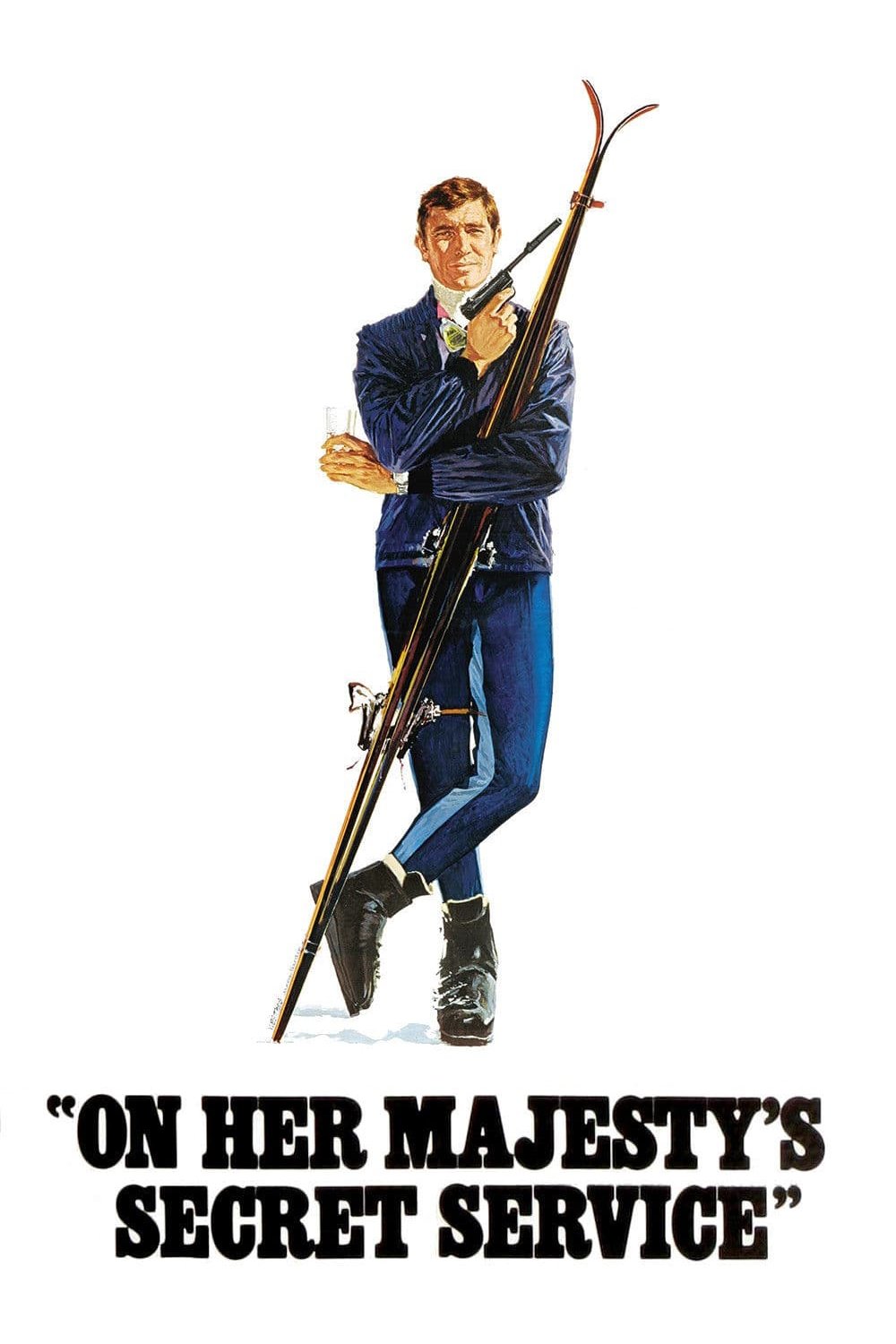
On Her Majesty's Secret Service

1969 · Directed by Peter R. Hunt · 2h 22m · MPA PG

In a sentenceThe one where Bond falls in love and the man playing him can’t quite keep up

AdventureActionThriller

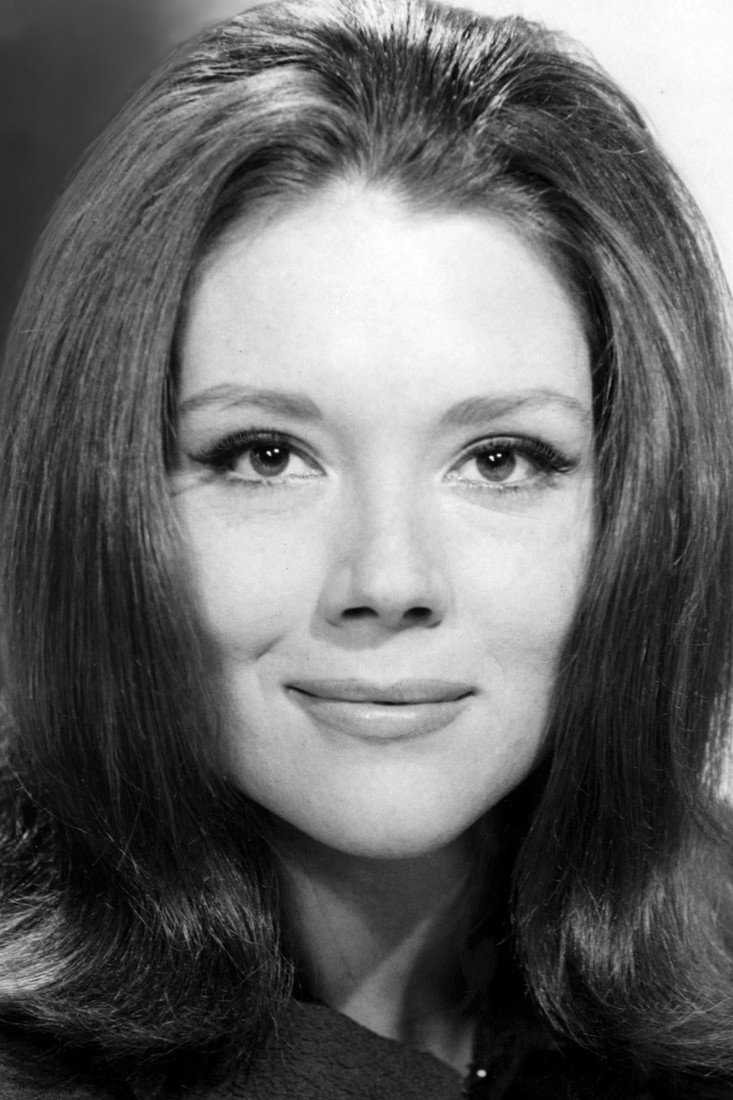
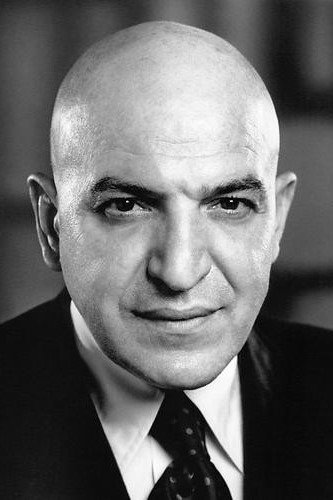
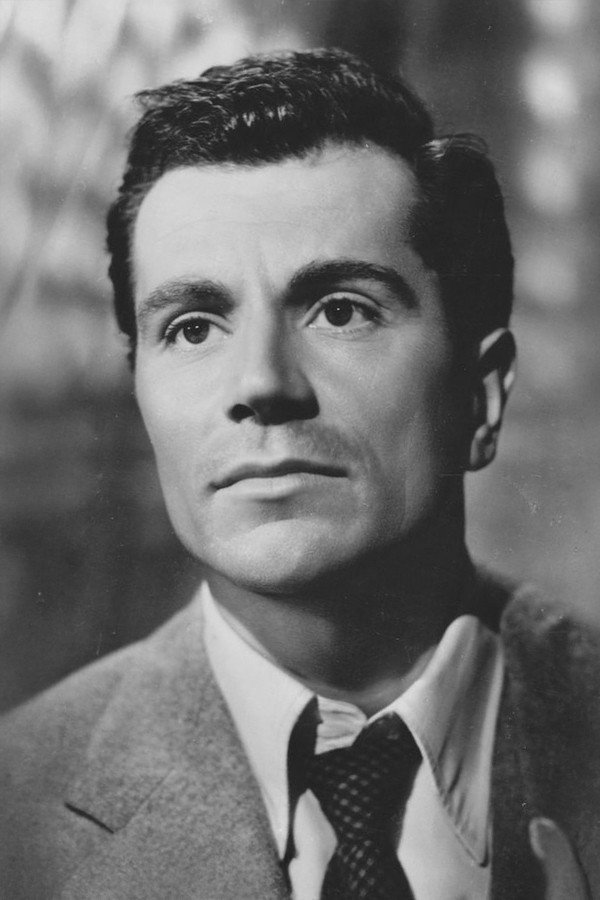
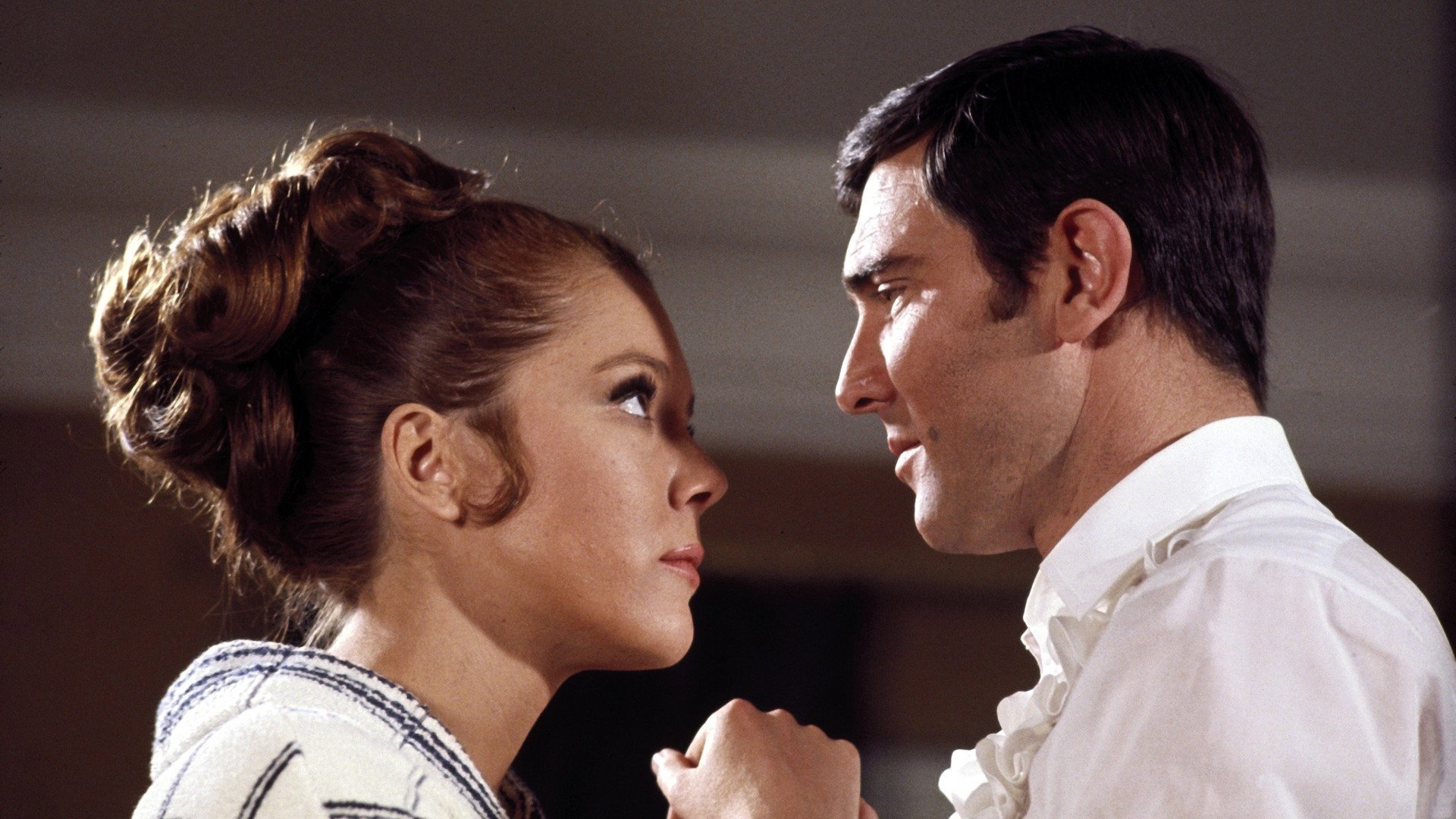
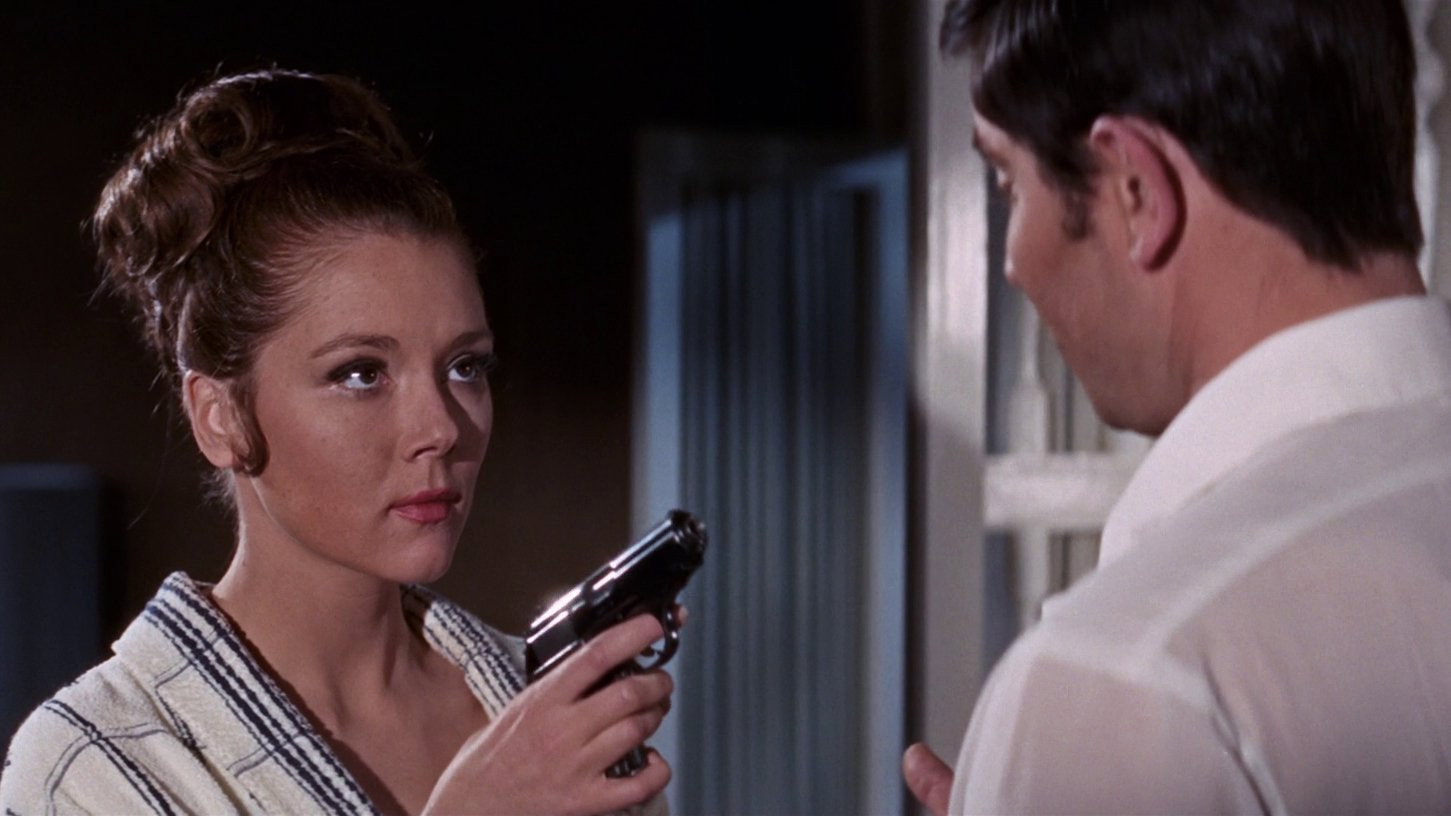
A beach in Portugal at dawn. James Bond (George Lazenby) stops his car to pull a woman out of the sea, and is thanked with two thugs and an empty beach. She is Tracy Di Vicenzo (Diana Rigg), the daughter of Marc Ange Draco (Gabriele Ferzetti), who runs a European crime syndicate and would like Bond to marry her; he offers a million pounds to make it happen. Bond wants something else: the whereabouts of Ernst Stavro Blofeld (Telly Savalas), whom he has been hunting for years and whom M (Bernard Lee) has just ordered him to forget. Draco’s tip leads to a lawyer’s office in Bern, a claim to a noble title, and an allergy clinic on top of a Swiss mountain, where Bond will have to arrive as somebody else.

Fi1m review

Peter R. Hunt’s one Bond film has a lead who cannot act, a middle that dawdles and a last half hour that nothing else in the series has matched. We recommend it, and we recommend patience with the man in the suit.

The sixth James Bond film arrived in British cinemas on 18 December 1969 with a new man in the suit and a first-time director, and for years it was treated as the odd one out. Sean Connery had gone, and George Lazenby, who had never carried a film, took over. Peter R. Hunt, directing for the first time, went back to Ian Fleming’s novel and kept most of it, including a Bond who falls in love and means it. The result is a Bond film with a lead who cannot act and a last half hour no other entry has come near. We think it is one of the best in the series, and we say that knowing exactly what is wrong with it.

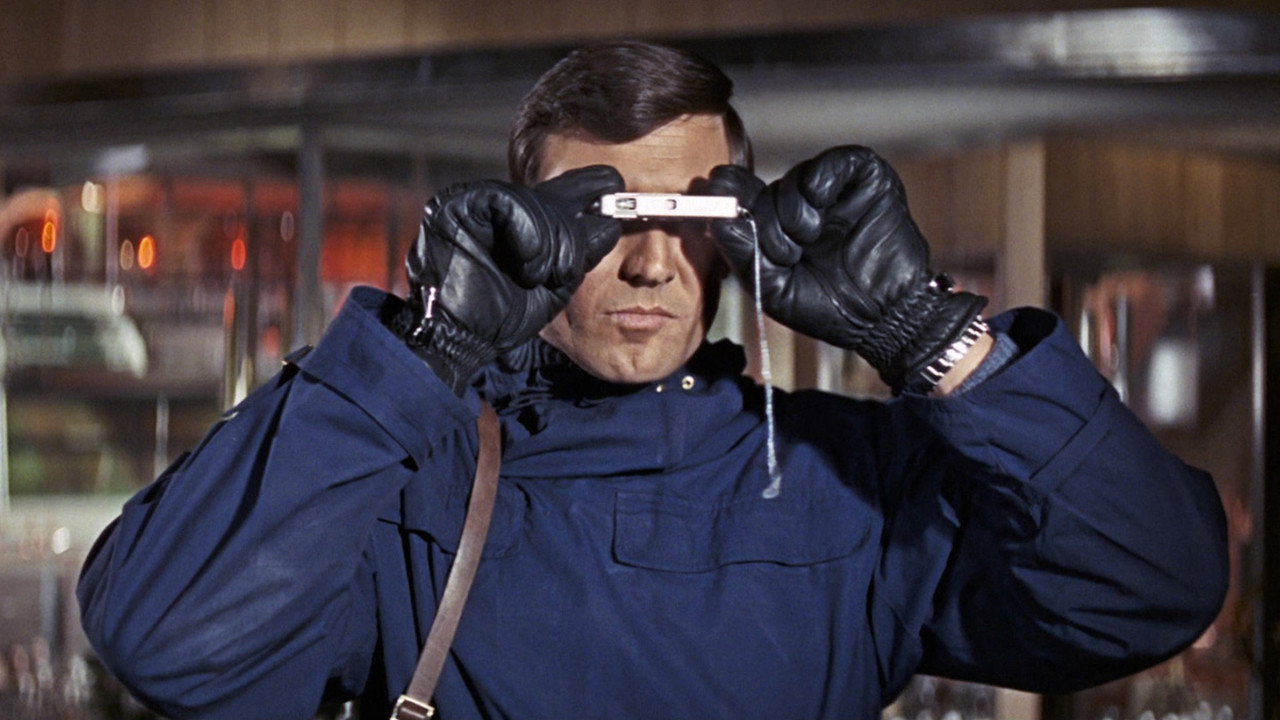
Lazenby first, since he is the problem everyone names. He looks the part, moves well, and fights with real, thumping conviction; the brawl in a hotel bedroom early on, all thrown furniture and cracked plaster, is rougher than anything Connery did. But when he has to speak he goes flat, and Richard Maibaum’s screenplay gives him a great deal to speak. The film knows it. For a long stretch in the middle, Bond is undercover as Sir Hilary Bray, a genealogist, and his voice is dubbed by George Baker, who plays the real Bray. A Bond film that takes its star’s voice away for twenty minutes is telling you how much confidence it had in him.

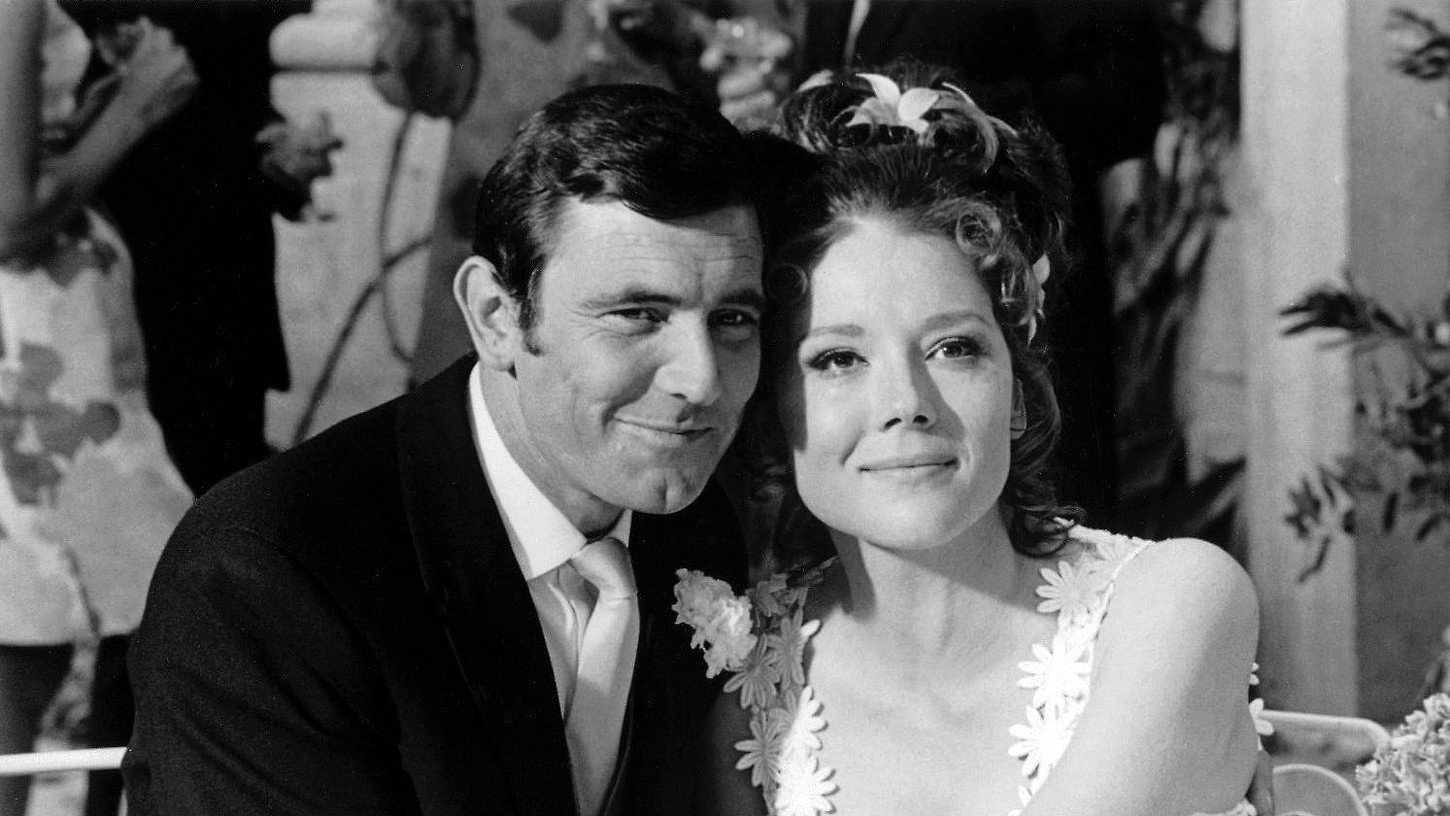
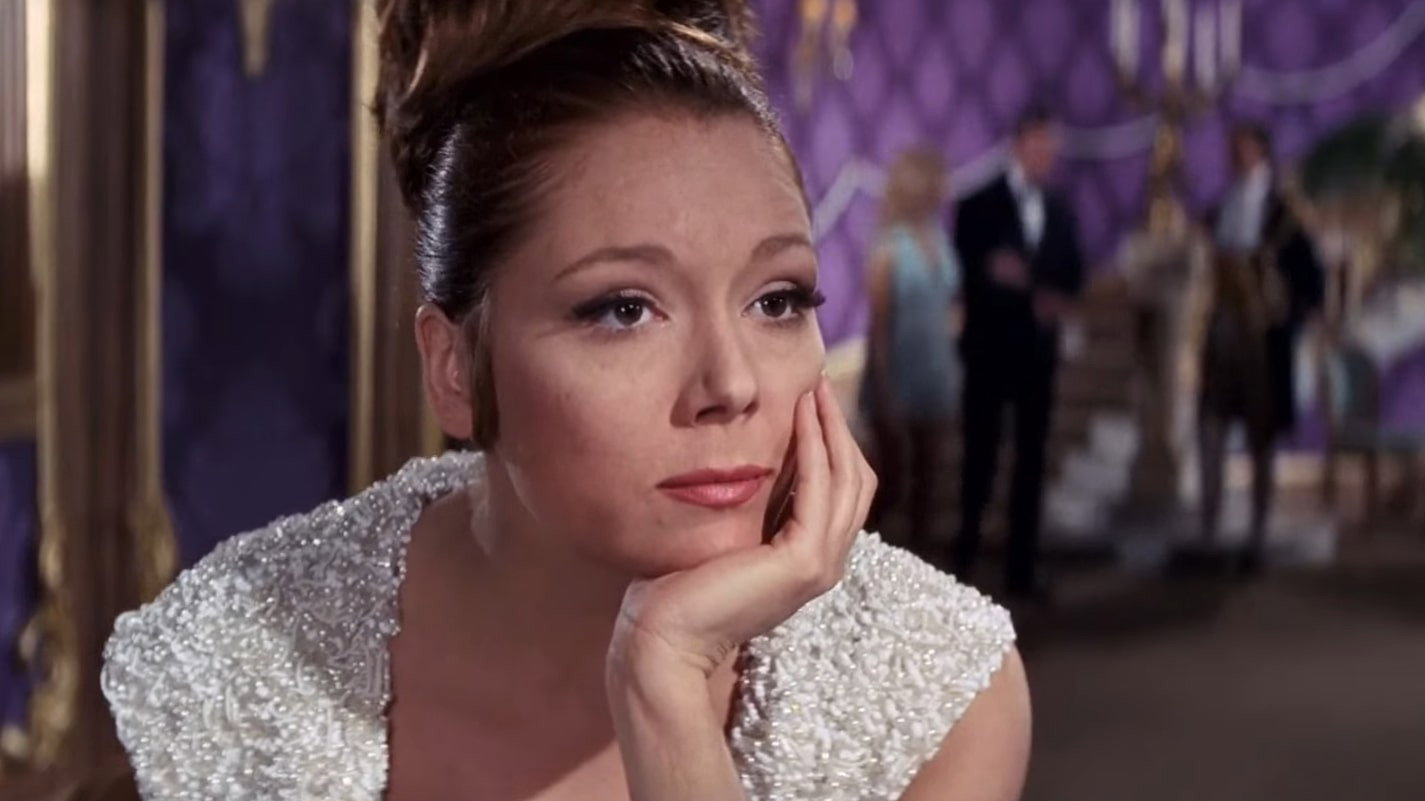
Diana Rigg is the reason it does not matter as much as it should. Her Tracy is a rich man’s damaged daughter who drives too fast and does not want rescuing, and Rigg plays her with the same dry quickness she brought to The Avengers on television. She is better than Lazenby in every scene they share, and instead of sinking him she carries him. Gabriele Ferzetti, as her father Draco, plays the marriage negotiation as comedy and the worry underneath it as real. The scene between the three of them at Draco’s birthday party, with John Barry’s We Have All the Time in the World coming in underneath, is where we stopped keeping score against Connery and started watching the film.

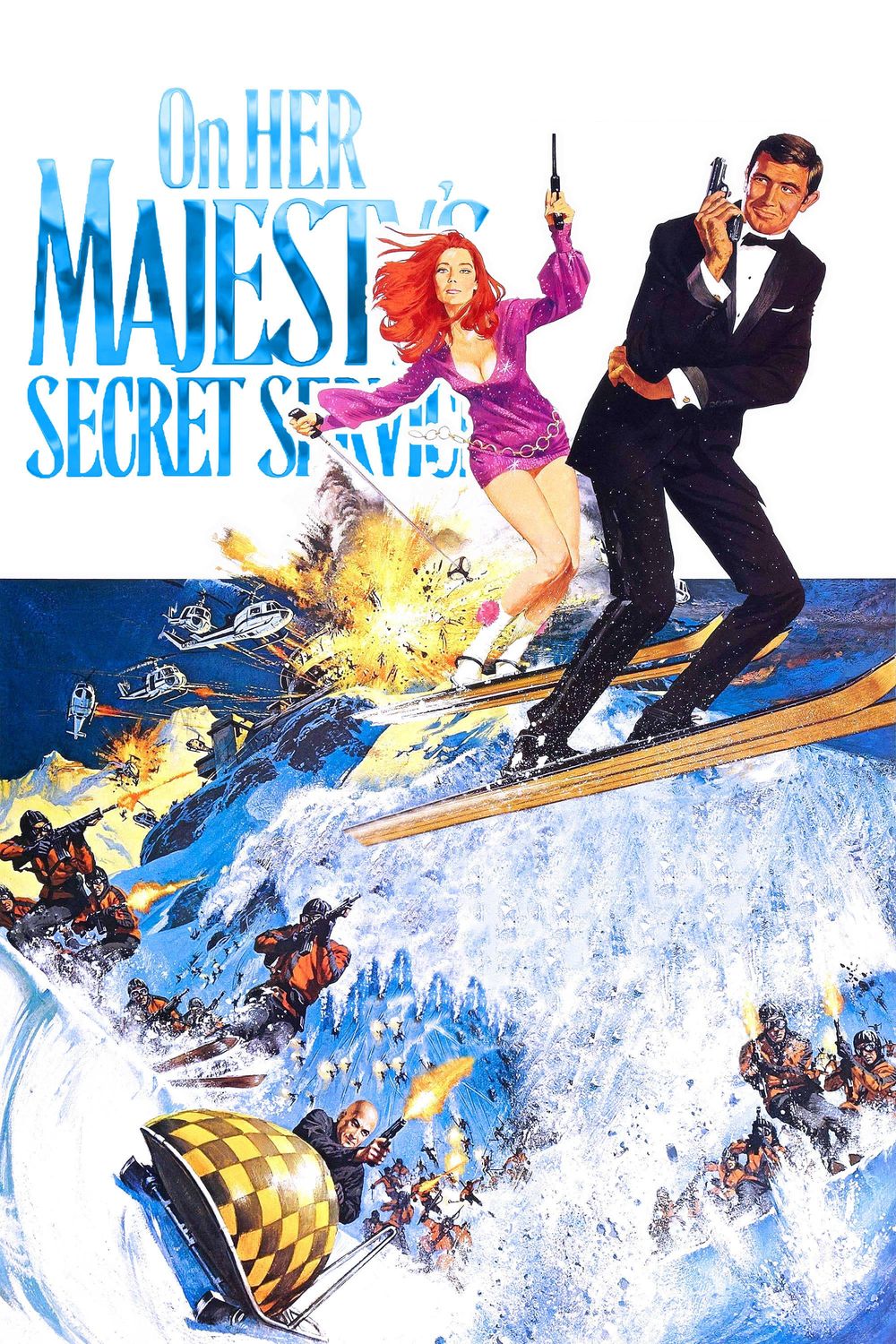
Hunt was an editor before he was a director, and it shows in the action. He and John Glen cut the ski chases into short, hard pieces, the camera down on the slope with the skiers and the snow flat white behind them, so that the black figures read like ink dropped on paper. Michael Reed shoots the Alps in clear, hard daylight rather than postcard gold. Syd Cain’s Piz Gloria, Blofeld’s clinic on the summit, is a circle of glass and orange upholstery that looks like an airport lounge, and is the better for it. Marjory Cornelius puts Rigg in a fur-trimmed ski suit that is unmistakably hers and keeps everyone else in colours you could spot from the next mountain. A bobsleigh fight made us grip the armrest; it is done with real sleds on a real run and the camera going down with them.

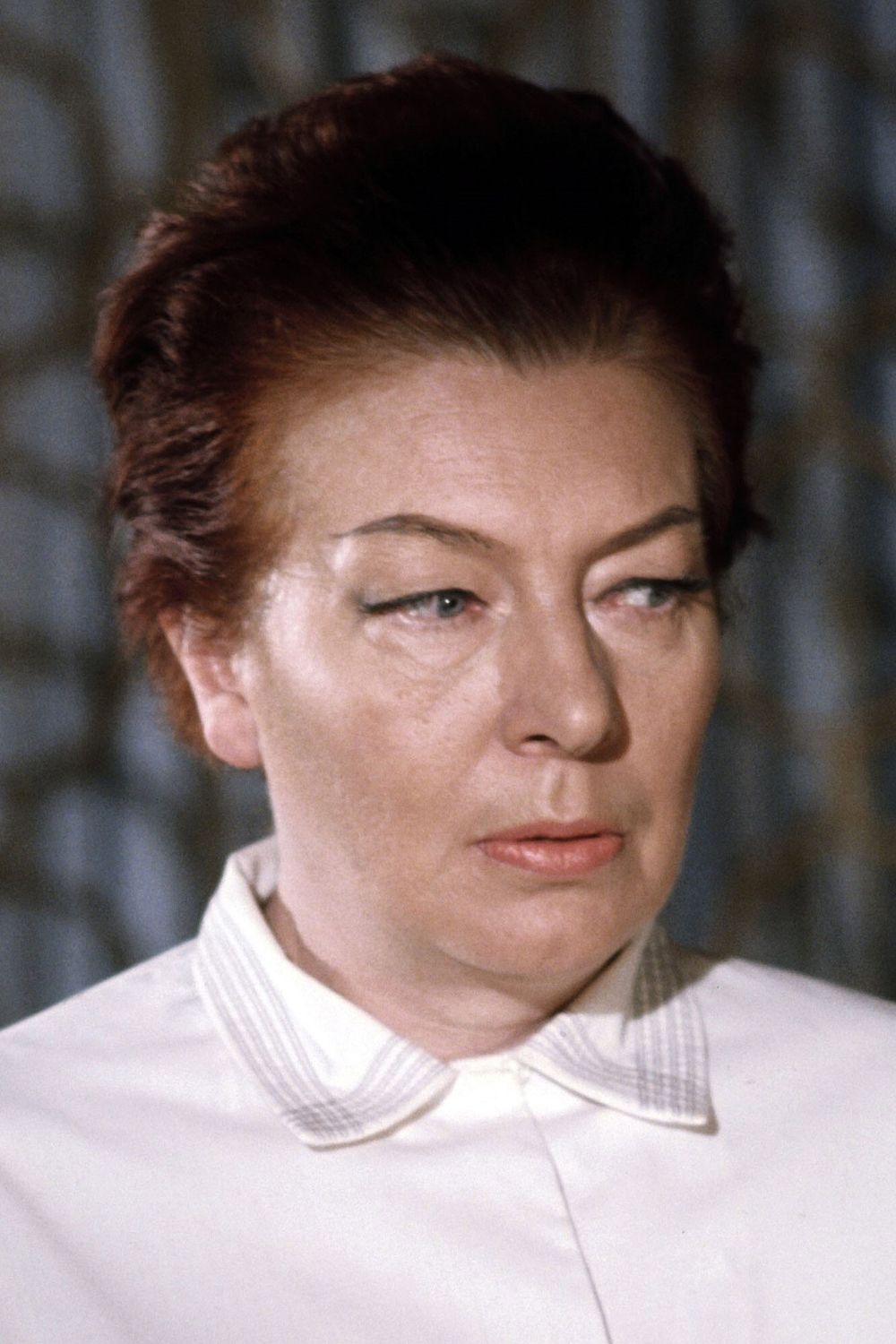
Here are the faults. At 142 minutes the film is long, and the stretch at Piz Gloria, in which Bond pretends to be a heraldry expert and spends his evenings with a dozen young women, is a lot of dinner and not much threat. Telly Savalas plays Ernst Stavro Blofeld as a bruiser with a grievance rather than a mastermind, which we rather like, but the script never explains why a man who met Bond in the previous film does not recognise him now. Ilse Steppat, as Blofeld’s assistant Irma Bunt, is the film’s best villain, a smiling matron with a pistol, and she has too few scenes. Bernard Lee and Lois Maxwell do their usual turns as M and Moneypenny, and one small exchange between Moneypenny and Bond over a letter is the warmest either character has been.

Then the last half hour, and we will not describe it. What we can say is that it drops the jokes, that Barry’s score does what the lead cannot, and that the final scene is the reason this film has been reassessed upwards ever since. We had seen it before. It still got us, and we sat through the credits saying nothing.

Nobody has made a Bond film quite like it since, though several have tried. If you can forgive the man in the middle of the frame for being a beginner doing his best, and we found that we could, the rest of the frame is as good as this series gets.
Critical consensus AI synthesised

81
Positive
11
Mixed
0
Negative
0

All eleven reviews are positive, and the praise lands in the same places. Most critics treat this as the Bond film that lets the character feel something, and they credit the closer adaptation of Fleming for it. Diana Rigg’s Tracy is singled out repeatedly as a heroine who is Bond’s equal in wit and action. John Barry’s score comes up in nearly every notice, as do Peter Hunt’s action sequences, the ski chase in particular. Several critics also praise the closing minutes, which we will not describe.

The reservations cluster around George Lazenby, whom most critics find capable but limited and inevitably measured against Connery. Digital Spy notes pacing problems across a long runtime; The AV Club mentions technical rough edges. The spread is narrow, 70 to 90, and it runs by date: the notices in Variety and The New York Times see a brisk chase picture with a new lead, while later reviews, from The Guardian to Den of Geek, call it a series high point that took decades to be recognised.

RogerEbert.com
4 March 2014
90*

The film is widely considered one of the best Bond entries despite the change in lead actor. It stands out for its strong story, exciting stunts, John Barry score, and especially Diana Rigg's three-dimensional performance as Tracy.

Read the full review →
The Guardian
23 February 2014
90*

The critic calls the film possibly the best Bond entry ever, praising its standout soundtrack, the way it takes the character into new emotional territory, and its unforgettable ending as one of cinema's finest.

Read the full review →
The AV Club
7 April 2020 · Ignatiy Vishnevetsky
85*

The critic calls it the definitive Bond fan’s film for its romantic depth, character investment in Bond, and visual beauty alongside the series’ usual pleasures. He singles out the faithful adaptation of Fleming, Lazenby’s vulnerable performance, and the striking direction and score for praise while noting some technical flaws and the actor’s limitations.

Read the full review →
Empire
1 January 2000 · William Thomas
80*

The critic calls it the best Bond film for its strong plot, genuine emotion and fidelity to Fleming, singling out the sensitive romance with Tracy and the moving wedding and finale for praise, while noting Lazenby's acting limitations and the director's efficient action sequences.

Read the full review →
Radio Times
★★★★ · Jeremy Aspinall
80

The film is a magnificently memorable adventure despite divided opinions on Lazenby at the time. It features superb action, suspense, locations, emotional depth for Bond, a strong heroine in Diana Rigg, an evocative John Barry score, and the memorable Louis Armstrong song.

Read the full review →
The New York Times
19 December 1969 · A. H. Weiler
70*

The sixth Bond film follows the established pattern of sex, crime and spoof, with its heart in a series of breakneck chases shot by first-time director Peter Hunt. It features the longest ski chase and bobsled run ever, plus other elaborate action set pieces.

Read the full review →

Cast

If you liked this, try…

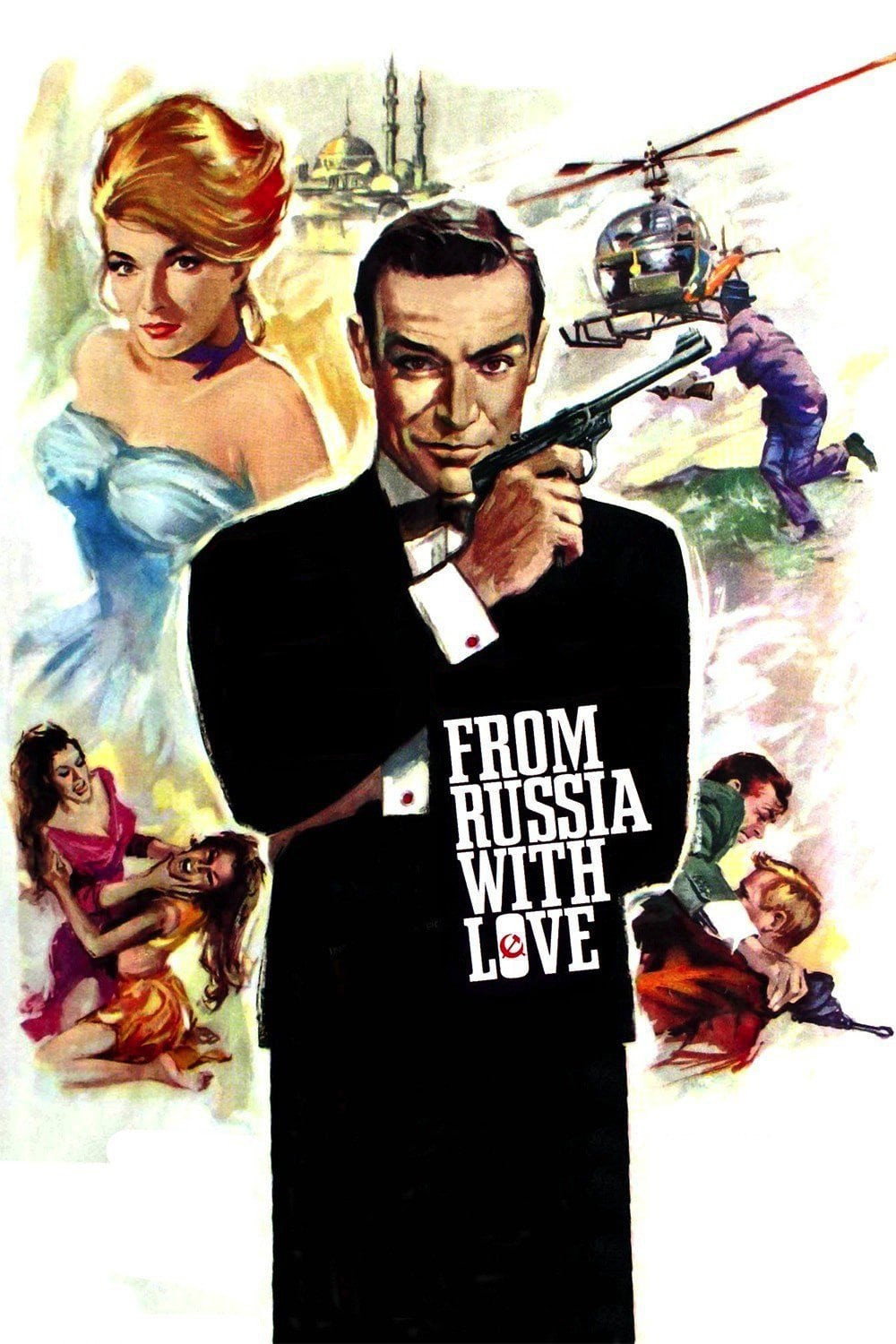
From Russia with Love poster84

From Russia with Love

1963 · The Connery entry closest in spirit: a real plot, a train, and a proper fight.

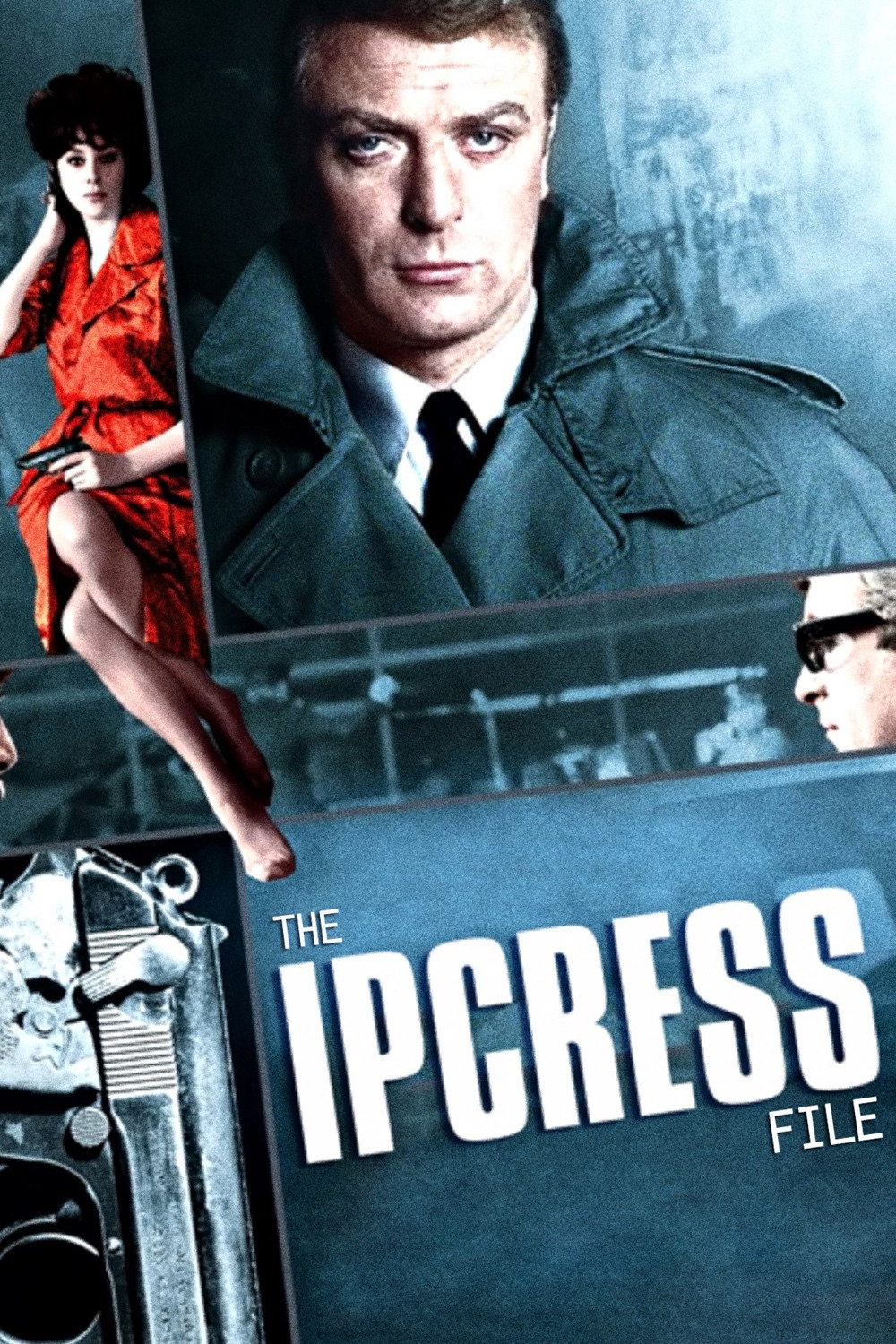
The Ipcress File poster

The Ipcress File

1965 · The same producer’s answer to Bond: a spy who wears glasses and does his own shopping.

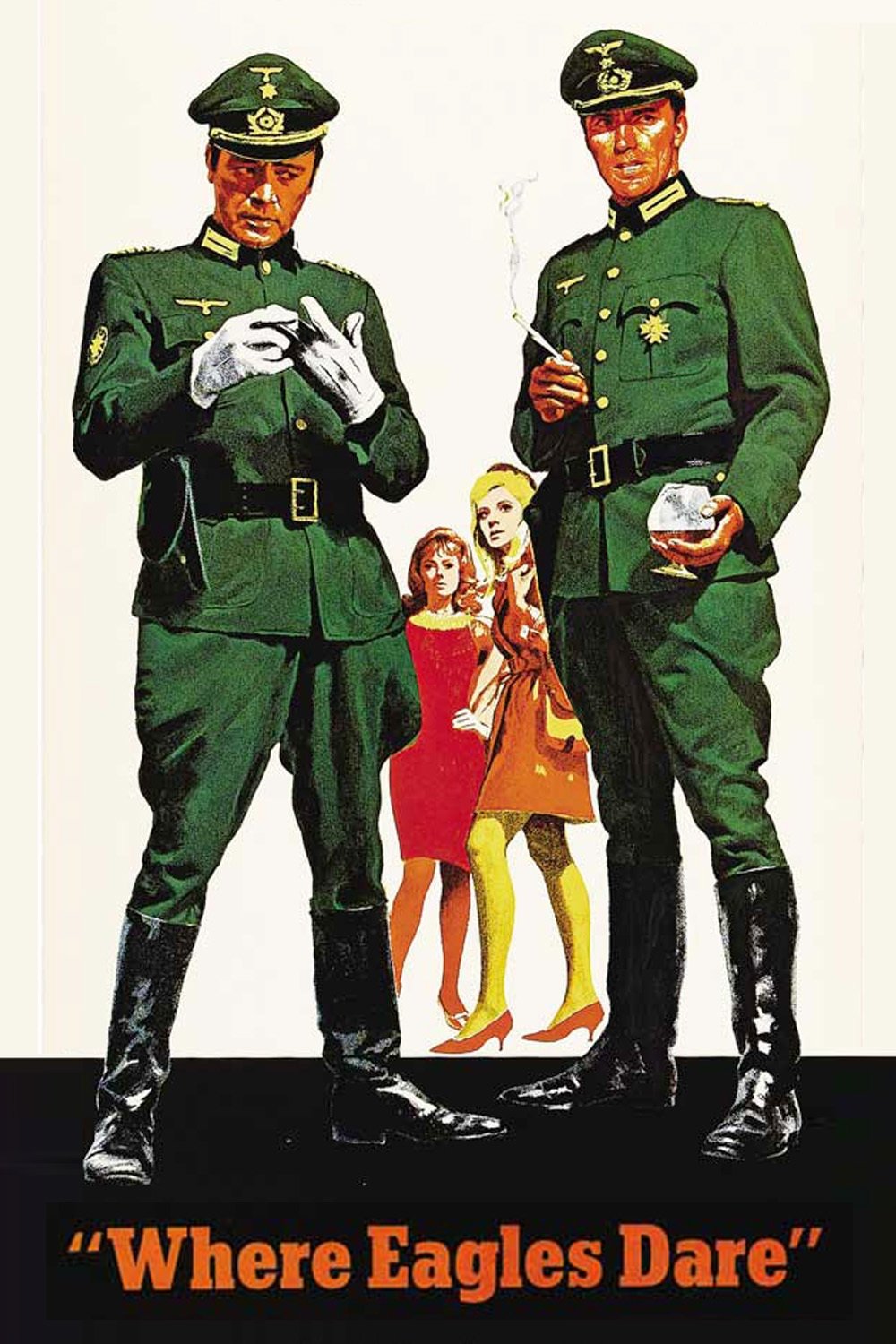
Where Eagles Dare poster

Where Eagles Dare

1968 · Alpine cable cars, snow and men in uniform who are not what they say.

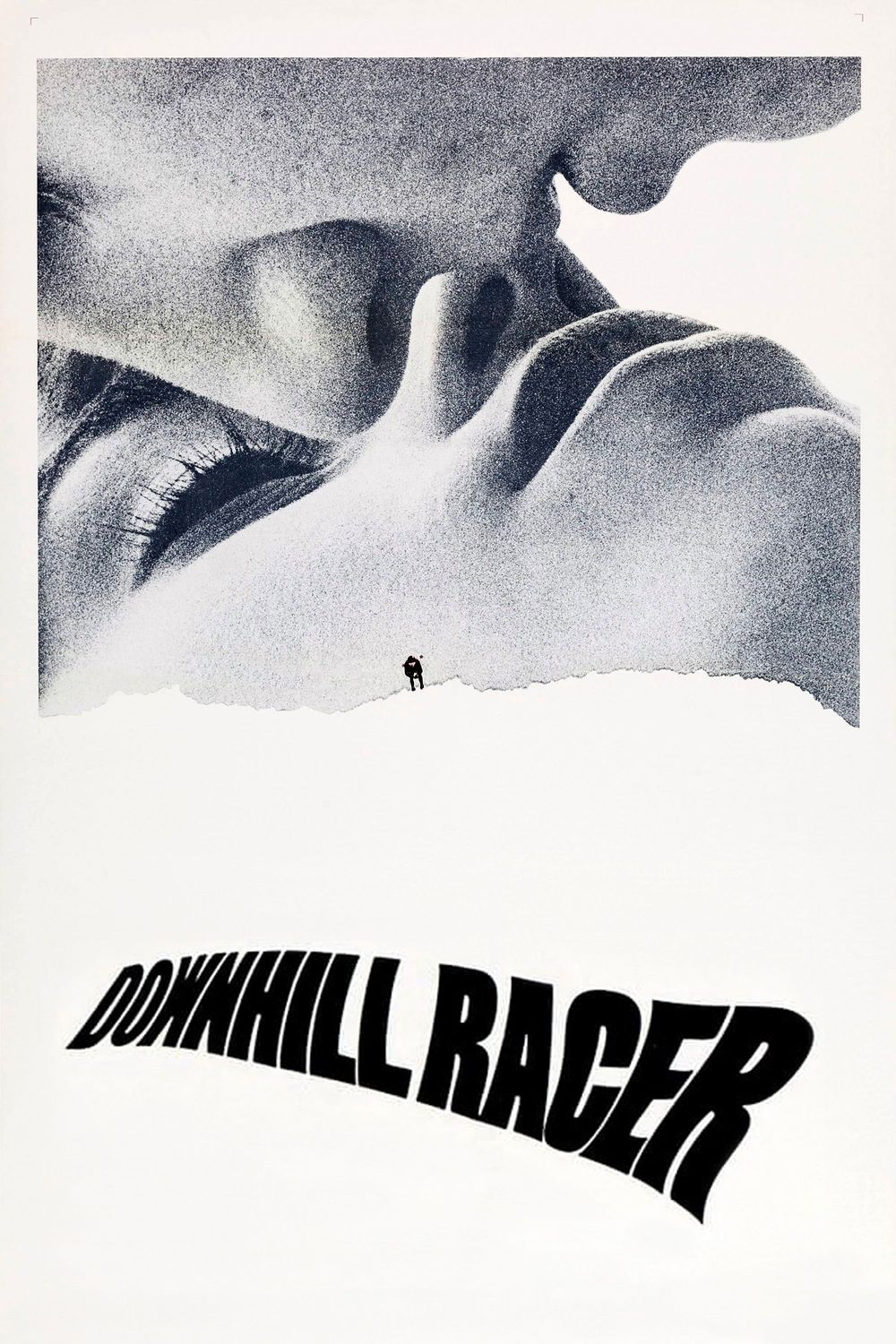
Downhill Racer poster

Downhill Racer

1969 · Redford on skis, shot from the slope; the chases here without a villain attached.

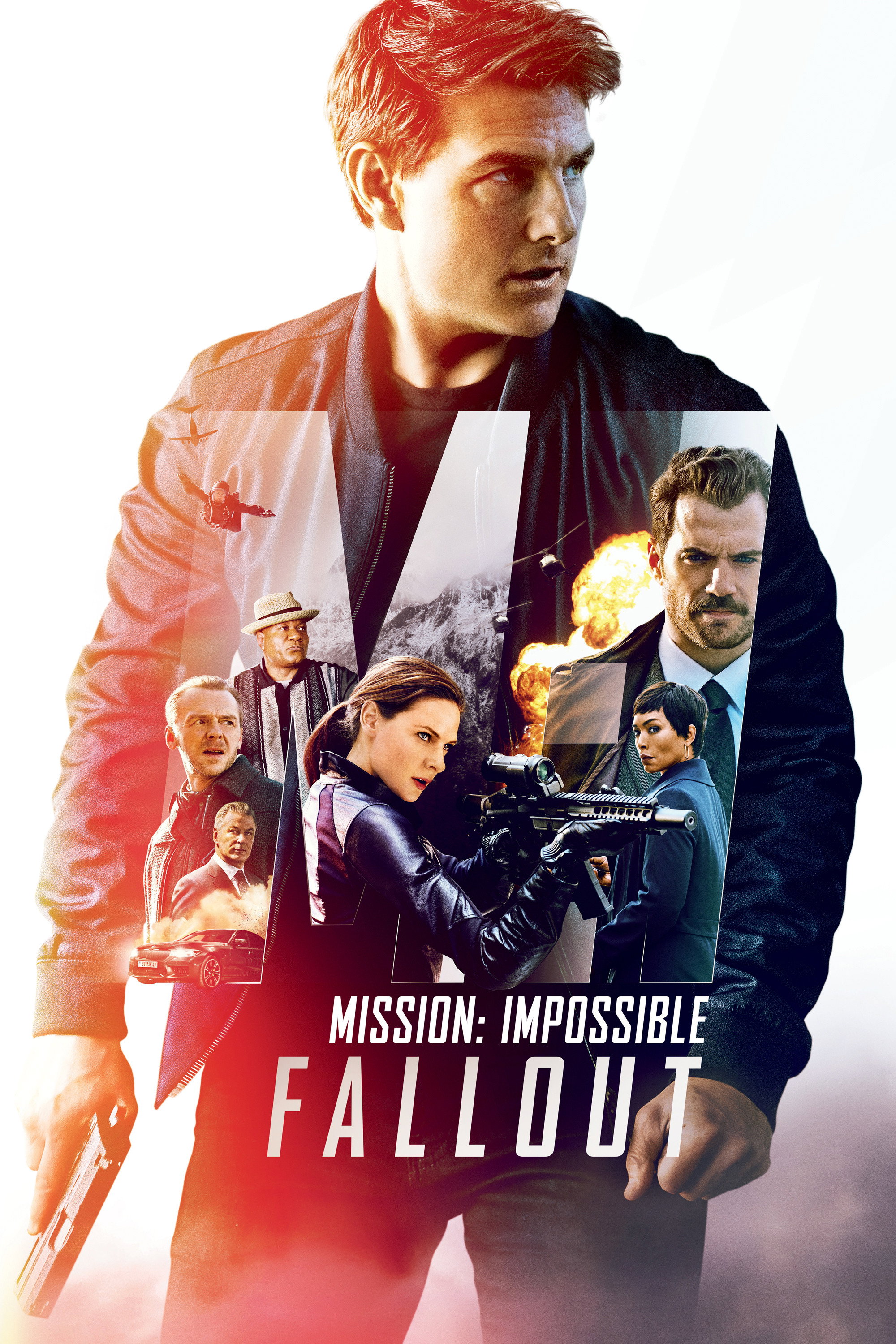
Mission: Impossible – Fallout poster87

Mission: Impossible – Fallout

2018 · The modern series that learned most from Hunt’s cutting and Lazenby’s bruises.