Film review

Casino Royale

2006 · Directed by Martin Campbell · 2h 24m · MPA PG-13

In a sentenceDaniel Craig plays cards as though somebody has insulted him personally

AdventureActionThriller

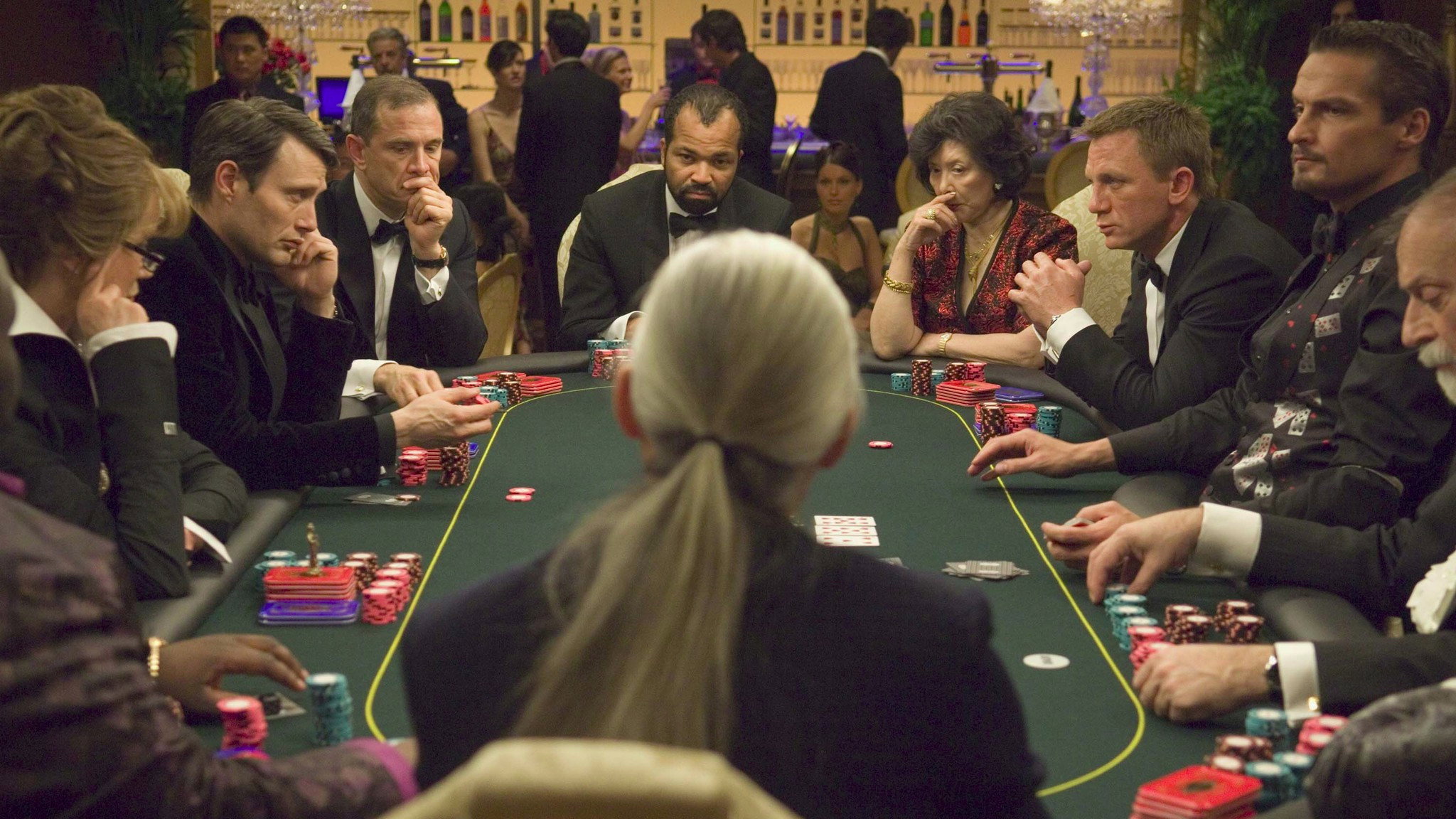
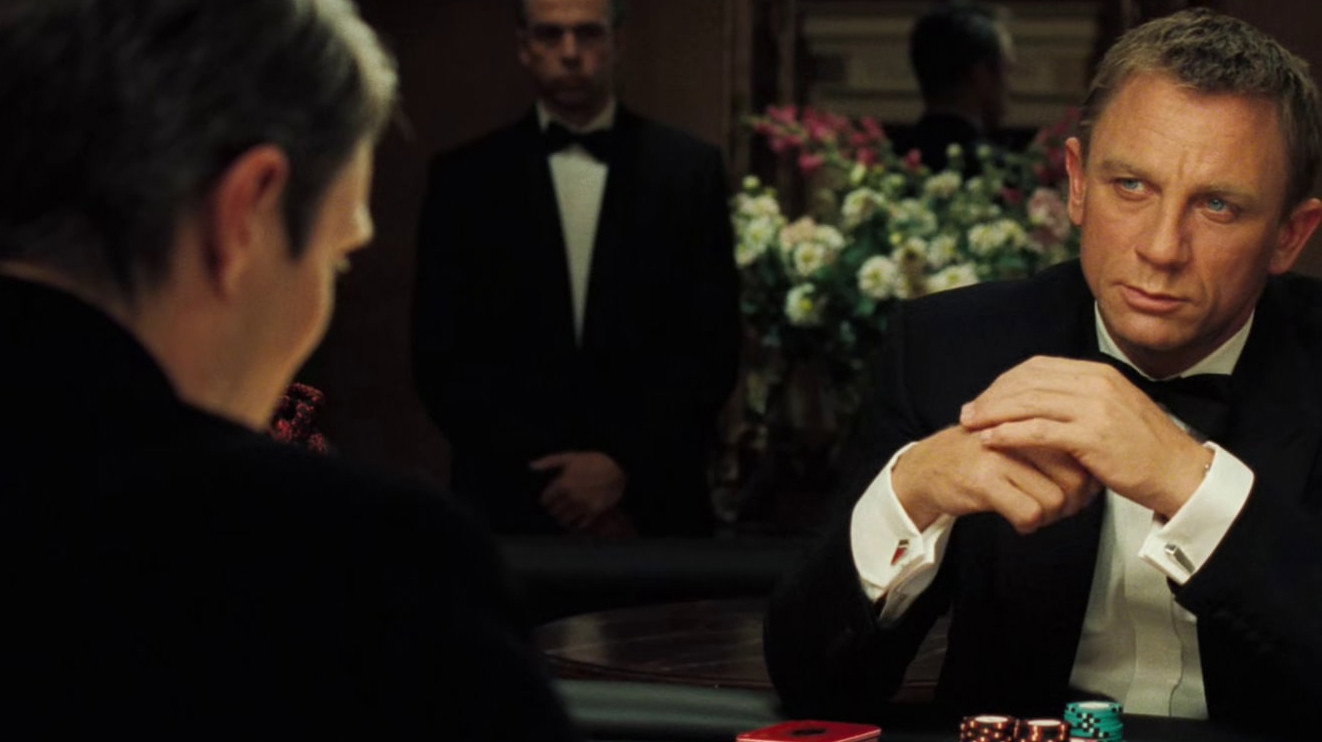
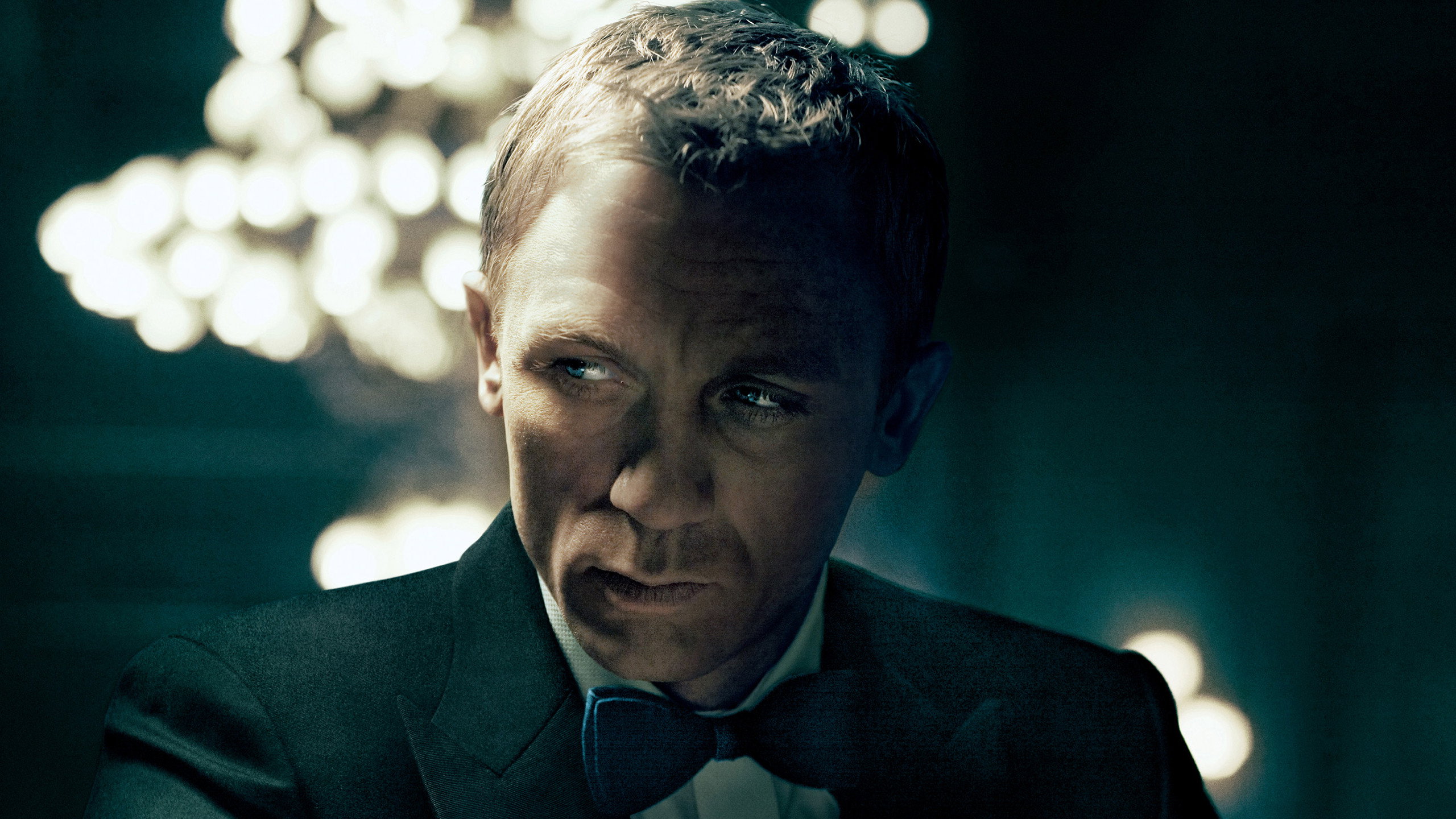
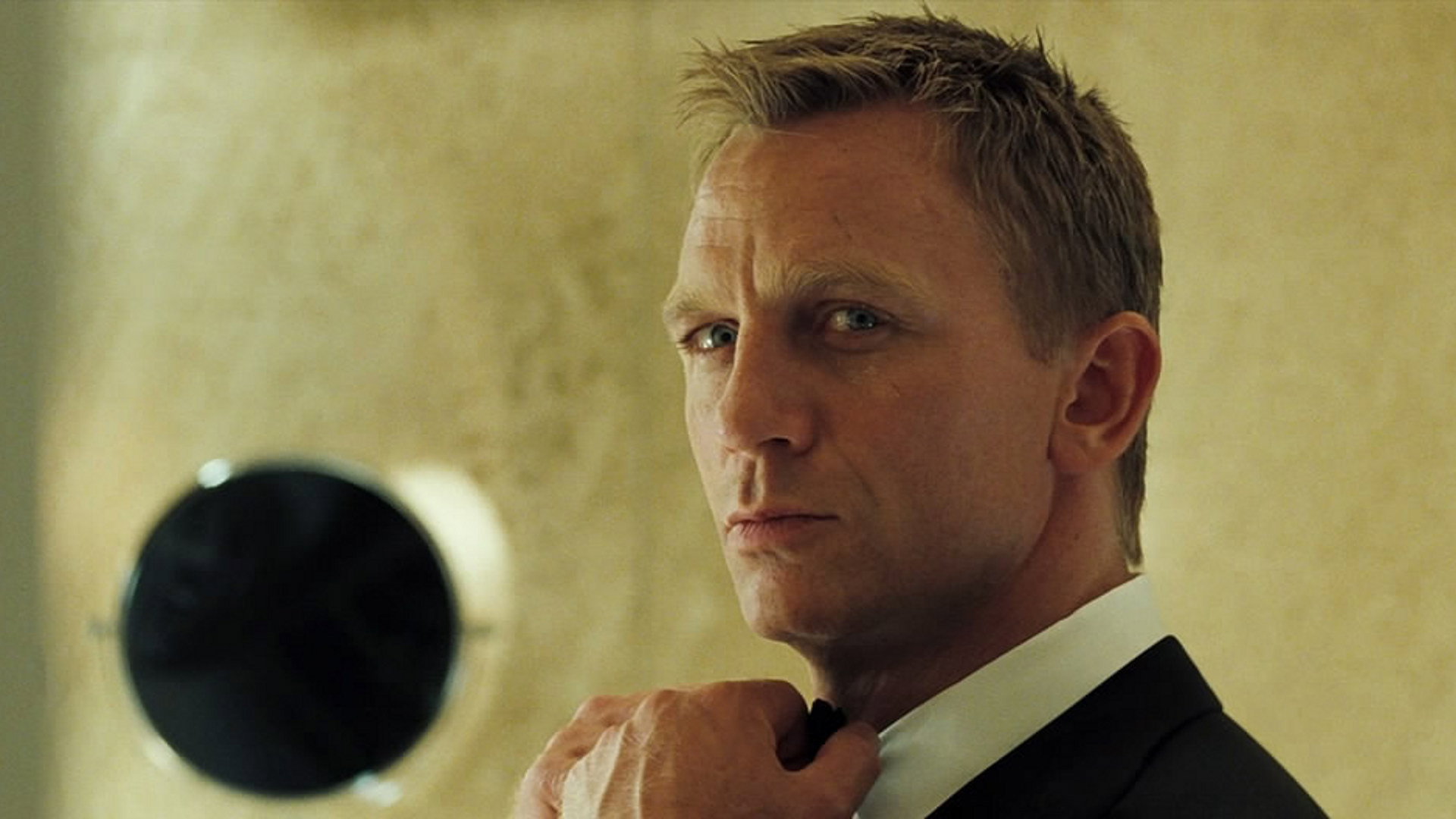
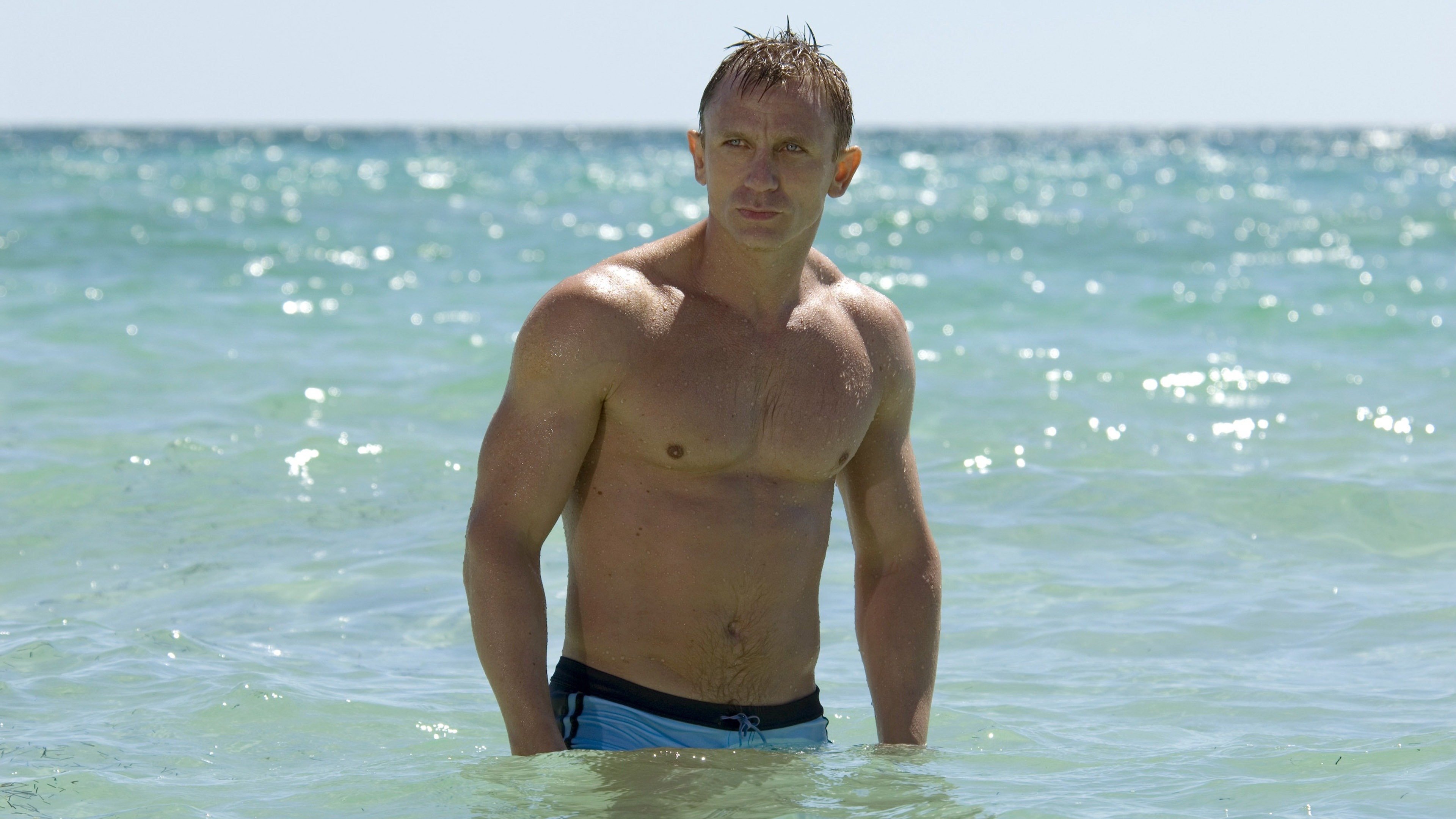
James Bond (Daniel Craig) faces a high-stakes card game in a story that returns the agent to his beginnings. His toughness and arrogance carry him through physical confrontations, but Vesper Lynd (Eva Green) is ready to challenge him in conversation. The contest at the table demands a different sort of control from a man accustomed to using force. Mads Mikkelsen plays Le Chiffre, Judi Dench plays M and Jeffrey Wright plays Felix Leiter. Adapted from Ian Fleming’s novel, the film follows a less assured Bond as his work begins to carry a greater personal cost.

Plays from YouTube when you press play; nothing loads from them until then.

Fi1m review

Daniel Craig gives Casino Royale the danger and emotional weight its harder approach needs. Martin Campbell makes the action count, and Eva Green gives Bond someone worth listening to; only a protracted final stretch weakens our enthusiasm.

Casino Royale asks us to take James Bond seriously, which can be an awkward request from a film about a man playing cards under pressure. Martin Campbell earns it by putting Daniel Craig’s physical menace and impatience at the centre of the film. This Bond is forceful enough to get things done and arrogant enough to make us worry about his judgement. We recommend it warmly, with a reservation about how long it takes to finish. Craig makes the toughness convincing without making the man infallible.

The building-site chase is an early demonstration of that approach. We were tense watching it, because Craig’s aggression suggests a man who might get himself hurt through sheer impatience. Campbell uses the architecture to give the pursuit problems to solve, while Phil Meheux’s photography makes the space readable enough for the physical effort to matter. Stuart Baird’s cutting keeps the sequence moving without reducing it to disconnected impacts. We can follow the pursuit and learn something about Bond at the same time.

Peter Lamont’s production design gives the action surroundings that have a practical use. Buildings supply obstacles, and Campbell pays attention to how people move through them. David Arnold’s forceful score suits Craig’s rough performance, although the action scarcely needs further encouragement. The greater suspense comes when the film puts its faith in the high-stakes card game. There is pleasure in discovering that it can hold our attention just as firmly when its leading man sits down.

Eva Green is just as important when the action pauses. As Vesper Lynd, she challenges Bond without treating every exchange as an invitation to admire him, and Craig allows some uncertainty into his performance in response. Adapting Ian Fleming’s novel, Neal Purvis, Robert Wade and Paul Haggis give the pair dialogue sharp enough to make their conversations worth waiting for. Green makes the prospect of Bond caring about somebody persuasive, despite all his arrogance. We begin to care about him because somebody is prepared to question his opinion of himself.

The weakness is the length. At 144 minutes, Casino Royale gives its final stretch more space than the material needs, and Baird’s earlier control of pace becomes less evident. The action grows busier just when the film would benefit from trusting the people in it. This is a limited complaint, but an important one: Campbell has made the quieter exchanges engaging enough that more commotion can feel like an interruption.

For a Bond film, cutting back on gadgets and smirking jokes is a useful start, but Craig is what makes the change worthwhile. He can be arrogant, anxious and dangerous without becoming a different person whenever the scene changes. Campbell retains enough wit to make the seriousness enjoyable, and enough faith in his actors to let us notice what the violence costs them. See it for Craig and Green, and allow Campbell a little more time than he needs.
Critical consensus AI synthesised

81
Positive
9
Mixed
0
Negative
0

The consensus is firmly positive: most critics see Casino Royale as a successful return to a tougher, more human Bond. Praise centres on Daniel Craig, whose physical presence, roughness and vulnerability give the familiar character renewed dramatic weight. The reviews also welcome the reduced reliance on gadgets and quips, alongside action that helps establish character rather than simply interrupting the plot. The clearer storytelling and greater emotional seriousness are recurring strengths.

The differences are mostly about how far the reinvention goes and how well the film sustains it. Reservations cluster around pacing and the final act, with some finding the closing stretch overlong or routine. The AV Club offers the clearest qualification, treating the change as tentative and questioning unnecessary plotting. Radio Times praises the supporting performances, while Total Film has minor reservations about the supporting elements. The spread remains narrow: these are disagreements within a broadly enthusiastic response.

Empire
16 November 2006 · Kim Newman
90*

The critic praises the film as a faithful adaptation of Fleming’s novel that renews the Bond franchise with gritty action, dramatic depth, and a compelling new lead in Daniel Craig. Some minor miscalculations are noted in the finale, but overall it is hailed as the most exciting Bond film in years.

Read the full review →
Slant Magazine
15 November 2006 · Keith Uhlich
85*

The critic calls Casino Royale one of the good Bond films for its witty recontextualization of series elements and especially praises Daniel Craig's raw, rough performance as the best since Connery. They single out the film's charting of Bond's chilling renouncement of humanity as a highlight.

Read the full review →
Variety
9 November 2006 · Todd McCarthy
85*

The critic notes that Craig comes closer to Fleming's original conception than anyone since Connery, recharging the series with toughness and arrogance. The focus on a high-stakes card game and comprehensible plotting is praised.

Read the full review →
Los Angeles Times
17 November 2006 · Kenneth Turan
80*

The critic calls the film a shrewd and largely successful retooling that ups the reality quotient. Craig's performance is singled out as the most important and persuasive element.

Read the full review →
Radio Times
★★★★ · Adam Smith
80

Hails it as a triumphant new beginning for the franchise with Bourne-style grit, humanised Bond and strong supporting turns. Notes the overlong and chaotic final act as a minor flaw.

Read the full review →
The New York Times
17 November 2006 · Manohla Dargis
80*

The critic praises the film for refreshing the Bond franchise with a leaner, meaner and darker tone. Daniel Craig is singled out as an ideal fit for these grim times.

Read the full review →

Cast

Stills

Awards

BAFTA Film Awards, 2006

Won
Best Sound

If you liked this, try…

From Russia with Love poster

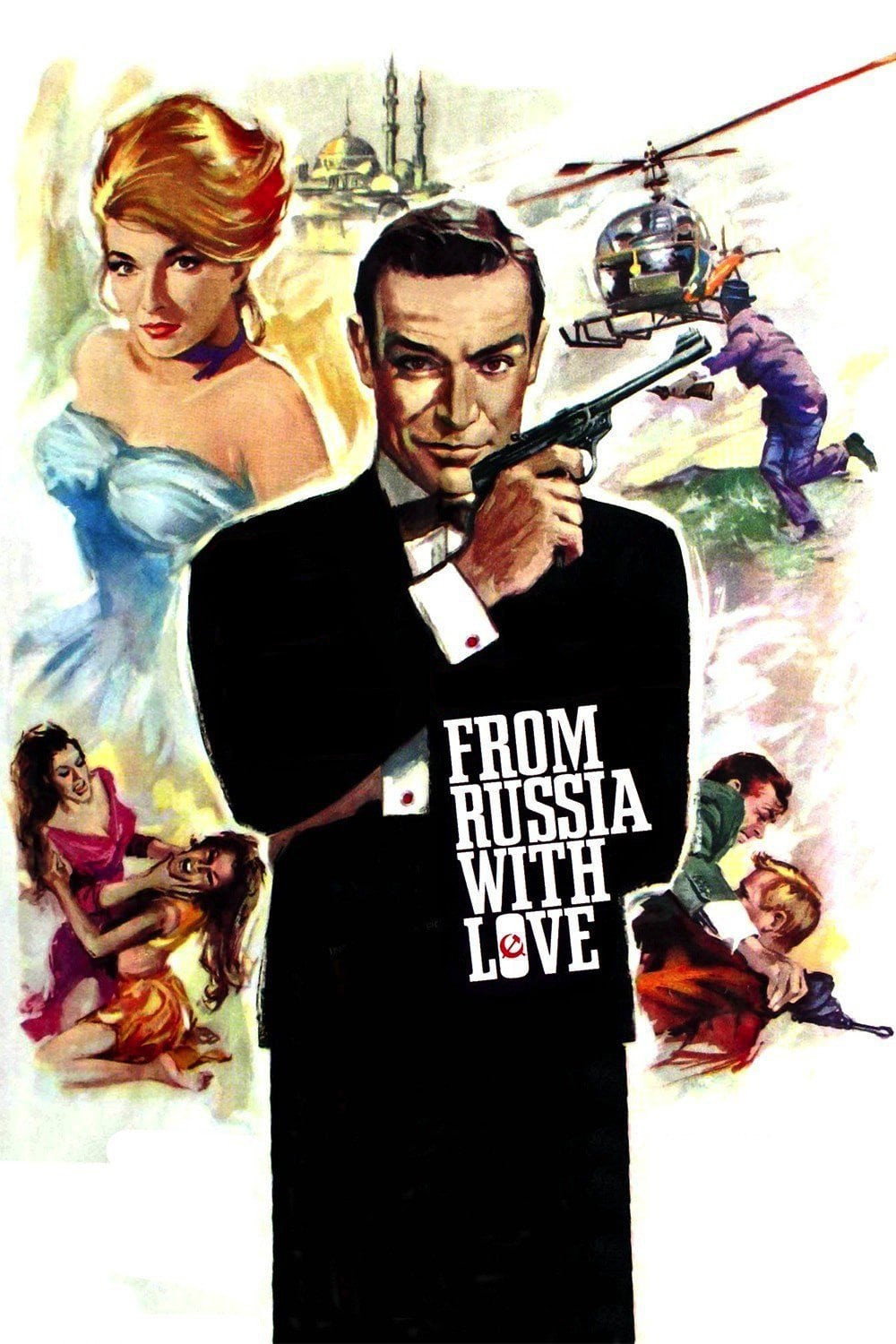
From Russia with Love

1963 · A more patient Bond, with close-quarters danger and unusually worthwhile supporting characters.

The Bourne Identity poster83

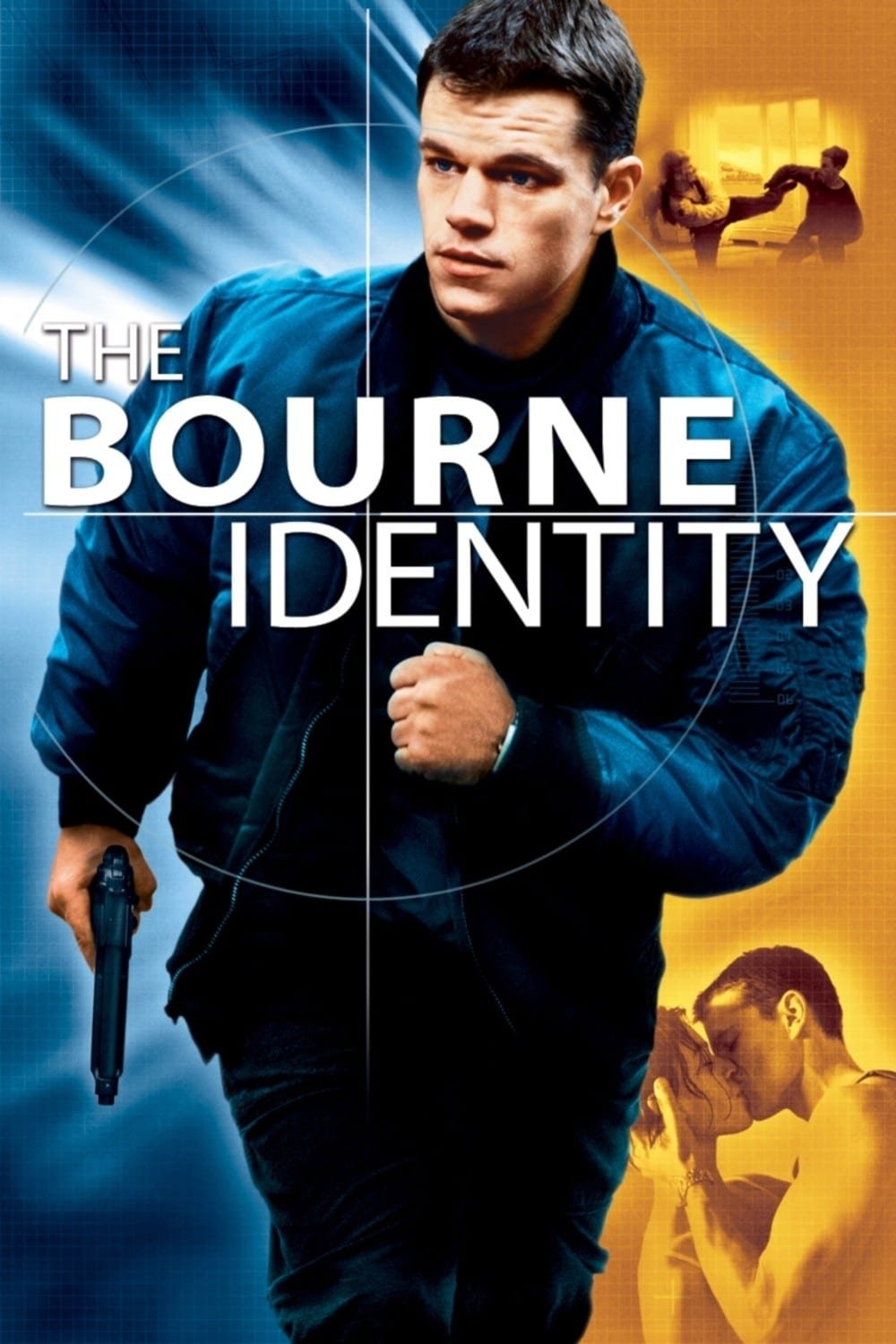
The Bourne Identity

2002 · Another physically convincing spy whose uncertainty makes the action more involving.

Le Samouraï poster

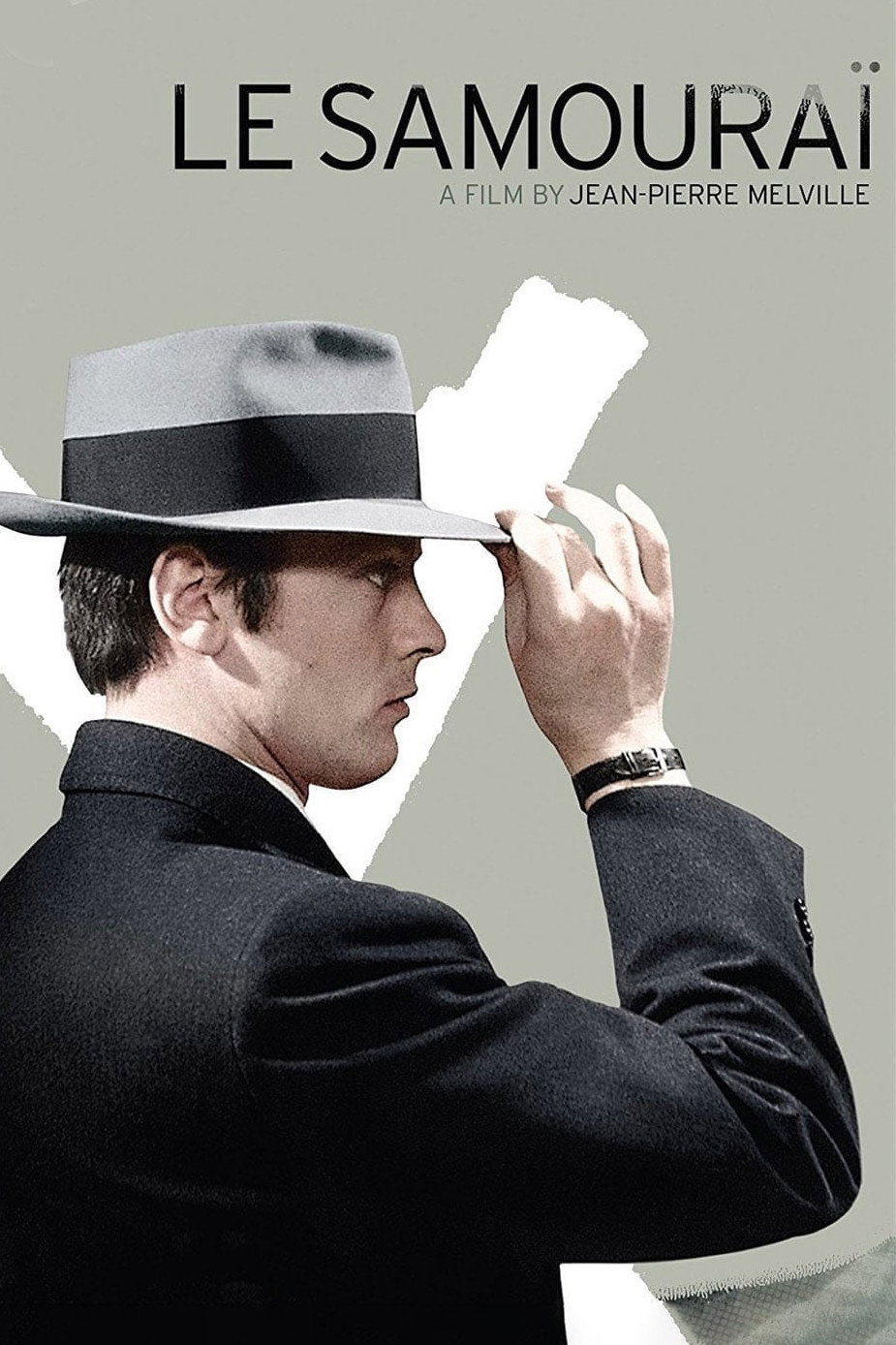
Le Samouraï

1967 · For the tension of watching a controlled professional begin to lose control.

Lust, Caution poster

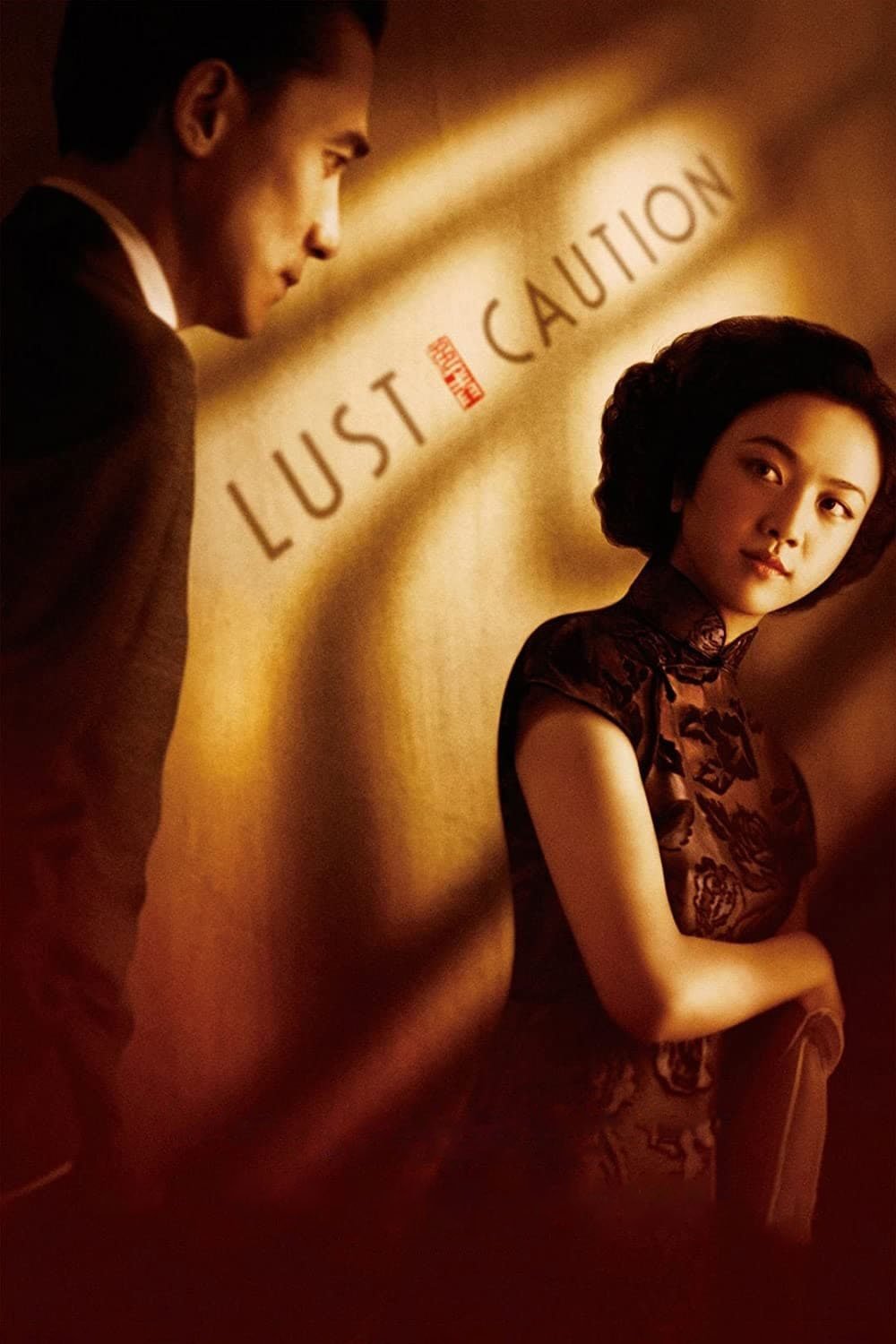
Lust, Caution

2007 · Espionage makes intimacy dangerous, with considerably more patience for desire and doubt.

The Spy Gone North poster

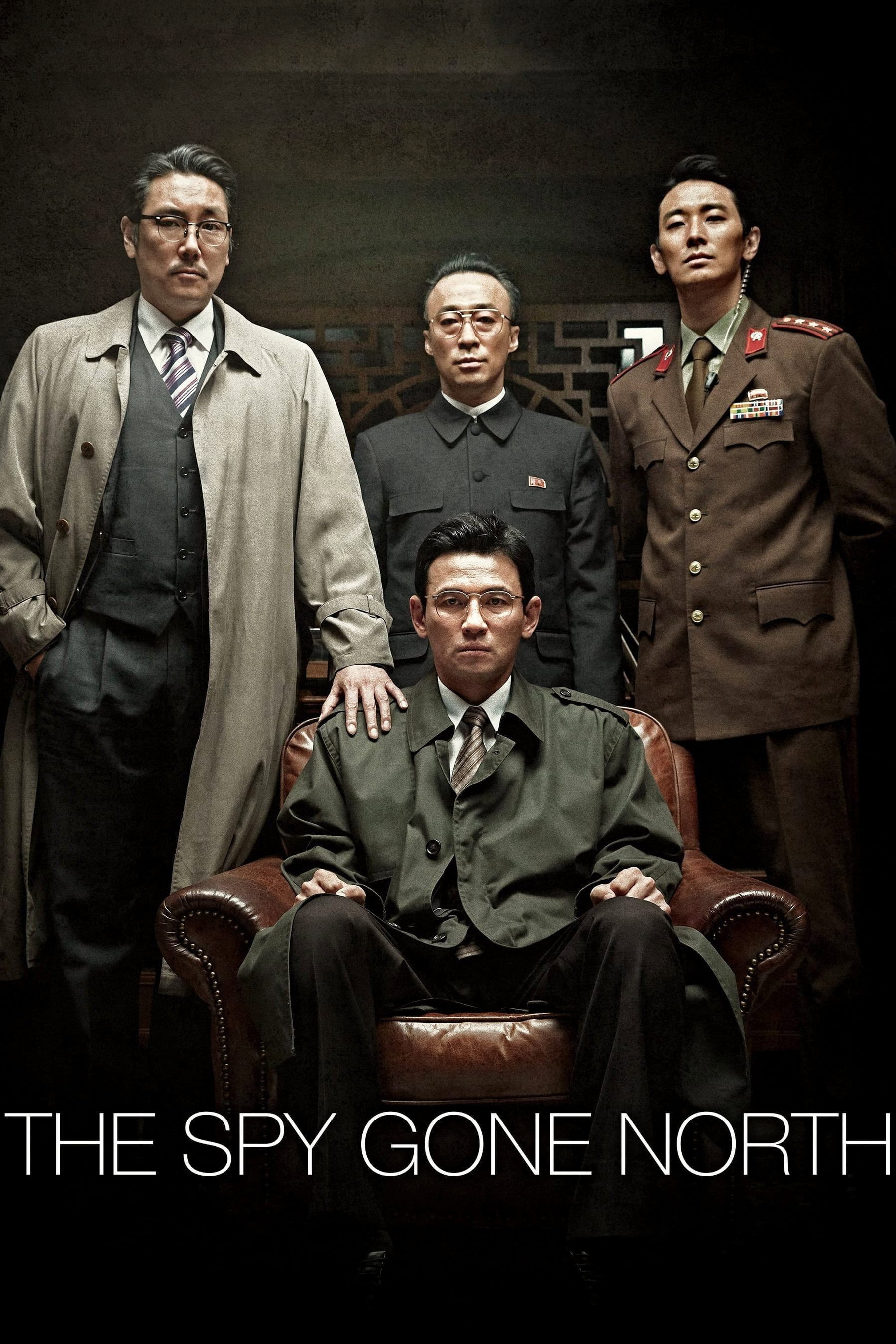
The Spy Gone North

2018 · A spy thriller that trusts conversation, divided loyalties and the people across tables.