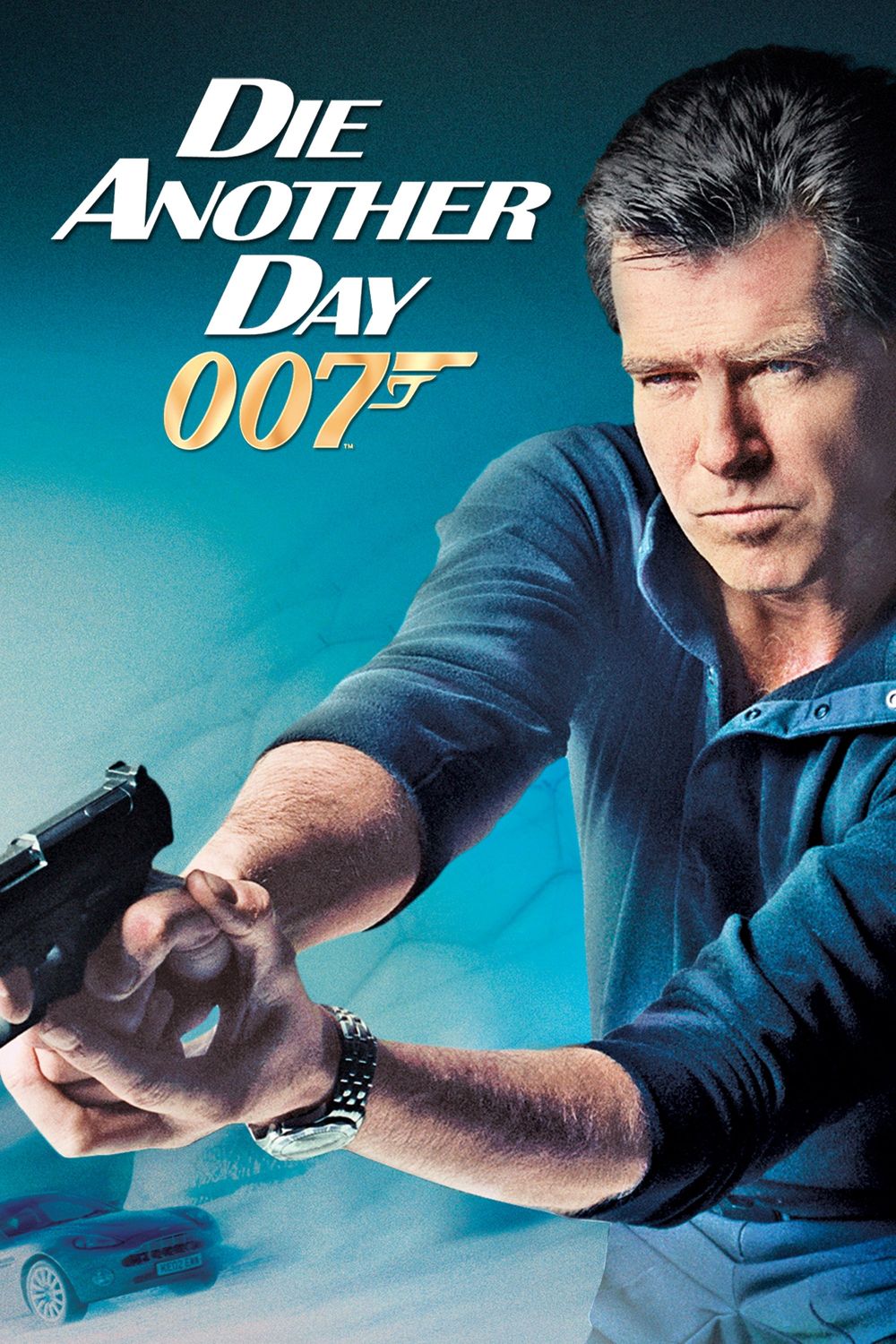
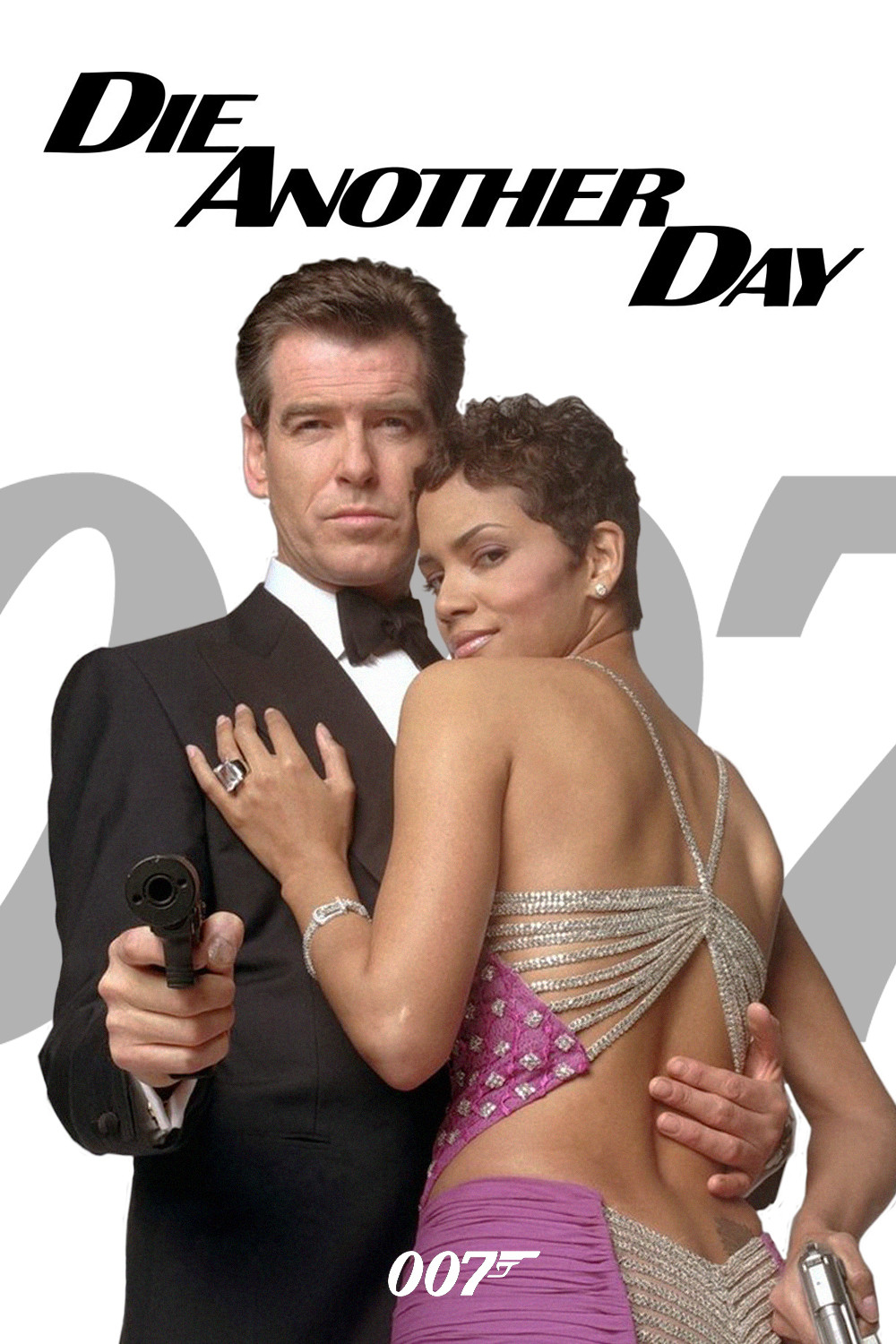
The twentieth Bond starts as the toughest of Brosnan’s four, with a beard, a cell and a grudge, and ends as a cartoon with an invisible car and a computer-drawn wave. The fencing duel is the reason to stay.
Die Another Day is the twentieth James Bond film and it arrived forty years after the first, so it comes with a duty to celebrate. Neal Purvis and Robert Wade, back from The World Is Not Enough (1999), have a better idea: hurt him. Their script sends Bond into North Korea, gets him caught and keeps him in a cell for fourteen months. For about forty minutes this is the hardest and most interesting of Pierce Brosnan’s four Bond films. Then somebody remembers the anniversary, the gadgets come out and the film turns into a cartoon of itself. It runs 133 minutes and the good part is the shortest.
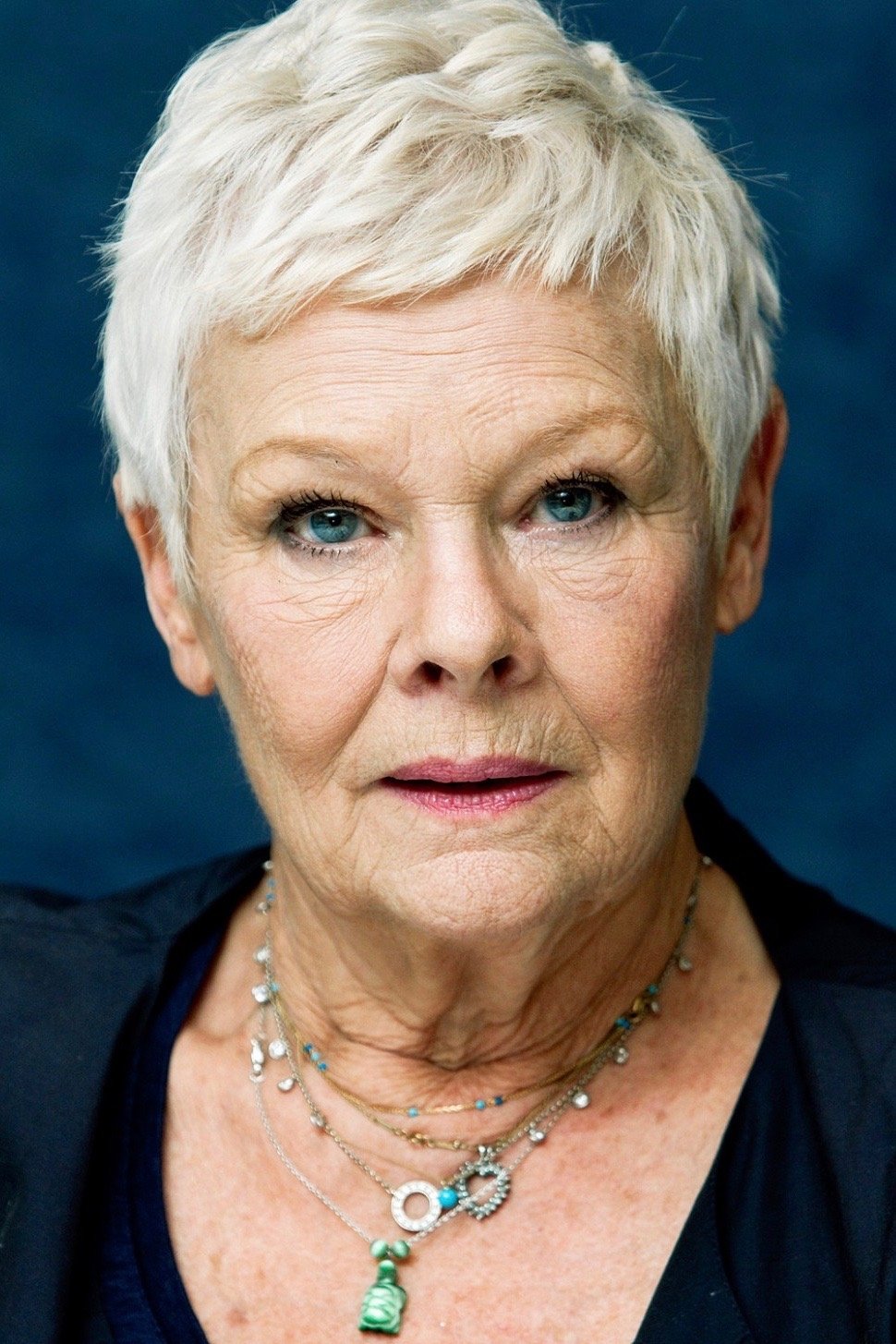
Lee Tamahori, who made Once Were Warriors (1994), directs the opening as if it were a war film. David Tattersall shoots North Korea in wet greys and browns, the hovercraft chase in dirt and spray rather than gloss, and when Bond is dragged into the prison the light shrinks to a single bulb. The credits are the boldest thing here: instead of dancing silhouettes we get Bond drowned, burned and stung, cut against Madonna’s title song, with David Arnold’s pulse underneath. Brosnan comes out bearded, thin and furious, and Judi Dench’s M looks at him as a liability. We sat up. It seemed, for once, that the series had decided to grow up, and we wanted to see what a Bond with a grudge and no licence would do.
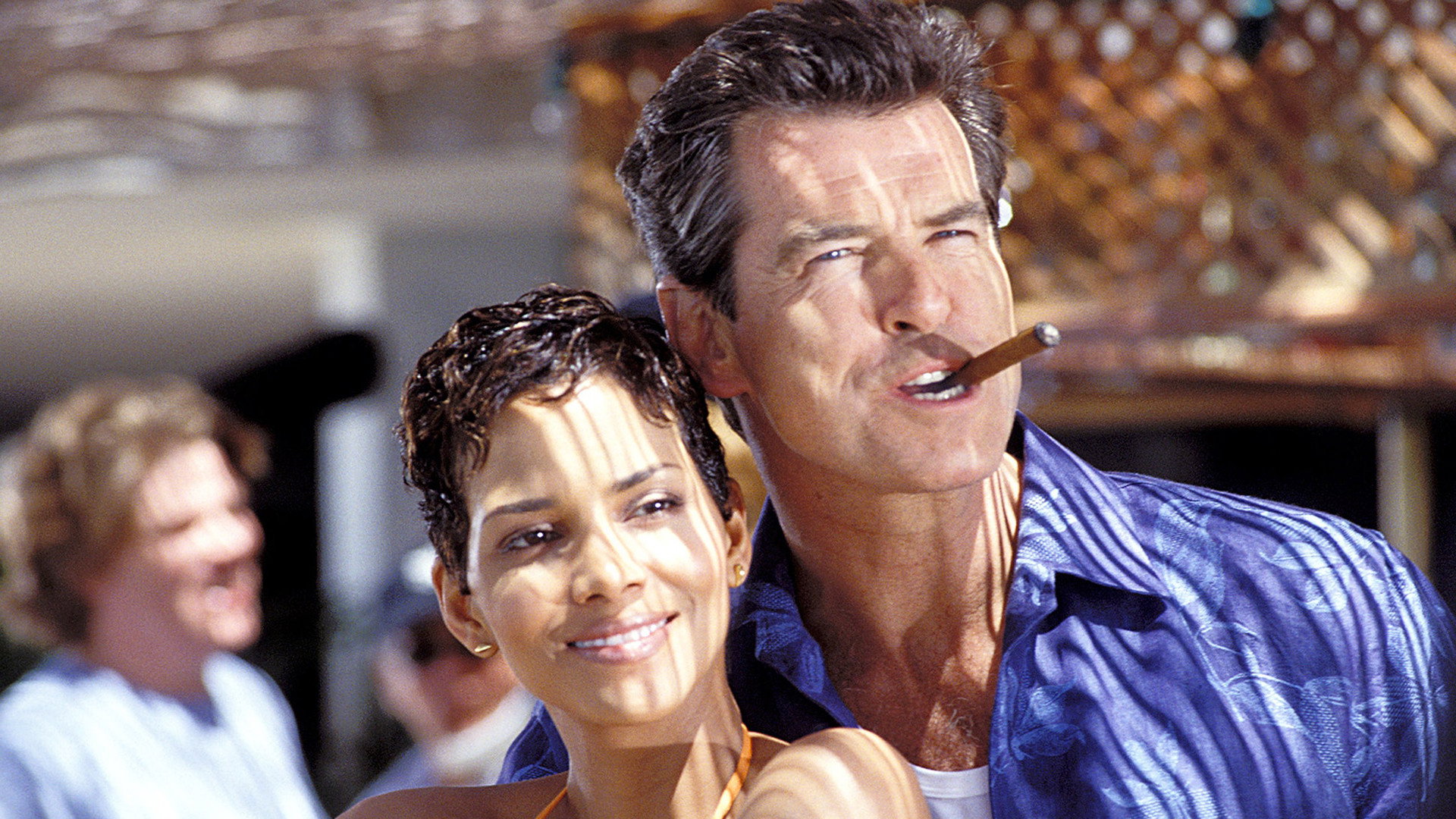
What he does is go to Cuba, and Cuba is still good. Tattersall turns the light gold, Emilio Echevarría’s Raoul runs a cigar factory as a front, and Halle Berry’s Jinx walks out of the sea in an orange bikini in a straight lift from Ursula Andress in Dr. No (1962), the one anniversary joke that works because it is played as a joke on Bond. Back in London there is a fencing match at a gentlemen’s club between Bond and Gustav Graves (Toby Stephens) that starts with foils and masks, escalates to sabres and then broadswords, and wrecks the hall. Christian Wagner cuts it clean and long, without tricks, so we can see both actors doing the work. It is the best sequence in the film and one of the best in Brosnan’s run.
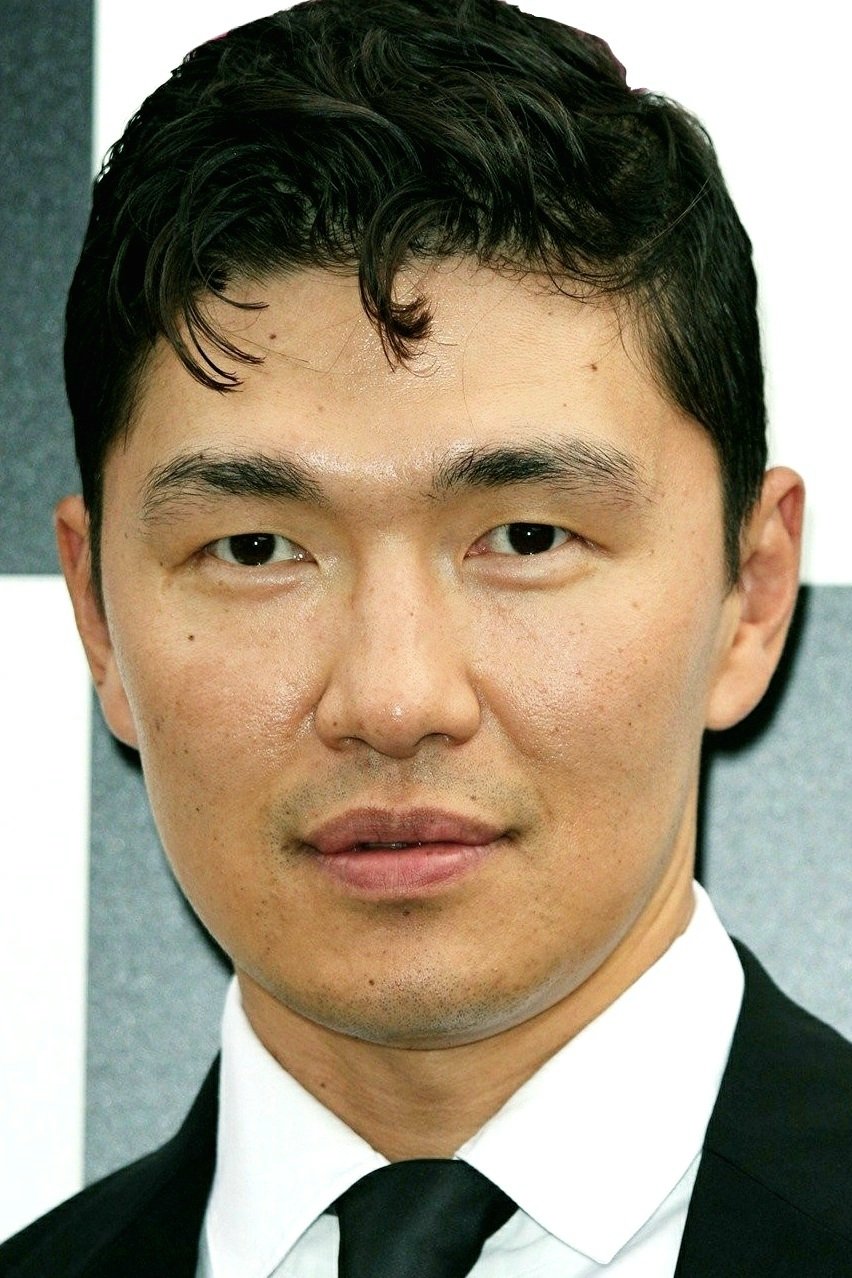
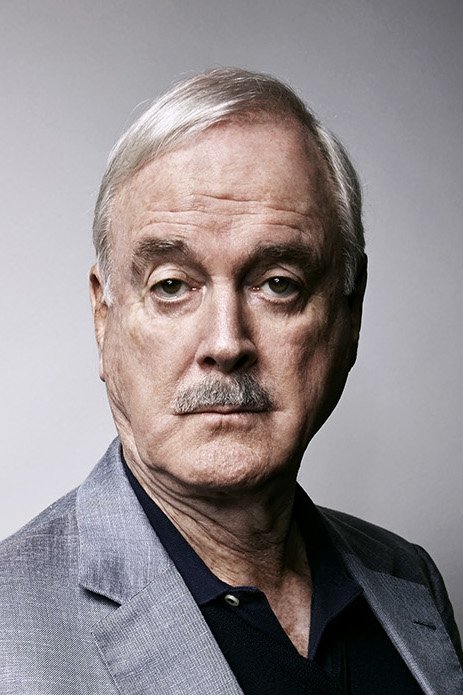
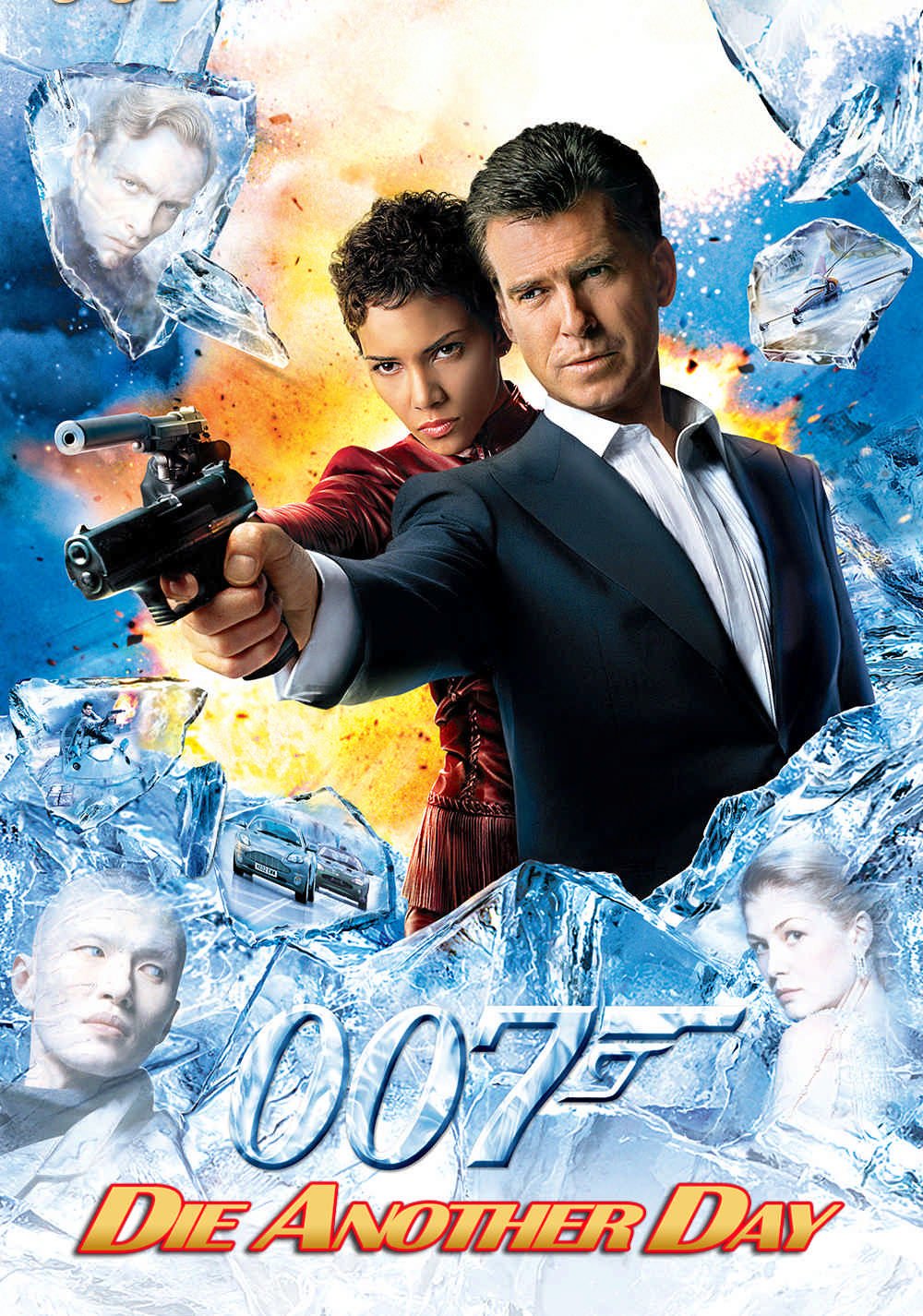
Stephens plays Graves as a rich brat who has learned charm from a manual, and it is the right choice: the character is a fraud and the performance keeps telling us so. Rosamund Pike gives Miranda Frost a chill that survives even the lines she is handed. Rick Yune’s Zao, diamonds set in his face, is a good idea for a henchman and gets one decent chase. John Cleese, as Q, is funny about the equipment. The equipment is the problem.
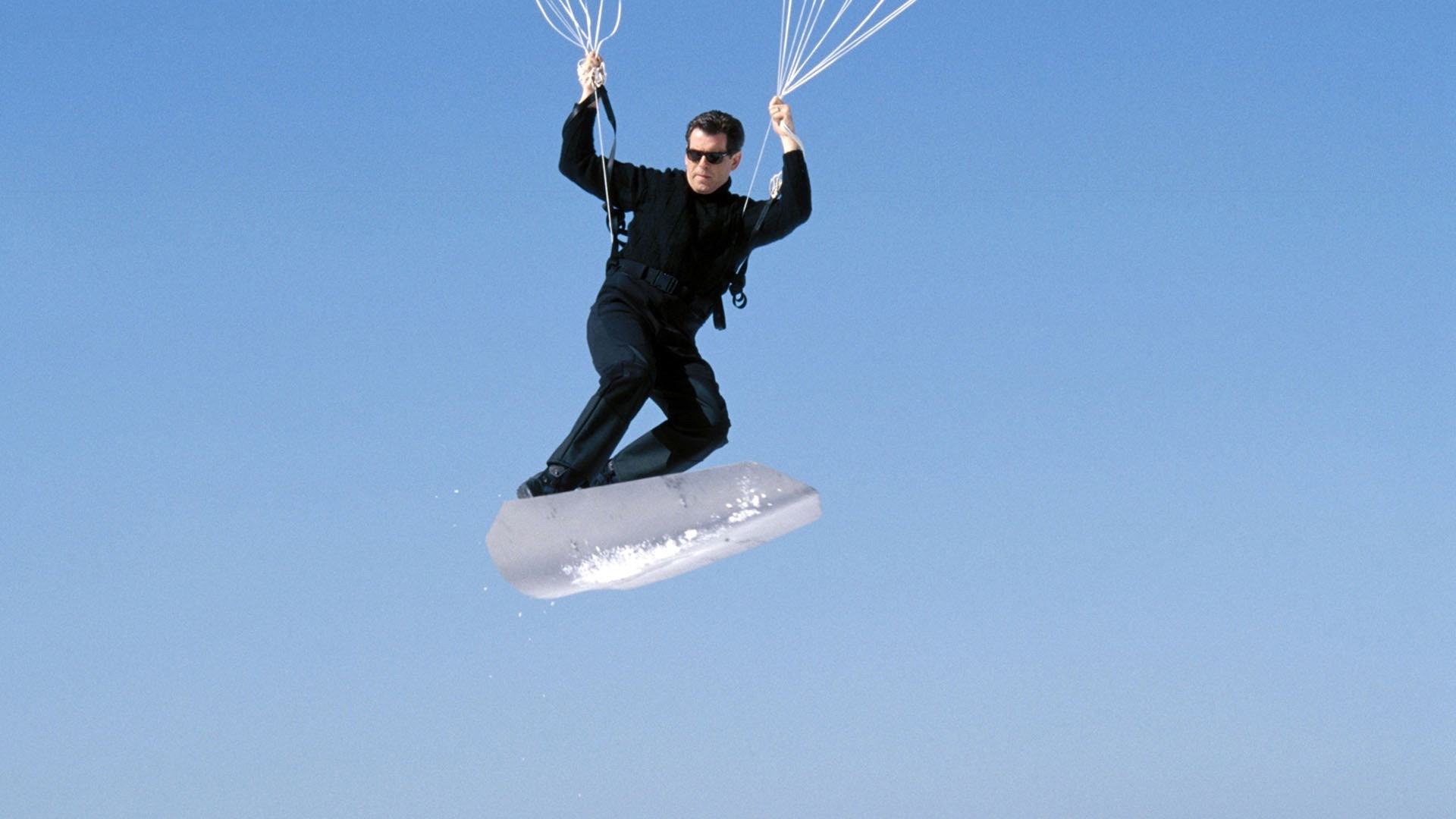
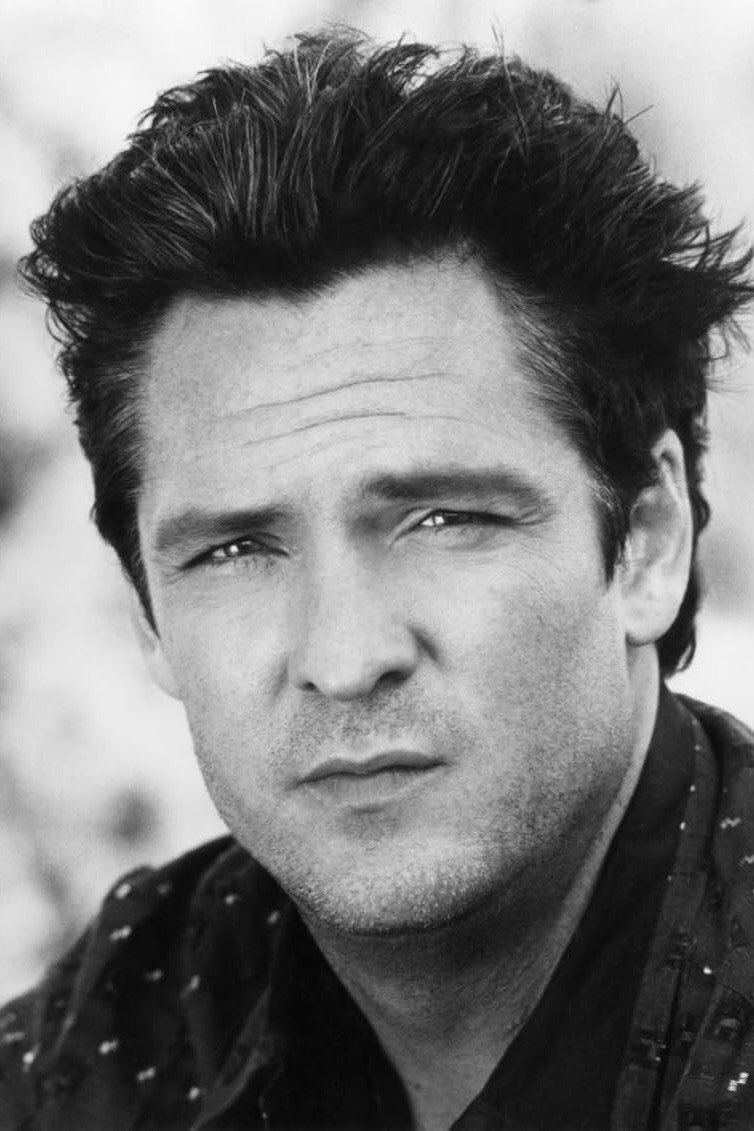
The equipment includes a car that turns invisible. The script knows this is silly, has Bond say so, and then relies on it for a chase across a frozen lake. Peter Lamont has built an ice palace in Iceland, a real set of frozen walls and lit floors, and it looks magnificent right up until the computers take over and start melting it. The low point is a wave, computer-drawn, that no sea has ever produced, with Brosnan pasted onto the front of it. We laughed, and it was not the laugh the film wanted; then we felt sorry for everyone in the frame. Wagner, who trusted the fencing to play straight, starts speed-ramping and freeze-framing the later action as if the footage needed help, and Arnold’s score goes to drum loops. Berry, after that entrance, is given quips where a character should be, and Michael Madsen’s Falco has a desk and nothing to do at it.
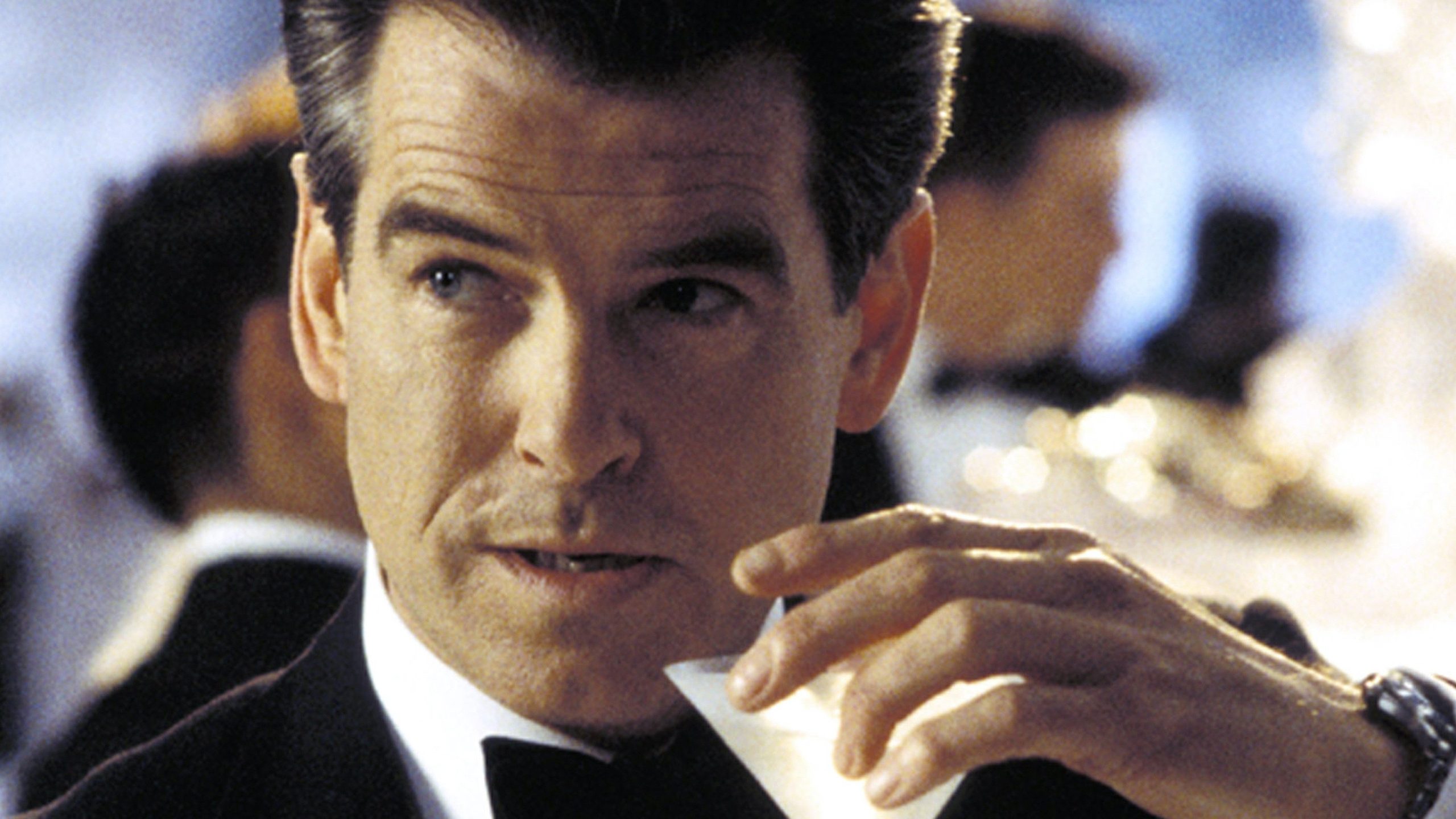
Brosnan is not the trouble. He has grown into the part, and his scenes in the cell and in front of M suggest a version of Bond worth a whole film. Purvis and Wade have the right instinct and drop it at the first sight of a gadget. GoldenEye (1995) managed to be knowing about the formula and still use it; this one apologises for the formula and then doubles it.
See the first forty minutes and the fencing, and see them properly. The rest is fine at home, where the wave can be talked over and the invisible car is at least easier to ignore. It carries a 12A, which the torture only just earns.