Brian De Palma’s spy thriller is tense, ingenious entertainment, with Tom Cruise making its elaborate schemes feel urgent. The screenplay makes a simple task needlessly difficult to follow, but the set-pieces are worth the trouble.
Brian De Palma gets the important part of Mission: Impossible right: he makes us worry about how a job can possibly be done. This is an absorbing spy thriller, even when David Koepp and Robert Towne’s screenplay makes the job itself harder to grasp than it needs to be. Ethan Hunt has a list of secret agents to protect, which ought to be enough trouble for anyone. Gadgets, disguises and complications accumulate around that straightforward premise, but the film earns our patience whenever De Palma settles down to stage a physical problem.
Tom Cruise plays Ethan Hunt with a concentration that makes the gadgets and disguises seem like tools somebody might actually rely on. His seriousness is useful even when the plot becomes faintly ridiculous, because he never appears to be waiting for us to applaud the cleverness of it all. Vanessa Redgrave offers a welcome change of manner: she brings amusement to a film otherwise rather concerned with looking purposeful. The pleasure of her performance is how little effort it seems to take.
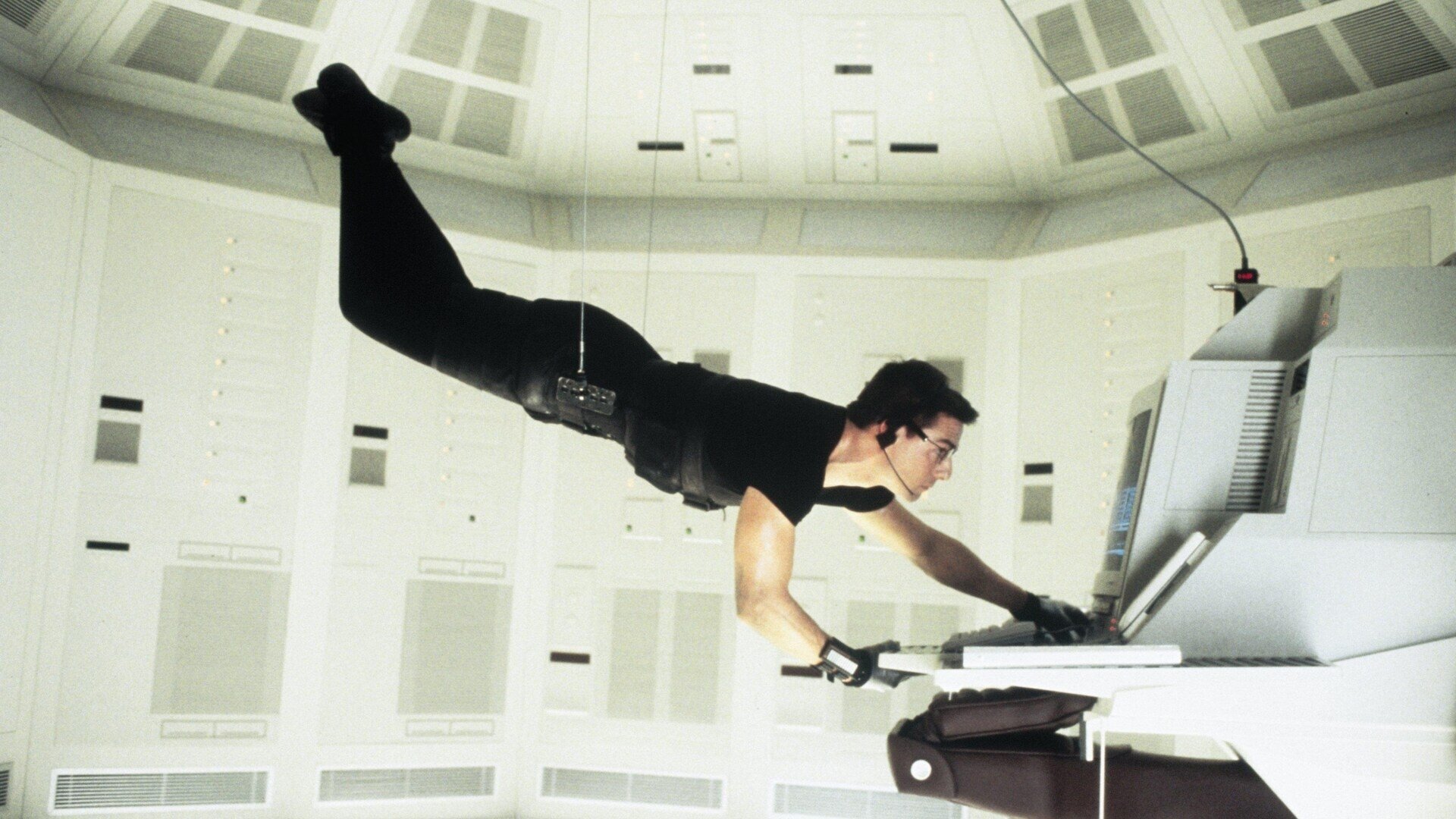
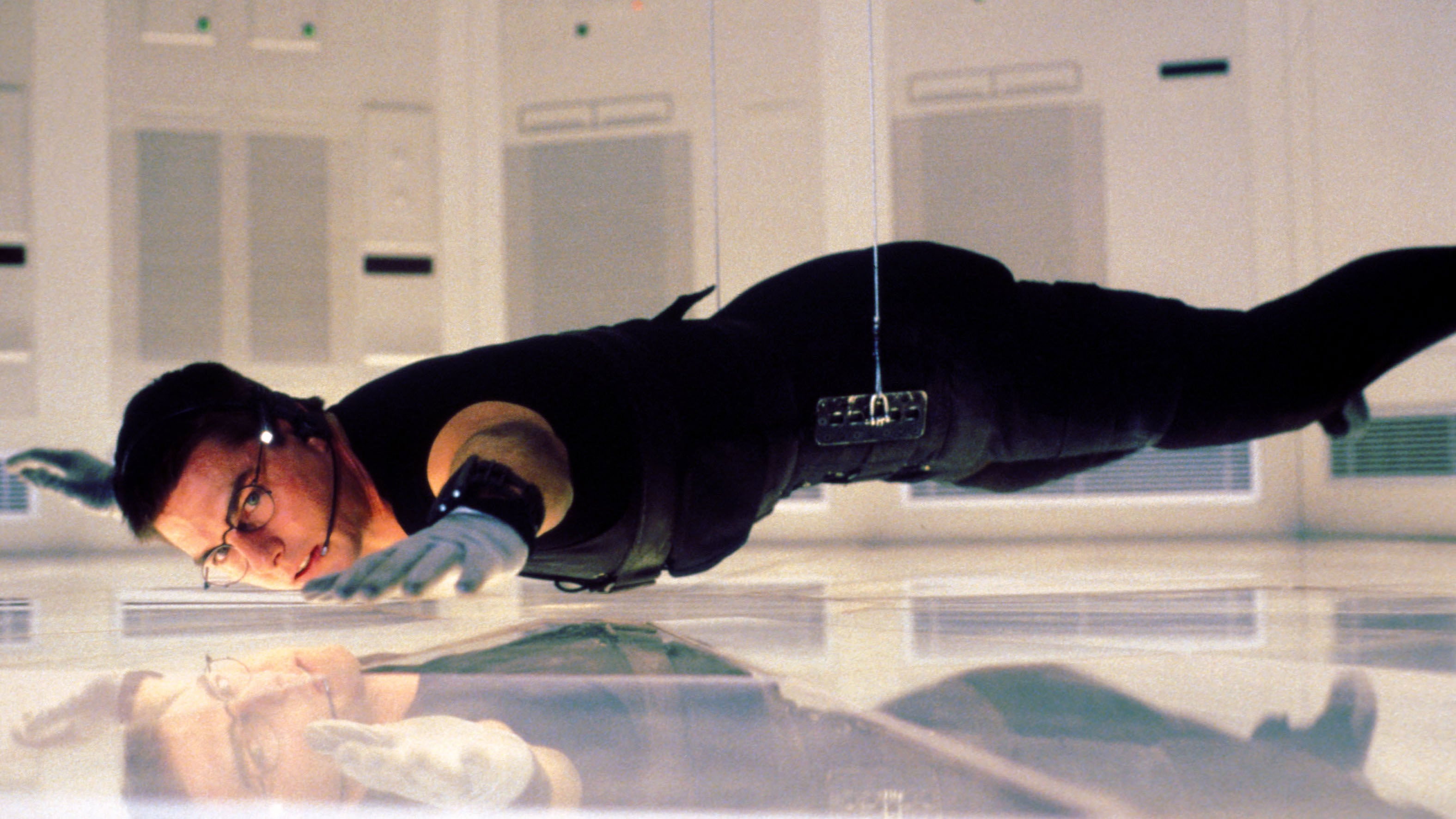
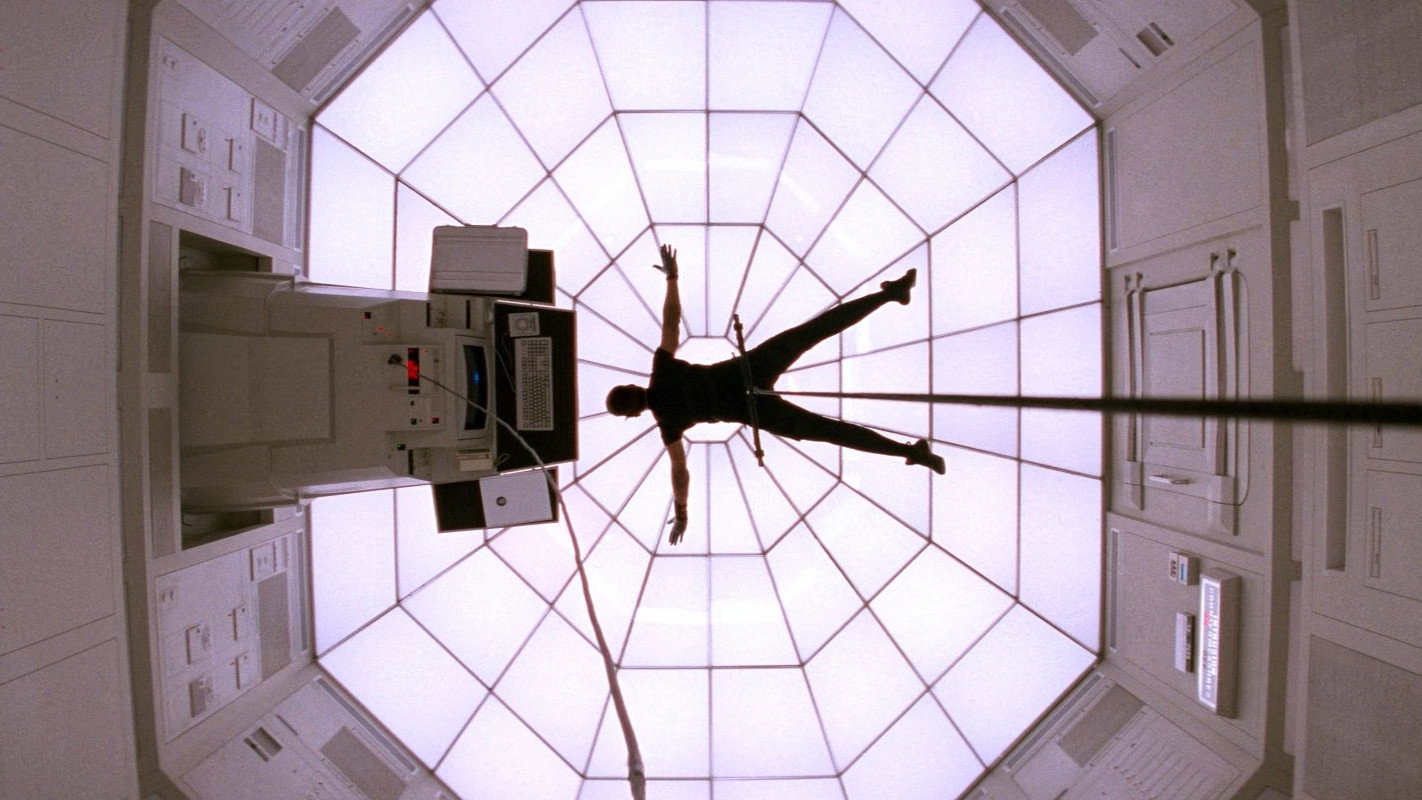
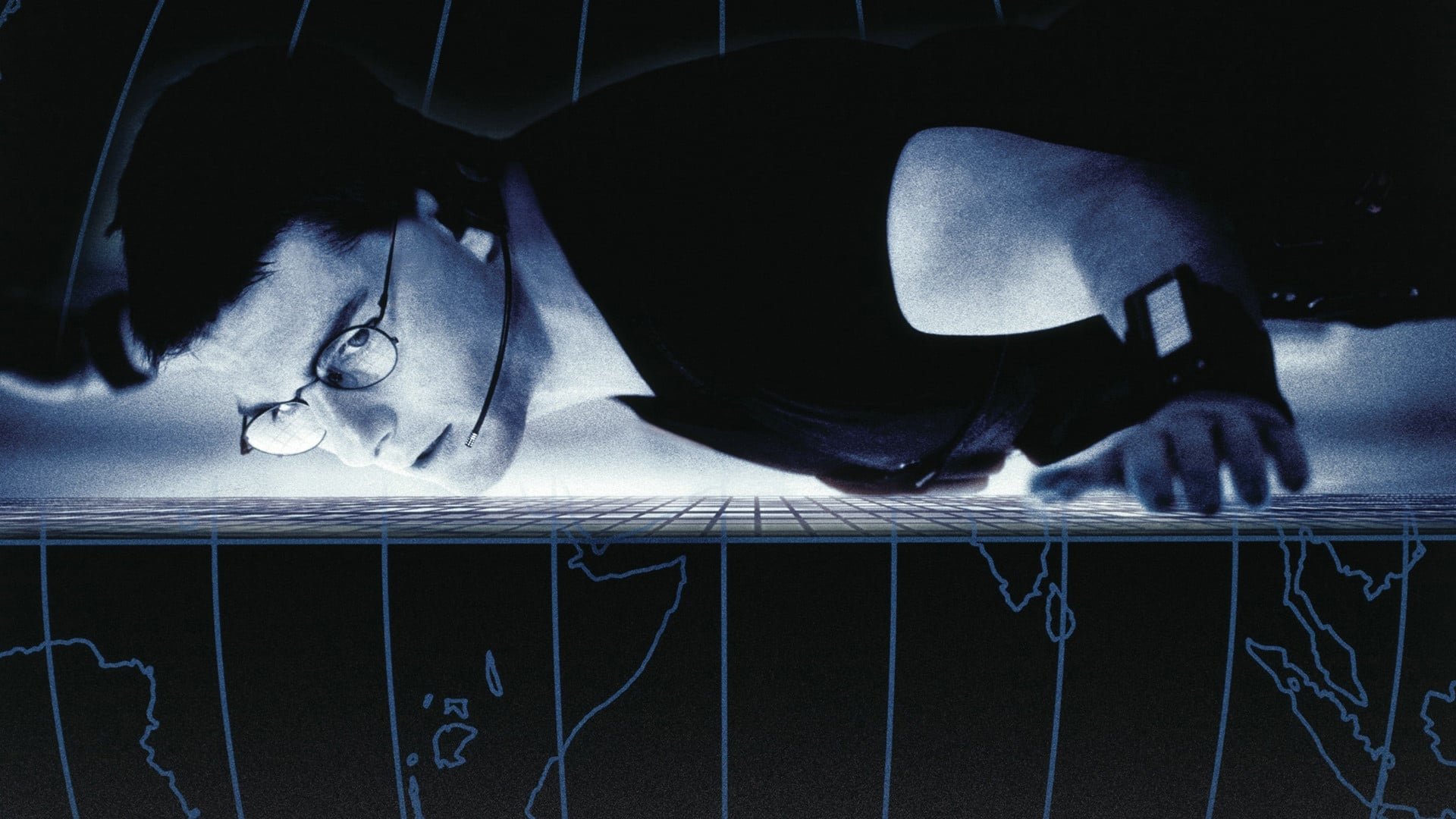
The wire-suspended vault burglary is where that concentration pays off. We held our breath at the sight of Cruise hanging there; after so much explanation, the precarious position of one body is enough. Stephen H. Burum’s cinematography lets us study the difficulty of the manoeuvre, and Norman Reynolds’s production design makes the vault feel forbiddingly controlled. The setting does useful dramatic work: it looks like a place that will not accommodate a mistake.
Paul Hirsch’s editing makes the suspense last without wearing it out, allowing the practical difficulty to hold our attention. A sequence like this needs pauses as much as movement, and the cuts do not keep demanding that we admire the cutting. Danny Elfman’s score keeps pressing the urgency, sometimes harder than the action needs. The film can generate enough tension by leaving Hunt to negotiate a difficult manoeuvre, and the musical encouragement feels less necessary than the careful cutting.
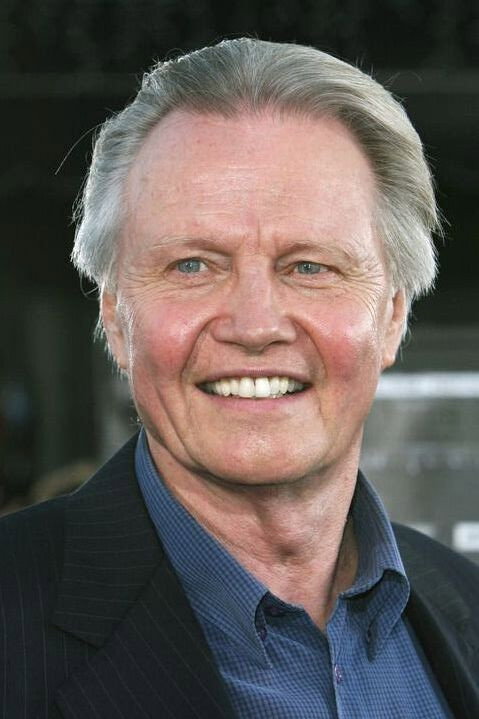
Koepp and Towne are less successful with the people who have to live inside their complications. With Jon Voight as Jim Phelps, Emmanuelle Béart as Claire and Ving Rhames as Luther, the cast promises more human interest than the writing supplies. The film gives us plenty to keep track of without always giving us enough reason to care. That is a limitation, and the skill of the action cannot quite remove it.
For a spy thriller, this is a pleasingly patient film about getting a dangerous job done. De Palma allows an elaborate piece of action to develop instead of treating its preparation as something to hurry through. The larger set-pieces are enjoyable, but the vault burglary gives the clearest sense of his skill: we understand enough to worry, and have time to do so. At 111 minutes, the film does not need to rush past its most interesting business.
Watch it when there is no need to keep one eye on anything else. Interruptions will do the plot no favours, and the careful staging deserves the attention. Keep the conversation for afterwards; there will be a few things to check.