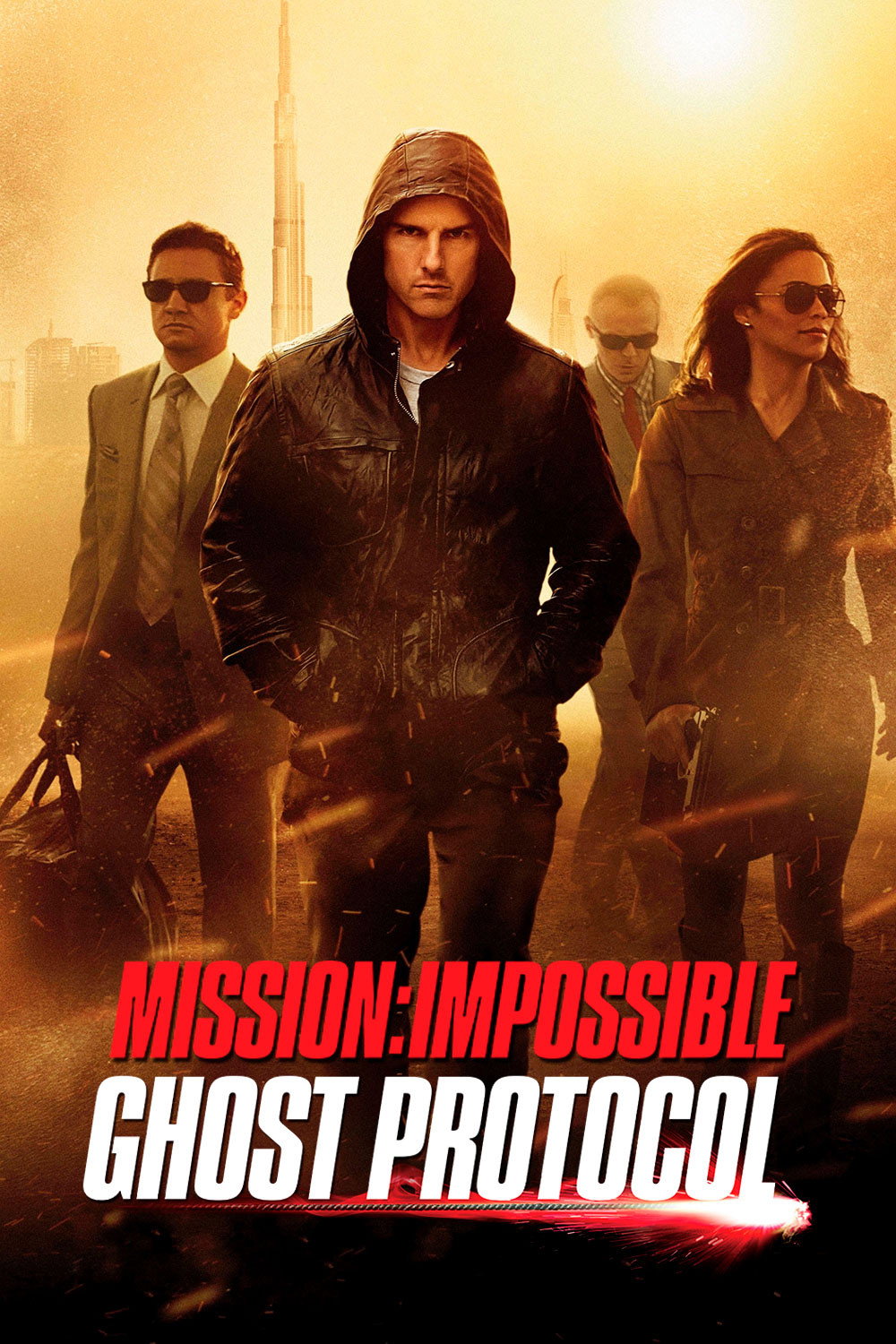
Brad Bird makes a tense, funny team adventure out of unreliable gadgets and difficult jobs. The villain is thin and the pace slips later, but the action is unusually easy to follow and hard to sit through calmly.
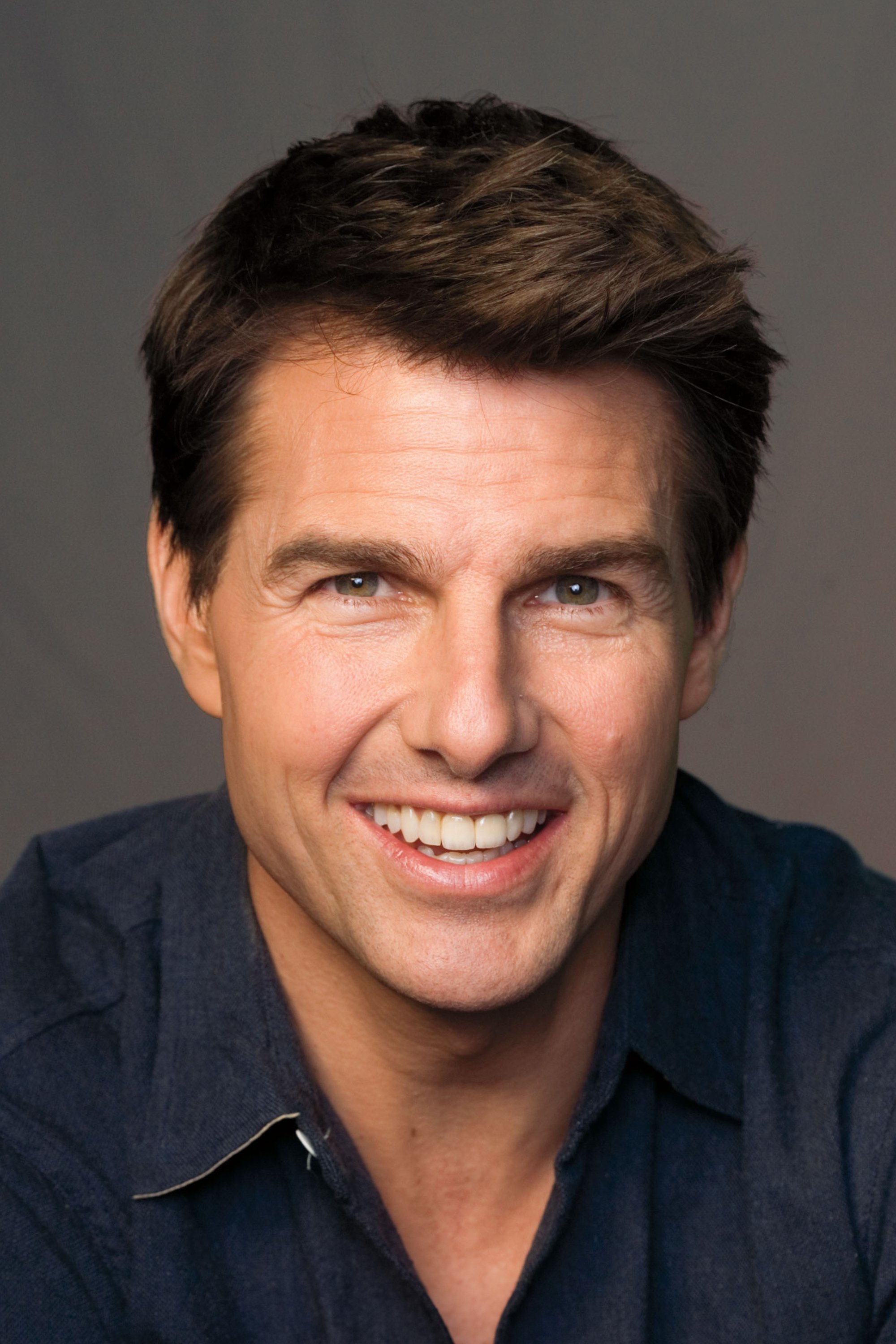
Mission: Impossible – Ghost Protocol understands how much enjoyment there is in watching capable people cope when their equipment disappoints them. Brad Bird makes a brisk, funny thriller whose action remains clear even when the job is going badly wrong. We recommend it, with a warning that the villain gets considerably less attention than the obstacles. The emphasis on sharing the work gives Tom Cruise something useful to do besides appear indestructible: Ethan Hunt has colleagues to depend on, and their difficulties become his.
The early Russian prison escape establishes how comfortably Brad Bird handles movement and comic timing within the same sequence. The Kremlin archive operation then makes the business of sneaking past security entertaining in itself, without needing a fight to keep us interested. James D. Bissell’s production design gives that trick a convincingly official setting, which makes the intrusion all the more enjoyable. Paying attention to the practical task is rewarded here, because we understand enough to appreciate the ingenuity involved.
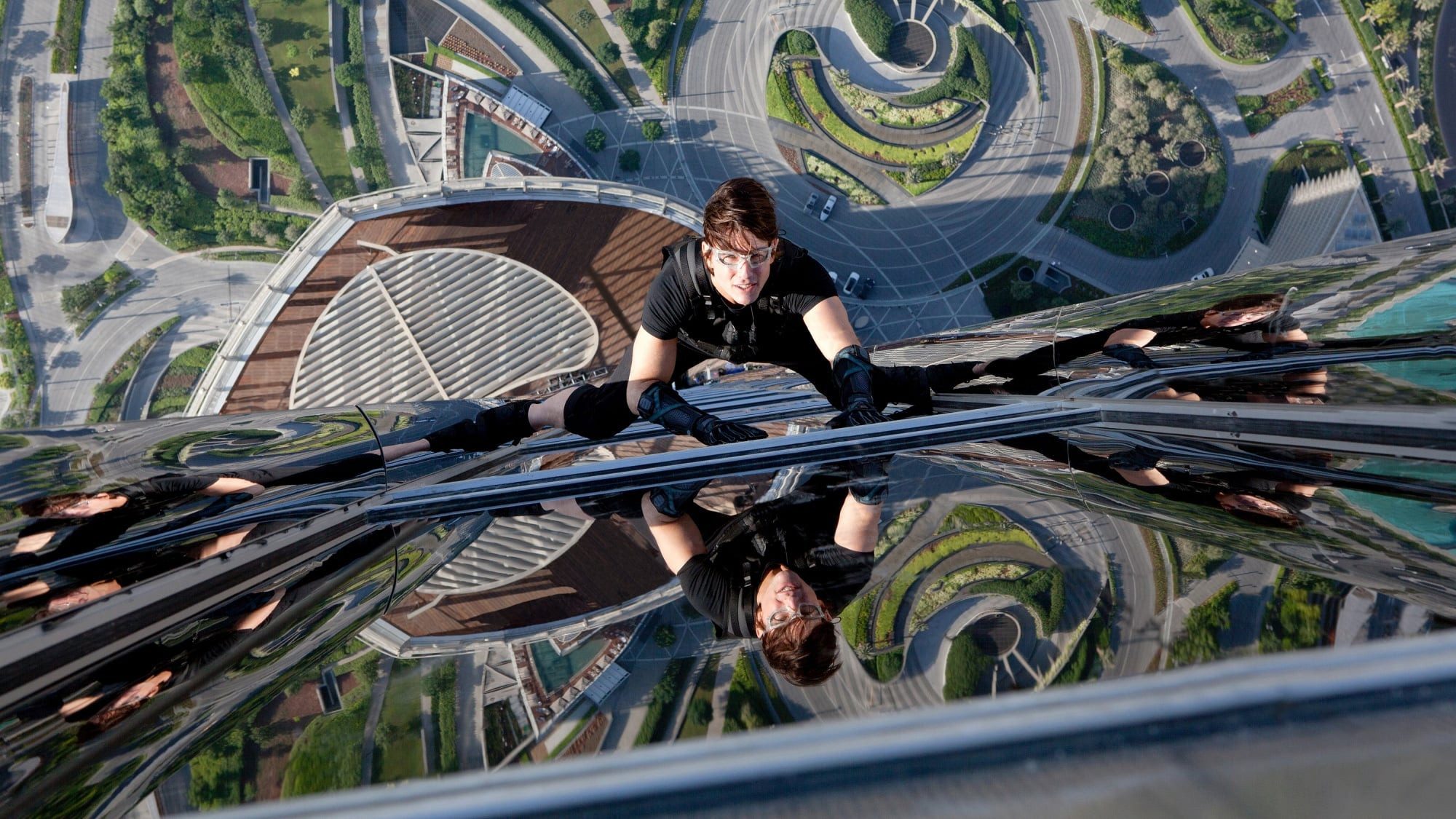
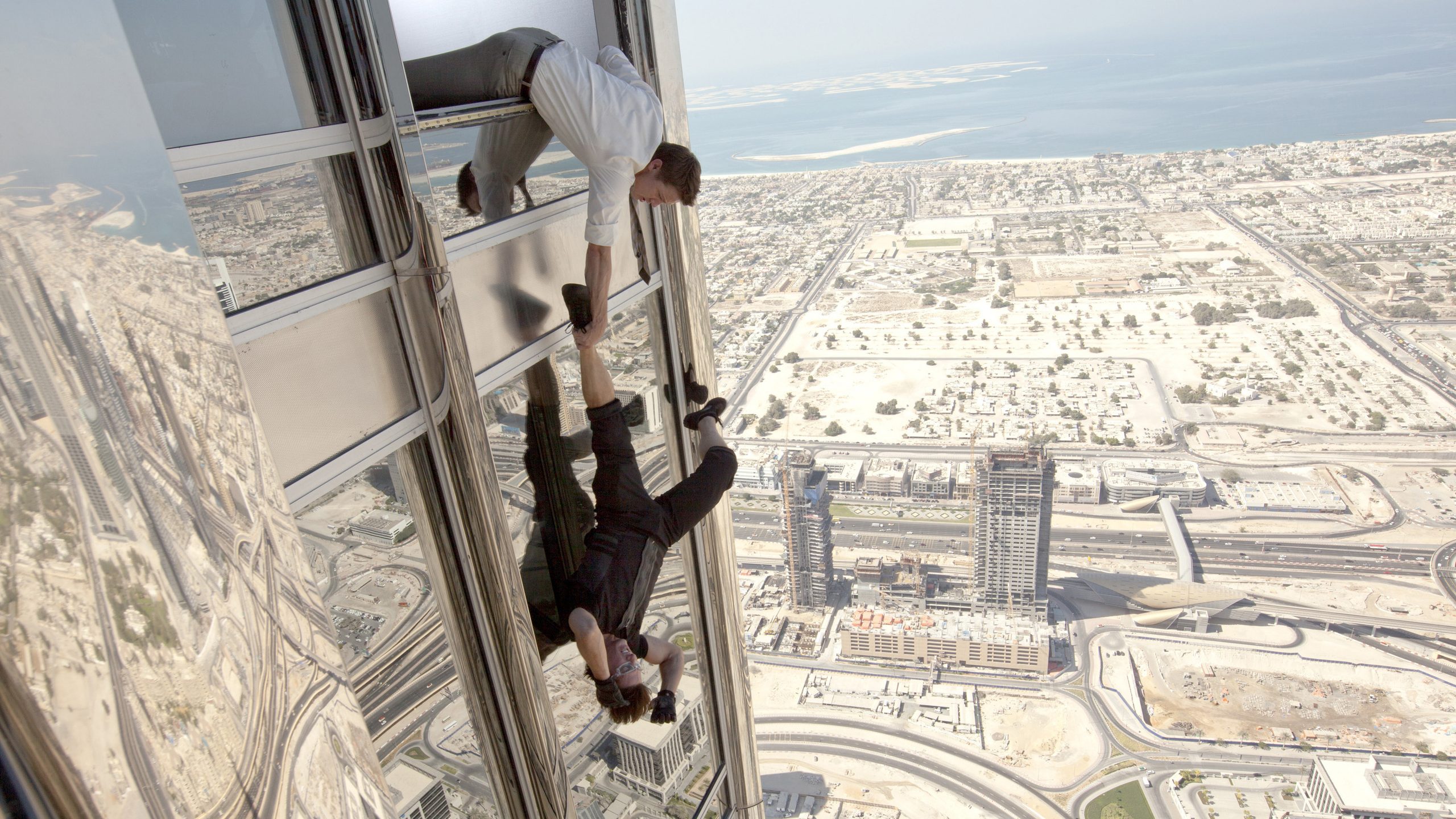
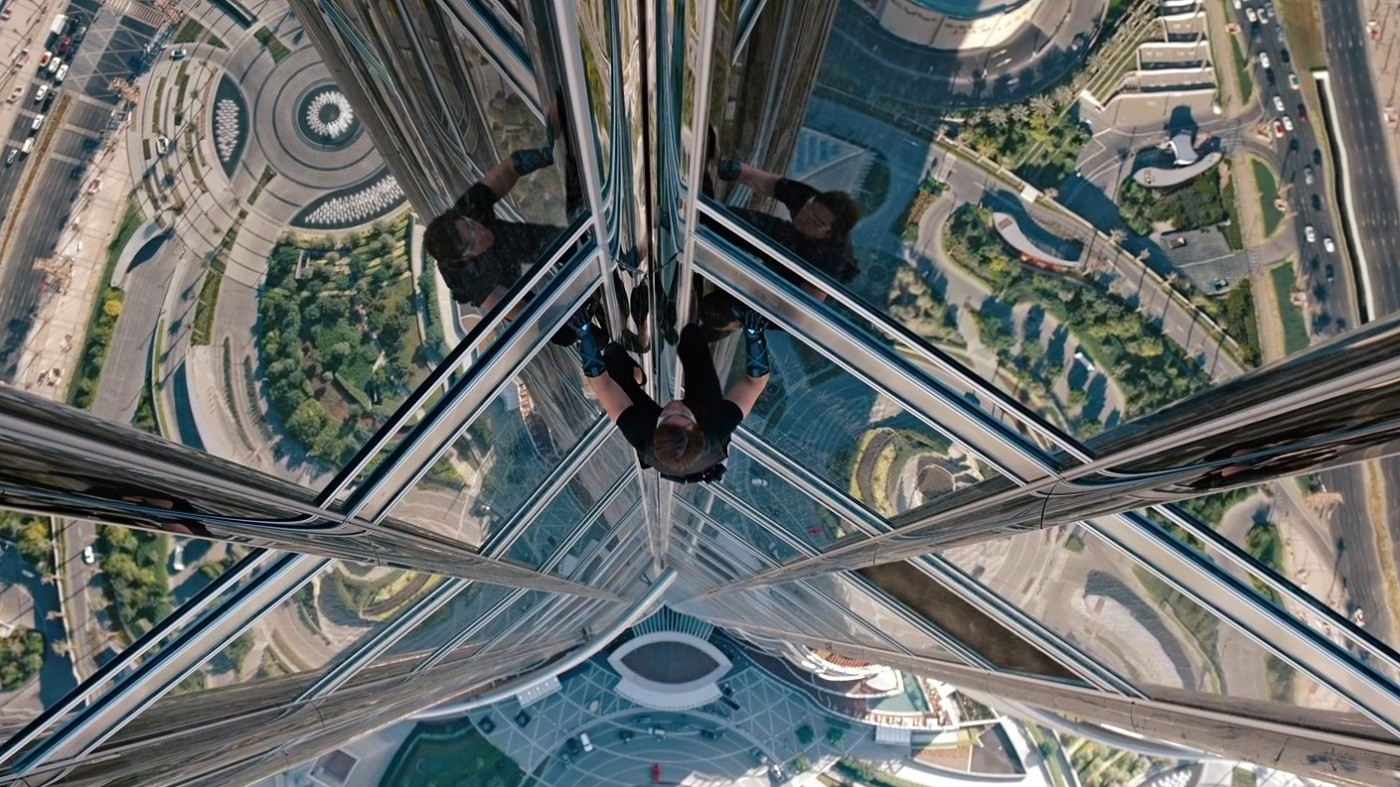
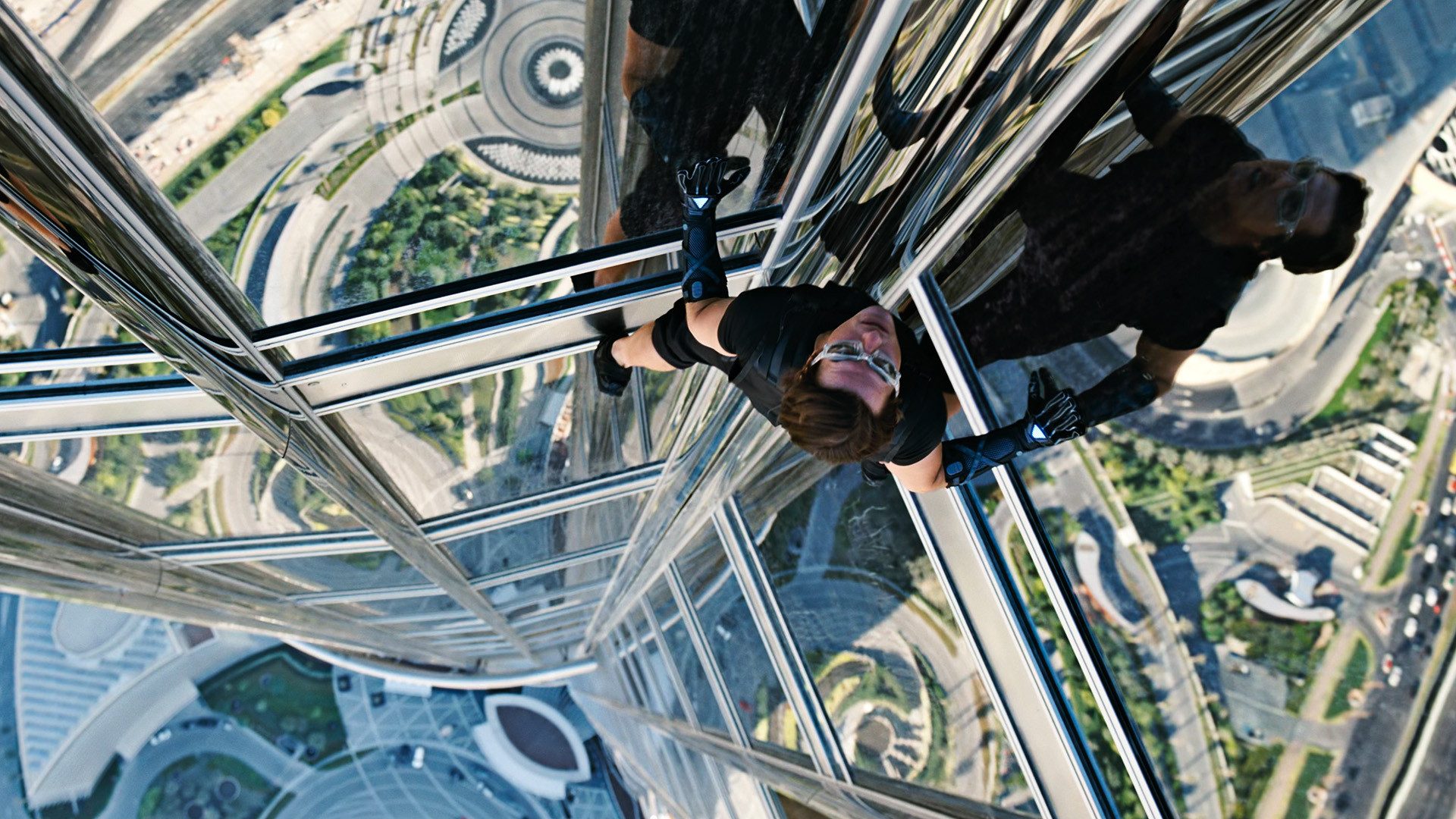
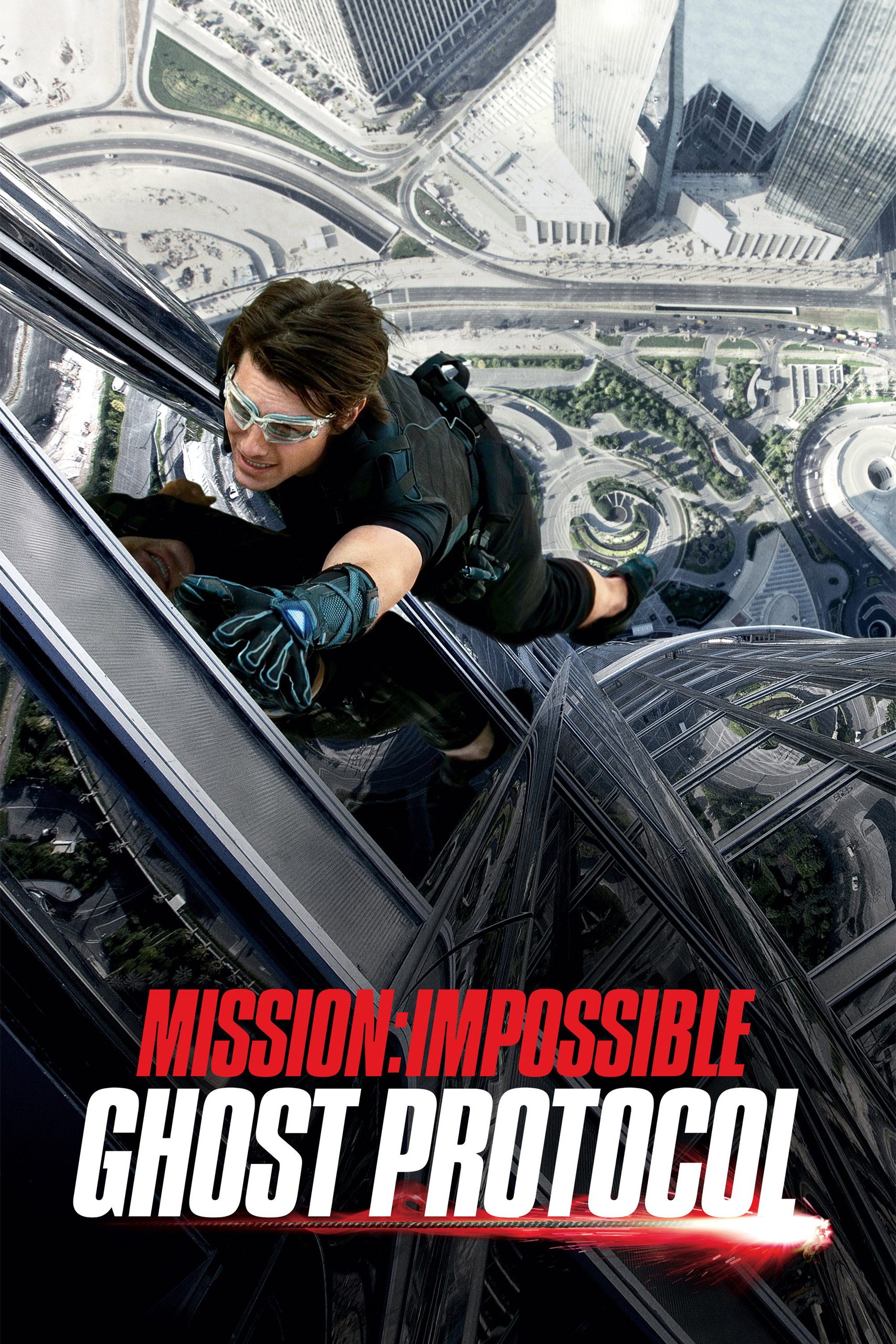
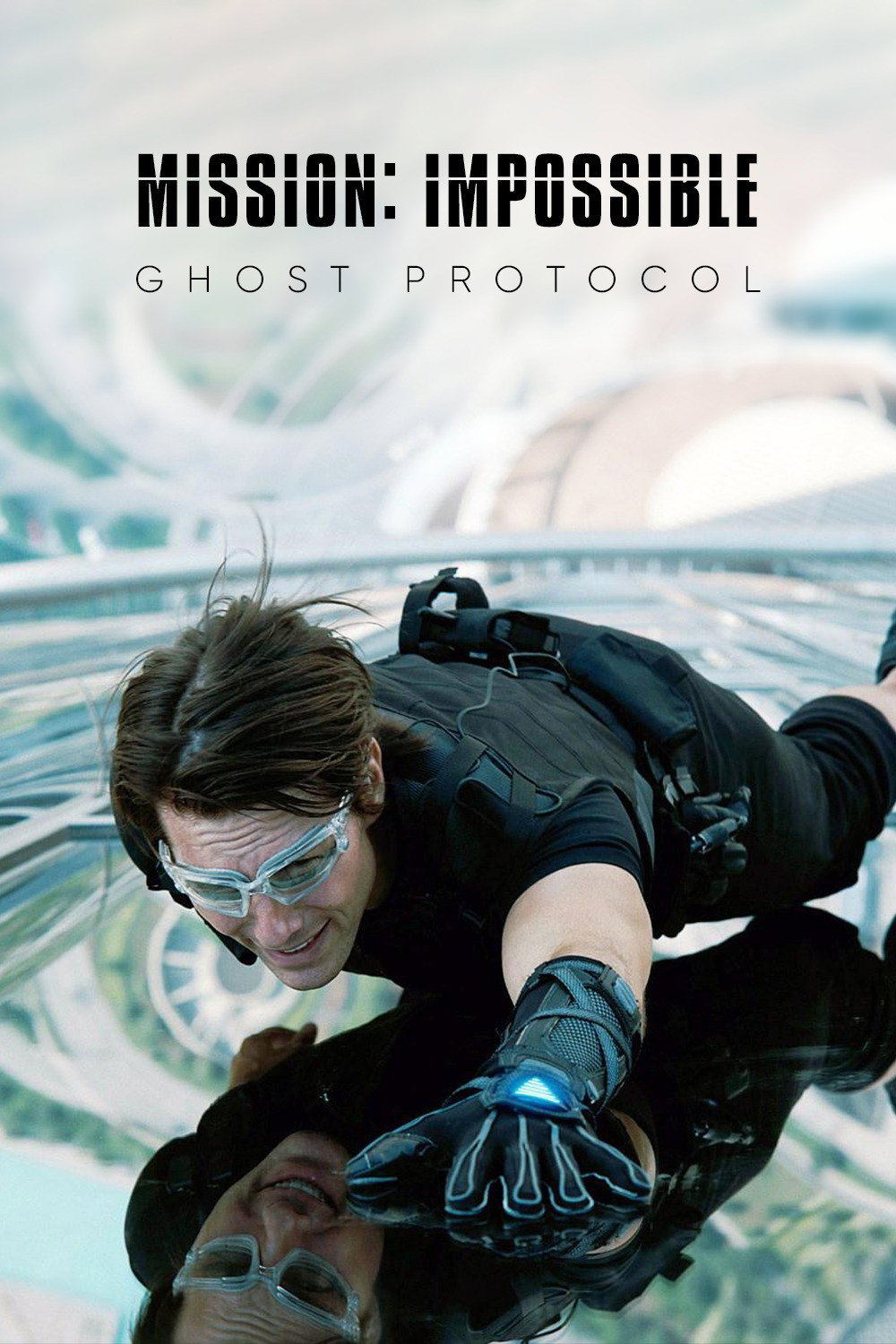
The Burj Khalifa climb is the sequence that got to us. We were frightened, because Tom Cruise’s exposed body against the building makes the possibility of a fall horribly easy to imagine. Robert Elswit’s photography preserves the scale of the climb, while Paul Hirsch’s editing keeps the immediate physical problem understandable. We know enough to dread the next movement, which is a considerable achievement in a genre often content to shake a camera at trouble.
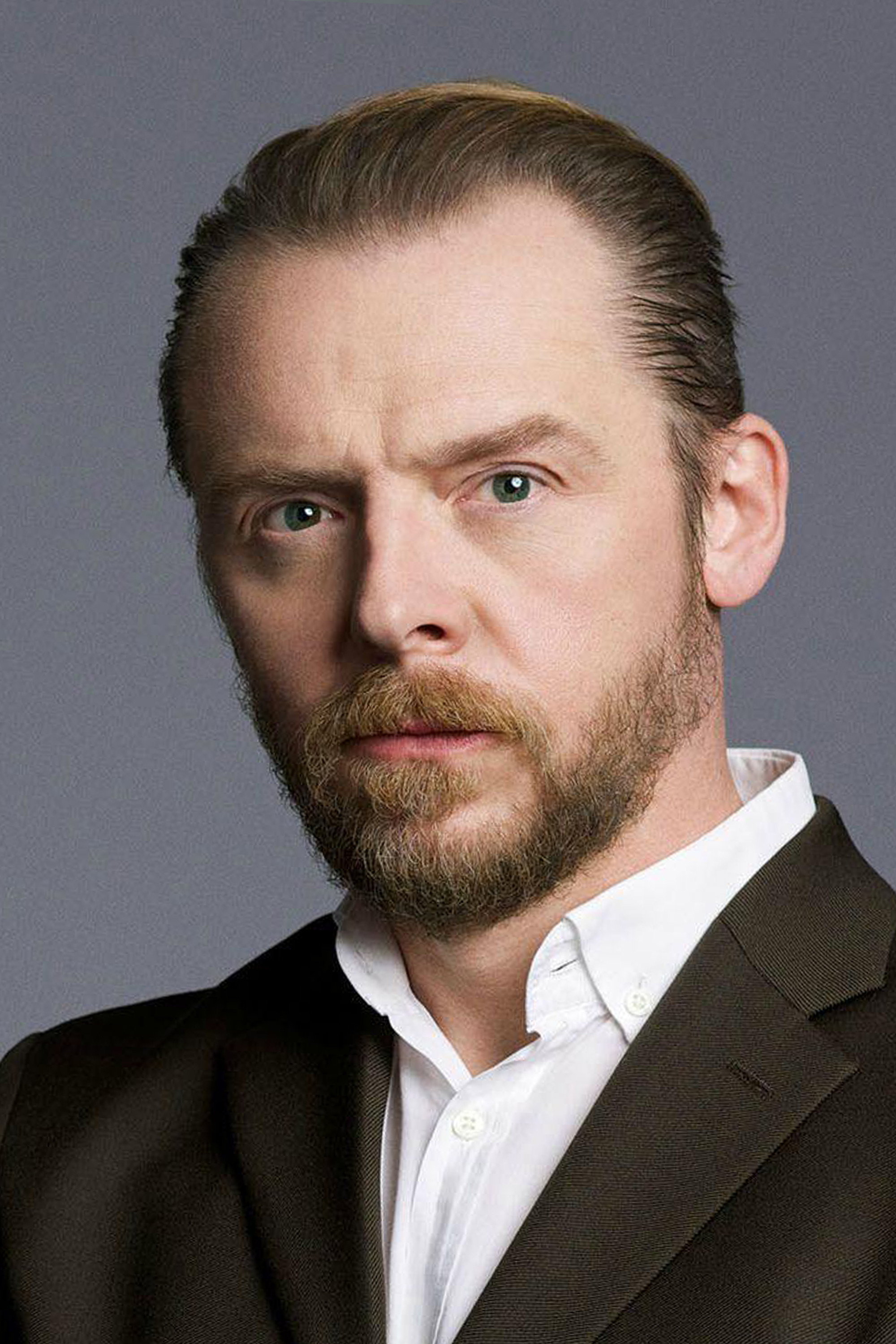
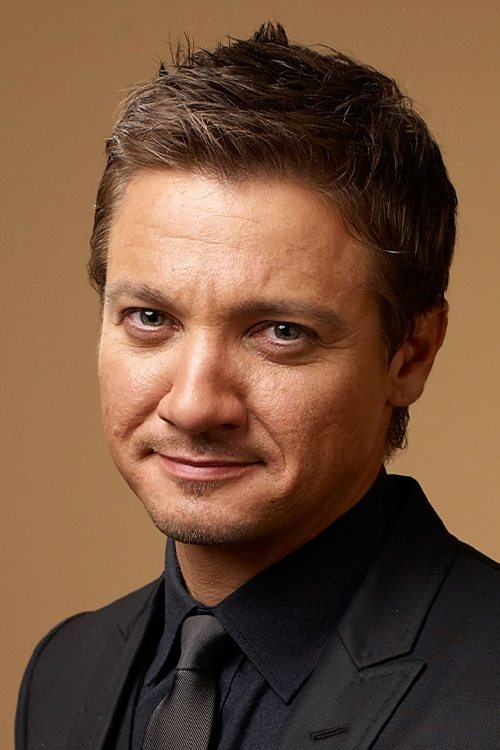
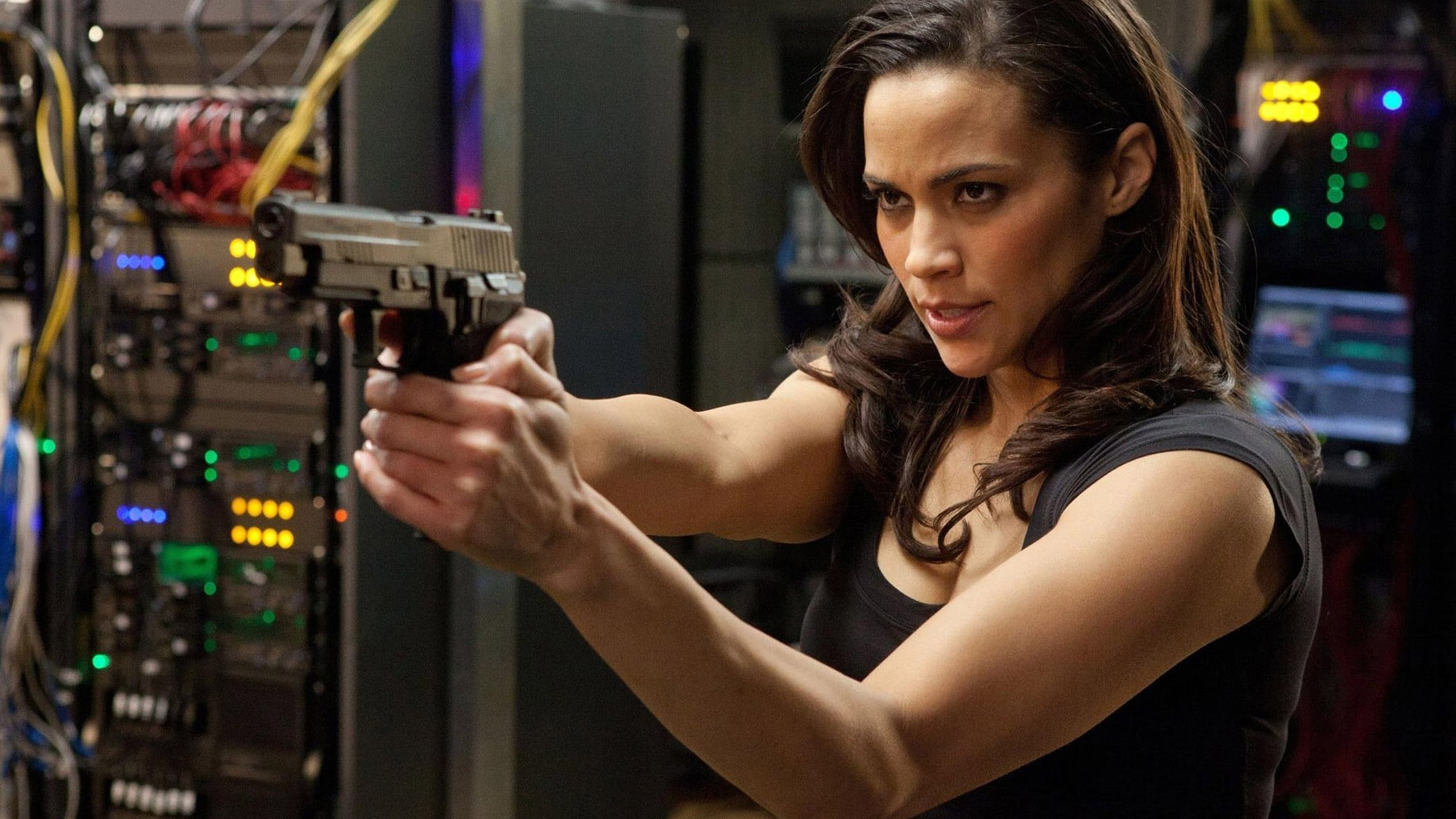
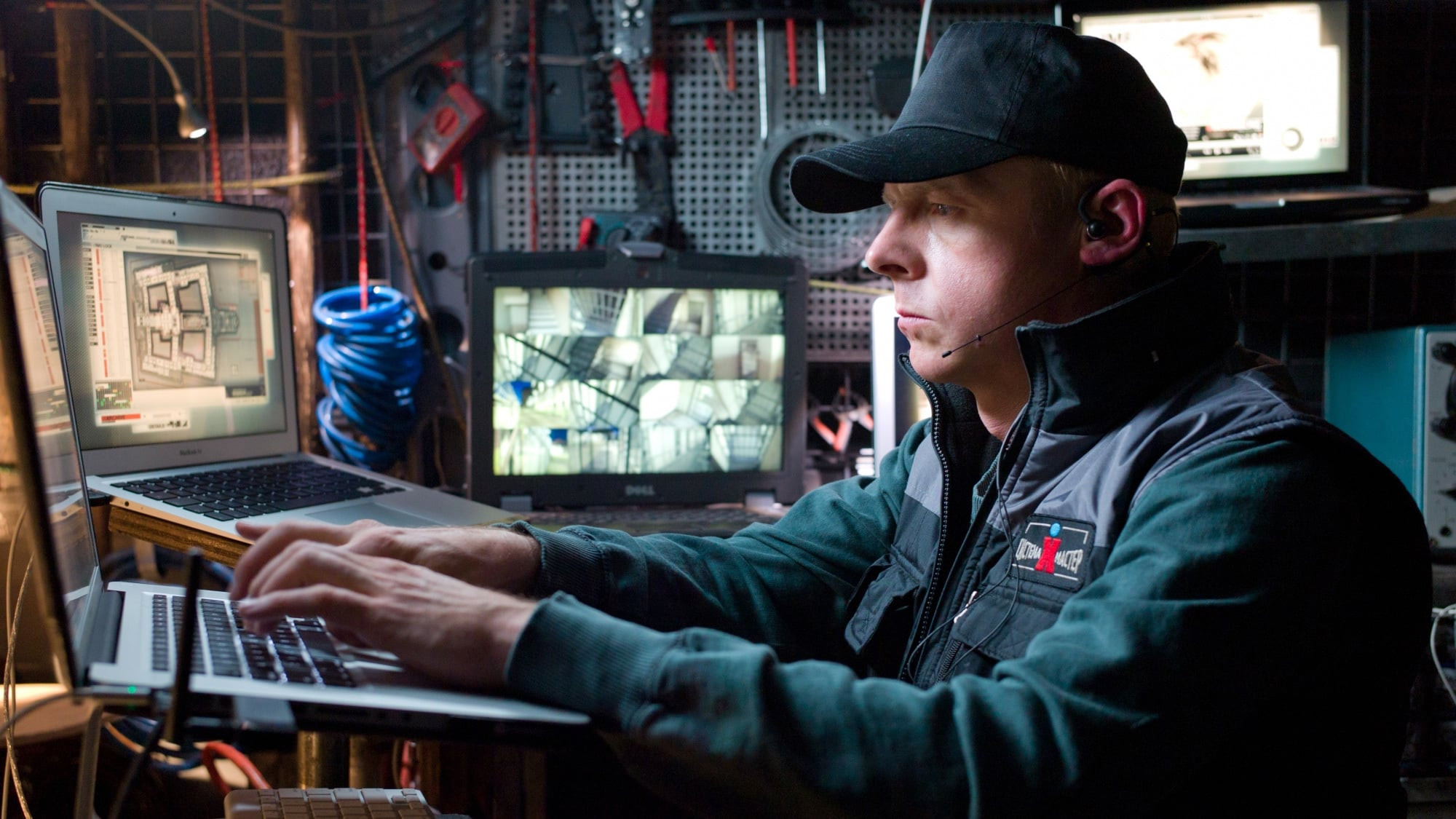
Simon Pegg’s Benji makes technical competence look compatible with ordinary alarm, and the jokes work because the job still needs doing. Paula Patton gives Jane enough force to hold her place beside Ethan Hunt, while Jeremy Renner brings a useful reserve to Brandt. Tom Cruise seems to enjoy having people around him who can complicate a scene as well as help complete it. We get the pleasure of a working group even when the script has not given its members much private life.
Michael Giacchino’s brisk score keeps the chases playful, but Brad Bird also knows when silence will do more for the tension. Paul Hirsch keeps the changes between suspense and comedy smooth enough that a joke rarely costs us concern for the person in danger. The recurring gadget problems are particularly effective, since they oblige the actors to react to something more immediate than another briefing, and allow small embarrassments to occur alongside serious risks.
The weakness is the story supplied by André Nemec and Josh Appelbaum, which has far more imagination for individual obstacles than for the threat connecting them. Michael Nyqvist’s Hendricks is too thinly written to give the pursuit much urgency between the set pieces. Some of the later challenges also repeat the same cycle of preparation, failure and recovery, and the pace begins to slip. At 133 minutes, the film could afford to lose some of that repetition without depriving the team of anything we would miss.
Against the action thriller’s usual demand that we admire one man indefinitely, the emphasis on shared work is welcome. Brad Bird makes it easy to enjoy the ingenuity and still worry about the people carrying out the plan. Choose it for the team, and give the climbing sequence your full attention.