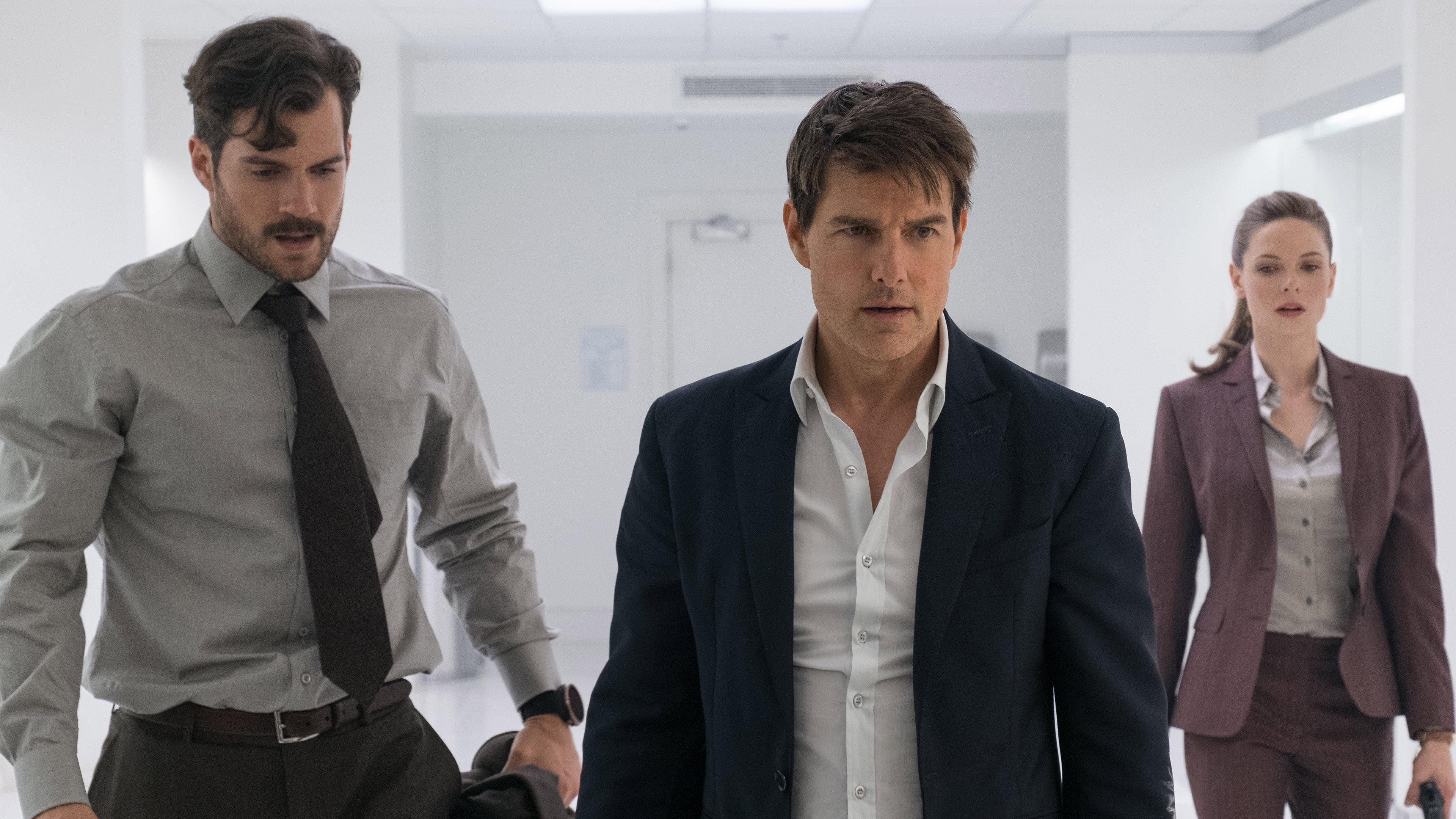
Christopher McQuarrie delivers forceful, unusually clear action, with Tom Cruise making the danger matter through sheer physical effort. The spy plot is needlessly tangled, and 147 minutes is generous, but we recommend it for the stunts.
Mission: Impossible – Fallout is an excellent action film with an unnecessarily elaborate spy plot. Writer-director Christopher McQuarrie takes Ethan Hunt’s attachment to other people seriously, then tests it through action that remains clear even when the intrigue becomes difficult to untangle. Tom Cruise supplies the physical commitment that makes those tests worth watching. At 147 minutes, there is room for some trimming, chiefly when the film stops moving to explain itself.
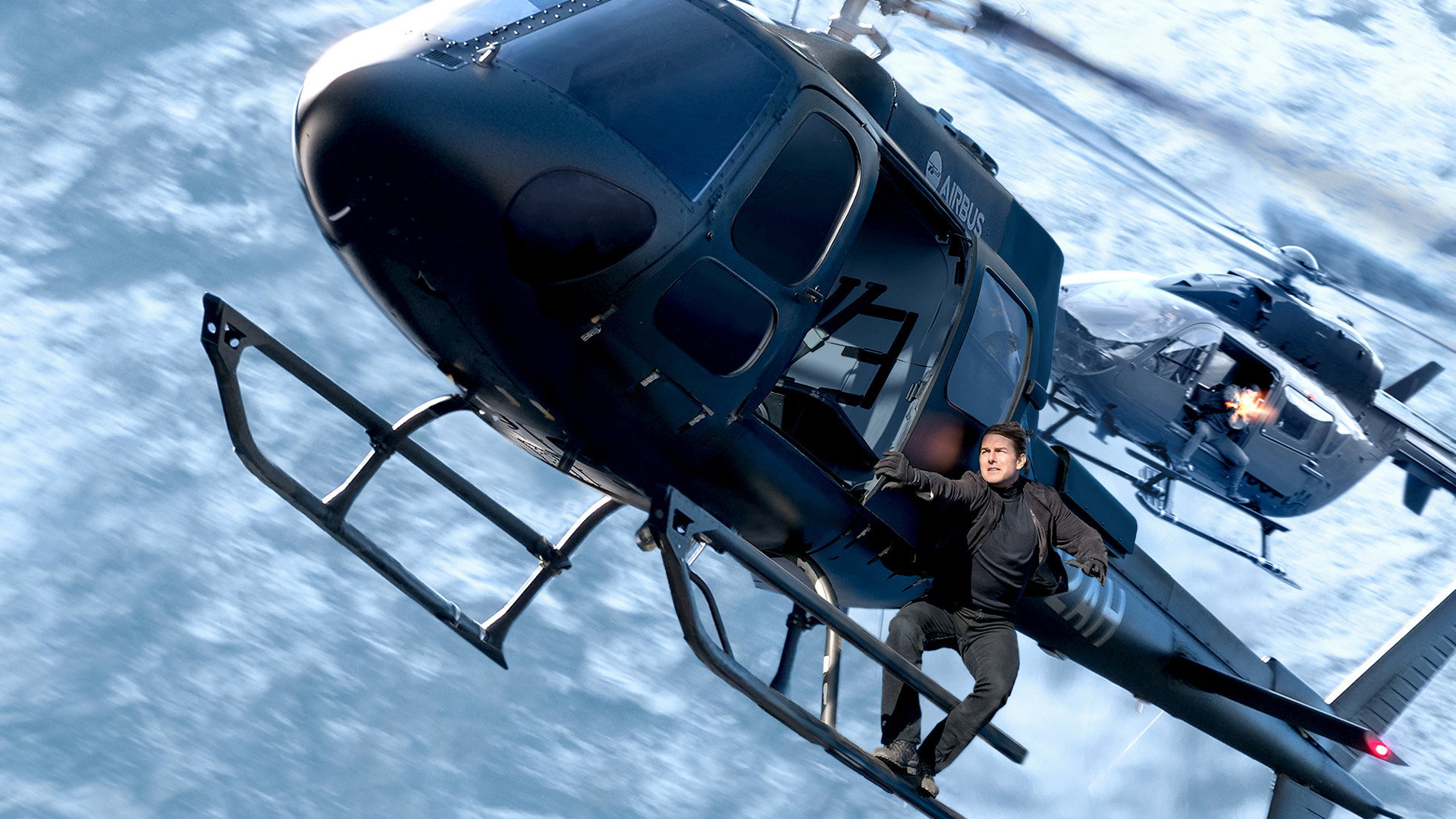
The photography by Rob Hardy and Hugues Espinasse and the editing by Eddie Hamilton make the immediate danger unusually easy to read. The skydiving sequence holds our attention on the fall itself, without letting the mechanics of the filmmaking become a competing distraction. The cutting gives us enough time to grasp what is difficult about the task. We can follow the physical problem even when we have temporarily lost track of the larger mission.
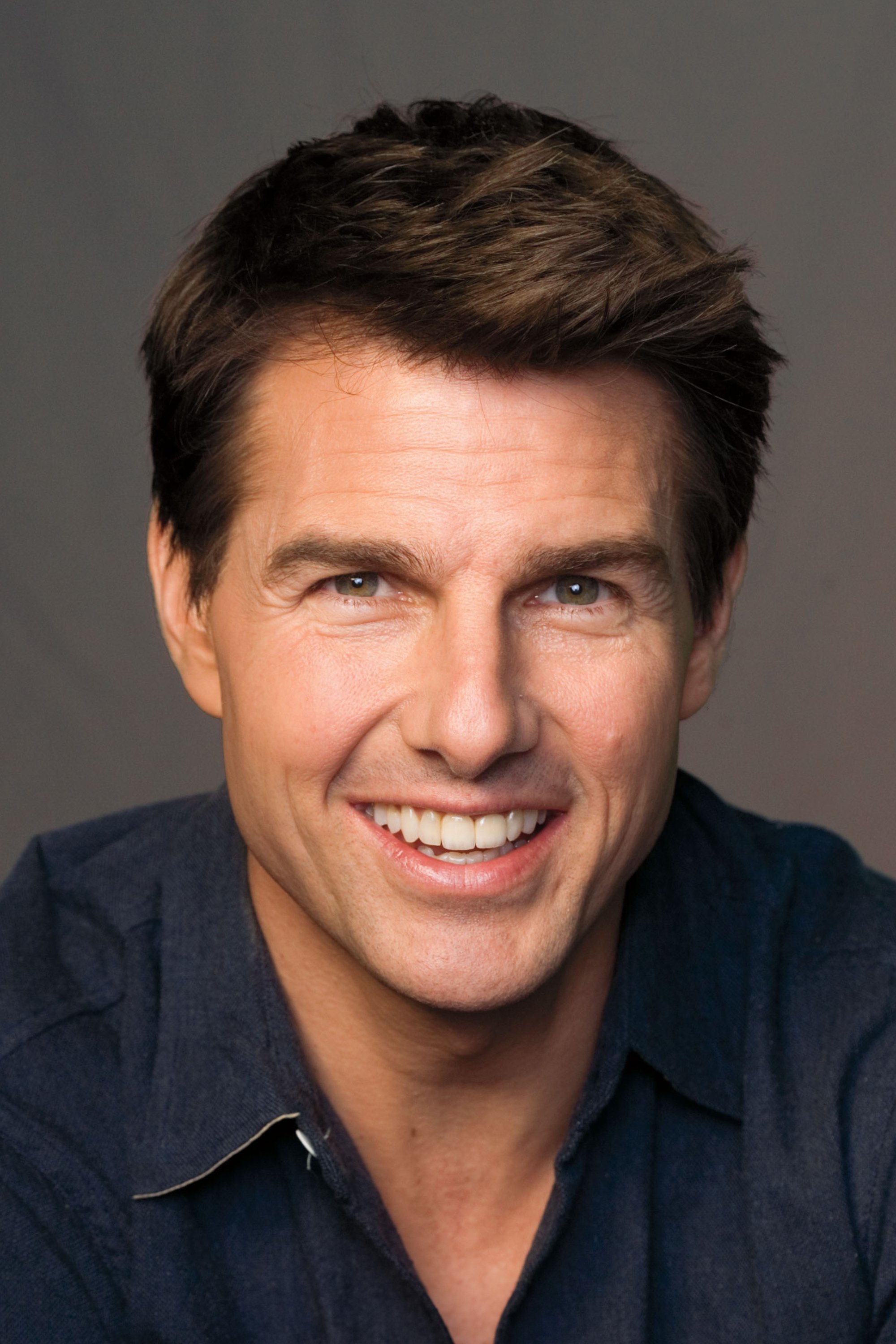
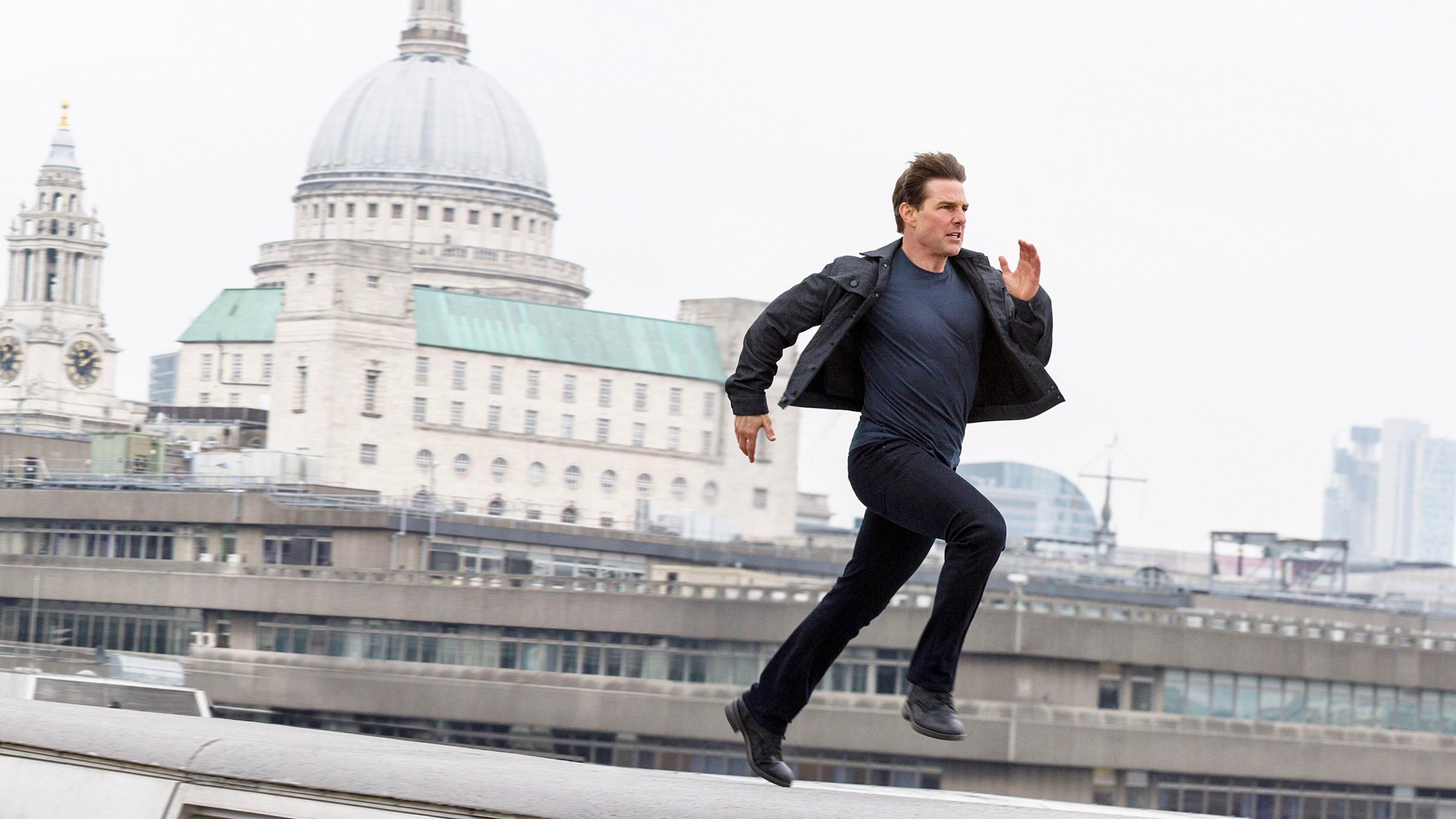
We tensed up during that skydive. The sight of a body falling through open space is enough to unsettle us, and the sequence allows that simple fact to do its work. Tom Cruise’s commitment to performing the stunts gives the action an effort that we can recognise, even when the feat itself is far beyond anything sensible. He is an engaging action lead because the exertion feels like part of the character.
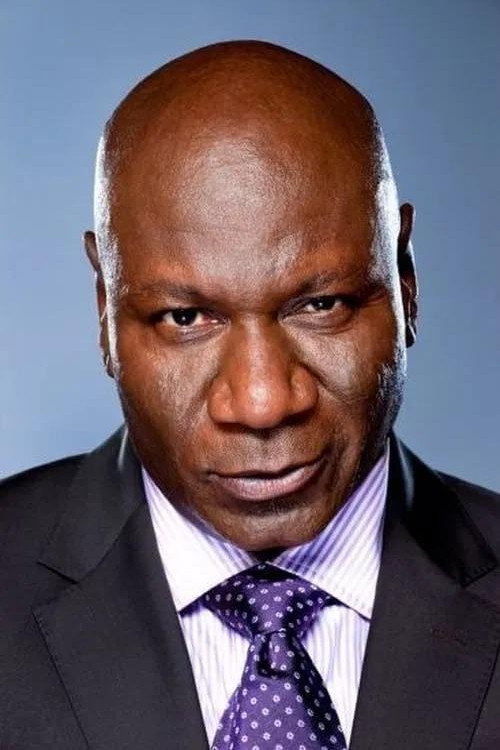
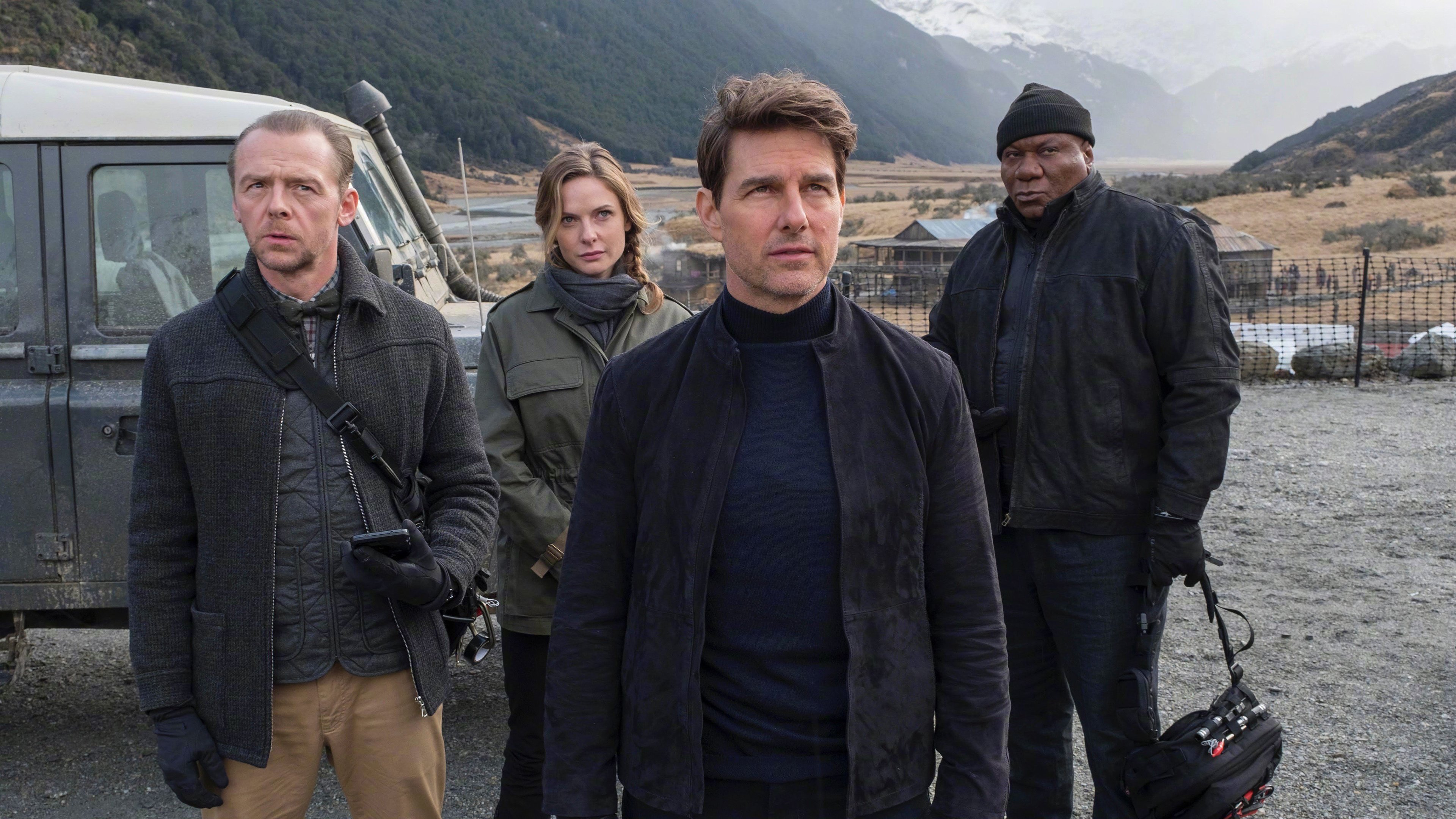
Ethan Hunt’s concern for other people also matters, and Christopher McQuarrie gives it more than a ceremonial mention before the next stunt. The character’s values affect how he approaches the job, which gives all that physical commitment a purpose. Ving Rhames as Luther Stickell, Simon Pegg as Benji Dunn and Rebecca Ferguson as Ilsa Faust give that concern familiar people to settle on. The earnestness works; we would like him considerably less if every act of loyalty needed an accompanying joke.
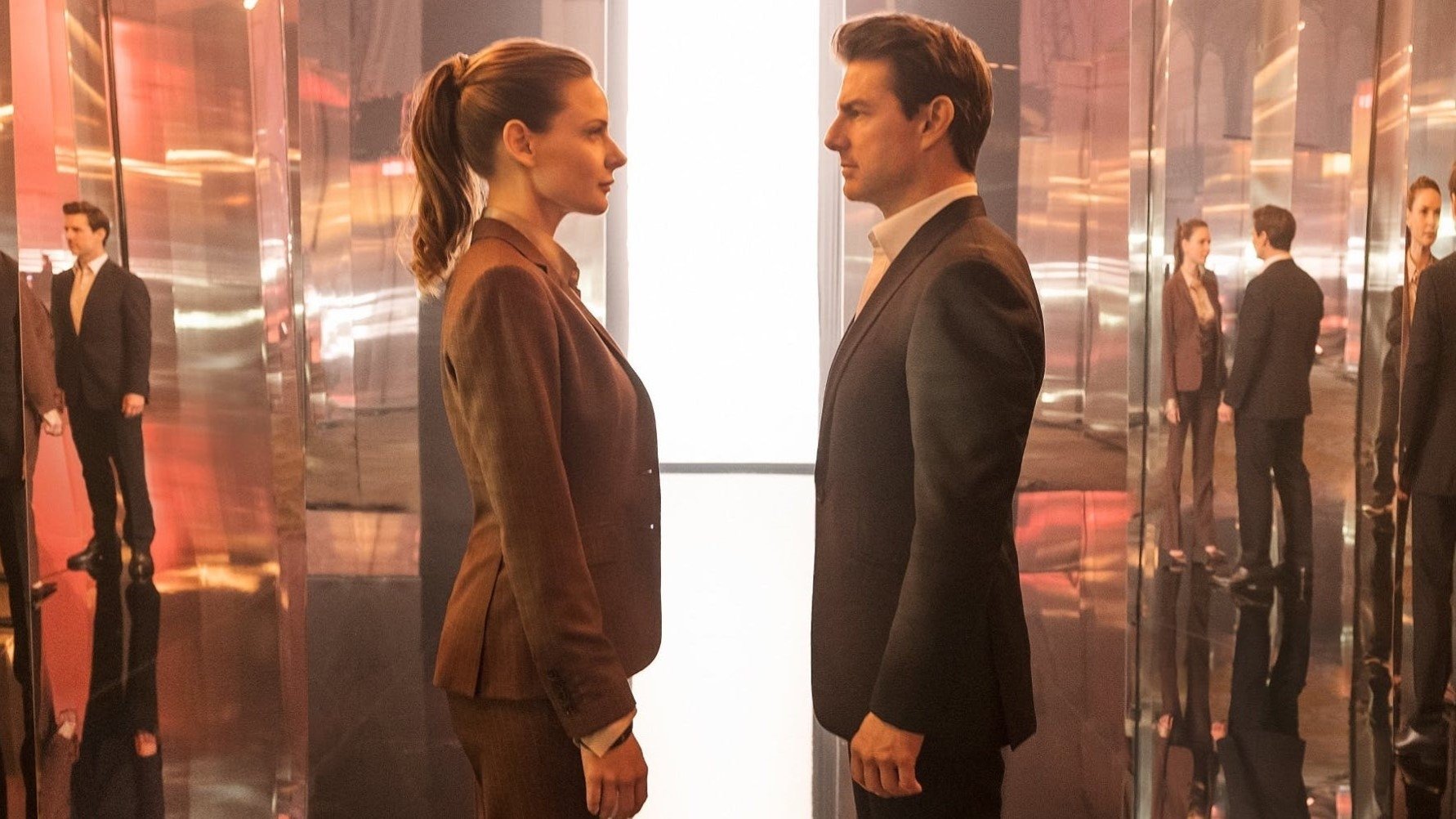
Peter Wenham’s production design works best as part of that clear staging: the spaces are readable while people are moving through them. That matters more here than any individual decorative flourish, and it helps the action keep its momentum. Lorne Balfe’s score is forceful, though we found the physical action more persuasive than the music urging us to respond to it. The film needs little help making us anxious once a stunt is under way.
The writing is less reliable when it has espionage to explain. Christopher McQuarrie piles up complications that do not always repay the attention needed to keep them straight, and the slower opening stretches make the running time felt. The occasional confusion interrupts the excitement rather than adding to it. Some trimming here would help, especially when the action has already made the immediate danger perfectly clear.
We like action cinema that lets us see how difficult the job is, and this film understands that pleasure. Its stunts hold our attention long enough for anxiety to build, without making us struggle to understand where everyone is. We are happy to tolerate the overextended spy story because the physical action keeps earning our attention. Leave enough time to watch it in one sitting; stopping halfway would do the momentum no favours.