Film review

Ronin

1998 · Directed by John Frankenheimer · 2h 02m · MPA R

In a sentenceRobert De Niro and Jean Reno make dangerous driving look like a sensible second career

ActionThrillerCrime

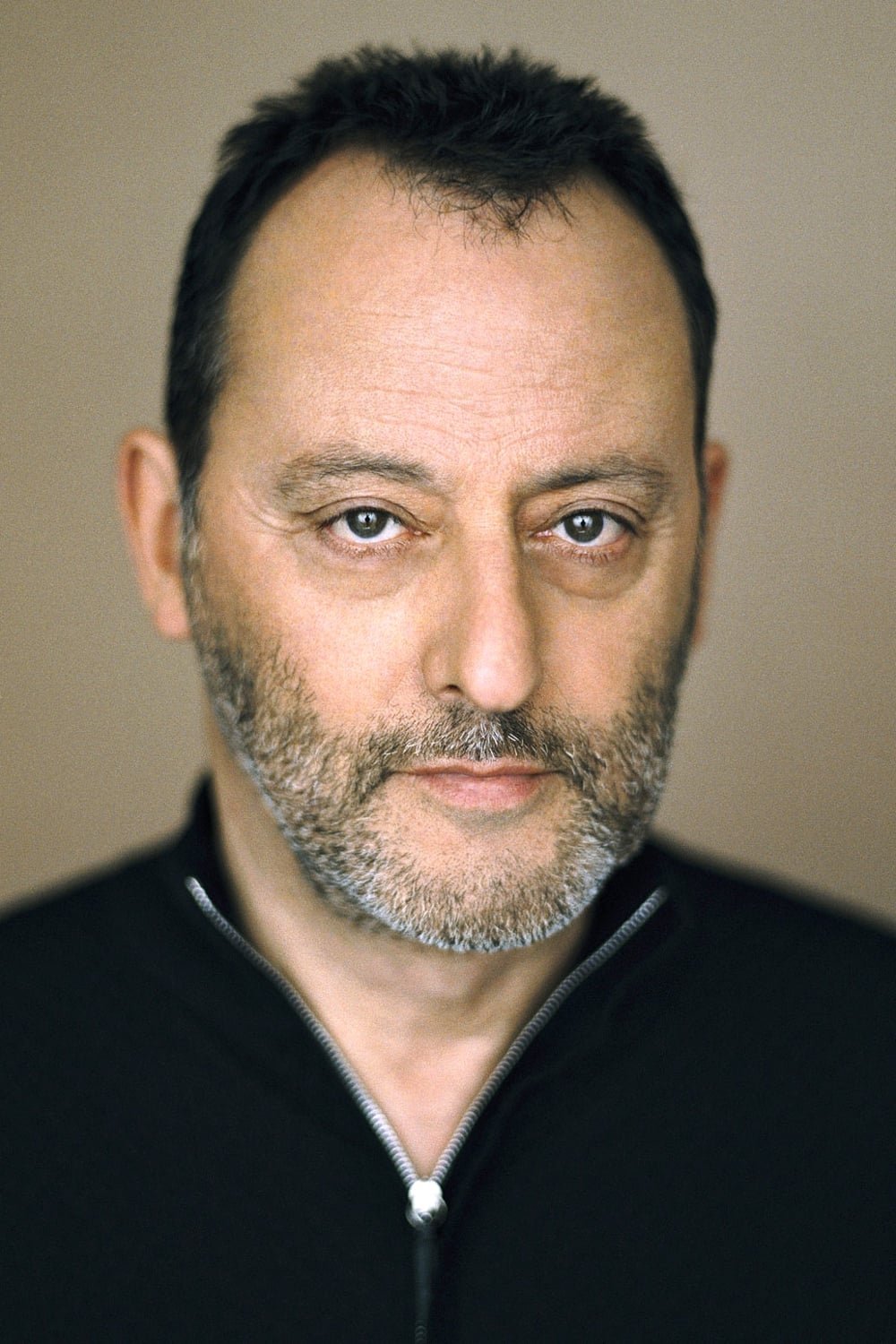
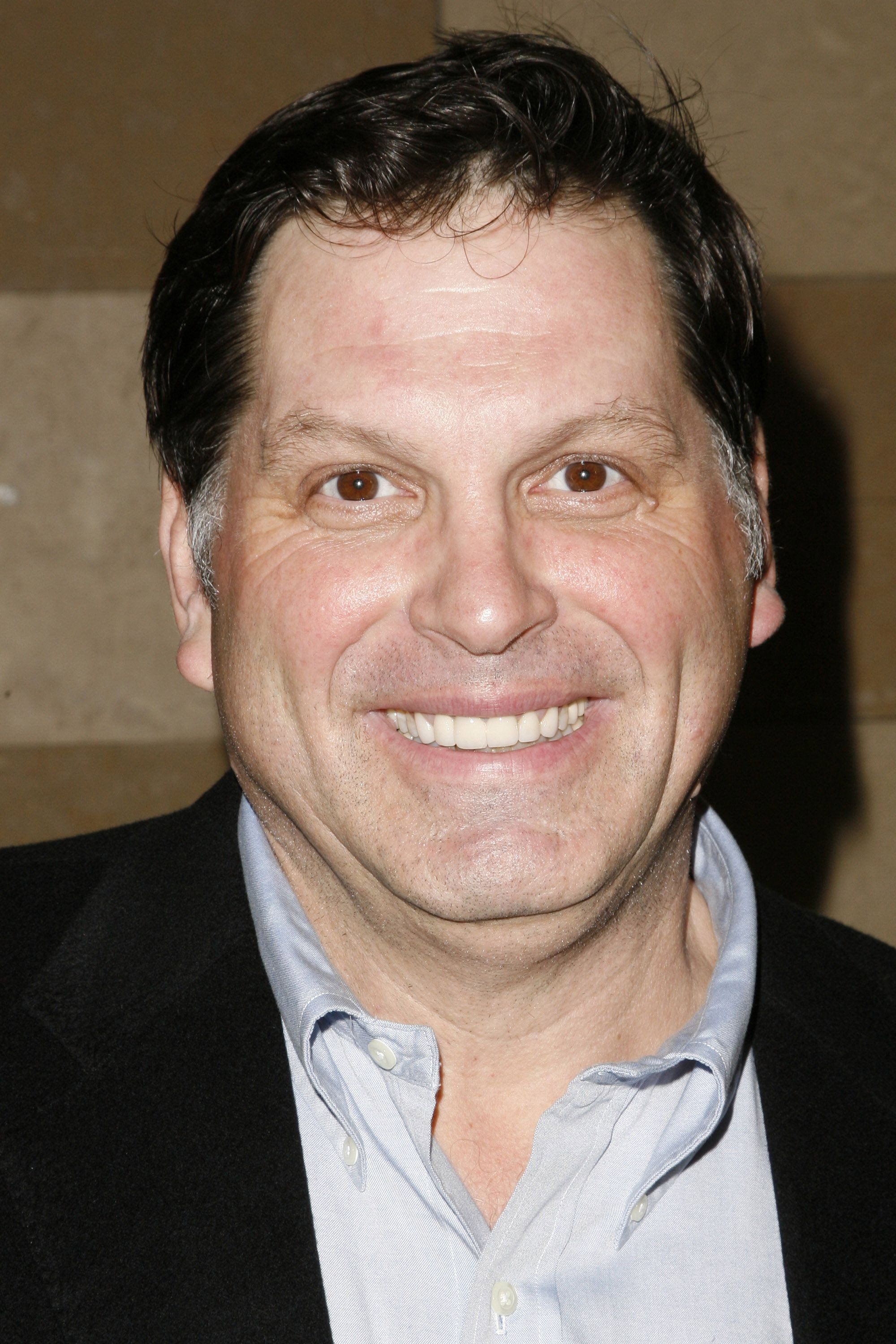
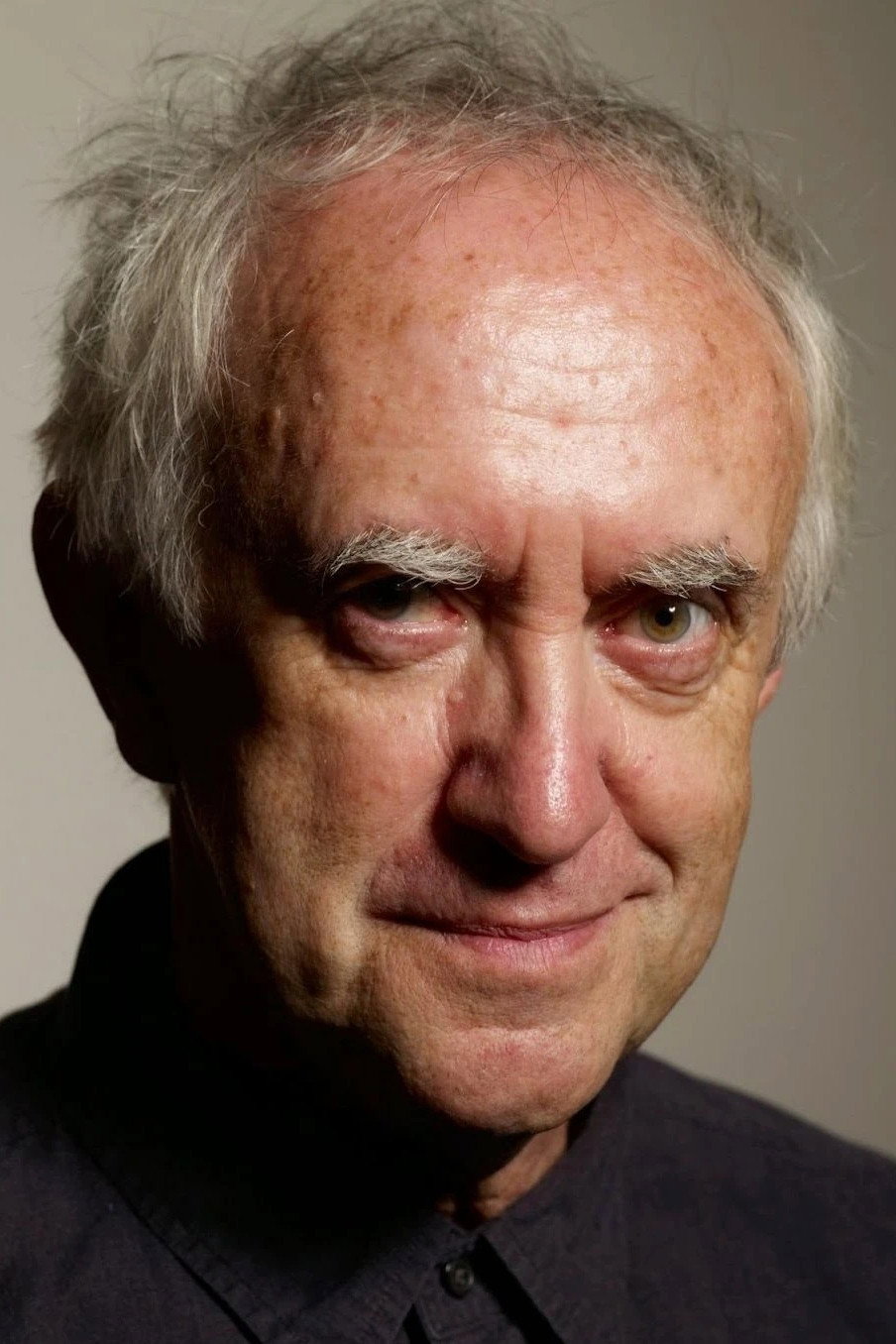
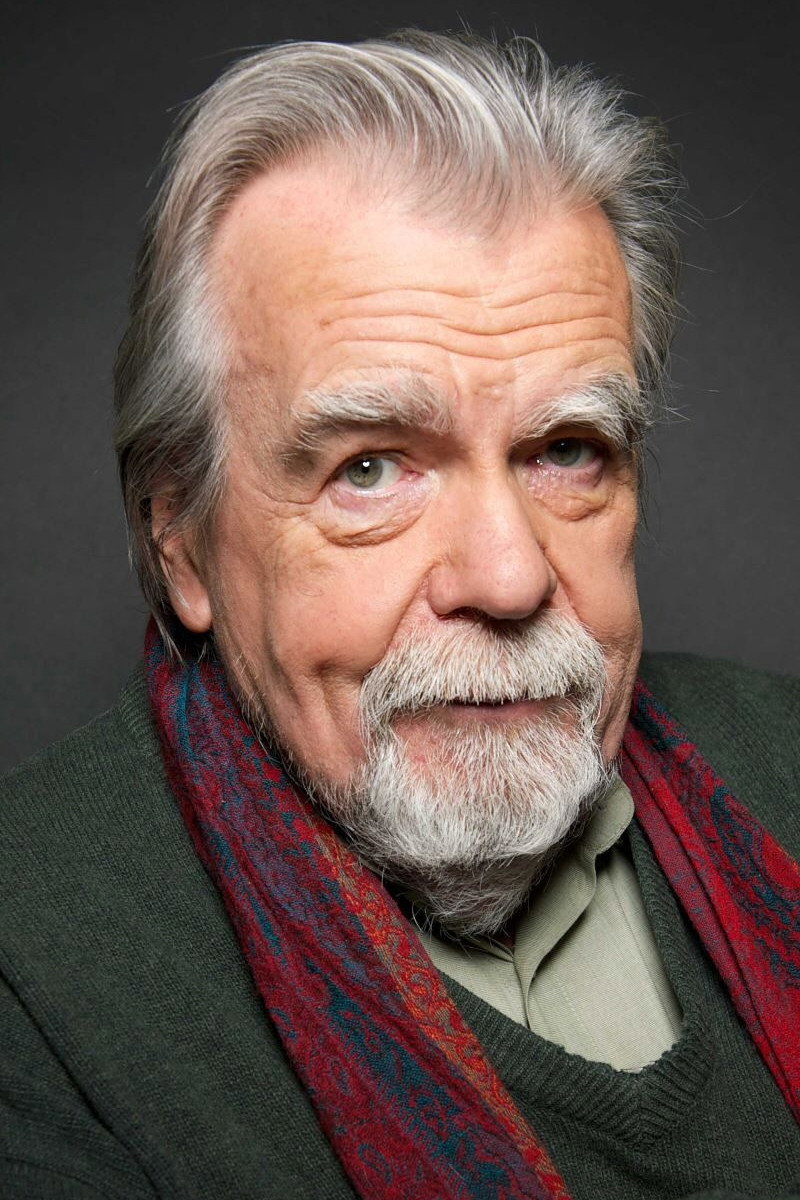
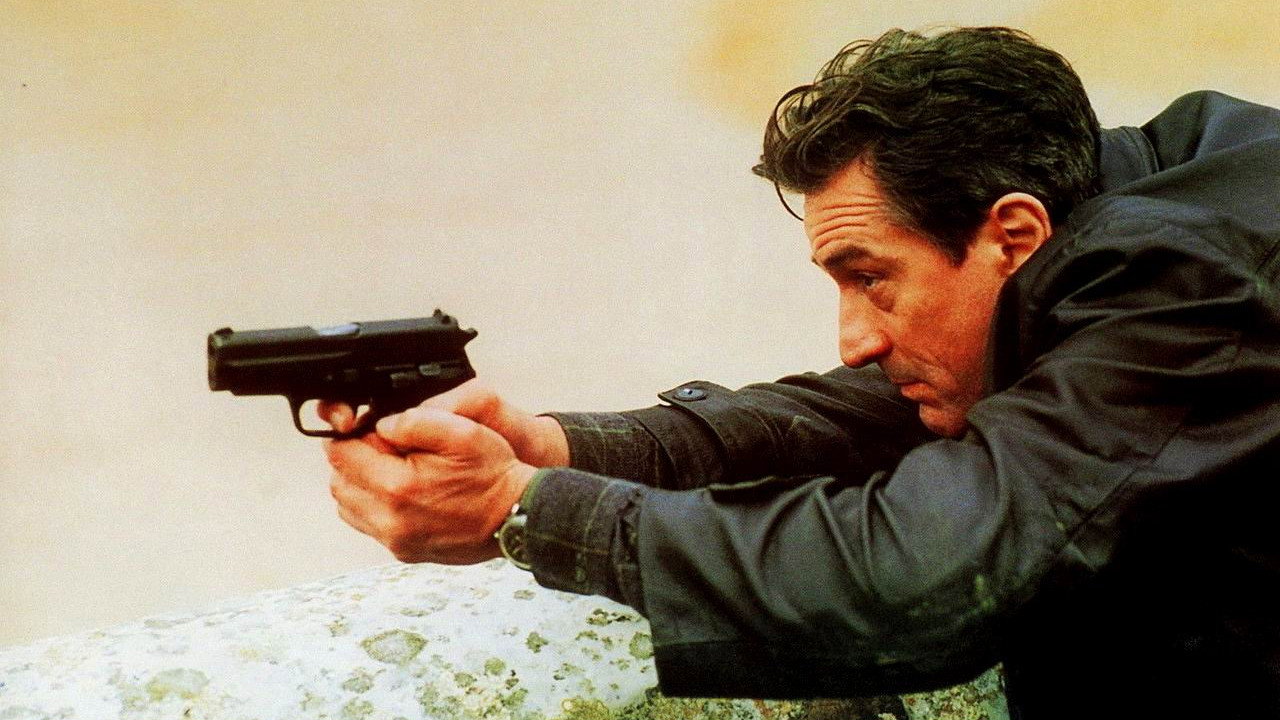
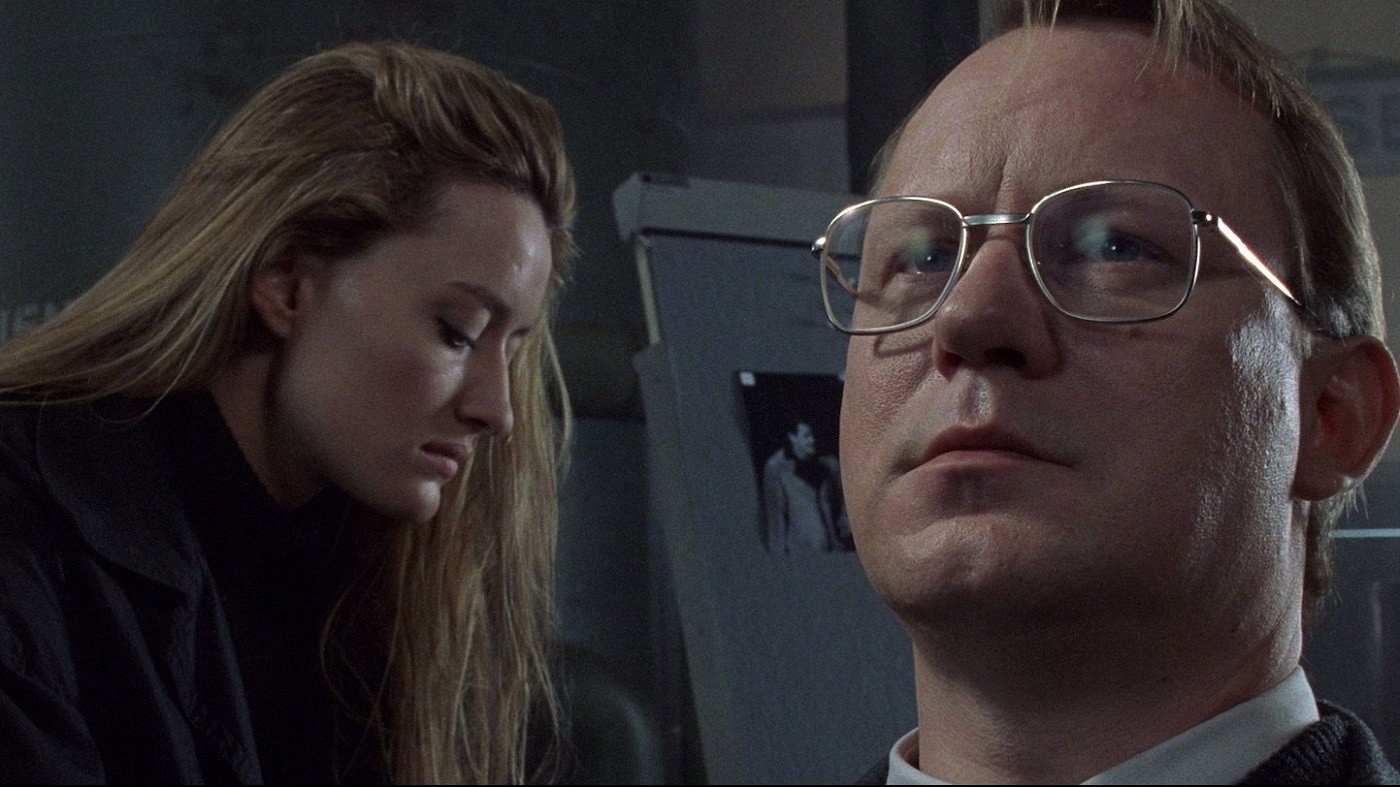
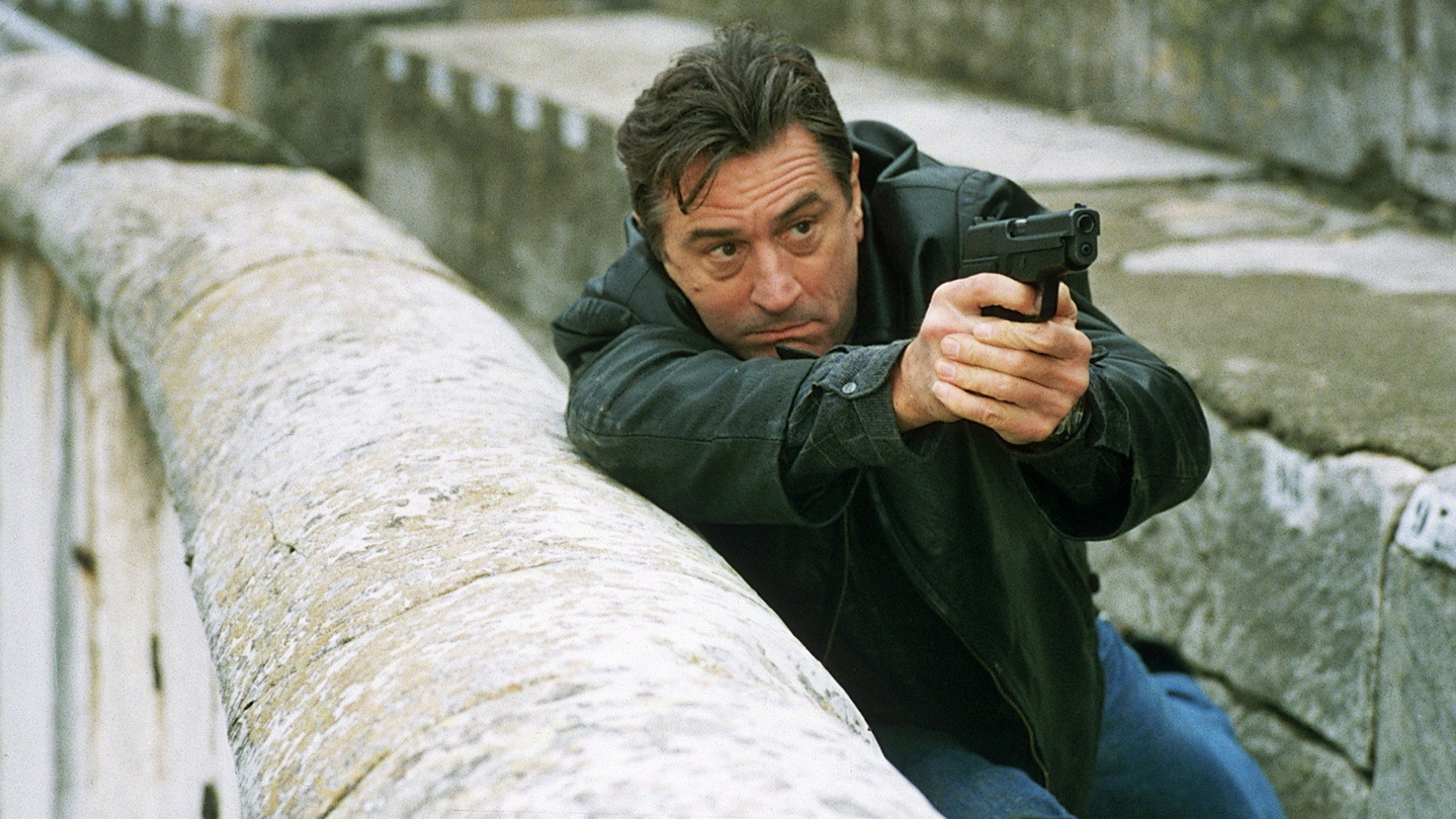
In Paris, a heist brings together professionals who have reasons to doubt one another. Robert De Niro plays Sam and Jean Reno plays Vincent, alongside Natascha McElhone as Deirdre and Stellan Skarsgård as Gregor. As the job puts their skills to use, shifting loyalties make trust difficult and action spills into car chases. Sean Bean’s Spence and Skipp Sudduth’s Larry are also part of the ensemble in John Frankenheimer’s crime thriller, with Jonathan Pryce as Seamus O’Rourke and Michael Lonsdale as Jean-Pierre.

Plays from YouTube when you press play; nothing loads from them until then.

Fi1m review

John Frankenheimer’s thriller makes skilled people doing dangerous work a pleasure to watch. The characters are underwritten, but Robert De Niro, Jean Reno and the car chases earn a firm recommendation for action enthusiasts.

Ronin is a good thriller with excellent car chases and a script that does not quite earn the attention it demands. John Frankenheimer keeps us interested by taking the work seriously: these people have a job to do, and we want to see how they do it. Their suspicious dealings are enjoyable even when the reasons for them become slippery. We recommend it for that professional concentration, with fair warning that the script leaves most of its people underwritten.

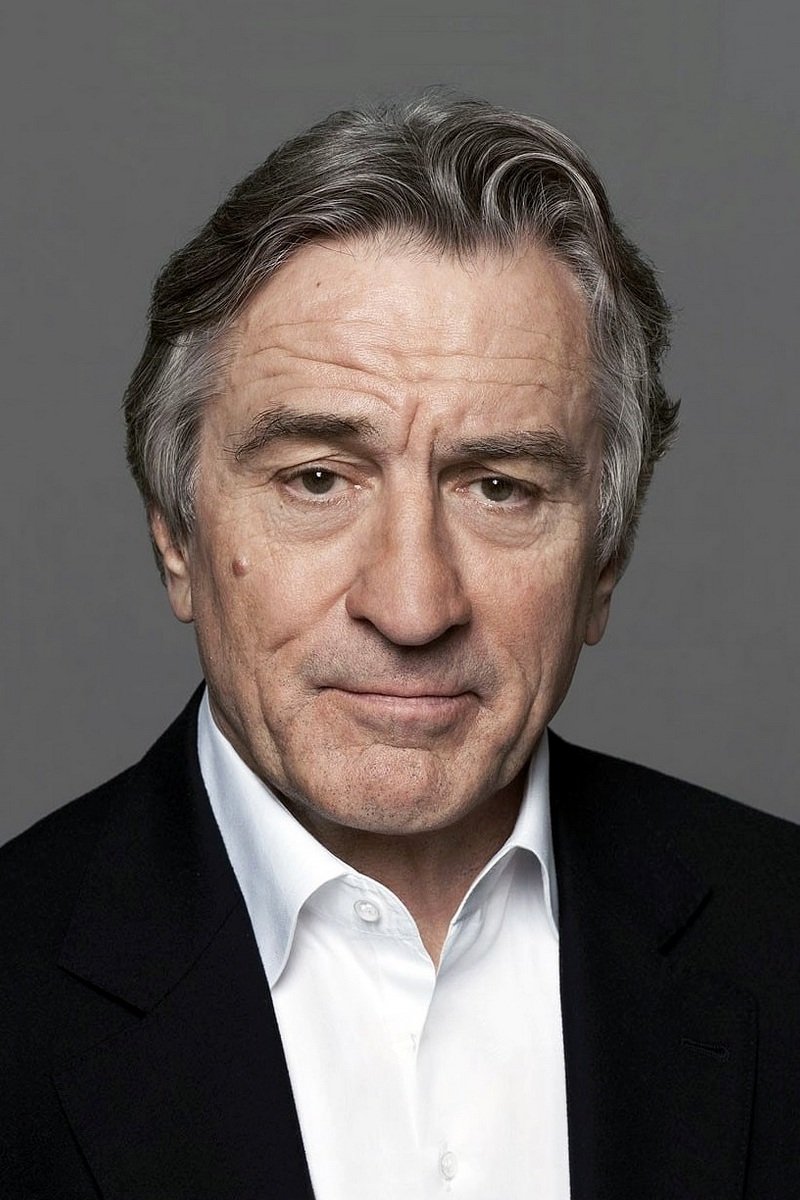
Robert De Niro, as Sam, gives the film the steadiness it needs whenever the plotting threatens to wander. He makes guardedness watchable, and Jean Reno’s Vincent is persuasive company because neither actor seems desperate to make an impression. Their scenes give us the welcome impression that someone here knows what he is doing. The rest of the ensemble is less well served, with Natascha McElhone’s Deirdre and Stellan Skarsgård’s Gregor caught in writing that values uncertain loyalties above individual character.

The car chases justify that patience. Robert Fraisse’s cinematography makes the driving feel dangerously physical, and Antony Gibbs’s editing sustains the pressure without reducing every burst of speed to a blur. We tensed up watching the cars, because their movement has weight and the danger seems close enough to hurt. Frankenheimer lets us attend to the driving itself, which is a considerable pleasure in an action film: we are watching people handle machinery under pressure, and the skill is legible.

Michael Z. Hanan’s production design helps by keeping the surroundings credible enough for that danger to register. Paris is not simply somewhere attractive to put the cast; the film encourages us to consider what it takes to move through a place at speed. The locations feel suited to people concentrating on the next practical problem, and that restraint works. The music credited to Elia Cmiral and Djivan Gasparyan lends the proceedings some unease, although it cannot supply the personal stakes the writing withholds.

The screenplay by David Mamet and J. D. Zeik is the obstacle to a warmer recommendation. It keeps loyalties uncertain, but uncertainty about who can be trusted is more rewarding when we have something solid to hold on to elsewhere. Here the story sometimes becomes difficult to follow without giving us enough reason to care about untangling it. The actors keep those passages tolerable, yet their assurance cannot disguise how little room they have to suggest lives beyond the job.

The consensus is cooler than we are, and the complaints about muddled storytelling and underwritten people are fair. We disagree that these faults cancel out the pleasure of watching skilled actors in action staged with such care. For a thriller about professionals, Ronin spends surprisingly little time making us feel what this work costs them. It gets enough out of their immediate difficulties to keep us interested without that deeper attachment.

At 122 minutes, it could lose some complication without losing much that matters. The chases are worth waiting for, and the cast gives the waiting some dignity. Choose it for the driving, and resist the temptation to treat the plot as homework.
Critical consensus AI synthesised

60
Positive
4
Mixed
1
Negative
2

Most critics find Ronin an enjoyable old-fashioned thriller, with praise concentrated on Frankenheimer’s action direction and the car chases’ physical realism. The favourable reviews value its gritty professionalism, tense encounters and straight-faced handling of familiar genre material. Performances also draw approval, particularly De Niro and Reno, while several critics find that the pace and shifting loyalties sustain interest even when the story strains credibility.

The disagreement is over how much those strengths compensate for thin characters and an implausible or confusing plot. Some accept the silliness as part of the pleasure; others find too little drama beneath the action. The spread is wide: Eye for Film embraces the film throughout, while Time Out finds the plotting uninvolving and argues that even the chases grow tiresome. The AV Club offers a distinct qualification, praising the detailed plotting but finding the action and moody paranoia imperfectly balanced.

The New Yorker
28 September 1998 · Anthony Lane
80*

Lane finds Ronin rather enjoyable overall, especially its multiple outstanding car chases treated as the film's core. He praises Frankenheimer's return to form and realistic action that avoids flashy effects.

Read the full review →
Los Angeles Times
25 September 1998 · Kenneth Turan
75*

Turan calls it an old-fashioned thriller efficiently updated, with tense professionals and satisfying car chases filmed realistically without digital effects. Frankenheimer's fast-moving direction keeps implausible elements from tipping into silliness.

Read the full review →
Variety
14 September 1998 · Todd McCarthy
70*

McCarthy sees it as a pleasurable throwback to gritty 1960s international thrillers, with potent action, shifting loyalties and scenic locations holding interest despite thin characters and story. He notes strong performances but wishes for more existential depth.

Read the full review →
Empire
1 January 2000
50*

The film is an old-school Parisian spy-heist that lacks enough plot dynamism to be memorable beyond its car chases, despite solid performances from De Niro and Reno.

Read the full review →
Total Film
20 November 1998
40*

The confusingly plotted thriller has promising set-up and strong action sequences from Frankenheimer but is undermined by a weak script and lack of real drama, leading to a recommendation to skip it.

Read the full review →
Time Out
5 January 2022 · GA
20*

The critic finds the film to be hackneyed genre fluff with a rambling, uninvolving plot, paper-thin characters, and clumsy dialogue, dismissing its pretensions as absurd. The non-digital car chases provide brief fun but ultimately pall, along with the performances and camerawork.

Read the full review →

Cast

Stills

Awards

Saturn Awards, 1998

Nominated
Best Action or Adventure Film

If you liked this, try…

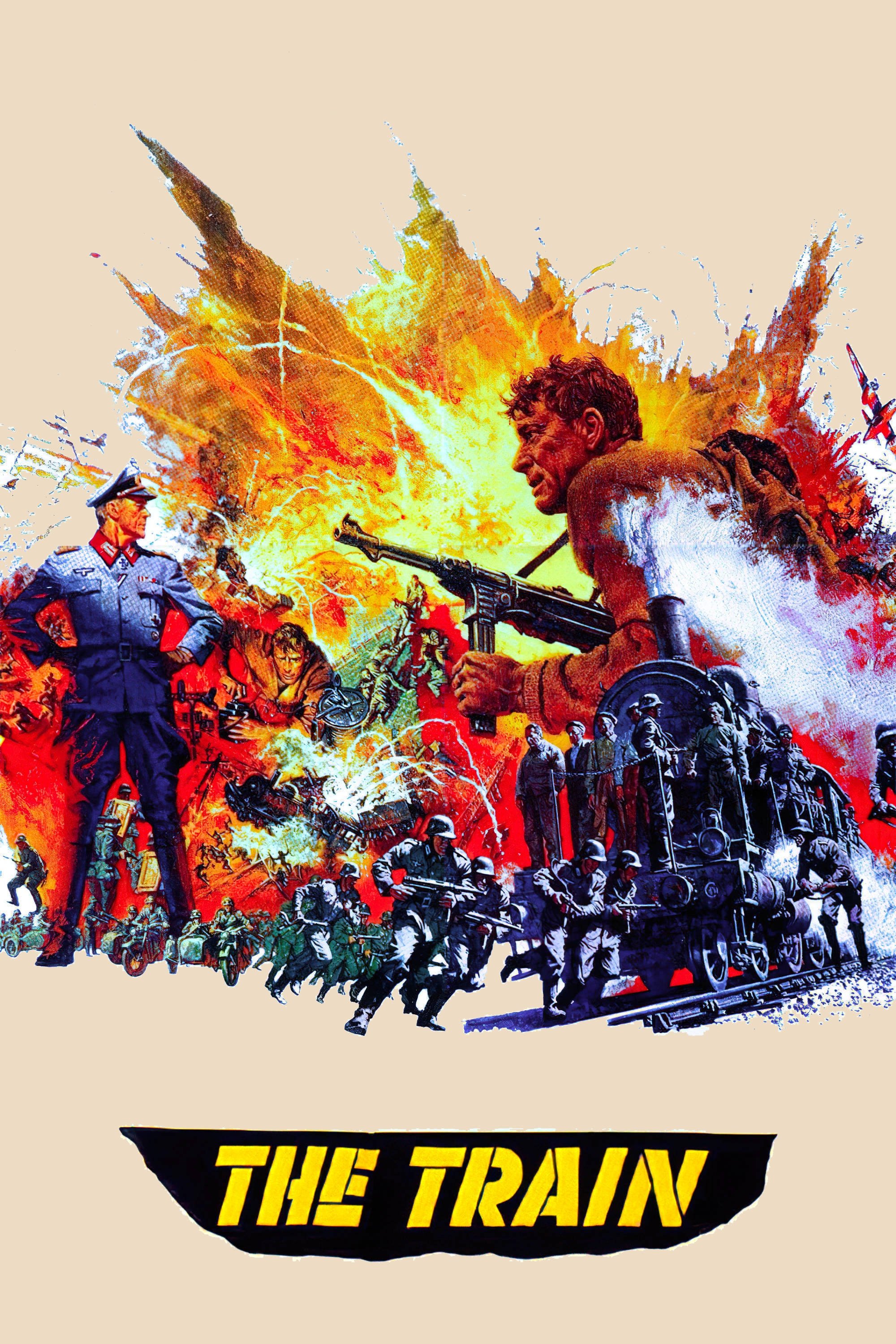
The Train poster

The Train

1964 · Another difficult job made gripping by people who understand the machinery

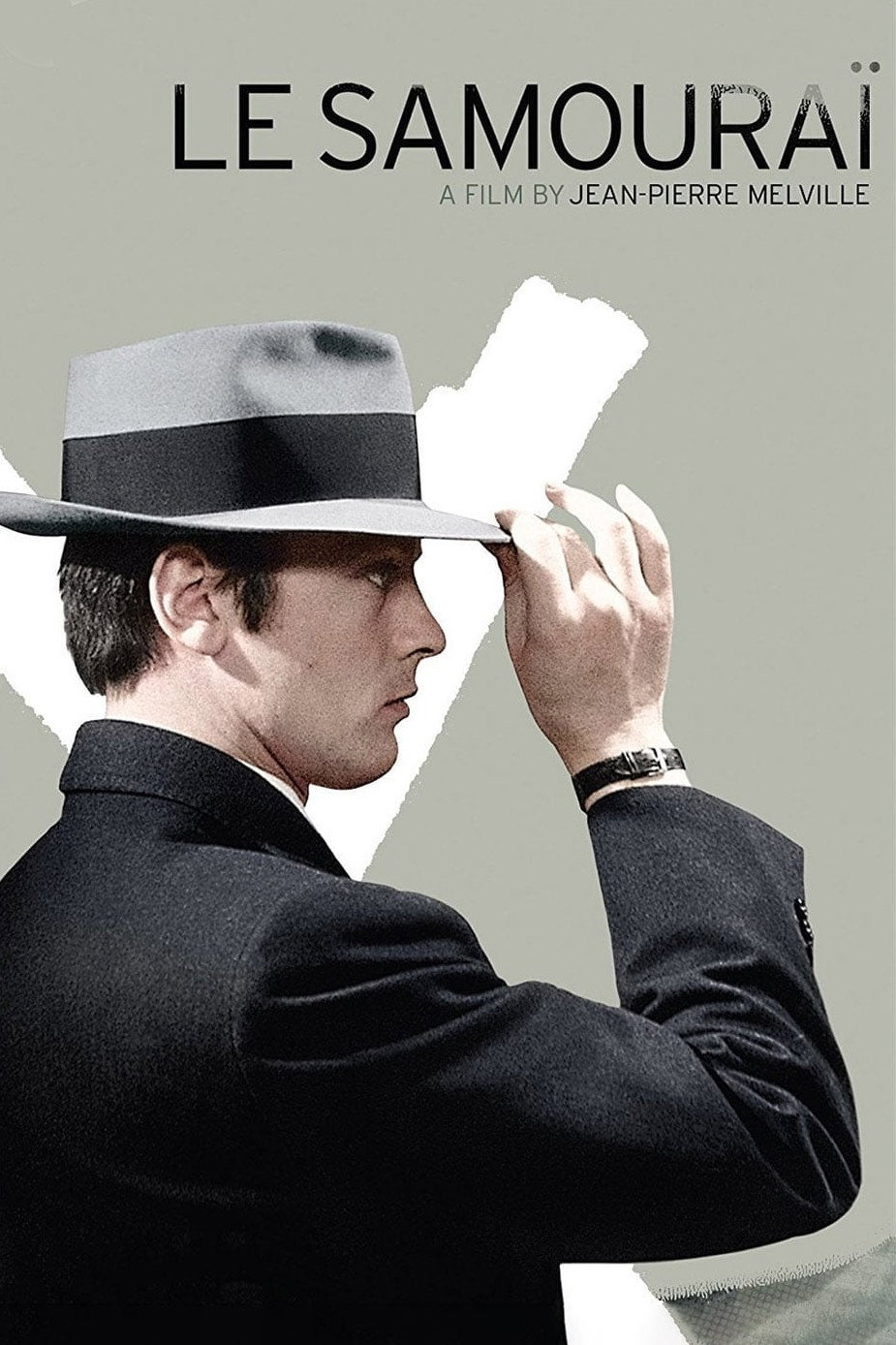
Le Samouraï poster

Le Samouraï

1967 · Watchful professionals and uncertain loyalties, with more silence and sharper personal consequences

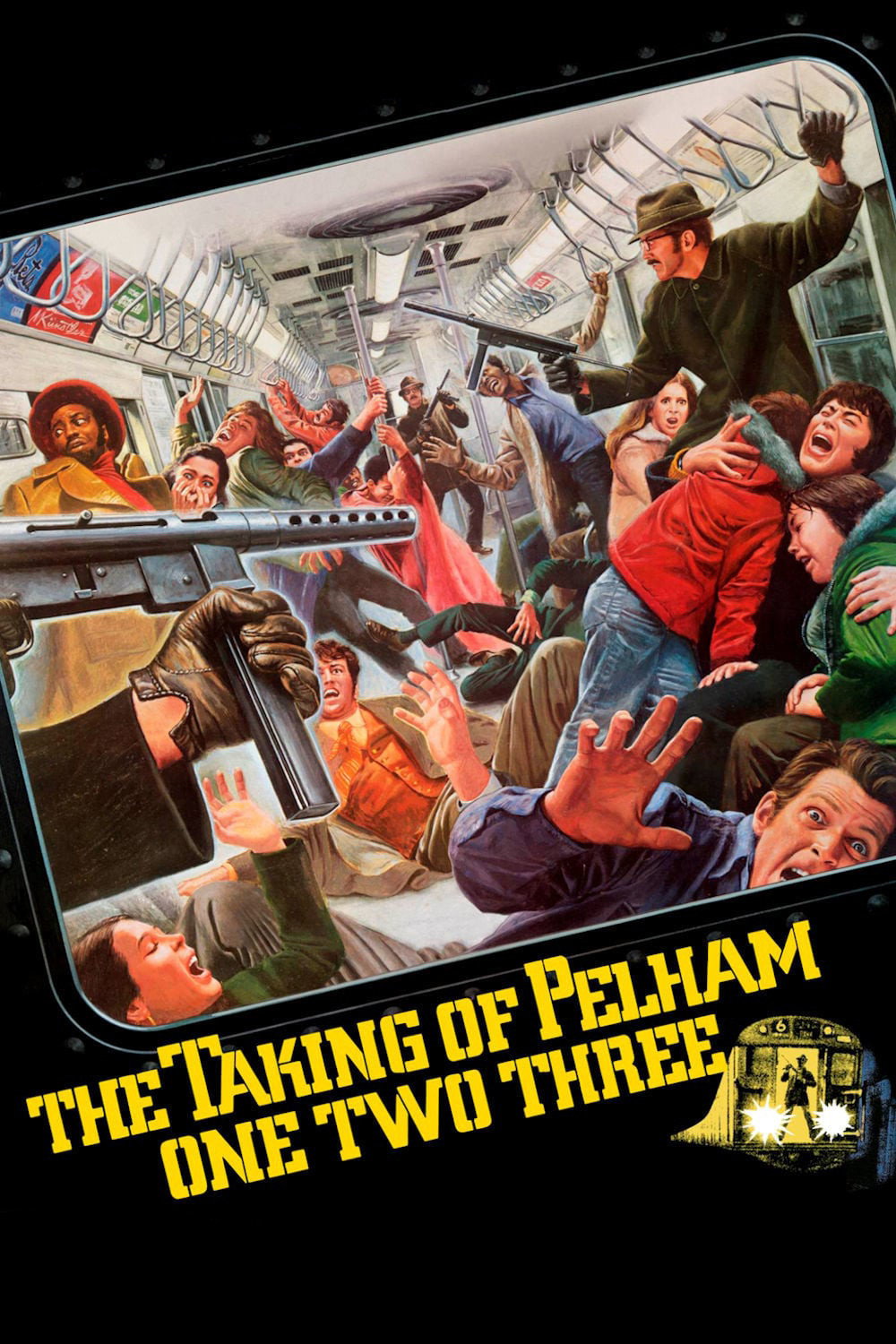
The Taking of Pelham One Two Three poster

The Taking of Pelham One Two Three

1974 · Dry exchanges and carefully staged action make the practical details matter

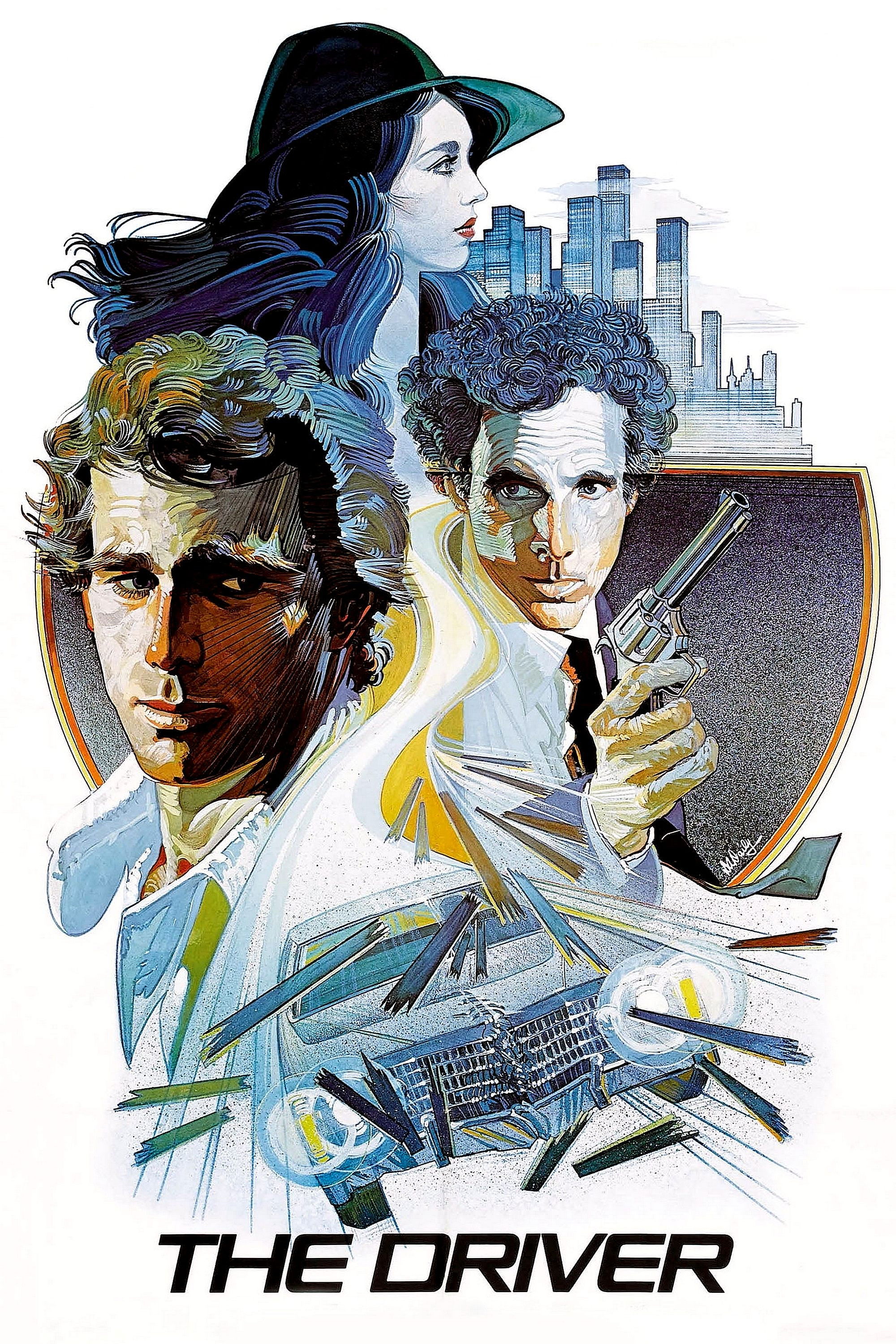
The Driver poster

The Driver

1978 · For more car chases where the driving does the character work

A Hijacking poster

A Hijacking

2012 · Tense negotiations and uneasy teamwork, with even less room for grandstanding